
Pressure Cooker Mastery: A Survival Guide for Beginners in Indian Kitchen
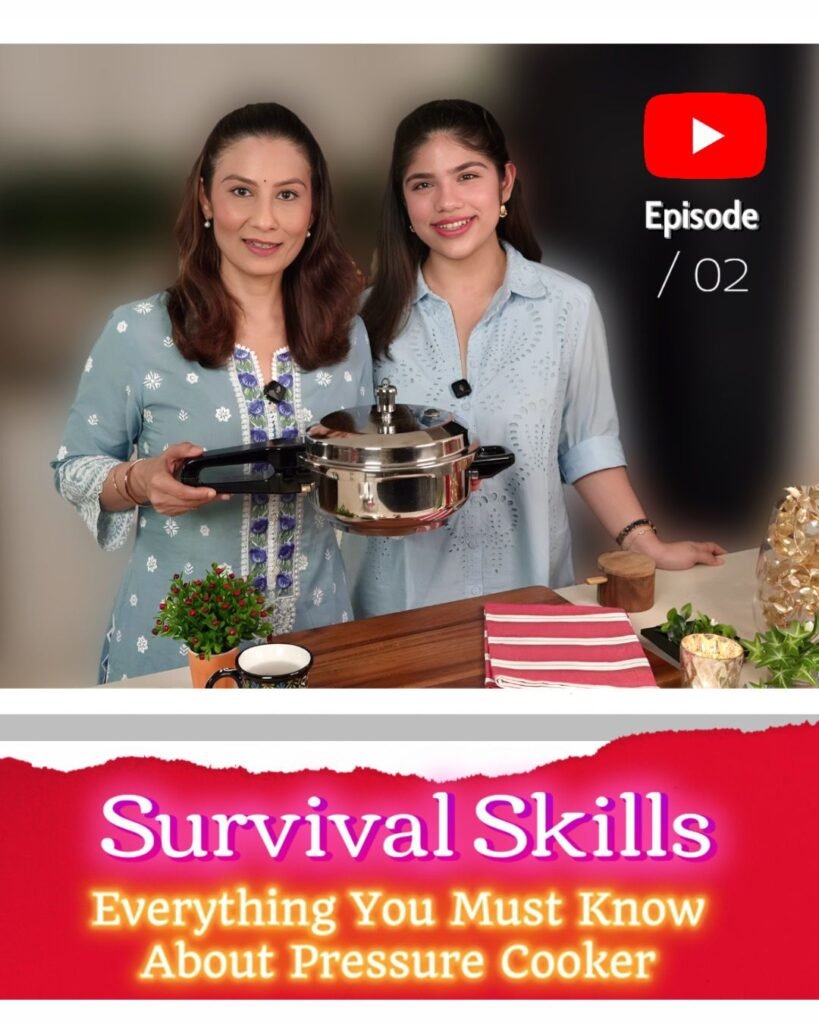
The pressure cooker is often the most feared yet most misunderstood tool in the kitchen. Many home cooks shy away from it because they find the mechanics intimidating or are uncertain about safety. However, once you master the basics, it becomes your most reliable partner for healthy, efficient, and consistent cooking.
Whether you are a beginner setting up your first kitchen or someone looking to refine your technique, here is how you can master your pressure cooker with confidence.
Anatomy of Your Pressure Cooker
Understanding your equipment is the first step toward safety. Every standard pressure cooker consists of three critical components that must be maintained:
- The Weight Valve (Whistle):* This sits on top and controls the release of steam.
- The Safety Valve: This is your primary defense. If steam is blocked, this valve is designed to rupture, preventing a dangerous buildup of pressure.
- The Rubber Gasket (Ring): This ensures the cooker is airtight. A healthy gasket should be firm and snug. If it becomes loose or stretches too easily, it is time to replace it to ensure your cooker maintains proper pressure.
The Art of Steam Cooking (Perfect Potatoes)
One common frustration is boiling potatoes that turn out sticky or mushy, making them difficult to use for recipes like tikkis or salads. The secret to perfect texture is avoiding direct contact with water.
Instead of submerging them, use a steam cooking method:
- Prepare the Base: Add about half a glass of water to the bottom of the cooker.
- Elevate: Place a small stand or rack inside.
- Steam: Place your washed potatoes (skins on) on the rack or on a plate resting on the rack. If using a plate, add a single spoonful of water onto the plate to assist the steaming process.
By steaming rather than boiling, your potatoes will retain their structure, remain fluffy, and be perfectly ready for any culinary application.
Cooking Perfect Dal
The key to cooking lentils (like moong dal) is the water-to-lentil ratio. Using too much water results in messy overflows through the whistle, while too little causes the lentils to burn at the bottom.
A general rule of thumb is to use a 1:1 ratio for soaked lentils. If you are using half a cup of dry lentils—which yields roughly one cup after soaking—use one cup of water. It is best to add your salt and turmeric during the cooking phase, but save your complex spice blends and tadka for after the lentils are cooked to maintain the best flavor profile.
Safety Protocols for Every Cook
The golden rule of pressure cooking is patience. Never attempt to force your cooker open the moment the whistle stops. The vessel remains under high pressure even after the heat is off.
- Resting Period: Allow the cooker to sit undisturbed for 10–15 minutes after turning off the flame. This allows the internal pressure to subside naturally.
- Pressure Check: Gently touch the whistle. If it moves freely and there is no hissing sound, the pressure has safely dissipated.
- Opening Safely: Always remove the weight valve (whistle) completely before you attempt to unlock and remove the lid.
Mastering these basics turns a kitchen “survival skill” into a daily habit of efficiency. Once you have the fundamentals down, you can cook anything from grains to hearty legumes with ease.
For a step-by-step visual demonstration of these techniques, you can watch my full tutorial here: Teaching My Daughter Pressure Cooker Basics | Survival Skills Ep 2 I Meghna’s Food Magic
https://youtu.be/xn42nZxi-sI

