
10 Healthy Hidden Vegetable Recipes for Picky Eaters

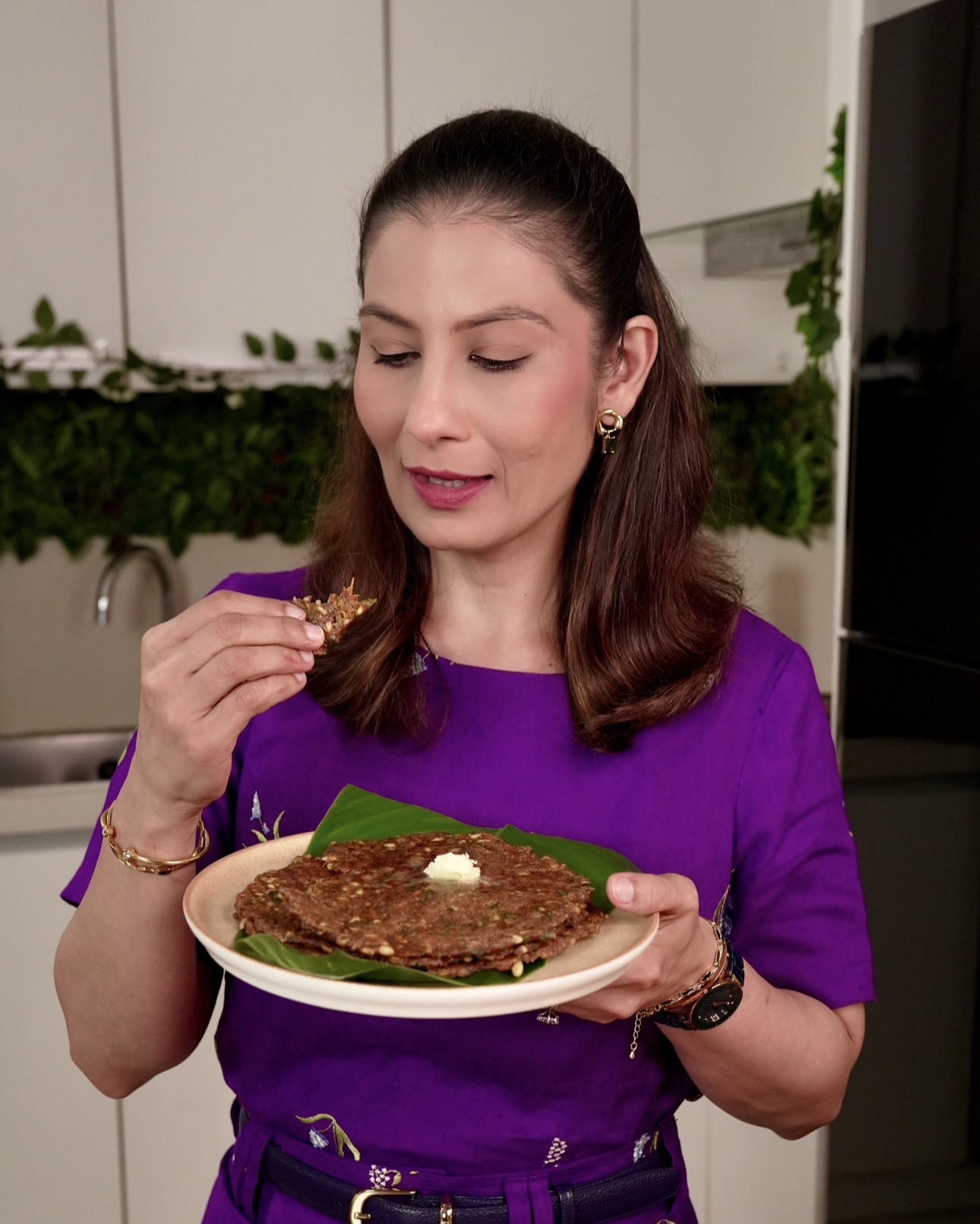
These ten hidden vegetable recipes start with familiar favourites: pumpkin vegan mac and cheese, a spinach-kale smoothie, Banana Carrot Smoothie, tofu bolognese, pumpkin banana bread, carrot banana muffins, Banana Spinach Pancakes, Hidden Veggie Chocolate Muffins, Vegan Pumpkin Brownies, and vegetables folded into mince. The Banana Carrot Smoothie uses three ingredients; the pancakes include a whole cup of spinach, and the brownies use ¾ cup of pumpkin purée.
These recipes blend, grate, or purée vegetables into everyday meals. A smooth sauce, tender bake, or familiar pasta dish can be a gentle starting point for picky eaters.
Explore ideas for smoothies, pasta, breads, scrolls, and mince dishes, then choose one for your next meal. The sections ahead explain how to prepare each style and adjust its texture and flavour.
Key Takeaways
- Blend pumpkin into a creamy vegan mac and cheese sauce, using seasoning and a smooth texture to keep the familiar comfort-food appeal.
- Pair spinach, kale, or carrot with fruit in smoothies; adjust the balance to suit the flavour and texture your family enjoys.
- Grate or finely chop vegetables into tofu bolognese, breads, scrolls, and mince dishes so they complement familiar meals.
- For mince dishes, aim for an amount of vegetables equal to the mince, and stir in lentils during the final five minutes of cooking.
- Use Chef Meghna’s substitutions and troubleshooting tips to fine-tune flavour, moisture, and texture, then explore more vegetable-rich ideas in Meghna’s Food Magic recipe database.
Pumpkin-based vegan mac and cheese
Pumpkin purée gives vegan mac and cheese a creamy base and warm, golden colour. Its mild sweetness pairs well with savoury ingredients, so garlic, mustard, black pepper, and nutritional yeast help balance the flavour. The result keeps pasta’s familiar comfort while incorporating pumpkin into every spoonful. For a smooth sauce, use cooked pumpkin purée rather than raw pumpkin pieces.
Cook macaroni until tender but still firm, then drain it well. Excess water can thin the sauce. Blend pumpkin purée with plant-based milk, garlic, nutritional yeast, mustard, and seasoning. A blender breaks down the pumpkin fibres, helping the sauce cling to the pasta instead of forming a watery layer. Taste before combining, then adjust the savoury flavour with more mustard or black pepper.
Warm the blended sauce gently in a saucepan before adding the macaroni. Keep the heat low and stir often, since high heat can make a thick sauce catch on the pan. If it feels too dense, gradually stir in plant-based milk. If it tastes too sweet, add a little more mustard, garlic, or nutritional yeast. Adjusting it step by step preserves the creamy texture while keeping pumpkin’s flavour subtle.
- Blender: Purées pumpkin and sauce ingredients until smooth.
- Saucepan: Warms the sauce gently and brings it together with macaroni.
- Whisk: Helps loosen small lumps as the sauce heats.
For a crisp top, transfer the sauced pasta to an oven-safe dish and scatter breadcrumbs over it. Bake until the topping is golden and the edges bubble. The contrast in textures can make the dish more inviting, especially for someone who prefers familiar pasta. Serve it plain at first, or offer peas on the side rather than mixing them in. Pumpkin-based vegan mac and cheese is a practical way to include vegetables in a comforting meal without changing its central flavour.
For a meal that can be adapted at the table, keep the pumpkin sauce and toppings in separate serving dishes. This lets diners choose whether to add breadcrumbs or peas, while the macaroni remains the central comfort food. If pumpkin is not the flavour someone wants, Vegan Walnut Pesto takes 5 minutes to make and offers another vegan pasta option. It can be served with pasta instead of the pumpkin sauce, keeping the meal simple while changing its flavour. The pesto is a separate choice, rather than an ingredient to mix into the pumpkin sauce, so each sauce can keep its own character.
Monica has been vegan for over 26 years. Monica has raised 2 vegan boys since birth. Those details provide a personal example of a long-term vegan household, where familiar meals can be prepared with plant-based ingredients. For this dish, the useful approach is to keep the sauce smooth, season it to taste, and let people choose their own toppings. The pumpkin’s mild sweetness, the savoury seasoning, and a crisp breadcrumb topping offer different elements without making the pasta feel unfamiliar. Serving peas on the side also leaves diners free to decide whether they belong with the macaroni. Together, these choices make the dish adaptable while keeping its comforting pasta base in focus.
Spinach, kale and carrot in smoothies
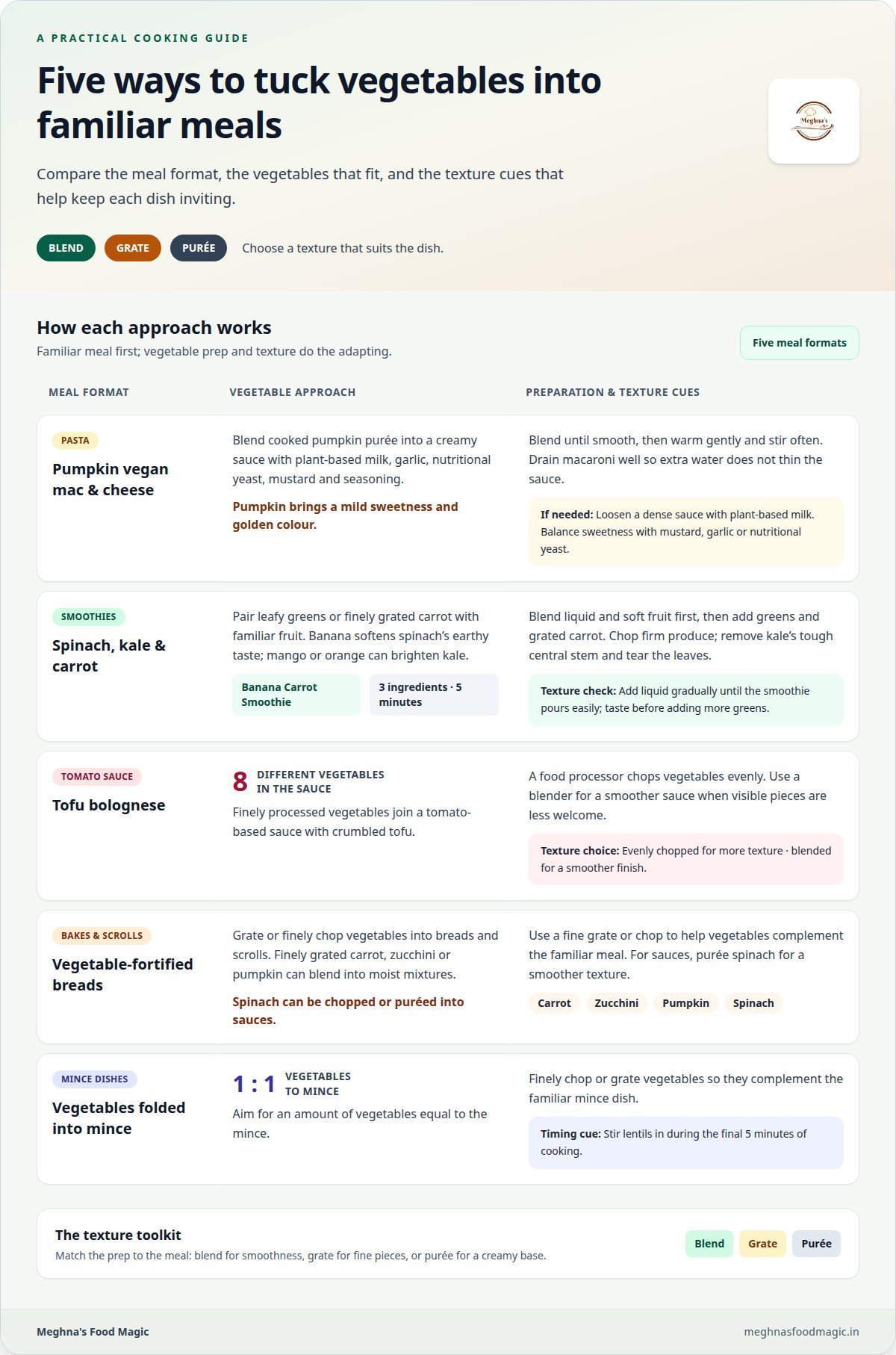
A smoothie can blend leafy greens and carrot with familiar fruity flavours. Banana softens spinach’s earthy taste, while mango or orange can brighten kale. Carrot adds gentle sweetness and body. For a smoother drink, chop firm produce before blending and add liquid gradually until it pours easily.
Spinach and carrot blend particularly well with fruit. Kale works in smoothies too, though its stronger, leafy taste may be more noticeable. In other recipes, finely grated carrot, zucchini, or pumpkin can blend into moist mixtures, while spinach can be chopped or puréed into sauces.
For a quick example, a Banana Carrot Smoothie uses three ingredients and takes five minutes to prepare. Blend banana, finely grated carrot, and your chosen liquid until smooth. A ripe banana adds sweetness and a creamy texture; grating the carrot first makes it easier to blend. If the mixture is too thick, add a little more liquid and blend again.
To add spinach to the same routine, start with a small handful alongside banana and milk or a non-dairy alternative. Taste before adding more greens. For kale, remove the tough central stem and tear the leaves into smaller pieces. This helps the blender break down the leaves evenly and prevents stringy bits in the finished drink.
- Blender: Breaks down leaves and fruit for a smooth drink.
- Grater: Shreds carrot finely, helping it blend more evenly.
- Measuring cup: Helps you keep liquid additions consistent between batches.
Blend the liquid and soft fruit first, then add greens and grated carrot. This order moves ingredients toward the blades and helps reduce leafy clumps. If the colour looks unfamiliar, serve the smoothie in an opaque cup, or pair it with a familiar breakfast. For more practical cooking inspiration, explore the recipe ideas on Meghna’s Food Magic YouTube channel.
Banana Carrot Smoothie needs 3 ingredients and takes five minutes to prepare, offering a straightforward choice when keeping a smoothie routine simple.
Tofu bolognese with hidden vegetables
Tofu gives tomato-based bolognese a hearty texture, while finely processed vegetables blend into the sauce. The hidden veggie pasta sauce contains eight different vegetables. A food processor chops them evenly; a blender makes a smoother sauce for diners who prefer no visible pieces.
Crumble firm tofu and brown it in a pan until its surface dries slightly. Set it aside while you soften the chopped vegetables. Add tomato and seasonings, then simmer until the vegetables are tender. Blend the sauce before returning the tofu, or leave it chunky if you prefer that texture. Adding tofu later helps it retain distinct, satisfying pieces.
To incorporate vegetables into pasta sauce, soups, and curries, grate or finely chop them, cook until tender, then blend them into the liquid. Carrot, pumpkin, and spinach suit tomato sauces; cauliflower or bottle gourd can soften into soups and mild curries.
For Indian-inspired variations, blend carrot, pumpkin, or spinach into tomato masala, then serve it with pasta, rice, or roti. These familiar ingredients add colour and body without relying on unusual additions.
For dosa, paratha, idli, and khichdi, finely grate or purée mild vegetables and mix them thoroughly into the batter or dough. Carrot in paratha or puréed pumpkin in khichdi can be less noticeable than large vegetable pieces.
For toddlers, keep the sauce soft, smooth, and mildly seasoned, and serve it with a familiar food such as pasta or rice. Avoid firm chunks if a smooth texture is preferred.
Cooking and blending can change some nutrients; the effect depends on the vegetable, cooking method, and duration. Cook vegetables only until tender, and blend them with their cooking liquid when suitable for the recipe.
To preserve flavour and texture, add vegetables gradually and pair them with familiar ingredients such as tomato, garlic, or cumin. A grater makes fine shreds, a saucepan softens them, and a blender smooths the sauce. Taste before serving, then adjust the seasoning rather than immediately adding more vegetables.
Vegetable-fortified breads and scrolls
Soft breads and savoury scrolls can incorporate vegetables through colour, moisture, and familiar flavours. Vegan Pumpkin Banana Bread contains a whole cup of pumpkin purée. Pumpkin blends into the batter, while banana adds sweetness and keeps each slice tender. Use smooth purée so it distributes evenly without leaving dense pockets.
For bread, mash the banana until no large pieces remain, then whisk it with pumpkin purée. Fold the wet mixture into the dry ingredients just until combined. Overmixing can make the crumb tough, while thick purée can weigh down the centre. If the batter seems unusually loose, avoid adding extra liquid; mix gently and bake until the centre is set.
For savoury scrolls, finely grate carrot or zucchini and squeeze out excess moisture before adding it to the filling. Too much vegetable liquid can soften the dough and make the rolls difficult to shape. Pair the grated vegetables with a familiar filling, such as mild cheese or herbs, and spread it thinly so each spiral holds together.
Quick lunchbox ideas include pumpkin banana bread slices and carrot scrolls. Bake them ahead, let them cool fully, then pack them in a sealed container to help preserve their texture.
A dough scraper lifts sticky dough from the work surface without tearing it. A box grater makes fine vegetable shreds that blend into fillings. A rolling pin creates an even sheet, helping scrolls bake at a similar rate. Use a sharp knife to cut clean spirals without squashing them.
For a smooth finish, blend pumpkin purée before folding it into banana bread batter. For visible vegetables, leave carrot shreds in the scroll filling, but keep them fine. If a loaf feels damp, wait until it cools before slicing; trapped steam can make the crumb seem gummy. These small choices turn everyday bakes into practical ways to add vegetables at breakfast or in a packed lunch.
Vegetables added to mince dishes
Mince dishes are a natural place to add finely prepared vegetables. A practical starting point is to use an amount of vegetables equal to the amount of mince. Grated carrot, chopped onion, and finely diced capsicum can soften into keema, meat sauce, or a stuffed-paratha filling. The mixture retains its familiar savoury character while gaining texture and colour.
Prepare vegetables according to how noticeable you want them to be. A box grater makes carrot or zucchini shreds that soften quickly. A food processor creates small, even pieces for a less visible finish. For smoother gravy, cook the vegetables until tender, then blend them with tomato before combining the sauce and mince.
Build flavour in stages. Soften onion first, then add the prepared vegetables and cook until their moisture reduces. Add mince and break it apart with a wooden spoon so it browns evenly rather than forming large clumps. Stir in tomato and familiar seasonings, such as cumin, coriander, or garam masala. Simmer until the flavours come together and the vegetables are tender.
A tin of lentils can also be stirred into mince during the final five minutes of cooking. They add another soft texture and take on the dish’s seasoning. Keep the mixture moist with its tomato gravy rather than automatically adding water. Excess liquid can make paratha filling hard to handle or leave the mince sauce thin.
- Box grater: Creates fine shreds of carrot or zucchini.
- Food processor: Chops vegetables evenly for smoother incorporation.
- Wide pan: Gives mince and vegetables room to cook without crowding.
- Wooden spoon: Breaks mince into small pieces as it browns.
For a lunchbox, spoon the cooked mixture into a paratha before folding and toasting it. For pasta, keep the vegetables finely chopped and the sauce loose enough to coat each piece. The key is to match the vegetable cut to the dish, cook off excess moisture, and season the mixture as a cohesive filling.
Chef Meghna’s Notes
Consider moisture before swapping vegetables. Pumpkin purée and mashed banana soften batters, while grated zucchini releases water as it cooks. For breads, squeeze grated zucchini in a clean cloth first. For mince fillings, cook vegetables until their released moisture evaporates so the mixture stays easy to spoon or fold.
Choose substitutions by texture and taste, not colour alone. Replace grated carrot with finely chopped capsicum in a savoury filling, or use pumpkin purée in place of some mashed vegetable in a mild sauce. Spinach can replace kale in a blended mixture because its leaves soften quickly. Start with a modest swap, then adjust after tasting.
If a sauce feels thin, simmer it uncovered to reduce excess liquid. If it becomes too thick, stir in a little water or unsweetened plant milk, depending on the recipe. For a grainy sauce, blend it again while warm. A blender smooths purées, a box grater makes fine shreds, and a wide pan lets vegetables cook without trapping steam.
- For mild flavour: Pair carrot or pumpkin with tomato, banana, or a familiar seasoning.
- For better texture: Grate vegetables finely for doughs and fillings, then remove excess moisture.
- For balanced seasoning: Taste after blending, then add salt, cumin, garlic, or pepper gradually.
- For even cooking: Cut vegetables to similar sizes before sautéing or simmering.
Make one change at a time. If bread turns dense after you add purée, reduce other liquid next time rather than immediately adding extra flour. If a smoothie tastes too earthy, blend in more banana or mango. If vegetables stand out in mince, chop them more finely and let them soften fully before adding the remaining ingredients.
Serve the dish in a familiar format, such as pasta, paratha, or a small slice of bread. Keep some vegetables visible in other meals too, so blending them complements rather than replaces exposure to their natural shapes and flavours.
Meghna’s Food Magic: Recipes with lots of vegetables
Meghna’s Food Magic is a natural next step when you want more ideas for adding vegetables to everyday meals. Its recipes with lots of vegetables offer inspiration beyond the smoothies, sauces, and bakes covered here. Choose a dish that suits your household’s tastes, cooking habits, and ingredients, and start with a familiar meal rather than changing everything at once.
The Free Digital Recipe Database gives home cooks a place to explore recipes for different needs and styles. Browse for vegetable-rich ideas, then choose a dish that fits the meal you’re planning. A snack or comforting main course can both be a useful starting point for adding produce to everyday cooking.
If you’re also looking for filling meal ideas, explore the High Protein Recipes. Browse for dishes that pair vegetables with satisfying ingredients, and choose one that suits the meal you’re planning.
- Recipes with lots of vegetables: Find ideas centred on adding produce to meals.
- Free Digital Recipe Database: Explore recipes across different cooking needs.
- High Protein Recipes: Browse another collection for meal inspiration.
Use these collections for fresh combinations, not as a strict meal plan. Pair a vegetable-rich dish with a familiar side, or save an idea for a day when you have time to cook. A familiar base and a new combination of vegetables can add variety to everyday cooking.
Explore the collection that best fits your next meal, then use these ideas to add variety to everyday cooking. For recipe questions or more inspiration, you’re welcome to contact Meghna’s Food Magic.
Make the next meal your starting point
Choose a familiar meal and treat it as a small kitchen experiment. A little grated vegetable, a smoother sauce, or a new filling can change how a dish comes together without requiring a complete menu rethink. Notice which flavours and textures your family enjoys, then let that guide your next recipe. The aim isn’t to disguise every vegetable forever; it’s to find enjoyable ways to bring more variety to the table.
Keep your approach flexible. One of these hidden vegetable recipes might suit a weekday lunch, while another could become a shared weekend bake. Adjust the preparation to your household’s preferences, and let cooking feel curious rather than pressured. A growing collection of familiar, adaptable ideas can make everyday meals more creative.
Every small kitchen experiment is a chance to discover a new family favourite. Enjoy the process, one delicious plate at a time.
Frequently Asked Questions
What are easy hidden vegetable recipes for kids?
Easy options include finely grated vegetables folded into familiar foods, such as carrot in savoury oats or mashed sweet potato in soft roti dough. Keep the seasoning mild and the pieces small so the new ingredient doesn’t dominate the dish. Start with a meal the child already enjoys, and offer vegetables in visible forms too. These simple adjustments make hidden vegetable recipes easy to adapt for everyday family cooking.
What are vegetarian and vegan hidden vegetable recipe ideas?
Vegetarian ideas include grated beetroot mixed into chickpea patties or pumpkin stirred into lentil stew. For vegan versions, bind patties with mashed potato or ground flax mixed with water, and use coconut milk to soften a curry. Choose vegetables that complement the dish’s seasoning, then cook them until tender before mashing or blending. Serve with familiar foods such as rice, roti, or a simple salad.
Disclaimer
This is a recipe food blog page and not nutrition or doctor and hence do not claim to cure any illness. If you have specific health issues please consult a qualified doctor or certified nutritionist.
I do consult experts, research Internet and at times seek help from Gemini to collect relevant information to put together some of these blogs.

