
10 Zero Waste Kitchen Tips for Sustainable Cooking
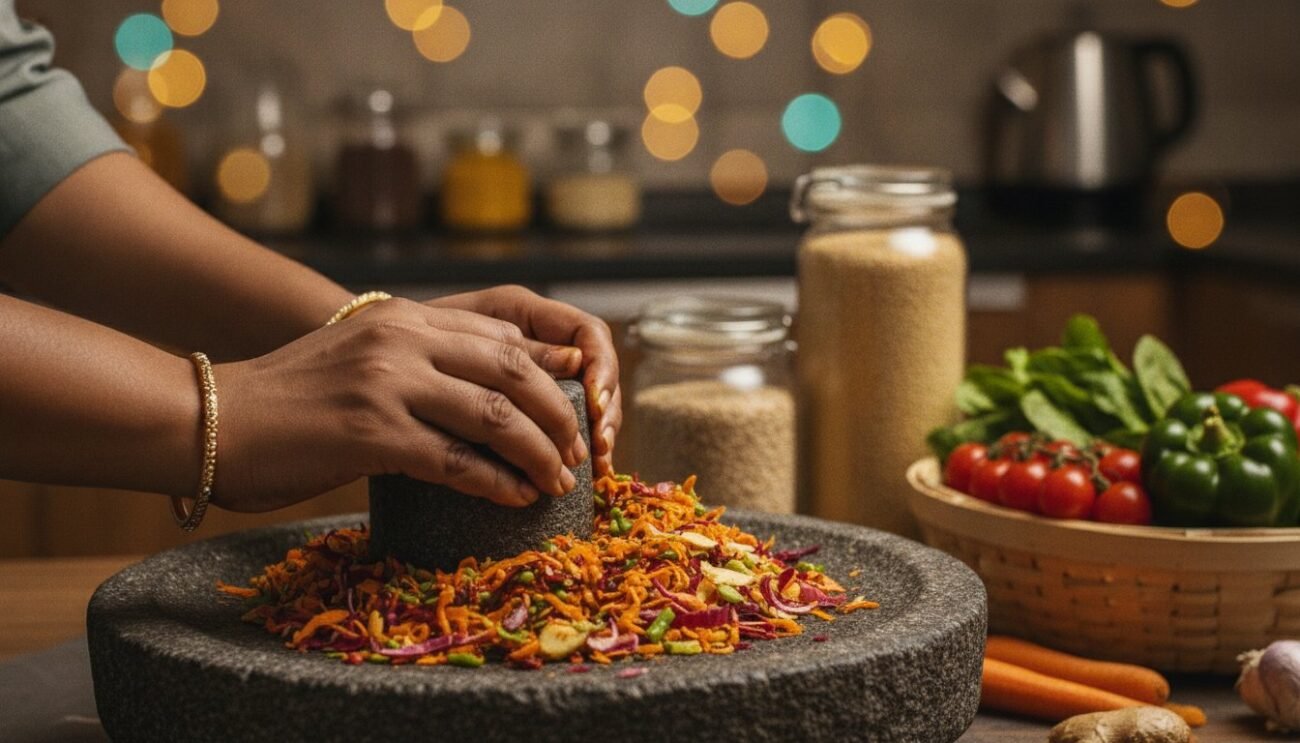
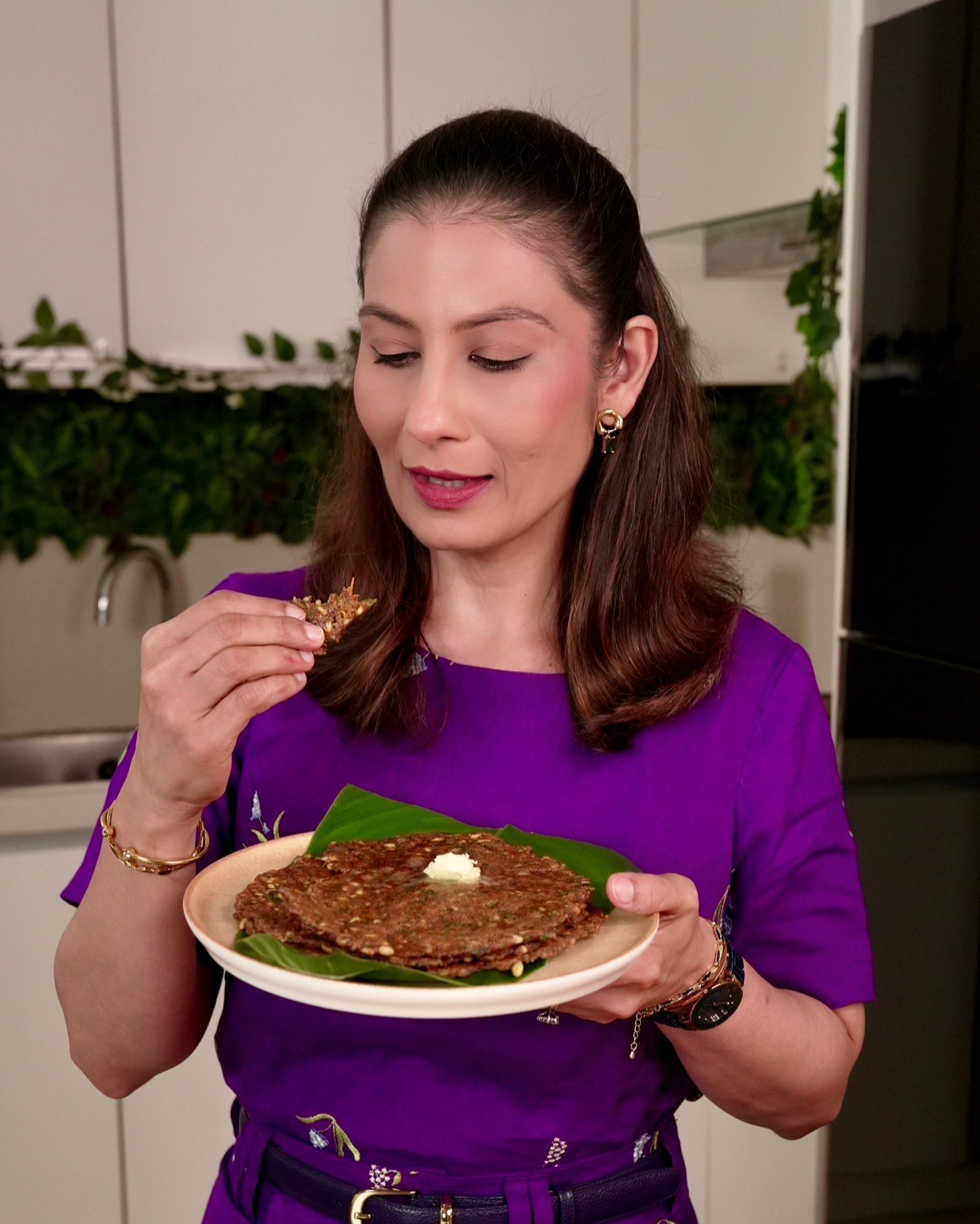
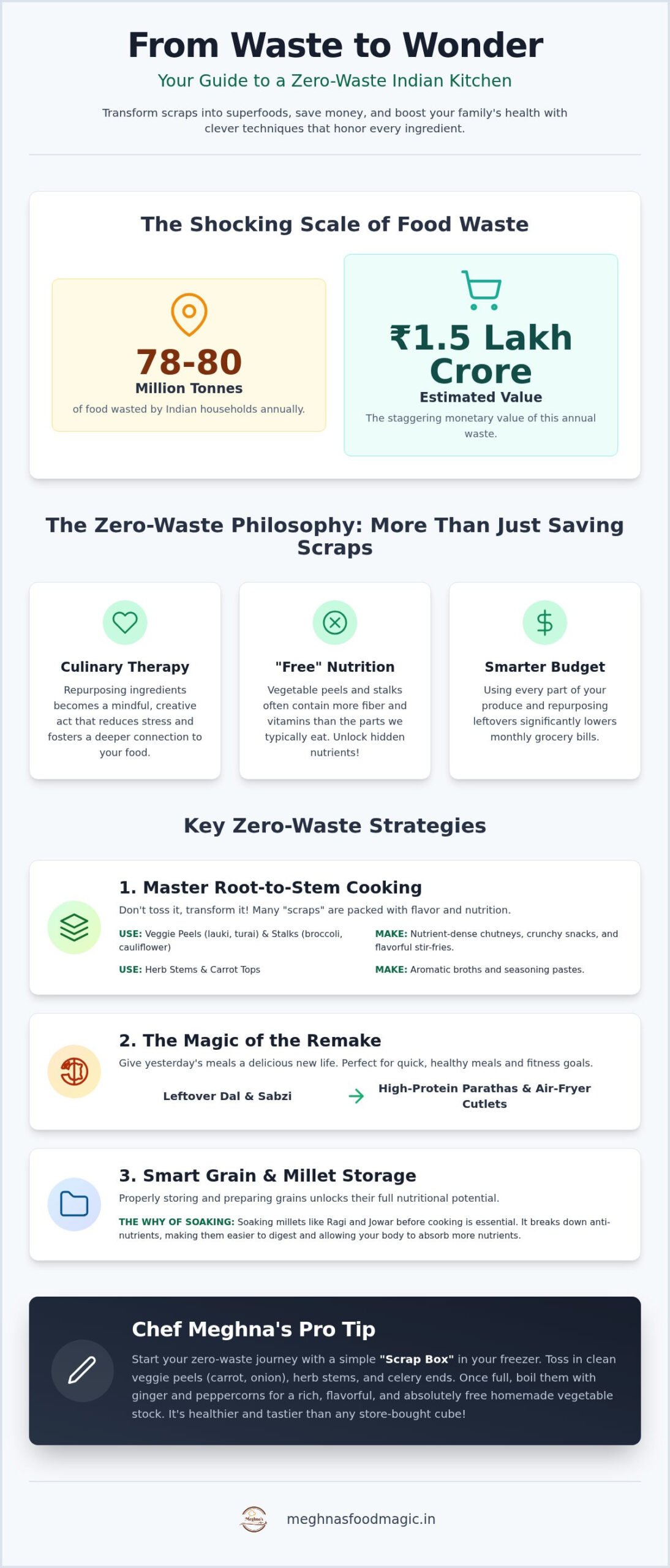
Did you know that Indian households waste an estimated 78 to 80 million tonnes of food annually, valued at over 1.5 lakh crore rupees? It’s heartbreaking to toss out expensive organic produce or watch perfectly good leftovers lose their spark in the back of the fridge. If you’ve ever felt that pang of guilt while clearing out your crisper drawer, you aren’t alone. Mastering a few clever zero waste kitchen tips isn’t just about being eco-friendly; it’s about reclaiming the joy and abundance of your ingredients while honoring the effort that goes into every meal.
I’m here to show you that sustainable cooking is actually a form of culinary therapy that turns ignored scraps into high-nutrition superfoods. We’ll transform your kitchen into a hub of vibrant flavors and organized ease, helping you lower your grocery bills while boosting your family’s health through root-to-stem techniques. From secret ways to safely store millets to creative recipes that’ll make your kids finally enjoy their veggies, this guide covers ten essential strategies to make every bite count. It’s time to cook with purpose and celebrate the magic in every stem, seed, and peel.
Key Takeaways
- Discover how a creative mindset transforms daily cooking into “Culinary Therapy,” helping you find joy while naturally reducing kitchen waste.
- Learn expert zero waste kitchen tips to turn often-discarded vegetable peels and stalks into nutrient-dense chutneys and crunchy, fiber-rich snacks.
- Master the art of the “remake” by repurposing yesterday’s dal and sabzi into high-protein parathas or healthy air-fryer cutlets for the family.
- Understand the science behind specific soaking times for millets like Ragi and Jowar to improve digestion and ensure optimal nutrient absorption.
- See how sustainable meal prepping supports your “Get Fit With Meghna” goals by ensuring healthy, waste-free options are always ready in your pantry.
Beyond Sustainability: The Philosophy of a Zero Waste Indian Kitchen
Cooking is more than just a daily chore; it’s an act of love and a vibrant celebration of what nature provides. When I talk about a zero waste lifestyle in the kitchen, I’m not inviting you to follow strict, clinical rules. Instead, I’m inviting you into a creative mindset where every single ingredient is valued and utilized to its absolute fullest potential. It’s about seeing a wilted bunch of coriander or a pile of potato skins not as trash, but as an opportunity for flavor. By adopting a few practical zero waste kitchen tips, you can transform your cooking space into a hub of abundance and mindfulness.
I often describe this approach as “culinary therapy.” It’s a bridge between mental health and nutrition, where the rhythmic act of chopping, repurposing, and creating something beautiful from humble scraps becomes a moment of peace in a busy day. At Meghna’s Food Magic, I believe that when we reduce waste, we increase our connection to our food. This philosophy allows us to balance health, flavor, and sustainability without the fuss, making wellness feel like a joyful invitation rather than a restriction.
Why Your Health and Budget Benefit from Zero Waste
The benefits of this lifestyle are immediate and tangible. Did you know that the skins and stalks of many vegetables often contain more fiber and concentrated vitamins than the flesh itself? When you stop tossing these parts, you’re essentially getting “free” nutrition. Economically, this approach is a game-changer. By bulk buying millets like Jowar and Bajra and learning to use every bit of your produce, you’ll notice a significant drop in your monthly grocery bills. There’s also a profound psychological reward in turning what others call “trash” into a gourmet family meal. It builds confidence and teaches us to be bold innovators in our own homes.
The Role of Tradition in Modern Sustainable Cooking
Sustainability isn’t a new concept for us. Our ancestors were the original masters of the zero-waste movement. In India, where new Solid Waste Management Rules as of 2026 now mandate stricter source segregation, looking back at our roots is more relevant than ever. Traditional methods like pickling watermelon rinds or fermenting rice are the ultimate tools for a modern, eco-friendly kitchen. These ancient techniques ensure that nothing goes to waste while filling our plates with probiotics and deep, complex flavors. It’s about connecting that old-world wisdom with our 2026 goals to create a healthier planet and a happier home.
Chef Meghna’s Notes
If you’re feeling overwhelmed, start small. I always recommend keeping a “Scrap Box” in your freezer. Every time you peel a carrot or trim a celery stalk, toss the clean bits into that box. Once it’s full, boil it all down with some ginger and peppercorns to create a rich, homemade vegetable stock. It’s much tastier and healthier than any store-bought cube, and it costs you absolutely nothing!
Root-to-Stem Secrets: Transforming Veggie Scraps into Superfoods
Imagine if your vegetable basket held a secret layer of vitamins you’ve been throwing away for years. Most home cooks peel away the vibrant skins of bottle gourd (lauki) or ridge gourd (turai) without realizing they’re discarding concentrated flavor and essential fiber. Embracing zero waste kitchen tips means looking at every part of the plant as a gift. It’s about shifting from a “disposal” mindset to a “creation” mindset. By saving these often-ignored parts, you’re adding a layer of texture and nutrition that most store-bought meals completely lack.
It isn’t just about the skins. Think about the sturdy stalks of cauliflower and broccoli. These are often crunchier and more versatile than the florets themselves. Even the seeds from your morning melon or pumpkin can be toasted into high-protein powerhouses. This root-to-stem approach is the ultimate way to honor your ingredients while ensuring your family gets the absolute best from every grocery run.
Making Homemade Broths and Chutneys from Scraps
The easiest way to start is by keeping a dedicated “Scrap Bag” in your freezer. Every time you trim an onion end, a carrot top, or a bunch of herb stems, toss them in. Once the bag is full, you have everything you need for a rich, aromatic broth. For something more traditional, try a ridge gourd peel chutney. It’s a classic Indian favorite that I’ve reimagined for a modern, fitness-oriented lifestyle. Simply sauté the clean peels with some green chilies, garlic, and lentils, then grind them into a coarse, savory dip that pairs perfectly with hot rotis.
Hiding Nutrition for Fussy Eaters
If you have kids who turn their noses up at anything green, the root-to-stem method is your best friend. Vegetable stalks are structural supports for the plant, meaning they’re packed with insoluble fiber. You can finely grate these stalks and fold them into millet-based chillas or paniyarams. The texture blends right in, and the flavor is mild enough to go unnoticed. For more creative ways to handle picky palates, you can explore my dedicated recipes for fussy eaters at Meghna’s Food Magic. You’ll find that making healthy food “disappear” into delicious meals is easier than you think.
If you want to see these transformations in action, I’ve shared many of these techniques on my YouTube channel where we turn everyday kitchen scraps into culinary gold.
Chef Meghna’s Notes
To ensure your peels are safe and grit-free, always soak your vegetables in a bowl of water with a pinch of baking soda and salt for ten minutes before peeling. This helps loosen any stubborn soil and removes surface residues. After soaking, give them a vigorous scrub with a clean kitchen brush. This simple step ensures your zero-waste chutneys and broths are as clean and professional as they are nutritious.
The Magic of the Remake: Repurposing Leftovers for Fitness
Leftovers often get a bad reputation as the boring, repetitive sequel to a great dinner. In my kitchen, I see them differently. They are a gift of time and a brilliant head start on your fitness goals. When you view yesterday’s meal as a high-quality ingredient for today’s creation, you’re practicing one of the most effective zero waste kitchen tips. It’s about shifting the narrative from “finishing what’s left” to “crafting something fresh.” This approach saves you from the temptation of ordering out when you’re tired, keeping your nutrition on track and your grocery budget intact.
Transforming a bowl of leftover Dal into a high-protein paratha dough is a classic move that never fails. Simply knead your whole wheat or millet flour directly into the dal. You’ll get a soft, flavorful dough packed with hidden lentils. Similarly, that dry Sabzi from last night can easily become the star of healthy air-fryer cutlets or even savory muffins. By mixing your vegetables with a little chickpea flour (besan) and spices, you create a whole new texture that feels celebratory rather than obligatory.
Protein-Packed Transformations
If you have leftover paneer or soya chunks, don’t just reheat them in the same gravy. Drain them and toss them into fresh, high-protein wraps with crunchy raw veggies. There’s also fascinating science behind repurposing grains. When you cool and then reheat rice or millets, they develop resistant starch. This type of fiber is excellent for gut health and can actually be better for your blood sugar levels than freshly cooked grains. For more inspiration on these transformations, check out my leftover-themed playlists on my YouTube Channel.
From Dinner to Kids’ Tiffin
Getting children to eat leftovers is all about the “remake.” Leftover khichdi can be shaped into fun, bite-sized “khichdi cakes” and pan-seared until crispy. To prevent that dreaded “soggy” texture in lunch boxes, ensure you’re reheating your food thoroughly in a pan rather than a microwave to evaporate excess moisture. Visual appeal is everything for little ones. A splash of colorful chutney or a fun shape can turn a zero-waste meal into the highlight of their school day.
Chef Meghna’s Notes
Safety is just as important as flavor. Always store your leftovers in airtight glass containers once they’ve cooled to room temperature. Never keep them at room temperature for more than two hours. When reheating, make sure the food is steaming hot all the way through. If you’re repurposing rice or millets for a fermented dish like ‘Pazhayadhu,’ use clean, filtered water and store it in a cool, dark place to ensure the fermentation stays healthy and beneficial for your gut.
Smart Storage Hacks: Extending the Life of Grains and Millets
How many times have you reached for a packet of Ragi only to find it has turned bitter or, worse, developed pests? Effective zero waste kitchen tips aren’t just about what you cook; they’re about how you protect your ingredients before they ever hit the pan. In our tropical climate, grains and millets are particularly sensitive to heat and moisture. By mastering smart storage, you ensure that every gram of nutrition you buy actually makes it to your plate. It’s about being a guardian of your groceries and a savvy manager of your pantry.
When we talk about soaking Ragi, Jowar, or Bajra, it isn’t just about softening the grain for a faster cook. These ancient superfoods contain phytic acid, which can block mineral absorption and cause bloating. Soaking for 8 to 12 hours neutralizes these anti-nutrients, making the grains much easier on your gut. This simple step is a cornerstone of “culinary therapy,” ensuring your body actually absorbs the magnesium and iron you’re working so hard to include in your diet.
Switching to transparent glass jars is a simple but transformative move for any organized kitchen. It allows you to see exactly what you have at a glance, preventing that frustrating cycle of double-buying and eventually throwing away expired bags. To keep your flours and grains safe from uninvited guests, tuck a couple of bay leaves or dried red chilies into the containers. These natural repellents work wonders without adding any chemical odors or altering the flavor of your staples.
The Golden Rules of Refrigeration
Adopt the “First In, First Out” (FIFO) method to keep your fridge organized. Always move older produce to the front so it gets used first. For delicate herbs like coriander or green chilies, wrap them in dry paper towels and store them in airtight containers; they’ll stay fresh and vibrant for up to three weeks. Choosing glass over plastic for long-term storage is essential because glass is non-porous and won’t leach chemicals or absorb the natural oils from your millets, keeping them purer for longer.
Preserving the Power of Millets
Millets can turn bitter if the natural fats in the grain begin to oxidize. To prevent this, try dry roasting your grains on a low flame for a few minutes before storing them in a cool, dark place. This simple technique extends their shelf life and adds a lovely nutty aroma to your final dish. For more ways to use these preserved powerhouses, explore my Millets Recipe Database.
Chef Meghna’s Notes
Whole-wheat atta and millet flours have a higher oil content than refined flours, making them prone to rancidity in humid weather. If your flour smells slightly sour or “off,” it’s already past its prime. I recommend buying smaller quantities more frequently or storing your flour in the refrigerator during the monsoon months to keep it sweet and fresh. If you do find a few pests in your rice, don’t panic; simply spread the grain on a tray in direct sunlight for a few hours, and they’ll naturally move away.
Chef Meghna’s Masterclass: Integrating Zero Waste into ‘Get Fit With Meghna’
Living a fit lifestyle isn’t just about the hours you spend moving your body; it’s about the energy and intention you bring into your kitchen. When you align your fitness goals with zero waste kitchen tips, you create a powerful synergy that fuels your progress. A zero waste kitchen is naturally a high-fiber, high-protein kitchen because it encourages you to use the nutrient-dense parts of plants that most people discard. It’s a way to ensure that your “Get Fit With Meghna” journey is as kind to the planet as it is to your waistline.
Meal prepping with a conscience means looking at your weekly prep as a closed-loop system. When you chop vegetables for your high-protein salads, the trimmings become the base for your next soup. When you cook a large batch of Jowar or Bajra, you’re already planning how the “remake” will serve as a quick breakfast later in the week. This reduces prep waste and ensures that healthy, home-cooked options are always within reach, preventing the impulsive choices that often derail weight loss goals. It’s about making your kitchen work for you, not against you.
Even your sweet cravings can fit into this sustainable model through my “Cake Therapy” approach. Instead of tossing orange or lemon zests and apple peels, I love incorporating them into healthy, jaggery-sweetened bakes. These scraps provide incredible natural aromatics and extra fiber, turning a simple treat into a mindful act of self-care. It’s proof that wellness and celebration can live on the same plate.
Weekly Zero Waste Action Plan
To stay consistent, I recommend a simple three-step audit every Sunday before you begin your main prep. First, check your “Scrap Box” and turn those accumulated bits into a fresh stock. Second, identify any produce that’s nearing its end and prioritize it for your Monday and Tuesday meals. Finally, look at your dry pantry to ensure you’re using your oldest grains first. I’d love to see how you’re implementing these ideas! Share your creative zero-waste creations and tag me on Instagram so we can inspire each other.
Final Pro Tips for Success
Zero waste cooking is ultimately an act of joy. It’s about finding the “specialness” in every ingredient and realizing that you have the power to create abundance from almost nothing. If you’re looking for more foundational advice on how to revolutionize your kitchen habits, read my pillar article on redefining healthy Indian cooking. Remember, every small change you make is a step toward a more organized, eco-friendly, and vibrant life.
Chef Meghna’s Notes
Kitchen fatigue is real, especially when you’re trying to eat healthy every single day. The secret to overcoming it is creative repurposing. Don’t look at a half-used jar of chutney or a cup of leftover moong as a “problem” to solve. See it as a flavor shortcut. That chutney can become a marinade for paneer, and that moong can be the base for a high-protein pancake. When you stop starting from zero every time you cook, the process becomes effortless and exciting again.
Your Journey to a Vibrant, Waste-Free Kitchen Starts Now
Transforming your cooking space into a hub of sustainability is one of the most rewarding acts of self-care you can perform. We’ve seen how “culinary therapy” turns forgotten stalks into crunchy snacks and how yesterday’s dal becomes today’s high-protein fuel. By mastering these zero waste kitchen tips, you’re not just saving money or reducing trash; you’re honoring the life in every ingredient and capturing nutrition that others simply throw away.
You’re now part of the thousands of home cooks in the “Get Fit With Meghna” movement who believe that wellness and enjoyment are perfect partners. Whether you’re exploring our 30+ innovative millet recipes or repurposing fruit peels for a healthy bake, every small step makes a massive impact. It’s time to let your creativity shine and turn your daily meals into a celebratory experience for your body and the planet.
I can’t wait to see the magic you create with your next meal. Let’s keep cooking, keep growing, and keep making every bite count!
Frequently Asked Questions
How long can I safely keep leftover Indian food in the fridge?
Most Indian leftovers like dal, sabzi, and curries stay fresh and safe for 3 to 4 days when stored in airtight glass containers. It’s vital to cool the food to room temperature before refrigerating to prevent condensation, which can lead to spoilage. If you don’t plan to eat the meal within this window, freezing is a better option to maintain both nutrition and flavor.
Are vegetable peels really safe to eat if they aren’t organic?
Yes, non-organic vegetable peels are safe to eat provided you clean them thoroughly to remove surface residues and soil. A 10 minute soak in water mixed with a pinch of salt or baking soda effectively loosens dirt and helps clean the skin. Since many zero waste kitchen tips focus on using every part of the plant, this cleaning step ensures you get the extra fiber without any grit.
What are the best millets for beginners to start their zero-waste journey?
Ragi (Finger Millet) and Foxtail Millet are the best choices for those just starting their sustainable cooking journey. Ragi is incredibly forgiving and works beautifully in porridges or rotis, while Foxtail has a mild, neutral taste similar to rice. These grains are hardy, store well in glass jars, and help you reduce waste by acting as a versatile base for many different flavor profiles.
How do I get my kids to eat “recycled” meals without them noticing?
The secret to getting kids to enjoy repurposed meals is changing the texture and presentation so the dish feels brand new. Instead of serving last night’s khichdi as is, try shaping it into crispy pan-seared cakes or hiding finely grated vegetable stalks in colorful chillas. When the food looks exciting and has a different “mouthfeel,” children focus on the delicious taste rather than the fact that it’s a remake.
Can I compost in a small apartment if I have too many scraps?
Apartment dwellers can successfully manage food scraps using compact, odorless systems like Bokashi bins or small-scale indoor composters that fit under the kitchen sink. These methods are highly efficient, turning your wet waste into nutrient-rich compost for your balcony plants or indoor herbs. It’s a fantastic way to close the loop in your kitchen even when you’re short on outdoor space.
What is the “Get Fit With Meghna” approach to snacking?
The “Get Fit With Meghna” snacking philosophy prioritizes high-protein, whole-food options that keep you satiated while supporting your weight loss goals. Instead of reaching for processed bags, we use zero waste kitchen tips to create snacks like roasted melon seeds or air-fried vegetable skin crisps. This approach ensures your snacks contribute to your fitness while keeping your kitchen eco-friendly and your grocery bill low.
Why does Chef Meghna recommend soaking millets before cooking?
Soaking millets is essential because it neutralizes phytic acid, an anti-nutrient that can interfere with mineral absorption and cause digestive discomfort. For grains like Jowar and Bajra, an 8 to 12 hour soak transforms the texture and makes the nutrients more bioavailable for your body. This simple step ensures you actually benefit from the high iron and calcium content found in these ancient superfoods.
How can I prevent my stored atta from getting infested with weevils?
To keep weevils away from your atta, place a few bay leaves or dried red chilies inside your storage containers as natural repellents. These items are highly effective at discouraging pests without affecting the flour’s taste or aroma. For long-term protection during humid months, storing your whole-grain flours in the refrigerator is the most reliable way to prevent infestation and keep the natural oils from turning rancid.
Disclaimer
This is a recipe food blog page and not nutrition or doctor and hence do not claim to cure any illness. If you have specific health issues please consult a qualified doctor or certified nutritionist.
I do consult experts, research Internet and at times seek help from Gemini to collect relevant information to put together some of these blogs.

