
3 Easy Moong Dal Recipes for Dinner: Quick, High-Protein & Chef-Approved (2026)
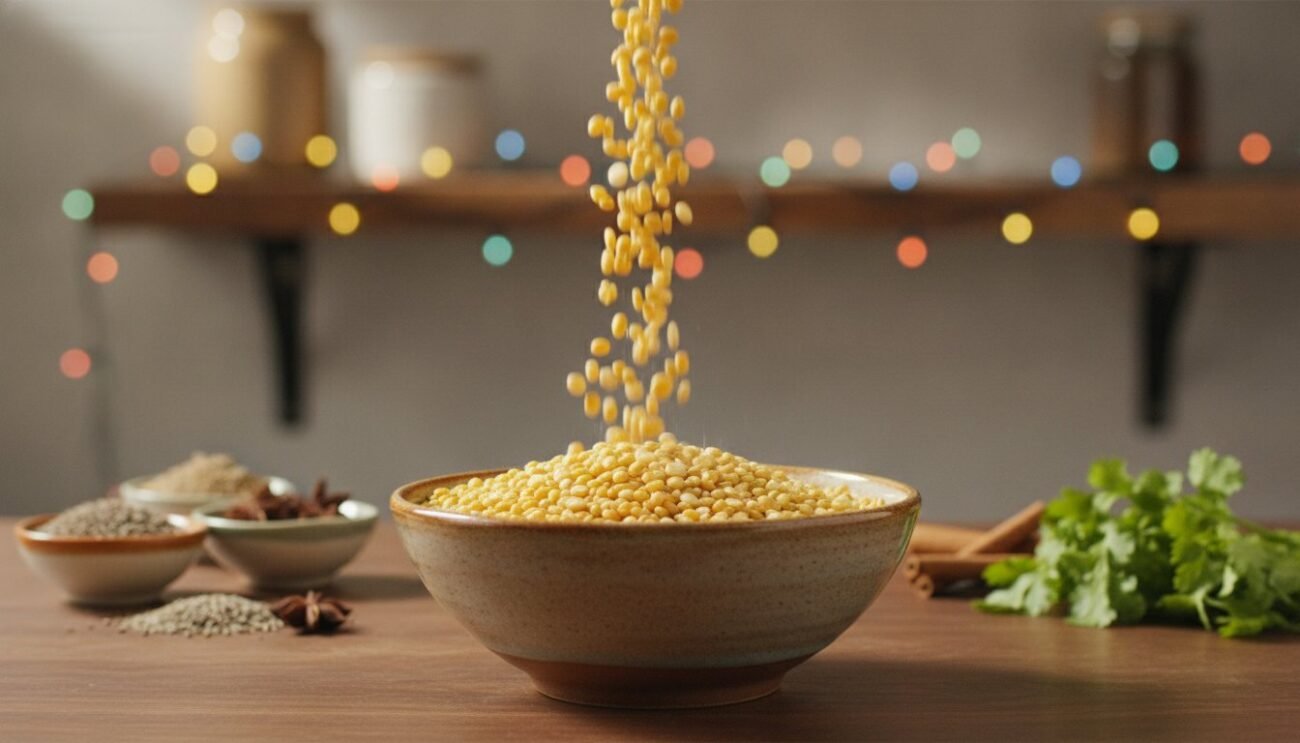
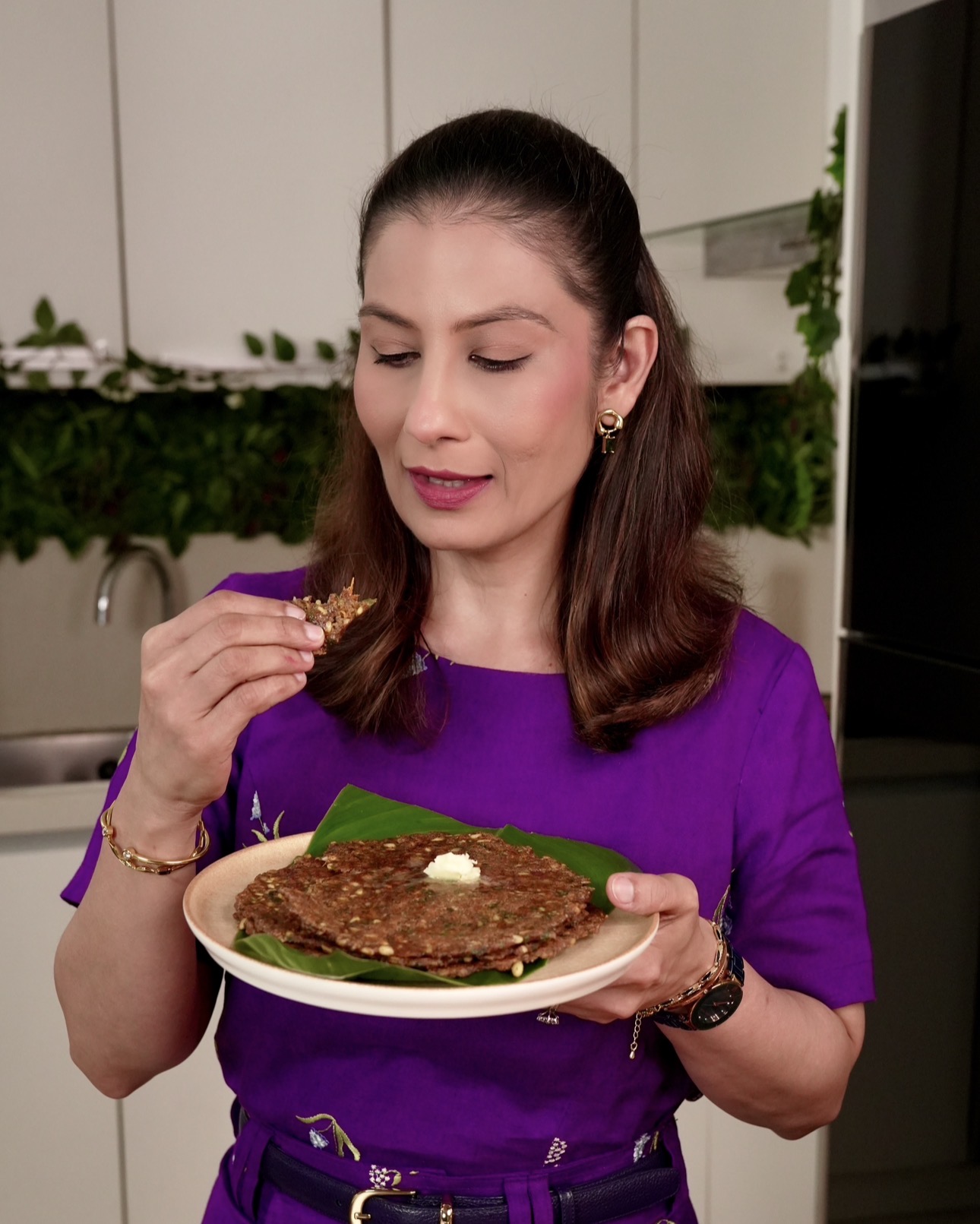
What if that humble bag of yellow lentils in your pantry is actually the secret to a vibrant, restaurant-quality meal that leaves you feeling light and energized? For too long, many of us have relegated moong dal to the "sick food" category or used it only as a last resort when the fridge is bare. You’re likely bored with standard preparations and frustrated by the confusion over soaking times or that uncomfortable nighttime bloating. It’s time to celebrate this powerhouse ingredient, which currently averages around ₹116 per kilogram in Indian markets, making it an accessible hero for any kitchen.
In this guide, you’ll learn how to transform this simple staple into three easy moong dal recipes for dinner that are high in protein and bursting with flavor. We’re moving beyond the basics to create meals that offer roughly 10 to 14 grams of protein per serving, ensuring you meet your fitness goals without spending hours at the stove. We will walk through three specific, chef-approved recipes that bring professional techniques to your home table, proving that healthy eating is never about restriction, but about abundance and culinary joy.
Key Takeaways
- Discover why moong dal is the ultimate choice for a light dinner, offering easy digestion and high-protein bioavailability for overnight muscle recovery.
- Master three easy moong dal recipes for dinner including the “Liquid Gold” Tadka and savory Chillas, all designed for a quick 20 to 30 minute kitchen window.
- Learn Chef Meghna’s signature “Double Tadka” technique to achieve restaurant-quality flavor and the perfect creamy consistency every single time.
- Elevate your wellness journey with smart pairings like high-fiber rotis and explore “Meal Prep Magic” to par-cook your lentils for three days of stress-free cooking.
- Understand the functional differences between Dhuli Moong and Moong Chilka so you can choose the right grain for your specific texture and fiber needs.
Why Moong Dal is the Ultimate Choice for a Light Yet Protein-Rich Dinner
Choosing the right meal for the end of the day is a delicate balance. You want something that satisfies your hunger without leaving you feeling heavy or bloated before bed. This is where moong dal shines. It’s widely recognized as the easiest lentil to digest, making it the perfect candidate for late-night meals. Unlike heavier legumes that can sit in the stomach for hours, moong dal moves through your system with ease. This quick digestion is essential for a restful night’s sleep, as it prevents the discomfort often associated with high-fiber vegetarian meals.
The Mung bean, from which our beloved dal is derived, is a nutritional marvel. When you’re looking for easy moong dal recipes for dinner, you’re not just looking for speed; you’re looking for fuel. With about 24 grams of protein per 100 grams of raw dal, it offers a high bioavailability of plant-based protein. This means your body can efficiently absorb and use these nutrients for muscle recovery while you sleep. It’s like a repair kit for your body that works during your downtime. It serves as a versatile base for my "Food Magic" transformations, allowing us to turn a simple pulse into something extraordinary.
Its low glycemic index is a total game changer for anyone monitoring their energy levels. It ensures there are no middle-of-the-night blood sugar spikes that might disrupt your sleep cycle. Instead, it provides a steady, slow release of energy, keeping you satiated until morning. This stability is why so many fitness enthusiasts turn to moong dal as their reliable evening staple.
The Nutritional Powerhouse: Protein and Weight Loss
Weight management doesn’t have to feel like a chore. Moong dal is rich in essential amino acids, particularly lysine, which is often lacking in other grain-based diets. This protein profile triggers satiety hormones, telling your brain you’re full and satisfied. If you’re on a fitness journey, incorporating these lentils into your routine is a smart move. You can explore more Weight loss recipes by Meghna to see how we use these ingredients to stay fit without sacrificing flavor. It’s about eating more of the right things, not less of everything.
Culinary Therapy: Why Simple Cooking is Self-Care
There’s something deeply soothing about the rhythmic sound of a pressure cooker or the aromatic sizzle of a fresh tadka hitting the dal. After a long day, preparing one of these easy moong dal recipes for dinner becomes a form of culinary therapy. It’s an invitation to step away from the noise of the world and into a creative, nurturing space. I believe in "effortless improvement"; the idea that small, intentional choices in the kitchen can elevate your daily life. Cooking isn’t just a task. It’s an act of joy and self-care that transforms a simple bowl of lentils into a celebratory meal for the whole family.
Understanding Your Lentils: Dhuli Moong vs. Moong Chilka
Walk into any Indian kitchen, and you’ll likely find a jar of moong dal. But did you know that the variety you choose dictates the soul of your meal? Dhuli Moong, those petite yellow split lentils, are my absolute favorites for easy moong dal recipes for dinner. Because they’re skinned, they cook incredibly fast and break down into a luscious, creamy consistency that feels like a warm hug. If you want something with a bit more texture and a rustic, earthy feel, reach for Moong Chilka. These are green split lentils that retain their husk, offering higher fiber and a satisfying bite.
Beyond just texture, the nutritional benefits of mung beans are significant, providing essential vitamins and minerals regardless of which split version you use. While Sabut Moong (whole green gram) is a powerhouse for sprouting, it often requires a longer cooking time or extensive pressure cooking that doesn’t always fit into a quick weeknight schedule. For speed and effortless comfort during a busy week, the yellow split variety is the undisputed champion in my kitchen.
The Importance of Soaking for Digestion
Soaking isn’t just a tradition passed down through generations; it’s a vital step for your digestive health. By soaking your split lentils for just 15 to 30 minutes, you significantly reduce phytic acid. This "anti-nutrient" can bind to minerals like zinc and calcium, making them harder for your body to absorb. More importantly for a late meal, soaking breaks down complex sugars that often lead to gas and discomfort. Soaking is the secret bridge between a heavy meal and a happy gut. It ensures your easy moong dal recipes for dinner remain light on the stomach and easy to enjoy even late at night.
Selecting Quality Grains
When you’re at the grocery store, look for unpolished dal. While polished varieties look shiny and attractive on the shelf, that sheen often comes from oil, leather, or even paraffin, which strips away the grain’s natural nutrients. Unpolished dal retains its natural, slightly dull appearance but packs a much bigger health punch and tastes far more authentic. Once you bring it home, store your lentils in airtight glass or steel containers in a cool, dry place. This keeps them fresh and prevents moisture or pests from ruining your stock. For more inspiration on how to use these high-quality staples, explore the general recipes on Meghna’s Food Magic. If you’re a visual learner who loves to see the sizzle of a tadka, watch my kitchen secrets in action on my YouTube channel.
3 Signature Easy Moong Dal Recipes for Your Weekly Dinner Rotation
It’s time to bring the "Food Magic" into your kitchen. These three easy moong dal recipes for dinner are designed to solve the age-old problem of culinary boredom. We aren’t just making dal; we’re creating textures and flavors that range from comforting liquid gold to crispy, protein-packed pancakes. Whether you’re a busy working mother or someone on a strict fitness path, these recipes offer restaurant-quality results in under 30 minutes.
Recipe 1: The Ultimate Yellow Moong Dal Tadka (Liquid Gold)
This is the quintessential comfort food. The secret lies in the simplicity of the dal and the boldness of the tempering.
- Ingredients: 1 cup yellow moong dal (washed and soaked), 3 cups water, 1 tsp turmeric, salt to taste.
- The Tadka: 1 tbsp ghee, 1 tsp cumin seeds, 2 dried red chillies, 1 tbsp minced garlic, 1 tsp Kashmiri red chilli powder.
- Instructions: Pressure cook the dal with water, turmeric, and salt for 2 to 3 whistles until soft. In a small pan, heat ghee and add cumin. Once they sizzle, add dried chillies and garlic. Sauté until the garlic turns golden brown. Turn off the heat, stir in the red chilli powder, and immediately pour this sizzling "liquid gold" over the hot dal. Cover for two minutes to trap the aromas before serving.
Recipe 2: High-Protein Moong Dal Chilla
If you prefer a solid meal over a soup, these savory pancakes are perfect. They’re part of my Get Fit With Meghna collection because they’re incredibly light yet satisfying.
- Ingredients: 1 cup soaked yellow moong dal (ground to a smooth paste with minimal water), 1/2 cup finely chopped spinach, 1/4 tsp hing (asafoetida), salt.
- The Filling: 100g crumbled paneer, 2 chopped green chillies, fresh coriander.
- Instructions: Mix the spinach, hing, and salt into the dal batter. Heat a non-stick tawa and spread a ladleful of batter in a thin circle. Sprinkle the paneer filling in the center. Cook with a few drops of oil until the edges are crispy. Fold and serve hot. For more filling ideas, check out my other Paneer recipes.
Recipe 3: Zero-Waste Veggie Moong Khichdi
This one-pot wonder is my go-to for clearing out the vegetable drawer. It’s also one of the best Tiffin Recipes for the next day’s lunch.
- Ingredients: 1/2 cup yellow moong dal, 1/2 cup rice, 1 cup mixed vegetable scraps (finely chopped carrots, beans, peas).
- Instructions: Sauté the veggies in a pressure cooker with a little ginger and cumin. Add the washed dal and rice. Pour in 4 cups of water to achieve a soft, porridge-like consistency. Pressure cook for 3 to 4 whistles.
Chef Meghna’s Notes
To truly master these easy moong dal recipes for dinner, remember that texture is everything. For the khichdi, don’t throw away your coriander stalks. Finely chop them and sauté them with the ginger; they hold ten times more flavor than the leaves. If you’re looking for a lower-carb option, replace the rice in the khichdi with broken wheat (dalia). For the chilla, if your batter is too thin, add a tablespoon of besan (gram flour) to help it bind without losing that beautiful moong flavor.
Chef Meghna’s Secrets to Perfecting Moong Dal Every Time
Cooking isn’t just a daily chore; it’s a beautiful form of culinary therapy that brings harmony to your home. To truly elevate your easy moong dal recipes for dinner, you need to understand the "why" behind the techniques. I always advocate for the "Double Tadka" method. By adding half of your spices and aromatics at the beginning of the boil, you infuse the core of the lentil with flavor. The second tadka, added right before serving, provides that vibrant, aromatic punch that defines a restaurant-quality meal. It’s about building layers of taste that reveal themselves with every spoonful.
Achieving the perfect consistency is where many home cooks struggle. You want a creamy texture, but you don’t want your lentils to turn into a featureless mush. The secret is monitoring your water ratio and cooking time. If you find your dal has become too thin, don’t panic. Simply take a ladle of the cooked lentils, mash them against the side of the pot into a thick paste, and stir them back in. This creates a natural thickness without the need for any additives. For a professional finish, always garnish with fresh ginger juliennes. They provide a sharp, clean contrast to the rich, earthy notes of the dal.
I believe in a zero-waste kitchen where every resource is respected. When you soak your lentils to improve digestibility, don’t just discard that water. It’s incredibly rich in nitrogen. Use it to water your houseplants; they’ll thrive on the natural nutrients. It’s a small, intentional act that connects your cooking back to the earth.
Professional Substitutions and Troubleshooting
Flexibility in the kitchen is the mark of a confident cook. If you don’t have amchur (dried mango powder) on hand, a squeeze of fresh lemon juice is actually a superior substitute. It offers a brighter, cleaner hit of acidity. Just remember to add it after you’ve turned off the heat to preserve the vitamin C and the fresh flavor. If you ever scorch your tadka, please don’t pour it into your dal. A burnt tempering will turn the entire dish bitter. It’s much better to spend two minutes starting the tadka over than to ruin your whole dinner.
Mastering the Aroma
Hing, or asafoetida, is your best friend when it comes to both flavor and gut health. It provides a deep, savory "umami" base and significantly aids digestion, which is vital for a light evening meal. When blooming spices in ghee, wait for the cumin to sizzle and dance before adding other ingredients. This ensures the essential oils are fully released without scorching the delicate powders. To round out your meal, a tangy accompaniment is essential.
Watch my step-by-step guide to the perfect tadka
For the ultimate flavor pairing, check out my Chutney and Achar playlist to find the perfect spicy or sour side dish that will make your moong dal dinner truly unforgettable.
Beyond the Bowl: Pairing and Prepping Your Moong Dal Meals
A truly celebratory dinner isn’t just about the main dish; it’s about the harmony of the entire plate. While easy moong dal recipes for dinner provide the protein-rich foundation, how you pair and prepare them determines your long-term success on a wellness journey. I love serving a bowl of creamy yellow dal with high-fiber options like Jowar or Bajra rotis. These traditional Indian grains add a rustic texture and ensure you stay full for longer, making your meal both "Get Fit" friendly and deeply satisfying. This combination provides a complete amino acid profile, which is essential for those following a vegetarian diet.
If you’re juggling a busy schedule, "Meal Prep Magic" is your best friend. You can par-cook a large batch of moong dal with just turmeric and salt, then store it in the fridge for up to 3 days. This base allows you to whip up a different dinner every night. One evening it’s a classic Tadka, the next it’s a thick base for a veggie-loaded stew. To keep it fresh, store your cooked dal in airtight glass containers. A professional secret: if you’re reheating dal, add a fresh tadka right before eating to revive that incredible aroma that usually fades in the fridge. This small step makes a world of difference in the sensory experience of your meal.
Making it a Complete Meal
To turn a simple bowl into a feast, look at your sides. I often repurpose items from my Tea Time Snacks Playlist as healthy dinner accompaniments. A small portion of a savory baked snack or a crisp roasted papad adds that necessary "crunch" factor. Balance the warmth of the dal with a cooling cucumber raita or a sharp carrot pickle to hit every part of your palate. This variety makes dinner feel like a reward rather than a routine, turning a basic Tuesday night into a moment of culinary therapy.
Dinner Prep for Busy Working Mothers
I know the struggle of feeding "Fussy Eaters" who push vegetables to the side of the plate. My favorite hack is hiding finely grated carrots or pureed spinach directly into the Moong Dal Chilla batter we discussed earlier. It boosts the nutrition without changing the flavor profile they love. For more inspiration on kid-friendly meals, explore my Fussy Eaters Playlist. Just 10 minutes of morning prep, like soaking your lentils or chopping your veggies, can save you from evening kitchen stress and ensure your family gets a high-protein, delicious meal every night.
For more visual guides and expert tips on mastering these techniques, visit the Meghna’s Food Magic YouTube Channel where I share the secrets to making every meal a celebration.
Embrace a Healthier, More Flavorful Dinner Table Tonight
You’ve seen how the humble yellow lentil can become a culinary masterpiece with just a few professional touches. From the creamy comfort of Liquid Gold Tadka to the crispy delight of a protein-packed Chilla, these easy moong dal recipes for dinner are your ticket to a lighter, more energized lifestyle. By understanding the "why" behind soaking and tempering, you’ve unlocked the secrets to a happy gut and a satisfied palate. Remember that wellness is a celebration, and every meal you create is an opportunity to nurture yourself and your family.
Whether you’re a busy working mother or a fitness enthusiast, you now have the tools to make dinner the highlight of your day. Join over a million home cooks who are already transforming their kitchens with my free digital recipe database and over 30 specialized high-protein playlists. Your journey toward effortless improvement starts with a single sizzle of the tadka pan. It’s time to stop viewing cooking as a chore and start seeing it as your daily dose of culinary therapy.
Join the Food Magic family on YouTube for daily recipe inspiration!
I can’t wait to see the magic you create in your own kitchen. Take that first step tonight, keep exploring new flavors, and most importantly, keep enjoying every single bite!
Frequently Asked Questions
Is moong dal good for weight loss at dinner?
Yes, moong dal is an exceptional choice for weight loss because it is rich in protein and fiber, which significantly increases satiety. By including easy moong dal recipes for dinner in your routine, you naturally avoid late-night snacking. Its low glycemic index ensures your blood sugar remains stable throughout the night. This prevents insulin spikes that lead to fat storage, making it a reliable staple for anyone on a dedicated fitness journey.
Can I make moong dal without a pressure cooker?
Absolutely, you can cook moong dal in an open pot or a heavy-bottomed pan if you don’t have a pressure cooker. While the cooker is faster, open-pot cooking allows you to monitor the texture more closely. You simply need to add about three to four parts water to one part dal and let it simmer. It usually takes 20 to 25 minutes for split yellow dal to soften completely using this traditional method.
How much protein is in one bowl of moong dal?
A standard serving or one medium katori of cooked moong dal provides approximately 10 to 14 grams of plant-based protein. This makes it a powerhouse for vegetarians looking to meet their daily requirements. Because it contains essential amino acids like lysine, it supports muscle repair while you sleep. To maximize the protein benefits, I recommend pairing it with a small portion of paneer or a high-protein roti made from jowar or bajra.
Do I need to soak yellow moong dal before cooking?
While yellow moong dal is thin and cooks quickly, soaking it for even 15 minutes is highly beneficial. This process helps neutralize phytic acid, which is an anti-nutrient that can interfere with mineral absorption. Soaking also starts the breakdown of complex sugars, making the lentils even lighter on your digestive system. If you’re in a rush, you can skip it, but your gut will definitely thank you for those few extra minutes of preparation.
What is the difference between moong dal tadka and moong dal fry?
The main difference lies in how the aromatics are introduced to the dish. In a Moong Dal Tadka, the lentils are boiled first, and a sizzling tempering of ghee and spices is poured over them at the end. For a Dal Fry, you sauté onions, tomatoes, and spices in a pan first, then add the boiled dal to "fry" together with the masala. Both are delicious, but the tadka method often preserves a fresher spice aroma.
Can I eat moong dal every day for dinner?
Yes, you can safely enjoy easy moong dal recipes for dinner every single day. Since it is the most alkaline and easiest lentil to digest, it doesn’t cause the heaviness associated with rajma or chole. To keep things exciting, I suggest rotating between different textures, such as a thin soup-like dal, a thick dal fry, or even a savory moong dal chilla. Variety is the secret to making healthy eating a permanent and joyful lifestyle.
How do I make my moong dal taste like a restaurant?
The restaurant-style flavor comes from a combination of quality ghee and the "Double Tadka" technique. Use plenty of minced garlic and dried red chillies in your tempering. For that authentic smoky dhungar flavor, place a hot piece of charcoal in a small bowl inside the dal pot, pour a drop of ghee on it, and cover the lid for five minutes. This simple trick transforms a home-cooked meal into a celebratory, professional-grade experience.
Is moong dal easy to digest for people with acidity?
Moong dal is widely considered the best lentil for those prone to acidity or bloating because of its light and cooling nature. It has a high bioavailability of nutrients and doesn’t require the stomach to produce excessive acid for breakdown. To further aid digestion, always add a pinch of hing and some fresh ginger to your recipes. These ingredients act as natural digestive stimulants, ensuring you wake up feeling light and refreshed every morning.
Disclaimer
This is a recipe food blog page and not nutrition or doctor and hence do not claim to cure any illness. If you have specific health issues please consult a qualified doctor or certified nutritionist.
I do consult experts, research Internet and at times seek help from Gemini to collect relevant information to put together some of these blogs.

