
5 High-Fiber Indian Meals for Instant Bloating Relief
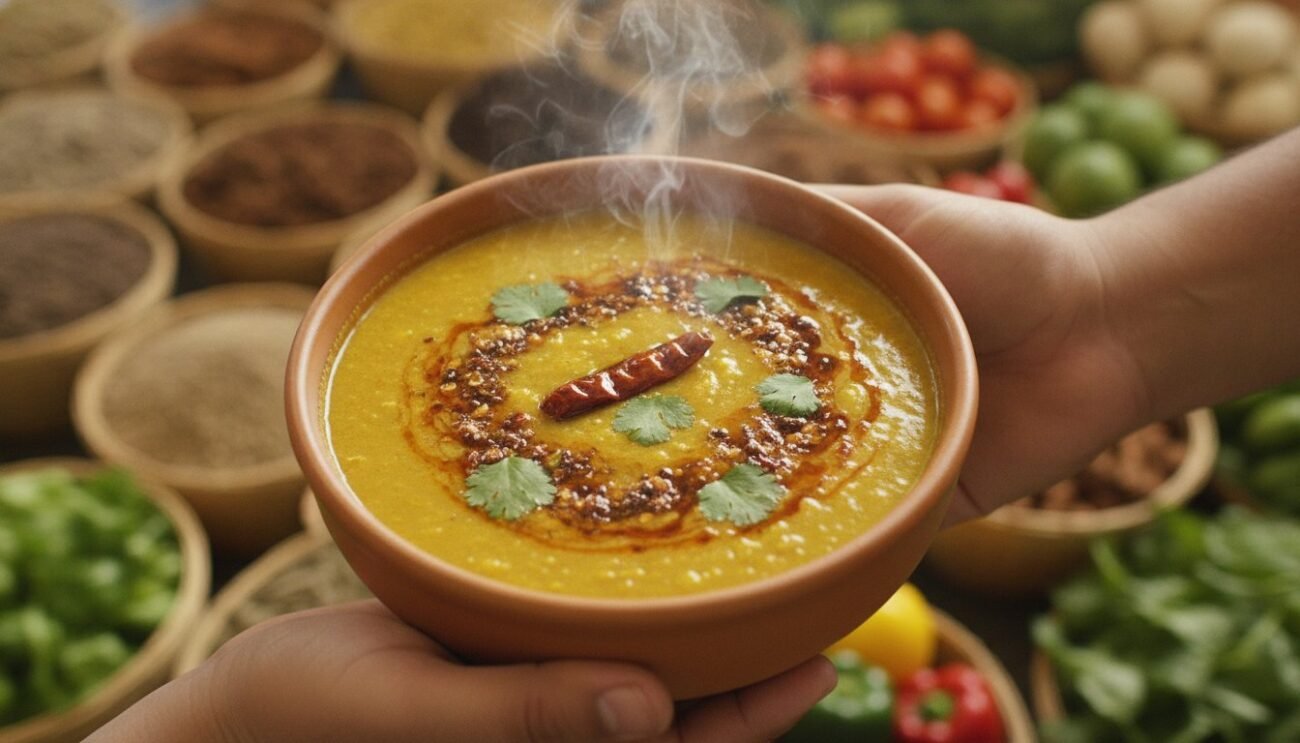
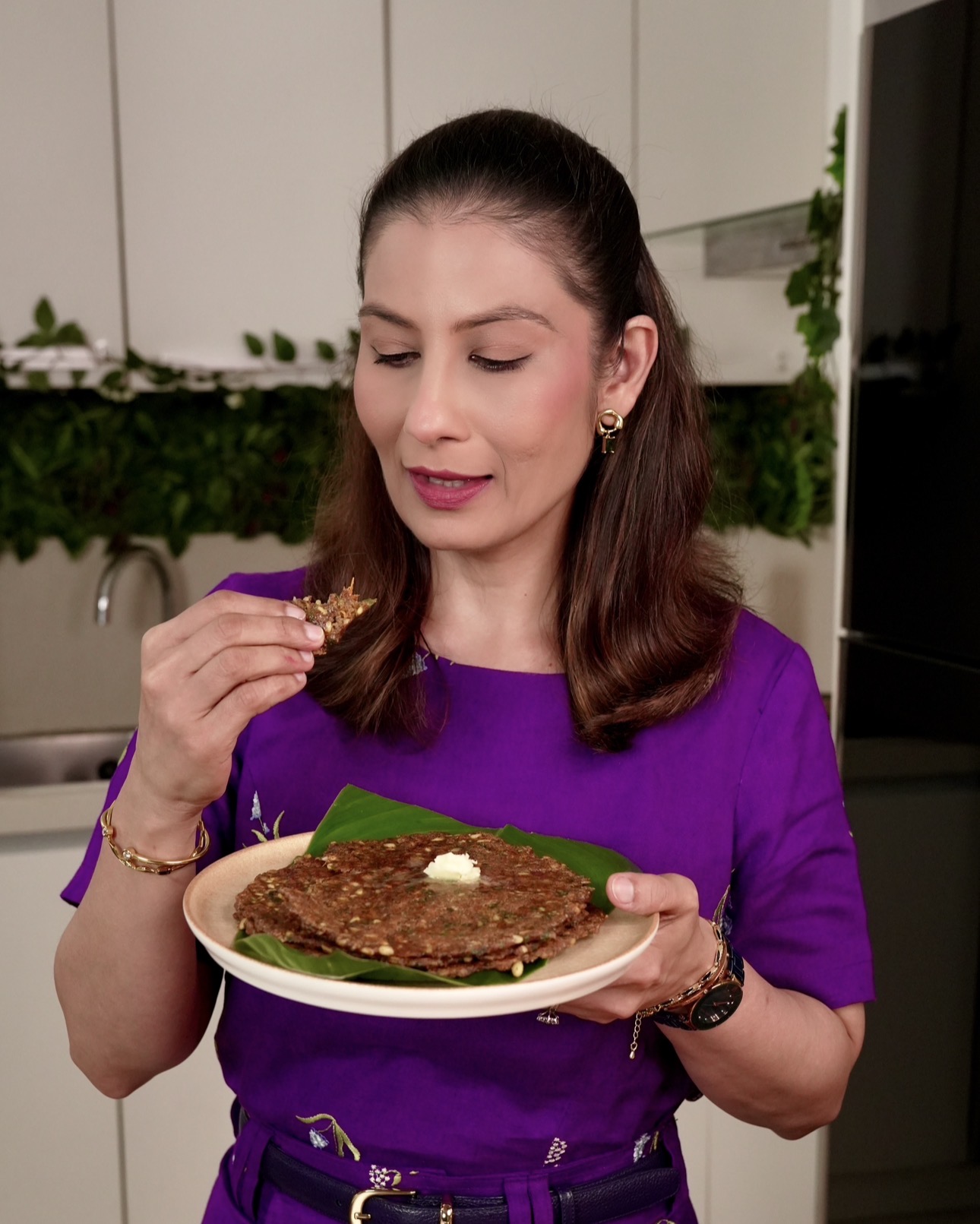
Have you ever finished a comforting bowl of dal tadka only to feel like you’ve swallowed a heavy stone just minutes later? It’s a common struggle for many of us who adore traditional flavors but dread that post-meal puffiness. You might even find yourself avoiding healthy staples because you’re worried about social anxiety from flatulence or feeling weighed down. I’ve designed 5 High-Fiber Indian Meals to Stop Bloating instantly so you can finally break this cycle. It’s truly frustrating when the very foods meant to nourish you end up causing such discomfort. Research shows that about 95% of adults don’t get enough fiber; yet, when we try to add it, our guts often rebel with instant pressure and gas.
I’m here to tell you that you don’t have to choose between your heritage and your health. You can enjoy traditional Indian spices while achieving a flat stomach and vibrant energy levels through smarter cooking techniques. My guide will show you how to banish that heavy feeling and embrace a light, airy sensation after every meal. We’re going to dive into the “why” behind specific ingredient choices and preparation methods that turn “heavy” grains into energizing fuel. Get ready to rediscover the joy of eating well without the digestive drama and confusion.
Key Takeaways
- Learn why traditional Indian tempering with medicinal spices like hing and ajwain is the secret to making high-fiber legumes gentle on your stomach.
- Discover our curated list of 5 High-Fiber Indian Meals to Stop Bloating instantly, featuring easy-to-digest proteins like yellow moong dal and ancient grains.
- Master Chef Meghna’s essential soaking techniques for millets like Jowar and Bajra to break down complex starches and ensure peak nutrient absorption.
- Explore simple post-meal movement rituals and posture shifts that help your body transit gas more efficiently for a flatter stomach in minutes.
- Access a world of culinary therapy through Meghna’s Food Magic, where thousands of free, expert-tested recipes turn healthy eating into a daily celebration.
Why Fiber and Indian Spices are Your Gut’s Best Friends
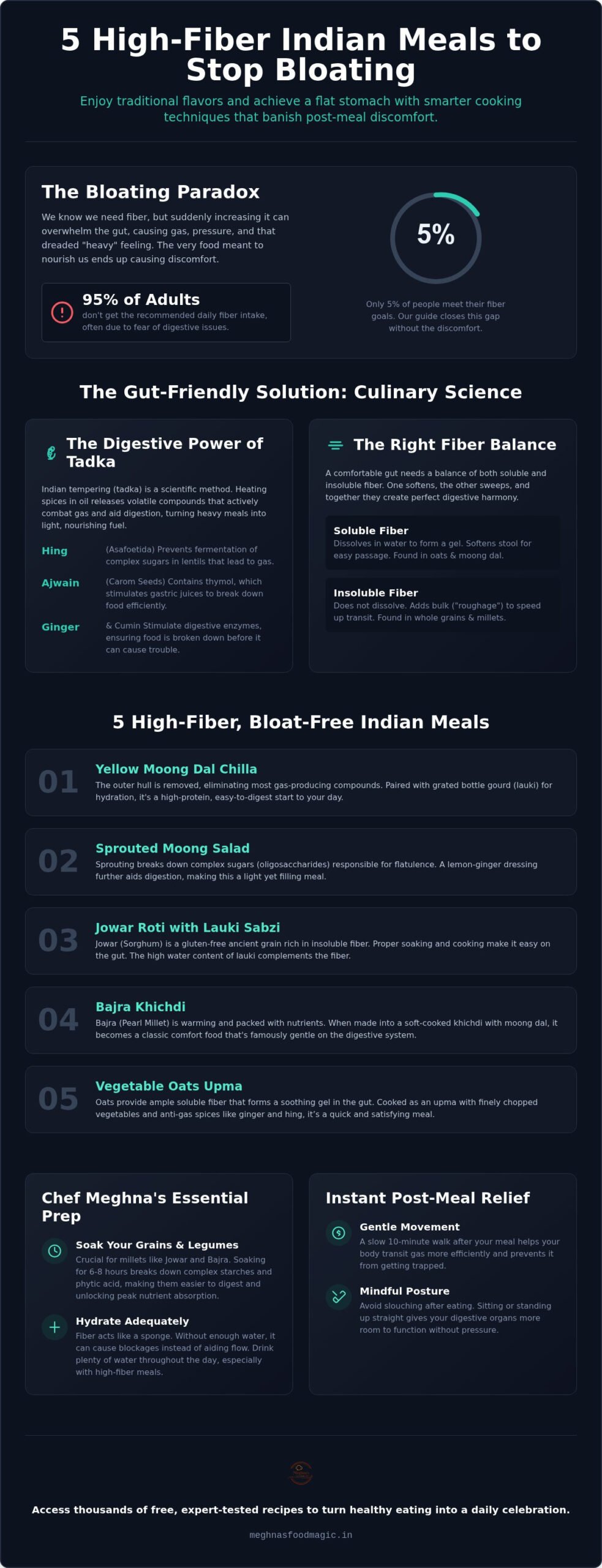
Think of fiber as a gentle, natural broom for your digestive tract. It’s the silent hero that keeps everything moving smoothly, yet about 95% of adults fail to meet the recommended daily intake of 14 grams per 1,000 calories. While we know we need it, many of us face the “Bloating Paradox.” This happens when a sudden increase in fiber causes the gut microbiome to ferment these plant materials, releasing gas as a byproduct. It’s exactly why people often feel heavy after a bowl of rajma or bajra rotis. To solve this, my guide to 5 High-Fiber Indian Meals to Stop Bloating instantly focuses on combining high-fiber ingredients with medicinal spices that act as carminatives, helping your body expel gas rather than trapping it.
Hydration is the other half of this equation. Fiber is like a sponge; it needs plenty of water to expand and move through your system. Without enough fluids, high-fiber meals can actually lead to constipation and more pressure. When you pair these meals with traditional Indian carminatives like ginger and cumin, you create a digestive environment that favors ease over effort. These spices stimulate digestive enzymes, ensuring that your meal is broken down efficiently before it has a chance to cause trouble.
Soluble vs. Insoluble Fiber: The Indian Context
Understanding Dietary fiber is essential for anyone looking to achieve a flat stomach. Soluble fiber, found in abundance in oats and pulses like moong dal, dissolves in water to form a gel-like substance. This helps soften your stool and slows down digestion for better nutrient absorption. On the other hand, insoluble fiber is the “roughage” found in whole grains and millets. It doesn’t dissolve, so it adds bulk and speeds up the passage of food. For a truly comfortable gut, you need a vibrant balance of both. Relying only on roughage can be harsh, while too much soluble fiber without bulk can leave you feeling sluggish.
The Digestive Power of the Indian Tadka
The magic of an Indian kitchen lies in the tadka, or tempering. This isn’t just about aroma; it’s a brilliant piece of culinary science. When we heat spices in oil, we release volatile anti-flatulent oils that are otherwise locked away. Asafoetida, or Hing, is absolutely non-negotiable when cooking high-fiber lentils. It works specifically to prevent the fermentation of complex sugars that lead to gas. Similarly, Ajwain contains thymol, which helps your stomach secrete gastric juices and break down complex carbohydrates more effectively. By using these ancient techniques, we transform potentially “heavy” meals into light, nourishing fuel that supports your 5 High-Fiber Indian Meals to Stop Bloating instantly journey.
5 High-Fiber Indian Meals for Instant Digestive Comfort
Moving from the science of spices to the practicalities of your plate, it’s time to look at the specific combinations that bring relief. Choosing High-fiber foods doesn’t have to be a guessing game or a source of anxiety. These 5 High-Fiber Indian Meals to Stop Bloating instantly prioritize ingredients that nourish without overwhelming your system. By focusing on three versatile, high-impact recipes, we can cover every meal of your day while keeping your gut in a state of food-induced bliss. For broader variety, you can always explore my collection of Weight loss recipes which follow these same digestive principles.
Meal 1: Yellow Moong Dal Chilla with Grated Vegetables
Yellow moong dal is the ultimate choice for a sensitive gut because the outer hull, where most gas-producing compounds reside, has been removed. To create this, mix soaked moong dal paste with fresh ginger, green chili, and plenty of grated lauki (bottle gourd). Lauki is about 96% water, which helps the fiber move through your system with ease. This combination ensures you get a high-protein, high-fiber start without the heavy feeling. You can find more variations in my Breakfast Chila Recipes to keep your mornings light and energizing.
Meal 2: Sprouted Moong Salad with Lemon-Ginger Dressing
Sprouting is a transformative process that naturally breaks down oligosaccharides, the complex sugars often responsible for flatulence in legumes. For this vibrant salad, mix steamed sprouts with crunchy cucumber and pomegranate. My professional rule is to lightly steam your sprouts for exactly 2 minutes; it makes them much gentler on the stomach than raw sprouts while preserving their nutritional integrity. The ginger in the dressing acts as a carminative to soothe any existing irritation and stimulate digestive enzymes, making it a perfect mid-day meal.
Meal 3: Jowar (Sorghum) Vegetable Upma
Jowar is a gluten-free ancient grain that is naturally alkaline, which helps neutralize excess stomach acid and prevent that “burning” bloated feeling. For a perfect upma, sauté cracked jowar grains with mustard seeds, curry leaves, and green peas. Soaking Rule: You must soak cracked jowar for a minimum of 8 hours before cooking. This long duration is essential to neutralize phytic acid and break down tough starches, ensuring the grain doesn’t sit heavy in your gut. For more ways to use these ancient grains, dive into my 30+ Millet Recipes By Meghna.
I’ve found that these three recipes act as the foundation for a bloat-free lifestyle, covering breakfast, lunch, and dinner needs. When you master these, you’re well on your way to enjoying 5 High-Fiber Indian Meals to Stop Bloating instantly through creative variations and simple ingredient swaps. It’s about making health feel celebratory and effortless every single day.
Chef Meghna’s Secrets: Preparing High-Fiber Grains for Easy Digestion
In my kitchen, I always say that the “how” of cooking is just as vital as the “what.” You might have the most nutritious ingredients on your counter, but if you don’t prepare them with intention, your body will struggle to unlock their magic. Many people simply give up on beans or whole grains because they’ve been told to avoid gas-producing foods; however, that’s a missed opportunity for wellness. When you follow my guide to 5 High-Fiber Indian Meals to Stop Bloating instantly, you’re learning to use heat, moisture, and time to transform these ingredients into something your gut truly loves.
Cooking is a beautiful act of harmony and self-care. By understanding the chemical shifts that happen before a dish even reaches the stove, you can enjoy a wide variety of high-fiber foods without any discomfort. For instance, adding a squeeze of lemon or a dollop of curd at the end of cooking doesn’t just brighten the flavor. The acidity actually aids in mineral absorption and helps break down tough plant fibers. It’s about creating a celebratory atmosphere where nutrition feels effortless and joyful.
The Golden Rules of Soaking Millets and Pulses
Soaking is the first step in what I call “culinary therapy.” For ancient millets like Jowar and Bajra, a minimum of 8 hours is required to neutralize phytic acid. This is an anti-nutrient that can block mineral absorption and irritate the gut lining. This process mimics the start of germination, making the grain significantly easier to process. You must discard the soaking water. That water contains the very compounds that cause gas and digestive friction. If you’re working with particularly tough grains, adding a tiny pinch of salt or a bit of soda to the soaking water can help soften the outer husks, ensuring they cook through perfectly and don’t sit heavy in your stomach.
The “Pre-Digestion” Technique: Steaming and Mashing
Raw vegetables are wonderful, but for sensitive guts, they can sometimes increase bloating. My secret is “pre-digesting” high-fiber vegetables through steaming and mashing. Finely grating or pureeing water-rich vegetables like lauki or pumpkin before adding them to your dough or gravies breaks down the cellular walls of the plants. This means your teeth and stomach have less mechanical work to do. I also prefer pressure cooking over open-pot cooking for tougher pulses like chana dal. The high-pressure environment forces moisture into the heart of the grain, ensuring every bite is soft and digestible. This simple shift in technique is a cornerstone of my 5 High-Fiber Indian Meals to Stop Bloating instantly approach.
Instant Relief: Post-Meal Habits to De-Bloat Naturally
The magic of a meal doesn’t end with the last bite. What you do in the 30 minutes following your food is just as critical as the ingredients you chose for your plate. Even when you enjoy my 5 High-Fiber Indian Meals to Stop Bloating instantly, your body needs a bit of structural support to process that bulk efficiently. Digestion is a rhythmic, energetic process that thrives on specific movements and temperatures. If you often find yourself slumping on the sofa immediately after a heavy dal or roti meal, you’re essentially hitting the “pause” button on your gut’s ability to transit gas.
I want you to view this post-meal window as a sacred time for culinary therapy. By adopting a few simple, traditional habits, you can ensure that the high-fiber goodness you’ve consumed moves through your system without causing a moment of discomfort. These practices are part of my broader Get Fit With Meghna philosophy, where we treat every action as a step toward harmony and vitality. Let’s look at how movement and hydration can become your gut’s best allies.
The 100-Step Vajrasana Ritual
Sitting in Vajrasana, or the Thunderbolt pose, is a centuries-old secret for digestive success. By kneeling and sitting on your heels, you gently restrict blood flow to the legs and redirect it toward your digestive organs. This surge of oxygenated blood helps the stomach and intestines break down complex fibers with ease. Pair this with the “Shatpavali” tradition, which involves taking exactly 100 gentle steps after your meal. This isn’t a brisk workout; it’s a slow, mindful walk that prevents “stagnant” digestion and encourages the natural movement of gas. It’s a simple ritual that makes a world of difference in how light you feel.
Healing Herbal Infusions
When it comes to hydration, temperature is everything. Cold water can actually solidify fats and slow down the processing of fiber, leading to that “heavy” sensation. Instead, reach for warm water or a healing herbal infusion. A simple tea made from fennel (saunf) and fresh ginger is the ultimate natural de-bloater. Fennel contains oils that relax the smooth muscles of the gastrointestinal tract, while ginger stimulates the enzymes needed for breakdown. If you need something faster, Ajwain water acts as an instant antacid, neutralizing gas before it can cause pressure. These sips are the perfect companion to my 5 High-Fiber Indian Meals to Stop Bloating instantly.
Chef Meghna’s Notes
Substitutions: If you don’t like the taste of fennel, a few pods of green cardamom (elaichi) steeped in warm water also help soothe the gut. Troubleshooting: If sitting in Vajrasana is painful for your knees, place a small cushion between your calves and thighs for extra support. Pro Tip: Always wait at least 30 to 45 minutes after eating before drinking a full glass of water; this keeps your digestive fire (Agni) concentrated and powerful.
Elevate Your Health with Meghna’s Food Magic Recipe Database
We’ve traveled a beautiful path together, moving from the frustration of feeling “heavy” to the vibrant joy of food-induced bliss. Understanding how to use 5 High-Fiber Indian Meals to Stop Bloating instantly is just the beginning of your wellness journey. My mission is to show you that healthy eating isn’t about restriction; it’s about abundance, flavor, and the transformative power of “culinary therapy.” When you cook with intention and use the right techniques, every meal becomes an act of self-care that nourishes both your body and your soul.
I invite you to explore my extensive free digital recipe database at meghnasfoodmagic.in, where you’ll find thousands of expert-tested ideas. Whether you’re looking for high-protein vegetarian options or creative ways to use ancient grains, my collection is designed to make your transition to a healthier lifestyle feel effortless and exciting. You don’t have to navigate this alone. Join our passionate community on Instagram and YouTube to see these dishes come to life and to share your own kitchen triumphs.
Chef Meghna’s Notes: Substitutions and Troubleshooting
Substitutions: If you don’t have Jowar on hand, Ragi is a fantastic alternative for your rotis and upma. Just keep in mind that Ragi is more “heating” for the body, so it’s particularly wonderful during cooler months. For a lighter feel in any curry, try replacing heavy potatoes with water-rich vegetables like Lauki (bottle gourd) or Parwal (pointed gourd). Troubleshooting: If a high-fiber meal still causes gas despite your best efforts, it’s a sign your gut needs more time to adapt. Simply double the soaking time for your grains and pulses next time to further break down those complex starches. Professional Tip: Always add a fresh squeeze of lemon at the very end of cooking. The Vitamin C doesn’t just add a zesty spark; it significantly improves iron absorption from fiber-rich grains and greens.
Join the Get Fit Movement
Long-term gut health is built on consistency and joyful cooking. If you have specialized dietary needs, my website’s search function is your best friend. You can specifically look for recipes tailored for PCOS, diabetes management, or sustainable weight loss. By choosing 5 High-Fiber Indian Meals to Stop Bloating instantly as your starting point, you’re setting a foundation for better digestion and higher energy levels every single day. I’m here to be your friendly guide and expert mentor as you reimagine traditional concepts through a modern, health-oriented lens. Subscribe to my weekly updates and let’s keep creating nutritious magic in your kitchen together.
Embrace the Joy of Bloat-Free Indian Cooking
You’ve discovered that digestive comfort isn’t about giving up the foods you love; it’s about mastering the art of preparation. By combining high-fiber grains with medicinal tempering and mindful post-meal rituals, you can finally enjoy a flat stomach after every meal. These 5 High-Fiber Indian Meals to Stop Bloating instantly serve as your blueprint for a lighter, more energetic life. Remember to always soak your millets for at least 8 hours and lean on carminative spices like hing to keep your gut happy.
Your journey toward culinary therapy doesn’t have to stop here. With over 1000+ free nutritious recipes and my expert-led Get Fit video series, you have everything you need to succeed. Join our vibrant community of health-conscious foodies and start transforming your kitchen into a space of healing and celebration today. It’s time to feel your absolute best!
I’m so excited to see you thrive as you rediscover the magic of traditional Indian flavors. You deserve to feel light, nourished, and completely at ease with every single bite you take. Happy cooking!
Frequently Asked Questions
Which Indian lentil (dal) is best for avoiding bloating?
Yellow moong dal is the absolute winner for anyone with a sensitive gut. Since the outer hull is removed during processing, it contains fewer of the gas-producing compounds found in whole lentils like rajma or chana. It’s light, soothing, and incredibly versatile. To ensure zero discomfort, always pair it with a tadka of hing and cumin to stimulate your digestive fire. This simple combination turns a basic meal into a therapeutic experience for your stomach.
Can I eat high-fiber meals for dinner if I have a sensitive stomach?
You can certainly enjoy high-fiber options at night, provided you choose the right ones. Opt for “pre-digested” forms like moong dal chillas or a well-cooked vegetable khichdi. These are much gentler than a heavy roti or whole bajra meal. To avoid the post-dinner slump, try to eat at least two hours before bed and follow the Shatpavali tradition of 100 steps. This ensures your body processes the fiber before you lie down to rest.
How long should I soak Bajra and Jowar for better digestion?
You must soak Bajra and Jowar for a minimum of 8 hours to ensure they are gut-friendly. This long duration is essential to neutralize phytic acid, which can otherwise block mineral absorption and cause digestive friction. Always discard the soaking water before cooking, as it carries away the compounds that lead to gas. Properly soaked millets cook faster and have a much softer texture, making them a joy to eat without any heavy after-effects.
Is it better to eat raw or cooked vegetables to reduce bloating?
Cooked vegetables are far superior for reducing bloating in sensitive individuals. While raw salads are nutritious, the tough cellular walls of raw plants require much more energy and enzymes to break down. Steaming, sautéing, or pressure cooking “pre-digests” these fibers, making them easier for your gut to handle. If you love salads, try lightly steaming your sprouts or grating your vegetables very finely to reduce the mechanical work your stomach has to do.
What is the fastest Indian home remedy for instant bloating relief?
A warm glass of ajwain water is the fastest home remedy for instant relief. Ajwain contains thymol, which helps your stomach secrete gastric juices and move trapped gas quickly. Alternatively, sipping on fennel and ginger tea can soothe the intestinal muscles almost immediately. For the best results, sit in the Vajrasana pose for ten minutes while you sip your tea to redirect blood flow to your digestive system and ease the pressure.
Can high-fiber Indian meals help with weight loss and a flat stomach?
Absolutely, incorporating 5 High-Fiber Indian Meals to Stop Bloating instantly is a fantastic strategy for weight loss. Fiber expands in your stomach, creating a sense of abundance and satisfaction that prevents overeating throughout the day. By choosing water-rich vegetables and ancient millets, you keep your metabolism active while maintaining a flat stomach. It’s a sustainable way to enjoy traditional flavors while achieving your fitness goals without feeling restricted or hungry.
Why does eating Ragi or Bajra sometimes make me feel heavy?
Feeling heavy after Ragi or Bajra usually stems from inadequate soaking or a lack of hydration. These grains are dense in fiber and minerals; if they aren’t soaked for 8 hours, they can sit in the gut like a stone. Additionally, fiber acts like a sponge and needs plenty of water to move through your system. If you don’t drink enough fluids, the fiber can cause a backup, leading to that characteristic heavy and bloated sensation.
Does adding Hing (Asafoetida) really help with gas from high-fiber foods?
Yes, hing is a non-negotiable ingredient for any high-fiber Indian meal. This powerful resin works as a carminative, meaning it specifically prevents the fermentation of complex sugars in the gut that lead to flatulence. By adding a pinch of hing to your hot oil during tempering, you release volatile oils that help break down lentils and legumes. It’s an ancient piece of culinary science that ensures your favorite dals remain light and bloat-free.
Disclaimer
This is a recipe food blog page and not nutrition or doctor and hence do not claim to cure any illness. If you have specific health issues please consult a qualified doctor or certified nutritionist.
I do consult experts, research Internet and at times seek help from Gemini to collect relevant information to put together some of these blogs.

