
7 Best Weight Loss Smoothies: High Protein & Easy Recipes
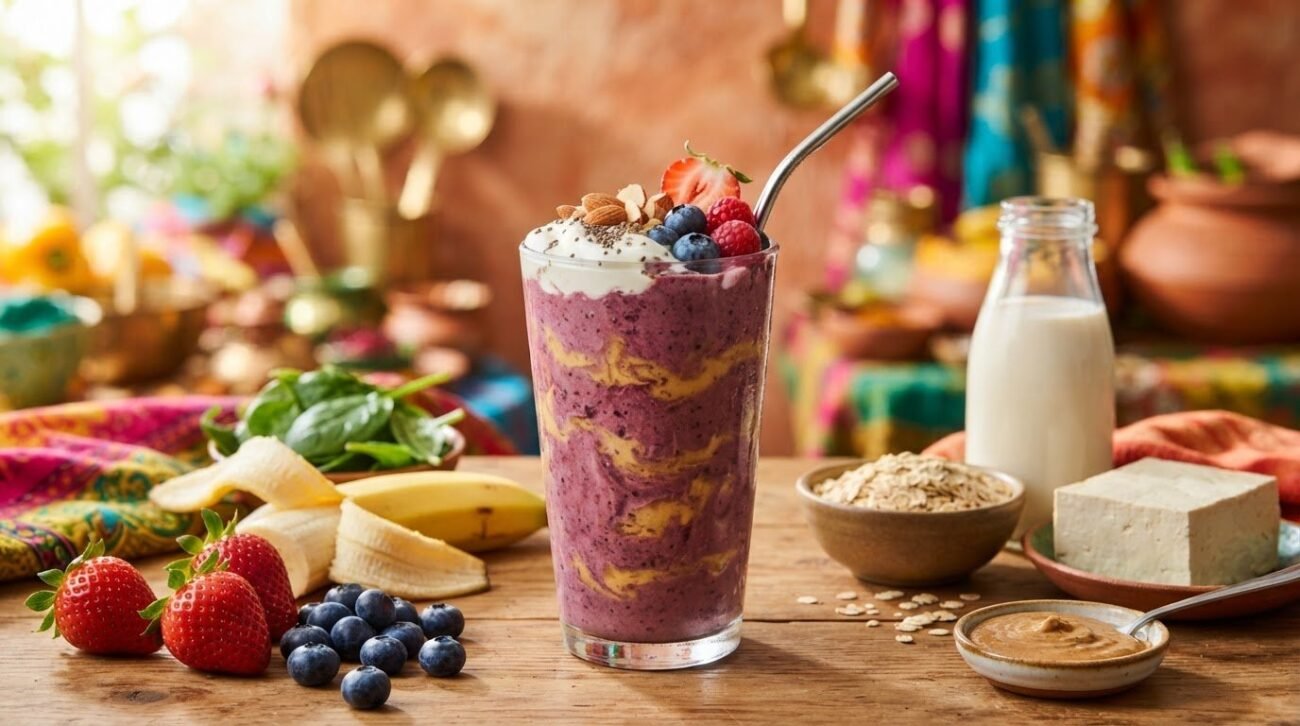
A smoothie for weight loss can fit into a balanced routine, but it isn’t a shortcut on its own. Aim for 15 to 20 g of protein per serving, and, when a smoothie replaces breakfast, roughly 250 to 350 kcal. Weight loss still depends on your overall calorie balance, while a drink made mostly from fruit may leave you less satisfied than a solid meal.
It’s easy to see the appeal: a ripe banana makes a smoothie creamy, naturally sweet and simple to blend. But it doesn’t have to turn your glass into a sugar-heavy snack. Pair it with protein and fibre to make a more filling blend without losing the flavour you enjoy.
Here, you’ll learn how smoothies can support weight loss, how to balance fruit, protein and other ingredients, and when a smoothie may work best in your day. Then explore seven practical recipes, including banana-forward ideas, with clear guidance on choosing swaps and what to expect from each glass. Fresh, satisfying and easy to make, these blends bring a little more intention to your routine without making food feel like a set of strict rules.
Key Takeaways
- Build a more satisfying blend by pairing fruit with a protein source such as yoghurt, tofu, soy milk or nut butter.
- When a smoothie replaces breakfast, aim for roughly 250 to 350 kcal and include protein to make it more filling.
- Choose whole fruit over juice to retain fibre, and skip refined sugar and syrups to keep added sweetness in check.
- Think about your overall daily calorie balance and include solid meals; a smoothie can be convenient without replacing every meal.
- Explore practical recipes and ingredient ideas in Meghna’s Food Magic’s free recipe database, including its high-protein and weight-loss fitness recipes.
1. Are smoothies a good way to lose weight?
A smoothie for weight loss can work as a satisfying meal or snack when its ingredients fit your overall eating pattern. Aim for 15 to 20 g of protein per serving. If it replaces breakfast, roughly 250 to 350 kcal gives you a practical starting point. The number alone isn’t the whole story: protein, fibre and healthy fats help make each glass more substantial.
For a protein-rich blend, combine plain yoghurt or silken tofu with fruit and chia seeds. Unsweetened soy milk is another option, while a measured spoonful of nut butter adds creaminess and healthy fats. Protein powder can raise the protein content, but check the serving information and choose an unsweetened option if you want to limit added sugar. Each ingredient plays a different role, so balance the blend instead of relying on fruit alone.
Plant-based protein can come from lentils, too. In a mango-ginger smoothie, cooked red lentils add a mild, creamy base; the recipe fact notes that red lentils provide 3 grams more protein than an equal-size portion of nonfat plain yoghurt. Blend them thoroughly with mango, ginger and liquid for a smooth finish. Use cooked lentils, not dry ones, so they blend evenly and are ready to eat.
Fibre and protein can make a breakfast smoothie more satisfying than a fruit-and-juice mix. Try spinach, a small banana, plain yoghurt and chia seeds, then adjust the liquid until the texture is drinkable, not watery. A tablespoon of nut butter adds richness but also makes the drink more energy-dense. Keep the fruit whole and measure concentrated additions such as nut butter or protein powder.
Are smoothies better for weight loss than whole fruits? Not necessarily. Whole fruit is often more filling because you eat it rather than drink it. A smoothie can still be useful, but blending several fruits with juice may make it easy to drink more quickly and feel hungry sooner than you would after solid food.
Use a smoothie to solve a practical routine problem, such as a rushed breakfast, rather than replacing every solid meal. Smoothies may be less filling than solid foods, so having mostly smoothies each day could leave you hungrier. Pair a balanced glass with regular solid meals, and notice whether it keeps you satisfied until your next planned eating occasion.
2. Ingredient swaps to reduce calories and added sugar
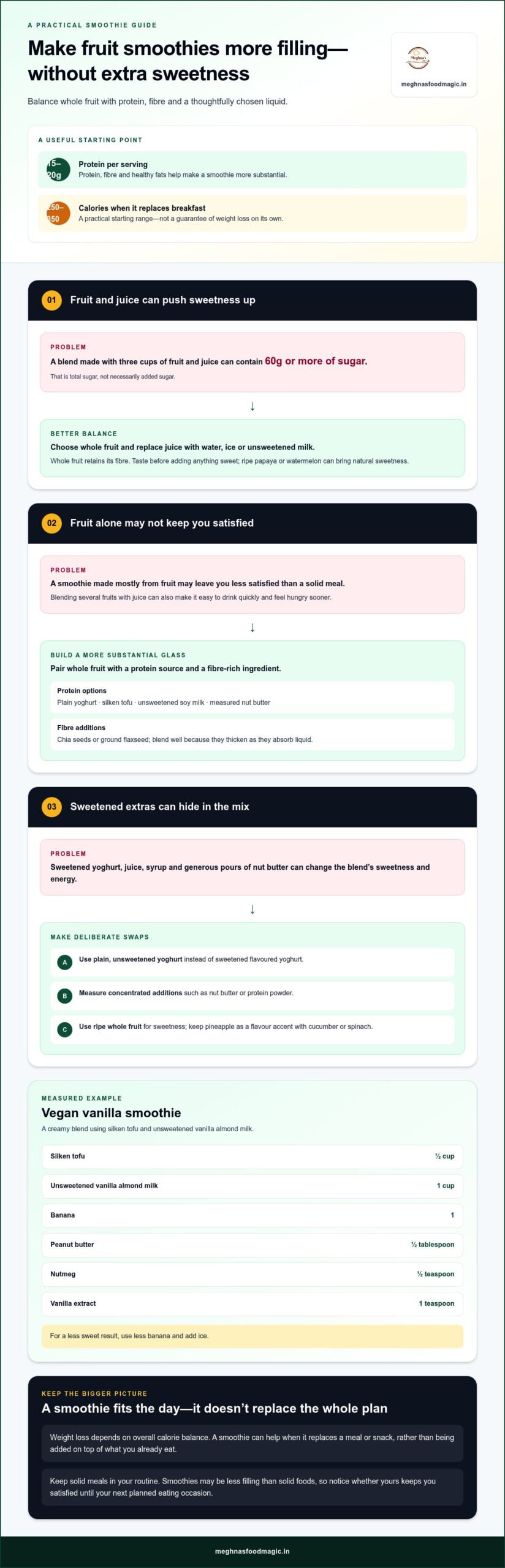
Small ingredient choices can change a smoothie’s sweetness, texture and total energy. Replace fruit juice with water, ice or unsweetened milk, then blend whole fruits to keep their fibre. A fruit-only blend made with three cups of fruit and juice can contain 60 g or more of sugar. That figure is total sugar, not necessarily added sugar, but it shows why portions and liquid choices matter.
For a lighter, naturally sweet blend, use ripe papaya or watermelon with chilled water, rather than sweetened juice or syrup. In India, both fruits are easy to find seasonally; their fresh flavour means you can skip refined sugar. Guava is another whole-fruit option when you want a more textured smoothie. Keep pineapple as a flavour accent alongside cucumber or spinach, rather than making it the entire base. A few drops of lemon can brighten fruit without adding sweetener.
To make the drink more filling, include a protein source and a fibre-rich ingredient. Plain, unsweetened yogurt replaces sweetened flavoured yogurt; chia seeds or ground flaxseed contribute fibre and omega-3 fats. Add them gradually and blend well, since they thicken the mixture as they absorb liquid. For protein, aim for 15 to 20 g per smoothie serving. There isn’t a specific fibre target in the recipe guidance here, so include whole fruit, chia or flaxseed instead of straining the blend.
A vegan vanilla smoothie can taste creamy without dairy. Blend these measured ingredients:
- 1/2 cup silken tofu
- 1 cup unsweetened vanilla almond milk
- 1 banana
- 1/2 tablespoon peanut butter
- 1/2 teaspoon nutmeg
- 1 teaspoon vanilla extract
Banana and vanilla bring sweetness and aroma, while silken tofu gives the drink body. For a less sweet result, use less banana and add ice. Measure the other ingredients to keep the balance intentional.
Use this simple swap sequence: choose whole fruit first, add an unsweetened liquid, then include a protein source and fibre. Taste before adding anything sweet. If the blend feels too thick, loosen it with water; if tart, use ripe fruit rather than syrup. These small adjustments can help manage cravings while keeping the fruit’s flavour clear. For more practical blending ideas, explore healthy smoothie and recipe videos.
3. Smoothie timing and daily calorie balance
Weight loss requires a calorie deficit: the body receives fewer calories than it burns. A smoothie can support that balance when it replaces a meal or snack, rather than adding to what you already eat. Timing is flexible. Choose a moment when a blended meal suits your routine, then consider its ingredients alongside the rest of the day’s food.
For many adults, one smoothie a day as a meal or snack replacement can be a practical approach. For example, blend fruit, vegetables and a protein source for breakfast, then eat solid meals later. A second smoothie can fit if your overall daily calorie intake allows it, but keep solid meals in your day. Replacing nearly all meals with smoothies can make eating patterns harder to sustain.
Calories vary with portions and additions, not just the recipe name. A smoothie made with whole berries, plain yoghurt and water differs from one with juice, sweetened yoghurt and a generous pour of nut butter. Compare the actual ingredients and serving size. For reference, the Evergreen Smoothie is listed at 95 kcal, while the Nutty Delight Smoothie is listed at 295 kcal. Those examples show how additions can change a drink’s energy content.
Use a simple routine to keep the glass balanced:
- Choose the occasion first, such as breakfast or an afternoon snack.
- Measure fruit and calorie-dense additions, including nut butter and seeds.
- Add vegetables, such as spinach or cucumber, for a fresh, savoury edge.
- Use water or unsweetened coconut water when the recipe needs liquid.
- Keep solid meals in the day and review the full day’s intake.
A plan built around two daily smoothies still needs to fit a person’s total calorie intake and include solid meals. One published plan describes around 1,500 calories per day, but that figure belongs to that plan, not every person’s needs. Its snacks are around 150-200 calories per serving. Treat these as plan-specific figures, not automatic targets for your own day.
Recipe counts can help with comparisons, but they aren’t a guarantee of weight loss. The Nutty Delight Smoothie is listed at 295 kcal; the Golden Glow Smoothie is listed at 175 kcal. A larger pour, extra fruit or sweetened liquid changes the final total. For a useful comparison, keep serving sizes consistent and count additions before blending. Berries, vegetables and unsweetened liquid can make a bright, balanced drink without turning the glass into an unplanned extra meal.
4. Balanced smoothie recipes and approximate nutrition
A balanced breakfast smoothie needs more than fruit: combine a protein source, fibre-rich ingredients and produce. Plain yoghurt adds protein, while oats or flaxseed bring body and texture. Whole fruit keeps its fibre in the glass. Use these recipes as starting points, adjusting the liquid until the consistency is creamy rather than watery.
Nutrition figures can help compare options, but they depend on the specific recipe and serving. The Green Protein Power Smoothie is listed at approximately 280 kcal, with 18 g protein and 8 g fibre per serving. The Berry and Flaxseed Smoothie is listed at approximately 300 kcal, with 20 g protein and 7 g fibre. These are examples, not universal targets for every breakfast.
For a budget-friendly smoothie, choose seasonal fruit, use plain yoghurt, and add a small portion of oats or flaxseed from the pantry. Blend with water instead of juice, and rely on the fruit’s natural sweetness rather than adding sugar. This keeps the ingredient list simple while bringing protein and fibre to the glass.
Apple cinnamon breakfast smoothie: Blend 1 medium-sized fresh apple, 1/2 cup low-fat yoghurt and 1 teaspoon oats. Add cinnamon to taste and enough water for a pourable texture. The apple gives fresh flavour, yoghurt contributes protein, and oats thicken the drink. For a smoother result, chop the apple before blending.
Tropical papaya and ginger smoothie: Blend 1 cup diced ripe papaya, half an inch of fresh ginger and 1 tablespoon flaxseeds or nuts. Add water gradually until the texture suits you. Ginger brings a lively note; flaxseed or nuts add richness. Taste before adding anything sweet, since ripe papaya can make the blend pleasantly sweet already.
Keep variety on the menu. A smoothie made with the same few ingredients every day can crowd out other foods and textures. Rotate fruit, yoghurt, oats, flaxseed and vegetables such as spinach. Smoothies aren’t automatically complete meals, so keep solid meals in your day instead of relying on one repeated blend for every eating occasion. This gives breakfast a clear role without making smoothies the whole diet.
Use nutrition numbers as recipe-specific guides, not promises about weight change. The Apple Cinnamon Oat Smoothie is one example, and its nutrition depends on the recipe and serving. Compare portions and ingredients before choosing; adding extra nut butter or sweetened liquid changes the finished drink. A measured recipe makes that comparison easier.
5. Banana smoothies and weight loss
A banana can make a smoothie naturally sweet, thick and easy to blend, but it doesn’t automatically make the drink a weight-loss recipe. What matters is how the banana fits with the other ingredients and your overall eating pattern. For a more balanced glass, pair it with protein and fibre instead of blending several fruits with juice.
Start with a measured example: the Nutty Delight Smoothie uses 1 cup of low-fat milk and ½ of a frozen banana, and is listed at 295 kcal. Freezing the banana creates a frosty texture without needing extra sweetener. Blend the milk and banana first, then add ice if you want a thicker finish. Avoid pouring in extra milk or adding sweetened toppings without accounting for them.
For a green variation, blend 1 small ripe banana with spinach. The banana softens spinach’s earthy flavour and gives the drink body. Add plain yoghurt or unsweetened soy milk for protein, then adjust the liquid until it pours smoothly. If you add avocado, remember that its creamy texture also makes the drink richer. Use it in place of another rich addition rather than automatically adding both.
A peanut butter banana shake can be a filling option, but its nutritional value depends on the ingredients and portions. Those figures describe that recipe, not every banana blend. Protein powder can be another way to build a more protein-forward smoothie, but check its serving information and avoid adding it on top of multiple calorie-dense ingredients by default. A measured portion of peanut butter can bring flavour and richness; extra spoonfuls change the total.
Banana, berries and spinach bring different flavours and nutrients to the blender. Berries add a tart contrast and antioxidants, while spinach adds a fresh, savoury note. Neither banana nor any other single ingredient can be relied on to boost metabolism or cause weight loss by itself. Keep the focus on a balanced recipe that fits your daily calorie intake and leaves room for solid meals.
For an easy routine, freeze peeled banana pieces when ripe and use them straight from the freezer. Pair a portion with a protein source and a fibre-rich addition, such as oats or chia seeds. If the smoothie tastes too sweet, add spinach or plain yoghurt; if it’s too thick, loosen it with water. These small adjustments preserve flavour without turning the drink into a dessert-style blend.
Meghna’s Food Magic: Free Digital Recipe Database
Meghna’s Food Magic brings together a Free Digital Recipe Database for home cooks looking for practical ideas after learning how to balance a smoothie. Browse High Protein Recipes for satisfying ingredient combinations, or explore weight-loss recipe ideas when you want more choices for a health-conscious routine. Millets Recipes offer another way to add variety beyond fruit-based blends.
Use the recipe database to build a rotation of nourishing meals and snacks instead of relying on the same smoothie every day. A wider mix of recipes can help you pair convenient drinks with different foods and flavours.
Explore the recipe collection at Meghna’s Food Magic.
Make Your Next Blend a Habit You Enjoy
Choose a recipe that suits your morning, ingredients and food preferences. Make it, notice how the texture and flavour work for you, then adjust the next blend with intention. A smoothie for weight loss is most useful when it fits naturally into your routine, rather than becoming another rule to follow.
Give yourself room to experiment. Try a different fruit, add greens for a fresh note, or change the liquid for a creamier or lighter finish. Keep the ingredients you enjoy, and let each small choice help you build a practical, satisfying way of eating.
For fresh kitchen inspiration, explore Meghna’s recipe videos and find a blend that sparks your next idea.
One thoughtful, delicious choice at a time can make healthy cooking feel joyful and personal. Happy blending!
Frequently Asked Questions
Are smoothies a good way to lose weight?
Yes, a smoothie can support weight loss when it fits your overall eating pattern instead of being an extra drink alongside a full meal. For instance, make it your planned breakfast, then keep your usual lunch and dinner portions intentional. A simple ingredient record can help: note the fruit, liquid and additions, especially calorie-dense extras. This makes it easier to adjust the recipe if it doesn’t suit your routine.
Can I drink 2 smoothies a day?
Yes, two smoothies can fit into a day if their calories fit your daily intake and you also eat solid meals. One practical pattern is a smoothie at breakfast, another as a planned snack, and solid food at lunch and dinner. Don’t let both drinks crowd out varied meals. If you feel hungry soon after either smoothie, reassess its ingredients and whether a solid snack or meal would suit you better.
Can a smoothie replace a meal?
A smoothie can replace a meal when it’s substantial and deliberately balanced, rather than made only from fruit and water. Add a protein source such as yoghurt, tofu or soy milk, then include whole fruit or another fibre-rich ingredient. Consider the rest of the day, too: a drink that works for breakfast may not suit every meal or keep you satisfied for as long.
Does it aid weight loss?
A smoothie supports weight loss only as part of a calorie deficit, meaning your body receives fewer calories than it burns. Ingredients such as berries or spinach don’t independently cause weight loss. Think of the drink as a convenient way to put together a meal or snack, not as a metabolism shortcut. Its role depends on what it replaces, its portions and how it fits into your other eating occasions.
What Is the 21-Day Smoothie Diet, and Should You Try It?
The 21-Day Smoothie Diet is a structured plan described as including two smoothies daily, one solid meal and two snacks. Its creator says it provides around 1,500 calories per day; snacks are around 150-200 calories per serving, and the plan allows one smoothie-free day each week. An optional detox phase replaces all three meals with smoothies for three days. Meal-replacement programmes may carry a higher risk of weight regain when typical eating resumes.
Which smoothie is best for a flat tummy?
No specific smoothie can promise a flat tummy. Choose a blend that supports your eating routine rather than expecting one recipe to change a particular area of your body. For a fresh, savoury option, combine cucumber, spinach and plain yoghurt, then adjust the texture with water. Be mindful of sweetened additions and large portions: the overall ingredients matter more than a “flat tummy” label.
What makes a smoothie suitable for weight loss?
A suitable smoothie has ingredients and portions that fit your calorie needs and the occasion. For a meal, include a protein source such as yoghurt or tofu, plus whole fruit or vegetables. For a snack, make a smaller blend that complements your other meals. Check protein powder serving information, measure nut butter, and taste before adding sweeteners. These steps make recipes easier to compare and adapt.
What are healthy smoothie recipes for weight loss using ingredients common in India?
Try a papaya-ginger blend with 1 cup diced ripe papaya, half an inch of fresh ginger and 1 tablespoon flaxseeds or nuts; add water to blend. For a green option, combine 1 cup fresh, washed spinach leaves with 1 small ripe banana and enough water for a smooth texture. Seasonal fruit, plain yoghurt and household spices make easy additions without relying on bottled juice or syrup.
Disclaimer
This is a recipe food blog page and not nutrition or doctor and hence do not claim to cure any illness. If you have specific health issues please consult a qualified doctor or certified nutritionist.
I do consult experts, research Internet and at times seek help from Gemini to collect relevant information to put together some of these blogs.

