
High Protein Paneer Dinner Recipes: Your Ultimate Guide to Wholesome Evening Meals in 2026
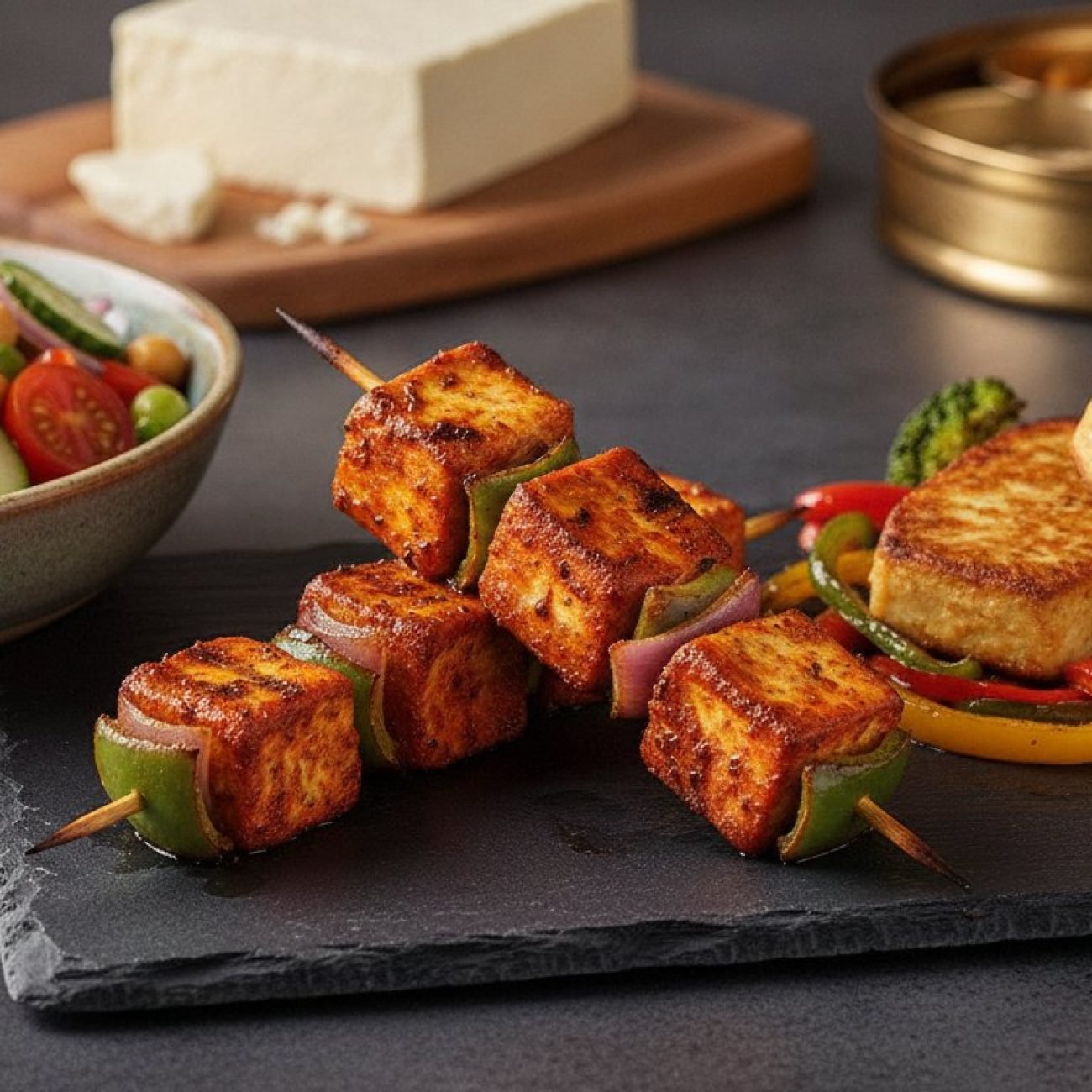
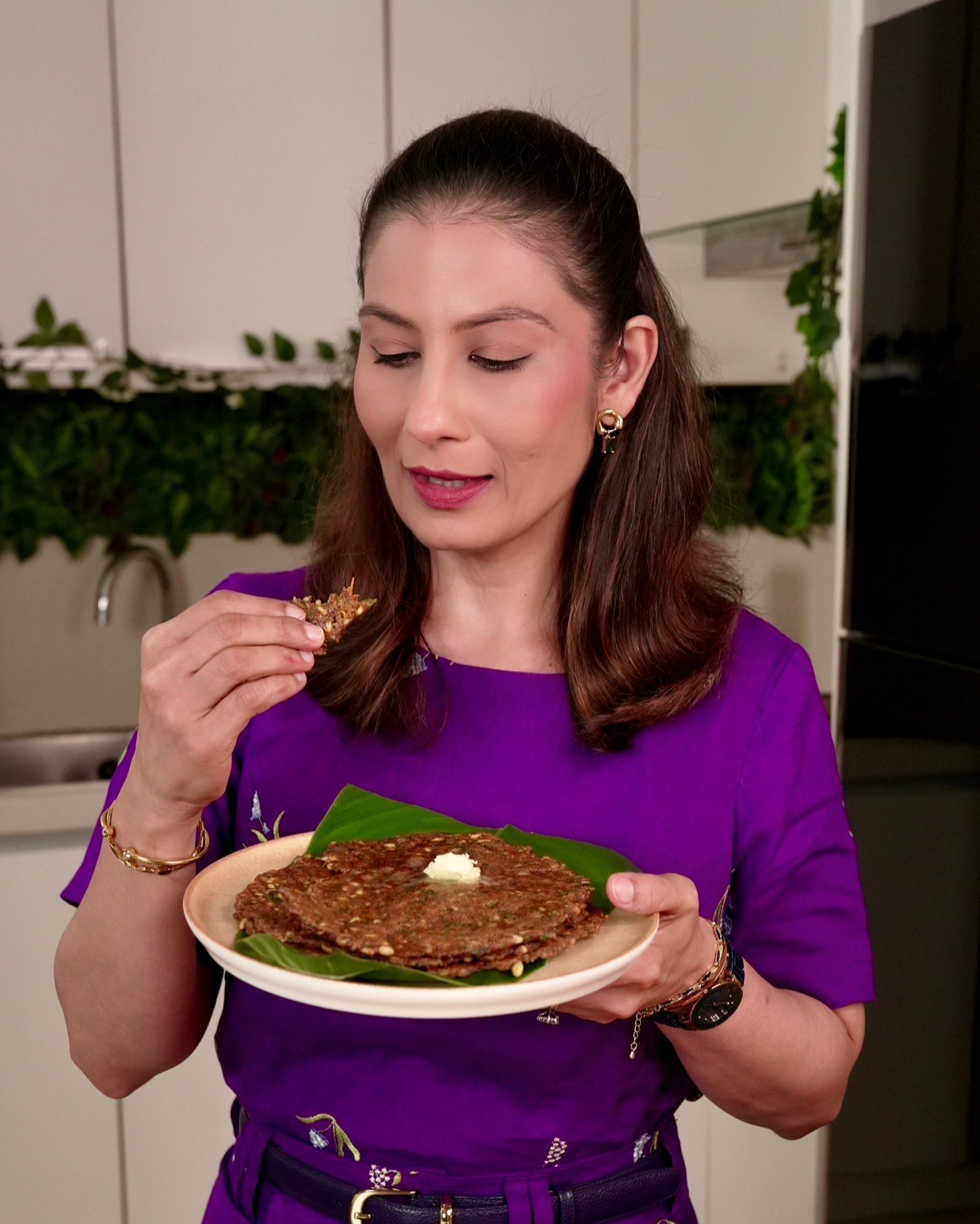
Are you tired of the same old paneer dishes that feel heavy, oily, and counterproductive to your fitness goals? Do you find yourself wondering how to transform this beloved vegetarian staple into a dinner that’s genuinely high in protein, low in fat, and bursting with exciting flavors? You’re not alone. For too long, health-conscious home cooks have been caught between bland, uninspired meals and rich, calorie-laden curries. But what if you could have it all? What if your evening meal could be a celebration of flavor, a powerhouse of nutrition, and the perfect partner for your weight management journey?
Get ready to rediscover paneer. This guide is your invitation to the world of Food Magic, where we move beyond basic bhurji and palak paneer. We’ll unlock the secrets to creating high-protein paneer dinner recipes that are light, satisfying, and incredibly delicious. Discover how to pair paneer with other protein-boosting ingredients, master modern low-oil cooking techniques like air frying, and turn your dinner into a wholesome, celebratory experience that fuels your body and delights your senses. Let’s begin!
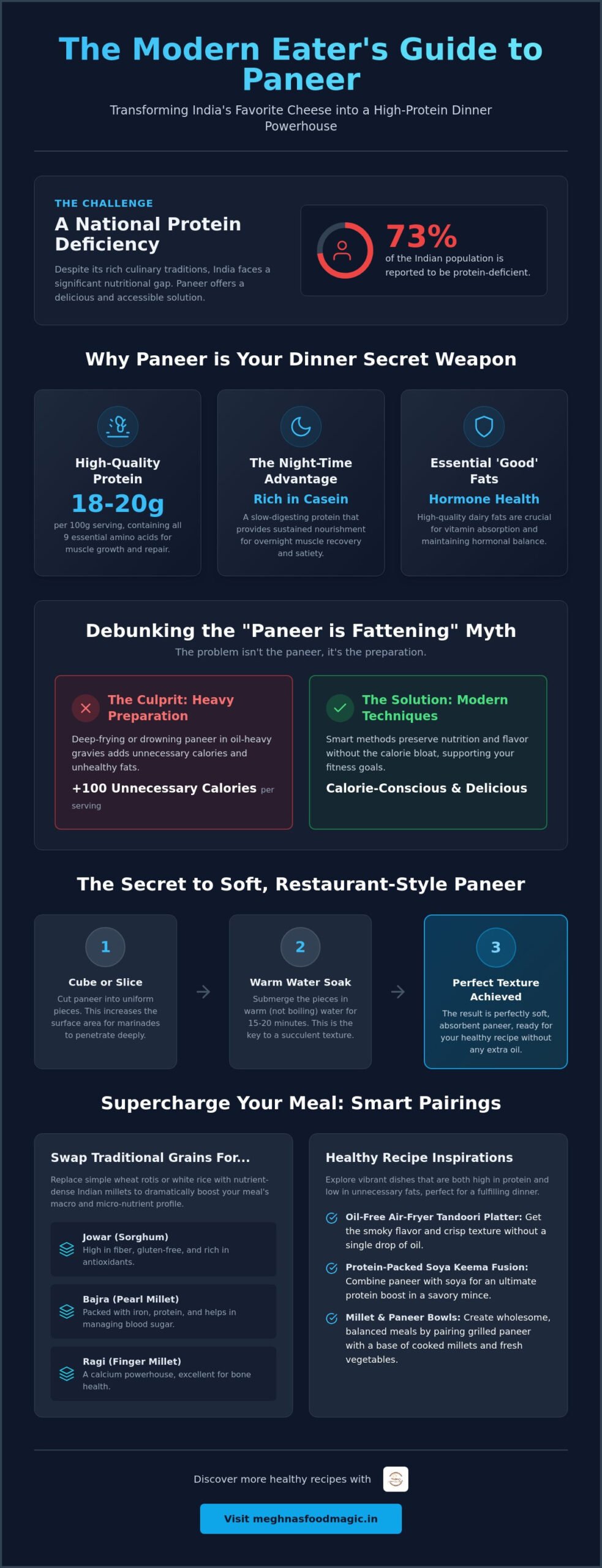
The Nutritional Power of Paneer: Why It’s Your Dinner Secret Weapon
In the world of vegetarian protein, paneer stands tall as a true champion, especially when it comes to your final meal of the day. It’s more than just a tasty ingredient; it’s a nutritional powerhouse perfectly designed to support your body’s recovery and growth while you sleep. But to truly harness its power, we need to understand what makes it so special and move past some common myths.
- A Complete Protein Source: Paneer is one of the few vegetarian foods that contains all nine essential amino acids, making it a complete protein. This is crucial for muscle repair, hormone production, and overall bodily function.
- The Magic of Casein: The primary protein in paneer is casein, a slow-digesting protein that provides a steady release of amino acids into your bloodstream. This makes it the ideal dinner protein for overnight muscle recovery.
- Debunking the Fat Myth: We’ll address the “fat vs. protein” debate head-on, showing you how smart cooking methods and portion control make paneer a lean, mean, muscle-building machine.
- A Canvas for Flavor: Its mild, milky flavor makes paneer the perfect canvas for the vibrant, metabolism-boosting spices of Indian cuisine, allowing you to create meals that are both healthy and incredibly flavorful.
Casein vs. Whey: Why Paneer Wins at Night
If you’re into fitness, you’ve likely heard of whey protein, famous for its rapid absorption post-workout. But when it comes to your evening meal, its slow-digesting cousin, casein, is the real star. While you sleep, your body goes into repair mode. A fast-digesting protein like whey would be used up quickly, potentially leaving your muscles without fuel for hours. Casein, however, forms a gel-like substance in the stomach, ensuring a slow, sustained release of amino acids throughout the night. This prevents muscle breakdown (catabolism) and promotes consistent recovery.
Compared to other vegetarian proteins like moong dal or sprouts, paneer offers superior satiety, keeping you feeling full and satisfied, which helps prevent late-night snacking. For a clear perspective, remember this simple fact: 100g of paneer typically provides 18-20g of high-quality protein, making it a vegetarian powerhouse.
Debunking the ‘Paneer is Fattening’ Myth
Let’s clear the air on one of the biggest misconceptions in Indian kitchens. The idea that paneer is inherently “fattening” comes not from the cheese itself, but from how it’s traditionally prepared—often deep-fried and swimming in cream-based gravies. The reality is far more nuanced.
High-quality dairy contains a mix of fats, including beneficial ones that support hormone function and absorption of fat-soluble vitamins. The key lies in two things: portion control and cooking method. By choosing low-fat or homemade paneer and swapping deep-frying for techniques like pan-searing, grilling, or air frying, you dramatically alter its health profile. A 100g serving of paneer prepared mindfully can easily fit into a calorie-conscious dinner, delivering a powerful protein punch without the unnecessary fat.
Prepping Your Paneer: The ‘How-To’ of Texture and Nutrition
The difference between a mediocre paneer dish and a truly magical one often lies in the preparation. Achieving that perfect texture—soft and succulent on the inside, with a satisfying bite on the outside—without drenching it in oil is an art. But it’s an art you can easily master. Forget the deep-fryer; we’re about to unlock flavor and texture through smarter, healthier techniques.
- Choosing Wisely: Whenever possible, opt for fresh, malai paneer. It has a softer, more absorbent texture than the rubbery, vacuum-packed varieties. Making your own is even better!
- The Warm Water Secret: This simple, game-changing step ensures your paneer stays melt-in-your-mouth soft, even with minimal oil.
- Flavor-Packed Marinades: A great marinade does more than just add flavor; it tenderizes the paneer and infuses it with nutrition from the inside out.
- Strategic Slicing: How you cut your paneer matters! Cubes, triangles, or planks—each shape affects how it absorbs spices and cooks.
The Soft-Paneer Secret (Without the Oil)
Have you ever wondered how restaurants get their paneer so incredibly soft? The secret isn’t a vat of oil; it’s a simple 10-minute warm water soak. This technique is non-negotiable for achieving a premium texture.
- Cut your paneer into your desired shapes (cubes or tikka-sized pieces).
- Place the paneer in a bowl and pour hot (not boiling) water over it until it’s fully submerged. Let it sit for 10-15 minutes.
- Drain the water completely and gently pat the paneer dry before marinating or cooking.
This simple process rehydrates the paneer, making it spongy and incredibly soft. By skipping the deep-fryer, you can save over 100 calories per serving while achieving a superior texture. Furthermore, using acidic marinades with a base of lemon juice or curd naturally tenderizes the protein structure, enhancing this effect.
Macro-Friendly Marinations
A marinade is your best friend for creating a high-protein, flavor-forward dinner. But not all marinades are created equal. To keep things macro-friendly, we’re ditching the heavy cream and embracing a new, protein-packed base.
- The Perfect Base: Use Greek yogurt or thick hung curd as your marinade’s foundation. This not only adds a creamy texture but also contributes an extra dose of protein to your meal.
- Metabolism-Boosting Spices: Load up on essential Indian spices known for their health benefits. Turmeric (anti-inflammatory), cumin (aids digestion), and black pepper (boosts nutrient absorption) are your go-to trio. Add ginger-garlic paste, kasuri methi, and a pinch of garam masala for that authentic, celebratory flavor.
- Avoid the Cream Trap: You can achieve a rich, special-occasion feel without heavy cream or cashew paste. A well-spiced yogurt marinade, when cooked correctly, provides all the richness you need.
5 High-Protein Paneer Dinner Recipes for Every Mood
Now, let’s put these principles into practice! It’s time to move beyond the predictable and embrace a new repertoire of paneer dinners that are as exciting as they are nutritious. Each of these recipes is designed to maximize protein, minimize unhealthy fats, and deliver a truly satisfying meal that feels like a treat.
- The Air-Fryer Paneer Tandoori Platter: For that celebratory weekend vibe without the guilt.
- Paneer and Soya Keema: A double-protein powerhouse for maximum satiety and muscle repair.
- Zesty Paneer Stir-Fry: A quick, low-carb, and high-fiber option packed with colorful bell peppers.
- Paneer-Stuffed Bell Peppers: A visually stunning, gourmet-style dinner that’s surprisingly easy to make.
- The ‘Meghna Special’ Paneer Bhurji: An elevated classic served with a game-changing millet-paratha twist.
The Double Protein Strategy: Paneer & Soya
One of the most effective ways to create a truly high-protein vegetarian meal is by combining complementary protein sources. Paneer and soya granules are a match made in heaven for this. Soya is a lean, plant-based protein that adds texture and volume, while paneer provides richness and its unique slow-release casein protein.
To make a quick Paneer and Soya Keema, simply sauté onions, tomatoes, and ginger-garlic paste. Add soaked soya granules and cook with spices like cumin, coriander, and turmeric. In the final few minutes, stir in crumbled or small-cubed paneer. The result is a hearty, mince-style dish that can deliver over 30g of protein per serving. Here’s why this pairing is so effective: Combining paneer with soya creates a complete amino acid profile while significantly increasing the volume of the meal without adding heavy fats.
Air Fryer Innovation: Crispy Tandoori Without the Guilt
The air fryer is a revolutionary tool for health-conscious Indian cooking, and it works wonders with paneer. You can achieve that delightful tandoori char and crispy exterior with just a whisper of oil.
For the perfect Air-Fryer Paneer Tandoori, marinate your soaked paneer cubes in a thick hung curd and spice mixture for at least 30 minutes. Arrange the cubes in a single layer in the air fryer basket, ensuring they aren’t crowded. Air fry at 180°C (350°F) for 10-12 minutes, flipping halfway through. For the last 2 minutes, you can increase the temperature to 200°C (400°F) to get those beautiful charred edges. Serve hot with mint chutney and onion laccha for an authentic restaurant-style experience at home. This method is not just for paneer; explore our full list of 15+ Best Indian Air Fryer Appetizers to see how this incredible tool can transform your healthy hosting.
Boosting the Macro Profile: Smart Pairings and Sides
A high-protein paneer dish is only half the story. What you serve it with can make or break the nutritional success of your dinner. The standard pairing of paneer with naan or white rice can load your meal with refined carbs, spiking your blood sugar and undermining your weight loss efforts. The Food Magic approach is to choose sides that complement and enhance the protein profile of your meal.
- Ditch the Wheat, Embrace Millets: Swapping refined wheat rotis for those made from Jowar, Bajra, or Ragi is a game-changer for fiber and sustained energy.
- The Power Salad: Use grilled or pan-seared paneer cubes as a protein-packed topper for a large bowl of leafy greens, crunchy vegetables, and a light vinaigrette.
- Legume Synergy: Pairing a dry paneer dish with a side of simple dal creates a synergistic protein boost, combining dairy and plant-based sources for a complete meal.
The Millet Renaissance in Your Kitchen
Millets are ancient Indian grains that are making a huge comeback, and for good reason. They are naturally gluten-free, rich in fiber, and have a lower glycemic index than wheat, meaning they provide slow-release energy and keep you feeling full for much longer. Jowar (sorghum) and Bajra (pearl millet) rotis are fantastic companions for paneer dishes.
Meghna’s tip for soft millet rotis: Use hot water to knead the dough and let it rest for 15 minutes. This helps the flour hydrate properly, making the rotis easier to roll and preventing them from becoming dry. A paneer sabzi paired with two bajra rotis is a far more balanced and fiber-rich dinner than the same sabzi with two wheat rotis.
Comparison: Standard vs. Optimized Paneer Dinner
Let’s visualize the impact of these smart swaps. Here’s a simple comparison to show how the Food Magic approach transforms a standard meal into a nutritional powerhouse.
| Metric | Standard Dinner: Butter Paneer + Butter Naan | Food Magic Dinner: Air Fryer Paneer Tikka + 2 Millet Rotis |
|---|---|---|
| Approx. Calories | 650-800+ | 400-500 |
| Approx. Protein | 20g | 25-30g |
| Primary Fat Source | Butter, Cream, Oil | Paneer’s Natural Fat, Minimal Oil |
| Carbohydrate Type | Refined Flour (Maida) | Complex Carbs & Fiber (Millets) |
| Satiety Level | High initial fullness, potential crash | High, sustained fullness |
The difference is clear. The Food Magic version provides more protein and volume for significantly fewer calories, making it the smarter choice for any fitness or weight management goal.
Effortless Dinner Planning with Meghna’s Food Magic
Healthy eating shouldn’t feel like a chore. With a little planning, you can make these high-protein paneer dinners an effortless and joyful part of your weekly routine. The key is to adopt a mindset of preparation and creativity, turning your kitchen time into a form of self-care.
- Batch-Prep for Success: Spend 30 minutes on a Sunday to prep your paneer for the week. Cube it, soak it, and store it in marinades.
- Endless Inspiration: Our recipe database is your sanctuary for new ideas, ensuring you never face dinner boredom again.
- Customize for Your Family: These recipes are flexible. Learn how to adjust spice levels or add extra veggies to cater to everyone at the table.
- Embrace the Celebration: Remember, cooking for your health is an act of love. Make it a celebratory part of your day, not a restrictive task.
Meal Prep Like a Pro
A little prep goes a long way. After marinating your paneer cubes in a yogurt-based marinade, you can store them in an airtight container in the fridge for up to 3 days. This means on a busy weeknight, your protein is ready to be pan-seared, air-fried, or tossed into a stir-fry in minutes. For an emergency 5-minute dinner, keep pre-cubed and soaked paneer in the fridge. Simply toss it in a hot pan with some chopped veggies and a sprinkle of your favorite spices for a quick bhurji or stir-fry.
Embracing this process is about finding joy in the preparation, a philosophy we explore deeply in our “Cake Therapy” approach. While it may sound different, the mindset is the same: finding a therapeutic rhythm in the kitchen. You can see this philosophy in action with our guide to guilt-free cake therapy, which proves that mindful preparation can make any food a source of joy and wellness.
Join the Food Magic Community
Your culinary journey doesn’t end here. This guide is just the beginning. We invite you to dive deeper and explore the endless possibilities that await in our free digital recipe sanctuary. Discover hundreds of recipes that celebrate millets, master the air fryer, and transform your approach to healthy eating.
When you create one of these high-protein masterpieces, share it with our vibrant community on social media! Tag us and use our hashtags to connect with fellow fitness-oriented foodies who are also on a journey to make healthy living delicious and celebratory. Your creations could inspire someone else to start their own Food Magic journey.
Ready to transform your dinners? Explore the full High-Protein Recipe Collection at Meghna’s Food Magic and unlock a world of flavor, fitness, and fun!
Frequently Asked Questions (FAQs)
-
Is it okay to eat paneer for dinner every day for weight loss?
While paneer is an excellent protein source, variety is key for a balanced diet. It’s perfectly healthy to include it several times a week, but aim to rotate it with other protein sources like lentils, chickpeas, tofu, and soya to ensure a wide range of nutrients.
-
How much paneer should I consume in one meal to get enough protein?
A serving size of 100-150 grams of paneer is generally a good target for a dinner meal. This provides a substantial 18-28 grams of high-quality protein, which is ideal for supporting muscle recovery and satiety.
-
Can I make these high-protein paneer recipes in an air fryer?
Absolutely! The air fryer is a fantastic tool for making paneer tikka, tandoori paneer, or even crispy paneer for salads with minimal oil. Marinate the paneer well and cook at around 180°C (350°F) for 10-12 minutes.
-
What is the best way to keep paneer soft in healthy, low-oil recipes?
The best method is the warm water soak. Submerging your paneer cubes in hot water for 10-15 minutes before cooking makes them incredibly soft and spongy, eliminating the need for deep-frying.
-
How can I increase the protein in paneer bhurji without adding more cheese?
A brilliant way to boost the protein is to add finely chopped vegetables like mushrooms or green peas. You can also mix in a small amount of crumbled tofu or soaked soya granules, which blend in seamlessly and ramp up the protein content significantly.
-
Are there any vegan alternatives to paneer that offer similar protein for dinner?
Yes, extra-firm tofu is an excellent vegan alternative. It has a similar texture and can be pressed to remove excess water, allowing it to absorb marinades just like paneer. Tempeh is another high-protein, soy-based option with a firmer, nuttier texture.
-
Does cooking paneer on high heat destroy its protein content?
No, standard cooking methods like pan-searing, grilling, or baking do not significantly destroy the protein in paneer. The protein structure (denaturation) changes, which is a normal part of cooking, but the nutritional value remains largely intact.
-
Which millets pair best with spicy paneer dinner recipes?
Jowar (sorghum) and Bajra (pearl millet) rotis are excellent choices. Their slightly earthy, nutty flavors complement the richness of spicy paneer dishes beautifully while adding a good dose of fiber to your meal.
Disclaimer
This is a recipe food blog page and not nutrition or doctor and hence do not claim to cure any illness. If you have specific health issues please consult a qualified doctor or certified nutritionist.
I do consult experts, research Internet and at times seek help from Gemini to collect relevant information to put together some of these blogs.

