
Ayurveda in the Modern World: Truth vs. Misconceptions
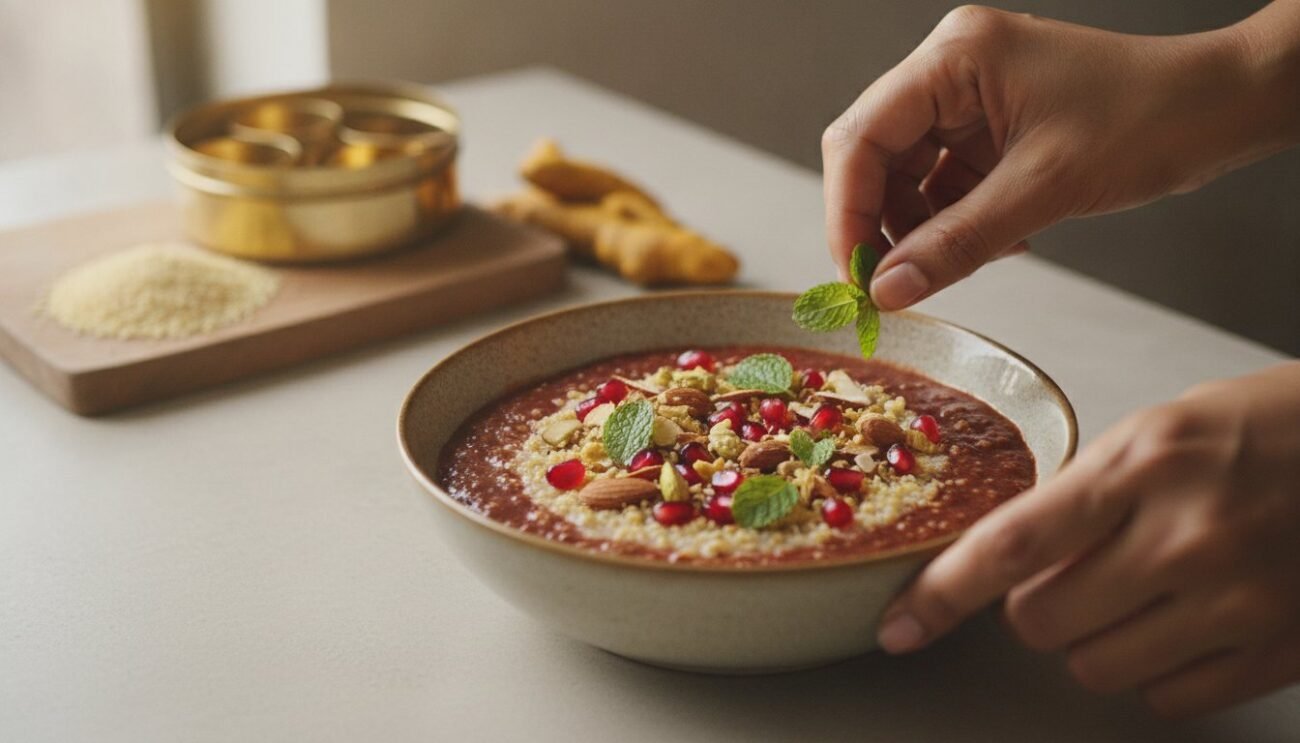
What if your kitchen could become a sanctuary of healing without you ever having to trade your favorite flavors for bland, restrictive diets? It’s a common struggle to feel that ancient wellness practices are too old-fashioned for a fast-paced life, especially when you’re juggling a career and family. We often feel torn between conflicting health advice and the reality of digestive issues or stubborn weight. When we look at aayurvada relavance in today’s world and what changes are required to adjust the misconceptions, it’s clear that this isn’t about rigid rules; it’s about finding balance in your modern reality.
You’re about to learn how to integrate these timeless principles into your daily routine, using everything from high-protein meals to quick hacks for your air fryer. Whether you’re looking for weight loss solutions or just want to feel more vibrant, the secret lies in eating for your specific body type. We’ll explore how to use versatile grains like Ragi, Jowar, and Bajra to create joy on your plate. You can even dive into my 30+ Millet Recipes for instant inspiration. Get ready to debunk the myths and discover a practical, celebratory path to true wellness that fits perfectly in your contemporary kitchen.
Key Takeaways
- Learn how Ayurveda transforms from an ancient tradition into a proactive wellness system designed for the fast-paced demands of 2026.
- Understand aayurvada relavance in today’s world and what changes are required to adjust the misconceptions that often label this vibrant lifestyle as restrictive or slow.
- Discover how nurturing your digestive fire, or Agni, can naturally support weight loss and boost your daily energy levels.
- Find out how to modernize your meals by incorporating nutrient-dense grains like Ragi, Jowar, and Bajra into your kitchen.
- Get practical tips for swapping refined sugars with wholesome alternatives and explore creative ways to cook millets using our 30+ Millet Recipes playlist.
Ayurveda’s Modern Renaissance: Why Ancient Wisdom Matters in 2026
2026 is the year of the proactive soul. We’re moving past the era of simply managing symptoms and stepping into a world where wellness is a daily celebration. Ayurveda, which translates from Sanskrit as the “Science of Life” (Ayu meaning life and Veda meaning knowledge), provides the perfect map for this journey. While we often look at Ayurveda’s ancient roots for historical context, its true power lies in its ability to adapt to our modern, tech-driven lives. It’s not about living in the past. It’s about using timeless wisdom to thrive right now.
Understanding aayurvada relavance in today’s world and what changes are required to adjust the misconceptions starts with seeing your body as a unique ecosystem. With the global Ayurveda market projected to reach approximately USD 24.55 billion this year, it’s clear that people are hungry for personalized care. We’re realizing that a “one size fits all” diet doesn’t work. Instead, we’re returning to the idea of ‘Prakriti,’ or your individual constitution, which acts as a guide for everything from the way you sleep to the way you season your food. Your kitchen isn’t just a place for chores. It’s your first pharmacy, where every spice and grain serves a purpose.
The Three Doshas: Your Personalized Biological Blueprint
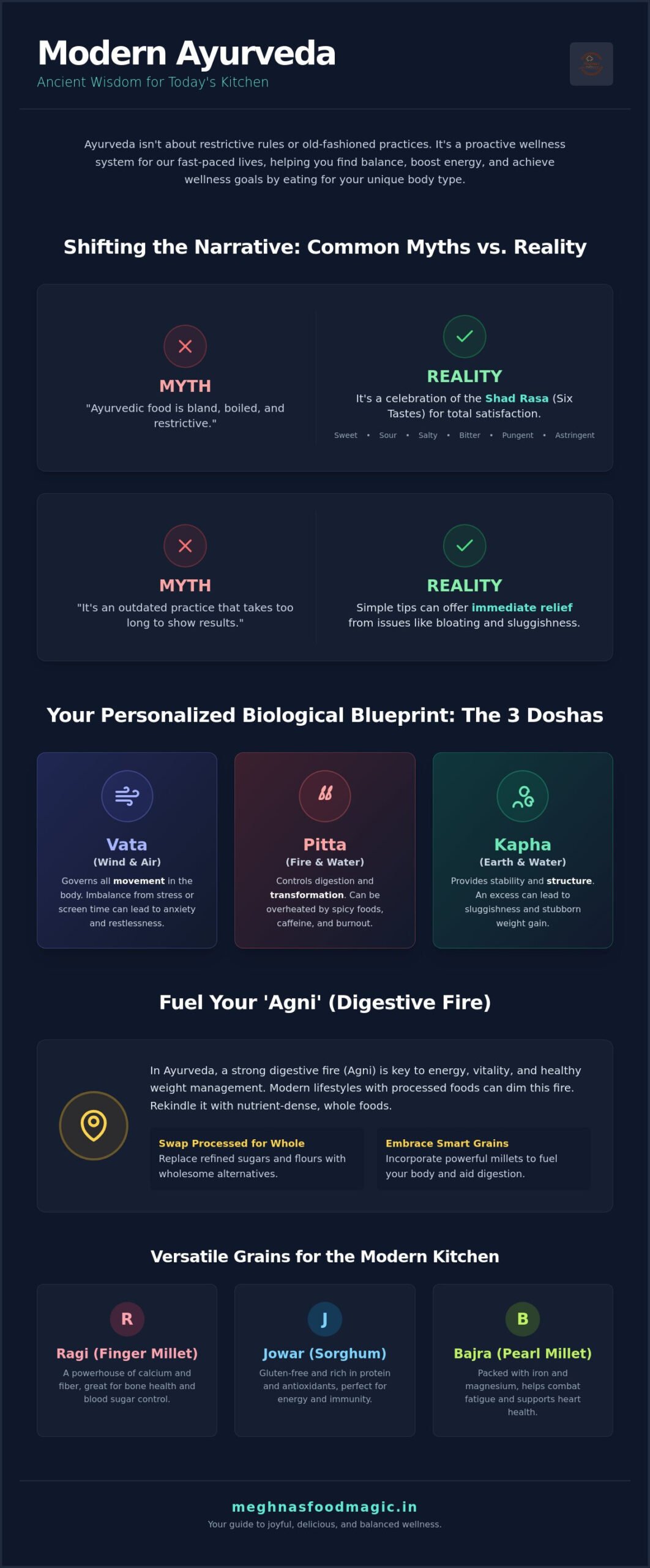
Think of the three doshas, Vata, Pitta, and Kapha, as the unique energies that make you who you are. Vata is like the wind, governing movement. Pitta is the fire of transformation, and Kapha is the earth that provides structure. In our modern world, stressors like endless blue light from screens can throw Vata out of balance, leading to anxiety. Too much caffeine or spicy takeout can overheat your Pitta. When you understand your dominant dosha, you unlock the secret to successful weight loss and lasting energy. It’s about working with your body, not against it.
Bridging the Gap: From Ancient Scripts to Your Modern Kitchen
Sedentary lifestyles and processed snacks have dimmed our ‘Agni,’ or digestive fire. This is where the magic happens. By choosing nutrient-dense grains like Ragi, Jowar, and Bajra, you’re not just eating; you’re fueling that fire. Ayurveda is more relevant than ever because it teaches us how to stay grounded in a chaotic world. I love to call this “Food Magic.” It’s the art of turning a simple meal into a healing ritual that fits perfectly into your busy 9-to-5 schedule. Wellness should be joyful, easy, and incredibly delicious.
Shifting the Narrative: Correcting Common Ayurveda Misconceptions
Let’s clear the air. If you think Ayurveda is just about eating bland, boiled vegetables in silence, you’re in for a delicious surprise. The biggest hurdle to embracing this lifestyle is the “bland food” myth. In reality, Ayurvedic cooking is a celebration of the Shad Rasa, or the six tastes: sweet, sour, salty, bitter, pungent, and astringent. When your plate includes all six, your brain signals satisfaction, which is the ultimate secret to preventing overeating. When we look at aayurvada relavance in today’s world and what changes are required to adjust the misconceptions, the first step is reclaiming the joy of the kitchen.
Another common fallacy is that results take too long. While deep, systemic healing is a journey, simple Ayurvedic digestion tips can offer immediate relief from bloating or sluggishness. This isn’t a restrictive diet; it’s a mindset of abundance. I even use the concept of “Cake Therapy” to show that wellness and indulgence can coexist when you understand balance. Even from a modern medical perspective on Ayurveda, the focus is shifting toward personalized prevention, proving that this “ancient” science is actually ahead of its time. If you want to see this philosophy in action, you can watch how I bring these flavors to life on my channel.
Myth vs. Reality: The Science of Ayurvedic Cooking
You don’t have to be a strict vegetarian to follow Ayurvedic principles. The focus is on what is “Sattvic”—foods that are pure, light, and easy to digest. Many people also worry that it’s too expensive, but it’s actually built on humble, local ingredients. Grains like Ragi, Jowar, and Bajra are the true superstars here. They are affordable, incredibly nutrient-dense, and perfect for anyone targeting weight loss. Ayurveda is a flexible framework for bio-individual nutrition that adapts to your budget and your pantry.
Why Modern Science is Finally Catching Up
Modern medicine is finally buzzing about the “Gut-Brain Axis,” a connection Ayurveda has championed for thousands of years by placing digestion at the center of mental clarity. Similarly, the concept of “Circadian Rhythms” aligns perfectly with Dinacharya, the Ayurvedic daily routine of eating and sleeping with the sun. We aren’t just following old scripts. We’re using evidence-based logic to fuel our modern bodies. By syncing our habits with nature, we silence the skeptics and find a rhythm that works for our busy 2026 lifestyles.
The Culinary Connection: Ayurveda as Your Personalized Nutritionist
Your digestion is the engine of your health. In the Ayurvedic tradition, this engine is known as ‘Agni,’ or your digestive fire. When your Agni is burning bright and steady, you feel light, energetic, and clear-headed. However, when it flickers or grows weak, your body struggles to process even the healthiest ingredients. As we explore aayurvada relavance in today’s world and what changes are required to adjust the misconceptions, we must realize that wellness isn’t about counting calories in a vacuum. It’s about how well your unique body transforms those calories into vitality. This is where the kitchen becomes your personal laboratory for balance.
Applying ‘Ritucharya,’ or seasonal eating, might seem tricky in a globalized grocery store where everything is available year-round. The secret is to look for what’s local and fresh. Spices are your best allies here. They aren’t just there to add heat or color; they act as metabolic catalysts. A pinch of cumin or a touch of turmeric can completely change how your body interacts with a meal. In our distracted digital age, the most revolutionary thing you can do is put down your phone and practice mindful eating. Tasting every flavor helps your brain and gut communicate, ensuring you stop eating exactly when you’re satisfied.
Agni and Weight Loss: The Ayurvedic Secret
When your Agni is sluggish, your body creates ‘Ama,’ a sticky, toxic residue that clogs your system and leads to stubborn weight gain. This is often why traditional diets fail; they don’t address the underlying metabolic fire. To stoke your Agni, try sipping warm ginger water twenty minutes before you eat. It prepares your stomach for the meal ahead. You don’t need to starve yourself to see progress. By choosing the right combinations, you can enjoy abundance while shedding pounds. I’ve designed several weight loss recipes that focus on keeping your Agni strong and your palate happy.
The Power of High-Protein Vegetarianism
There’s a common myth that vegetarian meals can’t meet high-protein fitness goals. Ayurveda has been using moong dal, lentils, and sprouts for centuries to build lean muscle and sustain energy. This focus on bio-available protein is a vital part of modernizing the tradition to suit our active 2026 lifestyles. Whether you’re trying to ground a restless Vata energy or lighten a heavy Kapha constitution, protein provides the necessary building blocks. My collection of high-protein vegetarian recipes proves that you can build a strong, fit body while staying true to Ayurvedic principles of compassion and balance.
Modernizing the Tradition: Millets, Air Fryers, and Busy Lifestyles
Who says you need to spend hours in the kitchen to live an Ayurvedic lifestyle? The real magic happens when we stop treating these ancient principles as museum pieces and start using them as tools for our fast-paced lives. When we discuss aayurvada relavance in today’s world and what changes are required to adjust the misconceptions, we must look at how modern technology actually supports traditional wisdom. We don’t need to choose between a microwave and a mantra. Instead, we can use an air fryer to create “Laghu” or light meals that keep our energy levels soaring throughout a busy workday.
The Millet Miracle: Ragi, Jowar, and Bajra
Millets are the ultimate “Ancient Superfood” for the 21st century. They are naturally gluten-free, sustainable, and packed with the nutrients our modern bodies crave. For instance, Ragi is an incredible calcium source, making it a must-have for growing families and bone health. If you’re looking for low-glycemic options that keep you full longer, Jowar and Bajra are your best friends. These grains ground a restless Vata and provide steady energy for a heavy Kapha. If you need some creative ideas to get started, I’ve put together a 30+ Millet Recipes By Meghna playlist that will transform how you see these humble grains.
The Air Fryer: An Ayurvedic Ally?
You might be surprised to find an air fryer in an Ayurvedic kitchen, but it’s actually a brilliant tool for modernizing our habits. Traditional deep-frying makes food “Guru,” or heavy, which can dampen your digestive fire. The air fryer allows you to achieve that satisfying, “Prana”-rich crunch using minimal oil, making your snacks much easier to digest. It’s a lifesaver for the working mother who needs to whip up a healthy, high-protein snack in minutes. By reducing the oil, we keep the food light and the Agni bright. It’s all about using the best of today to honor the wisdom of yesterday. To see more ways I blend modern tech with healthy living, explore my creative cooking videos for your next mealtime inspiration.
Embracing Food Magic: Your Daily Ayurvedic Action Plan
Transformation doesn’t happen in a day, but it does happen in the daily choices you make at your kitchen counter. Taking the first step toward a balanced life is about making small, joyful adjustments that ripple through your entire day. When we consider aayurvada relavance in today’s world and what changes are required to adjust the misconceptions, it’s clear that the path to wellness isn’t about perfection. It’s about progress. You don’t need to move to a retreat to find harmony; you just need to start where you are with what you have.
To turn this ancient wisdom into your modern reality, follow this simple five-step action plan:
- Step 1: Identify your dominant Dosha. Take a moment to understand if you’re currently feeling more Vata (restless), Pitta (irritable), or Kapha (sluggish). This awareness is the foundation of personalized nutrition.
- Step 2: Cleanse your pantry. Toss out the refined, white sugars that spike your insulin and replace them with natural sweeteners like jaggery and dates. These provide a slow release of energy that honors your body’s rhythm.
- Step 3: Master one millet-based meal per day. Whether it’s a comforting porridge or a savory flatbread, incorporating grains like Ragi, Jowar, or Bajra will revolutionize your fiber intake and support weight loss goals.
- Step 4: Practice ‘Annam Brahma’. Treat your food as divine energy. Sit down, breathe, and appreciate the colors and textures on your plate. This simple act of gratitude improves digestion instantly.
- Step 5: Join the community. Don’t do this alone. Follow me on Instagram or Facebook to stay inspired and share your own “Food Magic” discoveries with others.
Simple Swaps for the Modern Working Mother
I know how hectic mornings can be. Between school runs and meetings, wellness often feels like a luxury you can’t afford. But what if it only took five minutes? Start your day with warm lemon water to gently wake up your Agni. For lunch, embrace the power of meal prepping Ayurvedic style. You can pre-soak your lentils or keep a batch of millet flour ready for quick meals. Use Meghna’s Food Magic as your daily resource for recipes that are high in protein and incredibly fast to whip up. You can even find inspiration in my 30+ Millet Recipes By Meghna playlist for those evenings when you’re short on time but want a nutritious dinner.
Building Your Sustainable Wellness Journey
It’s time to move away from the cycle of fad diets and toward a life of harmony. Ayurveda is not a quick fix; it’s a lifelong relationship with yourself. By understanding aayurvada relavance in today’s world and what changes are required to adjust the misconceptions, you’re empowering yourself to choose abundance over restriction. Sharing your journey and your healthy recipes with friends and family makes the process even more rewarding. Wellness is contagious. Start today, right now, with your very next meal. Let’s make every bite a celebration of life and health together.
Step Into a World of Flavor and Balance
You’ve discovered that Ayurveda isn’t a relic of the past; it’s a vibrant, living science that fits perfectly into your modern kitchen. By focusing on your unique constitution and stoking your digestive fire, you can achieve lasting energy and weight loss without ever feeling deprived. We’ve explored how aayurvada relavance in today’s world and what changes are required to adjust the misconceptions, proving that high-protein meals and air-fried snacks can be part of a soulful, healthy life. It’s about abundance, joy, and the simple magic of real food.
Whether you’re looking for free high-protein meal ideas or want to access 30+ specialized millet video recipes, the journey continues with our vibrant community. Join thousands of health-conscious cooks on Instagram and discover hundreds of free Ayurvedic-friendly recipes at Meghna's Food Magic! Your path to total wellness starts with a single mindful bite. You’ve got the tools, the wisdom, and the support to thrive every single day. Let’s make wellness your new favorite celebration.
Frequently Asked Questions
Is Ayurveda scientific enough for the modern world?
Yes, Ayurveda is a sophisticated biological science that focuses on personalized prevention and metabolic health. Modern research into the gut-brain axis and circadian rhythms aligns perfectly with ancient concepts like Agni and Dinacharya. By understanding aayurvada relavance in today’s world and what changes are required to adjust the misconceptions, we see it as a logical, evidence-based framework for bio-individual wellness rather than just folk medicine.
Can I practice Ayurveda if I am not a vegetarian?
You can certainly practice Ayurveda as a non-vegetarian; it’s about choosing what is most digestible and “Sattvic” for your unique body type. While Ayurveda highlights plant-based proteins, it emphasizes the quality and preparation of food over strict labels. If you choose to eat meat, the key is to balance it with plenty of vegetables and warming spices to ensure your digestive fire remains strong and efficient.
How do I know which dosha I am without visiting a doctor?
You can identify your dominant dosha by observing your physical traits, sleep patterns, and emotional tendencies over time. Vata types are often lean and creative, Pitta types are organized and warm, while Kapha types are sturdy and calm. Many interactive quizzes and digital resources can guide you through this self-discovery. It’s the first step in addressing aayurvada relavance in today’s world and what changes are required to adjust the misconceptions about your health.
Are Ayurvedic medicines safe to take with modern prescriptions?
You should always consult with a qualified healthcare professional before mixing Ayurvedic herbs with modern pharmaceutical medications. Some herbs can interact with drugs, either amplifying or reducing their intended effects. While Ayurvedic principles of nutrition and lifestyle are generally safe for everyone, concentrated supplements require an expert’s eye to ensure they complement your existing medical treatments safely and effectively without any unwanted complications.
Why is Ayurveda often associated with slow results?
Ayurveda is associated with slow results because it focuses on deep, systemic healing at the root cause rather than just masking symptoms. While you might feel immediate relief from better digestion or improved sleep, long-term changes in metabolism or skin health take consistent effort. It’s a journey of re-balancing your body’s ecosystem. This patience is a vital part of the shift toward the proactive wellness that defines our modern health renaissance.
What are the best Ayurvedic foods for weight loss?
The best Ayurvedic foods for weight loss are those that are light, warm, and easy to digest, such as moong dal, ginger, and leafy greens. Bitter and pungent tastes are particularly effective at clearing “Ama” or toxins from your system. For practical meal ideas that won’t leave you feeling restricted, explore my curated weight loss recipes designed to stoke your Agni and satisfy your palate naturally.
Can I use an air fryer and still follow Ayurvedic principles?
Yes, an air fryer is a fantastic modern tool that keeps your food light and easy to digest by reducing heavy oils. Traditional deep-frying can often dampen your digestive fire, but air-frying achieves that satisfying crunch without the “Guru” or heavy quality. It’s a perfect example of how we can innovate within tradition to make healthy cooking fast, fun, and celebratory for our busy modern families.
How can millets like Ragi and Jowar help in a modern diet?
Millets are nutritional powerhouses that provide gluten-free, low-glycemic energy for your fast-paced life. Ragi is packed with calcium for bone health, while Jowar is excellent for heart health and smooth digestion. You can find endless inspiration for these grains in my 30+ Millet Recipes By Meghna playlist, making it easy to swap out refined carbs for ancient superfoods.
Disclaimer
This is a recipe food blog page and not nutrition or doctor and hence do not claim to cure any illness. If you have specific health issues please consult a qualified doctor or certified nutritionist.
I do consult experts, research Internet and at times seek help from Gemini to collect relevant information to put together some of these blogs.

