
How to Stay in a Calorie Deficit Without Feeling Deprived
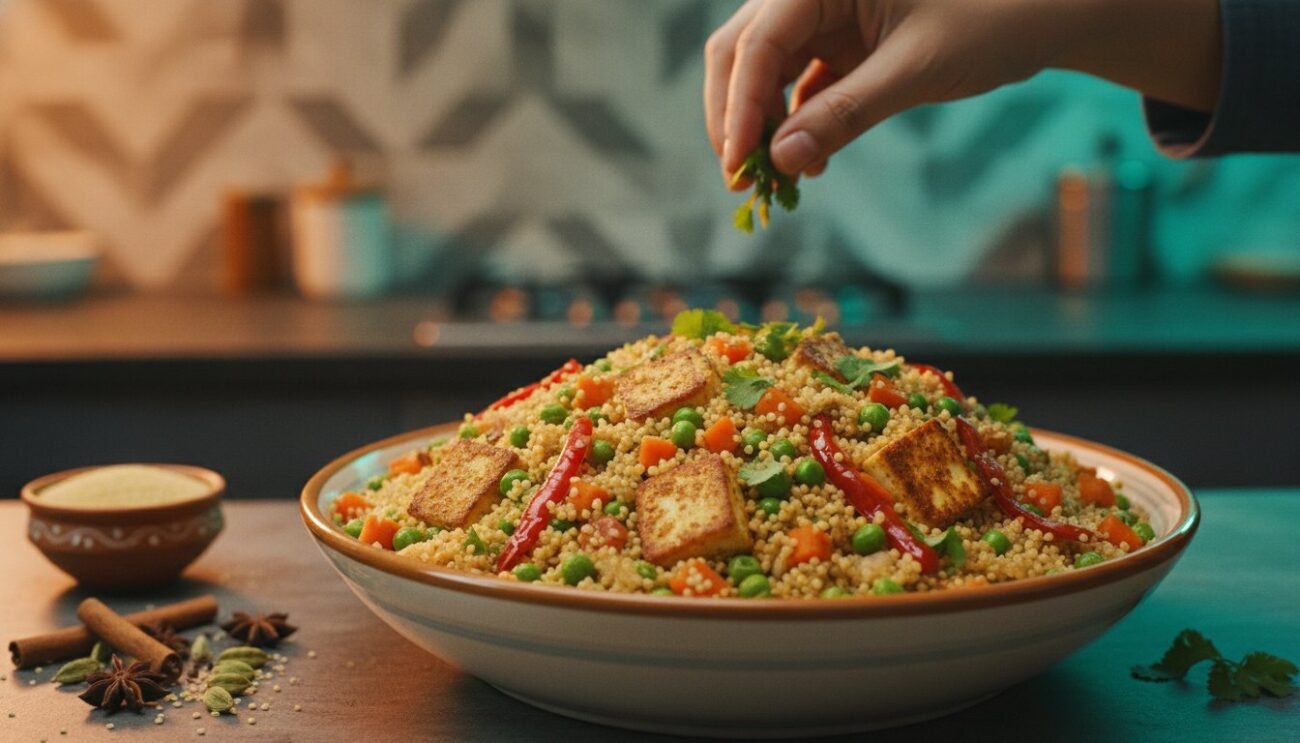
What if the secret to reaching your fitness goals wasn’t about eating less, but about choosing to eat more of the right things? We’ve all felt that familiar sting of dieting where every meal feels like a compromise and every social outing feels like a test of willpower. Learning How to Stay in a Calorie Deficit Without Feeling Deprived is the ultimate game-changer, turning the journey from a chore into a daily celebration of flavor. It’s completely normal to feel frustrated by bland food and constant hunger, but it doesn’t have to be your reality.
I’m here to show you that weight loss can be a vibrant, joyful experience rooted in food abundance rather than restriction. By focusing on high-volume recipes and the incredible nutritional power of ancient grains, you’ll discover how to keep your plate full and your energy levels soaring. We’ll dive into the magic of nutrient-dense ingredients and share resources like my Get Fit With Meghna series to guide your visual journey. You’re about to learn how to master your deficit using delicious weight loss recipes that prioritize satiety, texture, and pure culinary joy. It’s time to stop counting down the minutes until your next meal and start falling in love with the process.
Key Takeaways
- Embrace the joy of food abundance by mastering volume eating, which allows you to enjoy massive, colorful portions that keep you energized and happy.
- Understand the science of satiety, focusing on how protein and fiber work together to boost your metabolism and keep hunger pangs far away.
- Learn why ancient grains are the ultimate secret for How to Stay in a Calorie Deficit Without Feeling Deprived, offering rich textures and slow-release energy for your busy day.
- Unlock the secrets of “Cake Therapy” to satisfy your cravings with wholesome ingredients, proving that health and indulgence can coexist beautifully in your kitchen.
- Follow a practical 2026 roadmap to build balanced plates that combine 50% fresh vegetables with the perfect ratio of protein and complex carbohydrates.
Rethinking the Calorie Deficit: Why It’s About Abundance, Not Absence
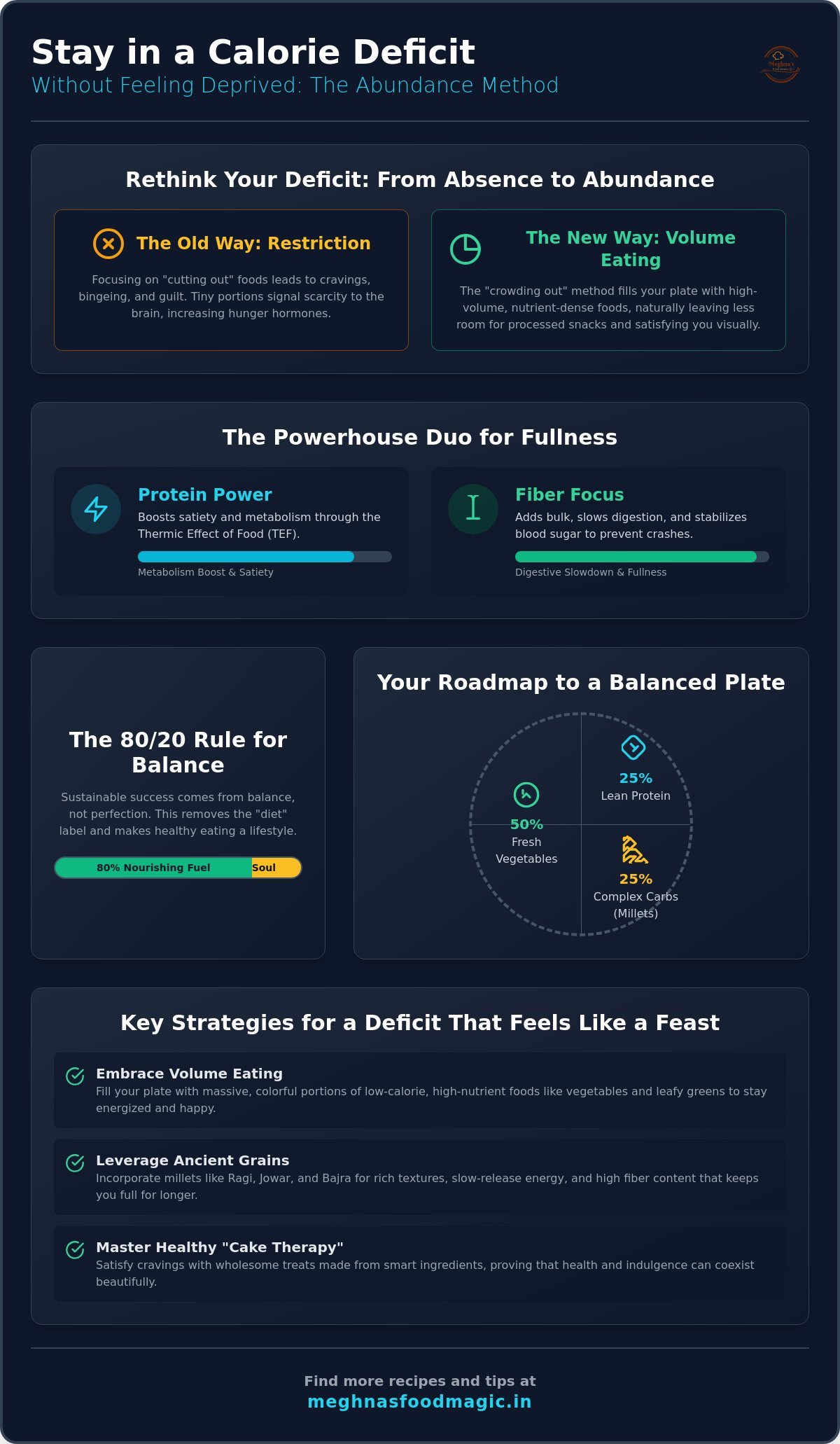
Forget everything you know about tiny portions and sad, wilted salads. For too long, we’ve been told that losing weight requires a monastic level of discipline and a plate that looks half-empty. It’s time to flip the script. A calorie deficit isn’t a punishment for what you ate yesterday; it’s simply a tool for energy balance that helps your body find its natural rhythm. When you focus on what you can add to your plate rather than what you must take away, you unlock the secret of How to Stay in a Calorie Deficit Without Feeling Deprived. This approach, often called volume eating, invites you to fill your life with vibrant, high-nutrient foods that satisfy your hunger and your soul.
Instead of the stressful “cutting out” phase that most diets demand, try the “crowding out” method. By prioritizing massive portions of leafy greens, crunchy vegetables, and hearty ancient grains, you naturally leave less room for the ultra-processed snacks that leave you feeling sluggish. While the principles of calorie restriction are rooted in mathematics, your daily success is rooted in how you feel. When you are properly fueled with real, whole foods, your energy remains steady, and the scale becomes a secondary character in your wellness story.
The Math vs. The Plate: The Psychology of Satiety
There’s a massive difference between physical stomach fullness and true nutritional satisfaction. Your brain is hardwired to respond to visual cues. A plate overflowing with roasted cauliflower, seasoned moong, and fresh herbs sends a signal to your brain that a feast is coming, which can actually help lower hunger hormones like ghrelin. Consider the contrast: 500 calories of processed chips might fit in the palm of your hand and disappear in seconds, leaving you craving more. Conversely, 500 calories of a vegetable-heavy stir-fry creates a mountain of food that takes time to enjoy. This visual abundance is a powerful psychological tool that makes the deficit feel like a win, not a loss.
Why Restrictive Diets Fail (And What to Do Instead)
Strict restriction almost always triggers the “forbidden fruit” effect. The moment you tell yourself you can’t have something, it’s the only thing you want, often leading to a cycle of bingeing and guilt. I believe in the 80/20 rule: 80% of your meals should be nourishing, high-vibrational fuel, while the other 20% is for soulful enjoyment. This balance removes the “diet” labels and turns cooking into an act of self-care. For visual inspiration on how to build these beautiful, balanced plates, you can explore my Get Fit With Meghna series, where we reimagine healthy eating as a daily celebration. When you treat your kitchen as a space for innovation, staying on track becomes an effortless part of your lifestyle.
The Protein and Fiber Powerhouse: Science-Backed Strategies for Fullness
Science is a beautiful ally when you are learning How to Stay in a Calorie Deficit Without Feeling Deprived. One of the most effective ways to boost your metabolism while staying satisfied is by understanding the Thermic Effect of Food, or TEF. Protein is the undisputed champion here; your body uses significantly more energy to digest protein than it does to process fats or carbohydrates. This means you are actually burning a portion of the calories you consume just by breaking down your meal. Fiber acts as the perfect partner in this process, serving as a natural “slow-motion” button for your digestion. It adds bulk to your meals and stabilizes your blood sugar, which prevents the sudden crashes that lead to intense cravings. If you are looking for more actionable tips for reducing calorie intake, focusing on these two pillars will completely transform your daily experience.
Water-rich vegetables are the secret weapon for adding massive volume without the heavy calorie lifting. These ingredients allow you to eat larger portions, tricking your brain into feeling satisfied because your plate looks like a feast. By choosing foods that are high in water and fiber, you can enjoy the physical sensation of a full stomach while staying well within your energy goals for the day.
Protein: The Satiety King for Vegetarians
For those following a vegetarian lifestyle, protein doesn’t have to be a mystery. Integrating high-quality Paneer recipes into your weekly plan provides a dense, satisfying texture that keeps hunger at bay for hours. Moong Dal is another incredible staple that is as versatile as it is nutritious. Whether you’re making a light chilla for breakfast or a hearty dal for dinner, it delivers a punch of plant-based protein. Try starting every meal with your protein source first. This simple habit helps curb overeating by signaling to your brain that you’re being properly nourished before you even reach for the side dishes.
High-Volume Veggies: Making Your Meals Look Massive
To truly master volume eating, consider this: three full cups of fresh spinach contain fewer calories than a single tablespoon of cooking oil, yet the spinach fills your stomach while the oil goes unnoticed. This visual and physical abundance is key to long-term success. My top five vegetables for maximum volume include zucchini, cauliflower, leafy greens, cucumbers, and bell peppers. You can get incredibly creative by “hiding” these in traditional dishes; try grating zucchini into your dough or using cauliflower rice to bulk out your favorite biryani. For more inspiration on creating these beautiful, high-volume meals, take a look at my Get Fit With Meghna series on YouTube for plenty of delicious ideas.
Millet Magic: Leveraging Ancient Grains for Sustainable Weight Loss
Millets have stepped into the spotlight as the ultimate 2026 superfood for anyone looking to manage their weight with joy. While refined flour and white rice often cause a rapid spike and subsequent crash in blood sugar, millets possess a much lower glycemic index. This slow release of energy is precisely How to Stay in a Calorie Deficit Without Feeling Deprived. The complex cellular structure of these ancient grains means they take longer to break down, often keeping you comfortably full for four to six hours. It’s a simple change that yields extraordinary results for your energy and your waistline. By embracing the “fibermaxxing” trend of 2026, you’re not just eating; you’re nourishing your gut health and your metabolism simultaneously.
Beyond the physical benefits, millets offer a world of culinary discovery. There’s a certain magic in realizing that you don’t have to settle for boring food to see results on the scale. Each variety of millet brings its own personality to the table, from the nutty notes of Foxtail to the creamy potential of Barnyard millet. This variety keeps your palate engaged and prevents the “diet boredom” that so often leads to falling off track. When your meals are this interesting, the concept of restriction simply fades away.
Jowar, Bajra, and Ragi: Your New Kitchen Essentials
Integrating these grains into your daily routine is a beautiful way to honor your body. For those seeking gluten-free options, my Jowar and Bajra recipes focus on creating soft, high-fiber rotis that pair perfectly with any hearty vegetable curry. If you’re looking to boost your bone health and iron levels, exploring Ragi recipes is a fantastic starting point for your wellness journey. To see these grains in action, I’ve curated a collection of 30+ Millet Recipes By Meghna that will turn your kitchen into a creative sanctuary. Each recipe is designed to make these ancient grains feel modern, accessible, and deeply satisfying.
Smart Swaps: Replacing Refined Carbs Without Losing Flavor
You don’t have to give up comfort food to reach your goals. Swapping your morning semolina for a vibrant “Millet Upma” or choosing a soul-warming “Bajra Khichdi” for dinner provides that familiar warmth with a massive nutritional upgrade. The secret to success lies in the texture. Soaking your grains for at least two hours before cooking ensures they turn out fluffy and tender rather than tough. These grains act as a natural sponge for flavors, absorbing spices and aromas beautifully. These smart swaps are the magic key to maintaining your progress effortlessly. This approach is the most sustainable way to understand How to Stay in a Calorie Deficit Without Feeling Deprived while still feeling like a culinary innovator in your own home.
Cake Therapy and Cravings: Mastering the Art of Guilt-Free Treats
Baking can be a profound act of self-care. Most traditional weight loss guides tell you to run away from the kitchen when cravings hit, but I believe in running toward it with better ingredients. This is the heart of “Cake Therapy.” When you understand that a treat can actually be a vehicle for nutrition, you’ve mastered How to Stay in a Calorie Deficit Without Feeling Deprived. By choosing whole wheat or nut flours, you add a punch of protein and fiber to your desserts, turning a simple sweet into a satisfying snack that supports your goals. Instead of processed sugar, we look to jaggery and dates to provide that deep, caramel-like sweetness that satisfies the soul without the chemical aftertaste of artificial alternatives.
Ignoring your sweet tooth is often the first step toward a late-night binging episode. It’s much better to enjoy a high-quality, homemade treat than to white-knuckle your way through the day only to find yourself raiding the pantry at midnight. Satisfying that craving mindfully is the difference between a sustainable lifestyle and a temporary diet. When you bake your own treats, you control every single gram of what goes inside, allowing you to prioritize flavor and health in equal measure. This celebratory approach to How to Stay in a Calorie Deficit Without Feeling Deprived ensures you never feel like you’re missing out on life’s sweetest moments.
Naturally Sweet: The Science of Healthy Indulgence
Dates are nature’s candy, but they bring so much more to the table than just sugar. Because they’re packed with fiber, they prevent the sharp energy crashes associated with refined white sugar. You can also use fruit purees like applesauce or mashed bananas to reduce the need for oil and sugar in your bakes. I invite you to explore my Cake Therapy collection for recipes that prove you don’t have to choose between your health and your happiness. These recipes are designed to make you feel light and energetic, not weighed down by heavy fats or empty calories.
Mindful Snacking: Navigating Cravings Like a Pro
Sometimes hunger is just an emotion in disguise. Try the “Wait 15 Minutes” rule; when a craving hits, drink some water and wait. If you’re still hungry, choose a small, high-quality treat over a giant “diet” version full of artificial sweeteners. You can find plenty of healthy Indian snack ideas by using my search link for weight loss recipes. A handful of roasted makhana or a small piece of jaggery-based sukhadi can be exactly what you need to stay on track. This mindful approach ensures you’re eating because your body needs it, not just because your mind is bored.
To see how I whip up these guilt-free wonders in real-time, check out my Cake Therapy video series for step-by-step guidance on making nutrition taste like a celebration.
Your 2026 Roadmap to a Deficit That Feels Like a Feast
Transforming your lifestyle shouldn’t feel like a countdown to a finish line; it should feel like a daily celebration of your own potential. To truly master How to Stay in a Calorie Deficit Without Feeling Deprived, you need a sustainable roadmap that prioritizes your happiness. Start by calculating your maintenance calories and subtracting a modest 300 to 500 calories. This gentle approach prevents the metabolic panic that leads to binging. According to the 2025-2030 Dietary Guidelines for Americans, focusing on nutrient-dense foods is the most effective way to manage this balance. Aim for a protein intake of 1.2 to 1.6 grams per kilogram of body weight to keep your muscles fueled and your hunger satisfied.
Every plate you build should be a masterpiece of balance and color. Follow the 50-25-25 rule: fill half your plate with vibrant vegetables for volume, one-quarter with high-quality protein, and the final quarter with complex carbohydrates like millets. To keep your taste buds excited, prepare “Flavor Bombs” like fresh mint chutneys or roasted garlic spice mixes. These add incredible depth to your meals without the high sodium or sugar found in processed sauces. For a constant stream of new ideas, I invite you to follow my Get Fit With Meghna series, where we turn these principles into delicious reality every week.
Meal Prepping for the Busy Professional
Success in the kitchen is often about the small wins you celebrate during the weekend. For working mothers and busy professionals, batch-prepping is the ultimate gift to your future self. Keep a container of boiled sprouts or pre-kneaded millet dough in your fridge; these simple steps make assembly a breeze on a Tuesday night. I love the “Mix and Match” bowl strategy, where you combine your prepped proteins and grains with fresh greens for an effortless, gourmet lunch. This method ensures you always have a healthy option ready, keeping you firmly on the path of How to Stay in a Calorie Deficit Without Feeling Deprived even during your most hectic hours.
The Power of Community and Consistency
You don’t have to walk this path alone. I share daily inspiration, kitchen hacks, and quick tips on Instagram to keep our community motivated and connected. Remember, consistency will always beat perfection. If you have a day that doesn’t go as planned, treat it with kindness and start fresh with your next meal. You already possess the “magic” to transform your health through the joy of cooking. Audit your progress by the sparkle in your eyes and the surge in your energy levels rather than just the number on the scale. Your journey toward a healthier, more vibrant you is a beautiful story that is just beginning to unfold.
Your Journey to a Vibrant, Nourished Life Starts Now
You’ve discovered that reaching your goals isn’t about eating less; it’s about eating better and filling your plate with the colors of health. By embracing volume eating and the slow-release energy of ancient grains, you’ve unlocked the secret of How to Stay in a Calorie Deficit Without Feeling Deprived. Remember that every meal is an opportunity to nourish your body and your spirit. Whether you are experimenting with a new Jowar roti or indulging in a guilt-free piece of date-sweetened cake, you are building a lifestyle that lasts. This isn’t just a diet; it’s a celebration of what your body can achieve when it’s properly fueled and loved.
Are you ready to bring these vibrant ideas to life in your own kitchen? Join millions of home cooks on YouTube and get free access to 1000+ healthy recipes, including my specialized Millet and High-Protein collections. Start your fitness journey with Meghna's free weight loss recipes! You have the power and the passion to transform your health, one delicious bite at a time. I can’t wait to see the magic you create!
Frequently Asked Questions
Can I stay in a calorie deficit without counting every single calorie?
You can definitely manage your weight without tracking every morsel by using the “plate method” I shared earlier. By filling half your plate with colorful vegetables and choosing high-protein vegetarian options for the rest, you naturally control your energy intake. This intuitive approach is a beautiful way to learn How to Stay in a Calorie Deficit Without Feeling Deprived because it focuses on food quality rather than just stressful math.
What are the best high-volume foods to stop feeling hungry?
Leafy greens, cauliflower, zucchini, and cucumbers are the undisputed champions of volume eating. These water-rich vegetables add physical bulk to your meals, helping you feel physically full for very few calories. You can find creative ways to use these in my Recipes with lots of vegetables collection to keep your meals looking massive and deeply satisfying every single day.
Is it okay to eat Indian bread (roti) while trying to lose weight?
Roti is absolutely welcome on your weight loss journey, especially when you choose nutrient-dense flours over refined versions. Instead of processed wheat, try making rotis using my Jowar and Bajra recipes. These ancient grains provide significantly more fiber and a lower glycemic index, which keeps your energy stable and prevents the hunger spikes often caused by white bread or refined flour.
How much protein do I actually need to feel full on a vegetarian diet?
The 2026 guidelines recommend that adults aim for 1.2 to 1.6 grams of protein per kilogram of body weight daily for optimal satiety. On a vegetarian diet, you can hit this target by integrating Paneer recipes, moong dal, and boiled sprouts into every meal. Starting your lunch or dinner with your protein source is a proven strategy for curbing overeating and staying satisfied for much longer.
What should I do if I have a ‘cheat day’ and go over my calories?
Simply get back to your nourishing routine with your very next meal and treat yourself with kindness. There’s no need for “detoxes” or extreme restriction the following day, as this often leads to a cycle of deprivation and bingeing. Focus on a high-protein, veggie-heavy breakfast to reset your hunger hormones and remind yourself that one day of celebration doesn’t erase your long-term progress.
Can millets like Ragi and Jowar really help with weight loss?
Millets are a literal game-changer because their complex structure takes much longer for your body to digest. Exploring Ragi recipes or Jowar khichdi provides a steady stream of energy that lasts for four to six hours. This slow-release fuel is a cornerstone of How to Stay in a Calorie Deficit Without Feeling Deprived because it eliminates the mid-afternoon energy slump and the urge to snack.
How do I handle social gatherings and dinners while in a deficit?
Try eating a small, high-protein snack like a bowl of curd or some sprouts before you head out to the event. Once you’re there, fill your plate with grilled vegetables and paneer first before reaching for the heavier, fried dishes. This strategy allows you to enjoy the social connection and delicious food without feeling like you’ve completely strayed from your fitness goals or your joy.
Disclaimer
This is a recipe food blog page and not nutrition or doctor and hence do not claim to cure any illness. If you have specific health issues please consult a qualified doctor or certified nutritionist.
I do consult experts, research Internet and at times seek help from Gemini to collect relevant information to put together some of these blogs.

