
Creative Roti Wrap and Kathi Roll Ideas for Busy Mothers
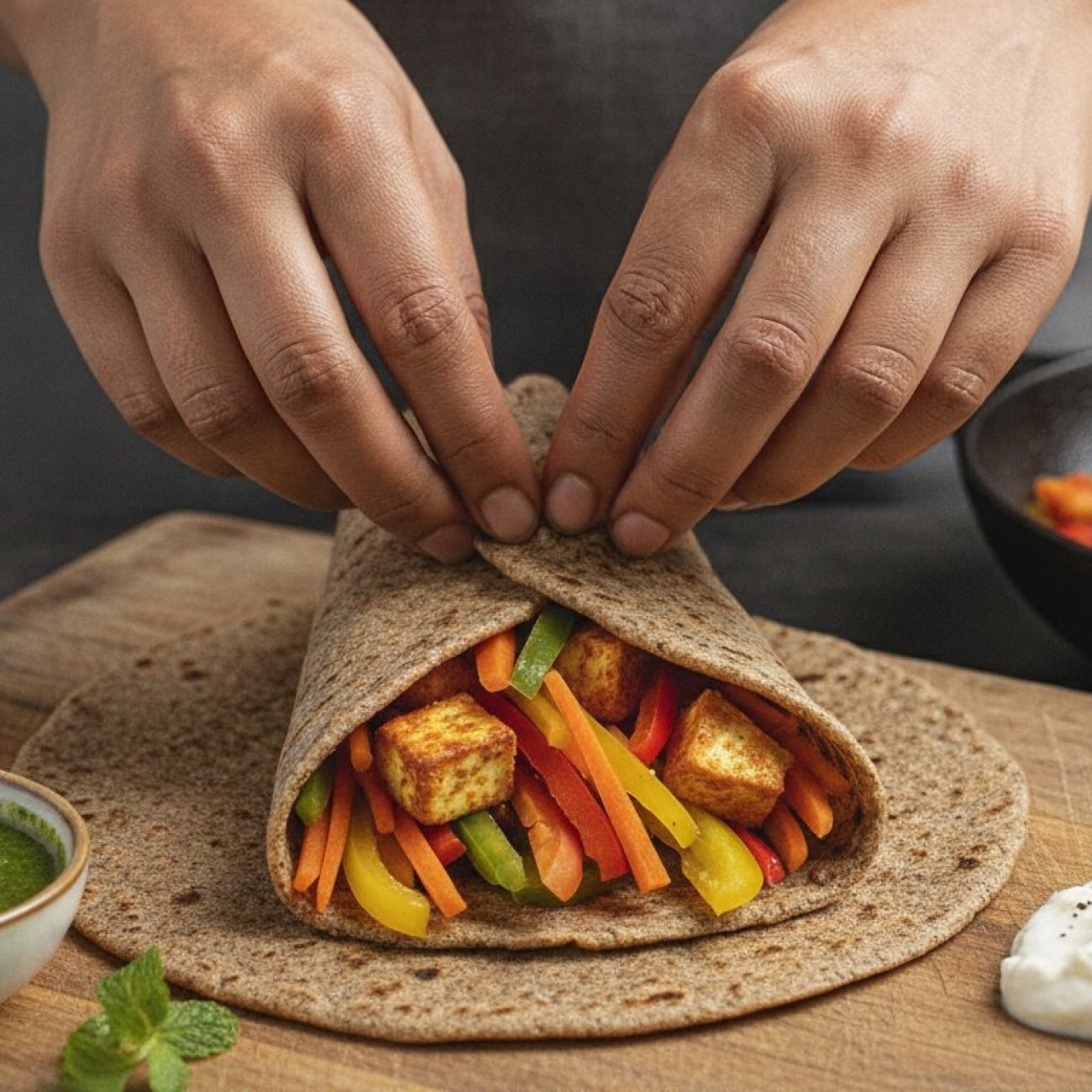
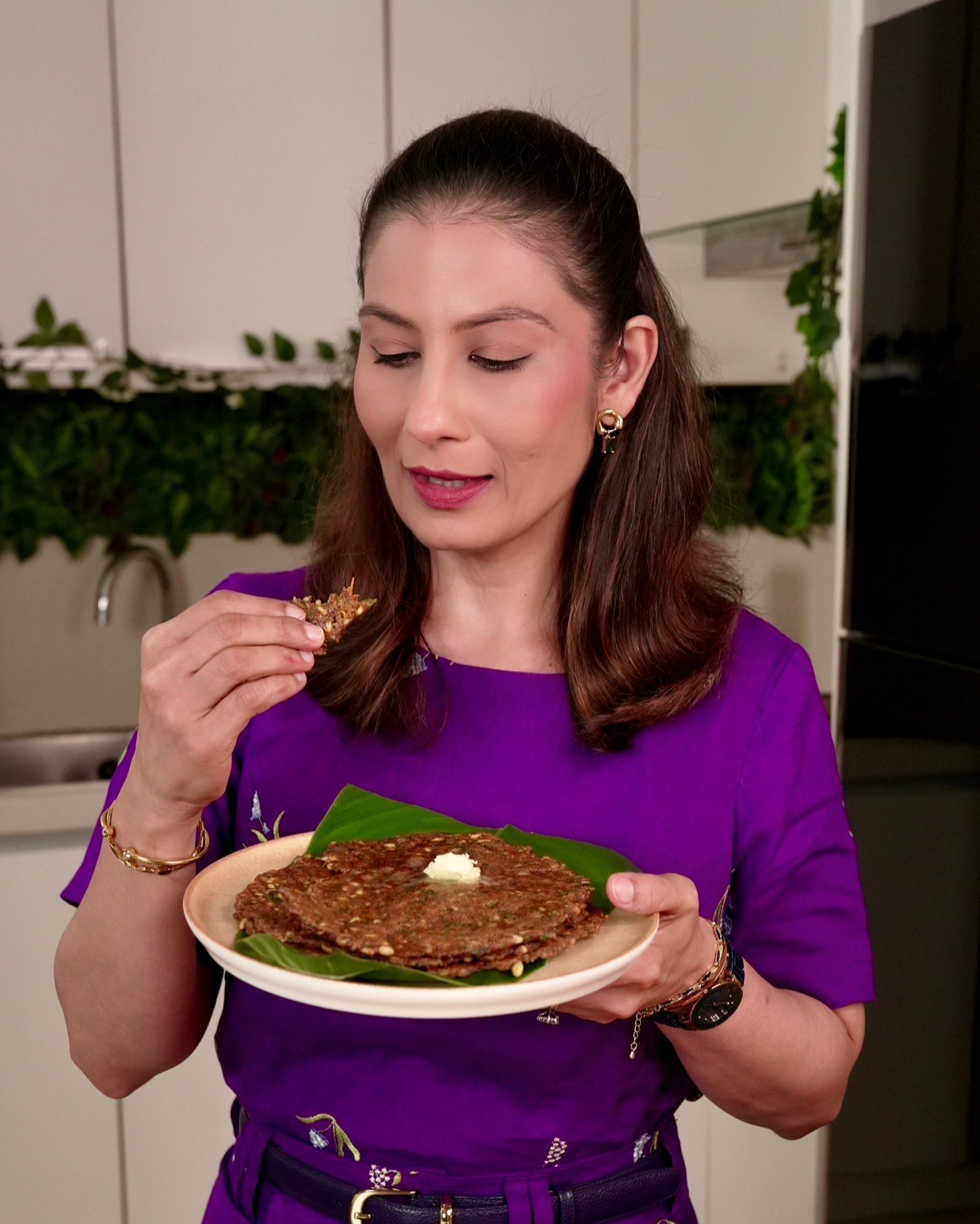
It is 3 PM, and you are opening your child’s tiffin box only to find the same cold roti and sabzi you packed with love this morning, completely untouched. It’s a frustrating sight that every mother knows too well, especially when you have spent your precious morning hours trying to hide vegetables or ensure they get enough protein. You have likely searched for how mothers can turn roti or paratha in to different types of wrap or franky or Kathi rolls to make lunch more exciting without adding to your morning stress. I understand that struggle, and I’m here to tell you that healthy eating should be a celebration, not a chore.
In this guide, I am sharing my expert framework to transform everyday rotis into nutritious, kid-approved meals that eliminate food waste and tiffin boredom. You’ll discover quick filling ideas that stay soft for up to six hours and learn how to use high protein ingredients or millets like Jowar and Bajra for a healthy twist. We’ll explore the “why” behind my favorite techniques so you can master the art of the perfect roll. Let’s dive into these creative ideas to ensure those tiffin boxes come home empty and your kids stay fueled with joy.
Key Takeaways
- Master the “New Look” psychology to understand how mothers can turn roti or paratha in to different types of wrap or franky or Kathi rolls that kids will actually finish.
- Elevate your kitchen’s health quotient by integrating protein-packed fillings and fiber-rich millets like Bajra and Jowar into your daily meal prep.
- Learn the “moisture barrier” secret to ensure your wraps remain perfectly soft and vibrant for up to six hours in a tiffin box.
- Implement zero-waste strategies that transform last night’s leftover rotis and sabzis into fresh, restaurant-style delights that eliminate morning cooking stress.
- Discover the “invisible veggie” technique and professional packaging tips that prevent sogginess and keep every bite as fresh as when it was made.
The Roti Transformation: Why Every Mother Needs a ‘Roll Strategy’
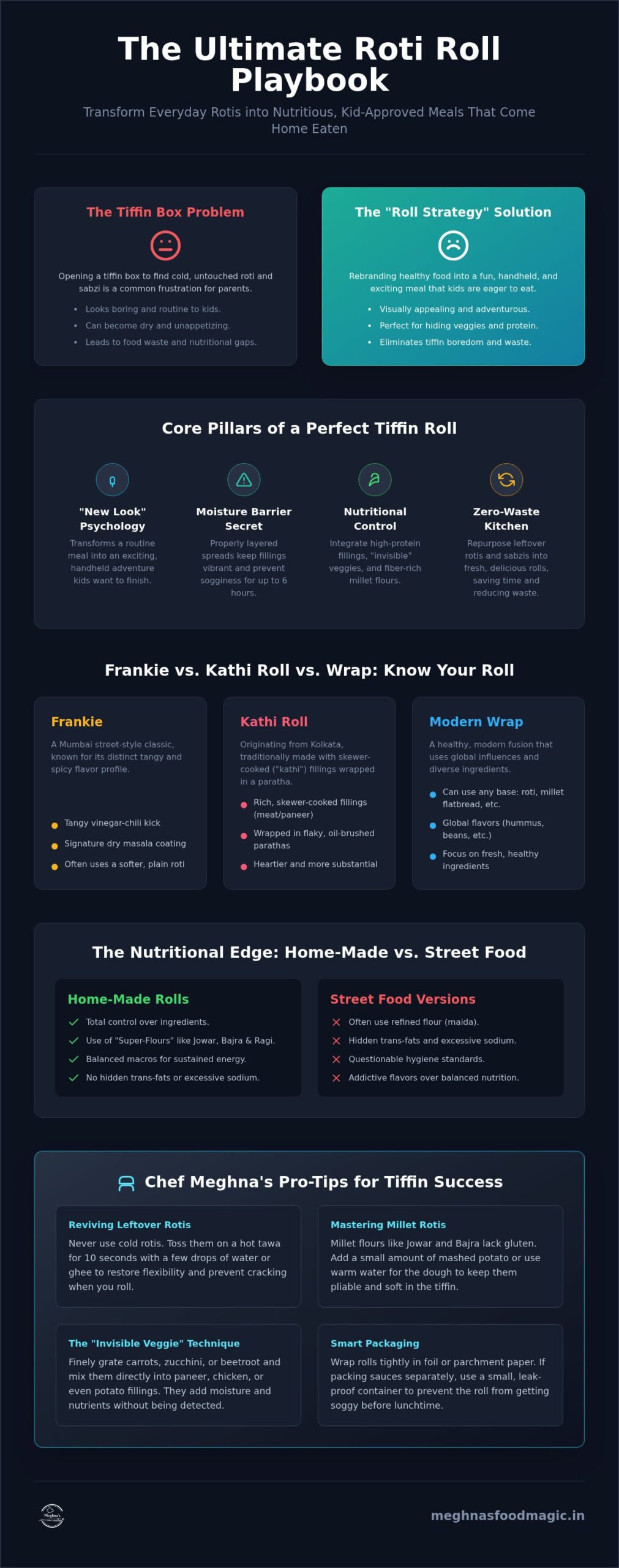
Every morning, the kitchen becomes a stage for a familiar drama. You want to pack nutrition, but your child wants something that looks like it came from a trendy food truck. This is where a “Roll Strategy” changes the game. It is not just about a recipe; it is about a psychological shift in how we present food. Kids often reject the traditional roti-sabzi because it feels like a routine chore. However, when you learn how mothers can turn roti or paratha in to different types of wrap or franky or Kathi rolls, you are essentially rebranding health. A roll is handheld, adventurous, and fun. It hides the “boring” parts of a meal behind a vibrant, flavorful exterior that kids actually want to finish.
Beyond the visual appeal, this strategy is your best friend for a zero-waste kitchen. We have all had those nights where a few rotis are left over. Instead of letting them go dry, you can repurpose them into fresh morning delights. With the right moisture and a quick sear, a day-old roti becomes the perfect sturdy base for a high-protein filling. This approach also gives you total nutritional control. You can sneak in finely grated carrots, boiled sprouts, or even seeds without a single complaint. If you prep your components like chutneys and sautéed veggies in bulk over the weekend, you can assemble these masterpieces in under 10 minutes during the morning rush.
Frankie vs. Kathi Roll vs. Wrap: Understanding the Varieties
To truly innovate, you need to know your varieties. The Frankie is a Mumbai street-style classic, usually characterized by a tangy vinegar-chili kick and a signature dry masala. In contrast, the history of the Kathi roll takes us to the vibrant streets of Kolkata. Originally, these were made with skewers of meat called “kathi” wrapped in flaky, oil-brushed parathas. Today, we have evolved these into modern healthy wraps. These fusion versions use global influences, perhaps a smear of hummus or a bean filling, proving that a simple roti is a canvas for worldwide flavors. Knowing these distinctions helps you decide how mothers can turn roti or paratha in to different types of wrap or franky or Kathi rolls depending on what your family craves that day.
The Nutritional Edge of Home-Made Rolls
Street food versions are often laden with hidden trans-fats and excessive sodium to make them addictive. When you cook at home, you are the boss of the ingredients. You can move beyond refined flour and incorporate “Super-Flours” like Jowar, Bajra, and Ragi for the base. These millets provide sustained energy and are far better for digestion than plain wheat. For parents who want to dive deeper into balanced meal planning, resources like Meghna’s Food Magic offer a treasure trove of ideas to ensure your rolls are as healthy as they are delicious. By making these at home, you ensure that “fast food” actually fuels your child’s day.
Chef Meghna’s Notes
If you are using leftover rotis, never roll them while they are cold. Give them a quick 10-second toss on a hot tawa with a few drops of water or ghee to restore their flexibility. This prevents the roll from cracking. Also, if you are experimenting with millet rotis like Jowar or Bajra, remember that they lack gluten. I recommend adding a small amount of mashed potato or warm water to the dough to keep them pliable enough to roll without breaking. This ensures a soft bite even after four hours in a tiffin box.
Mastering the Base: Choosing the Right Roti or Paratha
The soul of a great roll lives in its base. It’s the sturdy, soft foundation that holds all those vibrant fillings together without tearing. When exploring how mothers can turn roti or paratha in to different types of wrap or franky or Kathi rolls, the choice of flour determines the final experience. While whole wheat offers great flexibility, multi-grain flours add a rustic texture and higher fiber content. Building a meal around the Kid’s Healthy Eating Plate guidelines means choosing these whole grains to ensure sustained energy for your little ones.
If you’re dealing with leftover rotis from last night, don’t let them go to waste. You can revive a dry roti by giving it a light milk-wash or a quick 30-second steam. This simple trick restores the moisture, making it pliable enough to roll without cracking. It’s a fantastic way to maintain a zero-waste kitchen while saving time during the early morning scramble. You’ll find that a revived roti often has a better grip for heavy fillings than a freshly made one.
High-Protein and Millet-Based Bases
We are currently seeing a beautiful shift toward ancient grains. Crafting the perfect Jowar or Bajra roti is a brilliant way to support weight loss while keeping the family full. Ragi is my favorite calcium-rich choice for growing kids; its dark, rich color makes for a visually striking wrap that sparks curiosity. To keep these millet bases soft, avoid using excessive ghee. Instead, focus on the moisture in the dough itself. For more ideas on working with different grains, check out my YouTube channel for recipes.
The Layered Egg Paratha Technique
Adding a thin layer of egg to your base is a secret weapon for both protein and structural integrity. It acts like a glue, preventing the filling from falling out while your child is on the move. For a vegetarian alternative, you can spread a very thin layer of besan batter on the tawa before placing the roti. It provides a similar savory bite and extra strength. A traditional Kathi base is a skewer-grilled paratha that offers a distinct smokiness and flaky texture.
Chef Meghna’s Notes
Soaking millet flour in boiling hot water is non-negotiable if you want soft, flexible wraps. Millets don’t have gluten, so the hot water helps gelatinize the starch, which gives the dough the stretch it needs. If you skip this, your Jowar or Ragi rotis will crumble as soon as you try to roll them. Also, always keep your finished bases covered in a soft cloth to trap the steam. This simple habit ensures they stay fresh and pliable for hours in a tiffin box.
The Flavor Glue: Spreads, Chutneys, and Pickled Elements
Think of the spread as the invisible hero of your roll. It is the culinary “glue” that binds the textures together while adding that essential punch of flavor. Learning how mothers can turn roti or paratha in to different types of wrap or franky or Kathi rolls is only half the battle; the other half is ensuring that the final product stays fresh and flavorful. This is where the moisture barrier concept becomes vital. If you apply a watery chutney directly to a warm roti, it will turn into a soggy mess by lunchtime. Instead, start with a thin layer of butter, ghee, or a thick spread like hung curd to create a shield that keeps the base crisp and the filling secure.
To truly elevate your creations, you need a signature touch. My DIY Frankie Masala is a quick blend of amchur (dried mango powder), black salt, roasted cumin, and red chili powder. A tiny sprinkle of this mix over your filling instantly transforms a simple home-made snack into a restaurant-style experience. For the spread, move away from heavy, store-bought mayonnaise. Using Greek yogurt, hung curd, or even a protein-rich hummus provides a creamy texture without the empty calories. These healthy swaps ensure that every bite is a celebration of nutrition and taste.
Healthy Chutneys and Dips
The classic Mint-Coriander Chutney is the heartbeat of any Indian roll. My secret for keeping it vibrant green for days is adding a few drops of lemon juice and a couple of ice cubes while grinding. It provides that essential “zing” that cuts through the richness of the filling. For a milder, kid-friendly option, try a Garlic-Yogurt Dip. It is a creamy, low-fat alternative that adds a sophisticated depth to your wraps. You can even find inspiration in Meghna’s Tea Time Snacks ideas to create unique dips that double as delicious spreads for your morning rolls.
The Crunch Factor: Pickled Onions and Slaws
Texture is what makes a roll exciting. Instant Vinegar Onions, or Lacha Pyaaz, add a street-style tang that balances savory fillings like paneer or soya. If you want to sneak in extra fiber, use cabbage and carrot slaws. These add a satisfying crunch that kids love. When mothers understand how mothers can turn roti or paratha in to different types of wrap or franky or Kathi rolls with these layered elements, they turn a simple lunch into a multi-sensory experience that keeps tiffin boredom at bay.
Chef Meghna’s Notes
Vegetables like onions and cabbage naturally release water once they come in contact with salt. To maintain roll crispness, always squeeze out excess water from your veggies before adding them to the wrap. If you are making a slaw, dress it just seconds before rolling. This prevents the moisture from seeping into the base. For an extra layer of flavor, try lightly toasting your Frankie Masala on a dry pan for 30 seconds before sprinkling; it releases the essential oils and makes the aroma truly irresistible.
Filling Frameworks: From Paneer Tikka to Leftover Sabzi
Creating a roll that disappears from a tiffin box requires a logical system. I like to think of it as a four-step framework that ensures balance, flavor, and nutrition every single time. First, you must choose a high-quality protein to keep your child full and focused. Second, you sauté this protein with vegetables using a high-heat “wok-style” technique. This flash-cooking method keeps the veggies crunchy while imparting a smoky aroma that mimics street food without the heavy oil. Third, season generously with regional spices like Chaat Masala or Amchur to provide that lip-smacking tang. Finally, look at your fridge for a zero-waste hack; dry sabzis like Aloo Gobhi or Bhindi are already seasoned and make incredible, instant fillings.
When you master this system, you realize how mothers can turn roti or paratha in to different types of wrap or franky or Kathi rolls with almost zero morning prep. It’s about looking at your kitchen as a resource-rich space where nothing goes to waste. Whether you are using freshly prepared ingredients or repurposing last night’s dinner, the goal is a meal that feels intentional and exciting. This framework is a core part of my “Get Fit With Meghna” mindset, where we prioritize protein and fiber without sacrificing the joy of eating.
Vegetarian Protein Powerhouses
- Paneer Tikka: Forget deep frying. Use your air fryer to get a healthy, charred finish on marinated paneer cubes. It provides that authentic “tikka” flavor with 80% less oil than restaurant versions.
- Soya Chunks: These are budget-friendly and incredibly high in protein. When minced or chopped finely, they soak up Frankie Masala perfectly, making them a great meat alternative.
- Sprouted Moong and Chickpeas: For a fiber-packed meal, use boiled sprouts sautéed with onions and tomatoes. It’s a powerhouse of nutrition that provides steady energy throughout the school day.
Non-Vegetarian Favorites
Chef Meghna’s Notes
The secret to a roll that doesn’t fall apart is the “baton” cut. Always slice your paneer, chicken, or vegetables into uniform, long strips rather than cubes. This structural choice makes the rolling process much easier and ensures your child gets a bit of everything in every single bite. If you’re using leftover dry sabzi, mash it slightly with a fork before spreading. This creates a more cohesive filling that stays put inside the wrap, even during a busy recess.
Chef Meghna’s Guide to Tiffin Success: Winning Over Fussy Eaters
The ultimate victory for any parent is a tiffin box that comes home empty. When you understand how mothers can turn roti or paratha in to different types of wrap or franky or Kathi rolls, you gain a culinary superpower: the “Invisible Veggie” technique. By grating carrots, beets, or even finely minced cabbage directly into your paratha dough or mixing them into a thick hung curd spread, you hide nutrition in plain sight. This isn’t about trickery; it’s about building a palate for diverse flavors in a way that feels safe and familiar to your child. It turns a meal they might usually resist into something they genuinely look forward to eating.
Packaging is the next hurdle to clear for tiffin success. Many of us instinctively reach for aluminum foil, but this often leads to “sweating.” The trapped heat creates steam that turns your beautiful wrap into a soggy, unappealing disappointment by lunchtime. Instead, switch to parchment paper or a clean, thin cotton napkin. These materials allow the roll to breathe while maintaining its structural shape. This simple change ensures that the first bite at school is just as crisp and delightful as the last one you tasted at home.
Strategies for Fussy Eaters
Visual appeal is everything when you’re dealing with a picky eater. I love making “Specialty Colors” by adding beetroot puree for vibrant pink rotis or fresh spinach puree for bright green ones. It’s an easy way to turn a standard meal into a themed lunch that sparks excitement. For more creative inspiration, you can explore my Fussy Eaters Playlist, which is packed with ways to win over even the most determined veggie-avoiders. I also suggest letting your kids “build their own” roll on weekends. When they feel like the chef in charge, they’re much more likely to enjoy the healthy results they created.
The Final Professional Touch
To give your rolls a restaurant-quality finish, place the fully assembled wrap back on a hot tawa for just 30 seconds. This lightly toasts the exterior and “seals” the edges, which helps prevent the filling from escaping during a busy recess. A final sprinkle of Chaat Masala and a tiny squeeze of fresh lemon juice just before wrapping provides that irresistible, mouth-watering tang. If you need more ideas for your weekly meal prep, visit the Meghna’s Food Magic Homepage to access my full recipe database. For younger children, try cutting long rolls into “sushi-style” rounds. These bite-sized pieces are easier for small hands to manage and look incredibly inviting, showing exactly how mothers can turn roti or paratha in to different types of wrap or franky or Kathi rolls that suit every age group.
Chef Meghna’s Notes
If your roll is falling apart the moment your child picks it up, you’re likely missing the “Tight Wrap” secret. After placing your filling, fold the bottom inch of the roti upward before you start rolling from the side. This creates a secure pocket that catches any stray pieces of paneer or veggies. Also, resist the urge to overfill! It’s tempting to pack in as much as possible, but a slightly thinner, tightly rolled wrap that stays together is always a bigger win than a messy one that ends up on the floor. If the roti feels too stiff to roll, a five-second steam will make it pliable again instantly.
Transform Your Tiffins into Culinary Magic
You now possess a professional framework to turn a humble flatbread into a handheld masterpiece. We’ve explored the essential moisture barrier to prevent soggy lunches and the invisible veggie technique to win over the most determined picky eaters. By understanding how mothers can turn roti or paratha in to different types of wrap or franky or Kathi rolls using leftovers and high-protein ingredients, you’re reclaiming your morning peace and your child’s nutrition. You don’t have to choose between speed and health when you have a library of expert techniques at your fingertips.
With over 30 specialized millet recipes and a dedicated series for fussy eaters, I’m here to ensure you succeed in every culinary experiment. You’ve got the authority of a professional chef and the heart of a mentor guiding your next meal. Let’s make every tiffin box a celebration of wellness and joy.
Start your journey toward a zero-waste, high-energy kitchen today. Your family deserves the extraordinary in every everyday bite, and I can’t wait to see the magic you create in your kitchen!
Frequently Asked Questions
How do I keep my roti rolls soft for a 5-hour school tiffin?
To keep your rolls soft for five hours, always apply a thin “moisture barrier” like ghee or thick hung curd before adding the filling. This prevents the roti from drying out. Wrap the final product in parchment paper or a clean cotton napkin rather than aluminum foil, as paper allows the roll to breathe without letting the moisture escape entirely.
What is the main difference between a Frankie and a Kathi Roll?
The main difference lies in the origin and the seasoning. A Frankie is a Mumbai classic featuring a tangy vinegar-chili kick and a signature dry spice blend. A Kathi Roll originates from Kolkata and traditionally uses skewer-grilled fillings wrapped in a flaky, oil-brushed paratha. Both are excellent examples of how mothers can turn roti or paratha in to different types of wrap or franky or Kathi rolls depending on the family’s flavor preference.
Can I make these rolls gluten-free using millets like Jowar or Bajra?
You can absolutely create gluten-free wraps using millets like Jowar, Bajra, or Ragi. The secret is to use boiling hot water when kneading the dough to ensure the starches gelatinize, making the rotis pliable enough to roll without breaking. These ancient grains provide a rustic texture and sustained energy, making them a fantastic choice for a health-conscious household.
How can I repurpose leftover dry sabzi into a roll without it being boring?
Repurposing leftover dry sabzi like Aloo Gobhi or Bhindi is a brilliant zero-waste strategy. Simply mash the vegetables slightly with a fork to create a cohesive filling and toss them with fresh chopped onions or a crunchy slaw for added texture. Adding a vibrant green chutney or a sprinkle of my DIY Frankie Masala will instantly make the leftovers feel like a brand-new, exciting meal.
Which protein is best for a weight-loss friendly Indian wrap?
For a weight-loss friendly Indian wrap, opt for high-protein vegetarian options like air-fried Paneer, Soya chunks, or Sprouted Moong. These ingredients provide high satiety levels, keeping you full for longer periods. When you combine these with a millet-based roti, you create a balanced, fiber-rich meal that supports your fitness goals without compromising on the bold flavors you love.
What are some healthy alternatives to mayonnaise for Indian rolls?
Replace heavy mayonnaise with nutrient-dense alternatives like Greek yogurt, thick hung curd, or hummus. These spreads offer a similar creamy mouthfeel but with significantly less fat and more protein. You can flavor these bases with roasted garlic, mint, or even a dash of mustard to create a sophisticated dip that complements any Indian filling perfectly.
How do I prevent the wrap from becoming soggy by lunchtime?
Preventing sogginess starts with managing moisture. Always squeeze out excess water from fresh vegetables like onions or cabbage before adding them to the wrap. Ensure your cooked fillings have cooled slightly before rolling, as steam trapped inside a hot roll will quickly turn the base soft. This is a key technique in how mothers can turn roti or paratha in to different types of wrap or franky or Kathi rolls that stay crisp until lunchtime.
Is it safe to use leftover rotis from the previous night for morning tiffins?
It is perfectly safe to use leftover rotis from the previous night, provided they were stored in an airtight container in the refrigerator. To restore their flexibility for a morning tiffin, give them a quick 10-second toss on a hot tawa with a few drops of water or a smear of ghee. This revival process makes them soft and ready to hold any filling you choose.
Disclaimer
This is a recipe food blog page and not nutrition or doctor and hence do not claim to cure any illness. If you have specific health issues please consult a qualified doctor or certified nutritionist.
I do consult experts, research Internet and at times seek help from Gemini to collect relevant information to put together some of these blogs.

