
Air Fryer Recipes for Indian Food: Healthy, Crispy & Chef-Approved (2026 Guide)
You don’t need a traditional clay oven or a liter of oil to achieve that perfect, charred tandoori finish that makes Indian street food so iconic. It’s a common frustration to find your favorite snacks turning out either disappointingly soggy or bone-dry when you try to go the healthy route. You want that satisfying crunch without the heavy guilt, yet the fear of losing authentic flavors often keeps the air fryer tucked away in the kitchen cabinet.
I understand that struggle, and I’m here to tell you that wellness and indulgence can absolutely sit at the same table. This guide will help you master air fryer recipes for indian food by blending modern technology with Chef Meghna’s expert techniques for protein-packed snacks and millet treats. We’ll dive into the specific “why” behind temperature control and soaking times, ensuring you achieve a 90% oil reduction while keeping every bite juicy and flavorful. From crispy paneer tikka to innovative jowar bites, you’re about to transform your daily cooking into a joyful, health-conscious celebration.
Key Takeaways
- Learn how to replicate the authentic charred texture of a tandoor using dry heat techniques to elevate your daily home cooking.
- Discover the secrets to achieving a flaky ‘khasta’ texture in air fryer recipes for indian food like samosas without the need for deep frying.
- Master the art of using ancient super-grains like ragi and jowar to create high-protein, crispy snacks that are both nutritious and delicious.
- Explore Chef Meghna’s “Cake Therapy” for small-batch healthy baking, using natural sweeteners like jaggery and dates for guilt-free indulgence.
- Gain professional kitchen insights on preheating and basket management to ensure your snacks never turn out soggy or rubbery.
The Air Fryer Revolution in the Indian Kitchen
The Indian kitchen is dancing to a new rhythm. While the sizzle of a heavy kadhai once defined our evenings, 2026 has ushered in a smarter, more vibrant way to celebrate flavor. To truly embrace this change, it helps to understand what an air fryer is; it’s a high-powered convection tool that uses a concentrated fan to wrap your food in a whirlwind of heat. This dry-heat environment mimics the intense atmosphere of a traditional clay tandoor, making it the ultimate partner for roasting and grilling without the heavy lifting. By making this switch, you can achieve a 90% oil reduction, turning traditionally heavy snacks into high-protein fuel that fits seamlessly into a health-conscious lifestyle.
We’re moving past the era where this appliance was just for reheating frozen chips. Today, it’s a precision tool for crafting authentic tastes. Whether you’re craving the smoky depth of a tikka or the crunch of a roasted papad, the air fryer delivers consistent results with a fraction of the calories. It’s about more than just convenience; it’s about reclaiming our favorite food traditions in a way that loves us back.
Convection vs. Deep Frying: The Texture Secret
Deep frying relies on hot oil to transfer heat, but an air fryer uses rapid air circulation to create that coveted crispy exterior. This process triggers the Maillard reaction, a chemical interaction between amino acids and reducing sugars that gives your paneer tikka those gorgeous charred edges and deep, savory flavor profiles. However, the secret to success with air fryer recipes for indian food lies in moisture management. If your vegetables or proteins are damp, the air fryer spends the first few minutes steaming them instead of crisping them. Always pat your ingredients bone-dry before seasoning. This simple step ensures the hot air hits the surface immediately, locking in juices while creating a professional-grade crust that rivals any restaurant.
Essential Gear for the Modern Indian Cook
Choosing the right gear is essential for mastering air fryer recipes for indian food, especially when you’re catering to a full house. For a typical Indian family, a 4-liter to 6-liter model is the sweet spot, providing enough space for a generous batch of kebabs without overcrowding. Beyond the machine itself, a few smart accessories can transform your experience. Silicone mats are fantastic for keeping delicate items from sticking, while multi-level racks allow you to double your tandoori capacity in a single cycle. For a visual guide on how to set up your station and start cooking like a pro, you can explore Chef Meghna’s YouTube Airfryer Playlist for endless inspiration and practical kitchen magic.
Crispy Classics: Reimagining Indian Street Food
Street food is the vibrant heartbeat of Indian culture, but the heavy oil used in deep frying often makes it a rare indulgence. Transitioning to an air fryer is a healthier option that allows you to enjoy these flavors daily without compromising your wellness goals. When you master air fryer recipes for indian food, you aren’t just cutting calories; you’re using precision heat to create textures that are often more consistent than traditional frying. It’s about bringing that roadside stall magic into your home with a modern, mindful twist.
The Perfect Samosa and Aloo Tikki
Achieving a ‘khasta’ or flaky samosa crust requires a two-stage temperature approach. Start your air fryer at 160°C for about 10 minutes to ensure the dough cooks through to the center, then increase the heat to 200°C for the final 3 to 5 minutes to get that golden, shattered-glass crunch. For aloo tikkis, here is a professional secret: partially freeze your shaped patties for 20 minutes before they hit the basket. This firming process prevents the edges from fraying and helps the external starch crisp up instantly. These pair beautifully with my range of Weight Loss chutneys, which add a zingy punch without any refined sugar.
Tandoori Without the Tandoor
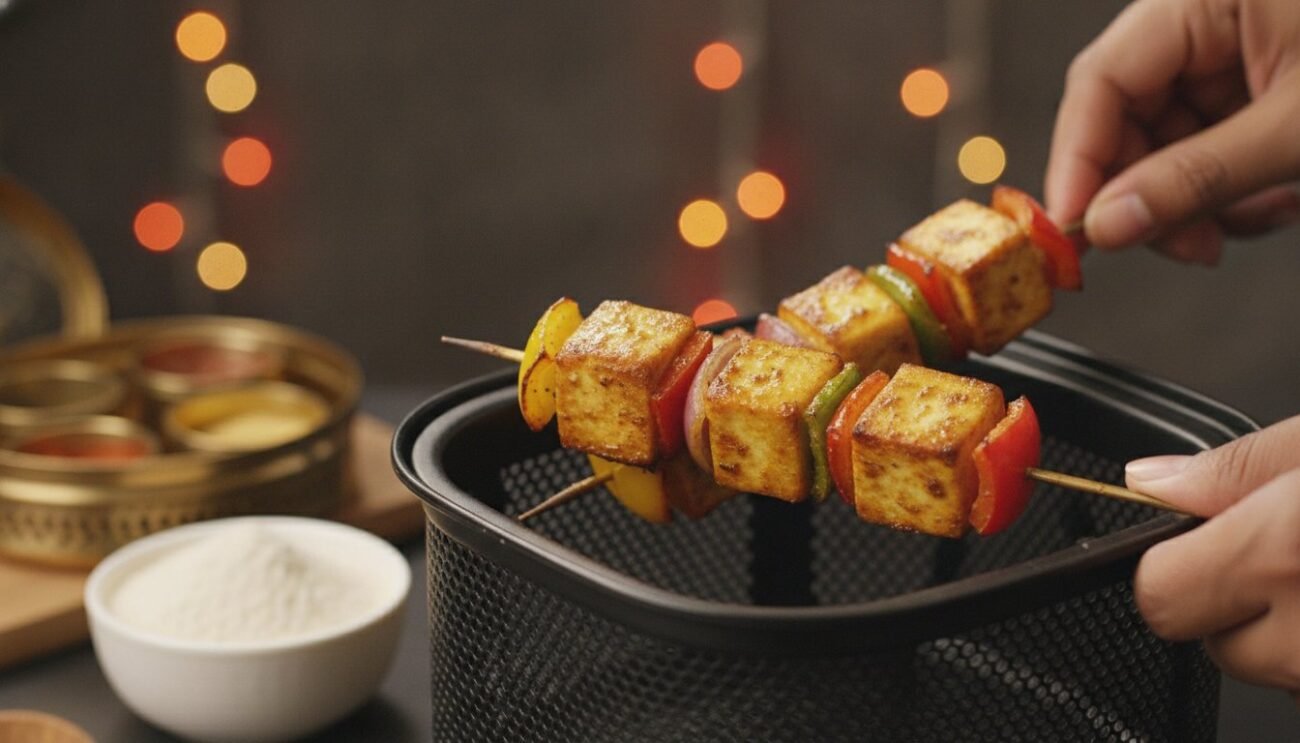
The secret to perfect paneer tikka or tandoori gobi is the marinade. Using hung curd is non-negotiable because standard yogurt contains too much whey. Excess moisture creates steam, which leads to a rubbery, boiled texture rather than a charred one. A thick, spiced marinade clings to the ingredients, allowing the circulating air to caramelize the surface. To get that authentic smoky aroma, you can use the dhungar method; place a tiny steel bowl with a piece of burning charcoal and a drop of ghee inside the air fryer basket for the final two minutes of cooking. If you’re looking for more ways to pack in nutrition, try vegetable-loaded kebabs by mixing grated seasonal greens with a binder like roasted besan.
I always recommend using a light oil spray rather than a brush for snacks like pakoras or samosas. Brushing can often tear the delicate, uncooked surface or apply oil unevenly, leading to patchy browning. A fine mist of oil ensures every nook and cranny is covered, which is essential for that uniform, professional-grade crunch. If you’re making pakoras, ensure your batter is slightly thicker than usual so it doesn’t drip through the basket holes before it has a chance to set. You can see these techniques in action by following my latest step-by-step cooking videos.
Millet Magic and High-Protein Air Fryer Innovations
As we embrace the culinary trends of 2026, ancient grains have moved from the back of the pantry to the center of our plates. Millets like ragi, jowar, and bajra are no longer just traditional staples; they’re the future of healthy Indian snacking. These super-grains offer a complex nutritional profile that pairs perfectly with the dry heat of an air fryer. When you explore modern Indian-inspired recipes, you’ll find that the air fryer is the secret to making these dense grains light, airy, and incredibly crunchy. It’s a beautiful way to honor our roots while fueling our modern, fast-paced lives.
One of the most transformative elements of mastering air fryer recipes for indian food involving millets is understanding the “why” behind preparation. Before these grains ever hit the basket, soaking is essential. Millets contain phytic acid, which can make them harder to digest and give them a slightly bitter edge. Soaking for at least 4 to 8 hours neutralizes these anti-nutrients and allows the grain to hydrate. In the air fryer, this internal moisture prevents the snack from turning into a tooth-breaking pebble, ensuring a crisp snap that feels light on the palate.
Ancient Grains, Modern Crunch
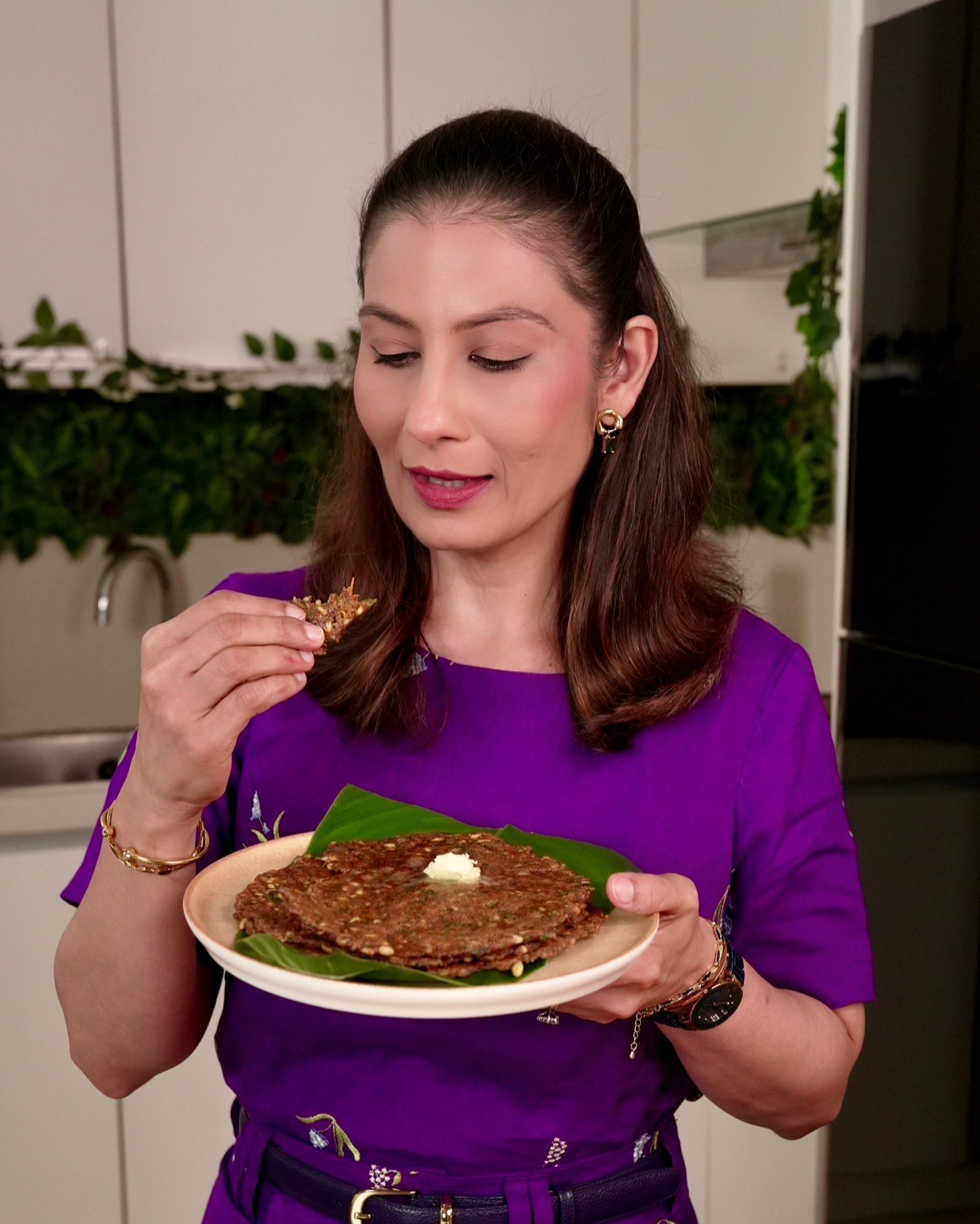
Traditional favorites like Ragi Chakli and Bajra Vada can be easily adapted for a healthier lifestyle. Ragi (Finger Millet) is exceptionally high in calcium, making home-baked ragi crackers a brilliant alternative to store-bought chips. To prevent millet-based snacks from becoming too hard, I often mix in a small amount of boiled potato or mashed sweet potato as a binder. This adds just enough moisture to keep the interior tender while the rapid air circulation creates a sturdy, golden crust. For more creative ways to use these grains, you can explore 30+ Millet Recipes that bring variety to your table.
Vegetarian Protein Power
For those on a fitness journey, the air fryer is a game-changer for high-protein vegetarian snacks. Crispy soya chunks, seasoned with a punchy tandoori masala, become an addictive weight-loss treat that replaces oily pakoras. You can also achieve the perfect tea-time crunch with roasted chana and makhana (fox nuts). The air fryer ensures an even roast in just 5 to 7 minutes, far quicker and more consistent than stovetop roasting. If you want to go deeper into how to increase protein intake for vegetarians in India, my dedicated guide covers the best plant-based sources and chef-approved techniques to hit your daily goals. You can find visual guides for these quick bites in my Tea Time Snacks Playlist.
Precision is everything when working with millets. Different grains require different soaking times to achieve the best air-fried texture. I recommend soaking Ragi and Bajra for 8 hours, while Jowar usually needs about 6 hours. If you’re in a hurry, use warm water to cut the time by half. This step is the difference between a snack that is merely edible and one that is a “Food Magic” masterpiece. When you’re making air fryer recipes for indian food, always remember that the preparation is just as important as the cooking time.
Air Fryer ‘Cake Therapy’: Healthy Baking for Indian Palates
Baking shouldn’t feel like a heavy commitment or a sugar-laden trap. When searching for air fryer recipes for indian food, many home cooks overlook the sweet side of the menu, yet my “Cake Therapy” philosophy thrives in this compact appliance. The air fryer is essentially a high-speed convection oven, making it the perfect tool for small-batch, healthy baking that satisfies a craving without the need for a massive cleanup. By shifting away from refined flour and white sugar, we can create desserts that nourish the soul and the body. Mastering air fryer recipes for indian food means understanding that this appliance is a powerhouse for creating nutrient-dense treats that fit perfectly into a busy Indian lifestyle.
The secret to guilt-free sweetness lies in our traditional pantry staples. Substituting refined sugar with jaggery or dates adds a rich, caramel-like depth that white sugar simply cannot match. However, using whole wheat flour (atta) or millet flours can sometimes lead to a dense, brick-like texture. To avoid this “dense trap,” you must balance the heavier grains with extra moisture. Ingredients like homemade yogurt or unsweetened applesauce act as natural tenderizers, ensuring your healthy cakes remains moist and light despite the rapid air circulation of the fryer.
The Healthy Baker’s Toolkit
Your journey into air-fried desserts should start with a Ragi Chocolate Cake. Ragi is exceptionally high in calcium and fiber, and when paired with dark cocoa, it becomes a decadent treat that kids actually enjoy. You can also use your air fryer to recreate nostalgic favorites like Nankhatai or Atta Biscuits. Because the heat is so concentrated, these cookies develop a beautiful snap in nearly half the time of a traditional oven. For a deep dive into these methods, you can visit my Cake Therapy section for authentic, tested recipes that prioritize your wellness.
Dessert Troubleshooting
Cakes bake significantly faster in an air fryer because the heating element is just inches away from the batter. As a general rule, you should lower the temperature by 15°C to 20°C compared to a standard OTG recipe to prevent the top from burning before the center is set. Preheating your air fryer for at least five minutes is the single most important factor for achieving a consistent, airy rise in your healthy cakes. If you find the exterior browning too quickly, simply cover the top of your cake tin with a small piece of foil for the last few minutes of the cycle.
You must be mindful that jaggery-based batters brown much faster than those made with white sugar due to the natural molasses content. I always suggest doing a “toothpick test” two minutes before the timer ends. If you’re substituting atta for maida, remember that whole wheat absorbs more liquid; you might need to add an extra tablespoon of milk or yogurt to get that perfect ribbon-like consistency. This attention to detail is what transforms a simple recipe into true “Food Magic.”
Chef Meghna’s Notes: Pro Tips for Air Fryer Success
Mastering air fryer recipes for indian food requires more than just following a timer; it’s about understanding the personality of your machine. The absolute Golden Rule in my kitchen is to never overcrowd the basket. When you pack samosas or cutlets too tightly, you block the very air that creates that signature “Food Magic” crunch. Give your food space to breathe, and the reward is a uniform, golden exterior that shatters beautifully with every bite. Preheating is another non-negotiable step. If you skip those five minutes of warming up, your snacks will absorb the initial heat slowly, often resulting in a soggy bottom rather than a crisp finish.
One of my favorite ways to practice zero-waste cooking is using the air fryer to dehydrate vegetable peels. Instead of tossing out potato, carrot, or bottle gourd (lauki) skins, toss them in a pinch of salt and air fry at 140°C until they become brittle. These healthy crisps are a fantastic way to utilize every part of your produce while adding a nutritious crunch to your meals. To keep your machine looking new, treat spice stains immediately. Turmeric is notorious for staining plastic, but a simple paste of baking soda and water can lift those yellow marks without scratching the surface of your appliance.
Troubleshooting Indian Textures
If you find that your paneer becomes too hard or rubbery, here is my secret: soak the air-fried paneer cubes in a bowl of warm, salted water for two minutes before adding them to your gravy. This rehydrates the protein instantly while keeping the charred edges intact. For those struggling with dry kebabs, try the butter-paper wrap technique. Wrapping your marinated patties in a small piece of parchment paper for the first half of the cooking cycle traps the juices, ensuring a succulent center. Also, be mindful of your chilies. Air frying removes moisture, which can concentrate the capsaicin and make your spice levels feel much more intense than they would in a traditional deep fryer.
Meal Prep and Reheating
The air fryer is truly the only way to revive yesterday’s pakoras or tikkis. Microwave reheating makes them limp, but a quick three-minute blast at 180°C in the air fryer restores that original “just-fried” texture. When storing snacks for the next day, always let them cool completely on a wire rack before placing them in an airtight container. This prevents steam from building up and softening the crust. If you’re ready to take your wellness journey to the next level, I invite you to join the Get Fit With Meghna community, where we explore how to make every meal a step toward a healthier, more vibrant you.
Start Your Healthy Air Fryer Journey Today
You’ve discovered that wellness and indulgence don’t have to be at odds in your kitchen. By embracing these air fryer recipes for indian food, you’ve learned to recreate that legendary street food crunch while fueling your body with high-protein millets and wholesome ingredients. From troubleshooting the perfect paneer texture to mastering jaggery-based “Cake Therapy,” you’re now equipped to cook with the confidence of a professional chef.
It’s time to take these techniques and make them your own. You can join our community of over 1 million foodies and explore my free database of more than 1000 healthy recipes designed for real life. Whether you’re following the “Get Fit” series or looking for quick tea-time snacks, there is always something new and exciting to discover.
I’m so excited for you to experience the joy of guilt-free cooking. Keep experimenting with these vibrant flavors, and remember that every meal is a beautiful opportunity to nourish yourself and your loved ones.
Frequently Asked Questions
Can I use normal Indian batters like Besan in an air fryer?
Yes, you can use traditional besan batters, but they must be significantly thicker than what you would use for deep frying. A runny batter will simply drip through the basket holes before the heat has a chance to set it. For the best results with air fryer recipes for indian food like pakoras, ensure the batter is thick enough to coat the vegetable heavily and use a piece of parchment paper at the bottom of the basket for the first five minutes of cooking.
How do I get the Tandoori char on Paneer Tikka in an air fryer?
Achieving that authentic charred look requires high heat and a very dry surface. Set your air fryer to its maximum temperature, usually 200°C, and ensure your paneer is marinated in thick hung curd rather than regular yogurt. The intense convection heat triggers the Maillard reaction on the spiced coating, giving you those beautiful dark edges without overcooking the soft center of the paneer.
Do I need to soak millets before making air fryer snacks?
Soaking millets is an essential step for both better digestion and a superior snack texture. Millets like ragi and jowar contain phytic acid, which can hinder nutrient absorption; soaking for 4 to 8 hours neutralizes this while hydrating the grain. This internal moisture is what prevents your air-fried crackers or vadas from becoming unpleasantly hard when exposed to the dry heat of the air fryer.
What is the best way to reheat Indian snacks without them getting soggy?
The air fryer is the ultimate tool for reviving snacks because it removes the moisture that makes them soggy in the microwave. Simply place your samosas, pakoras, or tikkis in the basket at 180°C for 3 to 4 minutes. This quick blast of hot air recrisps the outer layer and restores the original texture, making yesterday’s leftovers taste exactly like they were just made.
Can I bake a traditional Indian Atta cake in an air fryer?
Absolutely, baking with whole wheat flour is one of the highlights of my “Cake Therapy” approach in an air fryer. Because air fryers are smaller and more efficient than traditional ovens, they are perfect for small-batch healthy cakes. Just remember to lower your usual baking temperature by about 20°C and add a moisture-rich binder like yogurt or applesauce to ensure your atta cake stays soft and spongy.
How much oil should I actually use for oil-free air frying?
While often called “oil-free,” using a tiny amount of oil is actually the secret to the best air fryer recipes for indian food. Instead of drenching your snacks, use a light oil spray to mist the surface of your food. This minimal amount, usually less than a teaspoon per batch, helps the heat transfer evenly and ensures you get that golden brown color and satisfying crunch with 90% less fat than deep frying.
Is air-fried Indian food actually good for weight loss?
Air frying is a powerful tool for weight loss because it significantly reduces the caloric density of your favorite meals. By swapping deep frying for air frying, you can enjoy high-protein vegetarian snacks that support weight loss for Indians like soya kebabs or roasted chana without the heavy load of saturated fats. It’s a sustainable way to stay consistent with your “Get Fit” goals while still enjoying the traditional flavors you love.
How do I prevent my air fryer from smelling like strong Indian spices?
Preventing spice build-up starts with immediate cleaning after each use. If a stubborn smell of garam masala or garlic lingers, place a small bowl with water and a few lemon slices inside the basket and run the air fryer at 180°C for 5 minutes. The steam will loosen any spice residue and the citric acid will naturally deodorize the chamber, leaving it fresh for your next culinary creation.
Disclaimer
This is a recipe food blog page and not nutrition or doctor and hence do not claim to cure any illness. If you have specific health issues please consult a qualified doctor or certified nutritionist.
I do consult experts, research Internet and at times seek help from Gemini to collect relevant information to put together some of these blogs.

