
Why Thepla is the Ultimate Healthy Gujarati Snack
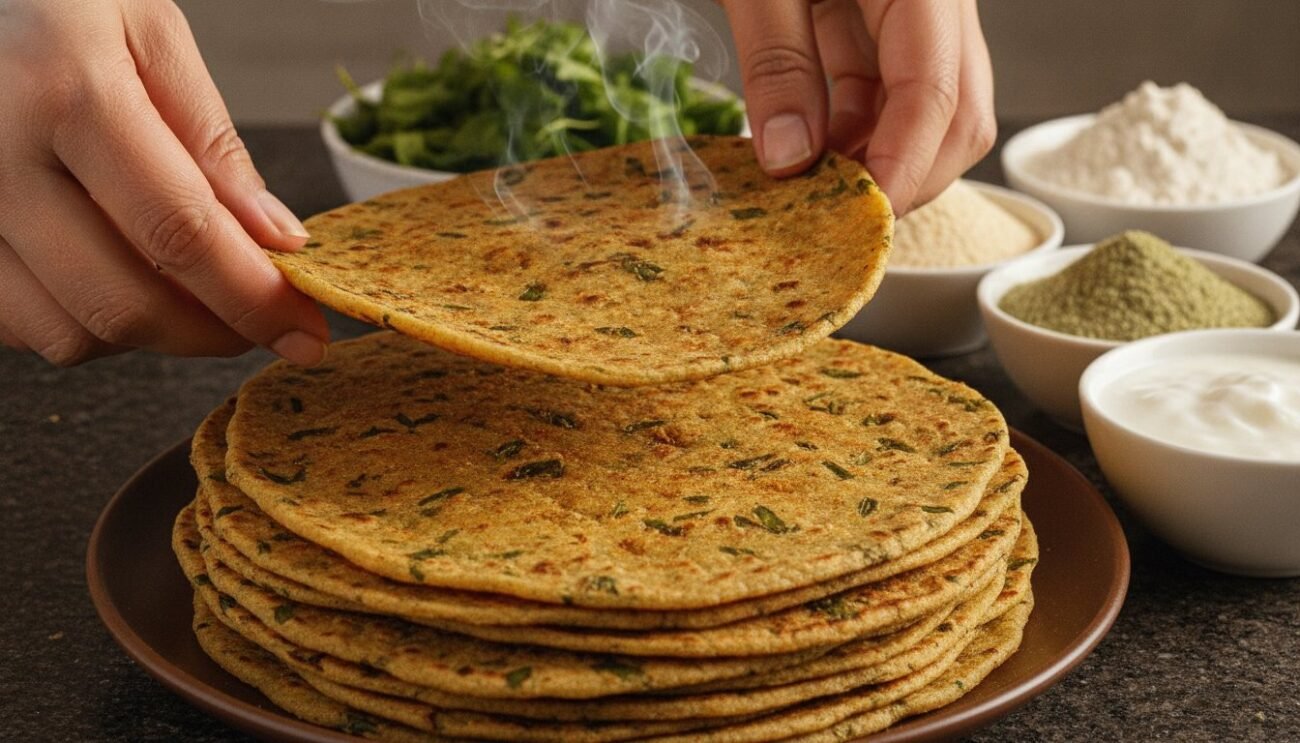
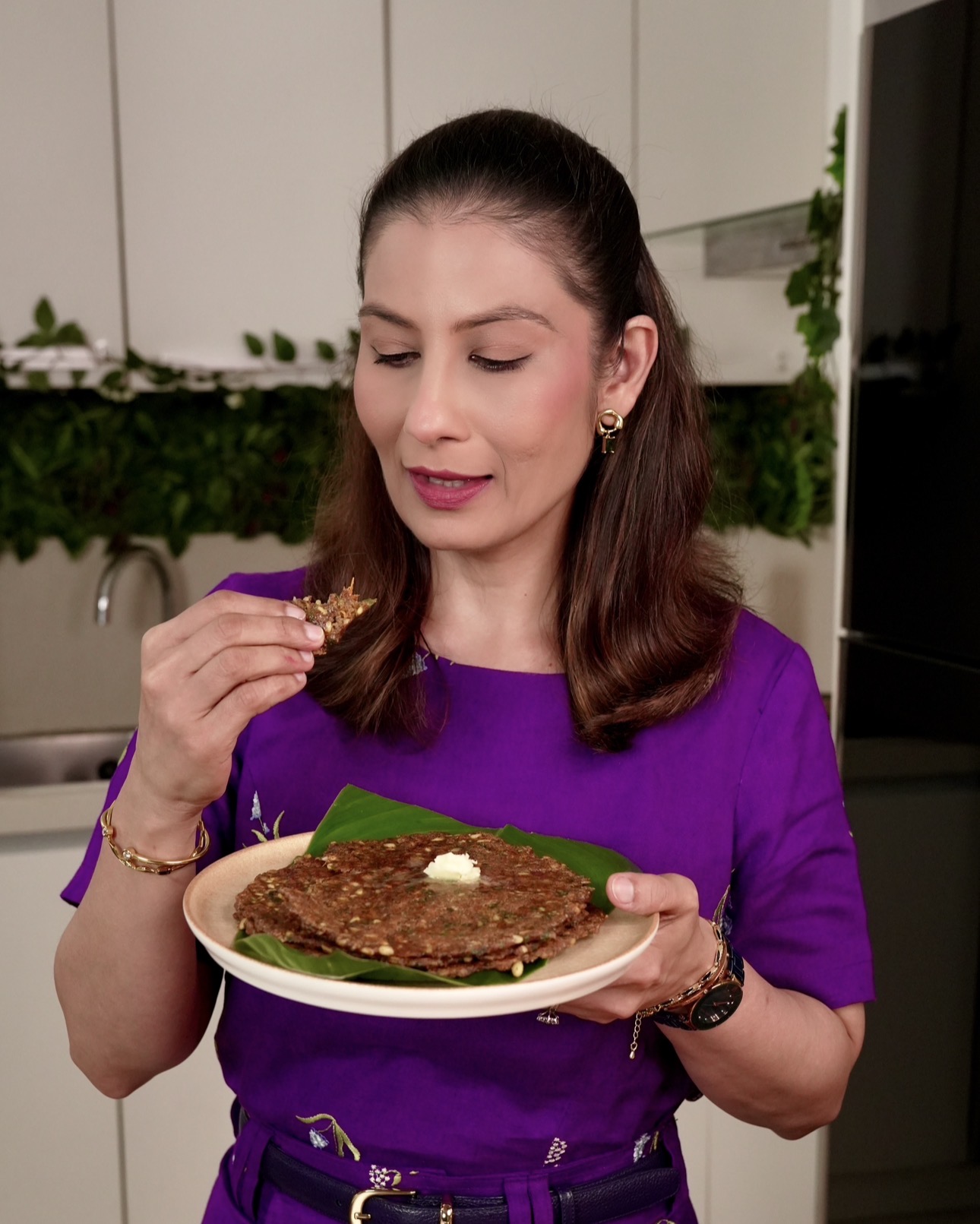
What if your favorite travel companion wasn’t a person, but a nutrient-dense, shelf-stable flatbread that stays soft for days? For anyone who has ever opened a tiffin to find a comforting, spice-flecked disc, you know that Gujaratis love for Thepla and why it is a healthy snack and soul of every Gujarati goes far beyond mere tradition. It’s a culinary hug that bridges the gap between a quick bite and a complete, balanced meal. You likely agree that finding a portable snack that doesn’t turn into a dry cracker by lunchtime is a constant struggle, especially when you’re trying to avoid boring, tasteless diet foods.
I’m going to show you how to elevate this humble flatbread into a modern superfood that fuels your body and delights your palate. In this guide, we’ll dive into the surprising health benefits of ingredients like fenugreek, which boasts a low glycemic index, and I’ll share my professional secrets for maintaining that signature softness. From the deep cultural roots that make it a travel essential to the “why” behind adding millets like Jowar or Bajra for extra fiber, you’re about to master the art of the perfect Thepla.
Key Takeaways
- Uncover the cultural significance and deep emotional connection that explains Gujaratis love for Thepla and why it is a healthy snack and soul of every Gujarati.
- Explore the nutritional science of using fenugreek and yogurt to create a protein-rich meal that supports digestion and natural blood sugar regulation.
- Learn how to elevate your recipe into a modern superfood by integrating nutrient-dense, gluten-free millets like Jowar and Bajra into your dough.
- Master professional techniques from Chef Meghna’s Notes to achieve a perfectly non-sticky dough and paper-thin theplas that stay soft for days.
- Discover resourceful zero-waste cooking hacks to repurpose vegetable stalks and transform leftover theplas into creative snacks like “Thepla Nachos.”
The Soul of Gujarat: Why Thepla is More Than Just a Flatbread
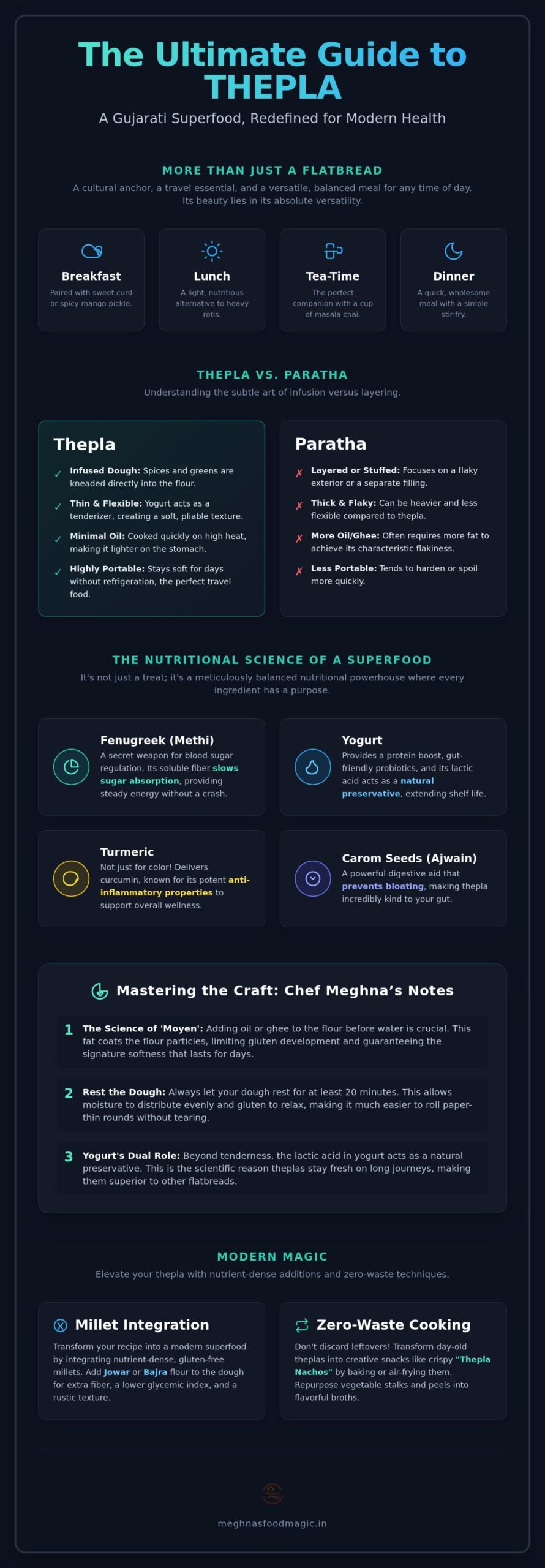
Step into any Gujarati kitchen during the early morning hours, and the air is thick with the earthy, toasted aroma of spices hitting a hot tawa. It’s a scent that triggers instant nostalgia. For us, Thepla is far more than a simple flatbread; it’s a cultural anchor. The deep-rooted Gujaratis love for Thepla and why it is a healthy snack and soul of every Gujarati is a bond forged in childhood memories of ‘Dadi’ expertly rolling out paper-thin rounds. It’s the silent hero of the school lunchbox, staying soft and delicious even after hours of play. This humble creation represents a symbol of hospitality and incredible resourcefulness. Its beauty lies in its absolute versatility:
- Breakfast: Paired with a bowl of sweet curd or a spicy mango pickle.
- Lunch: A light, nutritious alternative to heavy rotis.
- Tea-Time: The perfect 4 PM companion with a steaming cup of masala chai.
- Dinner: A quick, wholesome meal when served with a simple vegetable stir-fry.
The Global Travel Companion
It is often joked that you can find a Gujarati anywhere in the world by following the scent of fresh theplas. This isn’t just a stereotype; it’s a testament to the food’s resilience. It has become the unofficial national food for Indian travelers abroad because of its shelf-life miracle. Unlike other breads that turn hard or spoil quickly, a thepla prepared with the right balance of moisture and oil stays fresh for days without any refrigeration. It serves as a vital bridge between our rich traditions and a fast-paced modern lifestyle. Whether you’re on a long-haul flight or a weekend trek, it provides a consistent, nutritious piece of home that refuses to quit.
Thepla vs. Paratha: Understanding the Subtle Art
To the untrained eye, they might look similar, but the magic is in the dough preparation. A paratha is typically a layered affair, often focused on a stuffing or a flaky exterior. In contrast, thepla is a masterpiece of infusion. We don’t just stuff the greens; we knead the fresh fenugreek, turmeric, and chilies directly into the flour. The role of yogurt in the dough is a professional secret I always emphasize. It acts as a natural tenderizer, ensuring the texture remains thin and flexible rather than thick and heavy. We cook them with minimal oil, focusing on high heat to seal in the flavors quickly. This process makes them lighter on the stomach and far more portable than their paratha cousins, making them the ultimate choice for health-conscious foodies.
The Nutritional Science: Why Thepla is a Healthy Superfood
Wellness isn’t about restriction; it’s about making every bite work for your body. This philosophy is exactly why Gujaratis love for Thepla and why it is a healthy snack and soul of every Gujarati is so enduring. It isn’t just a treat; it’s a meticulously balanced nutritional powerhouse designed to sustain you. Take fenugreek, or methi, for example. These bitter greens are a secret weapon for blood sugar regulation and digestion. Fenugreek contains galactomannan, a natural soluble fiber that slows down the absorption of sugar in the blood. When you combine this with whole wheat flour instead of refined maida, you get a complex carbohydrate advantage that provides steady energy without the dreaded sugar crash.
The spices in the dough aren’t just for flavor; they’re your kitchen pharmacy. Turmeric provides a steady dose of curcumin for its potent anti-inflammatory properties, while carom seeds, known as Ajwain, act as a powerful digestive aid to prevent bloating. We also add yogurt to the dough, which provides a subtle protein boost and natural probiotics. This makes the flatbread incredibly kind to your gut environment, ensuring that your snack time supports your overall metabolic health.
The ‘Why’ Behind the Ingredients
Why do we add a specific amount of oil to the dough before kneading? This is the science of ‘moyen.’ The fat coats the flour particles, which limits gluten development and ensures that signature softness we all crave. Yogurt plays a dual role here as well. The lactic acid in yogurt acts as a natural preservative, which is the scientific reason why these flatbreads stay fresh during long journeys. Don’t skip resting the dough for at least 20 minutes. This allows the moisture to distribute evenly and the gluten to relax, making the dough easier to roll into those beautiful, paper-thin rounds.
Thepla for Weight Loss and Fitness
If you’re on a fitness journey, this snack is a game changer. With approximately 280 to 345 calories per 100 grams, it’s remarkably satisfying. The high fiber content from the greens and whole grains ensures your metabolism stays active while keeping you full for hours. For a complete fitness meal, I recommend pairing it with a high-protein bowl of Greek yogurt or sprouted moong. If you want to see these nutritional principles in action, you can explore my healthy recipe collections to master the perfect dough consistency for your fitness goals.
Millet Magic: Elevating Thepla for Modern Health Needs
While the classic wheat version is iconic, the modern kitchen is witnessing a beautiful revival of ancient grains that takes this snack to a whole new level. This evolution is a major reason behind the enduring Gujaratis love for Thepla and why it is a healthy snack and soul of every Gujarati. By swapping or blending whole wheat with millets, we transform a traditional staple into a gluten-free or low-gluten powerhouse that fits perfectly into a contemporary wellness routine. Adding Besan, or gram flour, is another expert move I highly recommend. It doesn’t just improve the nutty flavor; it provides a more complete amino acid profile, turning your snack into a high-protein vegetarian option that supports muscle repair and sustained energy.
Incorporating these grains is surprisingly accessible; millet flour retail prices in India currently range between ₹40.60 and ₹97.43 per kilogram. From a nutritional standpoint, the density is impressive. A single Bajra thepla, roughly 50 grams, offers about 4 grams of protein and 25 grams of complex carbohydrates. This combination significantly increases satiety levels compared to refined flour alternatives, meaning you stay satisfied for much longer. If you want to explore the exact ratios for these blends, my free digital recipe database features a dedicated collection for Jowar, Bajra, and Ragi Nachni recipes designed for weight loss and fitness.
Jowar and Bajra Variations
Jowar, also known as Sorghum, is your best friend during hotter months because of its natural cooling properties. One serving of approximately 65 grams provides about 201 kcal and is incredibly easy on the gut, making it perfect for those with sensitive digestion. Bajra, or Pearl Millet, is the ultimate winter energy booster. It is rich in magnesium for heart health and phosphorus for bone strength. For those seeking a calcium-rich vegetarian snack, Ragi is an excellent addition. It’s particularly beneficial for growing kids who might be fussy about other calcium sources, as it blends seamlessly with the spices and greens in the dough.
Chef Meghna’s Soaking Secrets
I always emphasize to my community that the secret to a soft, digestible millet flatbread lies in the preparation science. Millets contain phytic acid, an “anti-nutrient” that can block the absorption of essential minerals. Soaking the flour or using boiling water to knead the dough helps neutralize this acid and breaks down complex starches. This “hot water method” gelatinizes the starches, which is the key to achieving a flexible, paper-thin texture without needing to use excess oil. It makes the grains much lighter on the stomach and ensures you get the maximum nutritional bang for your buck.
Mastering the Craft: Chef Meghna’s Notes for the Perfect Thepla
Achieving that iconic, melt-in-the-mouth texture is a culinary art form that truly explains Gujaratis love for Thepla and why it is a healthy snack and soul of every Gujarati. It isn’t just about mixing ingredients; it’s about the finesse in your touch. To create a perfect non-sticky dough, start by mixing your dry flours with spices and greens before adding any liquid. This allows the natural moisture from the vegetables to release first. Gradually incorporate your yogurt and a splash of water until the dough feels soft but firm. If it sticks to your hands, you’ve added too much liquid; if it cracks, it needs more moisture. A well-rested dough is your best friend here, as it allows the fibers to soften and the flavors to meld beautifully.
When it’s time to roll, aim for even, paper-thin rounds. Consistency is key for uniform cooking. Many home cooks make the mistake of using a very hot tawa, but high heat is actually the enemy of a soft result. Intense heat evaporates the moisture too quickly, leaving you with a brittle, cracker-like disc. Instead, use a medium flame. You want to see small golden spots, not charred black circles. For long-term storage, let them cool completely on a wire rack before stacking them with parchment paper in between. When stored in an airtight container in the refrigerator, these beauties can stay soft and delicious for up to 15 days.
Chef Meghna’s Notes: Pro-Tips & Troubleshooting
If you can’t find fresh fenugreek, don’t worry. You can easily substitute it with Kasuri Methi (dried fenugreek leaves). Just remember to soak the dried leaves in warm water for ten minutes and squeeze them dry before adding them to the dough to revive their aroma. If you find your theplas are turning out hard, it’s usually due to a lack of ‘moyen’ (oil in the dough) or overcooking. My secret for even cooking is using a clean, folded kitchen cloth to gently press the edges while they’re on the tawa. This ensures the heat penetrates the thicker edges without over-drying the center, unlike a heavy spatula which can squeeze out too much moisture.
The Tiffin Transformation
For parents dealing with fussy eaters, this flatbread is a secret weapon. It is the perfect canvas for hiding extra vegetables. Grated bottle gourd (Lauki) or finely shredded carrots add incredible hydration and nutrients without changing the beloved flavor profile. You can transform them into creative healthy wraps by filling them with paneer bhurji or a vibrant beet hummus. This makes the meal visually appealing and exciting for kids, ensuring they get their daily dose of greens while enjoying a snack that feels like a treat. It’s a win-win for nutrition and taste.
Zero-Waste Cooking and Creative Thepla Pairings
Cooking is an act of care; not just for our bodies but for the planet. This mindful, resourceful approach is a key reason behind Gujaratis love for Thepla and why it is a healthy snack and soul of every Gujarati. It’s a dish born from the spirit of “nothing goes to waste.” In a traditional kitchen, we don’t just use the leaves of the fenugreek; we finely mince the tender stalks to add an earthy crunch and a massive boost of insoluble fiber. This philosophy extends to every ingredient. If you have leftover dal or a small portion of cooked vegetables from last night’s dinner, you can mash them into your dough. It adds incredible moisture and a unique flavor profile that makes every batch special.
Sustainability in the kitchen also means finding joy in leftovers. If you find yourself with a few extra pieces at the end of the week, don’t let them go to waste. You can transform them into “Thepla Nachos” by slicing them into triangles and crisping them in an air fryer for a guilt-free evening snack. Another classic favorite is “Thepla Churi,” where you crumble the flatbread and toss it with a little warm ghee and jaggery. This creates a comforting, energy-dense treat that kids absolutely adore. It’s a professional approach to kitchen management that ensures your family gets the most out of every meal while reducing food waste.
Resourceful Kitchen Management
To keep your greens fresh and reduce bitterness, always wash your fenugreek in chilled salt water before chopping. This helps draw out the excess tannins that can sometimes make the dough taste too sharp. I also recommend using the water left over from blanching vegetables to knead your dough. This water is packed with water-soluble vitamins that would otherwise be poured down the drain. For busy working mothers, you can safely store your prepared dough in the refrigerator for up to 48 hours. Just ensure it’s in an airtight container with a very thin film of oil on top to prevent a dry crust from forming.
Modern Pairings for the Health-Conscious
While the classic pairing is a simple bowl of curd, you can easily elevate this snack with modern, nutrient-dense dips. A creamy avocado mash with a hint of roasted cumin and lime offers a beautiful fusion twist that adds healthy fats to your meal. If you’re looking for a protein-heavy option, try a spicy Moong Dal chutney. This pairing creates a complete amino acid profile, making it an excellent post-workout snack. For a low-calorie probiotic boost, I love a garlic-infused hung curd dip. It provides the creamy satisfaction of a heavy spread but with a fraction of the calories, keeping your fitness goals firmly on track. You can find more inspiration for these accompaniments in my free digital recipe database.
Bring the Soul of Gujarat to Your Modern Table
Mastering the “why” behind every ingredient, from the probiotic power of yogurt to the slow-release energy of ancient millets, turns a simple snack into a powerful wellness tool. By embracing zero-waste habits and utilizing every part of your greens, you’re not just cooking; you’re participating in a sustainable tradition that respects both your body and the planet. This holistic approach to nourishment and resourcefulness is exactly why Gujaratis love for Thepla and why it is a healthy snack and soul of every Gujarati.
You now have the professional tips needed to keep your flatbreads soft for days and the creative pairings to keep your meals exciting. Whether you’re packing a tiffin for a fussy eater or preparing for a long journey, the humble thepla is ready to be your ultimate superfood companion. Join millions of followers on YouTube for step-by-step visuals and get your daily dose of inspiration on Instagram as you start this joyful culinary journey.
Cooking is an act of self-care. I can’t wait to see how you bring these vibrant flavors into your home. Let’s make every meal a celebration of health and heritage together.
Frequently Asked Questions
Is Methi Thepla good for weight loss?
Yes, Methi Thepla is an excellent choice for weight loss because it combines high fiber with complex carbohydrates. One 100 gram serving provides approximately 280 to 345 kcal, which keeps you satiated for hours and prevents overeating. The fenugreek leaves contain galactomannan, a soluble fiber that helps regulate blood sugar levels. By using whole wheat or millet flours, you ensure a low glycemic index meal that fuels your body efficiently.
How can I keep my Theplas soft for a long time during travel?
The secret to long-lasting softness lies in using the right amount of ‘moyen’ or oil in the dough and cooking on a medium flame. Adding yogurt to the dough acts as a natural tenderizer and preservative. Once cooked, let them cool completely on a wire rack before stacking. This prevents steam from making them soggy or tough; allowing them to stay soft for up to 15 days when stored correctly.
Can I make Thepla without yogurt (Vegan version)?
You can definitely create a delicious vegan version by substituting dairy yogurt with mashed bananas, boiled potatoes, or vegan nut-based curds. Another expert technique is to use warm water or hot vegetable stock to knead the dough. This process gelatinizes the starches in the flour, ensuring the flatbread remains flexible and soft without the need for animal products. It’s a simple tweak that maintains the authentic texture and flavor.
What is the difference between Thepla and Paratha?
The primary difference lies in the dough preparation and thickness. In a thepla, ingredients like fresh greens, yogurt, and spices are kneaded directly into the flour to create a uniform infusion of flavor. Parathas are typically thicker and often feature a separate stuffing or multiple flaky layers. Theplas are rolled much thinner and cooked with significantly less oil, making them a lighter, more portable option for travel and daily meals.
Is it healthy to eat Thepla every day?
Eating this flatbread daily is a wonderful way to include essential greens and whole grains in your diet. This daily ritual is a big part of Gujaratis love for Thepla and why it is a healthy snack and soul of every Gujarati. To keep your nutrition balanced, I recommend rotating your flours between Jowar, Bajra, and Ragi. This ensures you receive a wide variety of minerals while enjoying a fiber-rich, low-oil meal.
How do I remove the bitterness from fresh Methi leaves?
To remove excess bitterness, wash the chopped fenugreek leaves in chilled water mixed with a teaspoon of salt. Let them soak for about ten minutes before squeezing out the water thoroughly. This process draws out the bitter tannins while preserving the vibrant color and nutritional integrity of the greens. If you prefer a milder flavor, you can also lightly sauté the leaves before adding them to your flour mix.
Can I freeze Thepla dough for later use?
Yes, you can freeze the dough for up to three months by wrapping it tightly in parchment paper and placing it in a freezer-safe bag. For shorter periods, the dough stays fresh in the refrigerator for 48 hours. I recommend dividing the dough into small portions before freezing so you only thaw what you need. This is a lifesaver for busy working mothers who want to provide healthy, home-cooked meals quickly.
Which millet is best for making healthy Theplas?
The best millet depends on your specific health goals and the current season. Jowar is perfect for cooling the body and aiding digestion during summer months. Bajra is a fantastic winter energy booster that supports bone health and provides warmth. If you are looking for a calcium-rich option for growing kids or seniors, Ragi is the superior choice. Each millet provides a unique nutritional profile to keep your snacks both healthy and exciting.
Disclaimer
This is a recipe food blog page and not nutrition or doctor and hence do not claim to cure any illness. If you have specific health issues please consult a qualified doctor or certified nutritionist.
I do consult experts, research Internet and at times seek help from Gemini to collect relevant information to put together some of these blogs.

