
Top Home Remedies for Constipation and Improved Digestion
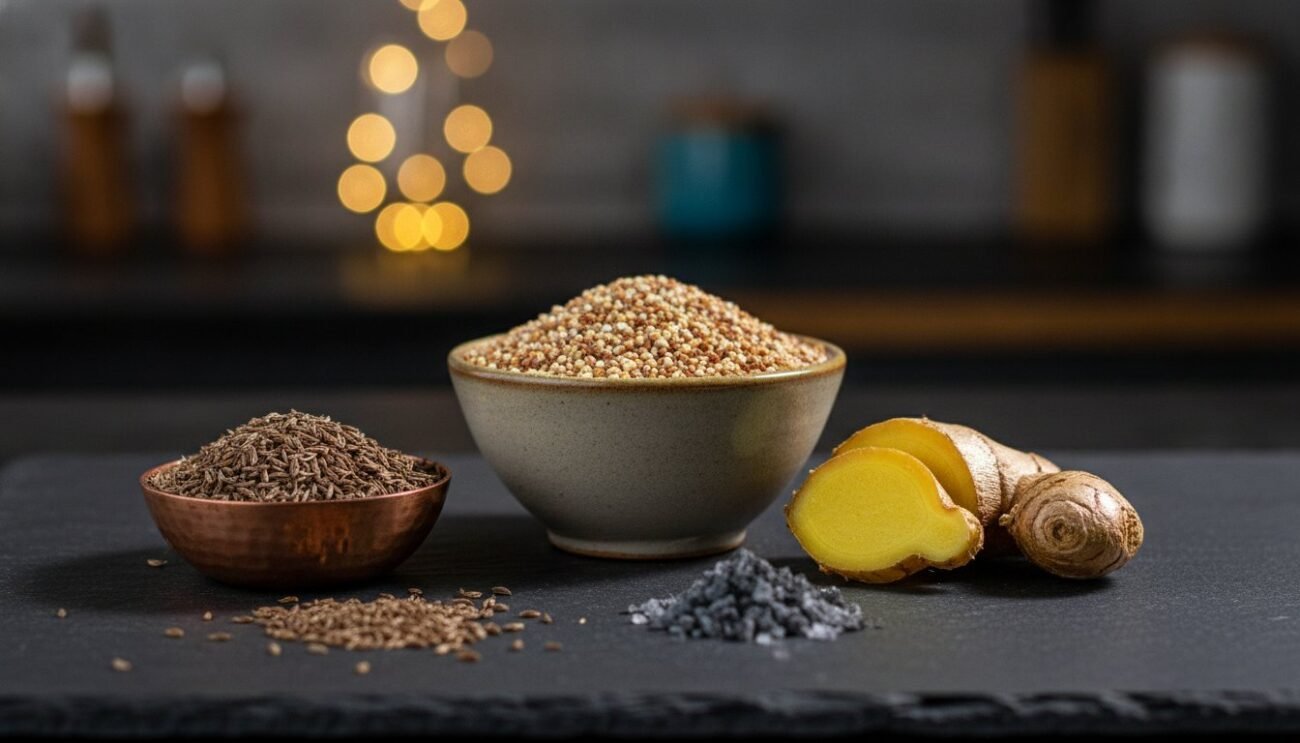
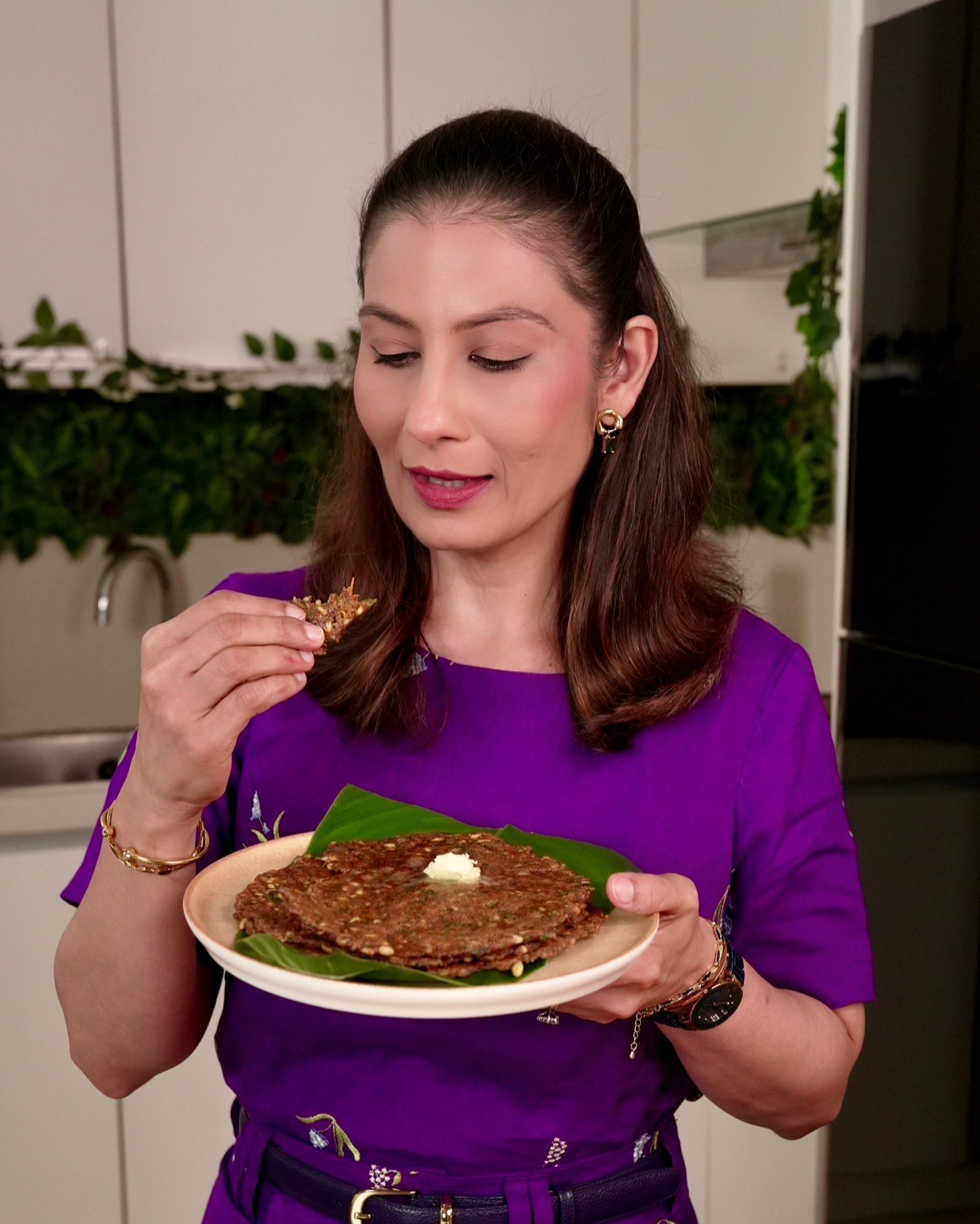
What if the secret to ending your morning struggle isn’t found in a chemist’s bottle, but hidden inside your spice box and that bag of traditional millets? Most of us have felt that heavy, sluggish bloat after a meal that makes us want to curl up rather than conquer the day. It’s completely normal to feel skeptical of over-the-counter laxatives or confused about how to make healthy grains actually taste good for the whole family. Finding reliable home remedies for constipation and digestion shouldn’t feel like a chore; it should feel like a vibrant invitation to rediscover the joy of eating.
I promise that you can transform your gut health using the magic of Indian superfoods and expert culinary techniques that even the fussiest eaters will love. We’ll dive into why soaking your Kodo millet is a non-negotiable step for your gut and how specific kitchen spices act as tiny digestive powerhouses. From professional tips on making “boring” fiber-rich meals taste extraordinary to sustainable kitchen secrets, you’re about to learn how to create a lifestyle that keeps you feeling light, energized, and truly happy from the inside out.
Key Takeaways
- Master the “Science of Soaking” to ensure traditional millets like Ragi and Jowar are fully digestible and nutrient-dense for your gut.
- Explore powerful home remedies for constipation and digestion using everyday kitchen heroes like Ajwain, black salt, and ginger to ignite your digestive fire.
- Learn how to repurpose vegetable stalks and peels into fiber-rich broths through professional zero-waste kitchen management techniques.
- Get expert solutions for common healthy cooking hurdles, such as fixing dry millet rotis and making high-fiber foods taste amazing for fussy eaters.
- Shift your perspective from restrictive dieting to “Culinary Therapy,” using traditional Indian food wisdom to achieve a sustainable, bloat-free lifestyle.
The Vibrant Path to Better Digestion: Understanding Constipation Naturally
Imagine your kitchen as a sanctuary where every spice and grain serves a purpose beyond just filling your plate. To me, gut health is the absolute foundation of what I call “Culinary Therapy.” It’s not just about avoiding discomfort; it’s about the vibrant energy you feel when your body is in perfect harmony. When we talk about Understanding Constipation, it’s vital to recognize that it isn’t always about a medical diagnosis. Often, it’s that subtle feeling of being “heavy” or sluggish after a meal. While a 2026 systematic review published in June found a global prevalence of functional constipation at 12.14%, many more of us deal with occasional digestive stalls that cloud our daily joy.
Modern diets often strip away the “Fiber Magic” that our ancestors relied on. We’ve swapped traditional Indian grains for refined flours that move slowly through our systems, leaving us feeling bloated. My philosophy is simple: we can heal our guts through enthusiastic, mindful cooking. By bringing back the “Food Magic” of whole ingredients, we aren’t just eating; we’re performing an act of self-care. Finding the right home remedies for constipation and digestion starts with this shift in perspective, moving away from restriction and toward a celebratory, nutrient-dense way of life.
Common Signs Your Digestion Needs a Reset
Why Natural Remedies Win Over OTC Laxatives
It’s tempting to reach for a quick fix from the chemist, but chemical stimulants can often lead to “lazy gut” syndrome, where your digestive system forgets how to function on its own. This is why natural home remedies for constipation and digestion are so transformative. They act as gentle catalysts rather than harsh triggers. By using kitchen staples, you’re building a diverse, resilient gut microbiome over the long term. These natural solutions encourage your body to find its own rhythm, ensuring you feel energized and light without relying on a bottle. You can explore a wealth of gut-friendly ideas in my Free Digital Recipe Database to start your journey today.
Millet Magic: Why Ragi, Jowar, and Bajra are Your Gut’s Best Friends
Millets aren’t just “old-fashioned” grains; they’re the vibrant, gluten-free secret to a happy gut. If you’ve been searching for effective home remedies for constipation and digestion, look no further than your local grocer’s millet shelf. These ancient powerhouses are packed with the kind of insoluble fiber that keeps your digestive system moving with ease. While many seek medical treatment for constipation when things get difficult, the long-term solution often lies in the quality of the grains we consume every day.
But here’s the catch. You can’t just toss them in a pot and expect “Food Magic.” The “Science of Soaking” is my non-negotiable rule. Millets contain phytic acid, which can block nutrient absorption and cause gas if not handled correctly. Soaking grains like Kodo millet for at least 8 hours neutralizes these anti-nutrients, making the grain incredibly easy on your stomach. This simple step ensures that the “Fiber Magic” works for you rather than against you.
Each millet brings its own personality to the table. Ragi (Finger Millet) is a calcium-rich powerhouse that provides incredible bulk for smooth transit. Jowar (Sorghum) is wonderfully lightweight and cooling, making it the perfect choice for a soft rotli at dinner when you want to avoid that “heavy” feeling before bed. Bajra (Pearl Millet), with its warming properties, is excellent for stoking your metabolic fire during cooler months, ensuring your digestion stays active even when the weather turns chilly.
The Fiber Framework: Comparing the Big Three Millets
While refined wheat often leaves you feeling stuffed and sluggish, Ragi contains nearly three times the dietary fiber of white rice, acting like a gentle broom for your intestines. Choosing the right grain depends on your needs; use Jowar for a light midday meal and Ragi when you need a sustained energy boost. To win over the fussy eaters in your family, try starting with Ragi-based chocolate pancakes or Jowar “popcorn.” It’s all about making these nutrient-dense grains feel like a treat rather than a chore.
Mastering the Texture: Avoiding Common Millet Mistakes
A common mistake is using too little water, which leads to dry, crumbly rotis that feel heavy in the gut. Always use a generous water-to-millet ratio to ensure the grains stay hydrated and soft. Fermentation is another secret weapon in my “Culinary Therapy” toolkit. Turning millet batter into idlis or dosas adds natural probiotics to your diet, which is one of the best home remedies for constipation and digestion available in any Indian kitchen. You can find my exact ratios and troubleshooting tips at Meghna’s Food Magic. For a visual guide on getting that perfect soft texture every time, watch my millet masterclass on YouTube.

5 Spice-Based Home Remedies for Constipation and Digestion
Your kitchen’s masala dabba is essentially a medicine cabinet in disguise. While we’ve already explored the heavy-lifting power of millets, the true “Food Magic” happens when you pair those grains with the right spices. Finding effective home remedies for constipation and digestion doesn’t require a trip to the pharmacy; it requires a deeper understanding of how these tiny seeds and roots interact with your body. While choosing Foods that help with constipation is a great first step, the way you season them determines how well your body absorbs those nutrients.
When that sudden, uncomfortable bloat hits, the Ajwain-Black Salt duo is your best friend. Ajwain (carom seeds) contains thymol, which helps release gastric juices, while black salt aids in reducing gas. For a more preventative approach, think of ginger and lemon as your “Agni” starter. Drinking a small shot of fresh ginger juice mixed with lemon before your main meals awakens your digestive fire, ensuring that your food is processed efficiently from the very first bite. If you’re looking for a long-term bedtime ritual, Triphala mixed with warm water is an ancient Ayurvedic secret that supports a clear, effortless morning without the harshness of chemical laxatives.
For those days when your gut feels particularly fragile, a warm bowl of sprouted moong dal soup acts as the ultimate healing food. Sprouting the moong makes the protein much easier to digest and significantly increases the fiber content. It’s a gentle way to reset your system while still getting the nourishment you need to stay energized. You can see my favorite way to prepare this healing soup on my YouTube channel, where I share tips on keeping the nutrients intact.
The Magic of Indian Spices in Digestion
Cumin (Jeera) isn’t just for flavor; it’s a powerful tool that stimulates the secretion of digestive enzymes, speeding up the breakdown of fats and carbohydrates. Similarly, chewing on a teaspoon of Fennel (Saunf) after a heavy meal acts as a wonderful digestive aid and breath freshener. Drinking warm Jeera water every morning on an empty stomach kickstarts your metabolism and helps flush out toxins. These small habits create a cumulative effect that transforms your overall gut health over time.
Probiotic Power: Beyond Just Curd
I’m a huge believer in “Buttermilk Therapy,” which is a cooling blend of fresh chaas with roasted cumin and mint. This isn’t just a refreshing drink; it’s a probiotic powerhouse that helps maintain a healthy balance of gut bacteria. To make your probiotics even more effective, ensure they’re paired with prebiotics like air-fryer roasted makhana. This high-fiber, gut-friendly snack provides the “fuel” your good bacteria need to thrive. By integrating these home remedies for constipation and digestion into your daily routine, you’re not just treating symptoms; you’re building a resilient, happy digestive system.
Zero-Waste Prep & Gut-Healthy Habits: The ‘Why’ Behind the Method
Sustainable cooking isn’t just a trend; it’s a vital part of your gut health strategy. We often discard the very parts of vegetables, specifically the stalks, the skins, and the tough outer leaves, that contain the most concentrated “Fiber Magic.” When you learn to use these scraps, you’re essentially creating your own home remedies for constipation and digestion right in your kitchen. The “Science of Storage” plays a huge role here too. To keep your greens fiber-intact and crisp, wrap them in a damp cloth before refrigerating. This prevents them from wilting and losing the structural integrity that helps your digestion. Think of those broccoli stalks or the thick peels of a bottle gourd (Lauki). Instead of tossing them, simmer them into a nutrient-dense broth or blend them into a vibrant chutney. This resourceful approach ensures your body gets a diverse range of fibers that keep your system moving smoothly.
Mindful eating is the bridge between good ingredients and great results. The pace of your meal directly affects your transit time because your brain needs time to signal your digestive system to start working. If you’re rushing through lunch, your body stays in a “stress” mode, which effectively slows down digestion. Repurposing leftovers is another professional skill that saves time without compromising on flavor. I love creating “Tiffin Transformations” where last night’s moong dal becomes today’s high-protein paratha stuffing. It’s about being mindful of food waste while ensuring every meal supports your digestive goals. By keeping your prep efficient, you reduce the stress that often leads to mindless, hurried eating.
Sustainable Kitchen Management for Health
Saving the peels of cucumber and Lauki for fiber-rich chutneys is a game-changer for your digestion. These often-ignored parts are packed with insoluble fiber that adds bulk to your stool. However, safety is paramount. Always store your vegetable scraps in airtight containers in the fridge and use them within 24 hours to avoid gut-irritating bacteria. This practice doesn’t just save money; it leads to a much more diverse and nutritious diet that keeps your microbiome flourishing and your energy levels high throughout the day.
The Daily Routine for a Happy Gut
Your habits outside the kitchen are just as important as the ingredients inside it. Sitting in “Vajrasana” for ten minutes after a meal is a powerful way to improve blood flow to the digestive organs and aid absorption. I also always recommend avoiding ice-cold water during or after eating; it douses your digestive “Agni” and can make fats harder to process. To make these habits stick, I swear by “Meal Prep Sundays.” Spending just an hour washing, chopping, and soaking your millets ensures you have a stress-free week. By integrating these simple habits with your home remedies for constipation and digestion, you’ll notice a significant shift in how you feel every morning.
Chef Meghna’s Notes: Your Roadmap to Digestive Success
Every great journey in the kitchen starts with a single, mindful step. By now, you’ve seen how ancient grains and secret spices can act as powerful home remedies for constipation and digestion. But I know that transitioning to millets or changing long-held habits can sometimes feel a bit tricky. That’s why I’ve put together these notes to ensure your path to gut health is as delicious as it is rewarding. We aren’t just following a diet; we’re embracing a vibrant form of culinary therapy that celebrates every bite and treats cooking as an act of joy and self-care.
A common question I hear from home cooks is, “Chef, my millet roti is too dry and breaks apart, what do I do?” The secret is actually in the water temperature. Always use boiling hot water to knead your Jowar or Bajra flour. This process helps gelatinize the starch, making the dough pliable and the final roti incredibly soft. If you’re looking for a simple substitution guide, try replacing refined maida with Jowar or a high-fiber Atta blend in your daily meals. You’ll immediately notice how much lighter you feel after dinner when you ditch those processed flours. And here’s my favorite pro-tip: always add a generous pinch of Hing (Asafoetida) to your dal. Hing doesn’t just add a beautiful aroma; it stimulates the salivary glands and increases the flow of gastric juices, making it the ultimate secret ingredient to prevent bloating.
Expert Troubleshooting for Home Cooks
If you find certain millets like Bajra a bit bitter, ensure you’re washing them thoroughly before you start the soaking process. This removes the surface saponins that can affect the flavor. For parents struggling with fussy eaters, try grating carrots or bottle gourd directly into your millet dough. It adds essential moisture and “Hidden Vegetable” nutrition that kids won’t even notice. When it comes to sweetness, ditch the refined sugar. Using jaggery or dates provides a cleaner gut experience because jaggery contains minerals that help activate digestive enzymes, unlike white sugar which can cause inflammation. These small swaps are essential home remedies for constipation and digestion that make a massive difference over time.
Join the Food Magic Community
Our journey toward a happier, lighter gut doesn’t have to end here. I invite you to join our vibrant community where we celebrate health and flavor every single day. You can follow Chef Meghna on Instagram for daily kitchen hacks, quick tips, and behind-the-scenes magic. If you love that crispy texture but want to stay oil-free and fitness-oriented, check out my Air Fryer Recipe Collection for a modern twist on traditional favorites. For detailed, step-by-step visual guides on all the remedies we’ve discussed, don’t forget to subscribe to Meghna’s Food Magic YouTube channel. Making small, joyful changes in your kitchen is the most sustainable way to achieve long-term wellness. Don’t aim for perfection; aim for the joy of discovery!
Your Journey to a Lighter, More Vibrant You
Transforming your gut health isn’t about restriction; it’s about a celebration of ingredients that love you back. You’ve discovered how traditional millets, when handled with the science of soaking, and the strategic use of kitchen spices serve as powerful home remedies for constipation and digestion. By adopting zero-waste prep and mindful eating habits, you’re building a sustainable lifestyle of wellness that goes far beyond a single meal. These shifts in your daily routine create a ripple effect, turning your kitchen into a place of true culinary therapy.
With expert guidance on traditional Indian grains and a library of over 1,000 free recipes, you’re never alone on this path. You’re joining a vibrant community of fitness-oriented food lovers who believe that healthy food should be absolutely extraordinary. Every small, joyful change you make in your kitchen today brings you closer to the energetic, bloat-free life you deserve. It’s time to reclaim your energy and feel the lightness that comes from a happy, balanced gut.
Your kitchen is a sanctuary for both flavor and healing. Start with one simple change today and let the food magic begin!
Frequently Asked Questions
How can I get rid of constipation fast at home using Indian ingredients?
For a quick and effective reset, drink a glass of warm water mixed with a teaspoon of Triphala powder or fresh Amla juice before bed. These traditional Indian home remedies for constipation and digestion work as gentle natural laxatives that help clear your system by the time you wake up. Another expert tip is to consume a teaspoon of A2 cow ghee in warm water on an empty stomach to lubricate the intestinal walls and ease movement.
Is Ragi or Jowar better for relieving constipation?
Ragi is generally superior for relieving constipation because it contains significantly more dietary fiber compared to Jowar and even whole wheat. While Jowar is lighter and cooling, making it perfect for easy-to-digest dinners, Ragi’s high insoluble fiber content provides the necessary bulk for smooth transit. I recommend alternating between both to keep your gut microbiome diverse while ensuring you get the specific “Fiber Magic” your body needs.
Can I give these home remedies for digestion to my kids?
Yes, these natural remedies are safe for children when adjusted for their smaller appetites and sensitive palates. Start with a warm bowl of sprouted moong dal soup or a light fennel water to soothe their tummies after a heavy meal. For parents dealing with fussy eaters, my millet-based pancakes or “Hidden Vegetable” parathas are perfect ways to introduce essential fiber without any mealtime battles or complaints about “healthy” food.
What is the best time to drink lemon and ginger water for digestion?
The absolute best time to sip on lemon and ginger water is about 20 minutes before your main meals to ignite your digestive fire. This simple ritual prepares your stomach for the food to come by stimulating the production of essential enzymes. If you’re looking for a morning detox, drinking it warm on an empty stomach helps flush out toxins and kickstarts your metabolism, ensuring you feel light and energized all day.
Why do millets cause gas for some people and how can I prevent it?
Millets can cause gas if they aren’t prepared correctly because they contain anti-nutrients like phytic acid that can be tough on an unaccustomed gut. You can easily prevent this by following the “Science of Soaking,” which involves immersing grains like Kodo or Little millet in water for at least 8 hours. This process breaks down complex compounds, making the grain light, fluffy, and completely gut-friendly for every member of the family.
Are air-fried snacks good for digestion and constipation?
Air-fried snacks are a fantastic choice for digestion because they provide that satisfying crunch without the heavy, sluggish feeling caused by deep-frying in oil. Excess fat can slow down your transit time and lead to uncomfortable bloating, so using an air-fryer allows you to enjoy high-fiber snacks like roasted makhana. It’s a modern, health-oriented way to keep your “Food Magic” vibrant while ensuring your digestive system stays active and efficient.
How much fiber do I actually need daily for a healthy gut?
What are Chef Meghna’s top 3 spices for instant bloating relief?
My top three “magic” spices for instant relief from bloating and gas are Ajwain (carom seeds), Jeera (cumin), and Hing (asafoetida). Ajwain is incredible for immediate gastric comfort, Jeera stimulates enzyme production for better breakdown of fats, and a tiny pinch of Hing in your dal ensures that even heavy proteins are processed smoothly. Keeping these staples in your masala dabba is the simplest way to practice culinary therapy in your own home.
Disclaimer
This is a recipe food blog page and not nutrition or doctor and hence do not claim to cure any illness. If you have specific health issues please consult a qualified doctor or certified nutritionist.
I do consult experts, research Internet and at times seek help from Gemini to collect relevant information to put together some of these blogs.

