
Swap Deep-Frying for Paniyaram: Healthy Festive Tips
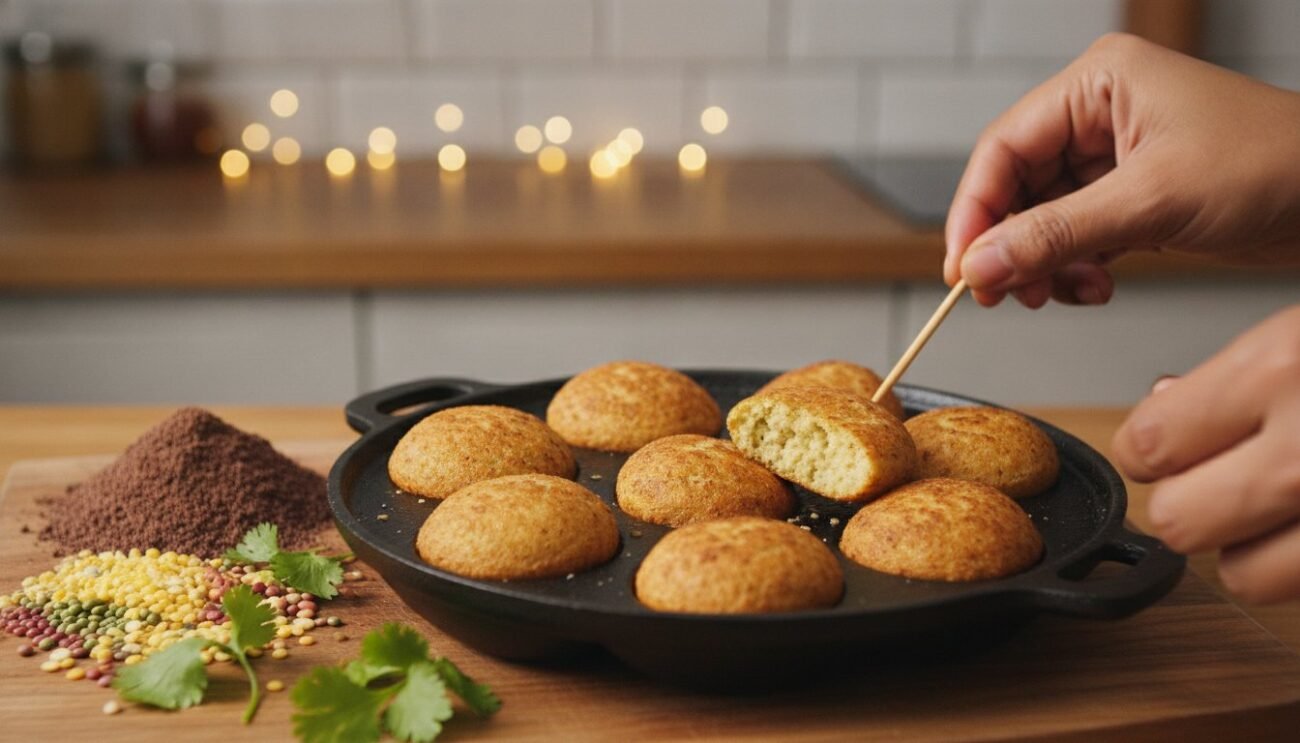
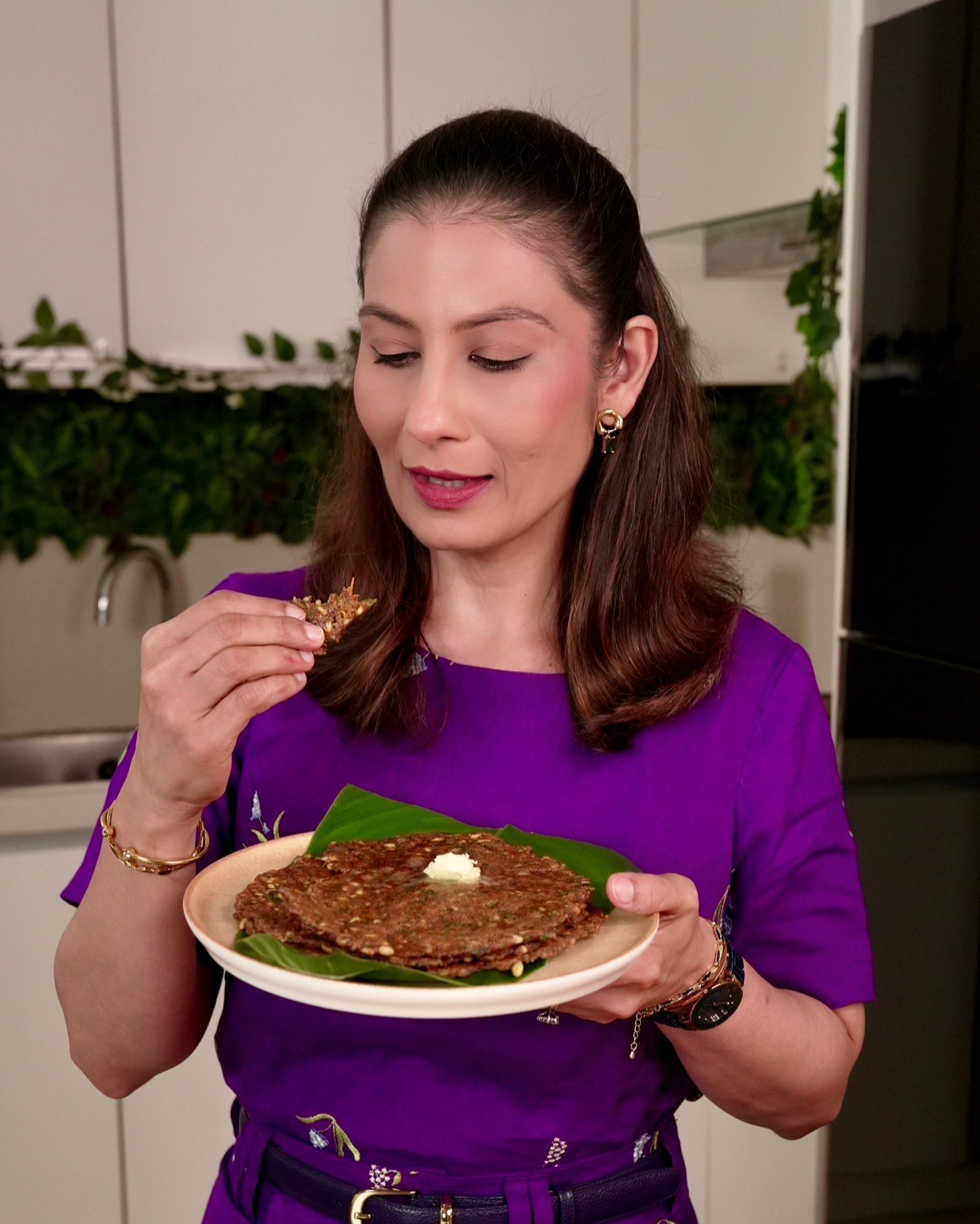
What if you could achieve that perfect, golden crunch without the heavy, oil-soaked guilt that usually follows our favorite celebrations? We all know the post-festive slump that comes from over-consuming deep-fried treats, and nobody enjoys the messy cleanup or the liters of wasted oil left in the kadai. The use of Paniyaram instead of frying this festive season is the secret to reclaiming your health while keeping your traditions alive. It’s a simple yet bold shift that turns your kitchen into a space for culinary therapy rather than just a place of greasy chores.
In this guide, you’ll discover how to transform heavy favorites into light, nutrient-dense delights using the versatile Paniyaram pan. I’ll share how to get that “deep-fried” texture with 90% less oil while incorporating high-protein dals and ancient millets like Ragi and Jowar. We’ll explore innovative recipes and professional techniques that ensure your snacks are crispy and your cooking process is faster. Get ready for a cleaner, more joyful festive experience that leaves you feeling energized instead of weighed down by calories.
Key Takeaways
- Learn the secret behind the Paniyaram pan’s spherical heat distribution that delivers a 360-degree golden crust while keeping the centers moist and flavorful.
- Discover how the use of Paniyaram instead of frying this festive season can reduce your oil intake by up to 85% without losing the crunch of traditional Samosas and Vadas.
- Explore innovative ways to use superfoods like Ragi, Jowar, and high-protein dals to create nutrient-dense treats that satisfy every festive craving.
- Simplify your kitchen routine with Chef Meghna’s notes on zero-waste cooking, from repurposing leftover sabzis to prepping batters three days in advance for stress-free hosting.
The Festive Frying Dilemma: Why 2026 is the Year of the Paniyaram Pan
Festive seasons in India are usually a marathon of oil. We move from one gathering to the next, often greeted by a plate of piping hot samosas, crispy pakoras, or golden vadas. While these treats bring immediate joy, the aftermath is often less celebratory. Many of us find ourselves slipping into a “food coma,” that familiar state of lethargy and bloating that follows a heavy, oil-laden meal. In 2026, the trend is shifting toward mindful indulgence. The use of Paniyaram instead of frying this festive season is becoming the preferred choice for those who want to keep the flavor without the fog. It’s about reclaiming the joy of the kitchen without the heavy physical toll.
Breaking the Deep-Frying Cycle
Beyond the personal health cost, traditional deep-frying presents a messy challenge in the kitchen. Reusing oil, a common practice to save costs during large celebrations, can lead to the formation of harmful compounds that affect long-term wellness. There is also the environmental burden of disposing of liters of used fat. This is where the magic of the Paniyaram pan comes in. Essentially, the Paniyaram pan is a low-oil convection-style stovetop tool that uses minimal grease to create a perfectly rounded, crispy exterior. It allows us to practice “culinary therapy,” where the act of cooking becomes a creative, stress-free ritual rather than a greasy chore. By choosing this method, you are prioritizing your gut health and your energy levels, ensuring you stay active for every ritual and dance.
Regional Names, One Solution
This versatile tool isn’t new, but its application as a frying alternative is a modern innovation. This pan has deep roots in Indian heritage, appearing under various names across the country:
- Kuzhi Paniyaram: The traditional name in Tamil Nadu.
- Paddu: Commonly used in Karnataka.
- Gunta Ponganalu: The standard term in Andhra Pradesh and Telangana.
- Appe Pan: A popular name in Maharashtra and North India.
While it was traditionally used for fermented rice and lentil batters, it has evolved into a staple for fitness-oriented kitchens. Whether you’re making high-protein moong dal balls or vegetable-stuffed snacks, this pan delivers. Embracing the use of Paniyaram instead of frying this festive season allows you to serve snacks that are as light as they are delicious. If you are looking for more ways to transform your kitchen into a wellness hub, you can explore the extensive resources at Meghna’s Food Magic for healthy Indian cooking inspiration. This shift isn’t about restriction; it’s about abundance. It’s about discovering that you don’t need a kadai full of oil to achieve a satisfying, festive crunch.
The Science of the Paniyaram: How It Replaces Frying Without Losing Crunch
Have you ever wondered why Paniyaram snacks feel so satisfyingly crunchy yet incredibly light? It’s all in the clever geometry of the pan. While the dangers of deep frying often involve excessive oil absorption and the breakdown of fats at high temperatures, the Paniyaram pan uses spherical heat distribution to create a 360-degree crust. Each cavity acts like a mini-oven, concentrating heat around the batter to mimic the immersion of a kadahi with just a fraction of the oil. The use of Paniyaram instead of frying this festive season also leverages steam-locking technology. When you cover the pan with a lid, the moisture from the ingredients traps steam inside, ensuring the center stays moist and fluffy while the exterior develops that signature snap.
Many of my kitchen followers ask if they should simply stick to an air fryer. While air fryers offer digital convenience, the Paniyaram pan provides a stovetop simplicity that feels deeply connected to our traditional culinary roots. It delivers a specific pan-seared texture that air-circulated heat sometimes misses. It’s the difference between a snack that’s just “dry” and one that’s truly “crispy.” To see the difference in texture for yourself, you can explore my visual guides on YouTube where I demonstrate these techniques in real-time.
Material Matters: Choosing Your Pan
The material of your pan is the secret to achieving authentic festive textures. Cast iron paniyaram pans are a favorite for those who love a rustic, ‘kadahi-style’ finish. They retain heat exceptionally well and provide a natural iron boost to your snacks. If you are a beginner or prioritizing ultra-low-oil cooking, a non-stick pan is a brilliant choice that supports a zero-waste kitchen by ensuring no batter is left stuck to the surface. For cast iron lovers, remember that seasoning is key. Rub a little oil into the cavities after washing and heat the pan until it’s slightly smoking to maintain its natural non-stick properties for a lifetime.
The Role of Heat Control
Mastering the golden-brown glow of a perfect appe requires a bit of patience. Because we often work with dense, high-protein batters like moong dal or millets, medium-low heat is essential. If the flame is too high, the outside will char before the inside has a chance to cook through. The use of Paniyaram instead of frying this festive season is a journey of heat management. If your snacks are sticking, your pan probably wasn’t hot enough when you started. If they’re raw in the middle, simply lower the flame and let them sit under the lid for two extra minutes. This slow-cooking process allows the flavors to develop fully without the heavy grease of a fryer.
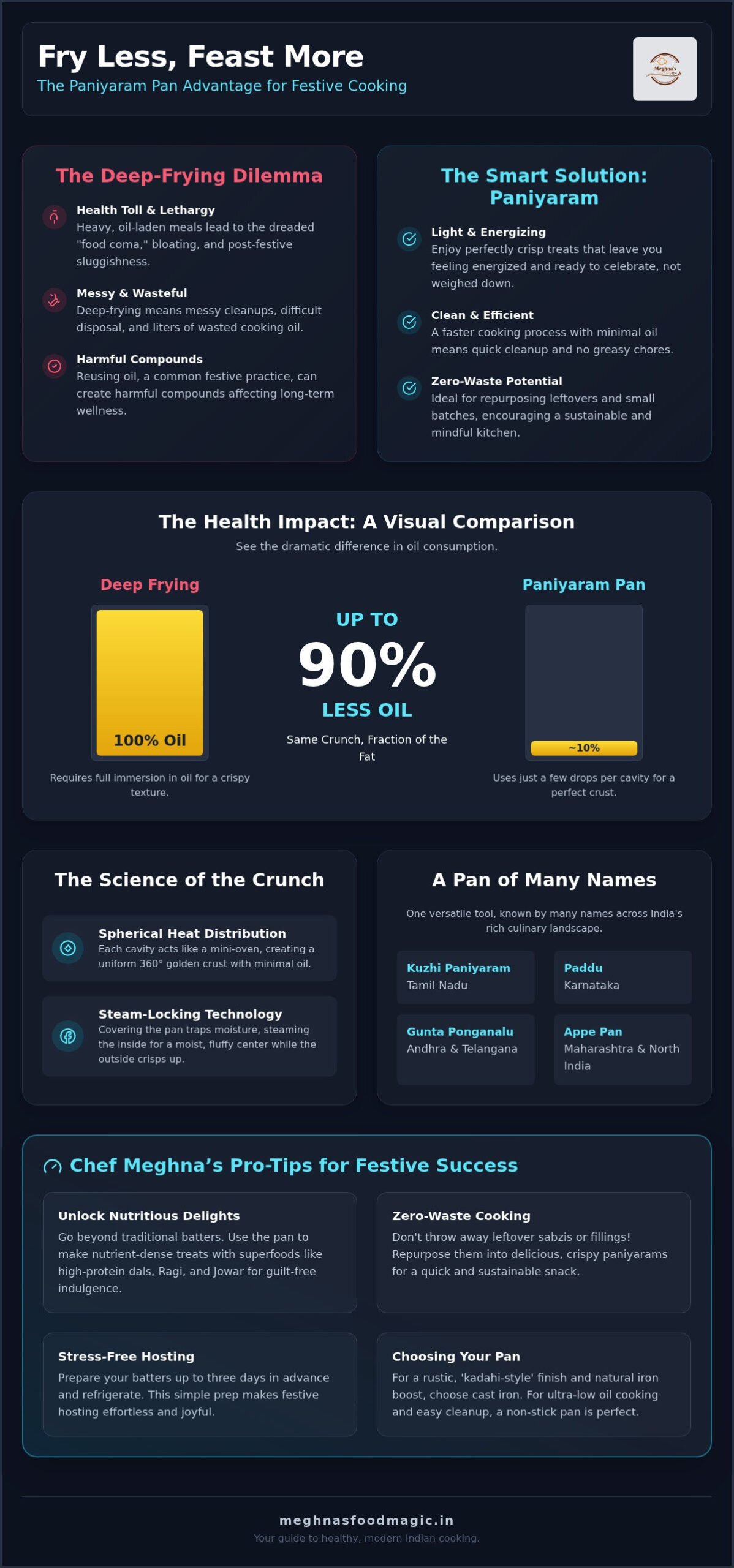
Nutritional Swap: Deep-Frying vs. Paniyaram Pan Comparison
When you bite into a traditional deep-fried samosa, you’re often consuming between 250 to 300 calories, a large portion of which comes from the oil trapped in the refined flour crust. By contrast, a Samosa-Appe made in a Paniyaram pan delivers the same spicy, satisfying filling with a fraction of the caloric load. The use of Paniyaram instead of frying this festive season is a nutritional game-changer that transforms your macros without stealing the joy of the celebration. Because the surface area in contact with oil is so small, you can reduce your total fat intake by up to 85%. Using just one tablespoon of oil in a Paniyaram pan effectively replaces the two cups of oil typically required in a traditional kadhai.
This method also offers a unique “hidden veggie” advantage. The small, individual cavities are the perfect vessels for packing your snacks with fiber. You can easily fold finely chopped spinach, grated carrots, or bell peppers into your batters, which is a lifesaver for parents of fussy eaters. Beyond the fiber, this low-oil approach significantly impacts how your body processes the meal. Excessive fat combined with refined carbs usually leads to a massive blood sugar spike followed by an exhausting crash. By minimizing the oil, you help maintain steady energy levels, allowing you to enjoy the festivities without the dreaded post-meal lethargy.
The Macro-Nutrient Shift
Traditional festive snacks rely heavily on Maida, which offers little more than empty carbohydrates. The Paniyaram pan encourages you to swap refined flour for fiber-rich alternatives like oats, semolina, or even crushed corn. High-heat deep frying often destroys heat-sensitive vitamins, particularly Vitamin C and certain B vitamins, due to the extreme temperatures of the oil. The Paniyaram method uses gentler, more controlled heat, especially when the lid is used, which helps preserve the essential nutrients within your ingredients. It’s a more respectful way to treat high-quality produce while ensuring your family gets the best out of every bite.
Digestive Benefits of the Paniyaram Method
Many of our traditional Paniyaram recipes use fermented batters, which are a probiotic win for your gut health. Fermentation breaks down complex starches, making the snacks much easier to digest than their heavy, deep-fried counterparts. This shift is particularly helpful for reducing the acidity and bloating that so often accompany festive binging. If you’re curious about how these two methods look side-by-side in a real kitchen, you can check out the head-to-head comparisons on Meghna’s YouTube Channel. Choosing a lighter cooking style means your digestive system doesn’t have to work overtime, leaving you feeling vibrant and ready for the next celebration.
Innovative Festive Recipes: Millets, High-Protein Dals, and More
Festive cooking often feels like a choice between heritage and health, but I’m here to tell you that you can have both. By embracing the use of Paniyaram instead of frying this festive season, we open a door to a world of “Millet Magic” and high-protein innovations. Imagine serving a platter of vibrant, nutrient-dense snacks that don’t just look beautiful but also fuel your body. From the earthy richness of Ragi to the light, airy texture of Jowar, these ancient grains are perfect for creating gluten-free, calcium-rich treats that keep you feeling light and celebratory.
Mastering Millet Batters
When working with millets like Ragi, Bajra, or Jowar, understanding the “why” behind the preparation is essential for your success. These grains contain phytic acid, which can interfere with mineral absorption. This is why I always recommend a soaking time of 6 to 8 hours; it neutralizes the phytic acid and makes the minerals like iron and calcium more bio-available. For the perfect Paniyaram, your millet batter should be slightly thicker than a standard dosa batter. Since millets lack gluten, a thicker consistency ensures the appes hold their beautiful spherical shape while they cook. Pair your Ragi appes with a spicy peanut chutney or a cooling coconut-coriander dip to balance the deep, nutty flavors of the grain.
High-Protein Vegetarian Staples
If you’re focused on fitness, you’ll love reimagining the classic Moong Dal Vada in your Paniyaram pan. Traditionally deep-fried and heavy, these vadas become a muscle-building powerhouse when cooked with just a brush of oil. You can even stuff them with a small cube of paneer for an extra protein punch. For those who enjoy modern kitchen tech, you can also explore my Air Fryer Recipes for Indian Food guide to see how these two methods can work together for hybrid cooking. Sprouted grain paniyarams are another fantastic option, as sprouting further increases the vitamins and enzymes available in your festive snacks.
Don’t forget the kids! Festive paniyarams are the ultimate “Fussy Eater Hack.” You can blend spinach into the batter for bright green “Hulk” appes, or use beetroot juice for a stunning pink hue. It’s a playful way to hide vegetables in plain sight. And for a sweet finish, I love a bit of “Cake Therapy.” Try making mini sweet appes using whole wheat flour, jaggery, and a hint of cardamom. They’re like tiny, healthy doughnuts that satisfy your sweet tooth without the sugar crash. The use of Paniyaram instead of frying this festive season truly turns your kitchen into a space for creative, guilt-free exploration.
Chef Meghna’s Notes: Pro-Tips for Zero-Waste Festive Success
Mastering the use of Paniyaram instead of frying this festive season is about more than just reducing oil; it’s about adopting a zero-waste philosophy that makes your kitchen more efficient and sustainable. During the rush of celebrations, we often find ourselves with small portions of leftover sabzis or dals. Instead of letting them sit in the fridge, use them as savory fillings. A dry Aloo Gobhi or a thick Matar Paneer can be tucked into the center of your batter, turning a simple snack into a gourmet surprise. This resourceful approach is the heart of culinary therapy, where we treat every ingredient with respect and creativity.
Stress-free hosting is all about preparation. You can safely prep your millet or lentil batters up to 3 days in advance and store them in the refrigerator. In fact, a slightly fermented batter often develops a more complex flavor profile. If you’re worried about losing that traditional “fried” texture, here is my favorite “Crunch Factor” hack. Add a tablespoon of fine semolina (suji) or rice flour to your batter just before cooking. This creates an extra-crispy shell that shatters beautifully with every bite. Since you’re only using a few drops of oil per cavity, you won’t have liters of wasted grease to manage. Simply wipe the pan with a damp cloth while it’s still warm to keep it seasoned and ready for the next batch.
Troubleshooting and Substitutions
If your paniyarams are turning out too soft or soggy, it’s usually a matter of the heat-to-steam ratio. While the lid is essential for cooking the center, keeping it on for the entire duration traps too much moisture. Try cooking with the lid for the first two minutes, then remove it to let the exterior crisp up. For those exploring my “Cake Therapy” sweet treats, remember that you don’t need refined sugar. Softened dates or organic jaggery provide a deep, caramel-like sweetness that pairs perfectly with whole wheat or ragi batters. To elevate the experience, I always recommend my signature “Chutney Symphony,” a trio of spicy garlic, cooling mint, and sweet tamarind chutneys that bring balance to every plate.
Repurposing with Purpose
The use of Paniyaram instead of frying this festive season allows you to give new life to yesterday’s meals. Leftover khichdi or thick dal can be seasoned with fresh ginger and green chilies, then dropped directly into the pan cavities for a high-protein snack. Even vegetable scraps like the stems of spinach or the peels of well-washed carrots can be finely minced and added to batters for extra nutrients. This mindful way of cooking ensures that nothing goes to waste while you keep your family healthy and happy. For a deeper dive into these techniques, you can see them in action in my latest videos.
Elevate Your Celebrations with Mindful Cooking
We’ve journeyed through the science and soul of the Paniyaram pan, discovering how its unique heat distribution delivers that addictive crunch with up to 85% less oil. By moving away from the heavy kadhai, you aren’t just saving calories; you’re choosing a vibrant lifestyle that prioritizes energy and gut health. Whether you’re repurposing festive leftovers into savory fillings or mastering the earthy richness of Ragi and Jowar, you’re proving that wellness and celebration can go hand in hand. The use of Paniyaram instead of frying this festive season is the ultimate gift you can give your family and yourself.
You don’t have to navigate this culinary transformation alone. Join a thriving community of over 1 million health-conscious home cooks and gain access to a free database of 1000+ health-focused recipes. From learning the deep secrets of Millet Magic to finding innovative snacks for fussy eaters, the resources are all there to help you succeed. It’s time to reclaim the joy of the kitchen and turn every meal into an act of self-care.
Let’s make this season about abundance, flavor, and the pure excitement of creating something extraordinary. Your journey toward a lighter, more joyful festive table starts with that first golden-brown Paniyaram. Happy cooking!
Frequently Asked Questions
Can I use the Paniyaram pan to make snacks that are traditionally deep-fried like Samosas?
Yes, you absolutely can transform traditional favorites into healthier versions. The use of Paniyaram instead of frying this festive season allows you to make “Samosa-Appe” by placing a small ball of spicy potato filling inside a thin layer of batter. It gives you the same iconic flavor profile with a fraction of the oil. You’ll avoid the heavy grease while still enjoying the celebratory spirit of the dish.
Is a cast iron Paniyaram pan better than a non-stick one for festive cooking?
It depends on your preference for texture and maintenance. Cast iron pans are excellent for achieving a rustic, kadhai-style crunch and naturally fortifying your food with iron. However, they require regular seasoning to stay non-stick. If you’re looking for quick cleanup and ultra-low-oil cooking, a high-quality non-stick pan is a great choice for beginners. Both materials work beautifully to deliver golden, festive treats.
How do I make my Paniyaram as crispy as deep-fried pakoras?
The secret to pakora-like crispiness lies in the batter composition and heat management. Adding a tablespoon of rice flour or fine semolina to your batter provides that essential “snap” when you bite into it. Always ensure your pan is well-heated before pouring the batter. Once the base is set, cooking without the lid for the final minute helps the exterior develop a firm, golden crust that rivals any deep-fried snack.
What are the best millets to use for a healthy festive Paniyaram batter?
Ragi, Jowar, and Bajra are the standout choices for festive batters. Ragi is rich in calcium and gives a beautiful dark hue to your snacks, while Jowar offers a lighter, neutral base that pairs well with various spices. For optimal mineral absorption and easier digestion, remember to soak these millets for at least 6 to 8 hours. This step is crucial for breaking down phytic acid and ensuring your festive treats are truly nutrient-dense.
Can I make sweet snacks in a Paniyaram pan for Diwali or Holi?
Yes, the Paniyaram pan is incredibly versatile for making healthy desserts like sweet appes or mini “doughnuts.” You can use whole wheat flour or millet batters sweetened with jaggery or mashed dates instead of refined sugar. Adding a pinch of cardamom and some crushed nuts creates a wonderful festive aroma. These sweet treats are perfect for Diwali or Holi, offering a lighter way to indulge in “Cake Therapy” without the sugar crash.
How long can I store Paniyaram batter in the fridge during the busy festive season?
Most batters can be safely stored in the refrigerator for up to 3 days. This is a huge advantage during the busy festive season, as it allows you to prep in advance and serve fresh, hot snacks to guests in minutes. Some batters, like those made with urad dal or certain millets, actually benefit from a bit of fermentation time. Just make sure to store them in an airtight container to maintain freshness.
Is Paniyaram cooking faster than deep-frying for a large group of guests?
While deep-frying might seem fast, the use of Paniyaram instead of frying this festive season is often more efficient overall. You save significant time on the back-end because there’s no massive cleanup of oil splatters or liters of used oil to dispose of safely. You can cook 12 to 15 snacks simultaneously in a single pan, and because the process is less messy, you can stay engaged with your guests instead of being stuck over a hot kadhai.
How do I ensure the inside of the Paniyaram is cooked through without burning the outside?
The key is to maintain a steady medium-low flame and use a lid. Covering the pan for the first few minutes traps steam, which cooks the inside of the Paniyaram thoroughly. Once the center is set, remove the lid and turn the heat up slightly to brown the exterior. This two-step process ensures your snacks aren’t raw in the middle or burnt on the outside, giving you professional results every time.
Disclaimer
This is a recipe food blog page and not nutrition or doctor and hence do not claim to cure any illness. If you have specific health issues please consult a qualified doctor or certified nutritionist.
I do consult experts, research Internet and at times seek help from Gemini to collect relevant information to put together some of these blogs.

