
Nutritious Sabzi Stuffed Paratha: A Quick Breakfast Guide
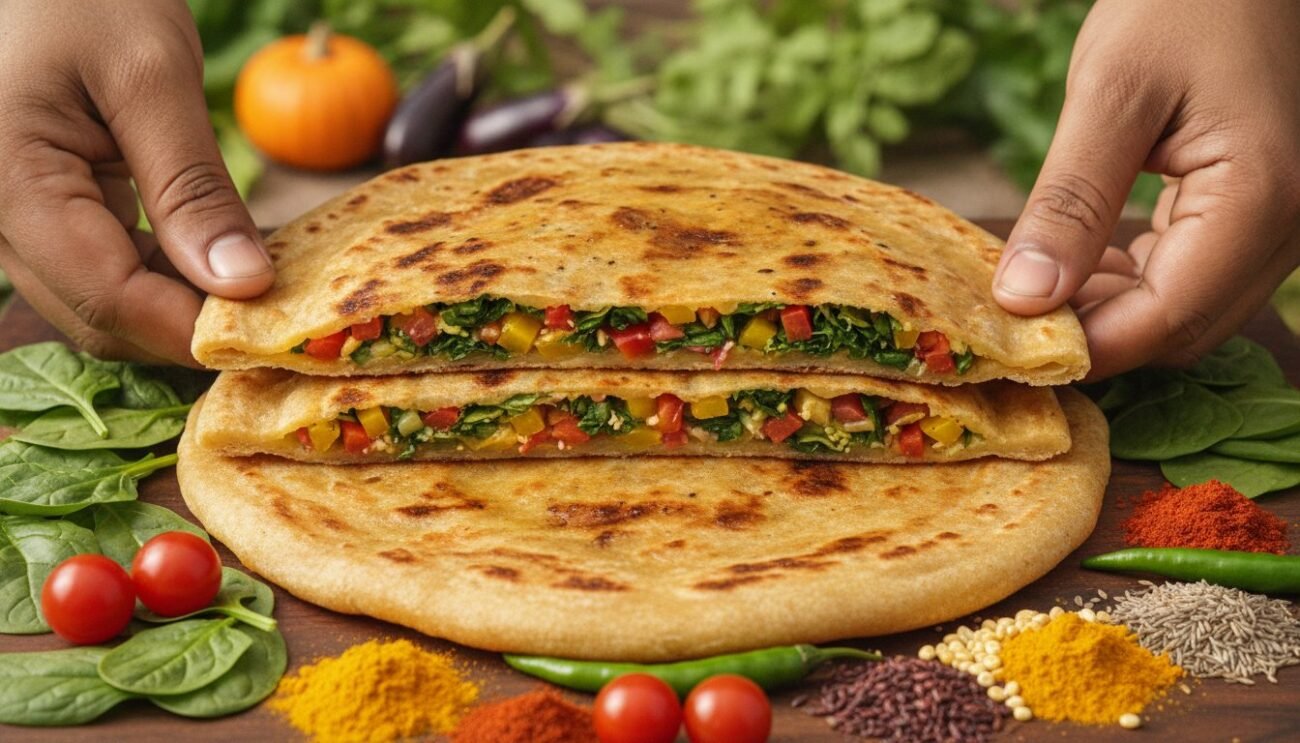
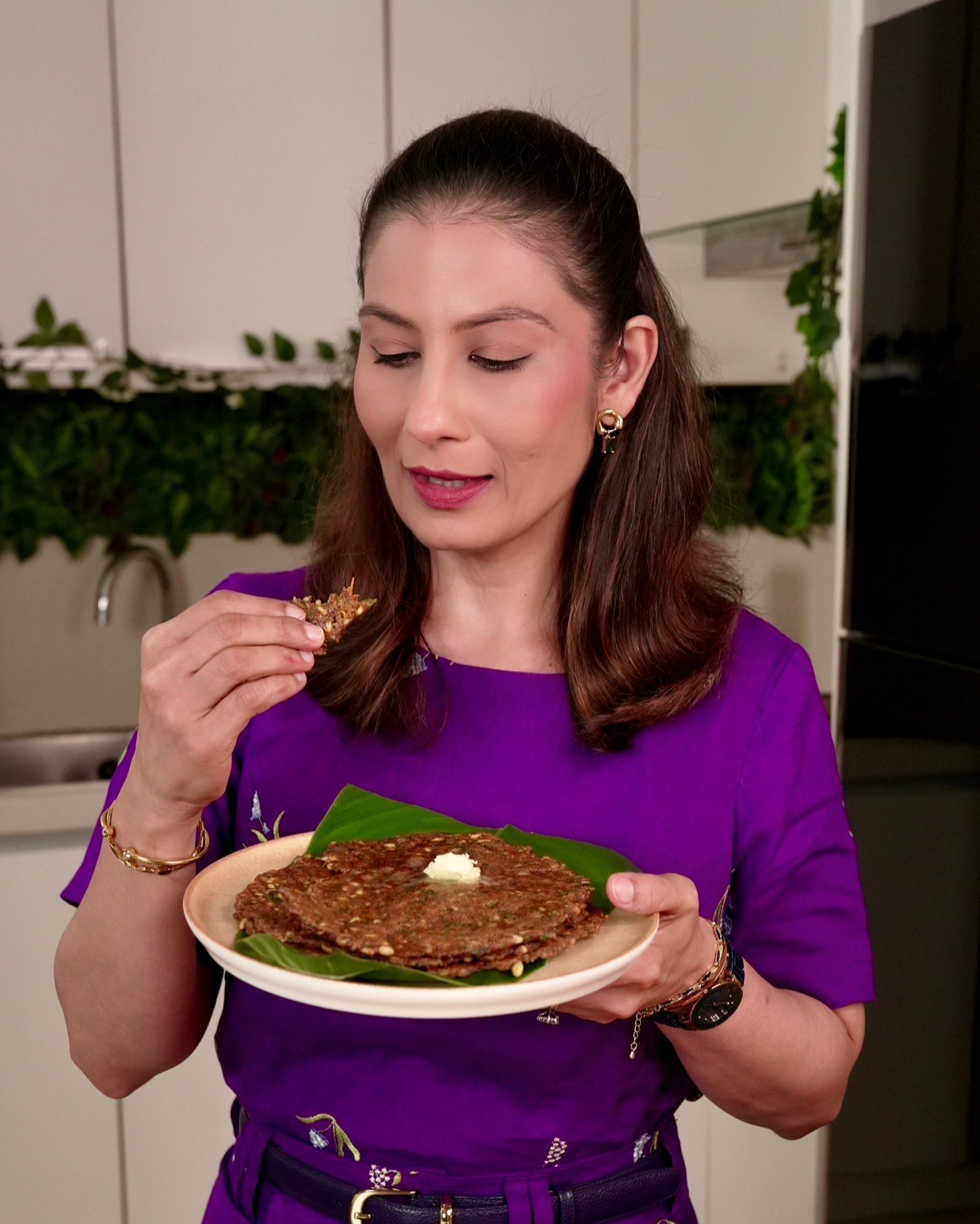
Your morning paratha doesn’t have to be a carb-heavy guilt trip or a crumbly, broken mess on your rolling board. We’ve all felt that common frustration when a delicious filling turns into a soggy disaster, or when we feel forced to toss out perfectly good leftover vegetables because we don’t know how to repurpose them effectively. It’s a culinary hurdle that often makes us choose quick convenience over real nutrition. This guide is your invitation to reclaim breakfast as a joyful, health-conscious ritual that celebrates both flavor and wellness.
I’m here to help you master the art of the Sabzi Stuffed paratha using the incredible power of ancient millets. You’ll learn exactly why certain grains like Jowar or Ragi require specific soaking times to unlock their nutrients and ensure easy digestion. I’ll share my zero-waste secrets for turning last night’s dinner into a high-protein, fiber-rich masterpiece that stays soft and intact. We’ll explore the science of dough elasticity and moisture management, giving you the confidence to create a kid-approved meal that feels like a celebration of mindful cooking in every golden-brown bite.
Key Takeaways
- Transform traditional breakfast into a wellness ritual by using ancient millets like Jowar and Ragi for better digestion and weight management.
- Stop food waste by applying professional zero-waste secrets to safely repurpose leftover evening vegetables into gourmet fillings.
- Ensure your Sabzi Stuffed paratha never breaks by mastering the “Equal Elasticity” principle and the essential “Cooling Commandment” for stuffing.
- Create a kid-approved meal that hides essential nutrients inside a soft, non-breaking crust that even the fussiest eaters will love.
- Streamline your mornings with expert meal-prep tips on semi-cooking and freezing your parathas for a fast, high-protein start to the day.
Rethinking the Sabzi Stuffed Paratha: Nutrition in Every Layer
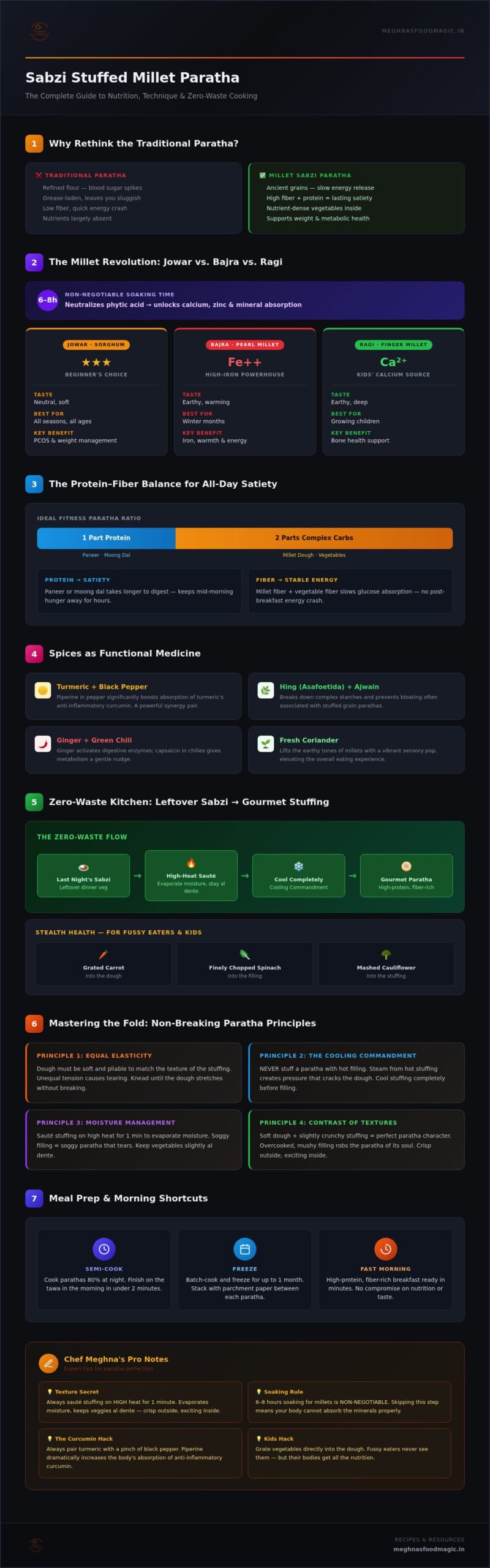
Traditional parathas often get a bad reputation for being grease-laden calorie bombs that leave you feeling sluggish. We’re flipping that narrative on its head. By reimagining the Sabzi Stuffed paratha as a vessel for ancient grains and nutrient-dense fillings, we transform it into a balanced wellness staple. It’s no longer just a meal; it’s a strategic start to your day that fuels your body without the heavy aftermath. For parents, this is the ultimate stealth health hack. Grating carrots, finely chopping spinach, or mashing cauliflower into the dough ensures that even the fussiest eaters get their daily dose of greens without a single dinner-table debate.
The magic happens when we look at the synergy of ingredients. We don’t just throw in spices for heat; we use them to make the meal work for your body. Ginger and green chilies aren’t just there for a kick. Ginger stimulates digestive enzymes, while the capsaicin in chilies can give your metabolism a gentle nudge. This thoughtful approach to cooking turns a simple breakfast into an act of self-care, proving that healthy food should always taste like a celebration.
The Protein-Fiber Balance
Satiety is the secret to a successful breakfast. When you add high-protein elements like crumbled paneer or cooked moong dal to your stuffing, you’re doing more than just adding flavor. Protein takes longer to break down, which keeps those mid-morning hunger pangs at bay. Fiber from the vegetables and millet flour slows down glucose absorption, preventing the dreaded post-breakfast energy crash. For a fitness-focused paratha, aim for a 1:2 ratio of protein to complex carbohydrates to ensure muscle recovery and sustained energy release.
Spices as Functional Medicine
Indian spices are the original functional medicine. We add Hing (Asafoetida) and Ajwain because they’re essential for breaking down complex starches and preventing the bloating often associated with stuffed grains. There’s a beautiful scientific synergy at play in my Sabzi Stuffed paratha recipes. When you pair turmeric with a pinch of black pepper in your stuffing, the piperine in the pepper increases the absorption of anti-inflammatory curcumin significantly. Fresh coriander adds a vibrant sensory pop, lifting the earthy tones of the millets and making the eating experience truly extraordinary.
Chef Meghna’s Notes
The secret to a professional-grade paratha lies in the contrast of textures. You want a dough that’s soft and pliable, but your stuffing needs a hint of bite or crunch. If your vegetables are overcooked and mushy, the paratha loses its character. Always sauté your stuffing on high heat for a minute to evaporate excess moisture while keeping the vegetables slightly al dente. This ensures your paratha stays crisp on the outside and exciting on the inside. For more ideas on how to use vegetables creatively, check out my Free Digital Recipe Database.
The Millet Revolution: Elevating Dough with Jowar, Bajra, and Ragi
While traditional recipes often rely solely on whole wheat, we’re stepping into a more vibrant, nutrient-dense space by embracing ancient grains. Millets like Jowar and Bajra aren’t just ingredients; they’re essential tools for weight loss and managing conditions like PCOS. Their complex carbohydrates release energy slowly, which prevents the sharp insulin spikes common with refined flours. When you use these grains for your Sabzi Stuffed paratha, you’re creating a meal that supports metabolic health while keeping you satisfied for hours.
Preparation is the key to unlocking these benefits. Soaking your millets for 6 to 8 hours is a non-negotiable step for optimal digestion. This simple process neutralizes phytic acid, an anti-nutrient that binds to essential minerals like calcium and zinc. By soaking, you ensure your body actually absorbs the goodness you’re putting in. It’s these small, mindful shifts that turn a routine breakfast into a powerful wellness ritual.
Jowar vs. Bajra vs. Ragi for Parathas
Choosing the right millet depends on your personal health goals and the season. Jowar (Sorghum) is my favorite all-rounder because of its neutral taste and naturally soft texture, making it perfect for beginners. Bajra (Pearl Millet) is a high-iron powerhouse that provides incredible warmth and energy during the winter months. For growing kids, Ragi (Finger Millet) is the ultimate calcium source, supporting bone health and providing a beautiful, earthy depth to the dough.
Techniques for Millet Dough Mastery
Mastering the dough requires understanding the science of ‘Millet Gluten.’ Since these grains are naturally gluten-free, we use the hot water kneading method to create pliability. The heat gelatinizes the starches in the flour, acting as a natural binder that prevents your Sabzi Stuffed paratha from crumbling. Always let your dough rest for at least 20 minutes. This allows the grains to hydrate fully, ensuring a smooth, non-cracking finish that’s a joy to roll. You can explore more millet recipes for a healthy lifestyle to see how versatile these grains can be. If you want to see these kneading techniques in action, I’ve shared plenty of visual guides on my YouTube channel.
Chef Meghna’s Notes
If you’re new to millets, don’t go 100% millet right away. Start with a 50:50 ratio of millet flour to whole wheat Atta. This gives you the nutritional benefits of the ancient grains while the wheat provides the familiar elasticity that makes rolling much easier. As you get comfortable with the hot water technique, you can gradually increase the millet proportion to 70% or even 100%. Remember, the dough should feel like soft play-dough, not sticky or dry. If it’s too sticky, add a dusting of flour; if it’s cracking, a few drops of warm water will fix it instantly.
The Zero-Waste Kitchen: Transforming Leftover Sabzi into Gourmet Stuffing
Sustainability in the kitchen is an act of creativity that turns a simple morning into a professional culinary experience. We often overlook the potential of the small portions left in our pans after dinner, yet these are the secret to a fast, flavorful breakfast. A Sabzi Stuffed paratha is more than just a quick meal; it’s a strategic approach to zero-waste kitchen management. By repurposing these ingredients, you’re not just saving time; you’re ensuring that the effort you put into last night’s dinner continues to nourish your family today.
The “Dryness Rule” is the most critical factor for success here. Moisture is the primary reason parathas break or become soggy during the rolling process. If your leftover vegetables feel even slightly damp, give them a quick toss in a hot pan for a minute or two. This evaporates residual liquids and concentrates the flavors, making your breakfast taste even more vibrant than the original dinner. It’s about respecting the ingredients and understanding how texture impacts the final result.
Which Sabzis Make the Best Stuffing?
Dry Aloo Gobhi, Bhindi, or Matar Paneer are the absolute gold standards for this technique. They have a sturdy texture that mashes easily into a consistent, spreadable paste. If you find yourself with a slightly wet sabzi, don’t worry. Stir in a tablespoon of roasted besan (gram flour) or sattu. These ingredients act as natural moisture-absorbers, providing a nutty aroma while boosting the protein content of your Sabzi Stuffed paratha. Always perform a quick safety check before you start. If the leftovers have been refrigerated for more than 48 hours or show any change in aroma, it’s better to start fresh.
Zero-Waste Flavor Boosters
Your sustainability efforts shouldn’t stop at the stuffing. If you have leftover dal, use it as the liquid base for kneading your dough instead of plain water. This creates a high-protein, Missi-style base that’s incredibly flavorful and soft. Similarly, if you’ve boiled vegetables for another dish, keep that nutrient-rich water. It’s packed with water-soluble vitamins that would otherwise go down the drain. Use it to hydrate your millet flour for an extra nutritional punch. For storage, I always recommend glass containers. They maintain flavor integrity and don’t absorb the strong spices that define Indian cooking, ensuring your leftovers stay fresh and untainted.
Chef Meghna’s Notes
Leftover vegetables often lose their “zing” after a night in the fridge. To make your stuffing taste gourmet, you need to re-season it. I like to add a fresh grating of ginger, a handful of finely chopped coriander, and a pinch of amchur (dry mango powder) or a squeeze of lime. This acidity cuts through the heaviness and makes the stuffing feel brand new. If you’re looking for more ways to be efficient and mindful in the kitchen, my Free Digital Recipe Database is full of ideas for repurposing meals without compromising on taste.
Mastering the Fold: Pro-Tips for Non-Breaking Stuffed Parathas
Rolling a Sabzi Stuffed paratha is often where home cooks feel the most anxiety. We’ve all seen a beautiful dough circle turn into a leaky, sticky mess that ruins the morning’s momentum. It’s not about luck; it’s about physics and patience. The “Cooling Commandment” is your first rule of success. Never use hot or even warm stuffing. Heat releases steam, and steam is the enemy of dough integrity. It softens the internal layer of the paratha until it simply gives way. Taking the time to let your filling reach room temperature ensures a sturdy, reliable structure every time.
Next, consider the “Equal Elasticity” principle. Your dough and your stuffing should have the same level of “give.” If you have a soft, pliable dough but a chunky, hard stuffing, the vegetables will pierce through the surface like needles. They need to move together in harmony. Use a light hand with your dusting flour. Too much makes the paratha dry and chalky, while too little leads to sticking. It’s a delicate balance that you’ll master with just a bit of practice and observation.
Step-by-Step Rolling Guide
Start by rolling a small ball of dough into a thick 3 inch circle. Create a small “well” in the center, leaving the edges slightly thinner than the middle. Place your room-temperature stuffing inside and gather the edges to seal. As you begin to roll, always apply pressure from the center toward the edges. This ensures the filling spreads evenly rather than staying clumped in a single spot. If a small tear appears, don’t panic. Use a tiny pinch of dry dough as a “patchwork” fix. Press it over the hole and continue rolling gently to seal the gap.
Cooking for the Perfect Crunch
Your tawa needs to be medium-hot before the paratha touches it. If it’s too cold, the dough becomes chewy and hard. If it’s too hot, the outside burns before the inside is properly heated. Ghee is the traditional choice for that nostalgic, nutty aroma, but a high-quality oil works well for a lighter daily option. For a modern, health-conscious twist, you can learn how to use an air fryer for crispy, oil-free parathas. This method gives you that satisfying crunch with a fraction of the fat, making it perfect for fitness enthusiasts.
Chef Meghna’s Notes
For beginners, I highly recommend the “Double Disc” method over the traditional pouch. Roll two small, thin rotis, place the stuffing on one, cover with the other, and seal the edges firmly. It’s much easier than the “Potli” method where you gather the dough at the top. The “Potli” method is great once you’ve mastered dough elasticity, but the Double Disc ensures an even distribution of your Sabzi Stuffed paratha filling with much less risk of a blowout. It’s my favorite way to ensure success for anyone just starting their paratha journey.
The Meghna Experience: Pairings, Storage, and Community
A perfectly cooked Sabzi Stuffed paratha is a triumph, but the magic truly comes alive through the pairings and the rituals that surround the meal. We don’t just eat for fuel; we eat for harmony. Serving your paratha with a bowl of fresh, homemade curd provides essential probiotics that assist your gut in processing the complex fibers of the millet-based dough we perfected in earlier steps. Fermented chutneys add a zingy acidity that cuts through the richness of the ghee, making each bite feel balanced and light. This isn’t just about taste. It’s about creating a digestive environment where your body can actually use the nutrients you’ve carefully packed inside.
Busy mornings shouldn’t mean sacrificing your wellness goals. You can easily meal prep these parathas by semi-cooking them. Simply cook the paratha for about 30 seconds on each side without oil until it just starts to change color. Once cooled, stack them with parchment paper in between and freeze. When you’re ready for breakfast, just pop one onto a hot tawa with a little ghee. It’ll taste just as fresh as the day you rolled it. To round off the experience, a small piece of jaggery-based cake from my ‘Cake Therapy’ collection provides a mindful sweet finish that satisfies the soul without the refined sugar crash.
Tiffin and Travel Tips
Packing for a long day requires a specific strategy to maintain that soft, melt-in-the-mouth texture. Many people reach for aluminum foil, but this actually traps steam and makes the crust soggy. Wrapping your Sabzi Stuffed paratha in a clean cotton cloth before placing it in a container allows it to breathe while retaining just enough moisture to stay soft for over 6 hours. This is a game-changer for office lunches or school breaks. You can find more Kids Tiffin recipe ideas on my YouTube channel to keep your little ones excited about their vegetables.
Join the Food Magic Community
Cooking is a shared journey of discovery and innovation. When you share your zero-waste creations with our community, you inspire others to rethink their kitchen habits and embrace sustainability. My platform is a space for redefining healthy Indian cooking for your modern home, blending tradition with modern nutritional science. You can access my free recipe database with over 1000 ideas to ensure your kitchen remains a place of joy and health every single day. Let’s make wellness a celebration together.
Chef Meghna’s Notes
My absolute favorite companion for a stuffed paratha is a quick garlic-mint chutney. Blend fresh mint, coriander, two cloves of garlic, a green chili, and a splash of lemon juice. The coolness of the mint and the pungency of the garlic act as a palate cleanser. It’s the perfect way to elevate the earthy flavors of Jowar or Bajra. If you’re looking for more ways to transform your daily meals, don’t forget to check out my full collection of chutneys and sides on the website. Successful cooking is all about these small, flavorful details that bring a smile to your face.
Transform Your Mornings with Culinary Magic
By embracing the ancient wisdom of millets and the practical art of zero-waste cooking, you’ve now unlocked a breakfast that nourishes your body and respects your time. These techniques turn a simple meal into a powerful tool for weight loss and sustained energy, ensuring you never have to choose between health and flavor again. Mastering the Sabzi Stuffed paratha is truly an act of culinary therapy that brings harmony and excitement back to your morning routine.
My specialized focus on millet nutrition and fitness-oriented meals is trusted by millions of home cooks around the world. With over 1000 free digital recipes designed for the modern home, you have access to a wealth of inspiration that makes healthy living feel like a daily celebration. Whether you’re feeding picky eaters or fueling a workout, these resources are here to ensure your success.
Go ahead and fire up that tawa with newfound confidence. Your journey toward a more vibrant, health-conscious kitchen starts with this very first fold. I can’t wait to see the magic you create for yourself and your family.
Frequently Asked Questions
How do I prevent my sabzi stuffed paratha from breaking while rolling?
The most effective way to prevent breaking is to ensure your stuffing is completely dry and at room temperature before you begin. If the filling is even slightly warm, it releases steam that softens the dough from the inside, causing it to tear. Additionally, you should aim to match the softness of your dough to the consistency of your stuffing so they move together under the rolling pin.
Can I make stuffed parathas with 100% millet flour like Jowar or Bajra?
Yes, you can certainly use 100% millet flour by employing the hot water kneading technique to create the necessary binding. Since millets are naturally gluten-free, boiling water helps gelatinize the starches, which gives the dough the pliability needed for rolling. If you’re a beginner, starting with a 50:50 ratio of millet to whole wheat can make the process much more manageable while you master the texture.
Is it healthy to eat stuffed parathas for weight loss every day?
Eating a Sabzi Stuffed paratha daily can be a highly effective part of a weight loss journey when you prioritize fiber-rich millets and nutrient-dense vegetable fillings. By using grains like Jowar or Ragi, you benefit from a lower glycemic index that keeps you satiated for longer periods. Just be mindful of the amount of fat used during cooking; opting for a light brush of ghee or using an air fryer keeps the calorie count in check.
How can I use leftover wet sabzi (like gravy) for stuffing?
You can transform wet sabzi into a perfect stuffing by sautéing it on high heat until the moisture completely evaporates. If the mixture still feels a bit loose, stirring in a tablespoon of roasted besan or sattu will absorb residual liquids instantly. This not only prevents your paratha from becoming soggy but also adds a lovely nutty flavor and an extra boost of vegetarian protein to your breakfast.
What is the best way to reheat stuffed parathas without them becoming chewy?
Reheating on a preheated tawa over a medium flame is the best method to maintain a crisp exterior and soft interior. Microwaves tend to make the dough rubbery and chewy because they agitate the moisture trapped inside the filling. A quick minute on each side on the stovetop restores the original texture and ensures your meal tastes as fresh as when it was first made.
Can I make these parathas in an air fryer to save on calories?
Absolutely, using an air fryer is a brilliant modern hack for creating crispy, oil-free parathas that are perfect for fitness enthusiasts. Simply preheat your air fryer to 180°C and cook the paratha for 3 to 5 minutes until golden brown. This method provides that satisfying crunch we all love while significantly reducing the overall fat content of your morning meal.
How long can I store stuffed paratha dough in the fridge?
You can safely store plain millet or wheat dough in an airtight glass container for up to 2 days. It’s best not to store the dough with the stuffing already inside, as the vegetables will inevitably release moisture over time. For the best results, keep your dough and your dry Sabzi Stuffed paratha filling in separate containers and assemble them just before you’re ready to cook.
What are the best high-protein vegetarian fillings for parathas?
Crumbled paneer, mashed tofu, and well-cooked moong dal are excellent high-protein choices that provide a sturdy base for stuffing. These ingredients are fantastic because they mash into a smooth consistency that spreads evenly during the rolling process. Pairing these proteins with finely chopped leafy greens like spinach or fenugreek increases the fiber content, making your breakfast a complete, balanced powerhouse of nutrition.
Disclaimer
This is a recipe food blog page and not nutrition or doctor and hence do not claim to cure any illness. If you have specific health issues please consult a qualified doctor or certified nutritionist.
I do consult experts, research Internet and at times seek help from Gemini to collect relevant information to put together some of these blogs.

