
Parvar Nu Shak: The Ultimate Tiffin Sabzi
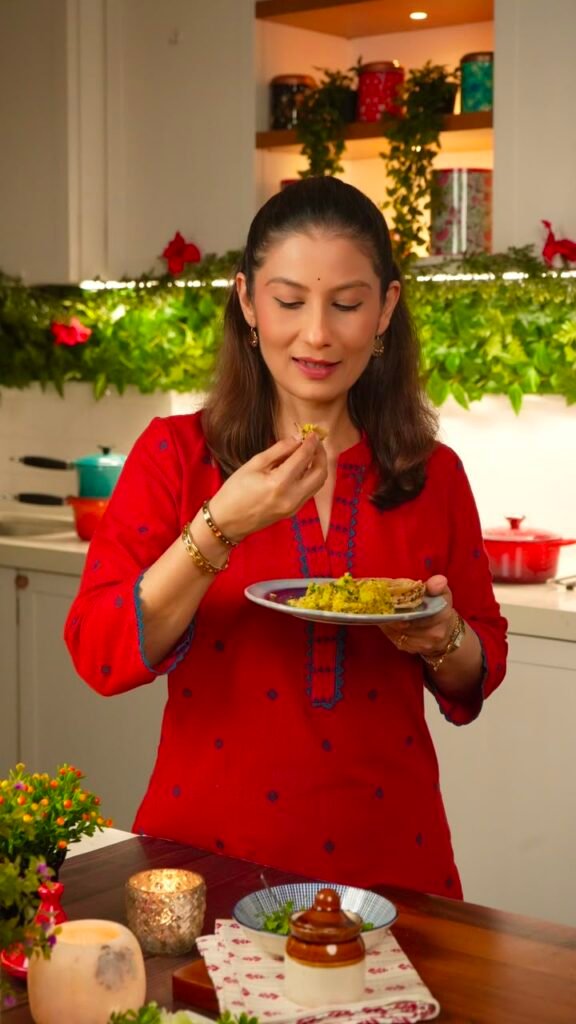
You will never complain about boring tiffin boxes again once you make this! If you are tired of eating the same mundane vegetables every single week, you are exactly where you need to be. Here in Mumbai, when the heavy monsoon hits and the cravings for comforting, home-cooked food peak, this Parvar Nu Coconut Peanut Masala Valu Shak is my ultimate go-to recipe. Pointed gourd, or Parvar, is one of those vegetables that people often shy away from, but I promise you, once it is coated in this rich, nutty, aromatic masala, your entire family will be asking for second helpings.
I developed this recipe specifically with lunchboxes in mind. We all know the struggle of opening a tiffin box hours after the food was cooked, only to find the sabzi looking dull and lacking flavour. By using Fortune Kapasia Oil, the food retains its moisture and stays incredibly fresh for a longer period, making it the perfect travel or office companion. The magic truly lies in the masala blend—freshly grated coconut provides a beautiful sweetness, roasted peanuts add an irresistible crunch and earthy depth, and the white sesame seeds give a nutty warmth that ties everything together perfectly.
When Kangna was taking the step-by-step photos for this recipe (check out #ShotByKangna on my socials), the aroma of the roasted peanut powder and fresh coriander mixing with the ginger-green chilli paste was making our mouths water before the cooking even finished. In this comprehensive guide, I am going to walk you through every single step to achieve the perfect texture, share my favourite zero-waste kitchen ideas to ensure nothing goes to the bin, and break down the incredible nutritional science behind every ingredient in this beautiful Gujarati dish.
Why You Will Love This Recipe
Traditional Gujarati food is all about balance—the perfect harmony of spicy, sweet, and salty. This dish captures that essence flawlessly. The slight bitterness of the mustard seeds, the heat from the fresh green chillies, and the subtle sweetness from the sugar and fresh coconut create a flavour profile that is deeply satisfying.
Furthermore, this recipe is incredibly forgiving and approachable. Unlike complicated gravies that require hours of simmering, this is a dry sabzi that comes together quickly on a busy weekday morning. The method of half-cooking the Parvar before adding the masala ensures that your vegetables are tender without turning mushy, and your coconut-peanut masala gets gently toasted without burning at the bottom of the kadai.
Ingredients List
Here is exactly what you need to create this comforting everyday sabzi:
* 500 gm Parvar (Pointed Gourd – peeled, deseeded, and cut into big pieces)
* 1 cup fresh shredded coconut
* 1/2 cup fresh coriander, finely chopped
* 1/4 cup coarsely ground roasted peanut powder
* 3 tbsp white sesame seeds
* 2 tsp dhania (coriander) powder
* 1/2 tsp garam masala
* Ginger and green chilli paste (made fresh from a small piece of ginger and 3-4 green chillies)
* Salt to taste
* 1 tsp sugar
* 2 tbsp oil (I prefer Fortune Kapasia Oil for freshness)
* 1 tsp mustard seeds
* 1/2 tsp hing (asafoetida)
* 1/2 tsp turmeric powder
* Water (just a few splashes for sprinkling)
* Fresh coriander (extra, for garnish)
Creative Ingredient Substitutes & Alternatives
I always want you to feel confident making my recipes, even if you are missing a specific item in your pantry. Here are some excellent alternatives:
* Parvar Substitute: If you absolutely cannot find Parvar (Pointed Gourd) in your local market, this exact same masala works wonders with Tindora (Ivy Gourd), small eggplants (Baingan), or even Bhindi (Okra).
* Fresh Coconut Alternative: While fresh shredded coconut provides the best moisture and authentic taste, you can use desiccated coconut in a pinch. Just soak it in two tablespoons of warm water for ten minutes before mixing it into the masala to rehydrate it.
* Nut-Free Option: If you have peanut allergies in the family, swap the roasted peanut powder for roasted sunflower seed powder or roasted almond flour. You will still get that beautiful nutty texture and protein boost.
* Sugar Alternatives: If you want to avoid refined sugar, a small piece of grated jaggery (gud) is the traditional and healthier alternative that pairs beautifully with Gujarati flavours.
My Zero-Waste Kitchen Ideas for This Recipe
We must look at every ingredient with love and use it completely. Here is how you can ensure zero waste when making this dish:
* Parvar Peels and Seeds: Do not throw the thick peels away! Wash the Parvar thoroughly before peeling. You can save these peels, finely chop them, and sauté them with a little oil, cumin seeds, and turmeric for a crunchy, high-fiber side dish known as “chhilka sabzi”. If the seeds are tender (not hard and black), they can be blended into soups for extra texture.
* Coriander Stems: I see so many people throwing away the thick stems of fresh coriander. The stems actually pack more concentrated flavour and essential oils than the leaves! Finely chop the stems and add them to the ginger-green chilli paste before grinding.
* Coconut Shells: If you are buying a whole fresh coconut and cracking it at home, save the hard outer shells. They make fantastic, natural, biodegradable planters for small succulents or herbs in your kitchen window.
Step-by-Step Recipe Instructions
Let’s get cooking! Follow these detailed steps for the perfect sabzi.
Step 1: Prepare the Vegetables
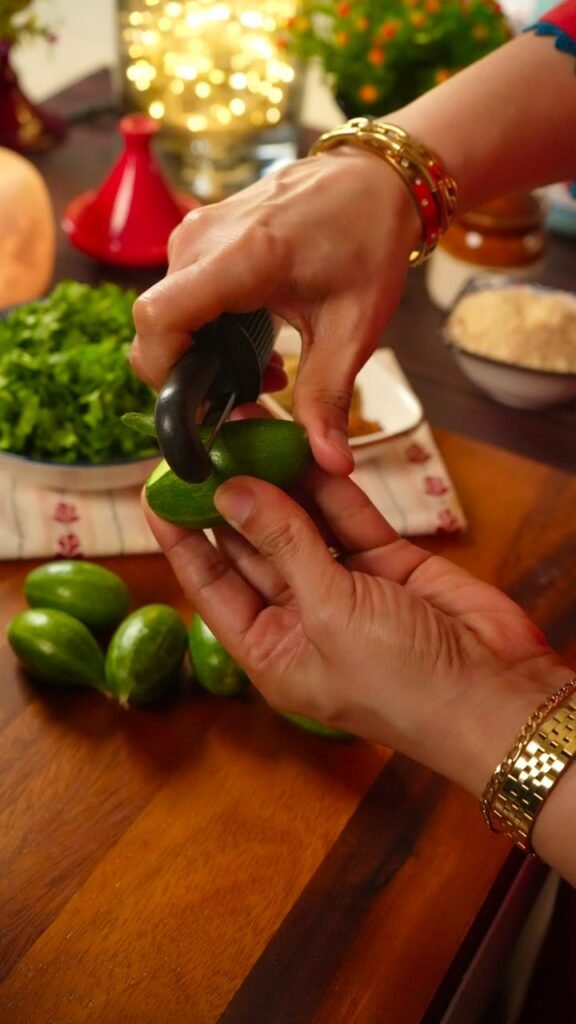
Wash the Parvar thoroughly. Peel the skin lightly, slice them in half, and scoop out the hard seeds if they are very mature. Cut them into thick, bite-sized pieces. You want them chunky so they hold their shape during cooking.
Step 2: Create the Magic Masala Base
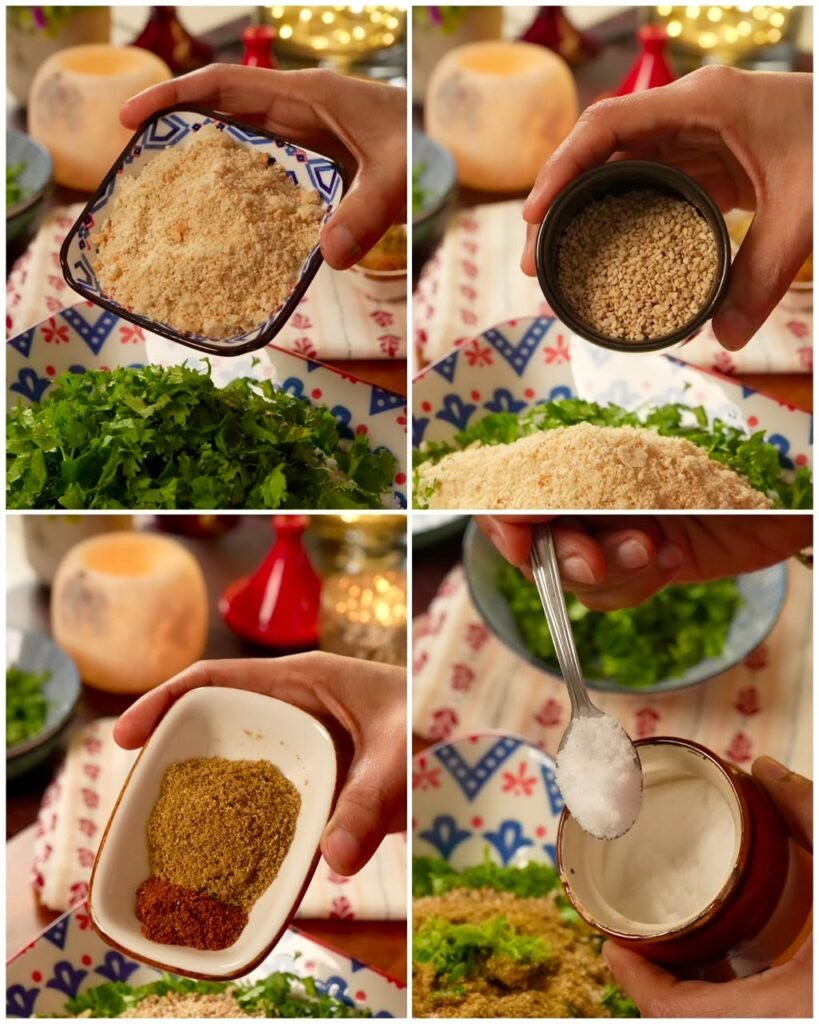
In a large mixing bowl, add your 1 cup of fresh shredded coconut, 1/2 cup of finely chopped coriander, 1/4 cup of coarsely ground roasted peanut powder, and 3 tbsp of white sesame seeds.
Step 3: Spice the Masala
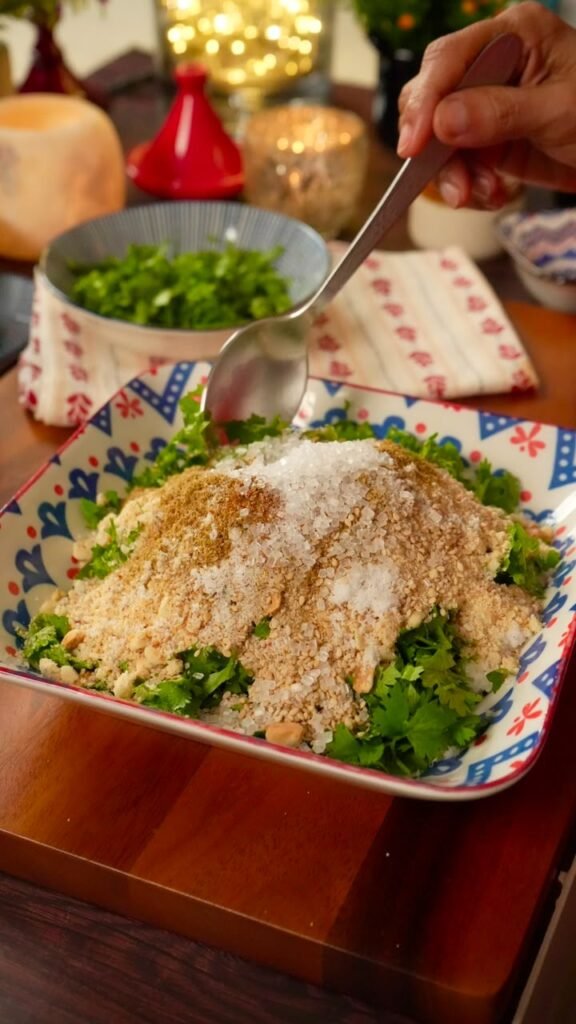
To the same bowl, add 2 tsp dhania powder, 1/2 tsp garam masala, your freshly pounded ginger and green chilli paste, salt to taste, and 1 tsp of sugar. Use your hands to mix everything thoroughly. Rubbing the mixture with your fingers helps the oils from the coconut and sesame seeds release, binding the masala together slightly. Set this prepared masala aside.
Step 4: Temper the Spices
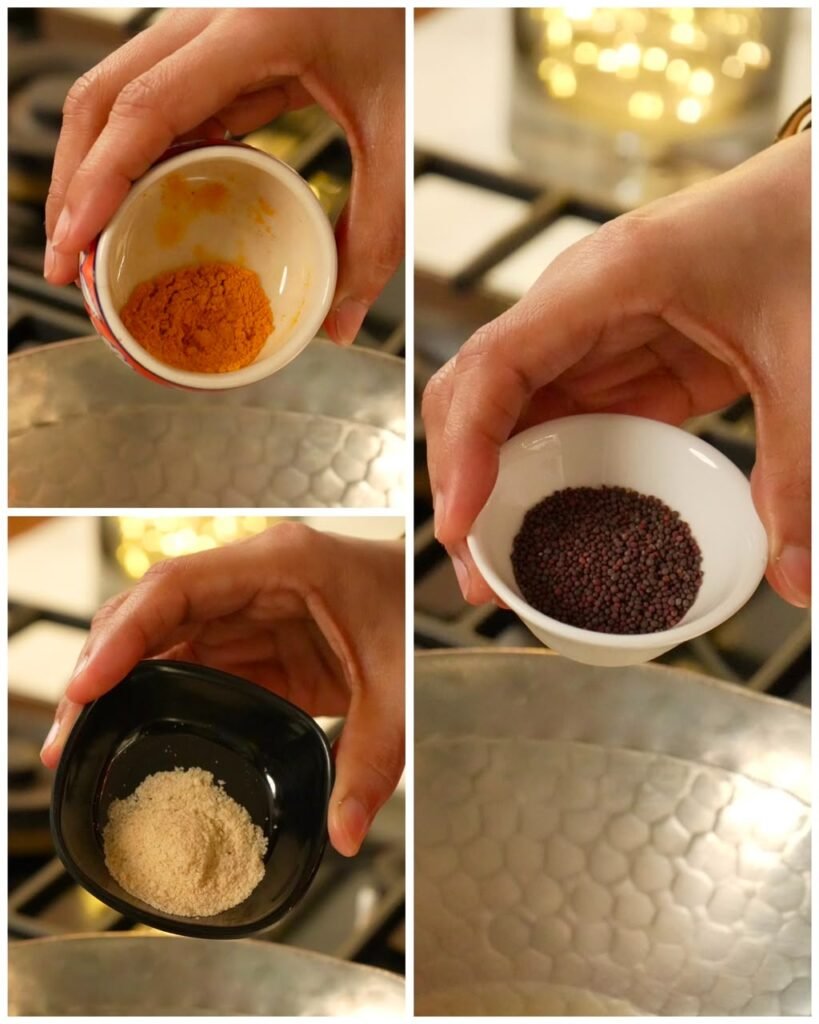
Heat 2 tbsp of oil (like Fortune Kapasia Oil) in a heavy-bottomed kadai over a medium flame. Once the oil is hot, add 1 tsp of mustard seeds. Wait for them to crackle and pop fully—this is crucial for the flavour. Then, quickly add 1/2 tsp hing (asafoetida) and 1/2 tsp turmeric powder.
Step 5: Cook the Parvar Halfway
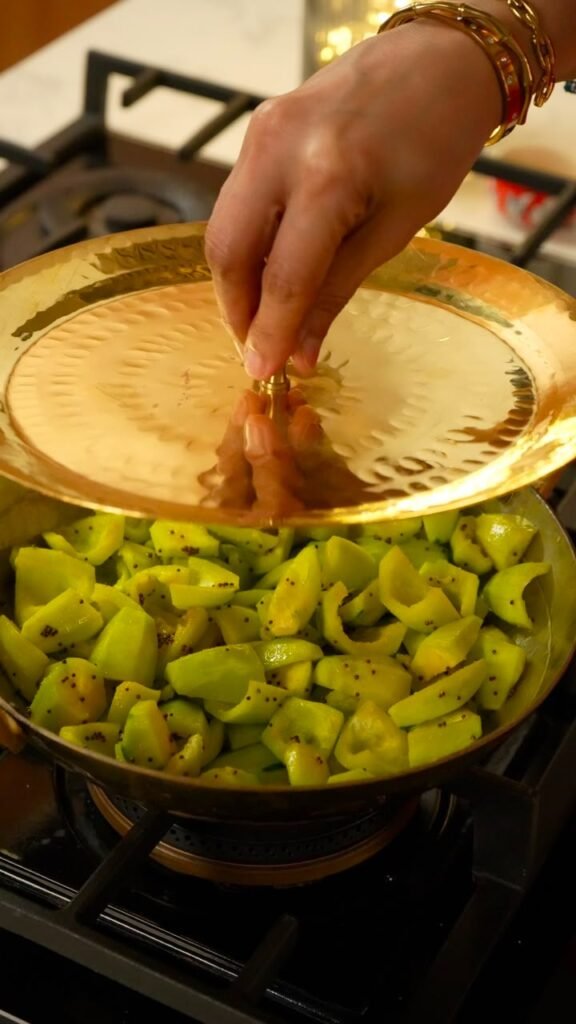
Immediately add the chopped Parvar to the kadai. Toss the vegetable well so every piece is coated in the beautifully yellow, fragrant oil. Sprinkle just a little water (about 1-2 tablespoons) into the pan. Cover the kadai with a tight-fitting lid. Let the Parvar cook on a medium flame for about 7 to 8 minutes, stirring once in between, until it is about 50% cooked (tender on the outside, still slightly firm inside).
Step 6: Incorporate the Masala
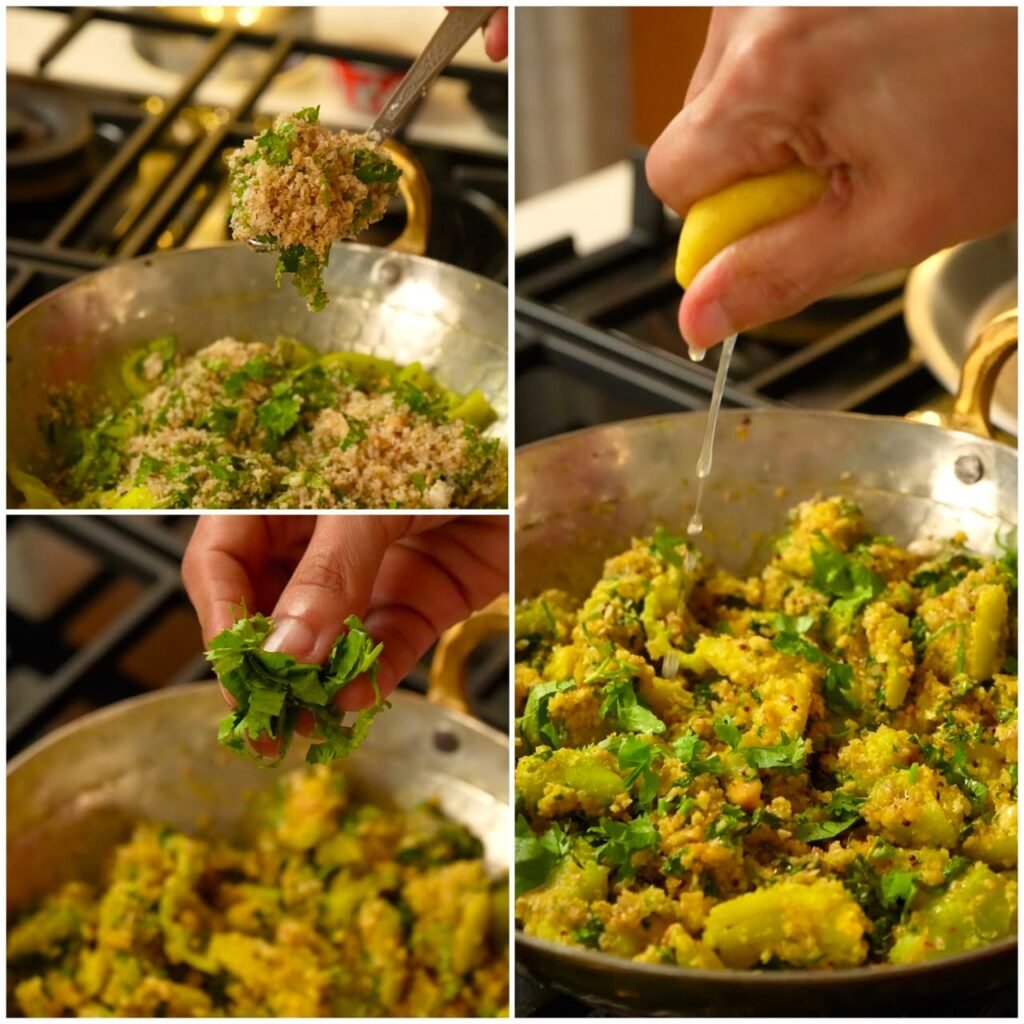
Once the Parvar is halfway cooked, open the lid and add the entire prepared coconut-peanut masala mixture into the pan. Mix it gently. You want the masala to coat the vegetables without breaking the Parvar pieces.
Step 7: Final Steaming
Cover the pan again with the lid. If the sabzi looks too dry, sprinkle another tiny splash of water. Let the sabzi cook on a slow to medium flame for an additional 5-7 minutes. This gentle steaming allows the raw edge of the masala to cook out, and the Parvar will absorb the sweet, nutty, spicy flavours completely.

Step 8: Garnish and Serve
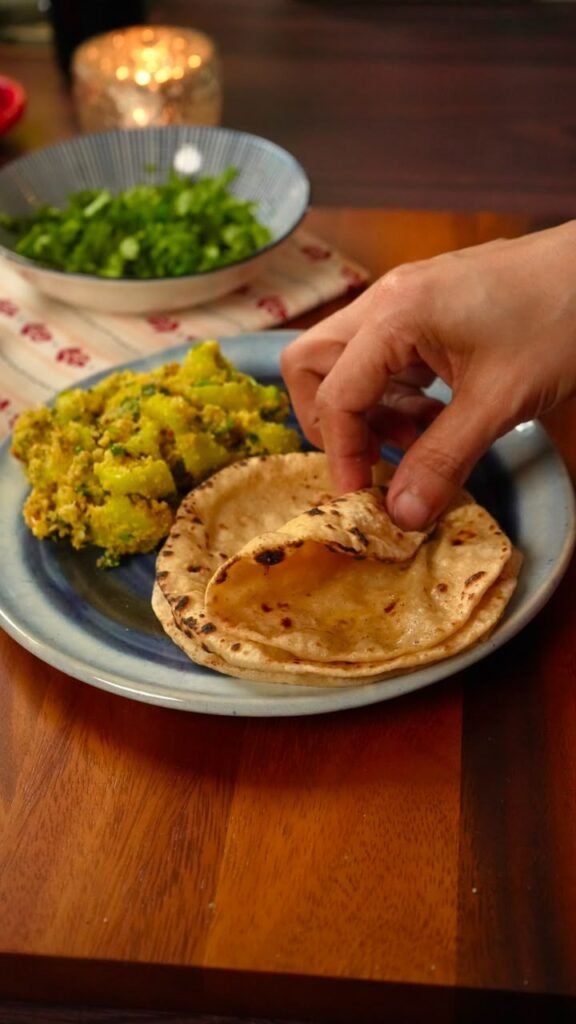
Turn off the flame. Garnish with a little more fresh chopped coriander. Serve this incredibly comforting sabzi warm with soft phulkas, parathas, or alongside a comforting bowl of dal rice.
Deep Dive: Nutritional Value of Each Ingredient
Food is our natural medicine. Every single ingredient in this Gujarati sabzi provides exceptional health benefits. Let’s break down exactly what you are feeding your body and look at the estimated macronutrients based on standard raw ingredients.
Parvar (Pointed Gourd – 500g)
* Health Benefits: Parvar is highly regarded in Ayurveda for its cooling properties and its ability to purify the blood. It is exceptionally low in calories and fat, making it great for weight management. It is a fantastic source of Vitamin A, Vitamin C, and vital minerals like potassium and copper, which aid in digestion and boost immunity.
* Nutrition: Approximately 100 calories, 4g protein, 18g carbohydrates, 15g fiber, 1g fat. (It is a fiber powerhouse!)
Fresh Shredded Coconut (1 cup / approx. 80g)
* Health Benefits: Fresh coconut meat is rich in medium-chain triglycerides (MCTs), a type of healthy fat that your body absorbs easily and burns for immediate energy rather than storing it. It is also packed with manganese, which is essential for bone health and the metabolism of carbohydrates.
* Nutrition: Approximately 283 calories, 2.6g protein, 12g carbohydrates, 7g fiber, 26g healthy fats.
Roasted Peanut Powder (1/4 cup / approx. 35g)
* Health Benefits: Peanuts are an incredible source of plant-based protein. They are loaded with heart-healthy monounsaturated fats, Vitamin E (a powerful antioxidant for glowing skin), and folate. Roasting them enhances their nutrient availability and deepens the flavour.
* Nutrition: Approximately 200 calories, 9g protein, 6g carbohydrates, 3g fibre, 17g fat.
White Sesame Seeds (3 tbsp / approx. 27g)
* Health Benefits: Do not underestimate these tiny seeds! Sesame seeds are one of the best non-dairy sources of calcium, vital for strong bones. They are also rich in iron, zinc, and lignans (plant compounds that have been shown to help lower cholesterol).
* Nutrition: Approximately 156 calories, 5g protein, 6g carbohydrates, 3 g fibre, 13g fat.
Ginger & Green Chilli Paste
* Health Benefits: Ginger contains gingerol, a substance with powerful anti-inflammatory and antioxidant properties that aids digestion and reduces nausea. Green chillies are loaded with capsaicin, which can boost your metabolism, and they are incredibly rich in Vitamin C.
* Nutrition: Negligible calories, but very high in functional micronutrients.
Spices (Turmeric, Cumin/Dhania Powder, Mustard Seeds, Hing)
* Health Benefits: Turmeric is the ultimate anti-inflammatory spice due to its active compound, curcumin. Mustard seeds stimulate digestion and are rich in selenium. Asafoetida (hing) is used in Indian cooking to prevent bloating and aid in the digestion of complex proteins and fibres.
Kapasia Oil (Cottonseed Oil – 2 tbsp / approx. 28g)
* Health Benefits: Kapasia oil has a high smoke point, making it excellent for Indian cooking. It is naturally rich in Vitamin E, an antioxidant that helps fight free radicals, and it contains zero cholesterol.
* Nutrition: 240 calories, 0g protein, 0g carbohydrates, 0g fibre, 28g fat.
Total Nutritional Profile: The Final Calculation
This recipe yields 4 generous servings. When we calculate the sum of these incredible, wholesome ingredients, here is the nutritional breakdown you can expect.
* Total Nutritional Value of the Entire Dish:
* Calories: 980 kcal
* Protein: 21g
* Carbohydrates: 42g
* Dietary Fiber: 28g
* Fat: 85g (Predominantly healthy, plant-based fats from coconut, sesame, and peanuts)
* Nutritional Value Per Serving (Assuming 4 Servings):
* Calories: 245 kcal
* Protein: 5.2g
* Carbohydrates: 10.5g
* Dietary Fiber: 7g
* Fat: 21.2g
The Verdict: This sabzi is a nutritional triumph. With 7 grams of dietary fiber per serving, it promotes excellent gut health and keeps you feeling full for a long time. The high healthy fat content from the coconut and peanuts provides sustained energy, making it the perfect midday meal for your lunchbox to prevent the afternoon slump.
I hope this breakdown inspires you to look at everyday vegetables like Parvar with a new perspective. By combining traditional cooking techniques with an understanding of nutritional science, we can create meals that are incredibly delicious and deeply nourishing for our bodies.
Enjoy your monsoon cooking, and happy tiffin
Packing!
Chef Meghna

