
Intermittent Fasting: Professional Guide for Weight Loss
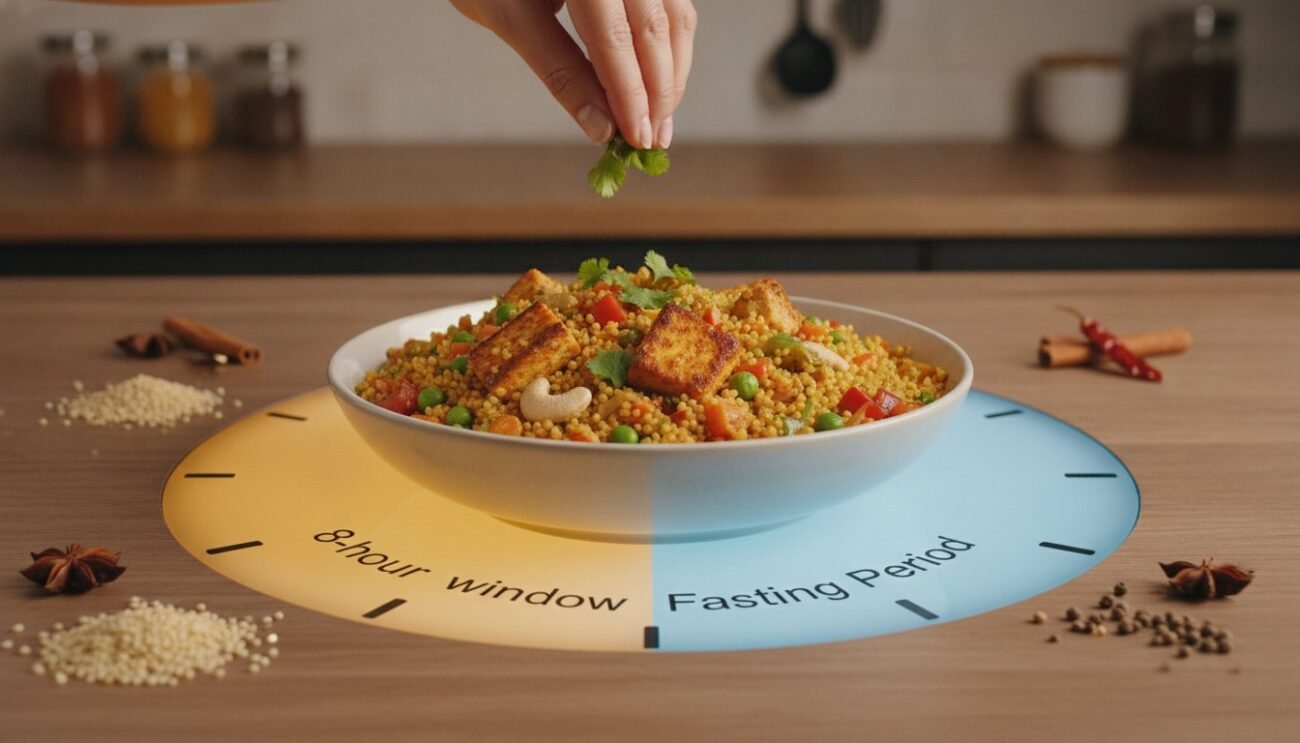

What if the secret to a flatter stomach and boundless energy wasn’t about eating less, but about timing your favorite traditional Indian meals just right? You’ve likely heard that intermittent fasting is now the third most popular diet globally as of 2026, yet many people in India still struggle with the transition. It’s frustrating to feel weak during your fast or deal with painful bloating from poorly cooked grains. You want to lose weight, but you don’t want to give up the joy of a hearty, home-cooked meal.
I understand that finding high-protein vegetarian options that actually keep you full can feel like an uphill battle. That’s why this guide is designed to help you master intermittent fasting using the power of Indian superfoods like millets. You’ll discover how to structure your eating window to maximize metabolic switching and cellular repair. We will dive into professional tips for soaking grains to improve digestion and share high-protein recipes that make your weight loss journey delicious. Get ready to transform your health with a plan that prioritizes flavor and sustainable energy over restriction.
Key Takeaways
- Unlock the science behind metabolic switching and how timing your meals can naturally trigger fat burning and deep cellular repair.
- Navigate the most effective protocols, from the popular 16:8 method to the flexible 14:10 schedule designed for busy working mothers.
- Master your eating window with high-protein vegetarian meals and slow-release millets that make intermittent fasting feel effortless and satisfying.
- Say goodbye to bloating by incorporating fermented superfoods and specialized hydration tips that keep your energy levels soaring all day.
- Learn the art of Cake Therapy to ensure your fitness journey remains a joyful, sustainable lifestyle rather than a restrictive diet.
What is Intermittent Fasting? The Magic of Intervals in the Indian Lifestyle
Intermittent fasting isn’t just another restrictive diet where you’re forced to count every single calorie or weigh every leaf of spinach. Instead, think of it as a beautiful, rhythmic pattern of eating that aligns perfectly with your body’s natural clock. At its core, What is Intermittent Fasting? refers to a cycle between periods of eating and fasting, prioritizing the timing of your meals over the specific foods you consume. It’s a lifestyle shift that moves away from constant grazing and toward intentional, nourishing intervals.
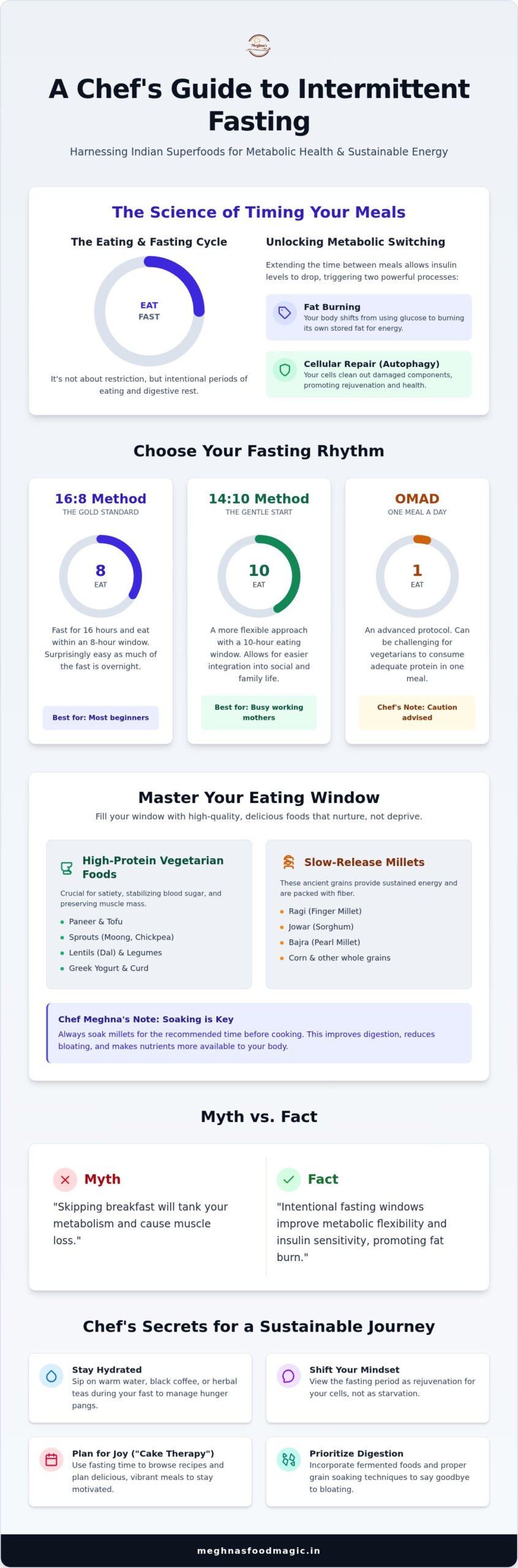
The science behind this approach is actually quite simple and empowering. When you eat, your body releases insulin to process sugars. If you snack throughout the day, your insulin levels remain constantly elevated, which signals your body to store fat rather than burn it. By extending the gap between your last meal of the day and your first meal of the next, you allow insulin to drop low enough to trigger fat burning and cellular repair. This metabolic switch is where the real magic happens, especially when we lean into our Indian roots. The traditional practice of “Vrat” or ritual fasting was always ahead of its time; it recognized that a rested digestive system leads to a vibrant, energetic life. My “Food Magic” philosophy focuses on filling your eating window with high-quality, delicious ingredients that make you feel nurtured rather than deprived.
Chef Meghna’s Notes: The Mindset Shift
The biggest hurdle isn’t your stomach; it’s your mind. You have to stop viewing the fasting period as “starvation” and start seeing it as a celebratory interval for your cells to rejuvenate. During the first three days, your body might protest with a bit of hunger as it adjusts. My professional tip is to stay ahead of it with constant hydration. Sip on warm water, black coffee, or plain herbal teas to keep your palate busy. This is where “Culinary Therapy” comes in. Spend your fasting time browsing meghnasfoodmagic.in to plan the vibrant, colorful meals you’ll enjoy later. It keeps the excitement alive and ensures you don’t reach for processed snacks when the window finally opens.
Breaking the Myths: Skipping Breakfast vs. Skipping Health
Many people worry that skipping a traditional 8 AM breakfast will tank their metabolism or cause muscle loss. Research actually shows that intentional fasting windows can improve metabolic flexibility and insulin sensitivity. There’s a massive difference between “eating light” and following a structured fasting window. Eating light often keeps you in a state of low-level hunger and high insulin. In contrast, an intentional window gives your body a clear signal to use its own energy stores. Intermittent fasting is not about deprivation, but about giving your digestive system the space to perform its natural magic.
Choosing Your Fasting Protocol: The 16:8 Method and Beyond
Finding the right rhythm for intermittent fasting is the most exciting part of this journey. You don’t have to follow a rigid schedule that makes you miserable; instead, you can pick a protocol that fits your life beautifully. Understanding how intermittent fasting works through metabolic switching helps you realize that even a small shift in timing can yield big results. For most beginners, the 16:8 method is the gold standard. It involves fasting for 16 hours and eating during an 8-hour window. It’s surprisingly easy once you realize that about 8 of those fasting hours happen while you’re asleep!
If you’re a busy working mother managing a household, the 14:10 protocol might be your best friend. This gentler start allows for a 10-hour eating window, making it much easier to balance school runs, office meetings, and family breakfast. On the other end of the spectrum is OMAD (One Meal A Day). While it’s popular, I often caution my vegetarian friends about it. Getting enough high-quality protein in just one sitting can be a challenge on an Indian vegetarian diet. It’s much better to have two nutrient-dense meals that truly satisfy you and keep your energy levels soaring.
Step-by-Step: Setting Up Your First 16:8 Week
Start by choosing a window that aligns with your family’s routine. An 11 AM to 7 PM window works beautifully for many Indian homes, allowing you to enjoy a late lunch and an early dinner with your loved ones. Your first meal, or your ‘Break-Fast’, should always be protein-heavy to stabilize your blood sugar. Think of a sprout salad or a paneer-stuffed chilla to keep you full. If you’re feeling stuck for ideas, you can always check out the Get Fit With Meghna YouTube series for daily inspiration and visual guides on how to plate your window perfectly.
Chef Meghna’s Notes: Troubleshooting Your Window
Life happens, and sometimes a late-night wedding or a social dinner will pop up. Don’t panic! You can simply shift your window for that day or start your fast a bit later the next morning. If you’re struggling with late-night cravings, try substituting heavy snacks with a warm herbal infusion like cumin-coriander tea. It’s all about making the process joyful and sustainable. You can safely adjust your window occasionally without breaking the magic, as long as you return to your rhythm the next day. Consistency is your superpower, but flexibility is your sanity.
Fueling the Window: High-Protein and Millet-Based Nutrition
Breaking your fast is a moment of celebration for your body. Research on the health benefits of intermittent fasting highlights how metabolic switching improves longevity and insulin sensitivity, but the quality of your first meal determines your energy levels for the rest of the day. If you open your window with simple carbohydrates, you’ll likely experience a sugar crash and intense hunger within an hour. Instead, focus on satiety by making protein the hero of your plate. A well-balanced vegetarian Indian thali should move beyond just a bowl of dal; it needs to incorporate diverse protein sources like curd, paneer, and sprouts to keep you feeling full and focused.
My High-Protein Moong Dal Chilla with Paneer Stuffing is a fantastic way to open your eating window. The yellow moong dal provides a light yet protein-rich base, while the spiced paneer stuffing adds the necessary fat and texture to satisfy your palate. When you combine these with traditional grains, you create a powerhouse of nutrition that supports sustainable weight loss. This approach ensures you aren’t just “surviving” the fast, but thriving during your eating intervals.
Millet Magic: Why Your Grain Choice Matters
Millets like Jowar, Bajra, and Ragi are the unsung heroes of intermittent fasting. Jowar, for example, contains about 10 grams of fiber per 100 grams, which is significantly higher than refined wheat or rice. This fiber creates a slow-release energy effect, preventing the “fasting crashes” that many beginners fear. However, the secret is in the preparation. You must soak your millets for at least 6-8 hours. This process neutralizes phytic acid, which can otherwise block mineral absorption and cause bloating. For creative ways to bring these grains to your table, explore the 30+ Millet Recipes Playlist for endless variety.
Chef Meghna’s Notes: The Protein Priority
To hit your protein goals without adding empty calories, I recommend making sprouts a permanent resident in your fridge. They are an effortless addition to salads, chillas, or even as a crunchy topping for your main meals. If you find your millet rotis are often dry or brittle, try kneading the dough with warm water or adding a dollop of fresh curd; it transforms the texture into something soft and pliable. Also, let’s practice some culinary therapy with a zero-waste habit. Save your vegetable stalks, like those from cauliflower or spinach, and blend them into a protein-rich soup to start your meal. It’s a nutritious way to wake up your digestive system gently.
Managing Digestion and Energy: The Chef’s Secret Weapons
Successful intermittent fasting isn’t just about watching the clock; it’s about how you manage your internal engine during those quiet hours. Hydration is your first line of defense against false hunger. While plain water is essential, I love incorporating “Meghna-style” herbal teas infused with carom seeds (ajwain) or fennel (saunf) to keep digestion smooth and your palate refreshed. Black coffee can also be a great companion, but the real secret to sustained energy lies in your gut health. Integrating fermented foods like fresh curd or fluffy, fermented paniyarams during your eating window ensures your microbiome stays active, which prevents the sluggishness often associated with starting a new routine.
When it’s time for a hearty meal, my Vegetable-Loaded Bajra Khichdi is the ultimate comfort fast-breaker. Bajra is a powerhouse grain that provides magnesium and phosphorus, which are essential for energy production. By loading it with seasonal vegetables, you create a high-volume, low-calorie meal that satisfies your hunger without making you feel heavy. This clean eating approach ensures you avoid the post-window lethargy that happens when you overindulge in oily or processed foods. It’s about feeling light, vibrant, and ready to take on the world.
Chef Meghna’s Notes: The Art of the ‘Clean Break’
The first bite you take after 16 hours is the most important. I always advise a “clean break” by starting with fiber and protein before you touch any complex carbs. This stabilizes your insulin response and sets a calm tone for the rest of your window. To make simple, healthy meals feel like a celebration, use my favorite flavor hack: home-made chutneys. A spicy mint-coriander or a tangy tomato chutney can make even the simplest steamed sprouts taste magical. For busy days, store your prepped ingredients like chopped veggies in airtight glass containers so you can open your window the moment the clock strikes.
Zero-Waste Cooking for the Fasting Lifestyle
Repurposing is an act of love for your kitchen and your health. If you have leftover dal, don’t just reheat it; knead it into a high-protein dough for your next millet paratha. You can also use fruit peels, like orange or lemon, to infuse your water with a refreshing zing during fasting hours. To safely store vegetable scraps for nutritious broths, place clean peels and stalks in a reusable silicone bag in the freezer until you’re ready to simmer them into a healing stock. This ensures every bit of nutrition is utilized to fuel your journey.
Sustainability: Making Intermittent Fasting a Lifelong Joy
Sustainability is the heartbeat of the “Food Magic” philosophy. If your journey feels like a chore, you won’t stick with it; if it feels like an act of self-care, it becomes effortless. While many people start intermittent fasting to see a specific number on the scale, the real victories are found in your surging energy levels, stable moods, and those delightful “Cake Therapy” moments. You don’t have to be perfect every day to see incredible results. Integrating a “celebratory meal” or a favorite family treat doesn’t mean you’ve failed. It means you’re human. The key is to enjoy the moment fully and return to your rhythm the next day without a shred of guilt.
Building a supportive environment is crucial for long-term success. You don’t have to navigate this path alone. Following Stay Fit with Meghna on Instagram provides you with daily accountability and a community of like-minded people who celebrate every win. Whether it’s mastering a new millet recipe or hitting a fasting milestone, having a tribe makes the process much more enjoyable. Remember, your health is a creative project. Every meal is an opportunity to nurture yourself and honor your body’s potential.
Chef Meghna’s Notes: Long-Term Success
Learning to listen to your body is a skill that takes practice. True physical hunger usually builds slowly and can be satisfied by a variety of healthy foods, whereas emotional cravings are often sudden and very specific. When you do crave something sweet during your window, don’t deny yourself the joy. I recommend using wholesome substitutions; swap refined sugar for jaggery and processed flour for whole wheat to create a version of “Cake Therapy” that nourishes your soul. My final tip is simple: consistency beats perfection every single time. If you miss a window or have a late-night snack at a party, don’t throw in the towel. Just start again tomorrow with a fresh perspective and a smile.
Next Steps: Join the Food Magic Community
Your journey is just beginning, and I’m here to guide you through every delicious interval. You can explore the full Free Digital Recipe Database for hundreds of ideas that make healthy eating feel like a luxury. For those who love a visual guide, subscribe to my YouTube Channel for weekly recipes that are high in protein and bursting with flavor. I’d love to see your progress! Share your favorite millet creations or your IF milestones on social media using our community hashtags. Let’s make wellness the most exciting and flavorful part of your daily life.
Unlock Your Most Vibrant Life Today
Mastering intermittent fasting is about much more than just watching the clock; it’s about honoring your body with the right timing and the finest traditional ingredients. By embracing the slow-release energy of millets and prioritizing high-protein vegetarian meals, you’ve learned how to turn your eating window into a true celebration of health. Remember that success isn’t defined by a single day of perfection, but by the consistent, joyful choices you make to nurture your gut and boost your energy levels every single day.
Join over 1 million home cooks on the ‘Get Fit With Meghna’ journey and access more than 500 free nutritious recipes designed specifically for the Indian kitchen. You’ll find chef-approved substitution guides for every diet to ensure your path to wellness is as delicious as it is effective. There is a world of flavor waiting for you within those nutritious intervals.
Your journey toward sustainable weight loss and higher energy is a beautiful, creative act of self-care. I can’t wait to see you thrive and discover the magic in every nourishing meal!
Frequently Asked Questions
Can I drink tea or coffee during my fasting window in intermittent fasting?
You can absolutely enjoy black tea or black coffee during your fasting hours as long as you don’t add milk, sugar, or honey. These beverages are virtually calorie-free and won’t break your metabolic switch. I often suggest my signature herbal infusions made with carom seeds or fennel to keep your palate engaged. Just be mindful of your caffeine intake so it doesn’t interfere with your natural sleep cycle.
Is intermittent fasting safe for vegetarians who need high protein?
Intermittent fasting is perfectly safe for vegetarians provided you prioritize high-protein sources during your eating window. You should focus on nutrient-dense ingredients like paneer, moong sprouts, Greek yogurt, and protein-rich millets like Jowar. By planning your meals around these staples, you ensure your body receives the necessary amino acids to maintain energy and support muscle repair while you are successfully losing weight. For those seeking professional support to optimize their meal plans, consulting a registered dietitian canada can help ensure your vegetarian diet is perfectly balanced for your specific lifestyle.
What happens if I break my fast early one day?
Breaking your fast early isn’t a failure; it’s simply a small detour in your long-term wellness journey. If a social event or a sudden hunger cue leads you to eat outside your window, don’t let guilt take over. Simply finish your meal and resume your regular fasting schedule the very next day. Consistency over many months matters far more than a single day of imperfection.
How much water should I drink while practicing intermittent fasting?
You should aim for at least 2.5 to 3 liters of water daily while practicing this lifestyle. Hydration is crucial for flushing out toxins and managing false hunger signals that often strike during the fasting hours. I suggest keeping a bottle nearby at all times. Adding a few lemon slices or fruit peels can make your water feel like a refreshing treat without adding any calories.
Can I do intermittent fasting if I have a physically demanding job?
You can certainly practice this lifestyle with a physically demanding job by aligning your eating window with your highest activity levels. It’s vital to break your fast with slow-release carbohydrates like Bajra or Jowar to provide sustained energy. If you feel dizzy or weak, you might need to shorten your fasting window or increase your calorie intake during your meals to fuel your body’s demands.
Will I lose muscle mass if I start the 16:8 fasting method?
You won’t lose muscle mass on the 16:8 method as long as you consume adequate protein and engage in some form of resistance training. The body typically prioritizes burning fat stores for energy before tapping into muscle tissue. By breaking your fast with protein-heavy options like a paneer chilla or a sprout salad, you provide the building blocks your muscles need to stay strong.
What are the best Indian foods to break a fast with?
The best Indian foods to break your fast are those that are gentle on the stomach yet rich in fiber and protein. Start with a bowl of fresh curd, a handful of soaked nuts, or a vegetable-loaded moong dal chilla. These options prevent a sudden insulin spike and keep you satiated. Avoid opening your window with deep-fried snacks, which can lead to lethargy and digestive discomfort.
How do I manage acidity or bloating during the fasting period?
Managing acidity or bloating is all about proper preparation and staying hydrated. Ensure you soak your millets for at least 6 to 8 hours to remove anti-nutrients that cause gas. Drinking warm water with a pinch of black salt or sipping on ginger tea can also soothe your digestive tract. Including fermented foods like home-made curd in your meals will strengthen your gut microbiome and reduce discomfort.
Disclaimer
This is a recipe food blog page and not nutrition or doctor and hence do not claim to cure any illness. If you have specific health issues please consult a qualified doctor or certified nutritionist.
I do consult experts, research Internet and at times seek help from Gemini to collect relevant information to put together some of these blogs.

