
Healthy Recipes from Leftovers: Quick & Nutritious Ideas
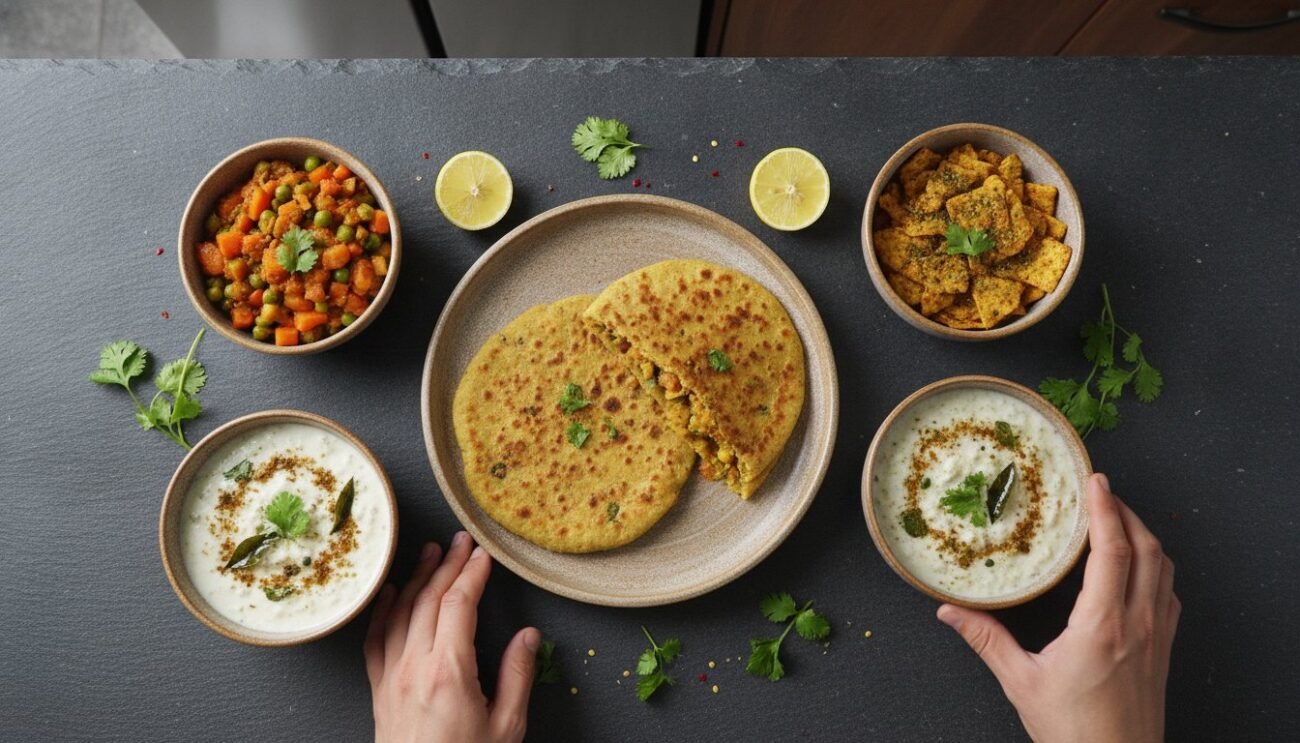
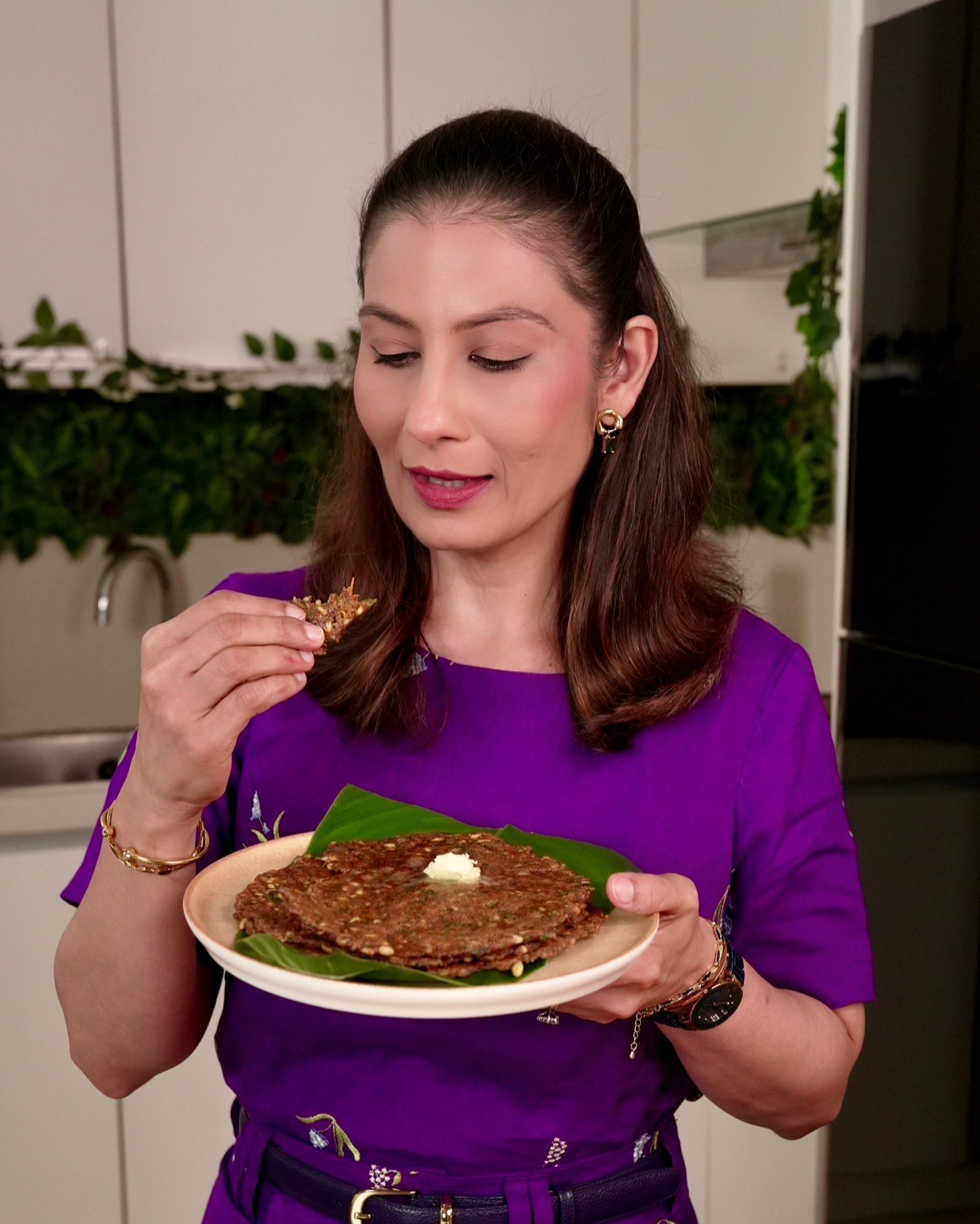
What if that container of cold rice or half-finished bowl of dal wasn’t a chore to eat, but actually the secret ingredient to your next gourmet lunch? We’ve all been there; you open the fridge only to find yesterday’s dinner staring back at you, and the thought of another repetitive meal feels more like a duty than a delight. It’s frustrating to feel that pang of guilt when you consider tossing out expensive organic produce or nutritious staples just because you’re bored. Finding healthy recipes from leftovers shouldn’t feel like a compromise on flavor or fitness.
I’m here to show you that your fridge is actually a goldmine for quick, high-protein transformations that take less than 15 minutes to prepare. Whether you’re a busy parent trying to sneak nutrition into a fussy eater’s tiffin or a fitness enthusiast looking for a high-protein vegetarian boost, these expert-approved hacks will turn your “old” food into something spectacular. We’ll explore how to revive textures using an air fryer, the science of repurposing grains like Jowar and Ragi, and creative ways to make leftover veggies so delicious your kids will actually ask for seconds.
Key Takeaways
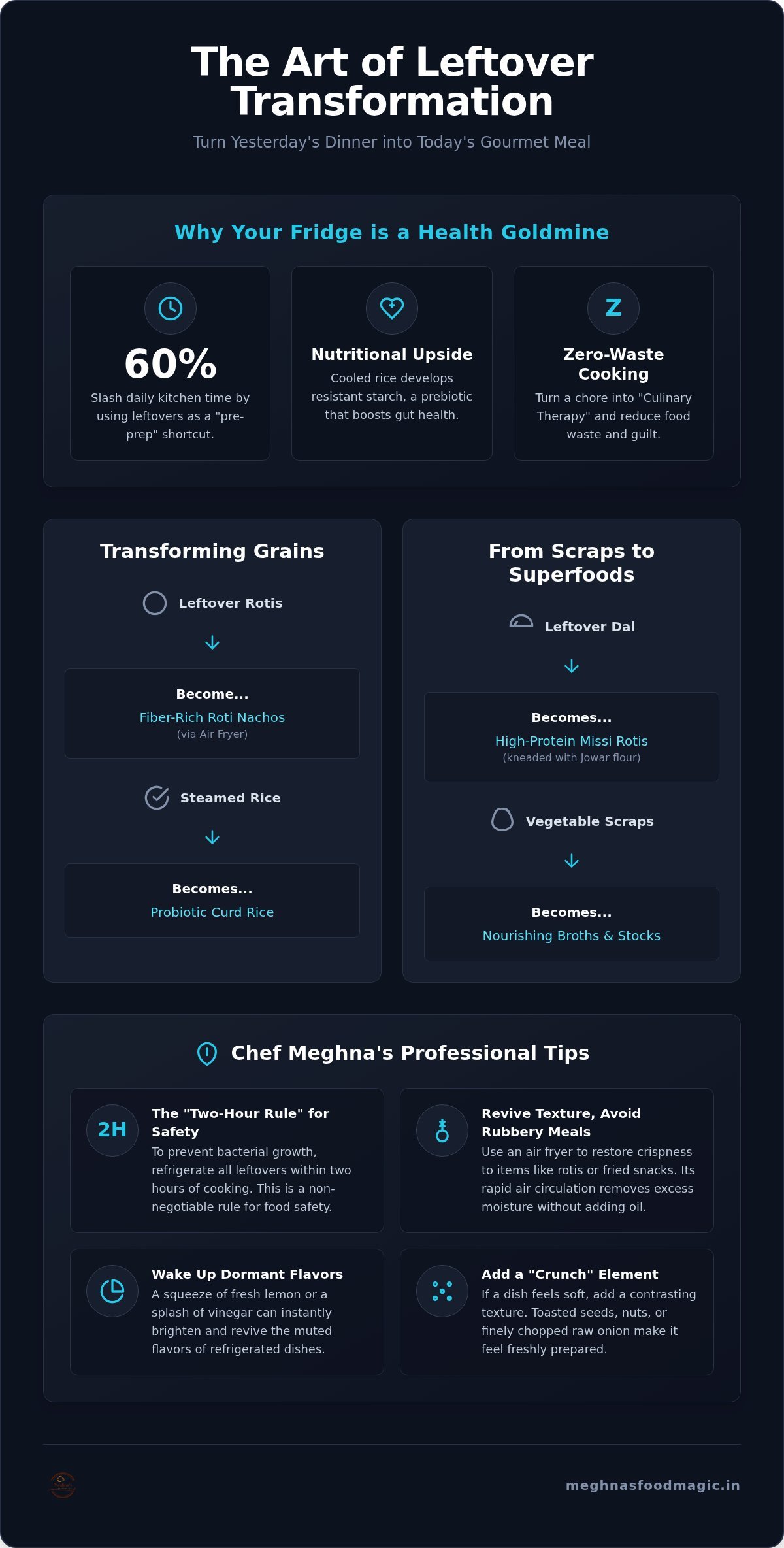
- Learn how to slash your daily kitchen time by 60% by treating last night’s dinner as a “pre-prep” shortcut for today’s fresh, nutrient-dense meals.
- Discover the secrets to breathing new life into dry rotis and steamed rice by creating fiber-rich Roti Nachos or probiotic-packed Curd Rice.
- Master the art of crafting healthy recipes from leftovers by kneading protein-rich dals into Jowar flour for delicious Missi Rotis and repurposing vegetable scraps into nourishing broths.
- Understand essential professional tips like the “Two-Hour Rule” for safe storage and moisture management techniques to ensure your reheated meals never turn rubbery.
- Transform kitchen boredom into “Culinary Therapy” with high-protein, kid-friendly meal ideas that turn everyday staples into gourmet wellness.
The Magic of Leftover Transformation: Why Your Fridge is a Health Goldmine
Stop viewing your refrigerator as a graveyard for yesterday’s dinner. Instead, see it as a treasure chest of pre-cooked ingredients waiting for a second act. Leftover Transformation isn’t about eating the same thing twice; it’s the creative art of using pre-cooked components to build entirely new, nutrient-dense meals. When you master healthy recipes from leftovers, you aren’t just saving money. You’re reclaiming your time and energy.
Think of it as the ultimate “Pre-Prep” advantage. You can reduce your kitchen time by 60% today simply because the heavy lifting, like boiling grains or slow-cooking dals, is already done. Beyond the convenience, there’s a surprising nutritional upside to this method. Research indicates that certain starches, such as rice or potatoes, develop resistant starch when they are cooked and then cooled. This resistant starch acts as a prebiotic, feeding the good bacteria in your gut and helping you feel fuller for longer. It’s a win for your digestion and your schedule.
I love to call this process “Culinary Therapy.” There is a deep, soul-satisfying joy found in the creative challenge of zero-waste cooking. It turns a mundane chore into a vibrant puzzle that rewards you with health, variety, and the satisfaction of knowing nothing went to waste.
The Psychology of Freshness: Overcoming the “Stale Food” Mindset
The biggest hurdle to enjoying leftovers is often a mental one. We associate yesterday’s food with being “stale” or “boring.” To overcome this, we must learn to wake up dormant flavors using acids and spices. A sharp squeeze of fresh lemon or a splash of apple cider vinegar can instantly brighten a heavy dal or a muted vegetable stir-fry. Texture is equally vital for a successful transformation. If a dish feels soft or mushy, add a “crunch” element. Toasted pumpkin seeds, fresh pomegranate pearls, or finely chopped raw cucumbers can make a dish feel like it was just prepared. My philosophy is simple: every ingredient deserves a second chance to shine in a way that feels brand new.
Leftovers and Weight Loss: A Strategic Partnership
Strategically using what’s already in your fridge is a secret weapon for your fitness journey. Leftover dals are incredible, high-protein bases for breakfast chillas. By whisking a bowl of dal with a little bit of Jowar or besan flour, you create a balanced, protein-packed meal in under ten minutes. This intentional approach to cooking facilitates better portion control and ensures you always have a healthy option within reach, even on your busiest days. It’s a core part of the Get Fit With Meghna philosophy. Cooking extra on purpose isn’t lazy; it’s smart, fitness-oriented planning that keeps you on track without the stress of starting from scratch every single time.
Transforming Grains: Turning Rice and Rotis into High-Protein Masterpieces
Grains are the backbone of the Indian kitchen, but they’re often the first things to lose their appeal after a night in the fridge. Instead of seeing a bowl of cold rice as a burden, think of it as the perfect base for healthy recipes from leftovers. When rice or rotis sit, they lose moisture, which makes them ideal for textures that fresh grains just can’t achieve. This is where your air fryer becomes a game-changer. Air-frying is superior to deep-frying because it uses rapid air circulation to restore crispness without the heavy oil load, effectively “resetting” the texture of your grains. This is why creating healthy recipes from leftovers is such a powerful skill for any home cook.
If you’re looking to elevate your rice, consider the “Millet-Mixed” Pulao. By tossing leftover rice with Jowar or Bajra flakes, you’re introducing complex fibers and a nutty depth that transforms a simple side into a superfood meal. However, it’s vital to handle these millet flakes correctly. You must soak Jowar or Bajra flakes for at least 15-20 minutes before mixing them with your rice. This technical step is crucial because it softens the tough outer bran, ensuring proper digestion and preventing the bloating often associated with dry, unsoaked grains. For those who prefer something sweet yet nutritious, dry rotis can be crumbled and tossed with jaggery and nuts to create high-fiber Roti Ladoos, a perfect guilt-free treat for the kids.
Recipe Spotlight 1: The High-Protein Curd Rice Makeover
Curd rice is a classic comfort food, but we’re giving it a fitness-focused upgrade. Start by lightly mashing your leftover rice to release a bit of starch, which creates that signature creamy texture. Fold in thick Greek yogurt or fresh homemade curds. The magic happens in the tempering: heat a teaspoon of oil, add mustard seeds, curry leaves, and a pinch of hing. For an extra protein punch, toss in a handful of sprouted moong and let them crackle before pouring the mix over your rice. This dish is cooling, probiotic-rich, and incredibly satiating. If you need more inspiration for morning meals, check out Meghna’s Breakfast Chila Playlist for brilliant side pairing ideas.
Recipe Spotlight 2: Baked Healthy Roti Chips with Avocado Dip
Turn those stiff, day-old rotis into a gourmet snack that rivals any store-bought nacho. Simply cut your rotis into triangles, lightly brush them with olive oil or ghee, and pop them into the air fryer at 180°C for 4-5 minutes. They emerge golden and incredibly crunchy. Pair these with an Indian-fusion avocado dip mashed with green chilies, coriander, and a dash of chaat masala. It’s a sophisticated way to enjoy a high-fiber snack while ensuring nothing goes to waste. For more visual guides on these transformations, you can find hundreds of ideas on my YouTube channel.
From Scraps to Superfoods: Repurposing Vegetables and Dals
Don’t let that bowl of thick dal go to waste. When dal sits in the fridge, it naturally thickens, transforming from a soup-like consistency into a concentrated, protein-rich paste that acts as a fantastic binder for flours like Jowar or whole wheat. By kneading leftover dal directly into your dough, you create “Missi Rotis” that are far more nutritious and flavorful than plain phulkas. Learning to create healthy recipes from leftovers isn’t just about saving money; it’s about infusing your meals with hidden nutrition that your family won’t even notice.
Your vegetable scraps also deserve a second life. Organic vegetable ends, such as the tops of carrots, celery stalks, or onion skins, are packed with micronutrients and deep flavor. Instead of tossing them, store these scraps in a freezer-safe bag. Once you’ve gathered enough, simmer them in water with a few peppercorns to create a rich, homemade vegetable broth. This “liquid gold” can be the base for your next soup or used to cook rice for an extra layer of earthy goodness. Even last night’s dry sabzi, like aloo gobhi or baingan bharta, can be mashed and seasoned to become a high-fiber stuffing for parathas or a spicy sandwich filling.
If you have leftover sprouted moong, don’t just reheat it. Cold sprouts maintain a wonderful crunch that works beautifully in a vibrant, citrusy salad. Toss them with chopped cucumbers, pomegranate pearls, and a dash of chaat masala for a refreshing “Moong Miracle” that’s perfect for a light lunch or a mid-day snack.
The “Tiffin Transformation” for Fussy Eaters
Getting kids to eat their greens is a universal struggle, but leftovers provide a sneaky solution. You can finely chop or puree leftover sautéed greens and whisk them into a fermented batter to make colorful “Appe” or “Paniyaram.” These bite-sized treats are fun to eat and stay soft for hours, making them ideal for school lunches. To keep these meals fresh until lunchtime, ensure the food is completely cooled before packing it in an airtight steel container. For more creative school lunch ideas, explore the Tiffin Recipes collection for inspiration that kids actually enjoy.
High-Protein Vegetarian Hacks
Protein is the cornerstone of a balanced vegetarian diet, and your leftovers can help you hit your daily targets without extra prep. Leftover paneer cubes can be crumbled into a spicy bhurji for a quick, high-protein breakfast. Alternatively, if you have boiled chickpeas or kabuli chana left from a curry, toss them with fresh herbs and feta cheese for a Mediterranean-Indian fusion salad. If you’re looking for more ways to use this versatile ingredient, check out Meghna’s Paneer recipes for professional tips on maintaining the perfect texture. These small shifts ensure that healthy recipes from leftovers become a sustainable, joyful part of your wellness journey.
Chef Meghna’s Notes: Professional Tips for Leftover Safety and Flavor
Safety first. You can’t truly enjoy healthy recipes from leftovers if the food isn’t stored with care. If you leave your cooked dal or rice on the counter for more than two hours, you’re inviting unwanted bacteria into your kitchen sanctuary. This “Two-Hour Rule” is the gold standard for food safety; perishables must be cooled and tucked into the fridge within that window to stay nutritious. I always recommend using glass containers instead of plastic to preserve food longevity and prevent unwanted chemical leaching into your beautiful meals.
Moisture is the secret to a successful revival. When you reheat grains or vegetables, they often emerge rubbery or soggy because they’ve lost their internal hydration. To fix this, add a tiny splash of water or cover the dish with a damp paper towel before microwaving. If you’re using a pan, a quick “tadka” or tempering with fresh cumin and mustard seeds doesn’t just add flavor. The hot oil helps release fat-soluble aromas that have settled during refrigeration, making the dish smell like it was just made. Don’t forget to re-season. Cold temperatures dull our taste buds, so a fresh pinch of salt or a bright squeeze of lime after 24 hours is often necessary to wake the flavors up.
For my “Cake Therapy” lovers, leftovers offer a brilliant health hack. If you have extra plain yogurt or hung curd, use it as a 1:1 substitute for heavy cream in your baking. It adds a lovely tang and moisture while significantly cutting down on fats, proving that wellness and indulgence can live on the same plate.
Troubleshooting Common Leftover Issues
We’ve all faced the “mushy rice” dilemma. Instead of forcing a soggy pulao, mash that rice with some finely chopped veggies and spices, then pan-fry them into crispy rice cakes. It’s a complete texture flip that feels intentional. If your day-old bajra or jowar rotis have turned hard, don’t give up on them. Place them in a steamer for just 30 to 45 seconds. The gentle steam penetrates the fibers, restoring that soft, flexible texture that’s perfect for rolling up a quick wrap.
The Science of Soaking and Reheating
Millets are low-GI superstars, but they require a bit of respect when reheating. Overheating can sometimes make them too dense, so gentle, indirect heat is best to maintain their digestive benefits. Remember that millets like kodo or barnyard benefit from being fluffed with a fork rather than stirred with a heavy spoon. If you want to achieve that perfect crunch without the grease, I’ve detailed exactly how to use modern tools in my guide to Air Fryer Recipes for Indian Food. It’s the ultimate way to bring back the “specialness” of your everyday staples.
Elevate Your Kitchen with Meghna’s Food Magic
Yesterday’s dinner is today’s masterpiece. The journey from seeing a fridge full of containers as “waste” to recognizing them as a gateway to “wellness” is a powerful shift in perspective. You’ve now seen how easy it is to craft healthy recipes from leftovers that don’t just save time but actually taste better than the original meal. By embracing this approach, you’re not just cooking; you’re practicing “Culinary Therapy.” This is the creative sanctuary where you can let go of the day’s stress and find harmony through innovation. Every chopped veggie and repurposed grain is a small, vibrant victory for your health.
If you’re ever feeling stuck for inspiration, my Free Digital Recipe Database is always open. With over 1,000 healthy ideas, it’s designed to help you navigate every culinary challenge with confidence and joy. Whether you’re looking for a high-protein breakfast or a guilt-free dessert, the solution is right at your fingertips. Mastering healthy recipes from leftovers is the ultimate shortcut to a fit and happy lifestyle.
Join the “Get Fit With Meghna” Community
For those who learn best by watching the magic happen, my YouTube channel is a vibrant hub of visual storytelling. I believe that seeing the sizzle of a pan or the exact texture of a dough makes all the difference in building your kitchen confidence. You’ll find curated playlists designed for every part of your day. From “Tea Time Snacks” that won’t ruin your diet to the “Millet Magic” series that simplifies ancient grains, there’s a wealth of knowledge waiting for you. It’s more than just a channel; it’s a supportive community of food lovers who celebrate health without sacrificing an ounce of flavor.
Stay Connected for Daily Magic
The conversation doesn’t end here. Join me on Instagram for quick, bite-sized “Reel” transformations that show you how to turn everyday ingredients into something spectacular in seconds. If you’re curious about how healthy eating fits into a broader, holistic lifestyle, my travel blogs offer a unique view of global culinary traditions. We are redefining what it means to eat well in a modern Indian home. You can dive deeper into this philosophy by exploring our Food Magic Pillar, where we break down the science and soul of our cooking methods. Let’s keep creating magic in the kitchen together.
Step Into Your New Kitchen Rhythm
You’ve discovered that your refrigerator isn’t just a storage box; it’s a launchpad for vibrant, high-protein wellness. By treating yesterday’s staples as pre-prepped ingredients, you’ve unlocked a way to slash your kitchen time while boosting your family’s nutrition. From probiotic-rich curd rice to high-fiber roti chips, mastering healthy recipes from leftovers is the ultimate act of self-care and creativity.
As a daughter of the soil, I’m passionate about bringing authentic Indian health secrets back to your modern table. Whether you’re exploring our 30+ specialized millet recipes or browsing through 1,000+ tested recipes for free, you’re never alone in this journey. We’ve tackled the science of reheating and the art of flavor revival so you can cook with confidence every single day. Let’s turn that “waste” into a wellness feast together.
Your kitchen is a place of magic, innovation, and therapy. Go ahead, open that fridge, and see the incredible possibilities waiting for you today!
Frequently Asked Questions
Is it healthy to eat leftovers every day?
Yes, eating leftovers is a perfectly healthy habit as long as you store and reheat them correctly. It’s a great strategy for portion control and helps you avoid the temptation of ordering oily takeout when you’re tired. Plus, certain starches like rice actually develop resistant starch when cooled, which acts as a prebiotic to support your gut health.
How long can I safely store cooked Indian food in the fridge?
Most cooked Indian dishes like dals, sabzis, and curries stay fresh and safe for 3 to 4 days when stored in airtight glass containers. Always ensure your fridge is set to 4°C or below to slow down bacterial growth. If you notice any sour smell, change in color, or slimy texture, it’s best to discard the food immediately.
What is the best way to reheat leftovers without losing nutrition?
Steaming or using a pan on low heat with a tight lid is the best way to preserve nutrients and moisture. Avoid over-boiling dals or high-heat microwaving, as this can make proteins tough and dry. Adding a quick, fresh tadka with cumin or mustard seeds can also revive the aroma and healthy fats of a refrigerated dish.
Can I use leftover rice to make healthy snacks for kids?
Absolutely, leftover rice is a fantastic base for making nutritious snacks like vegetable-loaded tikkis or steamed muthias. Since the rice is already cooked, it binds beautifully with grated carrots, spinach, or mashed paneer. This is a brilliant way to create healthy recipes from leftovers that even the pickiest eaters will find delicious and fun to eat.
How do I stop my reheated rotis from becoming hard and chewy?
Sprinkle a few drops of water on the roti and heat it on a pre-heated tawa for just 10 seconds per side. For even softer results, wrap your rotis in a damp muslin cloth and steam them for about a minute. This simple trick restores the moisture that the cold fridge air naturally removes, making them feel fresh again.
Are there specific leftovers that should never be reheated?
You should be cautious with green leafy vegetables like spinach and certain mushrooms, as repeated reheating can sometimes alter their nitrate content. It’s best to consume these within 24 hours of cooking. Also, try to avoid reheating seafood more than once, as it is highly sensitive to temperature changes and can spoil quickly if not handled with care.
How can I make leftovers taste fresh like a restaurant meal?
Garnish your dish with fresh elements like chopped coriander, pomegranate pearls, or a bright squeeze of lime just before serving. Adding a “crunch” factor like roasted peanuts or toasted seeds also tricks the palate into thinking the meal was just prepared. A fresh tempering of spices in a teaspoon of ghee is another professional secret for that “just-cooked” restaurant feel.
Which millets are best for incorporating into leftover rice dishes?
Kodo millet and Little millet are the best choices because their grain size and fluffy texture closely match traditional white rice. However, you must soak these whole millets for at least 4-8 hours before cooking them to add to your rice. This technical step is essential for proper digestion and to neutralize phytic acid, ensuring these healthy recipes from leftovers are as light on your stomach as they are delicious.
Disclaimer
This is a recipe food blog page and not nutrition or doctor and hence do not claim to cure any illness. If you have specific health issues please consult a qualified doctor or certified nutritionist.
I do consult experts, research Internet and at times seek help from Gemini to collect relevant information to put together some of these blogs.

