
Healthy and Nutritious Jain Recipes for Daily Wellness
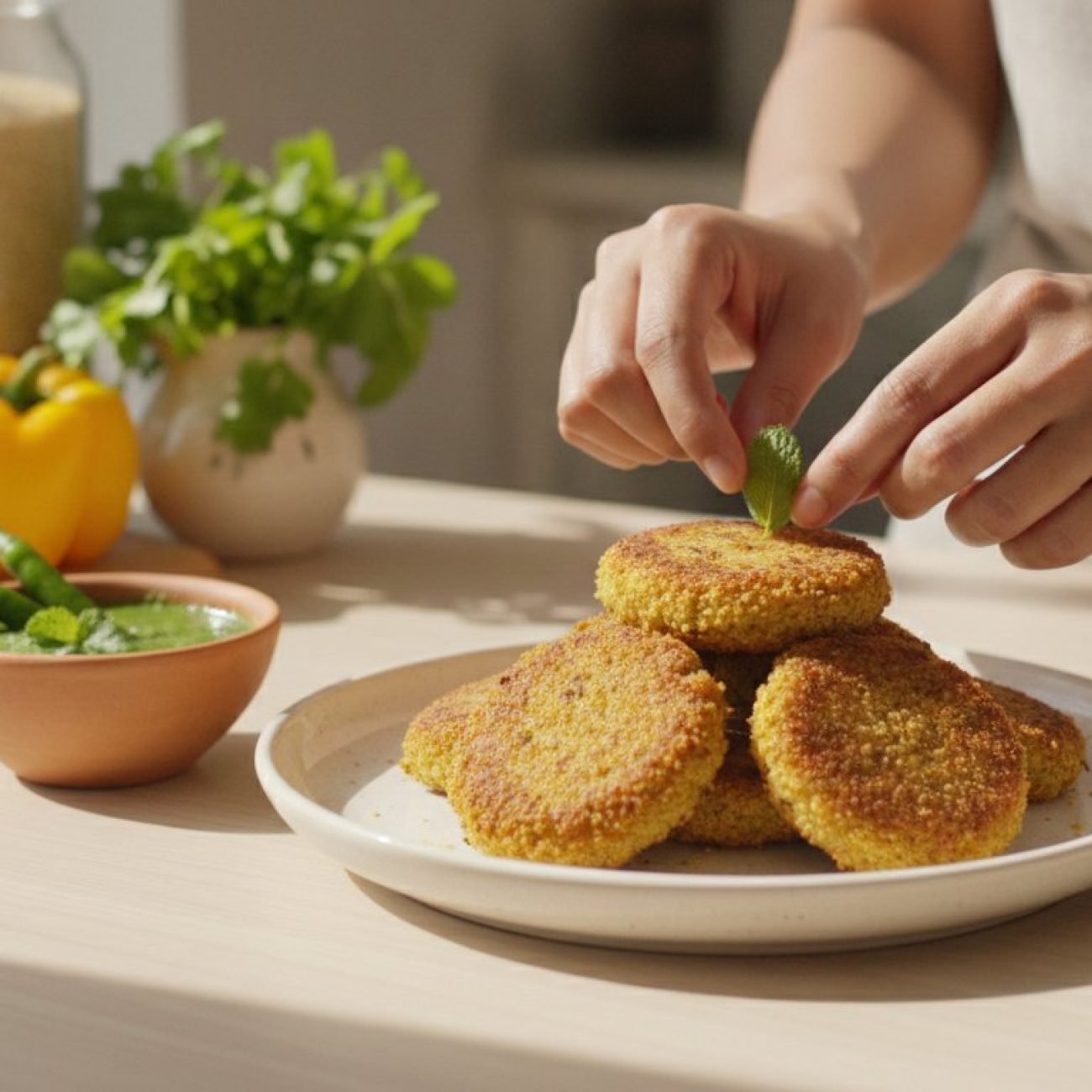
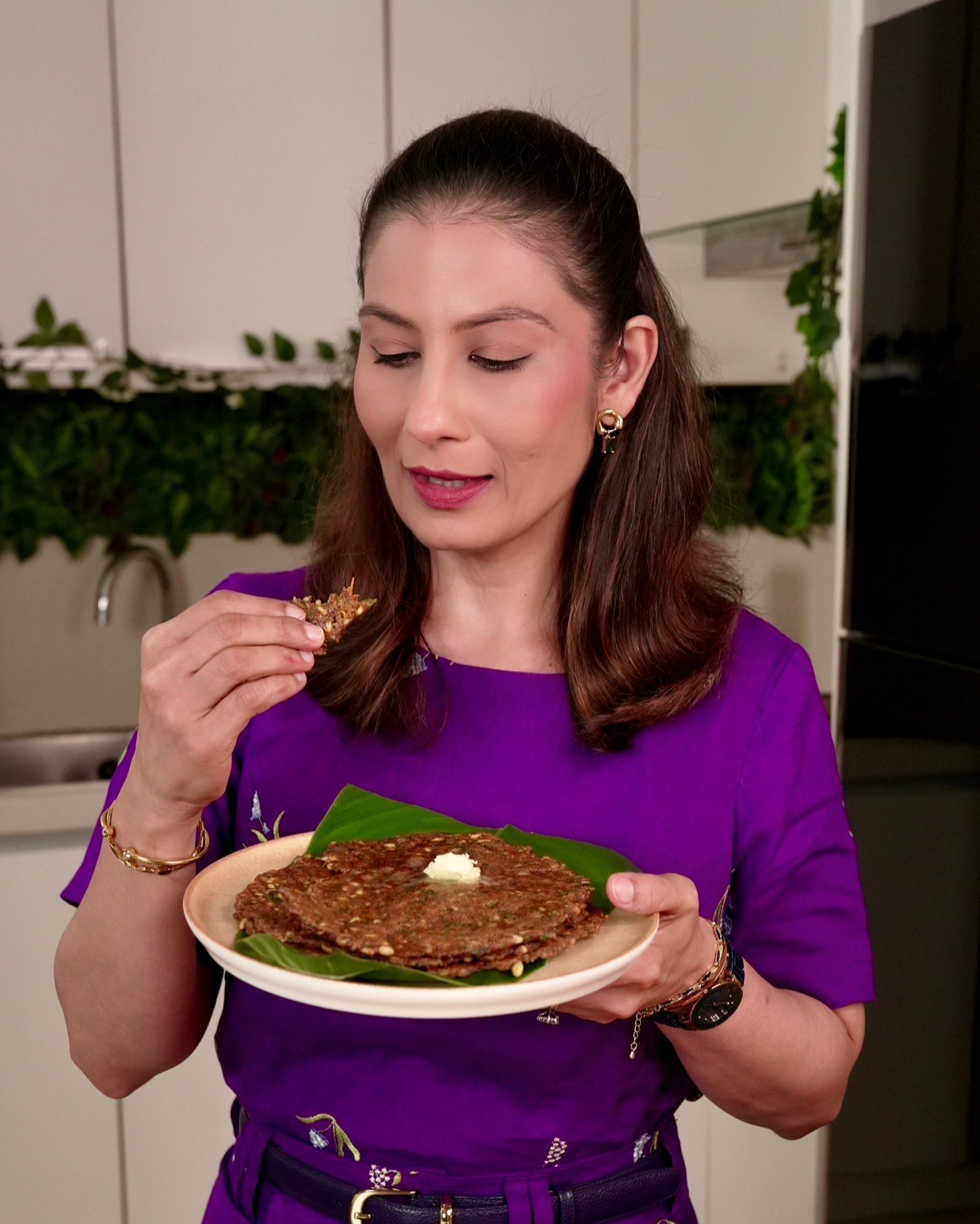
What if the traditional restrictions of a Jain diet are actually the hidden doorway to the most vibrant, gut-friendly, and high-vibration meals in your kitchen? Many home cooks feel limited by the absence of onions, garlic, and root vegetables, often settling for repetitive meal cycles that lack excitement. It’s a common struggle, especially when research shows that 92% of Indian Jains identify as vegetarian and seek variety that aligns with their values of ahimsa. You don’t have to choose between your spiritual heritage and your modern health goals.
I’m going to show you how to master the art of Jain cooking using modern, high-protein ingredients and ancient superfoods like millets. We’ll dive into the technical “why” behind every step, from the essential soaking times for grains to achieving that perfect air-fried crunch without excess oil. You’ll learn how to build deep, complex flavors that prove dietary discipline is truly a celebration of taste. This guide previews professional chef-level substitutions and family-friendly recipes that turn daily wellness into a joyful, effortless experience for everyone at the table.
Key Takeaways
- Learn how the Satvic philosophy of “least harm” creates a high-vibration kitchen environment focused on gut health and long-term vitality.
- Master the technical art of soaking millets like Jowar and Ragi to ensure optimal digestion and perfect texture in your daily meals.
- Discover professional secrets for replacing root vegetables with vibrant, aromatic alternatives that keep your Jain cooking flavorful and diverse.
- Integrate modern tools like the air fryer to prepare high-protein, oil-free snacks that satisfy cravings while supporting your weight loss goals.
- Transition from repetitive meal cycles to an exciting, family-friendly menu by exploring a free digital database of innovative superfood recipes.
What is a Jain Diet? Understanding the Satvic Philosophy
A Jain diet is far more than a set of dietary restrictions; it’s a deliberate choice to live in harmony with all living beings. This Satvic approach is rooted in the concept of Ahimsa, or non-violence, which dictates that our food should cause the least possible harm to the environment and its inhabitants. By choosing ingredients that are pure, fresh, and ethically sourced, we invite a sense of peace and mental clarity into our daily lives. This “high-vibration” way of eating isn’t just about tradition, it’s a powerful tool for physical fitness and emotional balance that aligns perfectly with the Food Magic philosophy of mindful creation.
The Core Principles of Ahimsa in the Kitchen
The most recognizable aspect of Jain vegetarianism is the exclusion of root vegetables like onions, garlic, and potatoes. The reasoning is beautiful in its simplicity: uprooting these plants kills the entire organism and disturbs countless microscopic lives in the soil. Instead, the diet focuses on fruits, grains, and vegetables that can be harvested without ending the plant’s life cycle. Another vital practice is Chauvihar, or finishing the last meal before sunset. This aligns with modern metabolic health research, as eating with the sun’s rhythm gives your digestive system ample time to rest and rejuvenate before sleep.
I often tell my community that these rules aren’t cages; they’re the spark for real innovation. When you can’t rely on the easy pungency of garlic or onion, you’re forced to explore the incredible world of spices like hing (asafoetida), ginger, and fresh herbs. It pushes you to become a better, more thoughtful cook who understands how to layer flavors. View these guidelines as a framework for creativity rather than a list of “don’ts,” and you’ll find that your kitchen becomes a space of true culinary therapy.
Satvic vs. Tamasic: Choosing Ingredients for Energy
In the world of traditional nutrition, ingredients are categorized by the energy they provide. Satvic foods are light, easy to digest, and promote a calm, focused mind. On the other hand, Tamasic foods, which often include fermented items or heavy roots, are thought to induce lethargy and dull the senses. Transitioning to a Jain lifestyle naturally aligns with modern “clean eating” movements, as it prioritizes whole foods in their most natural state. To keep your energy vibrant, focus on sourcing the freshest seasonal produce. This ensures you’re getting peak nutrient density while supporting a sustainable food cycle that benefits both your body and the planet.
The Science of Jain Cooking: Digestion, Soaking, and Vitality
Ancient wisdom often meets modern science in the kitchen. In a traditional Jain household, the way we treat our ingredients is just as important as the ingredients themselves. The Jain commitment to nonviolence extends to the cellular level, where we aim to extract nutrition without causing internal inflammation or metabolic stress. One of the most critical scientific practices is the ritual of soaking. Whether it’s lentils or the ancient grains we call millets, soaking is the key to unlocking vitality. It ensures that the food we consume is truly life-giving rather than a burden on the digestive system.
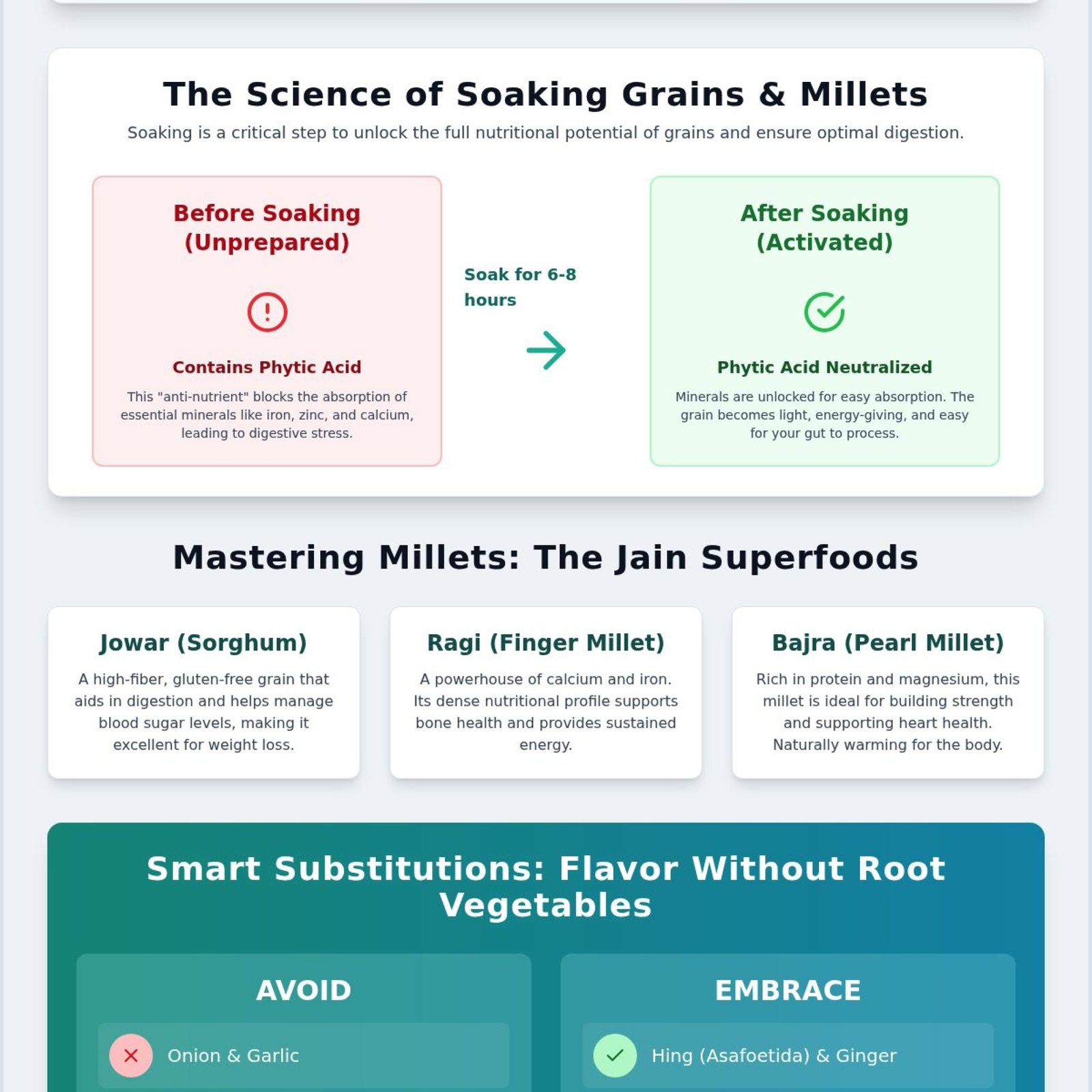
Why do we soak? Grains and seeds contain phytic acid, a natural “anti-nutrient” that can block the absorption of essential minerals like calcium, iron, and zinc. By soaking your millets for at least 6-8 hours, you neutralize this acid and make the grain much easier for your gut to process. This simple step transforms a heavy meal into a light, energy-giving feast that supports a healthy microbiome. This practice aligns perfectly with modern gut-health research, which emphasizes low-inflammation diets for long-term wellness.
Mastering Millets: The Jain Superfood
Millets like Jowar (Sorghum), Bajra (Pearl Millet), and Ragi (Finger Millet) are the cornerstones of a modern Jain diet. Unlike refined wheat, which can cause blood sugar spikes and lethargy, these whole grains are packed with fiber and protein, making them superior choices for weight loss. They are naturally gluten-free, which is great for digestion but can be tricky for texture. Achieving that soft, pliable roti requires understanding the grain’s behavior. If you want to see these techniques in action, you can explore my full 30+ Millet Recipes collection for more visual guidance.
Many home cooks struggle with millet rotis cracking or becoming too dry. My professional secret? Always use boiling warm water to knead your Jowar or Bajra dough. The heat partially gelatinizes the starch, giving you the elasticity that these grains lack naturally. It’s a small change that makes a massive difference in the final texture. Don’t forget to let the dough rest for 10 minutes before rolling it out; this allows the moisture to distribute evenly.
Proper Digestion: The Role of Spices and Timing
Since garlic and onions are avoided, we rely on nature’s digestive powerhouses: Hing (Asafoetida) and Saunth (Ginger powder). These spices don’t just add a beautiful aroma; they actively reduce gas and bloating. Seasonal eating is another pillar of this tradition. By eating what’s local and in season, you maintain your body’s internal balance. To keep your food “Prana-rich,” aim to consume meals shortly after cooking. If you must meal prep, store your blanched vegetables in airtight glass containers to retain their life force and flavor without relying on heavy fermentation, which we avoid at night to prevent acidity and maintain a calm metabolic state.
Smart Substitutions: Creating Flavor Without Root Vegetables
One of the biggest myths about Jain food is that it lacks depth or “zing” because it avoids onion and garlic. In reality, this dietary discipline is a masterclass in flavor layering. When you move away from the heavy, overpowering notes of root vegetables, you begin to notice the subtle sweetness of fresh herbs and the complex profiles of toasted spices. This culinary evolution is beautifully explored in research on Food and Identity Formation Among Jain Laywomen, which highlights how home cooks have innovated for generations to keep meals both compliant and delicious. By shifting your focus from what’s restricted to what’s available, you can unlock a world of vibrant, umami-rich flavors.
The “Root” of the Matter: Replacing Potatoes and Onions
Replacing the bulk and texture of root vegetables is easier than you think. Raw bananas are the ultimate “chameleons” in the kitchen; they hold their shape beautifully and absorb spices even better than potatoes. For that elusive onion-like crunch in stir-fries or pav bhaji, finely shredded cabbage or diced bell peppers provide the perfect volume and a slight sweetness when sautéed. These swaps aren’t just about compliance; they often result in a lighter, more nutrient-dense meal that aligns with modern wellness goals.
| Feature | Potato | Raw Banana |
|---|---|---|
| Texture | Soft and starchy | Firm and slightly fibrous |
| Cooking Time | 15 to 20 minutes | 10 to 12 minutes |
| Digestive Impact | Can cause bloating | High in resistant starch |
When working with raw bananas, always peel them and immediately soak the pieces in water mixed with a pinch of turmeric. This prevents the fruit from browning and starts the seasoning process early. If you’re making a dry sabzi, parboil the banana pieces first with a little salt; this ensures they stay creamy on the inside while getting perfectly crisp on the outside when you hit them with a hot tadka.
The Aromatic Shift: Life Without Garlic
The secret to a soul-satisfying Jain meal lies in the “Tadka” or tempering. Without garlic, we lean into high-quality Hing (Asafoetida), which provides that savory, pungent backbone we often crave. Combining cumin and fennel seeds in your tempering adds a layer of digestive support and a refreshing aromatic finish. For a deeper, “green” aromatic base, try using finely chopped coriander stems or even a touch of celery. These parts of the plant are packed with flavor and provide a sophisticated edge to your gravies and chutneys. You can find more of these creative combinations in my Free Digital Recipe Database, where I share my signature herb-based condiments.
Modern Jain Recipes: High-Protein and Air Fryer Innovations
Traditional cooking is evolving, and modern kitchen technology is making it easier than ever to maintain a Jain lifestyle without sacrificing flavor or health. Many people worry that a diet without root vegetables might lack protein or variety, but that’s simply not true. By embracing high-protein staples like Moong Dal and Paneer, and using an air fryer to achieve that perfect crunch without the heavy oil, you can create meals that are both celebratory and nourishing. If you’re looking for more ways to use these modern tools, my Airfryer recipes collection is a great place to start.
Recipe 1: High-Protein Jain Millet Chilla
This chilla is a powerhouse of nutrition, combining the earthy goodness of Jowar flour with the light, digestible protein of moong dal paste. To make this, blend soaked moong dal into a smooth batter and mix it with Jowar flour. Add finely chopped bell peppers, zucchini, and fresh coriander for a nutrient boost. Spread the batter thinly on a non-stick tawa to ensure a crispy finish with just a brush of oil. It’s an excellent breakfast option that keeps you full and energized throughout the morning. You can find more grain-based inspiration in my 30+ Millet Recipes playlist.
To give your chilla a deeper savory profile that mimics the richness of eggs, add a pinch of black salt (Kala Namak) to the batter. This is my secret for adding an “umami” kick without using any prohibited ingredients. If the batter feels too thick, add water gradually until it reaches a pourable consistency, ensuring the chilla stays thin and crisp rather than doughy.
Recipe 2: Air-Fried Jain Paneer Tikka
Who doesn’t love a good tikka? This version uses a thick marination of hung curd, roasted besan (gram flour), and carom seeds (Ajwain) to coat the paneer cubes. The roasted besan is crucial; it provides a nutty flavor and helps the marinade stick to the paneer. Set your air fryer to 180°C and cook for 8 to 10 minutes. This gives you that beautiful charred edge while keeping the paneer soft and succulent on the inside, proving that healthy cooking can still feel like a treat.
A common mistake is using watery curd, which leads to the marinade sliding off the paneer. Always use hung curd or Greek yogurt. If you find your paneer is drying out, try soaking the cubes in warm salted water for 5 minutes before marinating. This “pre-soak” ensures the paneer stays moist even under the high heat of the air fryer.
Recipe 3: Raw Banana ‘Cutlets’ for Tea-Time
Building on the substitution techniques we discussed earlier, these raw banana cutlets are a fantastic, guilt-free alternative to potato tikkis. Mash boiled raw bananas and mix them with green chilies, ginger paste, and crushed peanuts for texture. These are perfect for those evening cravings when you want something savory but light. For more ideas on healthy appetizers, check out my Tea Time Snacks collection.
For that extra “crunch” that everyone loves, use poha (flattened rice) powder as a binding agent instead of cornflour. It absorbs excess moisture from the bananas and creates a remarkably crispy exterior in the air fryer. Simply grind dry poha into a fine powder and fold it into your mixture before shaping the cutlets.
Embracing the Jain Lifestyle: Chef Meghna’s Final Notes
Embracing a Jain lifestyle is about more than just following a list of ingredients; it’s about cultivating a deep awareness of how our food impacts our bodies and the world around us. At its heart, my “Food Magic” philosophy is built on the belief that health and joy aren’t mutually exclusive. When you choose to cook with mindfulness, every meal becomes an opportunity to celebrate flavor while honoring the principles of non-violence. I invite you to explore my full Digital Recipe Database to see how these ancient traditions can be transformed into modern, vibrant dishes that satisfy both the palate and the soul.
Mindful Eating and Weight Loss
A Jain diet naturally aligns with modern fitness goals. By focusing on fiber-rich grains like Jowar and Ragi, you’re providing your body with slow-release energy that prevents cravings and supports sustainable weight management. This isn’t about restriction; it’s about choosing the right fuel. For those looking to pair their nutrition with movement, my Get Fit With Meghna series offers a holistic approach to wellness that respects your dietary choices while pushing your physical boundaries. It turns the act of eating into a conscious step toward a lighter, more energetic version of yourself.
I believe the energy you bring into the kitchen is just as important as the spices you use. Before you start chopping, take a moment of gratitude. This simple act enhances the “Prana” or life force of your food. When you cook with a happy, peaceful heart, that energy transfers to everyone who eats your meal. It makes the food truly soul-satisfying and easier to digest, as your body responds positively to the harmony you’ve created during the process.
Sustainable Cooking: Zero-Waste in the Jain Kitchen
Sustainability is a natural extension of Ahimsa. In a zero-waste kitchen, we respect the entire plant and the resources used to grow it. While we avoid roots, we can find incredible flavor in the parts of vegetables we often discard. For instance, the outer leaves of cabbage or the peels of certain permitted gourds can be finely chopped and added to parathas or turned into delicious stir-fries. If you find yourself with extra portions from your meal prep, my Leftover Food Recipes collection will show you how to repurpose meals while maintaining their high flavor profile and nutritional value. This approach ensures that nothing is wasted and every ingredient is honored.
Join the movement and redefine what happens in your kitchen. For daily inspiration and a peek into my creative process, follow me on Instagram. Let’s prove together that wellness is a celebration, and every mindful bite is a step toward a more harmonious and vibrant life.
Transform Your Kitchen with Food Magic
Mastering a Jain lifestyle is about more than just tradition; it’s about making intentional choices that nourish both your gut and your soul. You’ve discovered how smart substitutions like raw bananas and aromatic hing can replace root vegetables without losing an ounce of flavor. By integrating ancient millets and modern air fryer techniques, you’re now equipped to create high-protein meals that support your weight loss goals effortlessly. It’s time to view every meal as a celebratory act of self-care.
Join our vibrant community of over 1 million health-conscious cooks who are already redefining their daily wellness. Whether you need professional air fryer guides or want to dive into my collection of over 30 millet recipes for weight loss, the resources are ready for you. You don’t have to navigate this journey alone when you have a mentor who treats cooking as a form of culinary therapy.
Take that first step today and let the magic begin in your own kitchen. Your body will thank you for the vitality, and your family will love the exciting new flavors on their plates. I can’t wait to see what you create!
Frequently Asked Questions
What are the main vegetables avoided in a Jain diet?
Root vegetables like onions, garlic, potatoes, carrots, and radishes are the primary exclusions in a Jain diet. These are avoided because harvesting them requires uprooting the entire plant, which ends its life cycle and disturbs microorganisms living in the soil. By choosing vegetables like bottle gourd, bell peppers, and beans, you ensure your cooking remains aligned with the principle of non-violence while keeping your meals light and nutritious.
How do Jains get enough protein without meat or certain vegetables?
You can easily meet your protein requirements through vibrant plant-based sources like Paneer, Moong Dal, chickpeas, and sprouts. Incorporating ancient millets like Jowar and Ragi also provides a significant protein boost compared to refined grains. These ingredients are versatile enough for everything from breakfast chilas to hearty dinner curries, ensuring you stay fit and energized without needing meat or certain restricted vegetables.
Is honey allowed in a strict Jain diet?
Honey is typically excluded from a strict Jain diet because the process of extracting it is considered harmful to bees. Instead, you can use natural sweeteners like jaggery or dates to add a touch of sweetness to your desserts. These alternatives are not only more ethical within the Satvic philosophy but also offer a richer, more complex flavor profile for your healthy treats.
Can I use ginger and turmeric in Jain cooking?
While fresh ginger and turmeric are technically roots, many households use their dried powder forms, such as Saunth and turmeric powder. Dried spices are generally accepted because the processing removes the “living” element associated with fresh roots. These powders are essential for adding warmth and digestive benefits to your meals, ensuring your food remains flavorful and high-vibration without violating traditional guidelines.
What is the best substitute for potatoes in Jain recipes?
Raw banana is the absolute best substitute for potatoes because it perfectly mimics that starchy, satisfying texture in everything from tikkis to curries. It holds its shape beautifully during cooking and has a neutral flavor that absorbs spices wonderfully. Plus, raw bananas are packed with resistant starch, making them a fantastic choice for gut health and long-term weight management goals.
Why is eating before sunset important in Jainism?
Eating before sunset, known as Chauvihar, is practiced to avoid accidentally harming small insects that are naturally attracted to light after dark. Beyond the ethical reasoning, this practice aligns with modern time-restricted eating habits. Giving your body a few hours to digest before sleep improves metabolic health, enhances sleep quality, and ensures you wake up feeling refreshed and ready for the day.
Are all Jain recipes gluten-free?
While traditional recipes might include wheat, many modern meals are naturally gluten-free because they prioritize millets like Bajra and Jowar. These grains are excellent for those with sensitivities and offer a much higher nutrient density than refined flour. By exploring millet-based rotis and snacks, you can enjoy a diverse menu that supports digestive health while remaining strictly compliant with traditional rules.
How can I make Jain food taste better without garlic and onion?
The secret to incredible flavor lies in mastering your tempering with high-quality Hing, cumin, and fennel seeds. These spices provide the savory depth and “zing” you might miss from garlic. Adding fresh herbs like coriander, a squeeze of lemon, or a dash of dry ginger powder can elevate a dish instantly. It’s all about layering aromatics to create a sophisticated, soul-satisfying experience.
Disclaimer
This is a recipe food blog page and not nutrition or doctor and hence do not claim to cure any illness. If you have specific health issues please consult a qualified doctor or certified nutritionist.
I do consult experts, research Internet and at times seek help from Gemini to collect relevant information to put together some of these blogs.

