
Crispy Air Fryer Vegetable Pakora: Healthy & Easy Recipe
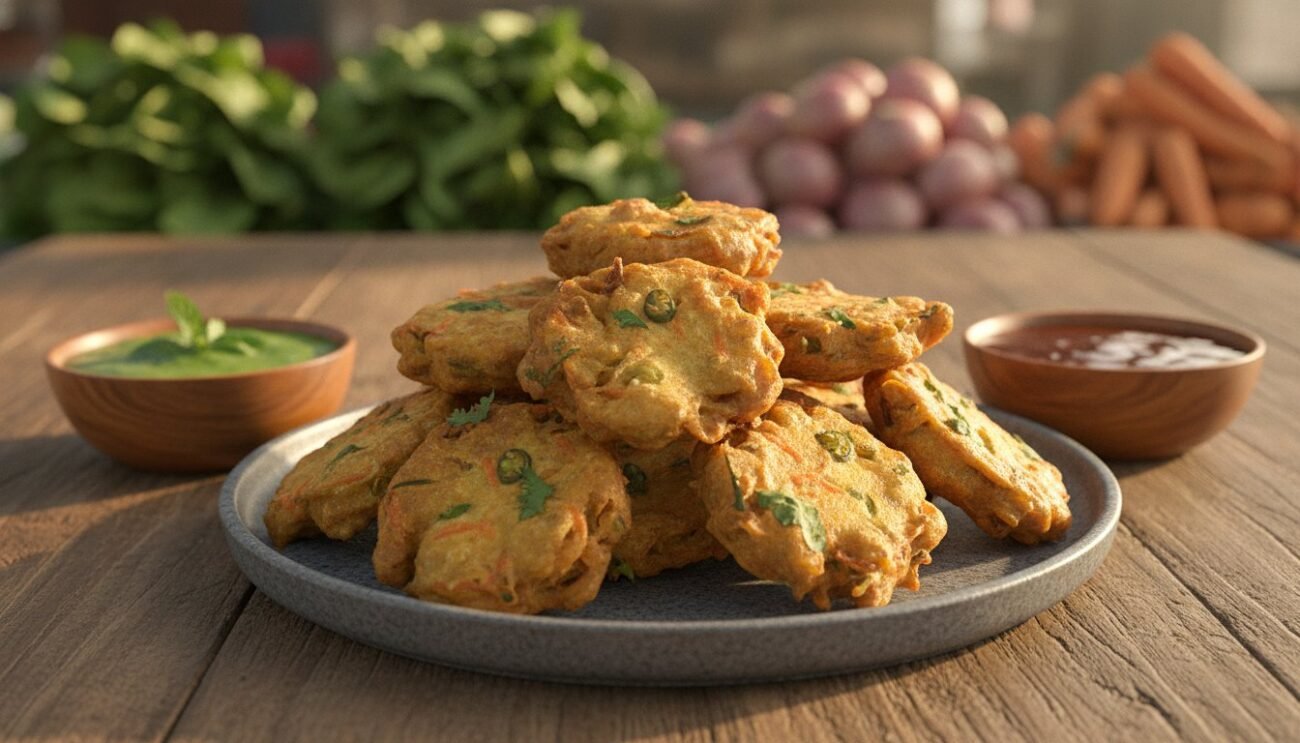
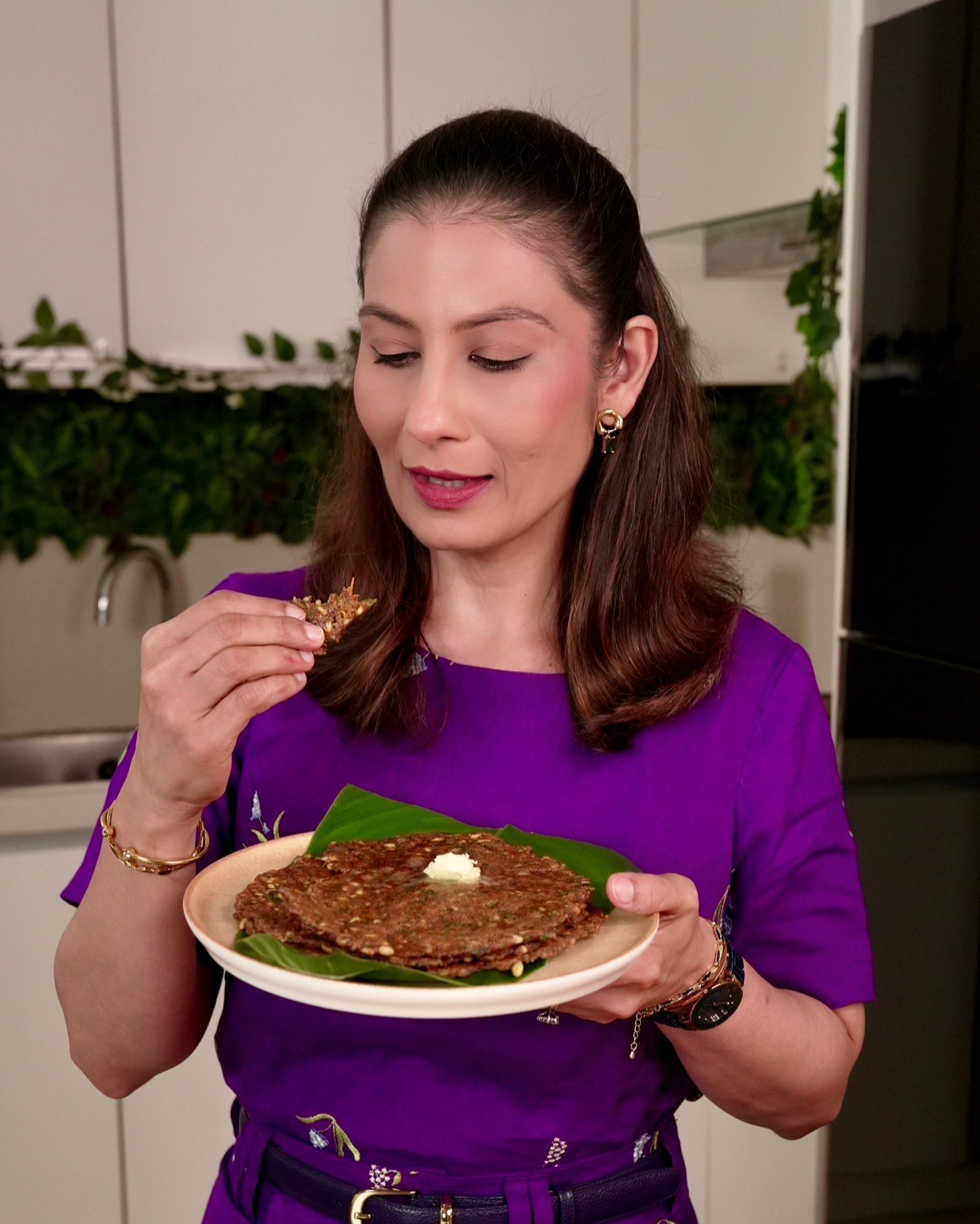
What if you could capture that rainy-day magic of a sizzling, golden-brown snack without the heavy, oil-soaked aftermath? We’ve all been there, craving that unmistakable crunch only to settle for a plate of soggy, limp vegetables or, even worse, “healthy” versions that turn out as hard as rocks. It’s frustrating when you want to nourish your body but your taste buds are demanding a celebration. You deserve a snack that feels like a warm hug but works like fuel for your busy lifestyle. I completely agree that traditional deep-frying is often a calorie-heavy chore, yet the air fryer can feel like a mystery when it comes to perfecting Indian classics.
That’s exactly why I’m here to help you master the perfect air fryer vegetable pakora. You’ll learn how to achieve that elusive deep-fryer crispiness using expert techniques that prioritize both texture and nutrition. This isn’t just about cutting oil; it’s about elevating your snacking game with protein-dense ingredients and bold, vibrant flavors. In this guide, I’ll walk you through my signature batter secrets, moisture-control tips, and two distinct recipes that turn humble vegetables into a crispy, high-protein masterpiece that you can enjoy guilt-free every single day.
Key Takeaways
- Discover the science behind achieving a deep-fryer crunch by mastering the Maillard reaction specifically for your air fryer vegetable pakora.
- Learn why high-protein flour blends, like Moong Dal flour, are the secret to creating a superior structural texture that stays crispy for longer.
- Explore two distinct, easy-to-follow recipes that transform everyday produce into vibrant, nutrient-dense snacks perfect for a busy, health-conscious lifestyle.
- Access professional troubleshooting tips in “Chef Meghna’s Notes” to ensure your pakoras never turn out soggy, dry, or rock-hard again.
- Implement practical zero-waste strategies for vegetable scraps while pairing your snacks with oil-free chutneys for a restorative tea-time ritual.
Why Air Fryer Vegetable Pakoras are a Game-Changer for Healthy Snacking
The humble Pakora is a staple of joy in many homes, but the traditional deep-frying process often leaves us feeling heavy and sluggish. By switching to an air fryer vegetable pakora, we aren’t just cutting calories; we’re reimagining the entire snacking experience. This shift represents a move from empty, oil-laden calories toward high-fiber, nutrient-dense bites that support your body. My philosophy of ‘Food Magic’ is built on this very idea: that you can have the crunch you crave and the spices you love without compromising your wellness goals. It’s about making health a celebration, not a restriction.
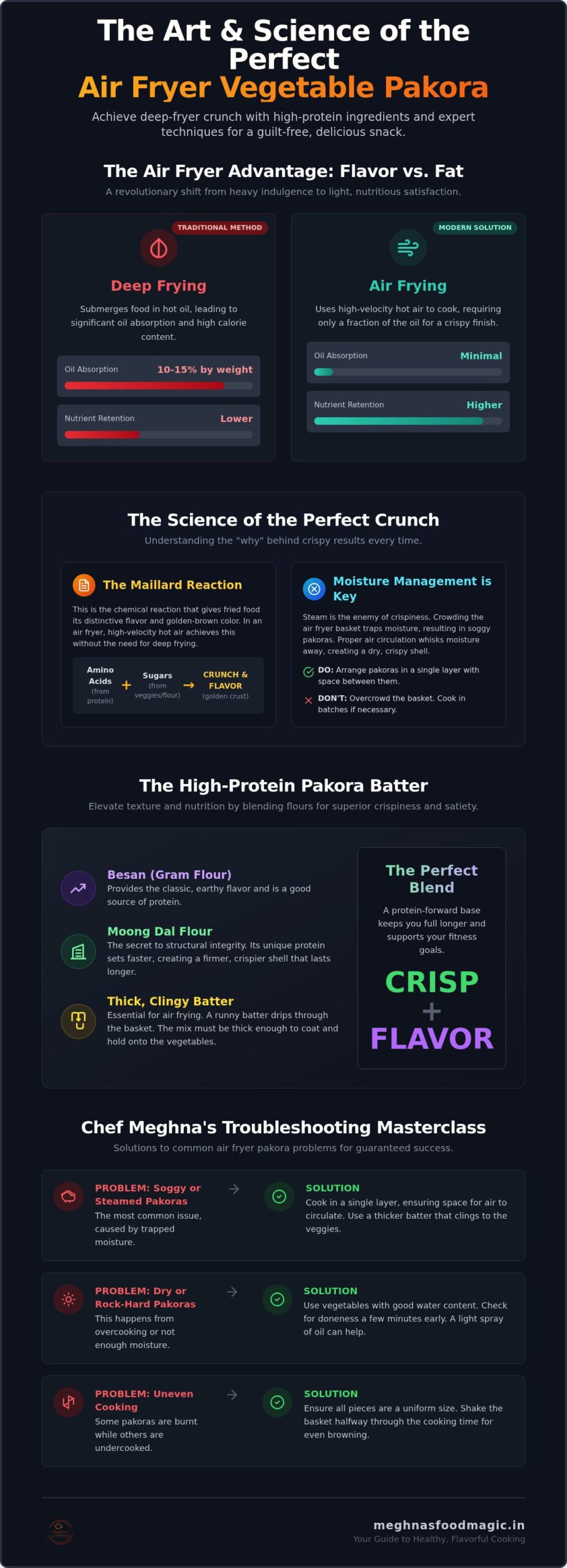
The secret to that golden-brown crust lies in the Maillard reaction. In deep frying, the oil acts as a heat conductor to brown the batter. In an air fryer, high-velocity hot air creates that same chemical reaction between amino acids and reducing sugars. You get the same savory depth and “fried” aroma, but the process is much cleaner. It’s a game-changer for anyone looking for guilt-free indulgence that actually satisfies the soul. This method ensures your snacks are light on the stomach but heavy on flavor.
The Nutritional Edge: Weight Loss and Fitness
The calorie difference is staggering. While deep-fried snacks can soak up nearly 10 to 15 percent of their weight in oil, air frying uses a mere fraction. This makes these pakoras a perfect addition to your Weight loss recipes collection. Beyond just calories, the quick, dry heat of an air fryer often preserves more of the delicate vitamins in your carrots, beans, and peppers compared to being submerged in boiling oil. You’re getting more fiber and more micronutrients in every bite, making it the ultimate fitness-friendly snack.
Texture Science: Achieving the Perfect Crunch
Achieving a reliable crunch in an air fryer requires understanding how air moves. Hot air circulation mimics the heat transfer of oil, but it needs space to work. If you crowd the basket, steam gets trapped, leading to the dreaded “soggy pakora.” To prevent this, focus on increasing the surface area of your vegetables and ensuring the batter isn’t too watery. By managing moisture early in the prep, you allow the air to whisk away water quickly. This leaves behind a crisp, sturdy shell that rivals any street food stall, ensuring your air fryer vegetable pakora stays crunchy until the very last bite.
The Secret to the Perfect Pakora Batter: Protein and Texture
The magic of a perfect air fryer vegetable pakora starts with the foundation, the batter. While traditional recipes rely solely on Besan (gram flour), I’ve discovered that blending flours creates a more sophisticated texture and a better nutritional profile. Besan provides the classic earthy flavor we love, but Moong Dal flour is the real hero for structural crispiness. Because Moong Dal flour has a different protein structure, it sets faster and stays firmer under the high-velocity air of your appliance. This prevents the pakora from flattening out or losing its shape during the cooking process.
A thick, clingy coating is essential for success. In deep frying, a slightly thinner batter might work, but for an air fryer, the mix must hold its own. If the batter is too runny, it will simply drip through the basket holes before it has a chance to crisp up. To maximize flavor without the need for an oil-heavy tempering, I recommend blooming your spices directly in the mix. Let the natural moisture of the vegetables hydrate the turmeric, carom seeds (ajwain), and chili powder. This releases their essential oils and ensures every bite is a burst of aroma that feels indulgent yet remains incredibly light.
Flour Power: Besan, Moong, and Soy Blends
Creating a high-protein base is an act of self-care. By mixing Besan with Moong Dal flour or even a touch of soy flour, you create a gluten-free powerhouse that keeps you full longer. These pulse flours are excellent binders, holding the vegetables together without needing excessive starches. This protein-forward approach is a staple in my Get Fit With Meghna philosophy, where we prioritize satiety alongside flavor. It’s about making your snacks work for your fitness goals, not against them, ensuring you feel energized rather than heavy.
Managing Moisture in Vegetables
Moisture is the enemy of the crunch. For watery vegetables like cabbage or onions, the ‘Salt and Squeeze’ method is non-negotiable. Sprinkle salt on your shredded veggies and let them sit for ten minutes; then, squeeze out every drop of excess water. This ensures the batter stays thick and doesn’t turn into a soggy mess inside the air fryer. I also love adding a tablespoon of cornstarch or rice flour. This creates an extra-thin, glass-like shell that shatters beautifully when you bite into it. If you want to see these textures in action, you can explore more visual guides on my YouTube channel for that perfect, golden finish every time.
Step-by-Step Recipes: Mixed Vegetable and High-Protein Moong Pakoras
Bringing these techniques to life is where the real joy begins. I’ve designed these two variations to showcase how versatile an air fryer vegetable pakora can be, whether you’re looking for a colorful crunch or a massive protein boost. To get that signature golden-brown finish, we use the ‘Mid-Way Spray’ technique. After about 7 minutes of cooking, give your pakoras a light spritz of oil. This tiny amount of fat helps the heat distribute evenly across the batter’s surface, triggering the Maillard reaction we discussed earlier for a professional look without the grease. For more inspiration, you can explore my full collection of Airfryer recipes.
Recipe 1: The Classic Rainbow Veggie Crunch
This recipe is a celebration of color and fiber. Use a mix of carrots, French beans, and bell peppers to create a vibrant snack that appeals to everyone. I recommend cutting your vegetables into a julienne shape rather than a small dice. Longer, thinner strips create more gaps in the pakora’s structure, allowing the hot air to circulate through the center. This is the secret to avoiding a dense, doughy middle.
Start by mixing your julienned veggies with the protein-rich batter we perfected in the previous section. Preheat your air fryer to 180°C. Place small, rough spoonfuls of the mixture into the basket, ensuring they don’t touch. Set the timer for 12-15 minutes. Use the ‘Mid-Way Spray’ at the 7-minute mark and give the basket a gentle shake. These are fantastic as Tiffin Recipes because they stay firm and delicious even after they’ve cooled down.
Recipe 2: High-Protein Moong and Spinach Delights
For those focused on vegetarian muscle gain or a heartier snack, this ‘Protein Punch’ version uses soaked and ground Moong Dal as the base. Soak one cup of yellow Moong Dal for at least 3 hours, then grind it into a coarse paste with very little water. This dal paste replaces the flour entirely, providing a massive boost of plant-based protein. The texture is naturally grittier, which translates into a spectacular crunch once air-fried.
Finely chop fresh spinach and fold it into the Moong paste along with green chilies and ginger. Spinach can release water, so don’t let the batter sit for too long after mixing. Drop small portions into the air fryer at 180°C. These usually take the full 15 minutes to cook through because the dal paste is denser than a standard chickpea batter. The result is a savory, nutrient-dense air fryer vegetable pakora that satisfies your hunger and supports your fitness goals. It’s a restorative way to enjoy a classic treat while fueling your body with the good stuff.
Chef Meghna’s Masterclass: Troubleshooting and Zero-Waste Tips
Success with an air fryer vegetable pakora isn’t just about the ingredients; it’s about the small, intentional choices you make during the process. I’ve found that many home cooks feel discouraged when their first batch isn’t perfect, but cooking is a journey of discovery. Whether you’re dealing with a texture that’s too firm or a batter that won’t crisp, there’s always a simple, creative solution. Understanding the “why” behind these culinary hiccups turns you from a follower of recipes into a master of your kitchen. It’s all about balance and intuition.
Chef Meghna’s Notes
If your pakoras turn out rock-hard, you’ve likely used too much flour or skipped the essential oil spritz. For a softer interior, try adding a tablespoon of yogurt or a splash of lemon juice; the acidity helps tenderize the pulse flours. For those following a gluten-free diet, the Besan and Moong flours are already perfect, but you can experiment with adding a little rice flour for extra lightness. If you find the batter is too soft or falling apart, it usually means the vegetables weren’t squeezed dry enough. Don’t worry; just add a spoonful of dry flour to absorb the excess moisture before you start the next batch.
Chef Meghna’s Pro Tips for Success
Pre-heating your air fryer is a non-negotiable step for that instant crunch. I recommend running it at 200°C for at least 5 minutes before the first pakora goes in. This ensures the batter sets the moment it hits the basket, preventing it from oozing through the mesh. Also, resist the urge to overcrowd. Each air fryer vegetable pakora needs its own breathing room so the hot air can circulate and brown every edge evenly. While some prefer parchment paper, I recommend direct greasing of the basket. Paper can block the airflow from the bottom, which often leads to a soggy base and an uneven cook.
Zero-Waste Kitchen: Repurposing Scraps
In my kitchen, every scrap is a gift. You don’t need to throw away cauliflower stalks or broccoli stems. Simply peel away the tough, fibrous outer layer, julienne the tender core, and toss it right into your pakora mix. They provide a wonderful, earthy sweetness and a unique crunch. If you have leftover batter, store it in an airtight container in the refrigerator for up to 24 hours. The flavors actually deepen over time, making for a quick and easy snack the next day. This approach to “Leftover Food Magic” ensures nothing goes to waste while keeping your meals exciting. You can find more inspiration for using every bit of your produce in my Leftover Food Recipes.
Completing the Experience: Healthy Pairings and Culinary Therapy
The journey of creating the perfect air fryer vegetable pakora doesn’t end when the timer beeps. To truly embrace the philosophy of Food Magic, we must look at the entire experience as a restorative ritual. Pairing your crispy, golden bites with a steaming cup of healthy Masala Chai, perhaps brewed with jaggery or dates instead of refined sugar, transforms a simple snack into a soul-warming celebration. This combination creates a beautiful balance of textures and temperatures, making your afternoon break feel like a mini-vacation in the middle of a busy day. It’s about more than just eating; it’s about creating a moment of harmony that fuels your spirit.
Tea-Time Snacks and Healthy Dips
A pakora is only as good as the dip it meets. For a truly nutrient-dense experience, I recommend quick, oil-free chutneys that burst with fresh enzymes and antioxidants. A classic Mint-Coriander chutney provides a cooling contrast to the warm spices, while a Tangy Tamarind version, sweetened naturally, adds a delightful zing without the heavy syrups found in store-bought bottles. These condiments are essential for completing your Tea Time Snacks spread. If you want to dive deeper into the world of traditional condiments, you can explore my extensive guide on Chutneys, Pickles, and Achar. You can even turn these snacks into a balanced meal by serving them alongside a high-protein paneer salad. And for those with a sweet tooth, why not finish with a slice of healthy date cake? My ‘Cake Therapy’ recipes ensure your dessert remains as health-conscious as your air fryer vegetable pakora.
Culinary Therapy: Cooking as Self-Care
There is a profound, meditative joy in the act of preparing fresh produce. The rhythmic slicing of carrots, the vibrant aroma of chopped cilantro, and the tactile experience of mixing the batter all serve as a form of culinary therapy. This process allows you to disconnect from the digital world and reconnect with yourself. It is an act of self-care that nourishes both the body and the mind, turning the kitchen into a sanctuary of creativity. I encourage you to slow down and savor these “magic” moments during your prep. Once you’ve mastered these techniques, don’t forget to share your creations with our growing community. I love seeing how you bring your own flair to these recipes, so tag me and share your Food Magic moments on Meghna’s Instagram. Let’s inspire each other to make wellness a joyful, daily celebration that feels effortless and extraordinary.
Start Your Journey to Healthier Snacking Today
Embrace the “Food Magic” lifestyle by turning your kitchen into a vibrant space of joy and wellness. You’ve learned that achieving the perfect air fryer vegetable pakora isn’t about luck; it’s about mastering the balance of protein-rich flours and smart moisture management. By choosing nutrient-dense ingredients like Moong Dal and fresh, julienned vegetables, you’re nourishing your body while satisfying your deepest cravings. This is the ultimate way to enjoy a classic treat without the heavy, oil-soaked guilt of the past.
With expert guidance from Chef Meghna, you can access over 1000+ free digital recipes designed to make healthy eating feel like a celebration. Join our vibrant community of over 1M+ health-conscious foodies who are redefining what it means to eat well every day. Whether you’re meal prepping for a busy week or looking for restorative culinary therapy, there’s always something new and exciting to discover in our collection.
Keep experimenting, keep tasting, and always remember that healthy food should be nothing short of extraordinary. Your path to a more vibrant, energetic life starts with just one crispy, golden bite. I can’t wait to see the magic you create in your own kitchen!
Frequently Asked Questions
Can I make air fryer pakoras without any oil at all?
You can certainly skip the oil entirely, but for the best culinary experience, a tiny spritz is highly recommended. Without any fat, the outer layer of your air fryer vegetable pakora might look dull and taste a bit floury. A light spray at the halfway mark helps the heat distribute evenly, ensuring that golden, crispy finish we all love. It’s a small trade-off for a significantly better texture that satisfies your cravings.
Why are my air fryer pakoras turning out hard like rocks?
Hardness usually happens when the batter is too dense or the cooking time is too long. If you use too much flour relative to the vegetables, the moisture can’t escape, creating a solid, brick-like texture. Ensure your vegetables are julienned to allow airflow and don’t skip the moisture-removal methods discussed earlier. Adding a tablespoon of yogurt to the batter can also help keep the inside tender while the outside crisps up perfectly.
What is the best flour to use for a high-protein pakora?
A blend of Besan (gram flour) and Moong Dal flour is the ultimate choice for a protein-packed snack. While Besan is the traditional base, Moong Dal flour adds unique structural integrity and extra plant-based protein. You can also experiment with a touch of soy flour for an even higher protein count. This combination ensures your air fryer vegetable pakora is not just a treat but a functional part of your fitness-oriented diet.
Do I need to pre-heat the air fryer for pakoras?
Pre-heating is absolutely essential to ensure your pakoras start cooking the moment they touch the basket. If you place the batter in a cold air fryer, it may spread or seep through the mesh before it has a chance to firm up. I recommend running your appliance at 200°C for about five minutes. This quick burst of heat seals the outer layer instantly, trapping the flavors inside and guaranteeing that signature crunch.
How do I store and reheat leftover air-fried pakoras?
Store your leftovers in an airtight container in the refrigerator for up to two days for maximum freshness. When you’re ready for another snack, avoid the microwave, as it will make the batter soggy and limp. Instead, pop them back into the air fryer at 180°C for three to four minutes. This revitalizes the crispiness and brings back that “just-cooked” magic, making them feel brand new and delicious once again.
Can I use frozen vegetables for air fryer pakoras?
You can use frozen vegetables, but you must thaw them completely and pat them dry before mixing. Frozen produce tends to release a lot of excess water, which can quickly turn your batter into a runny mess. Once thawed, use a kitchen towel to squeeze out every drop of moisture. This extra step ensures your pakoras maintain their shape and achieve the same level of crispiness as those made with fresh, vibrant garden produce.
How do I prevent the pakora batter from sticking to the air fryer basket?
Preventing sticking starts with a well-greased basket and a thick, sturdy batter consistency. Lightly brush or spray the bottom of the basket with oil before pre-heating. Ensure your batter is thick enough to cling to the vegetables rather than dripping off. If the mix is too thin, it will sink into the holes and bond with the metal. A well-prepared, thick batter will lift off easily once the bottom has set and crisped.
Disclaimer
This is a recipe food blog page and not nutrition or doctor and hence do not claim to cure any illness. If you have specific health issues please consult a qualified doctor or certified nutritionist.
I do consult experts, research Internet and at times seek help from Gemini to collect relevant information to put together some of these blogs.

