
Why Spicy Food Is Good for You: Healthy Recipes & Benefits
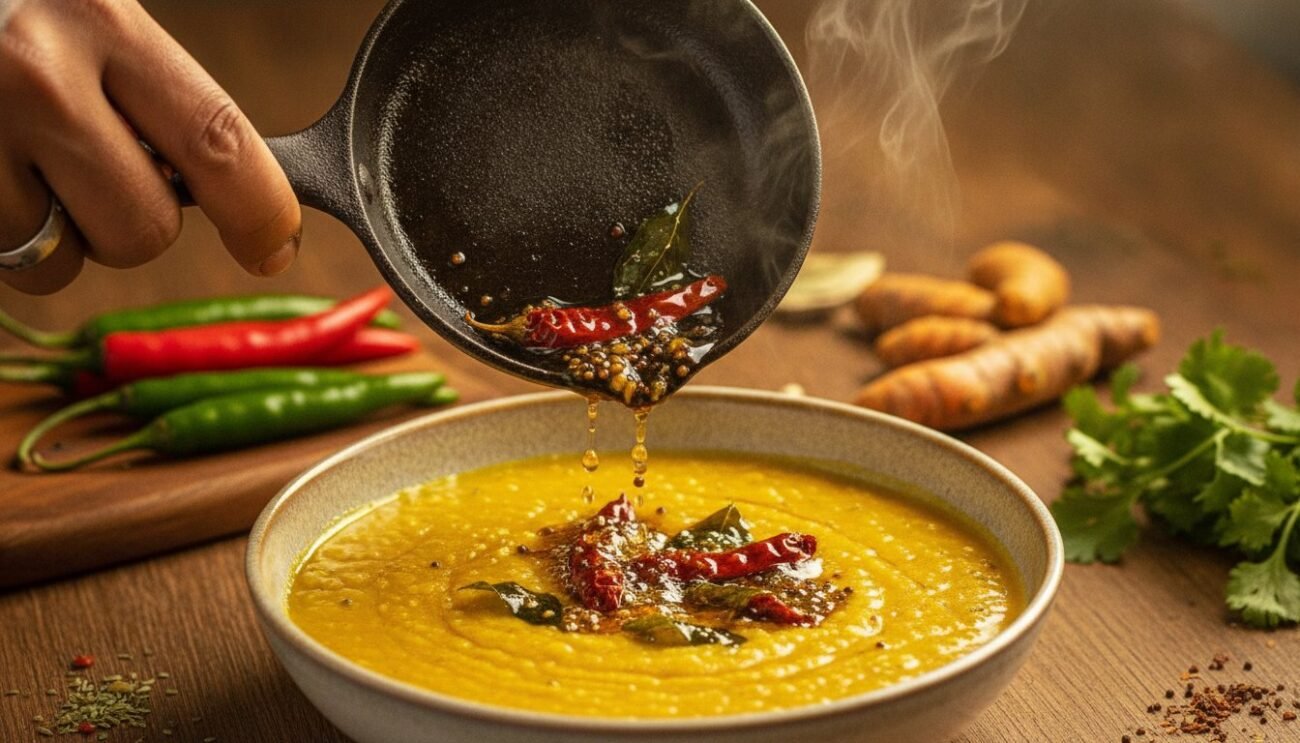

What if the very heat you’ve been avoiding is actually the key to unlocking a more energetic, health-conscious version of yourself? It’s a common fear that spicy food leads to digestive discomfort or requires excessive oil to taste good, often leaving us stuck with boring, uninspired diet meals that lack any real excitement. I understand the hesitation, especially when you want to feel your best without the sting of heartburn. You shouldn’t have to choose between a fiery palate and a happy gut. It’s time to reimagine your kitchen as a space for both wellness and intense flavor.
In this guide, you’ll discover how to master the art of spices to boost your metabolism and transform your health without sacrificing flavor. We’re going to dive deep into the science of why these ingredients work, learn professional techniques for tempering heat, and explore vibrant recipes that make every bite feel like a celebration. From understanding the “why” behind your spice rack to creating light, nutrient-dense dishes, you’ll learn how to bring harmony and excitement back to your daily table. Let’s turn your cooking into a form of culinary therapy that leaves you feeling energized and truly satisfied.
Key Takeaways
- Understand the science behind capsaicin and how it triggers a mood-lifting endorphin rush while naturally boosting your metabolic rate.
- Explore the specific health benefits of spicy food, focusing on how anti-inflammatory spices support weight loss and overall longevity.
- Master the culinary “why” behind the traditional Indian tempering method to unlock fat-soluble flavors and essential nutritional benefits.
- Learn professional chef secrets for substituting heavy creams with light, nutritious alternatives to keep your meals flavorful yet heart-healthy.
- Discover practical zero-waste techniques for repurposing vegetable scraps into nutrient-rich stocks that elevate the depth of your home cooking.
The Science of Spicy Food: Why We Crave the Heat
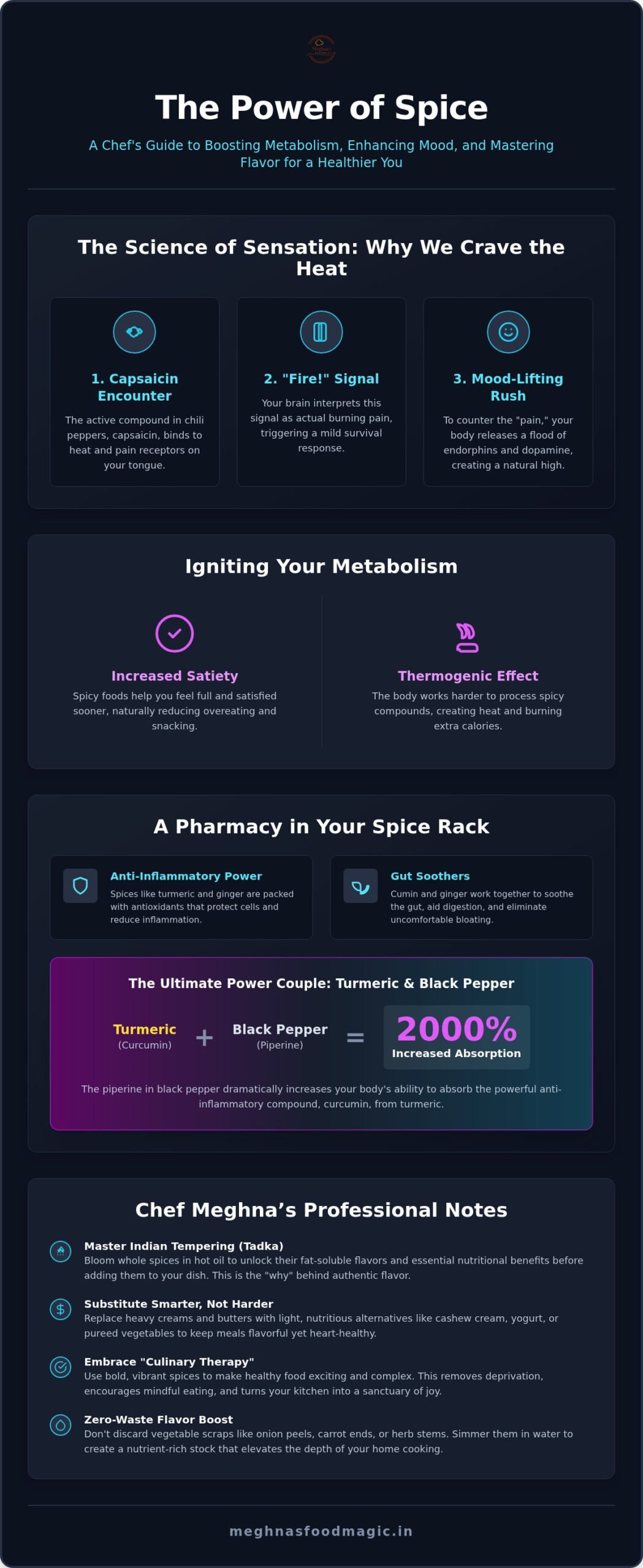
Ever wondered why that first bite of a fiery curry makes your heart race and your forehead bead with sweat? It isn’t just about the flavor; it’s a complex biological dance. At the center of this experience is capsaicin, the active compound found in chili peppers. The Science of Spicy Food reveals that capsaicin binds to vanilloid receptors on our tongue, which are actually designed to detect heat and pain. Your brain thinks your mouth is literally on fire, so it triggers a survival response. It’s a fascinating trick of nature that turns a simple meal into a full-body experience.
To counter this perceived pain, your body releases a flood of endorphins and dopamine. This natural high is what makes spicy food so addictive and mood-lifting. It’s a rush of joy that transforms a simple meal into an exhilarating event. You aren’t just eating; you’re experiencing a biological reward for your bravery. This is why we often reach for that extra spoonful of salsa even when our eyes are watering. It’s the body’s way of saying thank you for the excitement.
We often categorize heat into two distinct families. Sharp heat, found in fresh or dried chilies, hits the palate quickly and intensely. In contrast, warm heat comes from spices like cinnamon, cloves, and black pepper. These provide a slow, comforting glow that lingers without the sharp sting. In my kitchen, I view spice as a tool for celebration, not restriction. It’s about adding layers of life to your plate so that you never feel like you’re “on a diet.” Wellness should taste like a vibrant adventure, full of color and personality.
Capsaicin and the Metabolic Spark
When you consume these fiery compounds, your body works harder to maintain its internal balance. These compounds trigger the body to use more energy, essentially lighting a fire under your metabolism. Thermogenesis is the process of heat production in organisms. This metabolic spark helps you burn a few extra calories just by enjoying your meal. Additionally, spices play a huge role in increasing satiety. This means you feel satisfied and full much sooner, which naturally reduces the urge to overeat or reach for unhealthy snacks later in the day.
The Emotional Connection: Spice as Culinary Therapy
Many weight loss journeys feel like a struggle because the food is bland, boring, and punishing. By embracing bold, vibrant flavors, you remove that heavy sense of deprivation. This is the heart of what I call culinary therapy. When a dish is complex and exciting, you’re naturally inclined toward mindful eating. You slow down to savor each note of flavor rather than rushing through a meal to get it over with. For more lifestyle inspiration and ways to make your kitchen a sanctuary of joy, visit the Meghna’s Food Magic Homepage.
Health Benefits of Spices: A Weight Loss Secret
Many people associate bold flavors with heavy, calorie-laden restaurant dishes. I’m here to tell you that spicy food is actually one of the most powerful tools in your wellness arsenal. These ingredients aren’t just for a kick; they’re packed with anti-inflammatory compounds and antioxidants that protect your cells from oxidative stress. In my Get Fit With Meghna philosophy, I emphasize that food should heal you while it delights you. Wellness is about abundance, not restriction, and spices provide exactly that.
Let’s clear up a major misconception. People often worry that heat causes ulcers. While you should always listen to your body, research shows that capsaicin can actually stimulate the stomach lining to secrete protective juices. When you pair these aromatics with high-protein ingredients like paneer or lentils, you create a metabolic powerhouse. The protein provides the building blocks for muscle, while the spices ensure your digestion stays active and efficient. It’s a beautiful synergy that makes healthy living feel effortless.
Spices for Metabolic Support
True culinary magic happens when you understand the synergy between specific ingredients. For example, the Health Benefits of Spices are significantly amplified when you combine black pepper with turmeric. The piperine in pepper increases the absorption of turmeric’s curcumin by up to 2,000%. Meanwhile, cumin and ginger work together to soothe the gut and eliminate bloating. Emerging research also suggests that regular spice intake can help lower insulin resistance, making it easier for your body to manage blood sugar levels throughout the day.
Spicy Food for Sustainable Weight Loss
One of the simplest secrets to weight loss is flavor intensity. When a meal is incredibly tasty, you don’t need a massive portion to feel satisfied. The heat naturally slows you down, encouraging you to take smaller bites and listen to your body’s “full” signals. You can use chili, lemon, and herbs to replace heavy cream-based sauces or hidden sugars found in store-bought dressings. If you’re looking for inspiration, explore my collection of Weight loss recipes that prove healthy eating is never boring. For more visual tips on balancing heat and health, you can watch my kitchen secrets on YouTube.
Mastering the Indian Spice Cabinet: The “Why” Behind the Flavor
Your spice box is more than just a collection of jars; it’s a vibrant pharmacy of flavor and wellness. To truly master the art of spicy food, you must understand the four pillars of the Indian pantry: Turmeric, Cumin, Mustard seeds, and Dried Red Chilies. Turmeric provides earthy notes and golden color. Cumin adds a nutty depth that aids digestion. Mustard seeds offer a sharp, pungent kick, while dried chilies bring that signature heat. These aren’t just additives. They are functional ingredients that transform a simple meal into a powerful health ritual.
The secret to unlocking these benefits lies in the “Tadka” or tempering. You might wonder why we add spices to hot oil rather than just stirring them into the pot. Many of the most potent compounds in these spices are fat-soluble. This means they need a carrier, like a small amount of oil or ghee, to release their essential oils and medicinal properties. Understanding the health benefits of spicy food starts with this simple scientific truth. Without that momentary sizzle, you aren’t just losing flavor; you’re missing out on the nutritional potency your body craves.
I always recommend using whole spices whenever possible. Pre-ground powders lose their volatile oils and nutritional value much faster because of the increased surface area exposed to air. When you use whole seeds and chilies, you preserve that “metabolic spark” we discussed earlier. To keep your pantry zero-waste, store your spices in airtight glass jars away from direct sunlight. If you find your spices have lost their aroma, a quick dry roast on a low flame can often revive those sleeping oils and bring them back to life.
The Anatomy of a Healthy Tadka
You don’t need a pool of oil to make a great Tadka. Just one teaspoon is enough to maximize flavor extraction. The sequence is vital. Start with mustard seeds because they need high heat to pop and release their bitterness. Next, add cumin seeds, and finally, add the dried chilies and turmeric at the very end. This prevents the delicate spices from burning and becoming acrid. If you have any leftover spice-infused oil, don’t throw it away. It makes an incredible base for a zesty salad dressing or a drizzle over steamed vegetables.
Balancing the Four Pillars: Heat, Sour, Salt, and Sweet
Cooking is about harmony, not just heat. If your spicy food feels overwhelming, you need an acid to cut through the fire. Amchur (dried mango powder) or a fresh squeeze of lemon juice provides the perfect sour balance. For a touch of sweetness to round out a gravy, skip the white sugar. A tiny bit of jaggery or a finely mashed date adds a complex, healthier sweetness. If a dish becomes too spicy by accident, don’t reach for heavy cream. Instead, try adding a splash of vinegar or a grated boiled potato to absorb the excess heat without adding unwanted fats.
3 Signature Spicy Recipes for the Health-Conscious Cook
Forget the idea that spicy food has to be swimming in oil or buried under layers of heavy cheese. Real culinary magic happens when we use heat to highlight fresh, whole ingredients rather than masking them. These recipes are designed to fuel your body and fire up your metabolic rate without the heavy “food coma” feeling that often follows indulgent meals. By focusing on smart techniques and vibrant aromatics, you can enjoy the “endorphin rush” of spice every single day while staying light and energized.
Recipe 1: Spicy Sprouted Moong & Avocado Salad
Sprouting is a transformative process that turns a simple legume into a living, nutrient-dense powerhouse. It breaks down complex starches and anti-nutrients, which significantly increases digestibility and protein availability. For this salad, I toss fresh moong dal sprouts with finely chopped green chilies, a generous sprinkle of chaat masala, and a zesty lime dressing. The special “Meghna touch” here is the addition of diced avocado. The creamy, healthy fats in the avocado perfectly coat the palate, providing a cooling balance to the fiery chili heat without the need for heavy dairy or oils.
Recipe 2: Air Fryer Spicy Paneer Tikka
You can achieve that coveted restaurant-style char and smoky flavor without a traditional tandoor or a deep fryer. I use thick Greek yogurt for the marinade because it provides a high-protein base that clings beautifully to the paneer. A bold hit of degi mirch provides a stunning natural color and a sophisticated, smoky heat. The air fryer is a game-changer because it uses rapid air technology to create a “crispy” exterior with only a tiny fraction of the oil. It’s the ultimate way to enjoy your favorites while staying on track with your fitness goals. Check out my full collection of Airfryer recipes for more low-oil inspiration.
Recipe 3: Spicy Jowar (Sorghum) Upma
This is a brilliant millet-based twist on a classic breakfast staple. Jowar is an ancient grain that is naturally gluten-free and exceptionally high in fiber, making it ideal for sustained energy and weight loss. You can find more Weight loss recipes on my website that incorporate these healthy grains. To get the texture just right, you must soak the whole Jowar pearls for exactly 8 hours before cooking. This step is non-negotiable; it ensures the grain becomes soft and fluffy rather than unpleasantly chewy. Temper the dish with crackling mustard seeds and fresh curry leaves to release the deep, earthy flavors that make this upma so satisfying.
Chef Meghna’s Professional Notes
Success in the kitchen comes from understanding your ingredients. If you want a vegan version of the tikka, firm tofu is an excellent high-protein substitute that absorbs the spicy marinade just as well as paneer. For the sprouts, if you find the raw flavor too intense, give them a quick two-minute steam before tossing them into the salad. To practice zero-waste cooking, never throw away the stems of your green chilies or coriander. Store them in a freezer bag and add them to your next vegetable stock for a subtle, spicy depth of flavor.
Chef Meghna’s Professional Notes: Troubleshooting and Zero-Waste
Mastering the kitchen isn’t just about following a recipe perfectly; it’s about having the intuition to solve problems as they arise. When you’re working with spicy food, small adjustments can make the difference between a culinary disaster and a masterpiece. I want you to feel empowered in your kitchen, knowing that every challenge has a creative, health-conscious solution. Cooking should be an act of joy and self-care, not a series of rigid rules.
Substitutions and Troubleshooting
Many traditional recipes reach for heavy cream to balance intense heat, but you don’t need those extra calories to achieve a rich texture. Instead, use a smooth cashew paste or whisked Greek yogurt. These alternatives provide a luxurious mouthfeel while adding protein and healthy fats. If you have “fussy eaters” at home who can’t handle high heat, prepare the base dish with mild aromatics and add a separate, fiery Tadka to individual portions at the table. This way, everyone enjoys the meal at their own comfort level.
I always suggest swapping refined vegetable oils for cold-pressed coconut or peanut oils to keep your heart healthy. If you find that your turmeric or cumin has burned during tempering, it will become unpleasantly bitter. Don’t try to mask it; the best fix is usually to start the tempering process over. If the bitterness is already in the gravy, a small amount of tamarind paste or a squeeze of lemon can sometimes soften the edge, but watching your heat during the initial sizzle is the best prevention.
Zero-Waste & Leftover Magic
Your kitchen should be a cycle of continuous creativity. Save your clean vegetable scraps, such as onion peels, carrot ends, and coriander roots, in a freezer bag. Once you have a full bag, simmer these scraps with a few peppercorns and a dried red chili for 45 to 60 minutes. This creates a zesty, nutrient-rich vegetable stock that serves as a perfect base for soups or spicy gravies. This process ensures that nothing goes to waste while adding incredible depth to your future meals.
Never let a spicy sabzi go to waste. You can mash leftover vegetables and use them as high-protein fillings for parathas or whole-wheat sandwiches. These are perfect for kids’ tiffins because the spices have had time to mellow and meld, creating a sophisticated flavor profile. For more inspiration on repurposing your meals, explore my Leftover Food Recipes collection. To keep your homemade chili or ginger-garlic pastes fresh, top the jar with a thin layer of oil and always use a bone-dry spoon to prevent spoilage.
Embracing spices is about more than just heat; it’s about the “Food Magic” that happens when wellness and flavor collide. Don’t be afraid to experiment and find your own balance. Your journey toward health should be as vibrant and exciting as the dishes you create. Let’s keep cooking with passion and purpose!
Ignite Your Wellness Journey with Bold Flavors
We’ve journeyed through the biological rush of capsaicin and uncovered why the traditional Tadka is a scientific necessity for nutrient absorption. You now have the professional secrets to balance fiery heat with cooling alternatives and the practical steps to turn vegetable scraps into nutrient-rich stocks. Embracing spicy food is a vibrant way to celebrate your body while keeping your metabolism active and your palate excited.
My high-protein vegetarian database is trusted by thousands of home cooks looking for that perfect blend of nutrition and taste. Whether you’re following the “Get Fit With Meghna” series or simply looking for a more mindful way to eat, these recipes prove that wellness doesn’t have to be bland. It’s time to bring that signature spark back to your dinner table and enjoy every bite of your transformation.
You have the knowledge and the recipes to make every meal a rewarding act of self-care. Go ahead and create some food magic in your kitchen today!
Frequently Asked Questions
Is spicy food good for weight loss?
Yes, incorporating spicy food into your diet is a brilliant strategy for weight management. Capsaicin, the compound found in chilies, helps you feel full faster and reduces the urge to overeat throughout the day. It also triggers thermogenesis, which is the process of heat production in the body. This means you’re burning more energy just by enjoying a flavorful meal. Pair your spices with high-protein ingredients to see the best results for your fitness goals.
How can I make food spicy without using too much oil?
You don’t need a pool of oil to unlock deep flavors. Try dry roasting whole spices like cumin or coriander seeds before grinding them to release their essential oils without any added fat. For tempering, use just one teaspoon of healthy oil or ghee. Using an air fryer is another fantastic way to get that crispy, spicy kick with minimal oil, keeping your daily meals light and nutritious while maintaining that satisfying crunch you crave.
What is the best way to cool down your mouth after eating spicy food?
Reach for dairy if the heat becomes overwhelming. Milk and yogurt contain a protein called casein, which acts like a detergent to break down and wash away the capsaicin molecules from your pain receptors. If you’re avoiding dairy, a spoonful of sugar or a piece of bread can also help. These starches and sugars provide a physical and chemical barrier that soothes the burning sensation quickly and effectively without adding heavy calories to your meal.
Can spicy food help boost my metabolism?
Absolutely, spicy food acts as a natural metabolic spark. When you eat chilies, your core body temperature rises slightly, forcing your system to work harder to cool itself down. This temporary increase in your metabolic rate helps you burn calories more efficiently after eating. While it isn’t a magic fix on its own, adding heat to your daily meals is a powerful way to support your long-term health and weight loss efforts through mindful culinary therapy.
How do I introduce spicy food to kids or picky eaters?
Start slow by introducing “warm” spices like cinnamon, cardamom, or mild paprika before moving to fresh chilies. I often suggest keeping the heat separate. Prepare a flavorful, mild base dish and add a spicy Tadka only to the adult portions. This builds complex flavor profiles that children actually enjoy without the overwhelming sting. It allows them to explore new tastes at their own pace while you still enjoy the bold flavors you love.
Are there any health risks to eating very spicy food every day?
For most people, enjoying a bit of heat every day is perfectly safe and even beneficial for heart health. However, very high levels of spice can sometimes cause temporary digestive discomfort or heartburn in sensitive individuals. It’s all about listening to your body and finding your personal threshold. If you experience persistent irritation, try reducing the heat or pairing your spicy dishes with more cooling ingredients like cucumbers or curd to protect your stomach lining.
What are the healthiest spices to keep in an Indian pantry?
Every healthy kitchen needs the “big four”: turmeric, black pepper, cumin, and ginger. Turmeric is a powerful anti-inflammatory, especially when paired with black pepper for better absorption. Cumin and ginger are essential for gut health and reducing bloating. These staples form the foundation of nutritious cooking, ensuring that every dish you prepare is as functional for your body as it is delicious for your palate. They provide a perfect base for any health-conscious meal.
Can I eat spicy food if I have a sensitive stomach?
You can still enjoy these flavors even with a sensitive stomach. The key is to avoid over-frying your spices in heavy oils, which is often the real cause of indigestion. Use fresh ginger and cumin to aid digestion, and always pair your heat with soothing elements like yogurt or coconut milk. This balanced approach allows you to reap the benefits of spices without triggering the discomfort often associated with poorly prepared, oily dishes that lack proper tempering.
Disclaimer
This is a recipe food blog page and not nutrition or doctor and hence do not claim to cure any illness. If you have specific health issues please consult a qualified doctor or certified nutritionist.
I do consult experts, research Internet and at times seek help from Gemini to collect relevant information to put together some of these blogs.

