
10 Healthy & High-Protein Kofta Recipes for Weight Loss
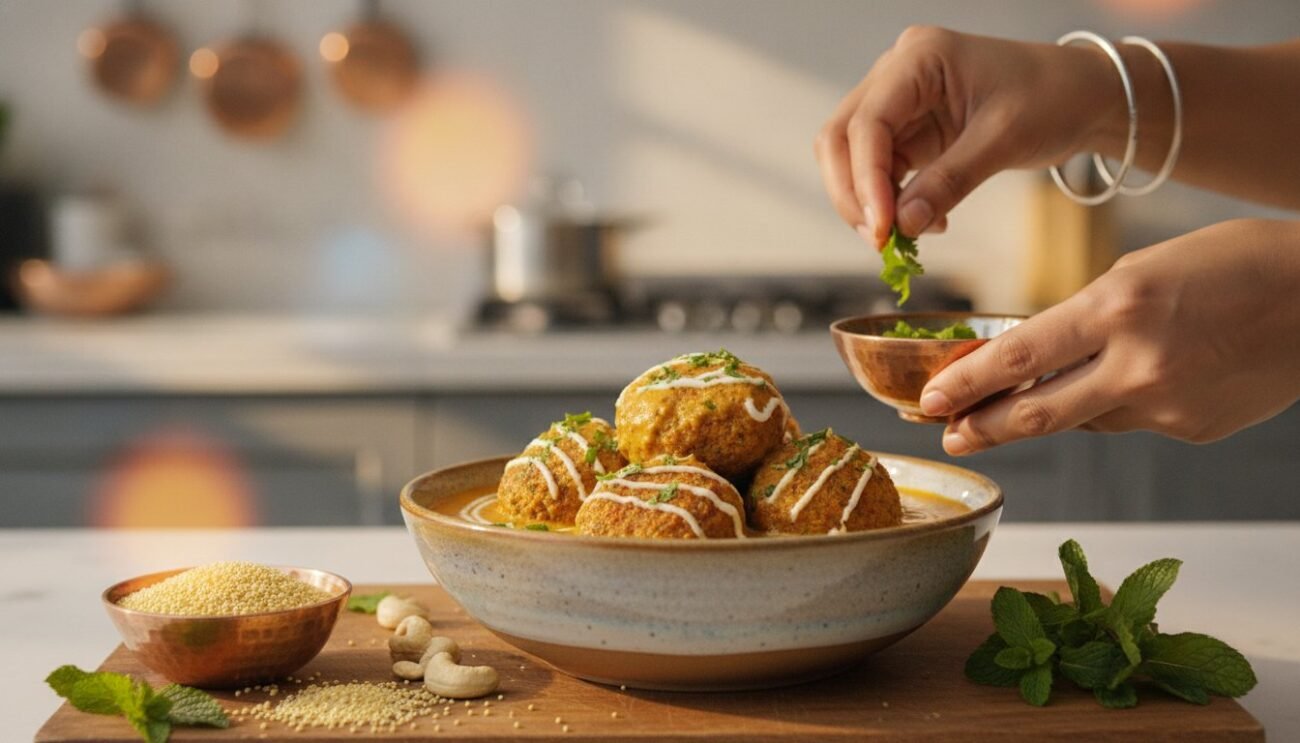
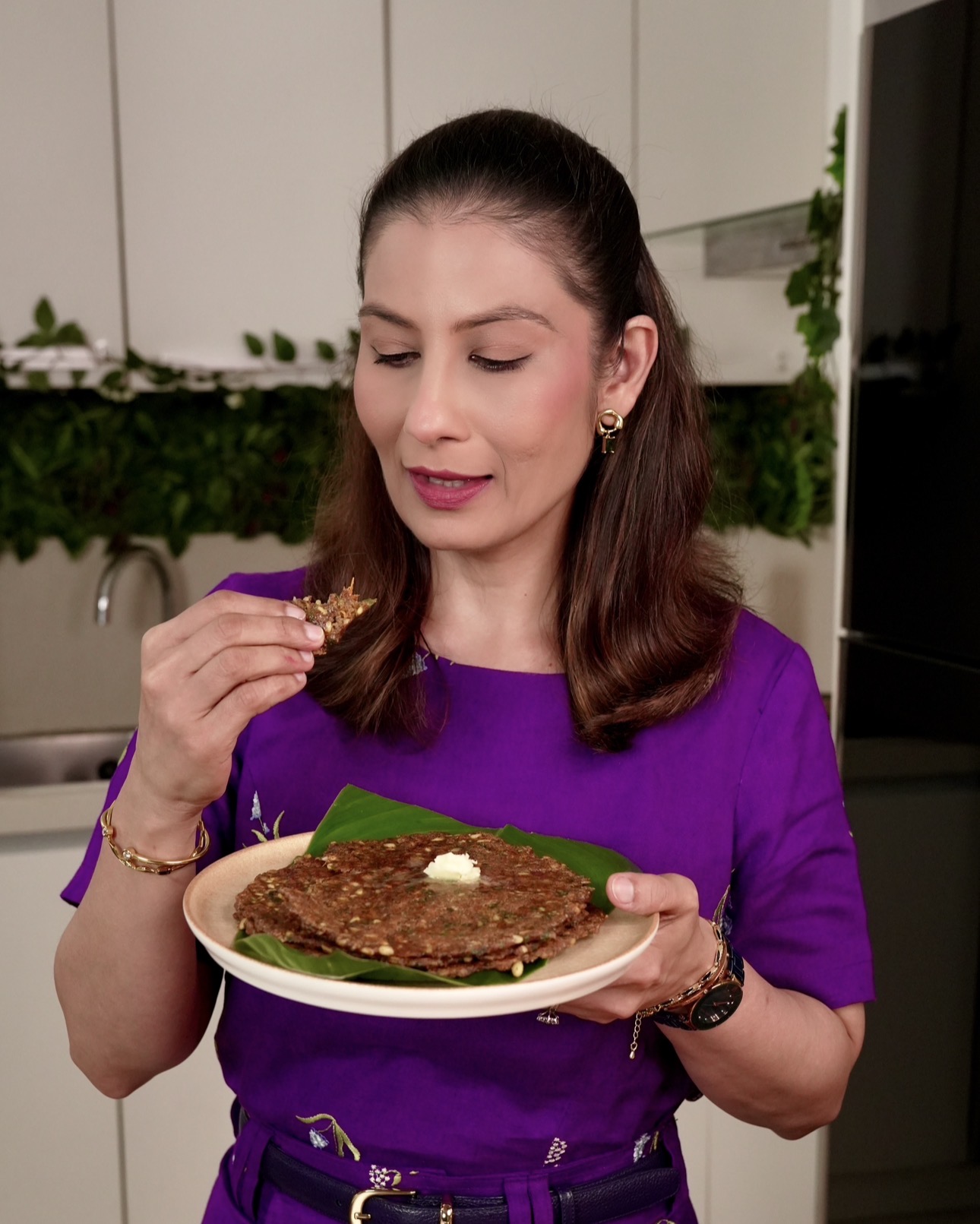
What if you could dive into a bowl of melt-in-the-mouth koftas without that heavy, sluggish feeling that usually follows a deep-fried feast? We all know the struggle of trying to make traditional Kofta recipes fit into a fitness journey. It’s frustrating when those delicate vegetable balls break apart in the gravy or leave you feeling bloated from refined flours and excessive oil. You want the comfort of a classic meal, but you also need the protein to fuel your day and the lightness to keep your energy high.
I’m here to show you that healthy eating doesn’t mean saying goodbye to your favorites; it means making them better. In this guide, we’ll transform the humble kofta into a high-protein flavor bomb using nutrient-dense millets and modern air-frying techniques. You’ll learn why soaking grains like Jowar or Bajra for 6 to 8 hours is the secret to perfect digestion and how zero-waste kitchen tricks can turn vegetable scraps into a base for the most aromatic gravies. Get ready to master 10 incredible variations that are as kind to your waistline as they are to your taste buds.
Key Takeaways
- Learn how to reinvent traditional Kofta recipes for your fitness journey by using air-frying methods that prioritize heart health without sacrificing that classic crunch.
- Understand the culinary logic of using millets as a protein-rich binder and the necessity of soaking them for 6 to 8 hours to ensure they are gentle on your gut.
- Discover how to create velvety, restaurant-style gravies using roasted aromatics and cashew-milk blends instead of calorie-dense heavy cream.
- Gain mastery over your air fryer with specific temperature guides for millet, paneer, and soya bases to prevent breaking and ensure even cooking.
- Adopt sustainable zero-waste techniques that turn kitchen scraps into nutrient-dense flavor boosters for a truly holistic approach to healthy cooking.
Beyond Deep-Frying: Redefining Healthy Kofta Recipes for Fitness
Koftas have long been the crown jewel of festive Indian dining; little spheres of indulgence that usually come with a side of guilt. Traditionally, these dumplings are deep-fried and drenched in gravies thick with cream and butter. At Meghna’s Food Magic, we believe that taste and health are not mutually exclusive. We’re redefining Kofta recipes to serve your fitness goals, turning them from calorie-heavy “cheat meals” into protein-packed powerhouses. By moving away from deep-frying and heavy starches, we unlock a world where comfort food actually fuels your weight loss journey. It’s about celebrating the ingredients while respecting your body’s needs.
To create a kofta that supports muscle repair and keeps you full, we focus on three stellar vegetarian protein bases. Paneer remains a classic favorite for its creamy texture and high-quality protein. Moong, whether sprouted or ground, offers a light, easily digestible, and fiber-rich foundation. Finally, Soya is excellent for those seeking a meaty texture and an incredible protein-to-calorie ratio. These bases allow us to maintain the soul of the dish while stripping away the unnecessary fats.
The Nutritional Anatomy of a Healthy Kofta
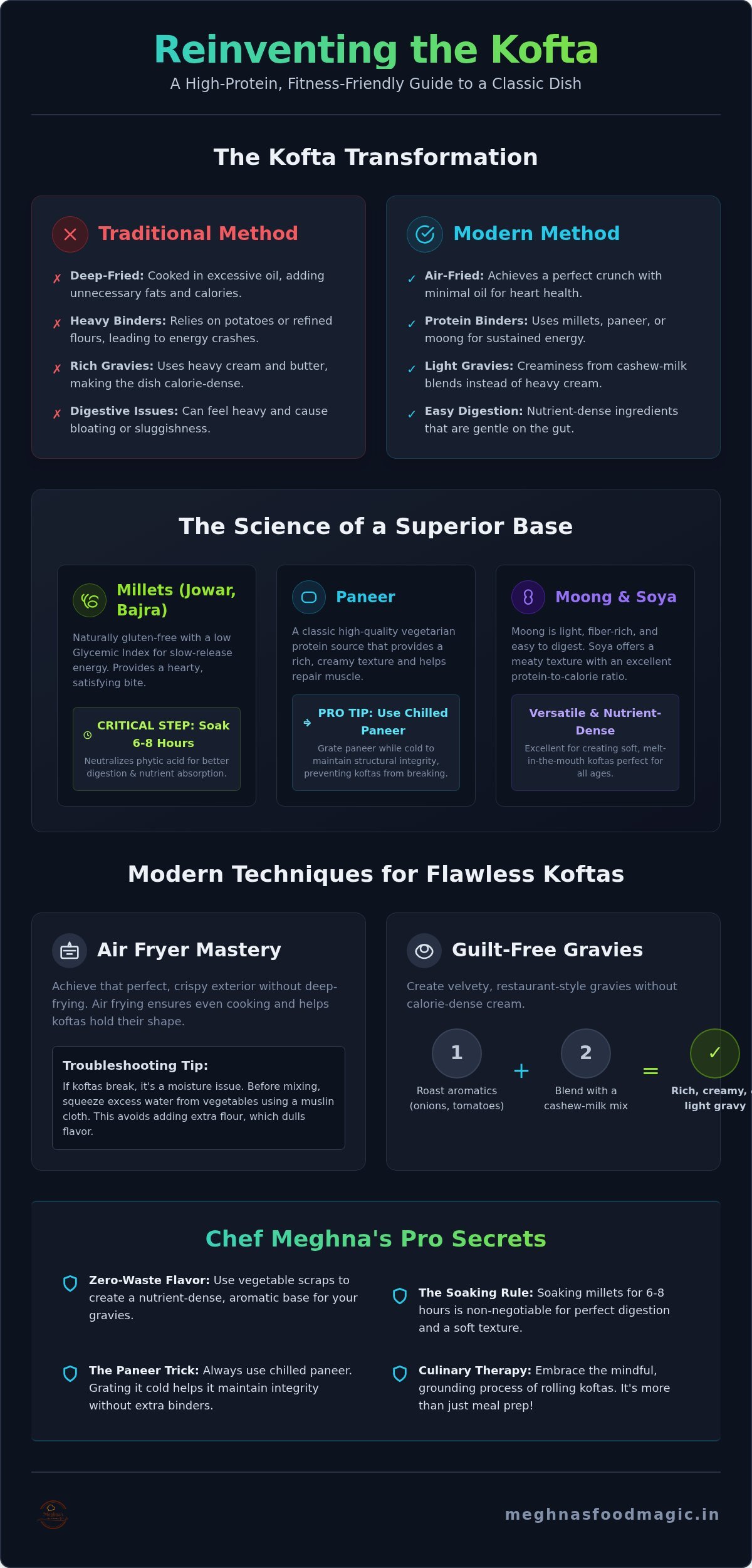
Traditional versions rely heavily on potatoes or white flour as binders. These ingredients are high in simple carbohydrates and can lead to energy crashes. We swap these for fiber-rich alternatives like millets. When using grains like Jowar or Bajra, it’s vital to soak them for at least 6 to 8 hours. This process neutralizes phytic acid, making the nutrients more bioavailable and preventing that heavy, bloated feeling. High-protein vegetarian options are essential for the Indian fitness journey, providing the satiety needed to avoid mindless snacking. For more inspiration on balancing your plate, explore Meghna’s Weight Loss Recipes.
Chef Meghna’s Notes: The Joy of Culinary Therapy
Rolling a kofta is more than just meal prep. It’s a form of culinary therapy. The rhythmic motion of shaping each ball can be incredibly grounding and mindful. If you find your koftas are breaking in the air fryer or gravy, it’s usually a moisture issue. Instead of adding more flour, which dulls the flavor, try squeezing out excess water from your vegetables using a muslin cloth before mixing. My professional secret? Always use chilled paneer. Grating it while cold helps it maintain its structural integrity, ensuring your koftas stay firm and beautiful without needing extra binders.
The Science of the Perfect Base: Millets, Moong, and Protein
Forget the heavy, starch-laden potato bases of the past. The real secret to creating modern, fitness-friendly Kofta recipes lies in the incredible world of ancient grains and pulses. Millets are the ultimate game-changer here. Not only are they naturally gluten-free, but their low Glycemic Index (GI) ensures a slow release of energy, keeping you full and focused throughout the day. When we use millets, we aren’t just making a meal; we are building a structural foundation that supports your metabolism while delivering a satisfying, hearty bite.
However, working with these “super-grains” requires a bit of culinary respect. You must soak your millets for exactly 6 to 8 hours before cooking. This step is non-negotiable because it neutralizes phytic acid, an anti-nutrient that can interfere with mineral absorption and cause that dreaded post-meal bloating. Once soaked, you can choose your grain based on the mood of your dish. Jowar (Sorghum) offers a mild, versatile flavor that pairs with any gravy. Bajra (Pearl Millet) brings a nutty, warming quality perfect for colder months. For those seeking a gentle, high-protein option for children or the elderly, Moong dal is the superior choice. It’s exceptionally easy to digest and creates a soft, velvety texture that melts away beautifully.
Millet Selection and Preparation for Koftas
If you love a bit of “bite” in your dumplings, Foxtail or Little Millet are your best friends. These varieties retain a rice-like graininess even after cooking, which provides a wonderful contrast to a smooth gravy. The soaking process ensures these centers stay moist rather than gritty, allowing the kofta to absorb the flavors of your spices. You can find detailed demonstrations of these grains in my 30+ Millet Recipes by Meghna collection. If you want to see these textures come to life, explore more culinary magic on YouTube and join our growing community of food lovers.
Chef Meghna’s Notes: Millet Substitution Guide
Want a deeper, earthier flavor that mimics the richness of meat-based versions? Try swapping your base for Ragi (Finger Millet). Its dark hue and robust taste add a sophisticated edge to vegetarian cooking. For the fluffiest results, I recommend steaming your millet koftas for 5 to 7 minutes before they go into the air fryer. This “sets” the protein and moisture, ensuring they don’t dry out. If your dough feels too crumbly to roll, don’t reach for more flour; instead, add a tablespoon of warm water. The heat helps the natural starches in the millet bind together, creating a smooth, workable dough every time.
Gravity-Defying Gravies: Rich Flavor Without the Heavy Cream
What defines a truly decadent kofta curry? Most people would say it’s that silky, rich gravy that clings to the dumplings. However, traditional restaurant-style versions often hide a mountain of saturated fats behind heavy cream and butter. We’re flipping the script on Kofta recipes by proving that luxury doesn’t have to come from a carton of cream. By using roasted onion and tomato purees, we create a naturally thick, emulsified base that carries incredible depth without the calorie baggage. It’s about using the natural sugars and fibers in vegetables to build body and soul in your sauce.
Instead of reaching for dairy fat, try using Greek yogurt or a quick cashew-milk blend. To make cashew milk, simply blend four or five soaked cashews with half a cup of water; this provides that signature “malai” mouthfeel for a fraction of the calories. When you pair these with our ‘Food Magic’ spice blends, you build a flavor profile so complex that your palate won’t even miss the oil. A typical restaurant gravy can easily pack 300 calories per serving from added fats alone. Our high-protein versions slash those numbers while significantly increasing your nutrient intake.
Building the Flavor Base: The Art of Bhuna
The “Bhuna” process is where the magic happens. It involves slow-roasting your aromatics until they transform into a concentrated, smoky paste. This patience-driven technique extracts maximum flavor from onions, ginger, and garlic. To keep things light, I recommend using a splash of homemade vegetable stock instead of water to deglaze your pan. This simple swap enhances the nutritional density and adds a layer of umami that plain water just can’t match. This philosophy of elevating every ingredient is at the heart of Food Magic: Redefining Healthy Indian Cooking.
Chef Meghna’s Notes: Gravy Troubleshooting
One common frustration is yogurt curdling when it hits a hot pan. To prevent this, always ensure your yogurt is at room temperature and whisk it thoroughly before adding it to the gravy. Turn the heat to low and stir constantly until it integrates. If you want to add volume to your gravy without adding calories, try using a puree of steamed pumpkin or bottle gourd (lauki). These vegetables are flavor-neutral but provide a wonderful, thick consistency that mimics a nut-based sauce. Finally, remember that these healthy koftas are delicate. Always add them to the gravy just before serving to ensure they stay firm and don’t turn mushy in the sauce.
Air Fryer Mastery and Zero-Waste Kofta Techniques
Achieving that iconic “crispy on the outside, melt-in-the-mouth on the inside” texture without a vat of bubbling oil feels like a culinary miracle. The secret to perfecting Kofta recipes in an air fryer lies in understanding how different protein bases react to rapid heat circulation. Unlike deep-frying, where everything gets the same treatment, air frying requires a tailored approach to ensure your dumplings don’t turn into dry rocks or stay raw in the middle. By controlling the temperature, you lock in moisture while the high-speed fan creates a beautiful, even sear.
- Millet-Based Koftas: Set your air fryer to 180°C for 12 to 15 minutes. This moderate heat allows the soaked grains to cook through completely while the exterior develops a golden, nutty crust.
- Paneer Koftas: These need a quick, high-heat blast at 200°C for about 8 minutes. You want to brown the outside rapidly before the cheese loses its structural integrity and starts to melt or sag.
- Soya Koftas: These are naturally denser and benefit from 190°C for 10 to 12 minutes. This ensures the center is firm and the texture feels satisfyingly meaty.
Beyond the health benefits, this method opens the door to a zero-waste kitchen. Those cauliflower stalks, broccoli stems, and carrot peels you usually discard are actually fiber goldmines. By finely grating these scraps and mixing them into your kofta dough, you add incredible texture and hidden nutrition. It’s a beautiful way to respect the whole vegetable while creating something extraordinary from what others throw away. You can safely store these vegetable scraps in an airtight container in the fridge for up to three days, or freeze them in a reusable bag until your weekend meal prep session.
The Air Fryer Advantage
Air frying is a revolutionary tool for the modern Indian kitchen because it uses convection heat to “fry” with air. This process preserves more heat-sensitive vitamins and antioxidants than traditional deep-frying, which can degrade nutrients at extremely high temperatures. It’s the ultimate way to enjoy the crunch you love while staying true to your fitness goals. For a deep dive into more techniques, check out my Airfryer Recipes Playlist or read the full Air Fryer Recipes for Indian Food Guide.
Chef Meghna’s Notes: Zero-Waste & Storage
You can easily prep for a busy week by making your kofta dough in bulk. If you’re using vegetable scraps, ensure they are washed and dried thoroughly before grating to prevent excess moisture from breaking the balls. Store the shaped, raw koftas on a tray in the freezer for an hour until firm, then transfer them to a zip-lock bag. They’ll stay fresh for up to a month! My professional secret for that authentic taste? Lightly brush your koftas with a tiny drop of ghee just before air frying. It provides that nostalgic aroma without the heavy fat content. Also, if you have leftover dal in the fridge, don’t let it go to waste; it makes an incredible, protein-rich binder for your next batch of koftas.
Chef Meghna’s Signature Healthy Kofta Recipes
Bringing our “Food Magic” philosophy to life means moving from theory to the vibrant, aromatic reality of your kitchen. These Kofta recipes are designed to prove that you don’t need a drop of heavy cream or a deep fryer to achieve restaurant-quality results. Whether you’re craving the velvety comfort of a malai-style dish or the earthy crunch of ancient grains, these variations will keep you satiated and energized. Serve your hot kofta curry alongside my soft Jowar recipes or nutrient-dense Bajra recipes to keep the meal entirely gluten-free and fitness-focused.
Recipe 1: The Guilt-Free Malai Kofta
This version reimagines the classic indulgent favorite into a high-protein masterpiece. Start by mashing chilled paneer with finely chopped spinach, ginger, and green chilies. Shape them into delicate spheres and air fry until the edges are golden. For the “Malai” sauce, skip the heavy dairy and blend soaked cashews with room-temperature, whisked yogurt. This creates a luxurious, creamy texture that beautifully coats the spinach-paneer balls. If you love working with high-quality protein, you can find more inspiration in my Paneer recipes collection.
Recipe 2: The Ancient Grain Millet Kofta
For a fiber-focused meal that provides a satisfying “bite,” look no further than Proso millet. After soaking the millet for 6 to 8 hours to ensure easy digestion, mix it with grated carrots, finely chopped French beans, and a touch of cumin. Shape these into dumplings and air fry at 180°C for 12 to 15 minutes. The result is a kofta with a beautifully rustic, golden crust and a soft, nutrient-dense center that holds up perfectly in a spicy tomato-based gravy. Proso millet is my top choice here because its structural integrity mimics the texture of traditional dumplings without the need for refined binders.
If you’re looking for the ultimate weight-loss friendly option, try my Moong Dal and Lauki Kofta. By combining protein-rich moong dal with high-fiber bottle gourd (lauki), you create a light, hydrating dumpling that’s incredibly low in calories. These are particularly wonderful for a light dinner when you want something comforting but easy on the stomach. The high water content of the lauki ensures the koftas stay juicy even without any added oil.
Chef Meghna’s Notes
When making the Paneer and Spinach Kofta, the most critical step is ensuring your spinach is bone-dry. After blanching, squeeze it through a muslin cloth until every drop of excess moisture is gone. If the spinach is wet, your koftas will break apart the moment they hit the air fryer. For the Proso millet version, remember that this grain provides the best “bite” and prevents the dumplings from feeling mushy. If you want a more festive feel, you can stuff a single raisin or a piece of cashew inside each kofta before air frying for a hidden burst of flavor. Always remember to add your koftas to the warm gravy just before you sit down to eat; this keeps the exterior perfectly textured while the inside stays soft.
Master Your Kitchen for a Fitter You
You’ve discovered that recreating your favorite Kofta recipes doesn’t mean compromising on your health goals. By embracing air fryer techniques and the structural magic of millets, you’ve unlocked a way to enjoy traditional Indian flavors while fueling your weight loss journey. It’s about more than just a meal; it’s about a lifestyle shift where wellness and indulgence walk hand in hand. Remember, the secret lies in the details, from soaking your grains for exactly 6 to 8 hours for optimal digestion to building creamy gravies with roasted aromatics instead of heavy dairy fat.
My “Get Fit With Meghna” series is built on this exact foundation, blending expert-led modern health science with the authentic tastes we all love. With free access to over 1,000 nutritious recipes, you have every tool you need to transform your kitchen into a space of culinary therapy. These methods ensure that every bite is as nourishing as it is delicious, helping you reach your fitness targets without ever feeling restricted or deprived of the comfort food you crave.
Cooking is a beautiful act of self-care and a celebration of your progress. Take these techniques into your kitchen today and start your journey toward a more vibrant, energetic lifestyle. You’ve got this!
Frequently Asked Questions
How do I prevent my koftas from breaking in the curry?
You can prevent your koftas from breaking by ensuring the base mixture is as dry as possible before shaping. Always squeeze out excess water from grated vegetables like lauki or spinach using a muslin cloth. If the dough feels too soft, add a tablespoon of roasted gram flour or millet flour to bind it. Professional chefs recommend adding the koftas to the warm gravy only at the moment of serving to maintain their structural integrity.
Can I make koftas without deep frying and still get them crispy?
Achieving a crispy exterior without deep frying is perfectly possible using an air fryer or a convection oven. Preheat your air fryer to 190°C and lightly brush the kofta balls with a tiny amount of ghee or olive oil for that authentic aroma. Air fry for 12 to 15 minutes, shaking the basket halfway through. This method creates a beautiful golden crust while keeping the inside moist and tender, effectively modernizing traditional Kofta recipes for weight loss.
Which millet is best for making Indian kofta recipes?
Proso millet and Little millet are the best choices for whole-grain textures because they provide a rice-like “bite” that holds up well in dumplings. If you prefer a smoother, more traditional feel, using Jowar or Bajra flour as a binder works beautifully. Each millet brings a unique nutritional profile to your plate, but Proso is particularly favored for its neutral taste and superior ability to absorb the rich, complex flavors of your spicy Indian gravies.
How long should I soak millets before using them in kofta dough?
You should soak whole millets for exactly 6 to 8 hours before incorporating them into your kofta dough. This non-negotiable step is essential for neutralizing phytic acid, which can otherwise cause bloating and hinder mineral absorption. Proper soaking ensures the grains are gentle on your digestive system and cook through evenly. After soaking, rinse the grains thoroughly and drain all excess water before grinding or mixing them with your other high-protein ingredients like paneer or soya.
Is it possible to make kofta curry without using heavy cream?
It is absolutely possible to create a rich, luxurious gravy without using a single drop of heavy cream. The secret lies in using a base of roasted onion and tomato purees combined with whisked Greek yogurt or a homemade cashew-milk blend. To make the blend, simply liquefy four soaked cashews with half a cup of water. This technique provides the signature “malai” mouthfeel and creamy consistency you love while keeping the calorie count low and the protein high.
How can I make koftas a high-protein meal for a vegetarian diet?
To make Kofta recipes a high-protein vegetarian meal, focus on using paneer, soya granules, or moong dal as your primary base. These ingredients offer high-quality plant-based protein that supports muscle repair and keeps you satiated. Pairing these koftas with a gravy made from yogurt or seeds further boosts the nutritional value. For a complete fitness-focused meal, serve your protein-rich koftas with Jowar or Bajra rotis to ensure a balanced intake of complex carbohydrates and amino acids.
Can I freeze kofta balls for later use in meal prepping?
You can certainly freeze kofta balls for efficient meal prepping throughout the month. After shaping the raw koftas, place them on a tray in the freezer for about an hour until they are firm. Once “flash-frozen,” transfer them into an airtight container or a reusable zip-lock bag. They’ll stay fresh for up to 30 days. When you’re ready to eat, air fry them directly from the freezer, adding a few extra minutes to the cooking time for perfect results.
What are some zero-waste ways to use vegetable leftovers in koftas?
Repurposing vegetable leftovers is a brilliant way to add fiber and flavor to your koftas. You can finely grate cauliflower stalks, broccoli stems, or even carrot peels to mix directly into your dough. Another zero-waste hack involves using leftover thick dal as a natural, protein-rich binder instead of extra flour. Store your vegetable scraps in an airtight container in the fridge for up to three days before using them to ensure they stay fresh and nutritious for your meal prep.
Disclaimer
This is a recipe food blog page and not nutrition or doctor and hence do not claim to cure any illness. If you have specific health issues please consult a qualified doctor or certified nutritionist.
I do consult experts, research Internet and at times seek help from Gemini to collect relevant information to put together some of these blogs.

