
Smart Ways to Sneak Vegetables into Your Child’s Diet
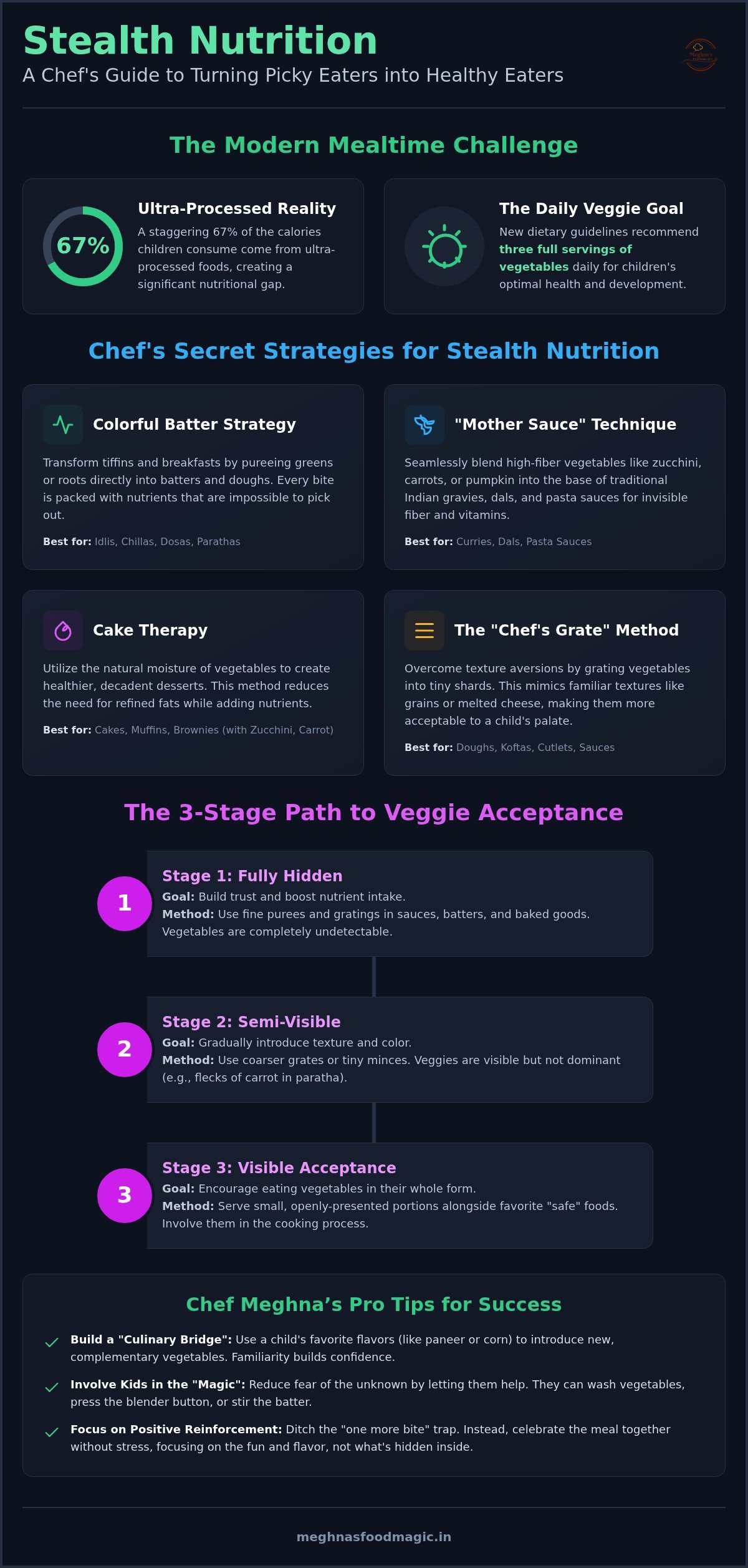
Did you know that as of 2026, ultra-processed foods make up a staggering 67% of the calories children consume? With the latest 2025-2030 Dietary Guidelines for Americans recommending three full servings of vegetables daily; the gap between what kids need and what they actually eat feels wider than ever. It’s exhausting to watch a carefully packed tiffin come home untouched, or to feel that familiar pang of guilt when dinner turns into a negotiation. You want your child to thrive, but the constant power struggles over a piece of spinach are draining your energy. If you’ve been searching for how to sneak veggies into kids food without the nightly drama, you’re in the right place.
I believe that healthy eating should be a celebration, not a chore. I’ll help you master the art of stealth nutrition using professional techniques and vibrant Indian recipes that even the pickiest eaters will love. We’ll dive into creative ways to transform textures, use smart substitutions, and implement expert tips that turn mealtime into a moment of joy; ensuring those tiffin boxes come back empty and your child gets the nourishment they deserve for long-term health.
Key Takeaways
- Understand the science of sensory aversions and how “stealth nutrition” serves as a culinary bridge to expand your child’s palate without the power struggles.
- Discover the “Colorful Batter” strategy for school lunches to ensure tiffin boxes come home empty and packed with hidden vitamins.
- Master the professional “Mother Sauce” technique to learn how to sneak veggies into kids food by blending high-fiber vegetables seamlessly into traditional Indian gravies.
- Explore “Cake Therapy” methods that use the natural moisture of vegetables to create healthier, delicious desserts that reduce the need for refined fats.
- Follow Chef Meghna’s professional 3-stage plan to move from hidden ingredients to visible vegetable acceptance for long-term healthy eating habits.
Understanding the Picky Eater: Why Kids Reject Vegetables and How to Pivot
Mealtime doesn’t have to be a power struggle. When we talk about “Stealth Nutrition,” we’re not talking about simple deception. Instead, it’s about enhancing the nutrient density of familiar foods without compromising the sensory experience that children love. It’s a way to ensure your child gets the vitamins they need while their taste buds are still developing. By focusing on flavor and texture, we can bridge the gap between what they want to eat and what their bodies require.
To pivot effectively, we must understand the science of the “Picky Palate.” Children often have a heightened sensitivity to bitter compounds found in greens like kale or broccoli; a biological trait that once protected our ancestors from toxic plants. This behavior is often linked to What is Selective Eating?, where a child’s rejection of food is rooted in genuine sensory discomfort rather than just stubbornness. By shifting our energy from “Food Wars” to “Food Magic,” we move away from restriction and toward a celebration of color and joy.
One of the most effective tools in my kitchen is the “Culinary Bridge.” This involves using a child’s favorite flavors, like the creamy texture of paneer or the sweetness of corn, to introduce new vegetables. If they love paneer, we can finely mince spinach into a stuffing. If they adore corn, we can blend it with yellow bell peppers. This approach makes the transition feel safe and delicious. It’s about finding that one familiar flavor that gives them the confidence to try something new.
Deconstructing Texture Aversion
Often, it isn’t the taste that causes a child to push a plate away; it’s the texture. “Mushy” or “stringy” vegetables are the primary culprits for rejection because they feel unpredictable in the mouth. To solve this, I use the “Chef’s Grate” method. By grating vegetables like carrots, bottle gourd, or zucchini into tiny shards, you can mimic the texture of grains or melted cheese. Palate Training is the gradual introduction of complex flavors through familiar textures.
The Power of Positive Reinforcement
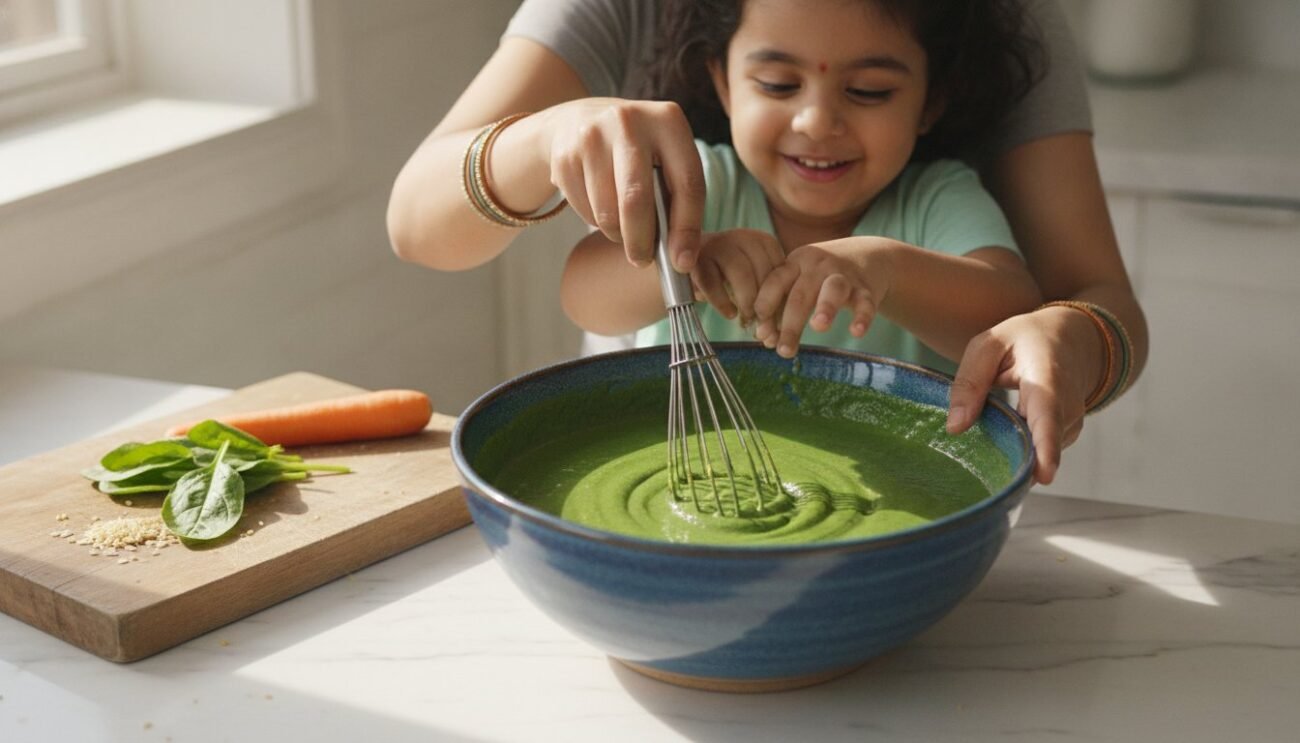
Forget the “one more bite” trap. That creates anxiety for everyone. Instead, focus on “Bonus Veg” excitement. When you’ve mastered how to sneak veggies into kids food, you can celebrate the meal together without the stress. Integrating children into the cooking process reduces their fear of the unknown. Let them help with the “magic” of blending a sauce or choosing which “secret” vegetable goes into the batter. For more visual inspiration on transforming your kitchen into a stress-free zone, check out my Fussy Eaters Playlist.
The Tiffin Revolution: Sneaking Greens into Indian Breakfasts and School Lunches
The tiffin box is where the real magic happens. It’s the one place where your child is independent, making it the perfect environment for stealth nutrition. Understanding how to sneak veggies into kids food effectively starts with reimagining the tiffin box as a space of discovery rather than a battleground. While many guides focus on Western staples like muffins, Indian cuisine offers an incredible array of batters and doughs that are naturally suited for vegetable integration. Research on The Strategy of Hiding Vegetables suggests that while exposure is vital, increasing nutrient density in familiar forms is a powerful tool for growing bodies.
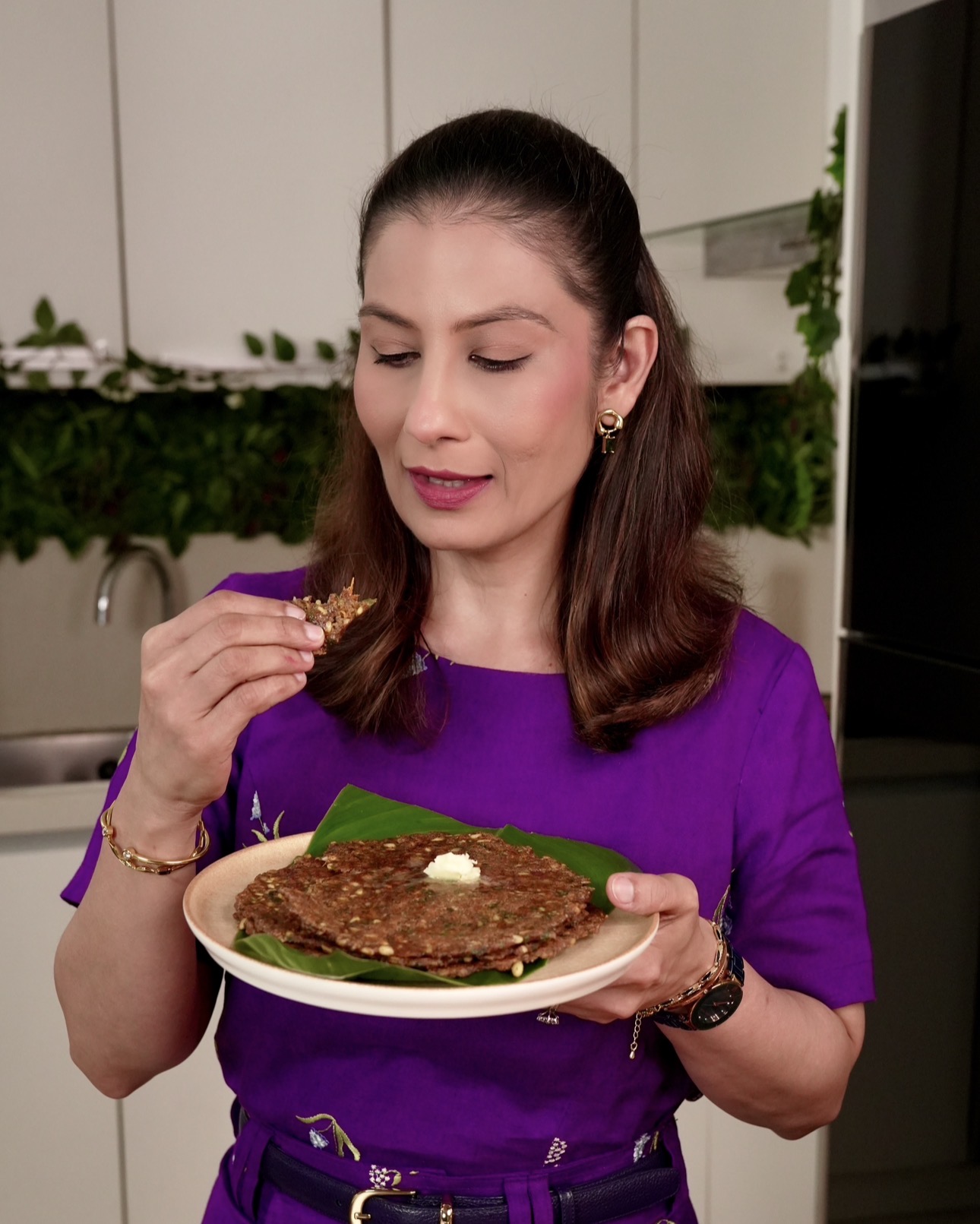
Instead of plain white Idlis or yellow Chillas, use the “Colorful Batter” strategy. Pureeing greens or roots into the base turns standard meals into nutrient powerhouses. For parathas, don’t just stuff them with large chunks that can be easily picked out. Knead purees of spinach, bathua, or even roasted beetroot directly into the atta. This ensures every single bite contains nutrition that’s impossible to separate. If you’re looking for daily inspiration to keep your mornings stress-free, my Tiffin Recipes Playlist has plenty of ideas that ensure the box comes home empty.
Recipe: The ‘Magic Green’ Moong Dal Chilla
This is a staple in my kitchen because it’s high-protein and visually stunning. To make it, you’ll need sprouted moong dal, a massive handful of fresh spinach, a small piece of ginger, and a hint of hing for digestion. Blend the greens and ginger directly into the dal batter. The result is a vibrant, neon-green color that kids often find “cool” or “superhero-themed” rather than intimidating.
Millet Magic in the Tiffin
Integrating grains like Jowar or Bajra into veggie-loaded pancakes provides the slow-release energy kids need for a long school day. If you’re using whole Jowar, it requires a 6-8 hour soak to break down phytic acid and ensure easy digestion for small tummies. To make these savory millet dishes more approachable, add a handful of golden kernels from my Corn Recipes. The familiar sweet pop of corn acts as a flavor bridge, masking the earthiness of the millets while adding essential fiber. Learning how to sneak veggies into kids food becomes much easier when you pair them with grains and textures they already enjoy. For more creative ways to liven up your kitchen, you can subscribe to my channel for weekly updates.
Savory Stealth: Transforming Dals, Gravies, and Comfort Foods with Purees
While many global guides suggest hiding squash in macaroni, the rich textures of Indian gravies offer a much more versatile canvas. The “Mother Sauce” technique is my favorite professional secret for packing nutrition into every meal. By creating a high-nutrient base puree from boiled cauliflower, bottle gourd, or pumpkin, you can thicken any gravy without needing excessive cream or cashew paste. These “Big Three” vegetables are culinary chameleons; they take on the spices of your masala while adding a silky mouthfeel that children adore. If you are exploring dietitian-approved approaches to help your kids try veggies, you’ll find that texture modification is a top recommendation for reducing mealtime stress.
When you’ve mastered how to sneak veggies into kids food using these bases, you can pair them with my High Protein Recipes for a balanced, restaurant-style experience at home. To maximize your kitchen’s potential, adopt a zero-waste mindset. Never discard cauliflower stalks or the woody ends of asparagus and beans. Instead, simmer these scraps in water to create a nutrient-dense stock. Use this liquid to cook your daily rice or dals; it infuses the grains with vitamins and a subtle umami flavor that plain water simply cannot provide.
Recipe: Hidden Veggie ‘Pink’ Pasta Sauce
This vibrant sauce is a visual delight that masks a powerhouse of nutrients. You’ll need two roasted red bell peppers, three steamed carrots, and one small piece of boiled beetroot for that signature “pink” glow. Blend these with a handful of soaked cashews or crumbled paneer to achieve a creamy, dairy-free “Alfredo” texture. Toss this with whole-wheat pasta for a meal that looks like a treat but eats like a salad.
The Pulse Pivot: Boosting Dals with Finely Grated Veggies
Dals are the ultimate comfort food, yet they often lack the fiber variety kids need. Adding “invisible” bottle gourd (Lauki) to Moong Dal provides essential hydration and a velvety texture without changing the color. You can also use a food processor to “rice” cauliflower and mix it in a 1:1 ratio with your Basmati rice. Finely grated zucchini disappears into a simmering dal within five minutes, adding volume and vitamins without altering the flavor profile.
Cake Therapy: Using Vegetables to Create Moist, Healthy, and Delicious Desserts
Baking is the ultimate bridge to wellness. I call it “Cake Therapy” because it transforms the kitchen into a space of joy while serving a secret purpose. When you’re figuring out how to sneak veggies into kids food, the dessert table is your most powerful ally. Vegetables like zucchini or carrots might cause a meltdown when served steamed; however, they disappear completely within a moist sponge. It’s about changing the narrative from restriction to celebration.
The magic lies in the science of moisture. High-water-content vegetables act as a natural replacement for excessive fats and eggs. They provide a tender, velvety crumb that stays fresh longer. By pairing these with nutrient-dense bases like Whole Wheat (Atta) and the earthy sweetness of Jaggery, you elevate a simple treat into a high-fiber snack. For more wholesome ideas, explore my Sugar-Free and Ragi Recipes to see how ancient grains and natural sweeteners work in harmony.
Recipe: Chocolate Zucchini ‘Magic’ Muffins
These muffins are a revelation. You’ll need finely grated zucchini (squeezed very dry), whole wheat flour, high-quality cocoa powder, and jaggery. The zucchini provides incredible structure and moisture. Meanwhile, the deep richness of the cocoa masks the color and flavor of the greens entirely. It’s the perfect example of how to sneak veggies into kids food without them ever suspecting a thing.
Sweet Potatoes and Beets: Nature’s Candy
Don’t stop at zucchini. Steamed and pureed sweet potato creates a fudgy, nutrient-dense brownie that rivals any traditional recipe. The natural sugars in the potato mean you can reduce the added sweetener significantly. For a healthy “Red Velvet” hack, use roasted beetroot puree. It provides a stunning, natural crimson hue without the need for artificial dyes, adding a boost of antioxidants to every cupcake.
To avoid a dense, heavy cake when using purees, balance is key. Always measure your puree accurately; too much moisture will prevent the cake from rising properly. Whisk your dry ingredients thoroughly to aerate the batter. Avoid over-mixing once the wet and dry components meet to keep the texture light and airy.
Chef Meghna’s Masterclass: Professional Tips for Long-Term Veggie Acceptance
Mastering the art of stealth nutrition is only the first step. While learning how to sneak veggies into kids food provides an immediate nutritional win, our ultimate goal is to raise children who choose vegetables because they genuinely enjoy them. This requires a strategic “Don’t Ask, Don’t Tell” approach. In the beginning, keep the secret ingredients to yourself to avoid immediate rejection. Once a dish becomes a household favorite, you can slowly reveal the “magic” ingredient. This builds trust and proves to your child that vegetables can actually taste incredible.
To move beyond hiding, follow my 3-stage plan for palate maturity:
- Stage 1: The Invisible Phase. Use the purees and fine grates we discussed in previous sections to build a foundation of flavor without visual triggers.
- Stage 2: The Semi-Visible Phase. Start adding finely chopped vegetables into familiar textures, like tiny bits of capsicum in a cheesy sandwich or corn in a paratha.
- Stage 3: The Hero Phase. Serve the vegetable in its whole form, but paired with a beloved dip or seasoned with the same spices used in their favorite “hidden” dish.
The “why” behind successful vegetable acceptance often comes down to flavor pairing. Broccoli contains bitter compounds that many children are sensitive to; however, a squeeze of lemon or a sprinkle of nutritional yeast neutralizes that bitterness. Similarly, carrots possess a natural earthiness that cumin (jeera) transforms into a deep, warm sweetness. By pairing the right spice with the right vegetable, you change the chemical profile of the meal, making it more palatable for young taste buds.
Chef Meghna’s Notes: Substitutions and Troubleshooting
If a vegetable puree makes your chilla or muffin batter too watery, don’t just add more raw flour. Use the “Flour Fix” by folding in a tablespoon of roasted chickpea flour (besan). It absorbs excess moisture while adding a nutty aroma and extra protein. When dealing with “smelly” vegetables like cabbage, sauté them with crushed garlic or fennel seeds before pureeing; these aromatics neutralize sulfurous odors. My professional secret? Always roast or steam your veggies before pureeing them. This process reduces raw bitterness and intensifies the natural sugars through the Maillard reaction, making your “stealth” additions much sweeter.
Building a Veggie-First Kitchen Environment
Your kitchen’s layout can influence your child’s choices more than your words. Try the “Prepped Veggie” drawer strategy: keep washed, sliced carrots and cucumbers at eye-level in the fridge. When healthy snacks are the easiest thing to grab, they become the default. Remember, your children are watching you. When they see you enjoying your own wellness journey through my Get Fit Playlist, they’ll view healthy eating as a rewarding lifestyle rather than a set of rules. This shared family philosophy creates a nurturing space where how to sneak veggies into kids food eventually evolves into how to enjoy them together.
Join our vibrant community for daily kitchen inspiration and more “Food Magic” on Instagram.
Transform Your Family’s Health with Every Delicious Bite
You now have the professional tools to turn every meal into a nutrient-dense masterpiece. By mastering how to sneak veggies into kids food through vibrant purees and clever “Cake Therapy” bakes, you’re doing more than just filling tummies; you’re building a foundation for long-term health. This journey is a marathon, not a sprint. Transitioning from hidden ingredients to visible vegetable appreciation takes patience, but with the right flavors and textures, those tiffin boxes will soon come home empty every day.
Join our community of over 1 million home cooks on YouTube who are already reimagining their daily meals. Whether you need free access to 30+ millet recipes or want to learn expert-led Cake Therapy for healthy families, we’re here to support your family wellness goals.
You’ve got the magic in you to make healthy eating a joy for your little ones. I can’t wait to see the smiles around your dinner table as you serve up these vibrant, wholesome creations!
Frequently Asked Questions
Is it okay to ‘hide’ vegetables in my child’s food, or is it deceptive?
Hiding vegetables is a helpful culinary bridge rather than a deceptive act. It ensures your child receives essential nutrients while you simultaneously work on their palate maturity. Think of it as “stealth nutrition” that reduces mealtime stress. You aren’t lying; you are simply presenting whole foods in a texture they already accept. This approach prevents nutritional deficiencies while they gradually learn to appreciate the flavors of whole vegetables in a celebratory, pressure-free environment.
What are the easiest vegetables to sneak into Indian food without changing the taste?
Bottle gourd (lauki), cauliflower, and pumpkin are the most versatile “chameleon” vegetables for Indian kitchens. These options have neutral flavor profiles that disappear into dals and gravies. When you’re learning how to sneak veggies into kids food, start with these three. Grated lauki adds moisture to koftas, while boiled cauliflower puree thickens makhani sauces beautifully without changing the iconic taste of the dish your family already loves.
How do I hide vegetables in parathas without making the dough too sticky?
To avoid sticky dough, always squeeze the excess water out of grated vegetables using a muslin cloth before adding them to the flour. Alternatively, replace the water used for kneading with a thick vegetable puree. This method keeps the dough manageable while ensuring the nutrition is evenly distributed. It’s a professional trick that creates soft, flavorful parathas that won’t tear on the tawa, making your morning tiffin prep much smoother and faster.
Can I sneak vegetables into store-bought snacks or fast food?
You can definitely enhance store-bought items by creating nutrient-dense dipping sauces. Blend boiled carrots or red bell peppers into a standard ketchup or yogurt dip to serve with snacks. If you’re serving pizza, finely grate mushrooms or zucchini under the cheese layer. These small additions provide a significant vitamin boost to processed foods, ensuring that even a quick weekend treat contributes positively to your child’s daily nutritional intake goals.
Will my child ever learn to eat whole vegetables if I keep pureeing them?
Yes, pureeing is simply the first step in a long-term strategy for acceptance. As discussed in the masterclass, the goal is to gradually transition from hidden purees to visible textures. By consistently exposing their taste buds to the subtle flavors of vegetables through purees, you are actually training their palate. Over time, their sensitivity to certain bitter compounds decreases, making it much easier for them to eventually enjoy whole, roasted, or steamed vegetables.
What are the best high-protein vegetables for vegetarian Indian kids?
Green peas, spinach, and broccoli are excellent high-protein choices for vegetarian children. While vegetables aren’t as protein-dense as legumes, they provide essential amino acids that complement a grain-based diet. I recommend pairing these with paneer or tofu to create a complete protein profile. For more inspiration, check out my Paneer Recipes which frequently use these greens to create vibrant, muscle-building meals that children genuinely find delicious.
How can I use an air fryer to make vegetables more appealing to kids?
An air fryer is a fantastic tool for creating the “crunch” that children crave. You can transform “scary” vegetables like kale or sweet potatoes into crispy chips and fries with very little oil. This method uses high-heat circulation to mimic deep-frying, which often masks the “earthy” taste kids dislike. If you want more creative ideas for crispy, healthy snacks, explore my Airfryer Recipes for kid-approved textures.
What is the best way to store vegetable purees for quick weekday meal prep?
The most efficient way to store purees is by using silicone ice cube trays for perfect portioning. Once frozen, pop the cubes into a labeled freezer bag. This allows you to grab exactly what you need for a single dal or a batch of muffins. These frozen “nutrition bombs” stay fresh for up to three months. It’s the ultimate secret for how to sneak veggies into kids food during a busy school week without any extra chopping.
Disclaimer
This is a recipe food blog page and not nutrition or doctor and hence do not claim to cure any illness. If you have specific health issues please consult a qualified doctor or certified nutritionist.
I do consult experts, research Internet and at times seek help from Gemini to collect relevant information to put together some of these blogs.

