
Paryushan Diet Guide: Healthy & Easy Jain Recipes
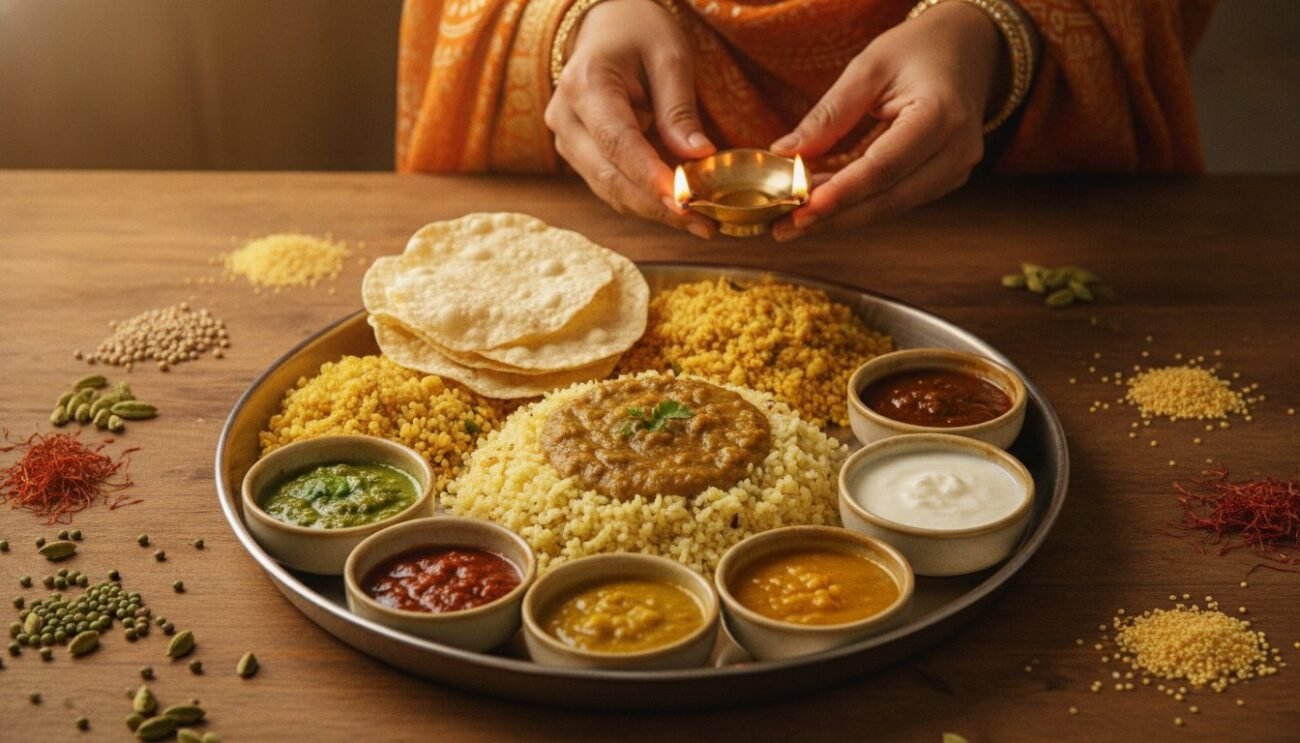
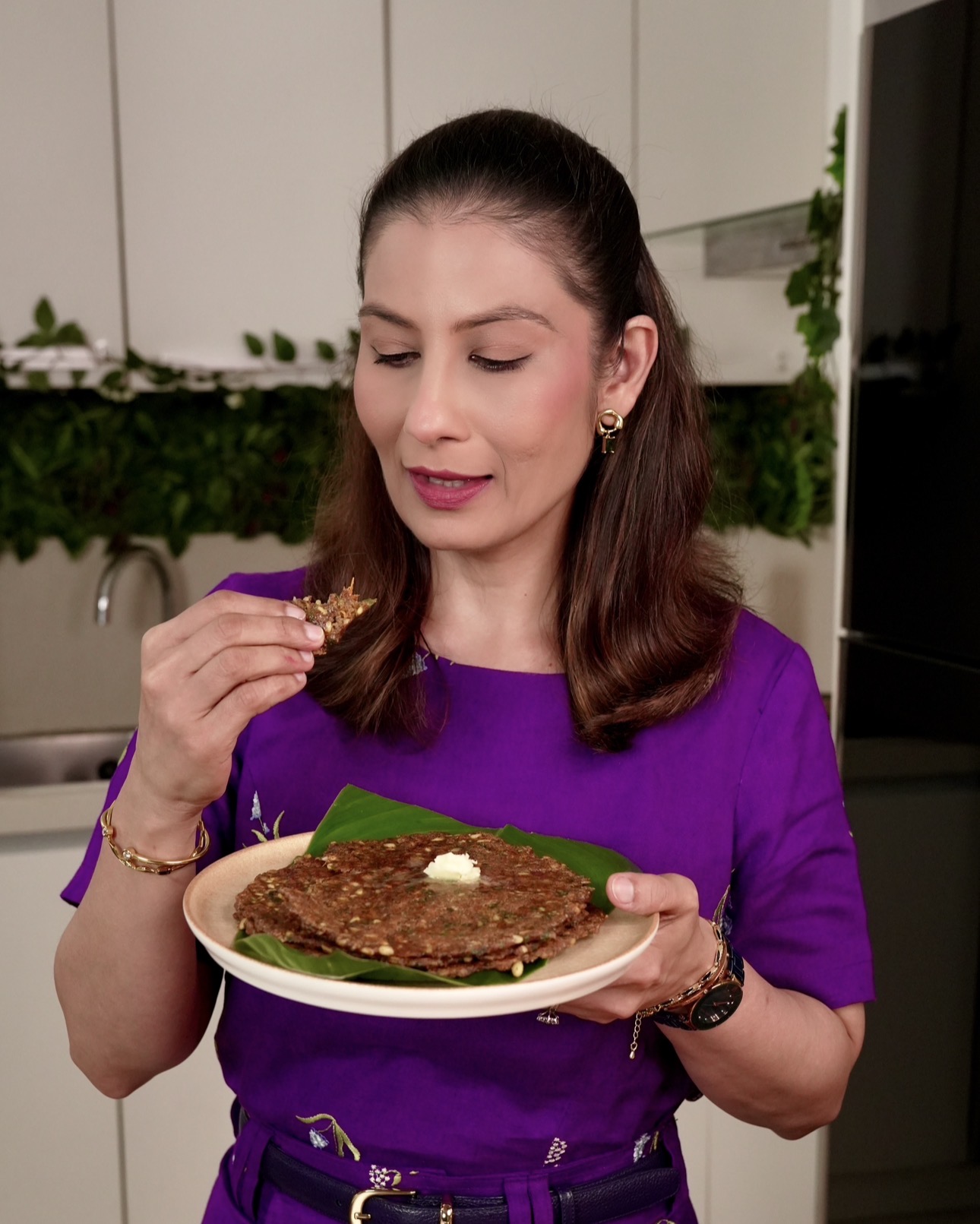
What if the most spiritually disciplined eight days of your year also became the time you felt most physically vibrant and energized? Many of us are used to the familiar cycle of lethargy that often accompanies the Paryushan fast, where the absence of green vegetables and root crops makes meal planning feel like a repetitive struggle. It’s tough to keep the family’s spirits high and nutrition on track when your usual kitchen toolkit is limited. You want to honor every tradition, but you also need the strength to focus on your prayers and daily reflections.
I promise that you don’t have to choose between spiritual devotion and physical wellness. This guide is your invitation to rediscover the festival through a lens of culinary therapy, where simple ingredients are transformed into extraordinary, high-protein meals. We’ll explore how to master versatile millet-based dishes and protein-packed moong creations that keep everyone from toddlers to grandparents feeling light yet completely satisfied. From understanding the deeper connection between the food we consume and our mental clarity to practical tips for busy mothers, you’re about to turn these days into a nourishing celebration of health and faith.
Key Takeaways
- Understand the spiritual essence of the Paryushan festival and how mindful eating supports your journey toward self-purification and inner peace.
- Learn to navigate traditional dietary restrictions with ease by replacing root vegetables and greens with nutritious, protein-rich alternatives.
- Master the use of ancient millets and whole moong to create satisfying meals that keep your energy levels stable for all eight days.
- Gain practical meal prep tips and quick snack ideas that help busy families and working mothers manage the festival without stress.
- Discover how the practice of seeking forgiveness through Michchhami Dukkadam completes your spiritual and culinary experience.
Understanding Paryushan 2026: The Mahaparva of Forgiveness
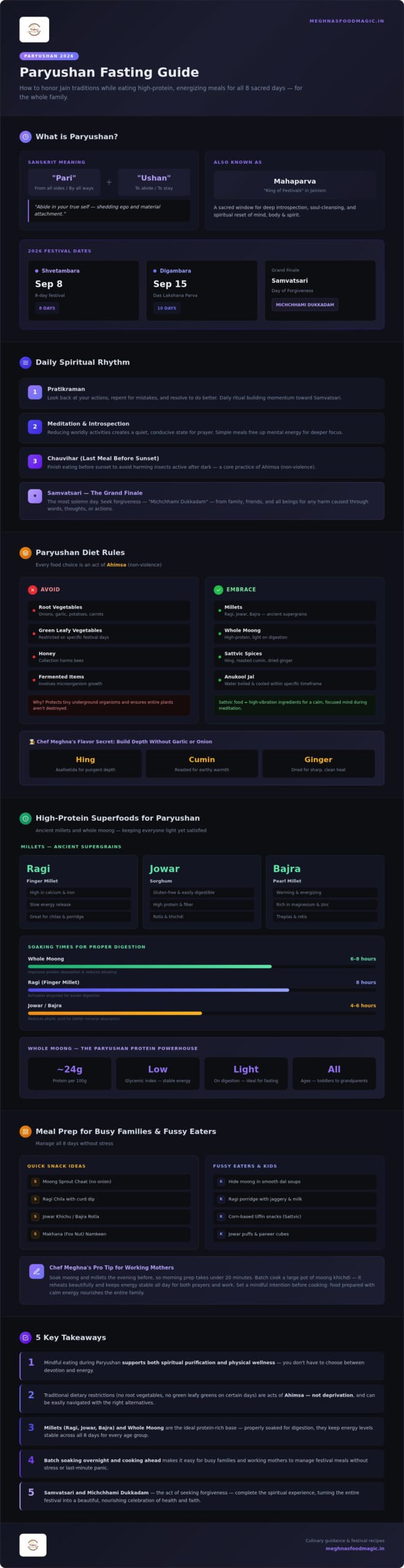
Paryushan is widely celebrated as the “King of Festivals” or Mahaparva in Jainism, marking a sacred window dedicated to deep introspection and soul-cleansing. It’s a time when the external world takes a backseat, allowing us to focus entirely on our inner journey. The word itself carries a beautiful meaning derived from Sanskrit. “Pari” translates to “from all sides” or “by all ways,” while “Ushan” means “to abide” or “to stay.” Together, they invite us to abide in our true self, shedding the layers of ego and material attachment that we collect throughout the year.
In 2026, the Shvetambara community will observe these eight days of spiritual awakening starting approximately on September 8. This is followed by the Digambara community’s ten-day festival, known as Das Lakshana Parva, which is expected to begin around September 15. While the durations differ slightly, the heartbeat of the festival remains the same. It is a period of “Abidance in the Self,” where we shift our lifestyle from outward consumption to inward reflection. This isn’t just about religious rituals; it’s about a holistic reset for your mind, body, and spirit.
The Spiritual Significance of Self-Restraint
During these holy days, reducing worldly activities helps create a quiet, conducive state for meditation. We often think of restraint as restriction, but in the context of Paryushan, it’s actually an act of liberation. By simplifying our meals and routines, we free up mental energy. This is where the concept of culinary therapy comes alive. When we approach cooking as a mindful practice rather than a chore, the act of preparing simple, high-protein meals becomes a way to calm the nervous system and prepare the body for prayer.
Key Rituals: From Pratikraman to Samvatsari
The daily rhythm of the festival is defined by Pratikraman, a ritual of looking back at our actions, repenting for mistakes, and resolving to do better. Each day builds momentum toward the grand finale: Samvatsari. This is the “Day of Forgiveness,” the most solemn and significant day of the entire period. It is on this day that the philosophy of “Michchhami Dukkadam” takes center stage. We reach out to family, friends, and even those we’ve had conflicts with to sincerely seek forgiveness for any harm caused through our words, thoughts, or actions. It’s a beautiful, emotional release that cleanses the heart, ensuring we step forward into the new year with a pure and light spirit.
Navigating the Paryushan Diet: Rules for a Mindful Kitchen
Stepping into a Paryushan compliant kitchen feels like entering a sanctuary of compassion. Every choice we make, from the water we boil to the vegetables we omit, is a beautiful exercise in Ahimsa or non-violence. By avoiding root vegetables like onions, garlic, potatoes, and carrots, we protect the tiny organisms living underground and ensure the entire plant isn’t destroyed. It’s a mindful shift that aligns our physical hunger with our spiritual values, proving that discipline can be deeply rewarding.
The diet also involves observing specific restrictions on green leafy vegetables during certain days of the festival. To maintain purity, many families practice Chauvihar, which means finishing the last meal before sunset to avoid harming insects that are more active after dark. Additionally, using Anukool Jal (water boiled and cooled within a specific timeframe) ensures we consume water in its most biologically stable form. These aren’t just rules; they’re a lifestyle that promotes lightness and clarity.
Beyond Root Vegetables: Hidden Prohibited Ingredients
While most of us know about roots, some ingredients require a closer look to stay truly Sattvic. Honey is avoided because its collection harms bees, and certain fermented items are restricted as they involve the growth of microorganisms. Choosing Sattvic food isn’t about restriction; it’s about consuming high-vibration ingredients that keep the mind calm and focused during meditation. When you remove heavy, pungent flavors like garlic, you’ll notice a surprising sharpeness in your mental clarity.
Sustainable Energy: Avoiding the ‘Carb Trap’ During Fasting
It’s easy to fall into the “carb trap” during these eight days by relying too heavily on white rice or refined flours. This often leads to that mid-afternoon energy crash that makes fasting feel difficult. To stay energized, focus on building your pantry around dry pulses and lentils. Moong dal, tur dal, and chana dal are your best friends here. They provide the protein needed to keep you full and focused without the heaviness of starchy fillers. You can explore my YouTube channel for more Paryushan meal inspiration to see how these dry staples can create magic on your plate.
High-Protein Superfoods: Millets and Moong in Paryushan
Why settle for feeling drained when you can feel powerful? Many people approach the restricted diet of these eight days with a sense of lack, but I see it as an opportunity for a massive nutritional upgrade. By embracing ancient grains like Jowar, Bajra, and Ragi, you’re not just following tradition; you’re fueling your body with complex carbohydrates that provide a steady stream of energy. Unlike white rice, which often leads to a quick spike and a subsequent “sugar crash,” millets offer a low glycemic index that keeps your blood sugar stable and your mind focused on your spiritual reflections. This is the heart of my “Get Fit with Meghna” philosophy: we use these sacred days to nourish ourselves with intention, choosing ingredients that make us feel light yet incredibly strong.
Whole moong is another cornerstone of a healthy Paryushan table. It’s often called the “Moong Miracle” because it delivers a high dose of plant-based protein and essential fiber without requiring any root vegetables to taste delicious. When you prioritize these superfoods, you avoid the common trap of over-relying on fried snacks or heavy starches. Instead, you create a foundation of sustained vitality that carries you through every prayer and ritual with ease.
Mastering the Millet Texture: Soaking and Cooking Tips
Getting millets right is all about the preparation. To ensure they are easy on your digestive system, you must soak them for at least 8 to 12 hours. This simple step breaks down phytic acid and makes the nutrients much more bioavailable. If you’re making Jowar or Bajra rotis, try using warm water while kneading the dough. This technique helps you achieve a soft, fluffy texture that stays fresh for hours without needing any hidden additives or excessive oil. It’s about bringing out the natural, nutty sweetness of the grain itself.
Recipe Spotlight: Protein-Rich Paryushan Breakfasts
Start your morning with a “Healthy Moong Dal Chilla.” It’s savory, crisp, and naturally free from root vegetables. Just blend soaked moong dal with a bit of ginger (if using) and green chilies for a protein-packed pancake that keeps you full until lunch. For a change of pace, try a “Millet Upma” using dry-roasted Jowar or Bajra flakes. Season it with mustard seeds, curry leaves, and a pinch of turmeric for a vibrant, energizing meal. For more creative ideas, you can explore Meghna’s 30+ Millet Recipes Playlist to keep your menu exciting and diverse throughout the festival.
Paryushan Meal Prep for Busy Families and Fussy Eaters
Managing a household during the 8-10 days of the festival is a beautiful challenge, especially for working mothers. It’s a time when your kitchen needs to be both a sanctuary of tradition and a hub of efficiency. The secret to surviving and thriving is all in the preparation. By dedicating a few hours before the festival begins to meal prep dry snacks and custom spice mixes, you’ll find that the daily rush becomes a calm, meditative process. Think of it as a gift to your future self.
I always recommend making a large batch of dry snacks like roasted grains or specialty khakhras that don’t use any prohibited ingredients. These are lifesavers for those mid-afternoon hunger pangs. Also, prep your pantry with pre-measured packets of lentils and millets. When you’ve got your ingredients ready, you don’t have to spend precious time thinking about what to cook; you can focus on the spiritual essence of the day instead. This proactive approach ensures your family stays nourished without the stress of last-minute planning.
Kid-Friendly Tiffins: Making Paryushan Food Exciting
Ensuring our children don’t feel deprived is a top priority. We want them to view this time as a special celebration rather than a season of “no.” Transforming their tiffins into “Nutritious Wins” is all about presentation. Try shaping millet-based dough into fun stars or serve a savory moong dal pancake that looks just like a mini pizza. When food looks exciting, kids are much more likely to embrace these ancient grains without a second thought. You can find plenty of inspiration in Chef Meghna’s Tiffin Recipes Collection to keep their lunches varied and delicious.
15-Minute Dinner Solutions for Busy Households
After a long day of work and prayers, you need dinner to be quick but comforting. A simple Moong Dal Khichdi is the ultimate soul food. You can vary the flavors by using different dry masalas like roasted cumin or a pinch of amchur for tanginess. Since we’re avoiding onions and potatoes, these spices do the heavy lifting to create restaurant-style flavors in minutes. To end the day on a celebratory note, don’t forget my “Cake Therapy” approach. You can whip up sugar-free, healthy desserts using dates or dry fruits that honor the festival’s rules while satisfying your sweet tooth.
The Power of Forgiveness: Michchhami Dukkadam and Beyond
As the final day of this sacred period arrives, we enter the most profound phase of our spiritual journey. The phrase “Michchhami Dukkadam” is far more than a traditional greeting; it’s a powerful reset button for the soul. By sincerely seeking forgiveness from every living being we may have harmed, we shed the heavy baggage of past mistakes and ego. This act of purity completes the cycle that began with dietary restraint. Just as we cleansed our bodies with simple, high-protein moong and millet dishes, we now cleanse our hearts through radical kindness and humility. It’s a moment of total liberation that leaves you feeling light, peaceful, and ready for a fresh start.
Transitioning out of the Paryushan diet requires just as much mindfulness as the festival itself. Your digestive system has enjoyed a beautiful, clean break from complex fats and heavy root vegetables. Don’t rush back into oily or spicy foods immediately. Start by reintroducing light vegetable soups or simple dal-rice combinations. This gradual approach respects the “culinary detox” your body has just completed, ensuring you maintain that newfound sense of vitality and clarity long after the festival ends.
Practicing Mindfulness Beyond the Festival
The beauty of these eight to ten days is that they prove how little we actually need to feel our best. You’ve mastered the art of cooking with ancient grains and dry pulses; why stop now? Carrying the habit of millet-based eating into your daily routine is a fantastic way to stay fit and energized year-round. You can also adopt a “Zero-Waste” kitchen philosophy inspired by Jain values. By being more intentional with your ingredients and reducing waste, you turn every meal into an act of compassion for the planet.
Conclusion: Your Path to a Healthier, More Mindful You
Observing Paryushan is a transformative experience that proves health and heritage go hand in hand. You’ve discovered that you don’t need onions or potatoes to create a feast that satisfies the soul and nourishes the body. I hope this guide empowers you to embrace the joy of healthy Indian cooking with confidence and creativity. Remember, every time you choose a nutrient-dense ingredient or practice a moment of mindfulness, you’re investing in a better version of yourself. I invite you to stay part of our vibrant “Food Magic” community, where we celebrate wellness every day of the year.
Embrace Your Vibrant Spiritual Journey
You now have the tools to transform these eight sacred days into a period of physical rejuvenation and deep spiritual peace. By choosing high-protein millets and whole moong, you’ve moved past the struggle of limited ingredients to discover a world of flavor that honors every Jain tradition. You’ve seen that meal prepping for a busy household doesn’t have to be overwhelming when you have the right strategy in place. This Paryushan, let your kitchen be a place of joy where healthy habits and ancient values meet seamlessly.
Join a vibrant community of over 10 lakh health-conscious home cooks who are reimagining traditional cooking every day. Whether you need expert guidance for fussy eaters or want to explore more than 30 millet-specific recipes for high-protein meals, the support you need is just a click away. It’s time to celebrate your health while you nourish your soul.
Let’s make this festival a truly nourishing celebration for your entire family.
Frequently Asked Questions
Can I eat green vegetables during Paryushan 2026?
No, the traditional diet involves avoiding green leafy vegetables to practice the highest form of non-violence. During the eight or ten days of Paryushan, the focus shifts to dry grains, lentils, and pulses. This restriction helps minimize harm to tiny organisms while giving your digestive system a refreshing break from complex plant fibers and moisture-heavy greens.
What is the best source of protein for Jains during the fasting period?
Whole moong and dry lentils like chana dal are your absolute best protein sources. These kitchen staples provide the essential amino acids needed to maintain your energy levels without relying on restricted root vegetables. You can also incorporate ancient millets like Jowar and Bajra, which offer a surprisingly high nutritional profile to keep you feeling strong and satisfied.
How do I make soft Jowar rotis without using root vegetables?
The secret lies in using warm water to knead your Jowar flour into a soft, pliable dough. Since you aren’t using potatoes for binding, the temperature of the water is key to activating the natural starches in the grain. Rolling them thin and cooking them on a medium flame ensures they stay fluffy and fresh for your family’s festive meals.
Is air frying allowed during the Paryushan festival?
Yes, air frying is a wonderful, modern way to prepare traditional snacks while keeping your oil consumption low. It allows you to achieve a satisfying, golden crunch for millet crackers or roasted moong without the heaviness of deep-frying. This method aligns perfectly with the goal of eating light, Sattvic food that keeps you energized rather than feeling lethargic during Paryushan.
Why are onions and garlic prohibited in the Jain diet?
Onions and garlic are avoided because they are root vegetables, meaning the entire plant and the organisms around it are destroyed during harvest. In Jainism, we aim to minimize harm to all living beings, including those in the soil. Additionally, these pungent ingredients are believed to increase agitation in the mind, whereas we seek calm and clarity during spiritual periods.
How can I ensure my kids get enough nutrition during Paryushan?
Focus on protein-rich moong chillas and millet-based snacks to keep your kids energized and happy. You can make the food exciting by using creative shapes or serving crunchy air-fried treats that they’ll love to munch on. By involving them in the cooking process and focusing on nutrient-dense ancient grains, you ensure they get the vitamins they need while participating in traditions.
What does ‘Michchhami Dukkadam’ actually mean?
This sacred phrase translates to “may all the evil of my deeds be in vain” or “I seek your forgiveness.” It’s a heartfelt request for pardon from all living beings for any harm caused by your thoughts, words, or actions. Saying it marks the beautiful completion of your spiritual journey, allowing you to start the new year with a pure heart.
Can I eat fruits during the Paryushan fast?
Fruit consumption depends on the specific level of fasting you choose to observe. While some people stick strictly to boiled water, others include fresh fruits as part of their one or two daily meals. It’s best to check with your family’s specific traditions to see which fruits are preferred, as they provide a natural source of hydration and quick energy during the day.
Disclaimer
This is a recipe food blog page and not nutrition or doctor and hence do not claim to cure any illness. If you have specific health issues please consult a qualified doctor or certified nutritionist.
I do consult experts, research Internet and at times seek help from Gemini to collect relevant information to put together some of these blogs.

