
Healthy Chocolate Guide: Nutritious Baking and Benefits
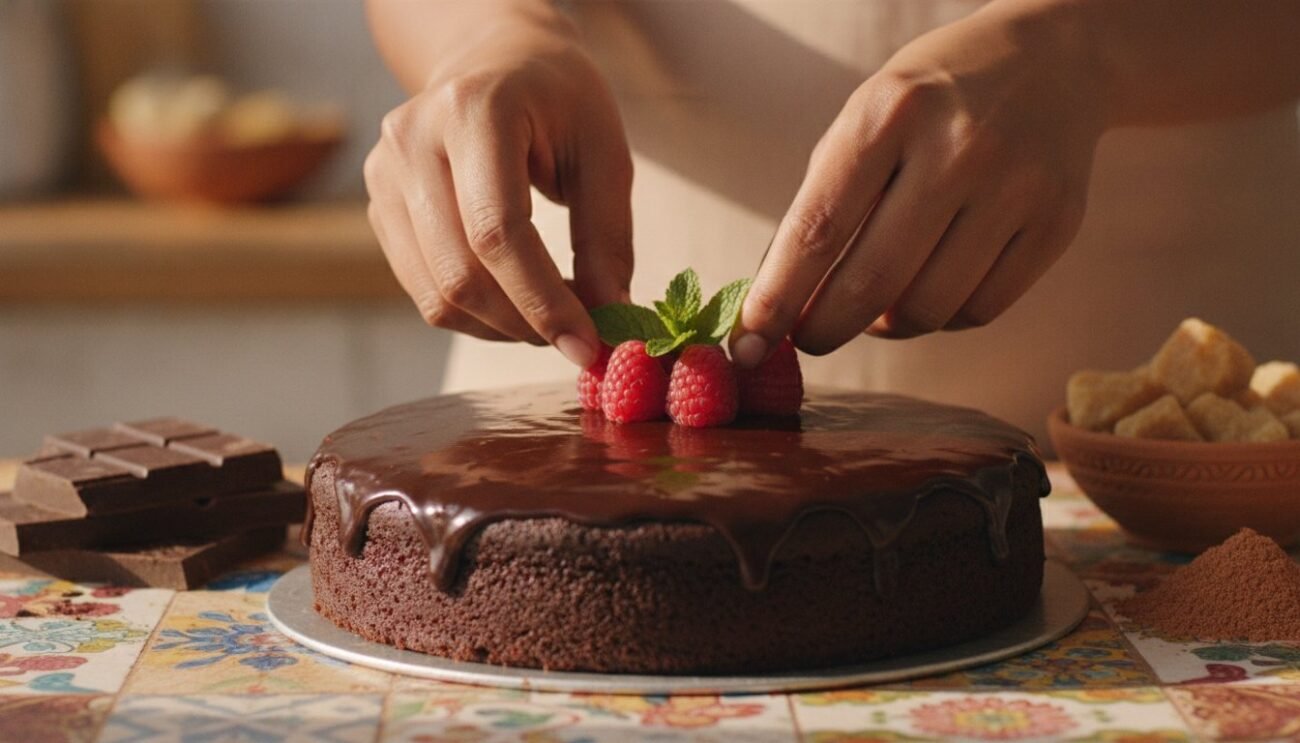
What if your daily square of chocolate wasn’t a lapse in judgment, but actually the most functional part of your wellness routine? It’s time to stop viewing this ancient bean as a dietary “cheat” and start seeing it as the ultimate tool for culinary therapy. Most of us have felt that familiar pang of guilt after a late-night indulgence, or felt completely baffled by the bitter difference between a 70% and 90% dark bar. You’ve likely even tried baking a “healthy” version of your favorite treat, only to end up with something dry, dense, and frankly disappointing.
I understand that frustration because I believe wellness should always taste like a celebration. In this guide, I’ll show you exactly how to transform chocolate from a guilty pleasure into a nutritious superfood that supports your fitness journey. We’ll demystify those confusing percentages and learn the “why” behind using natural sweeteners to keep your bakes incredibly moist. From understanding antioxidant benefits to mastering chef-approved recipes, you’re about to discover how to have your cake and stay healthy too. Let’s reimagine your kitchen as a space where indulgence and nutrition live in perfect harmony.
Key Takeaways
- Trace the journey of cacao from an ancient superfood to a modern indulgence while understanding how it affects your mood and energy.
- Learn why 70% dark chocolate is the nutritional sweet spot and how to balance cocoa solids for the best health results.
- Discover the magic of swapping refined sugars for jaggery and dates to create deep, caramel-like sweetness in your bakes.
- Explore how to use nutrient-dense flours like Ragi (Finger Millet) and Jowar to boost protein and fiber without losing that moist texture.
- Master professional storage and troubleshooting techniques to ensure your homemade treats always stay fresh and flavorful.
The Evolution of Chocolate: From Ancient Superfood to Modern Indulgence
The story of our favorite treat began long before the shiny wrappers we see in supermarkets. Thousands of years ago, Mesoamerican civilizations revered the cacao bean as a divine gift, consuming it as a bitter, spicy drink rather than a sweet snack. The Evolution of Chocolate shows a transition from this sacred “food of the gods” to the industrial bars that dominate the $131.7 billion global market today. With cocoa prices reaching approximately $6,633.67 per metric ton in August 2026, many commercial manufacturers cut corners by using cheaper additives. Along the way, we’ve traded the raw, potent nutrients of the bean for excessive refined sugars and hydrogenated fats. To reclaim its health benefits, we need to understand why we crave it. When you consume high-quality dark cacao, your brain releases endorphins and serotonin, the “feel-good” chemicals that naturally lift your mood and reduce stress.
In a modern Indian diet, this ingredient often gets labeled as a “cheat meal” because commercial versions are frequently loaded with vegetable oils and fillers. However, by choosing high cocoa solids and pairing them with traditional ingredients, you can turn this indulgence into a functional part of your day. It’s about moving away from sugar-heavy candy and returning to the bean’s superfood roots. This shift is also being shaped by new regulations, such as the EU Deforestation Regulation (EUDR) taking effect in late 2026, which demands full supply chain traceability to ensure ethical sourcing.
Cacao vs. Cocoa: What is the Difference?
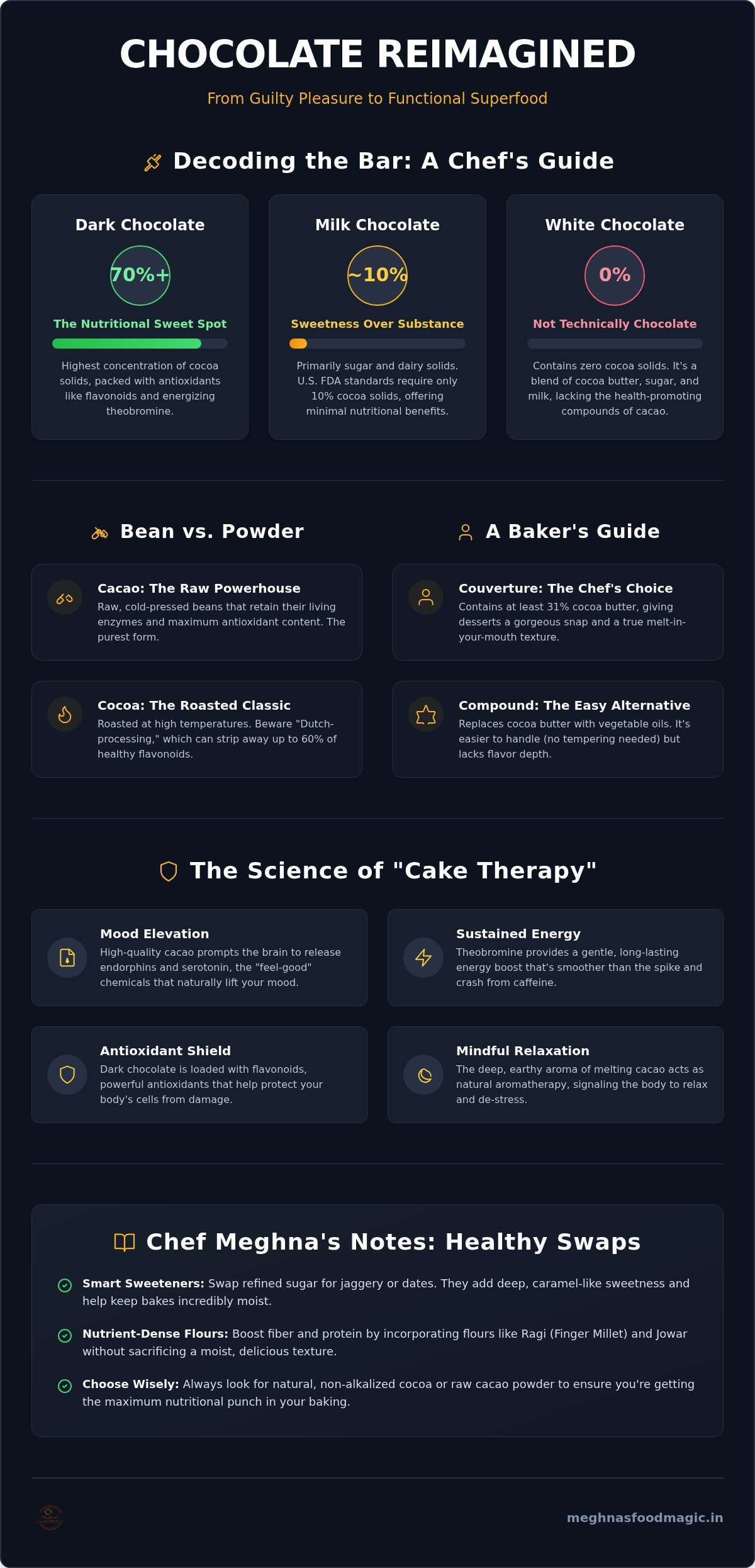
Understanding the label is your first step toward healthier baking. Cacao refers to the raw, cold-pressed beans that retain their living enzymes and high antioxidant content. Cocoa is usually roasted at high temperatures. Many commercial brands use “Dutch-processing,” which alkalizes the powder to reduce bitterness. While this makes the flavor milder, it can strip away up to 60% of the original flavonoids. For my recipes, I always recommend looking for natural, non-alkalized cocoa or raw cacao to ensure you’re getting the maximum nutritional punch.
The Role of Chocolate in “Cake Therapy”
Baking isn’t just about the final result; it’s a form of mindfulness I call “Cake Therapy.” The act of melting dark chocolate or whisking a rich batter allows you to slow down and focus on the sensory experience. The deep, earthy aroma of cacao acts as a natural aromatherapy, signaling your body to relax. When we bake with intention, using wholesome ingredients like those found in my recipe database, we transition from mindless emotional eating to a state of conscious joy. It’s about nurturing your soul as much as your body.
Decoding Dark, Milk, and White: A Chef’s Guide to Quality
Walking down the confectionery aisle can feel overwhelming with endless percentages and flashy packaging. As a chef, I look beyond the wrapper to the “why” of the ingredients. To truly embrace chocolate as a superfood, you must distinguish between a nutrient-dense treat and a sugar-loaded candy. The gold standard for health is dark chocolate with a cocoa content of 70% or higher. At this level, the concentration of sugar is significantly lower, leaving room for the potent antioxidants your body craves. While milk chocolate is a crowd favorite, it often prioritizes dairy and sugar over actual cocoa solids. According to U.S. FDA standards, milk chocolate only needs 10% chocolate liquor, which often results in a product that’s more about sweetness than substance. White chocolate technically isn’t chocolate at all because it contains zero cocoa solids; it’s a blend of cocoa butter, milk solids, and sugar. While it’s lovely for decoration, it doesn’t offer the same functional benefits as its darker cousins.
When you’re baking at home, the distinction between “Couverture” and “Compound” is vital for your results. Couverture is the professional’s choice, containing at least 31% cocoa butter. This high fat content gives your desserts that gorgeous snap and a melt-in-the-mouth texture. Compound chocolate, on the other hand, replaces expensive cocoa butter with vegetable oils like palm or soy. It’s easier to handle because it doesn’t require tempering, but it lacks the depth of flavor and the heart-healthy fats found in high-quality bars.
The Health Benefits of High-Quality Dark Chocolate
The real magic happens within the phytochemicals of the cacao bean. These include theobromine, which provides a gentle, long-lasting energy lift that’s much smoother than the sudden spike and crash of caffeine. Most importantly, dark varieties are packed with antioxidants. Flavonoids are the key compounds that improve blood flow and lower blood pressure. Research into the health benefits of dark chocolate suggests that these compounds also help balance the immune system and reduce oxidative stress. If you want to see these ingredients in action, you can explore my latest techniques on my YouTube channel.
How to Read Chocolate Labels Like a Pro
Reading a label is about checking the hierarchy of ingredients. If sugar is the first item listed, the bar is primarily a sweetener. You want to see cocoa mass, cocoa liquor, or cocoa butter at the very top. Be wary of hydrogenated vegetable oils, which are often used to increase shelf life but compromise your health. While additives like soy lecithin are common emulsifiers used for a smooth texture, try to avoid bars with artificial “vanillin.” Pure vanilla extract is always a sign of a superior, more natural product.
Healthy Chocolate Substitutions & Baking Science
Transforming your kitchen into a healthy bakery starts with swapping empty calories for nutrient-dense alternatives. When you bake with chocolate, you’re working with a complex profile of fats and solids that requires a thoughtful approach to substitutions. Instead of refined white sugar, which causes rapid insulin spikes, I love using jaggery (Gur) or date paste. Jaggery brings a rustic, caramel-like depth that complements the natural bitterness of dark cacao beautifully. Dates are my secret weapon for fudgy textures; they provide intense sweetness while packing in essential fiber. Scientific research into the cognitive benefits of flavanols confirms that keeping the cacao content high and the refined sugar low is the best way to support both heart and brain health.
We can also rethink the very structure of our cakes and brownies. Integrating traditional Indian millets like Ragi (Finger Millet) or Jowar adds a nutty profile and a significant boost of calcium and iron to your desserts. To keep these bakes moist without using sticks of butter, try using mashed avocado or thick Greek yogurt. Avocado’s healthy monounsaturated fats create a velvety, rich crumb that mimics traditional brownies perfectly. Always remember to add a pinch of sea salt to your batter. Salt suppresses bitterness and enhances the perception of sweetness, which is the secret “why” behind making the cocoa flavors truly sing without extra sugar.
Natural Sweeteners and Their Ratios
Success in healthy baking is all about the balance of moisture and solids. For every cup of sugar, you can generally substitute one cup of tightly packed date paste, but you must reduce other liquids in the recipe by about 1/4 cup to account for the fruit’s moisture. When using jaggery, it’s best to grate it finely or use a powder so it dissolves evenly into the wet ingredients. If you’re using millets, the earthy flavor can sometimes be dominant. I always balance this by using a high-quality, dark cocoa powder to ensure the chocolate remains the undisputed star of the show.
Protein-Packed Chocolate Hacks
For my fitness enthusiasts, chocolate can be a brilliant vehicle for muscle recovery and satiety. You can blend cooked Moong Dal or even soft, crumbled Paneer into chocolate mousses to create a high-protein treat that feels like a total indulgence. For a quick pre-workout fix, a chocolate protein smoothie made with frozen bananas, a scoop of clean protein, and raw cacao tastes just like a thick milkshake without the added junk. For more ideas on how to fuel your body while enjoying your favorite flavors, check out my Get Fit With Meghna playlist.
Guilt-Free Chocolate Magic: 3 Signature Recipes
Bringing health into your dessert routine doesn’t mean sacrificing the deep, soulful satisfaction of a rich treat. It’s about choosing better building blocks to create something that nourishes your body while delighting your palate. These recipes focus on maintaining the integrity of chocolate while using traditional Indian grains and natural sweeteners. Whether you’re looking for a celebratory cake or a quick post-workout snack, these chef-approved methods ensure perfect results every time. We’re moving away from the “dense and dry” stereotype of healthy baking and embracing moist, flavorful textures that prove wellness is truly delicious.
Recipe 1: The Ragi Chocolate Therapy Cake
This eggless wonder is the ultimate example of how millets can transform your baking. To make this, you’ll need 1 cup of ragi flour, 1/2 cup of high-quality cocoa powder, 3/4 cup of jaggery powder, and 1 cup of fresh curd. The secret to success here is sifting your dry ingredients at least twice. Ragi is naturally denser than wheat; sifting incorporates air and ensures the leavening agents are perfectly distributed, preventing a heavy, sunken center. Whisk the curd with jaggery until smooth before folding in the dry mix. Bake at 180°C for 30 to 35 minutes until a skewer comes out clean. For more calcium-rich inspiration, explore my other Ragi recipes.
Recipe 2: Date-Sweetened Dark Chocolate Bark
If you’re craving a crunch, this bark is your best friend. Start by melting 200g of 70% dark chocolate using the “seeding” method. Melt two-thirds of your chocolate over a double boiler, then remove from heat and stir in the remaining third of finely chopped cold chocolate. This process stabilizes the cocoa butter crystals, giving your bark a professional snap and a glossy finish. Spread the mixture onto parchment paper and top with chopped Medjool dates, roasted almonds, and a generous pinch of sea salt. This is a fantastic option for those seeking Weight loss recipes that don’t feel restrictive. Chill for 20 minutes until firm, then break into shards.
Recipe 3: Air Fryer Chocolate Glazed Bananas
When you need a 10-minute fix, the air fryer is a game-changer. Slice two firm bananas lengthwise and brush them with a tiny bit of coconut oil. Air fry at 180°C for 8 minutes until they start to caramelize and soften. While they’re hot, drizzle over a simple glaze made from 2 tablespoons of melted dark chocolate and a splash of almond milk. The heat from the bananas keeps the glaze silky and warm. It’s a high-fiber, potassium-rich dessert that satisfies the strongest cravings without any added refined sugar.
Chef Meghna’s Notes
- Sifting is non-negotiable: When using millet flours, sifting isn’t just about removing lumps; it’s about aeration. It makes the difference between a brick and a sponge.
- Jaggery varies: Different types of jaggery have different moisture levels. If yours is very dark and sticky, reduce the curd in the cake recipe by one tablespoon.
- Tempering tip: Never let even a drop of water touch your chocolate while melting, or it will “seize” and become a grainy mess.
Mastering the Art of Chocolate Therapy at Home
Baking is more than just making food; it’s a powerful act of self-care. When you work with high-quality chocolate, you’re engaging in a sensory ritual that calms the mind and centers your focus. This mindful approach helps you move away from mindless snacking toward a deeper appreciation for every bite. By mastering a few professional techniques, you can ensure your “Cake Therapy” sessions are always stress-free and rewarding. It’s about finding harmony in the kitchen and treating the creative process as a way to bring excitement into your daily routine.
Chef Meghna’s Notes: Substitutions and Tips
Even experienced bakers face occasional mishaps. If your chocolate “seizes” and turns into a grainy clump, don’t panic. Usually, a tiny drop of stray water caused the disaster, but adding a teaspoon of warm coconut oil or warm cream can often smooth it back out. For those avoiding dairy, coconut milk makes an incredible vegan ganache that’s just as glossy and rich as the traditional version. The best way to melt chocolate is using the double-boiler method to prevent burning. This gentle, indirect heat ensures the cocoa butter melts evenly without losing its delicate, complex flavor profile.
Chocolate Storage and Shelf Life
Many people instinctively put their treats in the refrigerator, but the fridge is actually the enemy of good chocolate. Cold temperatures cause condensation, which leads to “sugar bloom,” those white, dusty streaks you sometimes see on the surface. While fat bloom or sugar bloom might look unappealing, the product is still perfectly safe to eat and won’t harm your health. To keep your bakes fresh, store them in a cool, dry cupboard away from light and strong-smelling spices. I love seeing what you create in your own kitchens, so please share your masterpieces with our community on Instagram.
True wellness is about finding a balance that works for you, not following a path of deprivation. Practicing portion control feels effortless when you’re eating nutrient-dense treats made with ragi and jaggery rather than empty-calorie candies. By slowing down and savoring the texture and aroma, you’ll find that a single square of high-quality dark cacao is often more satisfying than a whole bar of the cheap stuff. I invite you to join the Meghna’s Food Magic community to explore hundreds of other ways to make your fitness journey a delicious and celebratory adventure.
Start Your Sweet Wellness Journey Today
Embracing a healthier lifestyle doesn’t mean saying goodbye to your favorite treats. By choosing high-quality dark chocolate and pairing it with traditional Indian superfoods like ragi and jaggery, you’ve learned how to turn every bite into a functional benefit for your body. We’ve explored the “why” behind sifting millet flours for that perfect sponge and the science of using natural sweeteners to maintain moisture without the sugar crash. You now have the tools to practice “Cake Therapy” as a mindful act of self-care right in your own kitchen.
Join our vibrant community of over 5 million followers who are already redefining what it means to eat well. With over 1000 free recipes at your fingertips, you’ll never run out of inspiration for your next nutritious masterpiece. Whether you’re mastering a professional seeding method for tempering or whipping up a quick air fryer dessert, remember that every step you take is a celebration of your health and happiness.
I can’t wait to see the magic you create. Keep whisking, keep experimenting, and most importantly, keep enjoying the journey toward a fitter, more joyful you!
Frequently Asked Questions
Is dark chocolate actually healthy for weight loss?
Dark chocolate is a helpful tool for weight loss when you choose varieties with 70% cacao or higher. The fiber content and intense flavor help you feel satisfied with smaller portions, effectively curbing cravings for high-sugar snacks. Because it has a lower glycemic index than milk chocolate, it won’t cause the same dramatic insulin spikes. I recommend sticking to one or two squares daily as part of a balanced diet to enjoy the benefits without overdoing the calories.
How do I stop chocolate from seizing when melting?
To prevent seizing, you must ensure that not a single drop of water or steam touches your bowl. Water causes the sugar and cocoa solids to clump together, turning your smooth mixture into a grainy mess. Always use a dry spatula and melt your chocolate slowly over a double boiler rather than direct heat. If it does seize, adding a teaspoon of warm coconut oil or vegetable shortening can often restore the silky texture.
Can I replace sugar with jaggery in any chocolate recipe?
You can replace refined sugar with jaggery in most recipes, but you need to adjust for texture. Jaggery brings a wonderful, earthy sweetness that pairs perfectly with cacao. Since it has a higher moisture content than white sugar, grate it very finely or use a high-quality powder to ensure it dissolves completely. For cakes, you might need to slightly reduce other liquid ingredients to maintain the right batter consistency and prevent the final bake from being too sticky.
What is the best chocolate percentage for baking?
For the best balance of flavor and texture, a range of 60% to 70% cacao is the sweet spot for baking. This percentage provides a deep, sophisticated flavor without being overly bitter or difficult to melt. If you go much higher, the lack of sugar can make your desserts taste dry or chalky. Lower percentages often contain too much sugar and vegetable oil, which can negatively affect the chemical structure and rise of your cakes or brownies.
Why is my chocolate cake dry when using millet flour?
Millet flours like ragi or jowar are highly absorbent, which often leads to a dry texture if you don’t adjust your recipe. To keep your bakes moist, I always recommend sifting the flour twice to aerate the batter. You should also increase the liquid components, such as curd, fruit purees, or milk. If you’re using whole millets for porridge, remember that specific soaking times of 6 to 8 hours are required for proper digestion and a softer bite.
Is it safe to eat chocolate with white spots on it?
It is completely safe to eat chocolate with white spots or streaks, a phenomenon known as “bloom.” This usually happens when the product is exposed to temperature fluctuations, causing the cocoa butter or sugar to rise to the surface. While the texture might feel slightly different or less snappy, the nutritional value remains the same. You can easily fix the appearance by melting and properly tempering it again for your next healthy baking project.
How can I make chocolate desserts high in protein?
You can easily boost the protein in your desserts by getting creative with whole-food ingredients. I love blending cooked moong dal or soft paneer into mousses and puddings for a creamy, high-protein base. Using Greek yogurt instead of heavy cream or adding a scoop of high-quality plant-based protein powder to your brownie batter are also excellent tricks. These additions help you stay full longer and support muscle recovery while satisfying your sweet tooth in a celebratory way.
What are the benefits of raw cacao over regular cocoa powder?
Raw cacao is the minimally processed version of the bean, made by cold-pressing unroasted cacao beans. This method preserves the living enzymes and keeps the antioxidant levels much higher than regular cocoa powder, which is roasted at high temperatures. Cacao is an incredible source of magnesium, iron, and potassium. Choosing raw cacao ensures you get the maximum heart-healthy benefits and a more complex, natural flavor profile compared to the often alkalized and heat-treated commercial cocoa powders.
Disclaimer
This is a recipe food blog page and not nutrition or doctor and hence do not claim to cure any illness. If you have specific health issues please consult a qualified doctor or certified nutritionist.
I do consult experts, research Internet and at times seek help from Gemini to collect relevant information to put together some of these blogs.

