
Managing Sugar Price Hikes with Healthy Alternatives
Did you know that in just one month, the average retail price of sugar in India surged by over 15 percent, reaching a record high of 62.8 rupees per kilogram on August 23, 2026? It feels like every trip to the market brings a new shock to the household budget. You’re likely feeling the pressure of rising costs while still wanting to fill your home with the sweet, comforting scents of home-baked treats. It’s a common struggle to balance the books without compromising on the joy of a family dessert or the health of your children.
The good news is that you can learn exactly how to manage sugar price hike by using sugar alternatives in cooking that offer more flavor and better nutrition for less money. By mastering the art of natural sweeteners like velvety dates and golden jaggery, you’ll discover how to create guilt-free masterpieces that support your weight loss goals. This guide will show you how to substitute refined sugar without losing that perfect texture, transforming your kitchen into a space of healthy, affordable celebration.
Key Takeaways
- Understand why sugar prices hit record highs of 62.8 rupees per kilogram in August 2026 and how this shift serves as a catalyst for a healthier, more cost-effective kitchen revolution.
- Learn exactly how to manage sugar price hike by using sugar alternatives in cooking like jaggery and dates to add complex flavors and vital nutrients to your daily meals.
- Master the “Cake Therapy” secrets of using fruit purees to maintain moisture and texture in bakes while slashing both refined sugar and fat content.
- Explore three precise, nutritionist-approved recipes designed to satisfy your sweet tooth without the energy crashes or inflammatory effects of white sugar.
- Gain professional insights from Chef Meghna on troubleshooting common substitution challenges to ensure your guilt-free desserts are always a success.
Navigating the Sugar Price Hike: Why Your Kitchen Needs a Sweet Revolution
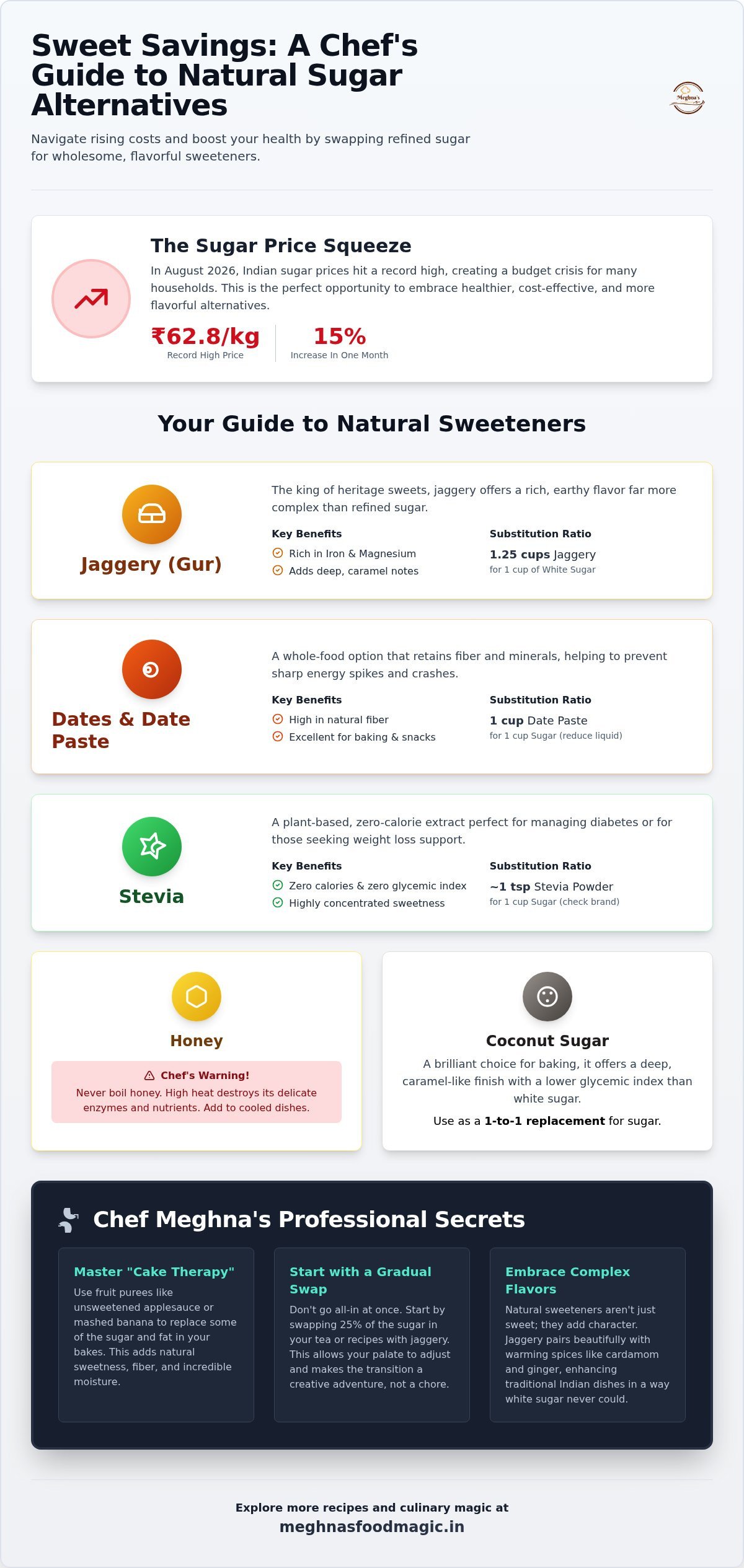
The kitchen is the heart of every home, but lately, that heart has been feeling the squeeze. By August 2026, retail sugar prices in India hit a record high of ₹62.8 per kg. This represents a sharp 15 percent increase in just thirty days. While this might seem like a budget crisis, it’s actually a wonderful invitation to rethink our relationship with sweetness. Refined white sugar is a relatively modern addition to the human diet. It often brings along inflammation, energy crashes, and long-term health bills that far outweigh the cost of a grocery bag. At Meghna’s Food Magic, I believe in a philosophy where health and joy coexist. We aren’t just giving up sugar. We’re upgrading to richer, more complex flavor profiles that nourish the soul.
The Economic and Health Case for Sugar Alternatives
Switching to nutrient-dense alternatives isn’t just about avoiding the ₹80 per kg prices seen in some local markets. It’s about investing in your family’s future. When you learn how to manage sugar price hike by using sugar alternatives in cooking, you’re actually reducing the “hidden costs” of refined sugar. These include frequent energy slumps and long-term wellness challenges that affect your productivity. For those focused on weight loss, this transition is a total game-changer. You can find a comprehensive overview of sugar substitutes to see the vast variety available; however, my focus is always on whole-food options that keep your family’s immunity strong and vibrant.
Breaking the Sugar Habit Without Losing the Joy
I call my approach “Cake Therapy” because baking should be healing, not harmful. We crave sweetness because it’s a primal comfort. Unfortunately, refined sugar provides a flat, one-dimensional taste that leaves us wanting more. Transitioning your pantry doesn’t have to happen overnight. Start by swapping 25 percent of the sugar in your morning tea with jaggery in week one. By week three, try experimenting with date paste in your evening snacks. You’ll soon realize that traditional Indian dishes actually shine brighter with the earthy, caramel notes of natural sweeteners. It’s about making the transition feel like a creative adventure rather than a chore. We are choosing abundance over restriction and finding magic in every bite.
The Best Natural Sweeteners for Indian Cooking and How to Use Them
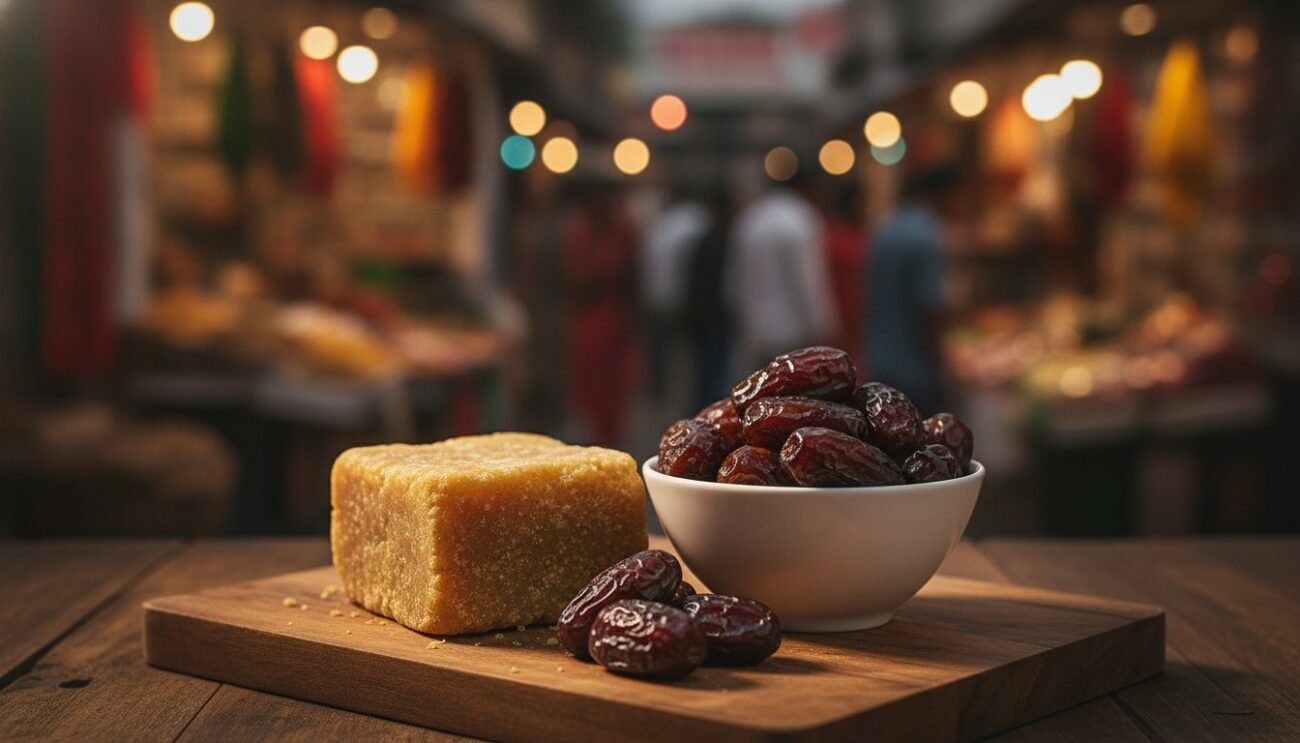
Stepping away from refined sugar isn’t just a budget move; it’s an invitation to explore a world of deep, complex flavors that white crystals simply can’t match. When you’re looking at how to manage sugar price hike by using sugar alternatives in cooking, your first stop should be the traditional Indian pantry. Jaggery, or Gur, is the absolute king of our heritage sweets. Unlike the hollow sweetness of white sugar, jaggery brings iron, magnesium, and a rich, earthy undertone that makes a simple Kheer feel like a royal treat. It’s the ultimate “culinary therapy” because it satisfies the soul while nourishing the body.
Dates and date syrup offer another incredible whole-food option. By using the whole fruit, you’re keeping the fiber and minerals intact, which helps prevent those dreaded energy spikes. For those managing diabetes or looking for zero-calorie options, modern science gives us plant-based extracts. You can find detailed FDA information on sweeteners to understand their safety profiles, but in my kitchen, I love the clean taste of Stevia and Monk Fruit for light beverages. If you crave a deep, caramel-like finish for your cookies, coconut sugar is a brilliant choice with a lower glycemic index that won’t send your blood sugar on a roller coaster.
Comparing Sweetness Levels and Cooking Properties
Substituting isn’t always a one-to-one swap because each sweetener behaves differently under heat. To help you get started, follow these general guidelines:
- Jaggery: Use 1 to 1.25 cups of grated jaggery for every 1 cup of white sugar. It pairs beautifully with cardamom and ginger.
- Date Paste: Use 1 cup of thick date paste for 1 cup of sugar, but reduce other liquids in the recipe by about 2 tablespoons.
- Stevia Powder: This is highly concentrated. Usually, 1/2 to 1 teaspoon equals the sweetness of a full cup of sugar. Always check the brand’s potency.
- Honey: Never boil honey! High heat destroys its delicate enzymes and changes its chemical structure. Always stir it into warm, not boiling, liquids.
Sourcing and Storing Your Alternatives
Finding pure ingredients is the secret to success. When buying jaggery, look for darker hues; very light or yellow blocks often contain chemical bleaches. To save money, I recommend making your own date paste at home. Buy Sayer dates in bulk, soak them in warm water, and blend until smooth. In our humid climate, store your jaggery and coconut sugar in airtight glass jars to prevent them from turning into a sticky mess or fermenting. If you want to see these ingredients in action, you can watch my step-by-step videos for more inspiration on creating magic with these natural treasures.
Baking Without Refined Sugar: Mastering Texture and Taste in Your Cake Therapy
Baking is truly a form of “Cake Therapy”, a meditative and nourishing act that brings a spark of joy to the kitchen. However, when we look at how to manage sugar price hike by using sugar alternatives in cooking, we have to address the technical “Sugar Problem.” In a traditional recipe, white sugar does much more than just provide sweetness. It creates volume by trapping air during the creaming process, holds onto moisture to keep your sponges tender, and facilitates the Maillard reaction, which is the scientific process behind that beautiful golden-brown crust. Without it, cakes can easily become flat, dry, or pale, but with the right techniques, we can overcome these hurdles effortlessly.
Learning how to manage sugar price hike by using sugar alternatives in cooking also means understanding nature’s own pantry. I love using mashed fruits like overripe bananas or homemade applesauce. These ingredients are magical because they replace both refined sugar and a portion of the fat, resulting in a much more nutritious, moist treat. When you’re using jaggery, remember that it is naturally alkaline. To ensure a good rise, you must introduce an acid like lemon juice or a teaspoon of apple cider vinegar to react with your baking soda. This simple step is the professional secret to achieving a light, airy crumb in every single bake.
Adjusting Moisture and Density
The most common challenge with sugar-free baking is density. Because natural sweeteners are often heavier, aeration becomes your best friend. Spend a little extra time whisking your wet ingredients to incorporate as much air as possible before folding in the dry components. If you’re swapping dry sugar for liquid alternatives like honey or date syrup, you’ll need to slightly increase your flour or reduce other liquids. For more research-backed tips on these specific adjustments, you can refer to this resource on Cooking and Baking with Sugar Substitutes. To replace the structural “crunch” that sugar provides, try adding toasted nuts or seeds for a delightful textural contrast.
Natural Flavor Enhancers to Boost Sweetness
You can actually trick your palate into sensing more sweetness by using aromatic spices. Cinnamon, nutmeg, and pure vanilla extract amplify the perceived sugar content without adding a single calorie. Another professional secret is the magic of a tiny pinch of salt. It acts as a flavor bridge, pulling the natural sweetness out of dates and fruits and making it pop. If you’re a fan of dark, decadent bakes, see our Healthy Chocolate Guide for sugar-free cocoa tips. By layering these deep, aromatic flavors, your desserts will taste more complex and satisfying than any refined-sugar cake ever could.
3 Guilt-Free Recipes Using Natural Sugar Alternatives
Embracing a sugar-free lifestyle is a vibrant celebration of flavor rather than a period of restriction. These recipes show you exactly how to manage sugar price hike by using sugar alternatives in cooking while keeping your kitchen budget in check and your family’s health a top priority. By focusing on whole-food ingredients, we create snacks that are perfect for kids’ tiffin ideas or your own tea-time indulgence. Let’s bring some “Food Magic” into your home with these three tested, nutrient-dense favorites that prove healthy eating can be absolutely delicious.
Recipe 1: Date and Walnut Bliss Balls (The Energy Booster)
These bliss balls are a powerhouse of natural energy, relying on the sticky sweetness of dates to bind everything together without any refined syrups. Dates are incredible because they provide a slow release of energy, preventing the mid-afternoon slump.
- Ingredients: 200g pitted soft dates, 100g toasted walnuts, 2 tbsp unsweetened cocoa powder, 1/2 tsp cardamom powder.
- Step-by-step: Pulse the toasted walnuts in a blender until they’re in small, crunchy bits. Add the soft dates, cocoa, and cardamom. Blend until the mixture starts to clump together. Roll into 15g balls and enjoy.
- Chef’s Tip: I always recommend using ‘Medjool’ dates for this. Their natural moisture and caramel-like texture make them the best whole-food sweetener for no-bake treats.
Recipe 2: Jaggery-Sweetened Whole Wheat Ladoos (The Traditional Twist)
Traditional sweets don’t need white sugar to be spectacular. This recipe uses the earthy depth of jaggery to complement the nutty flavor of roasted whole wheat. Roasting the flour is a crucial step; it breaks down the starches for better digestion and creates a complex, toasted aroma.
- Ingredients: 1 cup (120g) whole wheat flour (atta), 1/2 cup (100g) grated jaggery, 1/4 cup (60ml) ghee, 1 tbsp chopped almonds.
- Step-by-step: Roast the atta in ghee on low heat, stirring constantly until it turns aromatic and golden brown. Remove the pan from the heat and stir in the finely grated jaggery immediately. The residual heat will melt the jaggery perfectly without making it hard or bitter. Mix in the almonds and shape into balls while the mixture is still warm to the touch.
- Precise Measurement: Make sure your jaggery is very finely grated. This ensures it dissolves evenly into the warm flour, preventing any hard, unpleasant lumps in your finished ladoos.
Recipe 3: Creamy Fruit and Yogurt Parfait (The 5-Minute Dessert)
When you crave something creamy and cold, this parfait is your best friend. Using hung curd gives you a thick, luxurious mouthfeel similar to high-calorie puddings but with a massive protein boost. It’s an excellent choice for anyone focusing on weight loss.
- Ingredients: 1 cup (200g) thick hung curd, 1/2 cup chopped seasonal fruits (like mango or berries), 1 tsp honey (optional), 2 drops liquid stevia.
- Step-by-step: Whisk the liquid stevia into the hung curd until it’s perfectly smooth. Layer the sweetened curd and chopped fruits in a tall glass. If you’re feeling a bit indulgent, top it with a tiny drizzle of honey.
- Health Benefit: This dessert is rich in probiotics and protein, which keeps you feeling full longer and supports your gut health while satisfying your sweet tooth.
Chef Meghna’s Professional Secrets for Managing a Low-Sugar Pantry
Mastering the art of a refined-sugar-free kitchen is one of the most rewarding gifts you can give your family. Understanding how to manage sugar price hike by using sugar alternatives in cooking is about more than just saving money; it’s about reclaiming your health while keeping the joy of eating alive. My kitchen is a creative and nurturing space where we celebrate flavor without the guilt. By shifting your pantry’s focus toward whole, natural sweeteners, you’re not just surviving a price surge. You’re thriving in a new, vibrant lifestyle that prioritizes wellness and celebration in every bite.
Chef Meghna’s Notes: Troubleshooting and Substitutions
In my years of “Cake Therapy,” I’ve learned that natural sweeteners have their own unique personalities. If you’re making a jaggery syrup and find it too thin, don’t turn up the heat too high. Instead, let it simmer slowly on a low flame. Hard boiling jaggery for too long can create a bitter, burnt aftertaste that ruins a delicate dessert. When using Stevia, many people struggle with a slight metallic finish. The professional secret is pairing it with bold citrus notes like lemon zest or warm spices like cinnamon and nutmeg to mask that profile. For the perfect crumb in your cakes, remember that granulated substitutes like coconut sugar provide better structure, while liquid alternatives like honey or date syrup add incredible moisture but might require a slightly longer bake time at a lower temperature.
Building a Sustainable Healthy Lifestyle
A truly healthy kitchen is also a zero-waste kitchen. Don’t toss out those overripe apple peels or pear cores. Simmer them with a little water to create a natural, aromatic liquid sweetener that’s perfect for drizzling over oatmeal. Beyond sweeteners, professional grain selection is vital for a happy gut. Even when avoiding millets, I always recommend soaking whole grains like Basmati rice or whole wheat for at least 30 minutes before cooking. This simple step neutralizes phytic acid, making the nutrients more accessible and the texture much fluffier.
To keep your momentum going, I invite you to explore the Get Fit With Meghna playlist, where we dive deeper into holistic wellness and high-protein meals. Meal prepping your sugar-free snacks on Sundays is a great way to avoid impulsive, expensive grocery runs during the week. By making these “no-sugar” habits the new normal, you’re empowering the next generation to view healthy eating as a joyful, effortless adventure. Let’s keep making magic in the kitchen, one guilt-free dessert at a time.
Embrace the Sweetness of a Healthier Home
The record high costs of 2026 don’t have to be a burden on your family’s happiness or your household budget. Instead, view this shift as a beautiful bridge to a more vibrant and nourishing lifestyle. You’ve now discovered how earthy jaggery and mineral-rich dates add incredible depth to traditional sweets. You’ve also mastered the professional science of using fruit purees to keep your bakes moist and tender. Learning how to manage sugar price hike by using sugar alternatives in cooking is the ultimate way to reclaim your kitchen as a space of joy and self-care.
Join our enthusiastic community of over 1 million food lovers who are already redefining what it means to indulge. Every recipe is professional chef-tested and designed to make your journey toward wellness feel like a celebratory adventure. Whether you’re following the ‘Get Fit With Meghna’ series or simply looking for a better way to nourish your kids, the power to create magic is in your hands.
You’re now ready to turn every meal into a masterpiece of health and flavor. Let’s keep cooking with passion and purpose!
Frequently Asked Questions
Is Jaggery really healthier than white sugar if the calories are similar?
Jaggery is a far superior choice because it is unrefined and retains vital minerals like iron, magnesium, and potassium. While the calorie count is comparable to white sugar, jaggery is a complex carbohydrate that the body digests more slowly. This prevents the sharp insulin spikes associated with refined crystals. Choosing jaggery is a brilliant way to understand how to manage sugar price hike by using sugar alternatives in cooking while actually nourishing your body.
Can I use honey in hot tea or baking, or does it become toxic?
Honey should never be boiled or subjected to high baking temperatures. High heat destroys the delicate enzymes and beneficial antioxidants that make honey a superfood. In traditional wisdom, heated honey is thought to become difficult to digest. To preserve its medicinal qualities, always stir honey into your tea only after it has cooled to a drinkable temperature. This ensures your beverage remains sweet, soothing, and truly healthy.
What is the best sugar substitute for someone with diabetes?
Stevia and Monk Fruit are excellent plant-based, zero-calorie options because they have a glycemic index of zero. They provide sweetness without impacting blood glucose levels at all. For those who prefer whole foods, small amounts of date paste can be used due to its high fiber content, which slows sugar absorption. I often showcase these options in my “Get Fit With Meghna” series to prove that wellness and indulgence can coexist beautifully.
How do I stop my jaggery-based sweets from becoming too hard or chewy?
This common issue happens when jaggery is overcooked or reaches a high temperature. To keep your sweets soft and melt-in-the-mouth, always grate your jaggery finely and stir it into your mixture after removing the pan from the heat. The residual warmth is enough to melt the jaggery without turning it into a hard, glass-like texture. This professional secret ensures your traditional treats remain perfectly tender and delicious every single time.
Are artificial sweeteners like Aspartame safe for kids?
While regulatory bodies approve their use, I always recommend natural, whole-food sweeteners for growing children. Kids benefit most from the fiber in fruits and the minerals found in jaggery rather than chemically synthesized powders. Artificial sweeteners can also over-stimulate a child’s taste buds, making natural sweetness seem dull. Sticking to mashed bananas or dates is a much more nurturing way to satisfy their sweet tooth while supporting their overall development.
How much money can I actually save by switching to natural alternatives?
You can save significantly by switching to jaggery, which averaged around ₹44 per kg in August 2026, compared to sugar’s record high of ₹62.8 per kg. Learning how to manage sugar price hike by using sugar alternatives in cooking also involves making your own date paste from bulk-bought dates, which is much cheaper than buying processed syrups. These small changes reduce your monthly grocery bill while cutting down on long-term health-related expenses.
Why does my sugar-free cake not brown as well as a regular one?
Refined sugar is essential for the Maillard reaction, the chemical process that creates a golden-brown crust. Many alternatives, like Stevia or erythritol, do not caramelize when heated. To achieve a better color, you can add a tiny pinch of baking soda to the batter or use coconut sugar, which has natural caramel tones. Even if the crust is slightly paler, the moisture from fruit purees will ensure your cake is incredibly tender and flavorful.
Can I replace sugar with dates in a 1:1 ratio in all recipes?
Not exactly, because dates add moisture and bulk that dry sugar does not. While you can use 1 cup of date paste for 1 cup of sugar, you must reduce other liquids in the recipe, like milk or water, by about two tablespoons. Dates also contain fiber, which makes the batter thicker. They work best in dense, fudgy bakes like brownies or muffins rather than light, airy sponge cakes that require a fine crumb.
Disclaimer
This is a recipe food blog page and not nutrition or doctor and hence do not claim to cure any illness. If you have specific health issues please consult a qualified doctor or certified nutritionist.
I do consult experts, research Internet and at times seek help from Gemini to collect relevant information to put together some of these blogs.

