
Janmashtami Recipes 2026: Healthy and Authentic Treats for Krishna Janmashtami
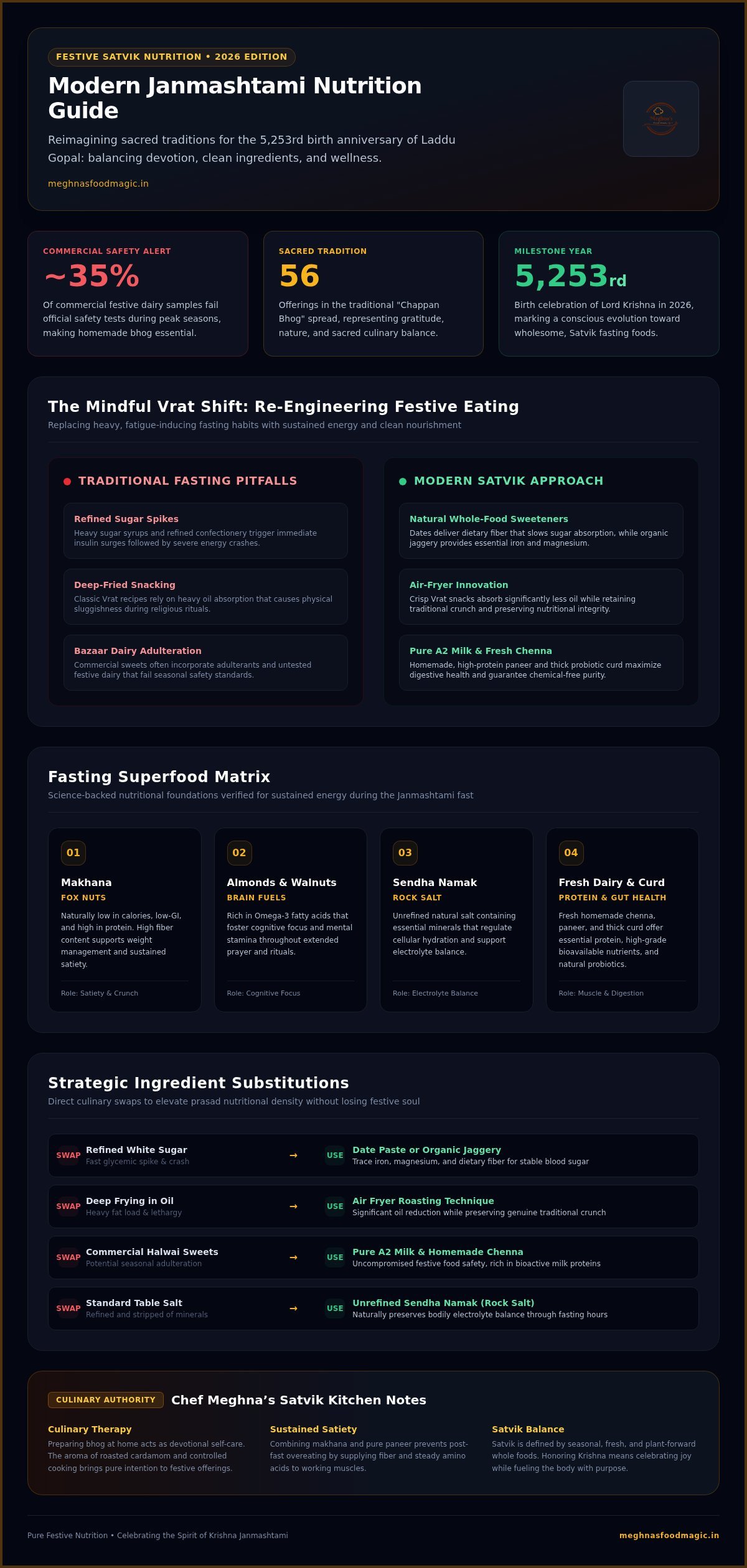
Did you know that nearly 35% of commercial festive dairy samples fail safety tests during peak seasons? It’s a startling reality that makes many of us rethink the sweets we offer at the altar. We all want to celebrate Lord Krishna’s birth with joy, but the typical energy crashes from high-sugar treats and the heavy feel of deep-fried snacks often dampen the festive spirit. You shouldn’t have to choose between your health and your heritage when looking for the perfect Janmashtami recipes to prepare this year.
I’m here to show you that wellness and celebration are a beautiful match. You’ll learn how to reimagine traditional flavors through a professional, health-conscious lens that prioritizes pure ingredients and vibrant textures. We’re diving into a curated selection of nutritious treats, from air-fryer innovations to sugar-free delights that honor the 5,253rd birth anniversary of Laddu Gopal in 2026. Get ready to understand the “why” behind every ingredient as we transform your kitchen into a space of culinary therapy and mindful devotion.
Key Takeaways
- Discover how to swap refined sugar for natural alternatives like date paste or organic jaggery to enjoy festive sweets without the dreaded energy crash.
- Learn to use your air fryer to create crispy Vrat snacks that absorb significantly less oil while maintaining that beloved traditional crunch.
- Master three signature Janmashtami recipes that prioritize high-protein ingredients like fresh paneer and nutrient-dense makhana for a balanced, energy-filled celebration.
- Explore the culinary science behind festive cooking through Chef Meghna’s Notes, ensuring your gluten-free batters and traditional prasad turn out perfectly every time.
- Understand how to celebrate Lord Krishna’s birth in 2026 by blending authentic satvik traditions with modern, health-conscious cooking techniques.
The Significance of Janmashtami Recipes in the Modern Indian Kitchen
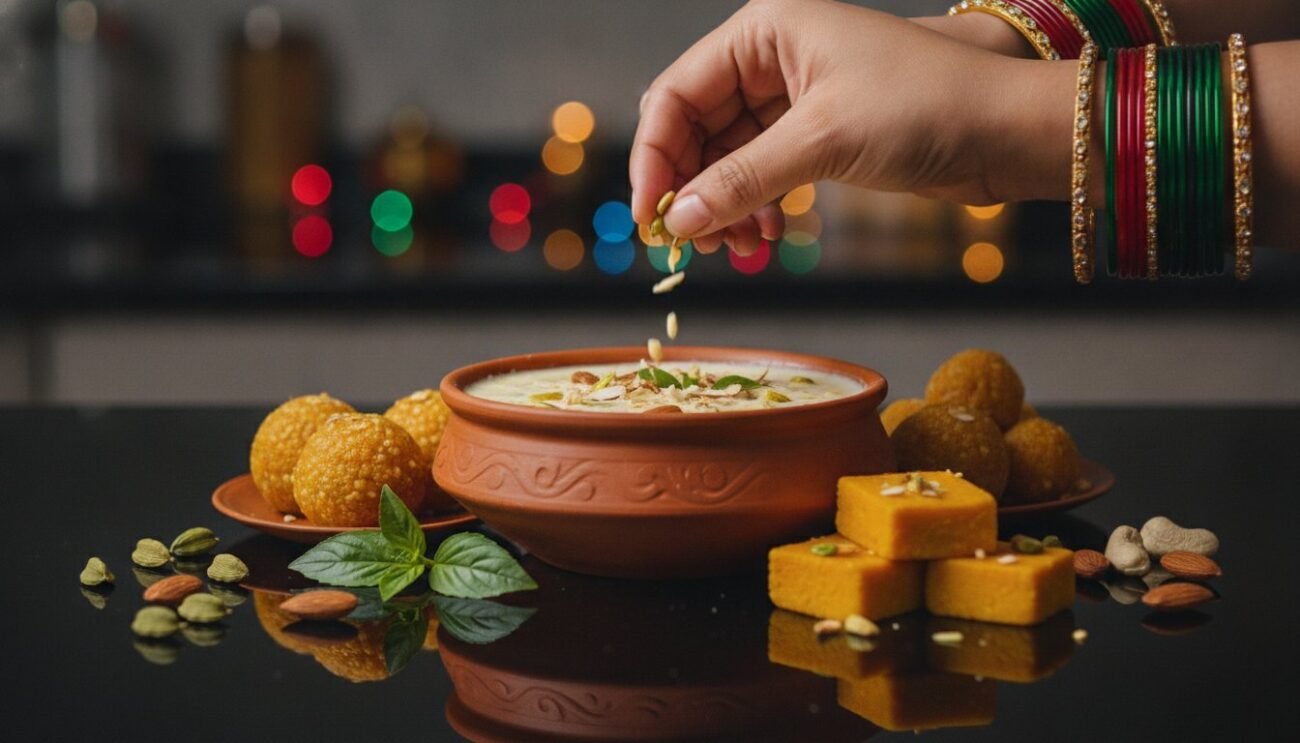
Janmashtami isn’t just a date on the calendar; it’s a sensory explosion of devotion and flavor. As we celebrate the birth of Lord Krishna, the playful “Makhan Chor,” our kitchens become the center of the universe. Historically, this meant preparing the grand “Chappan Bhog,” a magnificent spread of 56 traditional items ranging from savory snacks to syrupy sweets. Each dish symbolizes a different aspect of nature and gratitude, honoring Krishna Janmashtami traditions through the sacred act of feeding the soul. However, in 2026, the way we approach these Janmashtami recipes is evolving. We’re moving away from the heavy, oil-laden “Vrat” foods of the past and embracing a new era of festive wellness.
Cooking for the Lord is the ultimate form of culinary therapy. It’s a chance to slow down, breathe in the aroma of roasted cardamom, and treat the act of preparation as a gesture of self-care. When you choose to make your prasad at home, you aren’t just following a recipe; you’re taking control of your health. You avoid the hidden adulterants often found in bazaar sweets and instead infuse your food with pure intention and high-quality nutrients. There is a deep satisfaction in knowing exactly what goes into your bhog, turning a religious duty into a rewarding experience for the whole family.
Balancing Tradition with Wellness Goals
Maintaining the sanctity of your fast doesn’t mean you have to compromise on your fitness targets. You can stay true to the “Satvik” spirit while still hitting your protein goals. Satvik food is a diet based on seasonal, fresh, and plant-forward ingredients. By focusing on these foundations, we can create treats that satisfy the palate without causing the sluggishness usually associated with festive feasting. This is the core of the Meghna’s Food Magic philosophy: celebrating with joy while fueling the body with purpose. Handmade treats become a bridge between our deep-rooted emotional connections and our modern desire for vitality.
The Role of Dairy in Krishna’s Favorite Foods
Milk, curd, and butter are the lifeblood of any Janmashtami celebration. These ingredients were Krishna’s favorites for a reason; they are packed with essential nutrients. To make your Janmashtami recipes truly shine, focus on high-quality, protein-rich dairy. Whether it’s making your own chenna or using thick, probiotic-rich curd, the quality of your dairy determines the texture and nutritional value of the final dish. Freshness is key. In a year where food safety is a top priority, choosing pure A2 milk or homemade paneer ensures your offerings are as healthy as they are holy.
Essential Ingredients for a Healthy Janmashtami Menu
Setting up your kitchen for the festive season doesn’t have to mean stocking up on heavy syrups and refined flours. Instead, we’re looking at a pantry that fuels you. Makhana, or fox nuts, are the undisputed stars of Janmashtami recipes. These little powerhouses are naturally low in calories but high in protein, making them perfect for those long fasting hours. When you roast them correctly, they provide a satisfying crunch that mimics fried snacks without the heavy oil. This is a key part of understanding the health benefits of air frying, as prepping these ingredients with minimal fat preserves their nutritional integrity while delivering maximum flavor.
Traditional sweets often rely on heavy sugar syrups that cause immediate insulin spikes followed by a crash. We’re pivoting to natural sweeteners like organic jaggery and date paste. Jaggery contains trace minerals like iron and magnesium, while dates offer fiber that slows down sugar absorption. It’s about making your treats work for your body, not against it. By using these whole-food alternatives, you can enjoy your favorite bhog while maintaining steady energy levels throughout the day and night celebrations.
Superfoods for the Fasting Soul
Makhana isn’t just a snack; it’s a weight management tool. Its high fiber content keeps you full, preventing the overeating that often happens when the fast is broken. These superfoods provide more than just energy:
- Makhana: Low-GI and high in protein for sustained satiety.
- Almonds & Walnuts: Rich in Omega-3 fatty acids for cognitive focus during rituals.
- Sendha Namak: Unlike table salt, this rock salt is unrefined and helps maintain electrolyte balance.
Smart Dairy Choices for High Protein
Since Janmashtami is all about dairy, let’s make it count. Homemade paneer is your best friend. It’s an instant source of high-quality protein that can be crumbled into sweets or tossed into savory tikkis. If you’re looking for more inspiration on how to use these ingredients, you can find plenty of creative ideas on my YouTube channel. For creamy textures, skip the heavy cream. Use a paste of soaked cashews or thick, hung curd instead. Curd acts as a natural probiotic, keeping your digestion smooth and your gut happy during the festivities. Choosing these protein-dense options ensures your Janmashtami recipes are as nourishing as they are delicious.
Air Fryer Magic and Smart Substitutions for Festive Snacks
Who says festive snacks must be dripping in oil to taste authentic? Traditional Janmashtami recipes often rely on deep-frying to achieve that signature crunch, but this process can add up to 28% fat by weight to your food. In 2026, we’re taking a smarter approach. By using the power of high-speed air circulation, you can reimagine favorites like Sabudana Vada with significantly less oil. This shift isn’t about restriction; it’s about using modern technology to honor tradition while protecting our vitality. It’s a core part of my “Cake Therapy” philosophy, where we focus on the joy of creation through better ingredients like nuts and whole grains.
Reducing oil doesn’t mean you have to sacrifice the “crunch” factor that makes Vrat food so satisfying. The secret lies in how you prep your ingredients before they hit the heat. Whether you’re making crispy makhana or savory tikkis, a light mist of cold-pressed oil is often enough to trigger the Maillard reaction. For those looking to expand their low-oil repertoire, these Airfryer recipes offer endless inspiration for making your festive kitchen a healthier space.
The Air Fryer Advantage for Vrat Food
Air frying is a game-changer for the fasting soul. To get that perfect golden texture, start with a high-temperature blast at 200°C for the first 5 minutes to set the exterior. Then, lower the heat to 180°C to ensure the inside cooks through without drying out. This method works beautifully for makhana snacks, where a few minutes in the air fryer creates a brittle, light texture that ghee-roasting can’t always match. It’s a cleaner way to cook that leaves you feeling energized rather than sluggish after your meal.
Sugar-Free Sweetening Strategies
Moving away from refined sugar is the most impactful change you can make to your Janmashtami recipes. Substituting white sugar with liquid jaggery or date paste adds a rich, caramel-like depth that refined sweeteners lack. However, you must manage the moisture content. When you swap a dry sugar for a liquid paste, reduce other liquids in the recipe by about 10% to 15% to maintain the right consistency. Understanding these healthy cooking methods and ingredient substitutions empowers you to create sweets that are truly nourishing. If you’re focusing on fitness this season, explore these Weight loss resources for more sugar-free inspiration that doesn’t compromise on flavor.
3 Signature Healthy Janmashtami Recipes with Precise Measurements
Authenticity in the kitchen doesn’t have to be a guessing game of “handfuls” and “pinches.” To truly master healthy Janmashtami recipes, you need the precision of a chef combined with the heart of a devotee. These three signature dishes are designed to provide maximum nutrition without losing the soul of the festival. We’re moving beyond the sugar-laden bazaar offerings to create something that fuels your body and honors the tradition of pure, home-cooked bhog. Each measurement here is calculated to ensure you get the perfect balance of flavor and fitness.
Recipe 1: Guilt-Free Paneer Kalakand
Traditional Kalakand is often a sugar bomb, but this version focuses on the protein-rich texture of fresh paneer. It’s velvety, aromatic, and perfectly sweet without the energy crash. By mashing the paneer thoroughly, we break down the protein structures to create a smooth, fudge-like consistency that melts in your mouth.
- Ingredients: 250g fresh Paneer (crumbled), 100ml low-fat condensed milk, 1/2 tsp cardamom powder, 1 tbsp stevia or organic jaggery powder.
- Step-by-Step: Mash the paneer until no large grains remain. In a non-stick pan, combine paneer and condensed milk. Cook on low heat, stirring constantly. This slow cooking prevents the milk solids from burning and ensures even thickening. Once the mixture leaves the sides of the pan, add cardamom and your sweetener.
- Finishing: Spread into a greased tray, garnish with slivered pistachios, and let it set for 2 hours before cutting into squares.
Recipe 2: Air-Fried Crispy Sabudana Vada
We’re ditching the deep fryer for this Vrat staple. Air-frying these vadas at a high temperature initial blast helps set the starch, preventing them from becoming rubbery. You get that incredible crunch with a fraction of the oil used in traditional methods.
- Ingredients: 1 cup Sabudana (soaked for 4 to 5 hours until soft), 2 medium boiled potatoes (mashed), 1/2 cup roasted peanut coarse powder, 2 finely chopped green chilies, 1 tsp Sendha Namak.
- Technique: Mix all ingredients into a firm dough. Shape into small, flat patties. Preheat your air fryer to 180°C. Lightly brush the vadas with a tiny amount of ghee for that authentic aroma and to help the exterior crisp up.
- Cooking: Air-fry at 180°C for 15 to 18 minutes. Flip them halfway through to ensure the hot air circulates evenly around the entire surface.
Recipe 3: Nutritious Makhana Paag
This is the ultimate crunchy treat, packed with fiber and minerals. It’s a far superior choice to refined flour snacks, offering satiety during your fast. For more ideas like this, check out my collection of Tea Time Snacks.
- Ingredients: 2 cups puffed Makhana, 1/2 cup grated jaggery, 1 tsp fennel seeds (saunf), 1 tbsp melon seeds.
- Process: Dry roast the makhana on low heat. You’ll know they’re ready when they are perfectly brittle and snap easily. This drives off moisture and ensures they stay crunchy even after being coated in syrup.
- Coating: Melt the jaggery in a pan with a teaspoon of water until it reaches a soft-ball consistency. Toss in the fennel and melon seeds, then quickly add the makhana. Stir until every piece is evenly coated, then spread on a plate to cool.
Chef Meghna’s Notes: Troubleshooting and Professional Tips
Mastering the perfect festive spread is about more than just following a list of ingredients. It’s about understanding the “why” behind every movement in the kitchen. When you approach your Janmashtami recipes with a bit of culinary science, you transform a simple meal into an act of culinary therapy. These professional insights are designed to help you avoid common pitfalls and ensure your treats are as nutritious as they are delicious. Festive cooking should be a joyful ritual, not a source of stress, and these tips will give you the confidence to innovate with ease.
The Science of Soaking and Textures
The success of your Sabudana Vada depends entirely on how you hydrate the starch. If you use too much water, the grains lose their structure and turn into a sticky paste. The goal is to have grains that are plump but distinct. Use just enough water to barely cover the sabudana; this allows the starch granules to absorb moisture slowly without collapsing. For your jaggery-based “Paag,” remember that jaggery is highly sensitive to heat. It burns much faster than refined sugar due to its natural mineral content. Always use a heavy-bottomed pan and keep the flame low to prevent a bitter, scorched flavor. If your Kalakand feels watery, it’s a sign of excess moisture in the paneer. Squeeze your homemade chenna or paneer in a muslin cloth for at least 30 minutes. This drives off the whey, ensuring a firm, professional set that holds its shape perfectly.
Menu Planning for a Healthy Celebration
It’s easy to overindulge when breaking a fast, but a little bit of planning goes a long way. Structure your meal by starting with high-protein items like the paneer treats or roasted makhana we discussed earlier. Protein triggers satiety hormones faster than carbohydrates, which helps you manage your portions naturally. Pair your air-fried snacks with light, hydrating beverages like mint-infused buttermilk or fresh coconut water. These drinks aid digestion and keep your energy levels stable after the midnight rituals. If you don’t have specific Vrat ingredients like singhara atta, don’t worry. You can use arrowroot powder or finely ground roasted makhana as a binder. These alternatives provide the same thickening power without compromising the “Satvik” nature of your meal.
I can’t wait to see your beautiful festive creations! For daily healthy inspiration and behind-the-scenes kitchen secrets, follow Meghna’s Food Magic on Instagram.
Embrace a New Era of Festive Wellness
Celebrating Lord Krishna’s birth in 2026 is a beautiful opportunity to honor timeless traditions while embracing modern wellness. You’ve now mastered Janmashtami recipes that prioritize protein and pure ingredients, moving away from the heavy, sugar-laden treats of the past. By using the air fryer for that perfect crunch and choosing natural sweeteners like jaggery, you’re fueling your body with the same love you put into your sacred offerings.
This journey into mindful cooking is just the beginning. You can access over 1,000 free digital recipes and professional, chef-approved tips for every single meal of the year. When you join our community of health-conscious home cooks, you’re choosing a lifestyle where heritage and health live in perfect harmony. It’s about making every act in the kitchen a form of culinary therapy that brings joy to your family and vitality to your life.
Go ahead and light the lamp, prep your kitchen, and enjoy the blissful process of creating something extraordinary for Laddu Gopal. Your festive season is about to become your most vibrant and energized one yet. Happy cooking and Jai Shree Krishna!
Frequently Asked Questions
What are some healthy Janmashtami recipes for weight loss?
High-protein makhana chaat, air-fried sweet potato, and fresh fruit rabri are excellent choices for those monitoring their weight. These Janmashtami recipes focus on nutrient density rather than empty calories. By choosing makhana, you get a low-GI snack that keeps you full for longer. Pairing these with hydrating drinks like mint buttermilk ensures you stay energized during the fast without the heavy feeling of traditional fried foods. It’s all about making smart swaps that fuel your fitness goals.
Can I make Janmashtami sweets without refined sugar?
Absolutely, you can create delicious festive treats using natural alternatives like date paste, fig puree, or organic jaggery powder. These ingredients add a rich depth of flavor and trace minerals that refined sugar lacks. In my “Cake Therapy” approach, we prioritize whole-food sweeteners to prevent the insulin spikes and subsequent crashes common during festivals. Using stevia is also a great option for those strictly monitoring their caloric intake while still craving a sweet touch.
Is Sabudana healthy for a weight loss diet during Vrat?
Sabudana is energy-dense and high in carbohydrates, so it should be consumed in moderation if weight loss is your primary goal. While it provides a quick burst of energy needed during a fast, the cooking method is what truly matters. Instead of deep-frying your vadas, try air-frying them to cut fat absorption by up to 80%. This allows you to enjoy traditional flavors while keeping your overall calorie count within a healthy range for your diet.
How can I make my Janmashtami snacks crispy without deep frying?
The secret to achieving that perfect crunch without a deep fryer is using a high-circulation air fryer or dry roasting. For snacks like makhana or tikkis, a 5-minute initial blast at 200°C sets the exterior and creates a brittle texture. You can also lightly brush your snacks with a tiny amount of ghee to help the heat distribute evenly. This method ensures your Janmashtami recipes stay light and crispy without the greasy residue of immersion frying.
What are high-protein vegetarian options for Janmashtami?
Fresh paneer, chenna, and peanuts are the best high-protein vegetarian staples for your festive menu. Paneer can be used in both savory tikkis and healthy sweets like Kalakand to provide high-quality muscle-building nutrients. Additionally, makhana offers a surprising protein boost for a plant-based snack. By centering your meals around these ingredients, you ensure that your body receives sustained nourishment throughout the day-long fast, keeping you active and focused on the celebrations.
How do I store homemade healthy sweets like Kalakand?
Dairy-based sweets like Kalakand must be stored in the refrigerator in an airtight glass container to maintain their freshness and texture. Since these healthy versions contain less sugar, which acts as a preservative, they generally stay fresh for 3 to 4 days. For jaggery-based treats like Makhana Paag, store them at room temperature in a cool, dry place. Keeping them away from moisture is essential to prevent the jaggery from becoming sticky or losing its signature crunch.
What are the best natural sweeteners for Indian festive cooking?
Organic jaggery, raw palm sugar, and date syrup are the most effective natural sweeteners for authentic Indian flavors. Jaggery provides a warm, earthy sweetness that pairs beautifully with cardamom and saffron. Date paste is particularly useful for adding moisture and sweetness to fudge-like treats. These alternatives offer fiber and minerals, making your festive cooking a more balanced experience. Always adjust the liquid content in your recipes when swapping dry sugar for wet pastes to ensure the right consistency.
Can I use an air fryer for traditional Vrat recipes?
Yes, an air fryer is a revolutionary tool for traditional Vrat cooking. You can use it to make everything from crispy Sabudana Vadas to roasted nuts and even kuttu mathris with minimal oil. It mimics the texture of deep-frying by circulating hot air at high speeds, which is perfect for the starchy ingredients used during Janmashtami. This modern approach allows you to honor your traditions while significantly reducing your intake of saturated fats and unnecessary calories.
Disclaimer
This is a recipe food blog page and not nutrition or doctor and hence do not claim to cure any illness. If you have specific health issues please consult a qualified doctor or certified nutritionist.
I do consult experts, research Internet and at times seek help from Gemini to collect relevant information to put together some of these blogs.

