
Recipes with Lots of Vegetables: 3 Flavorful Indian Ideas
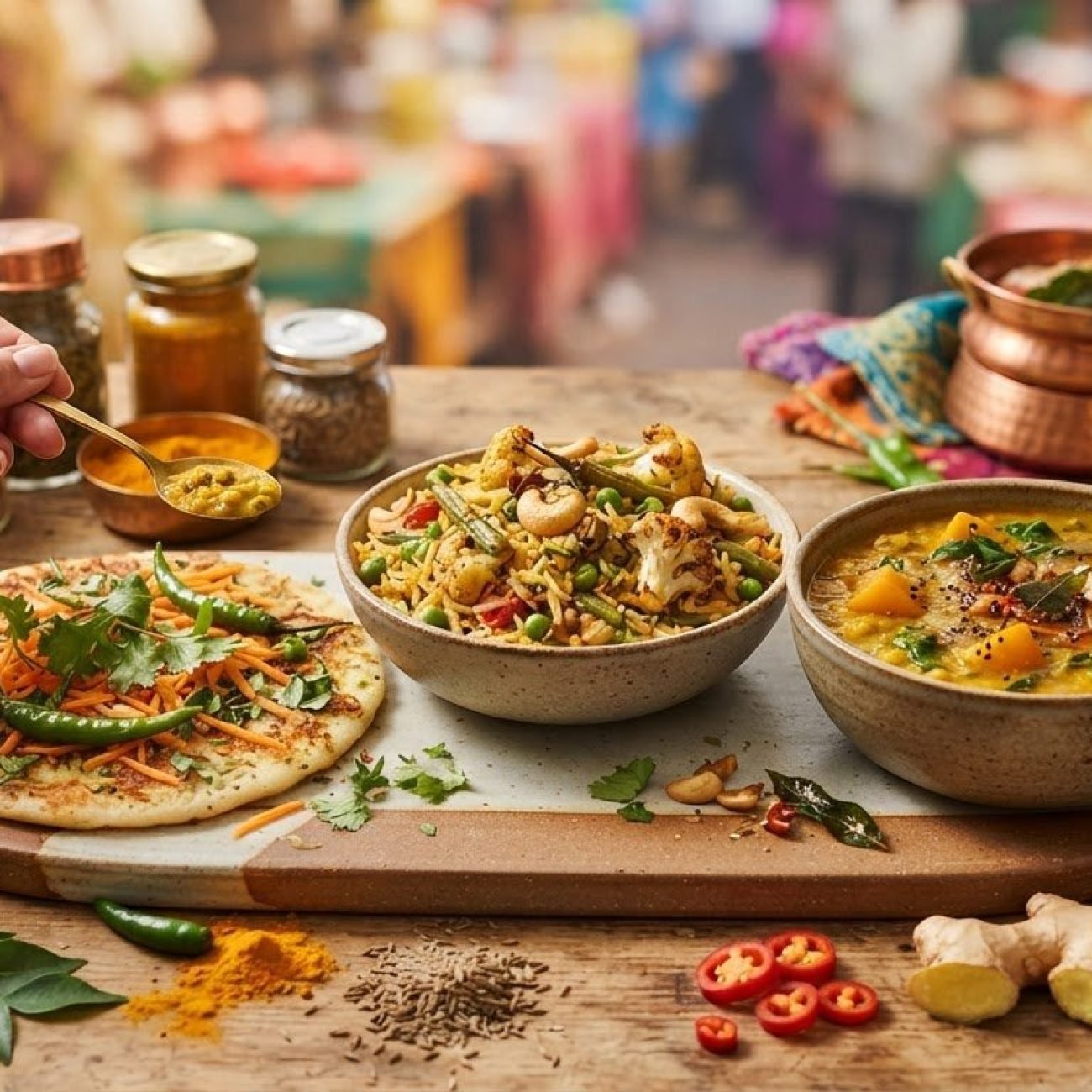
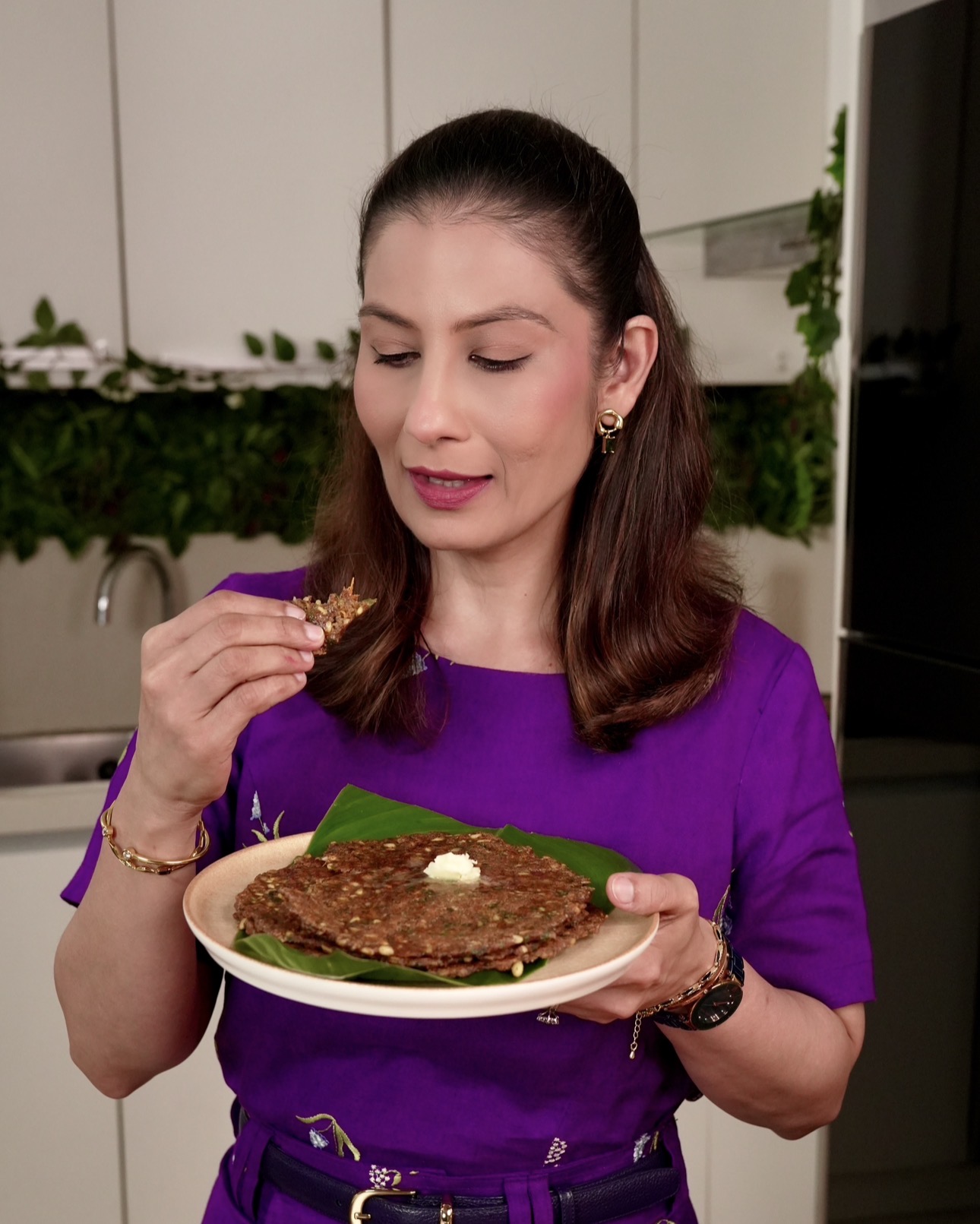
What makes recipes with lots of vegetables work is not simply adding more spice. It’s giving each vegetable the right amount of time in the pan. When carrots, greens, and quick-cooking vegetables all go in together, the mix can turn soft, bland, or unevenly cooked. A little attention to cooking order, texture, and Indian seasonings can turn everyday produce into a meal you’ll look forward to.
If vegetable-heavy dishes have started to feel repetitive, you’re not alone. You want satisfying meals full of flavor without needing a different shopping list every time. This guide shares three Indian-style recipes with measurements, along with practical tips for layering spices, cooking vegetables at different speeds, and adapting each dish to what’s already in your kitchen. Expect colorful combinations, tender vegetables with plenty of texture, and flexible ideas for using what you have.
Key Takeaways
- Build satisfying meals by mixing vegetables with varied colors, shapes, textures, and cooking methods.
- Use a simple preparation sequence to help vegetables cook evenly and brown instead of turning soggy.
- Try three recipes with lots of vegetables: a savory pancake, a rice dish, and a one-pot lentil meal.
- Fine-tune seasoning with gradual adjustments to salt, acidity, spice, and richness.
- Adapt each recipe to the vegetables you have by matching cooking times to the dish.
Recipes with Lots of Vegetables: What Makes a Meal Feel Balanced?
A vegetable-rich meal isn’t just a familiar dish with extra vegetables stirred in at the end. Vegetables should shape its flavor, texture, and substance, whether they’re sweet carrots in a savory pancake, tender greens folded into rice, or soft pumpkin in a lentil dish.
A vegetable-forward meal is one in which vegetables contribute meaningfully to the dish’s flavor, texture, and substance. There’s no required number of vegetables or single formula. Build variety through color, shape, texture, and cooking method. For example, combine finely grated vegetables with larger pieces, or pair a sautéed mixture with a crisp topping. The range of ingredients and preparations across Indian cuisine offers plenty of inspiration for everyday meals.
Fresh produce works beautifully, but frozen vegetables and suitable leftovers can fit too. Add frozen peas to a rice dish, or fold leftover cooked vegetables into pancake batter or a filling. Choose ingredients that suit the recipe’s texture and flavor rather than shopping for a fixed combination.
Which vegetables work well together in everyday meals?
Think about cooking time as well as taste. Cut sturdy carrots into small, even pieces so they soften sooner, then add quicker-cooking greens closer to the end. For contrast, pair tender vegetables with a crunchy finish, such as roasted peanuts or finely chopped raw vegetables. A practical mix might be carrots, beans, and peas; another could bring together capsicum, cabbage, and spinach. Let what’s in your kitchen guide the combination.
Different cuts create different results: grated vegetables blend into a batter, diced vegetables give rice distinct bites, and leafy greens soften into a lentil dish. The aim isn’t to make every bite identical, but to bring the ingredients together without losing all their individual character.
How can vegetables make a meal satisfying?
Vegetables add color, bulk, and varied textures to familiar dishes, making a plate feel generous and lively. Fold chopped vegetables into a savory pancake, combine them with rice, or simmer them with lentils. Beans, lentils, grains, or dairy can accompany the vegetables if you like, but they aren’t requirements for a dish to count as vegetable-rich.
A generous portion of vegetables is a cooking choice, not a promise of a medical or weight-loss outcome. These recipes with lots of vegetables are about making everyday meals appealing and adaptable. Choose a mix you enjoy, give each ingredient the cooking time it needs, and let flavor and texture lead.
How to Cook Lots of Vegetables Without Losing Flavor or Texture
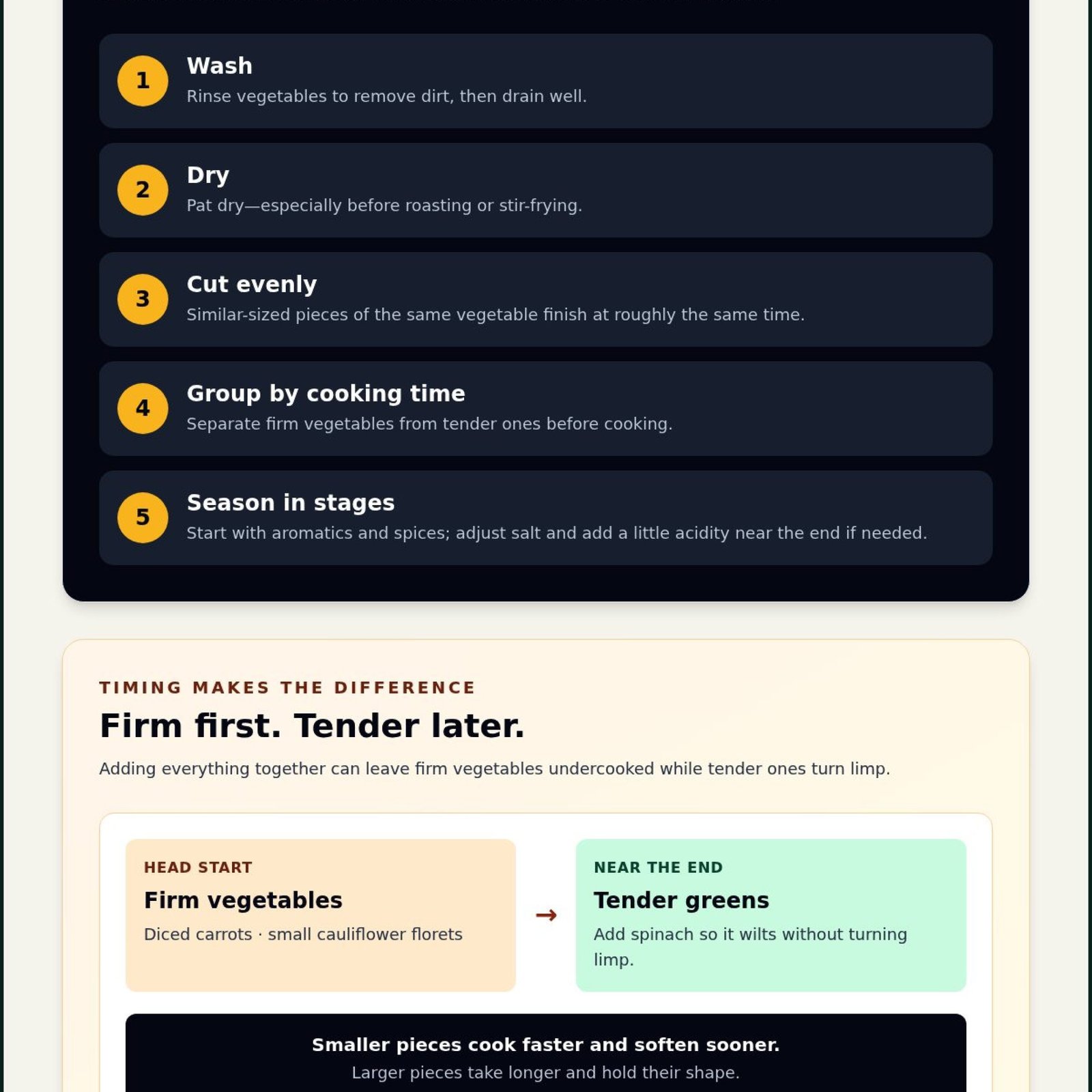
Good texture starts before the pan gets hot. Use this sequence to help vegetables cook evenly and brown:
- 1. Wash: Rinse vegetables to remove dirt, then drain them well.
- 2. Dry: Pat them dry, especially if you’ll roast or stir-fry them.
- 3. Cut evenly: Keep pieces of the same vegetable similar in size so they finish cooking at roughly the same time.
- 4. Group by cooking time: Separate firm vegetables from tender ones before you start.
- 5. Season in stages: Begin with aromatics and spices, then adjust salt and add a little acidity near the end if the dish needs brightness.
Wet vegetables release surface moisture into a hot pan. If the pan is crowded, that moisture has less room to evaporate, so the vegetables are more likely to steam than brown. Cook in batches when needed, leaving space around the pieces. For a broader perspective on why vegetables feature in everyday eating, Harvard T.H. Chan School of Public Health discusses how they may lower blood pressure, reduce the risk of heart disease and stroke.
Why should vegetables be added in stages?
Firm vegetables need a head start; tender ones need less time. For a curry or stir-fry, add diced carrots and small cauliflower florets first, then add spinach near the end so it wilts without turning limp. If everything goes in together, the carrots may still be firm while the spinach is overcooked. Adding ingredients in stages gives each one time to become tender while keeping some character in the finished dish.
Cut size sets the pace: smaller pieces cook faster and soften sooner, while larger pieces take longer and hold their shape. Keep this in mind when mixing vegetables. To help carrots and cauliflower cook at a similar rate, cut the carrots smaller or break the cauliflower into smaller florets.
How do you keep vegetable dishes from becoming watery?
Dry vegetables before roasting or stir-frying, and avoid piling them into a small pan. If the recipe allows, cook in batches so the heat can reach the vegetables instead of being spent evaporating excess moisture. In curries, soups, and covered one-pot dishes, liquid is useful. Add only what the recipe needs, since vegetables release moisture as they cook.
Build flavor as you go. Let onion, garlic, ginger, or spices warm in the pan before adding vegetables so their aromas have time to infuse the oil. Taste near the end, then adjust salt gradually. A squeeze of lemon or a little tamarind can lift flavors that seem dull. For more practical cooking inspiration, explore the Meghna’s Food Magic recipe videos.
Three Recipes with Lots of Vegetables to Try at Home
These three recipes with lots of vegetables bring variety to the table in different ways: a soft-centered savory pancake, fragrant rice with distinct vegetable bites, and a gently spiced, one-pot khichdi. Use the measurements as a starting point. You can adjust the vegetables to suit what you have while keeping the total amount similar. For more ideas on cooking vegetables, see this guide to how to prepare vegetables.
Vegetable Besan Chilla
Makes: 4 medium chillas
- 1 cup besan
- ¾ cup water
- ½ teaspoon cumin
- ¾ teaspoon salt
- ½ cup grated carrot
- ½ cup chopped spinach
- ¼ cup finely chopped onion
- 2 teaspoons oil, for cooking
Whisk the besan, water, cumin, and salt into a smooth, moderately thick batter, then fold in the carrot, spinach, and onion. The batter should spread with a spoon but not run like water. This helps keep the vegetables distributed and gives the center time to cook. Warm a lightly oiled pan over medium heat. Pour on one-quarter of the batter and spread it into a circle. Cook until the edges look set and the underside is golden, then flip and cook until the center is no longer wet. Repeat. Serve warm with chutney or plain yogurt.
Everyday Mixed Vegetable Pulao
Serves: 2
- 1 cup basmati rice, rinsed and drained
- 1½ cups mixed vegetables, such as ½ cup each diced carrot, green beans, and peas
- 1 tablespoon oil
- ½ teaspoon cumin
- ½ teaspoon garam masala
- ¾ teaspoon salt
- 1¾ cups water
Heat the oil in a saucepan and add the cumin. When fragrant, stir in the vegetables and garam masala for a minute. Add the rice, salt, and water; bring to a boil, then cover and cook over low heat until the rice is tender and the water has been absorbed. Take the pan off the heat and leave it covered for 5 minutes. This pause lets the rice finish steaming, making the grains easier to fluff without breaking. Serve with raita or a simple salad.
Vegetable Moong Dal Khichdi
Serves: 2
- ½ cup rice
- ¼ cup split yellow moong dal, rinsed
- 1½ cups mixed vegetables, such as ½ cup diced carrot, ½ cup peas, and ½ cup small cauliflower florets
- 1 tablespoon ghee
- ½ teaspoon cumin
- ¾ teaspoon salt
- 3 cups water, plus extra as needed
Warm the ghee in a pot and add the cumin. Once fragrant, add the rice, dal, vegetables, salt, and water. Bring to a gentle boil, then cover and simmer, stirring occasionally, until the grains and vegetables are tender. Add a little hot water if the mixture becomes thicker than you like before everything is cooked. Serve soft and steaming, with a spoonful of yogurt or a squeeze of lemon if desired.
Are Veggie-Rich Recipes Bland? Chef Meghna’s Notes
Not at all. Vegetable-rich cooking can be bold and satisfying when seasoning and technique work together. Spices bring warmth, aromatics such as ginger, garlic, and onion build a savory base, and a bright finish can wake up flavors that taste muted. Layer seasonings thoughtfully and taste as you cook, rather than relying on extra chili or salt to fix everything at the end.
Chef Meghna’s Notes: easy substitutions and flavor adjustments
Swap vegetables by firmness, moisture, and cooking time, not color alone. Cauliflower and beans can often take each other’s place in a rice dish if cut to similar sizes. Spinach is a poor direct substitute for either because it wilts quickly and releases moisture. For a drier vegetable mix, use fewer juicy ingredients or add them later. Frozen vegetables can work too, but thaw and drain them if excess water would affect the dish.
Make small adjustments, then taste again. For a pot of rice or lentils, start with a pinch of salt, about ⅛ teaspoon, if the seasoning feels flat. For brightness, stir in ½ teaspoon lemon juice, taste, and add more only if needed. A little ghee or oil can round out sharp flavors, while a small pinch of garam masala can add warmth. These are finishing adjustments, not fixed requirements. The right balance depends on the ingredients and your preference.
What to do when vegetables turn soft or the dish tastes flat
If a pan dish looks watery, remove the lid and let some moisture evaporate, stirring gently so the vegetables don’t break apart. For stir-fried or roasted vegetables, cook a smaller batch at a time. Crowding traps steam and makes browning harder. If the vegetables are already softer than you wanted, don’t keep cooking them. Add texture at the table with roasted peanuts, crisp onions, or fresh herbs.
Uneven cooking often comes down to cut size or timing. Cut similar vegetables into consistent pieces, and add firm ones before tender greens. If a dish tastes flat, check the salt first, then try a little lemon juice or another suitable tangy finishing ingredient. Add one change at a time so you can tell what helped.
If you’re looking for visual ideas for serving vegetables to hesitant eaters, explore the fussy-eater vegetable recipe playlist. Thoughtful swaps and small corrections can help recipes with lots of vegetables feel flexible, colorful, and full of flavor.
Make Vegetable-Rich Recipes Fit Your Routine
Flexible cooking starts with what’s already in your kitchen. Instead of choosing a recipe and shopping for every ingredient, pick the vegetables you have, decide how you want to serve them, then match the cooking method and timing to those vegetables. That small shift makes recipes with lots of vegetables easier to fit into everyday meals.
How can you adapt recipes to the vegetables you already have?
Swap by firmness, moisture, and cooking time. Green beans or small cauliflower florets can take the place of one another in a pulao when cut to similar sizes. Spinach is more delicate, so add it near the end rather than treating it like a firm vegetable. Corn can bring a sweet pop to chilla, pulao, or khichdi. Add it according to whether it’s fresh, frozen, or already cooked.
For more ideas, browse Meghna’s recipe collection and look for a dish format that suits the vegetables you have. Use the listed quantities as a guide, and make substitutions in similar amounts to keep the balance of the dish close to the original.
What is a simple way to plan vegetable-rich meals?
Choose a familiar format first, then fill it with vegetables that suit the cooking method:
- Chilla: Grate or finely chop vegetables so they soften as the batter cooks.
- Pulao: Use firm vegetables in small, even pieces, adding quicker-cooking choices later if needed.
- Khichdi: Choose vegetables that can simmer until tender alongside the rice and dal.
If you scale a recipe, increase the ingredients proportionally rather than adding extra vegetables alone. That helps preserve the balance of rice or lentils, liquid, seasoning, and vegetables. A larger quantity may also take longer to cook, so check for doneness and adjust liquid gradually instead of assuming the original timing will hold.
Prepare only what you need for the dish. Set suitable extras aside for another meal, and store prepared vegetables in a clean, covered container in the refrigerator. Keep them separate from cooked food, and follow reliable food-safety guidance for storage and use. This makes meal preparation more practical while keeping ingredients ready for another use.
For another serving idea or a fresh way to use the vegetables in your kitchen, explore Meghna’s recipe videos.
Bring More Color to Your Next Meal
Vegetable-rich cooking doesn’t need a rigid recipe or a long shopping list. The three ideas here show how a pancake, pulao, or khichdi can become a flexible base for the vegetables you have. Keep pieces a consistent size, add ingredients according to how quickly they cook, and taste as you go to bring the flavors into balance.
Start with one familiar dish, then make it your own with a thoughtful swap or a fresh finishing touch. These small choices can make recipes with lots of vegetables more varied and enjoyable without turning everyday cooking into a complicated project.
Meghna’s Food Magic offers a free digital recipe database, with more inspiration in its YouTube recipe video collection.
Pick the vegetables you have and enjoy creating a colorful, satisfying meal that feels unmistakably yours.
Frequently Asked Questions
Can I use frozen vegetables in recipes with lots of vegetables?
Yes, frozen vegetables work well in many curries, rice dishes, soups, and one-pot meals. Add them based on their size and how long the other ingredients need to cook. Avoid thawing them in a way that leaves them sitting in excess water. For crisp results, follow the recipe’s method and cook in manageable batches. Before serving, check that the vegetables are heated through.
How do I stop vegetable-heavy recipes from becoming watery?
Dry washed vegetables well, cut them evenly, and avoid crowding the pan. For dishes that need browning, cook watery vegetables uncovered or in batches so moisture can evaporate. Soups, curries, and khichdi need liquid, so follow the recipe’s measurements and adjust only if necessary. Add tender vegetables later in cooking to help them keep their texture instead of becoming overly soft.
What vegetables go well together in Indian recipes?
Carrots, peas, beans, cauliflower, spinach, and potatoes can all work together, but choose pairings that suit the dish and the textures you enjoy. Since they cook at different speeds, start firmer vegetables first and add quicker-cooking greens later. For example, carrots and cauliflower can begin cooking before spinach is stirred in near the end. You don’t have to combine every vegetable you have in one pan.
Are recipes with lots of vegetables filling enough for dinner?
They can make a satisfying dinner when the recipe is designed as a complete dish or served with an accompaniment. Vegetable pulao combines vegetables with rice, while moong dal khichdi brings vegetables together with rice and pulses. Chilla can also be served as part of a meal. Portions and appetites vary, so adjust the serving size or add an accompaniment to suit the people at your table.
Can I substitute vegetables in a recipe?
Usually, yes. Choose replacements with similar firmness, moisture, and cooking time so the dish stays balanced. A firm vegetable may need to go in earlier than spinach or another tender green. If you replace an ingredient with a wetter vegetable, you may need to cook the dish uncovered for a little longer. Make one or two substitutions at a time to see how they affect flavor and texture.
How can I make vegetable recipes appealing to picky eaters?
Start with a familiar dish and vegetables the person already enjoys, then introduce one new ingredient in a manageable amount. Offer appealing textures and seasonings without pressuring anyone to finish. Preferences differ, so keep expectations flexible and let people get used to new flavors at their own pace. For visual ideas, explore Meghna’s vegetable recipe videos for fussy eaters.
What can I cook with assorted vegetables and pantry staples?
Choose a dish format that fits what you have: make chilla with vegetables and a savory batter, pulao with rice, or khichdi with rice and moong dal. Before cooking, sort the vegetables by how quickly they soften so you can add them at the right stage. Use the recipe’s measurements as a guide, and make sensible substitutions based on texture and moisture rather than adding every leftover at once.
Disclaimer
This is a recipe food blog page and not nutrition or doctor and hence do not claim to cure any illness. If you have specific health issues please consult a qualified doctor or certified nutritionist.
I do consult experts, research Internet and at times seek help from Gemini to collect relevant information to put together some of these blogs.

