
Amba Haldi: What It Is, How to Use It, and Two Kitchen Ideas
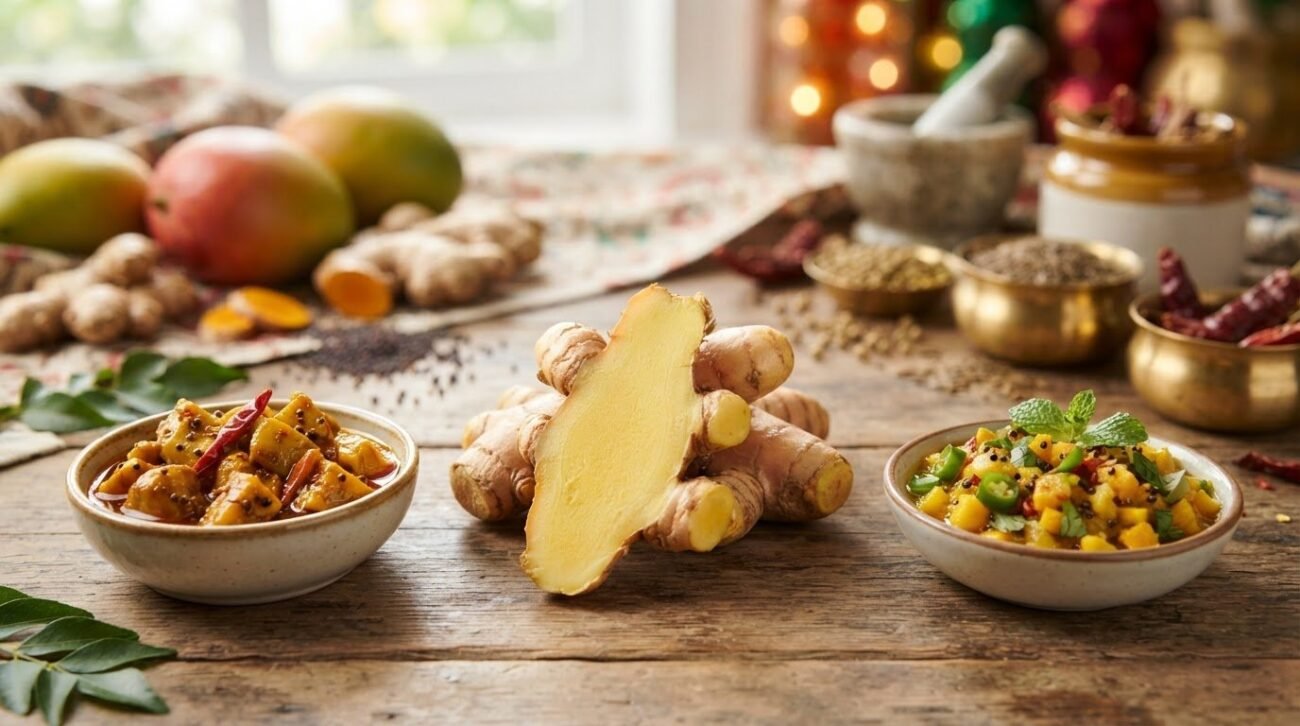
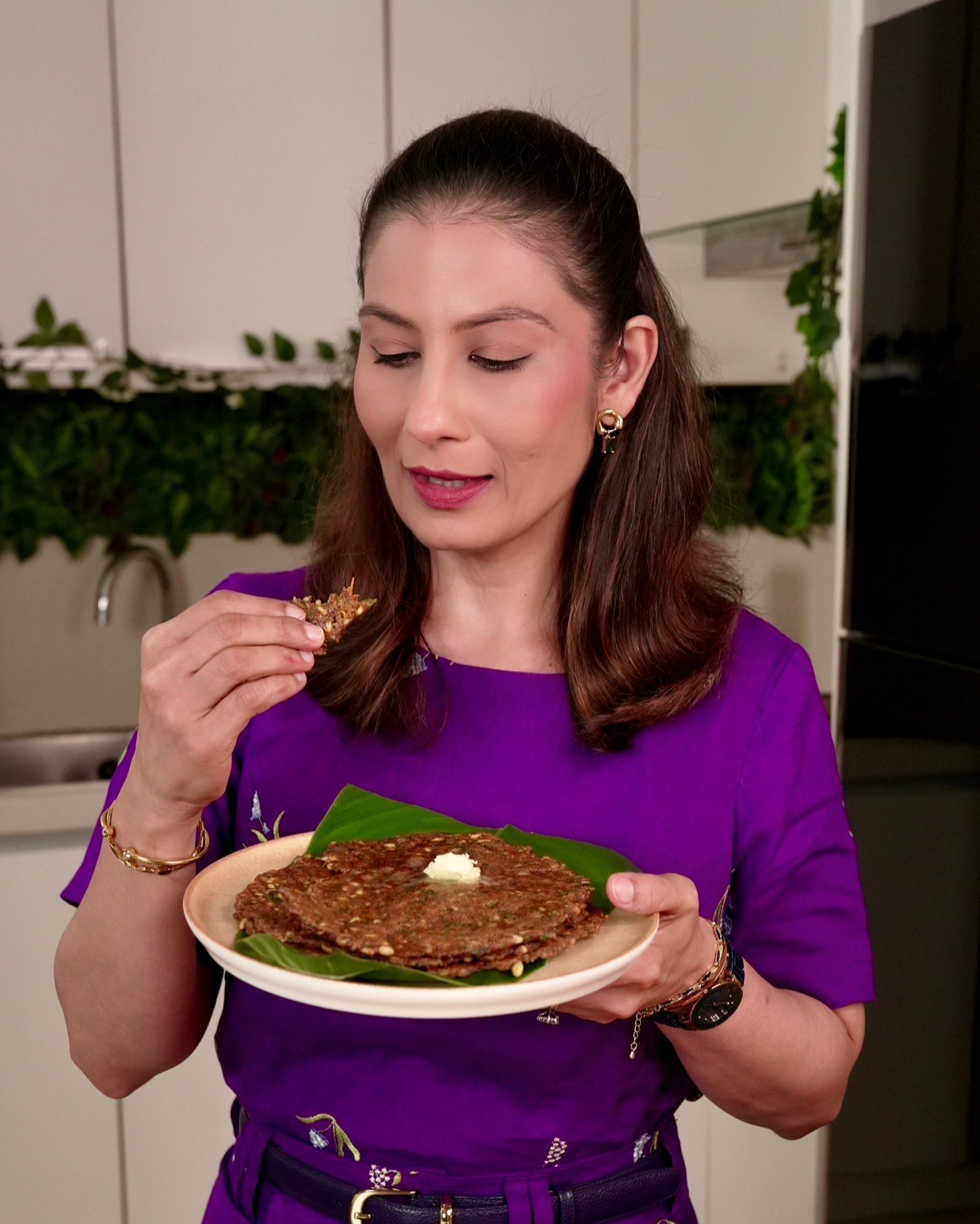
Amba haldi may look like a pale cousin of turmeric, but its most distinctive quality is a fresh, raw-mango aroma. Also called mango ginger, this rhizome can resemble ginger on the outside, so it’s easy to see why home cooks aren’t always sure what they’ve picked up.
If you’ve wondered how to identify amba haldi, what it tastes like, or how to use the fresh root, you’re not alone. Its flavour is bright and gently earthy, with a mango-like tang that adds a distinctive note to Indian kitchen favourites. It also has a place in traditional wellness practices, but health claims deserve careful consideration. For cooking, start by enjoying it as an ingredient.
This guide explains how to distinguish amba haldi from turmeric and ginger, prepare and store it, and use it in two practical recipes: a fresh pickle and a lively relish. You’ll also find tips for adjusting the amount to suit your palate, without expecting the rhizome to behave like ordinary turmeric.
Key Takeaways
- Learn the key clues for identifying amba haldi and distinguishing it from familiar rhizomes.
- Follow a simple routine for preparing the fresh root and storing unused portions.
- Compare its flavour and culinary uses with regular turmeric, while keeping health claims in perspective.
- Try two measured kitchen ideas that highlight its distinctive character.
- Use practical tips to adjust the amount and make the flavour work for your palate.
What Is Amba Haldi? Identify Its Mango-Like Aroma and Culinary Role
Amba haldi is the fresh rhizome of Curcuma amada, a plant related to turmeric and commonly called mango ginger. The name can be confusing: “haldi” often brings ordinary turmeric to mind, while “ginger” describes the rhizome’s familiar shape. Neither name means it’s simply a substitute for turmeric or ginger. Its signature is an aroma reminiscent of raw mango, making it a distinctive ingredient in its own right.
How Does Amba Haldi Differ from Turmeric and Ginger?
The botanical name Curcuma amada distinguishes it from Curcuma longa, the species used for common turmeric. For a botanical overview of Curcuma amada, or mango ginger, including its relationship to turmeric and culinary context, see the linked reference.
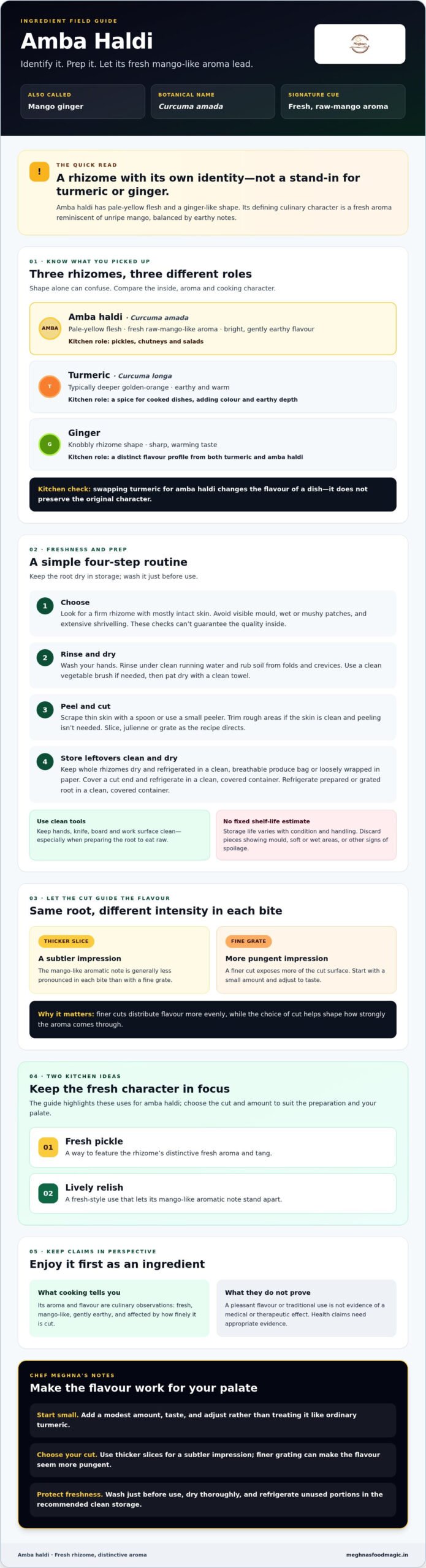
- Amba haldi: A ginger-like rhizome with pale yellow flesh and a raw-mango-like scent. It’s used in Indian cooking for preparations such as pickles, chutneys and salads.
- Turmeric: Curcuma longa is typically a deeper golden-orange colour, with an earthy, warm character. It’s commonly used as a spice in cooked dishes.
- Ginger: This familiar kitchen rhizome has a similar knobbly shape, but it comes from a different plant and has a different flavour profile. Its sharp, warming taste plays a distinct role in cooking.
These differences matter in the kitchen. Turmeric contributes colour and earthy depth, while amba haldi brings a fresh, mango-like aromatic note. Swapping one for the other changes a dish rather than preserving its original flavour.
What Does Fresh Amba Haldi Taste Like?
Amba haldi is a pale-yellow rhizome with a fresh aroma reminiscent of unripe mango, balanced by earthy notes. That mango impression comes from its aroma, not from actual mango in the ingredient. The flavour can seem more pungent when the root is finely grated or thinly sliced, since more of its cut surface is exposed. Start with a small amount and adjust to taste. A thicker slice generally gives a subtler impression in each bite than a fine grate.
Fresh aroma and flavour are culinary observations, not evidence of a medical or therapeutic effect. Traditional uses and health research need to be considered separately, with claims supported by appropriate evidence. For cooking, the key is to treat this rhizome as its own aromatic ingredient and let its distinctive character guide how much you use.
How to Choose, Clean, Cut, and Store Amba Haldi
A little care before cutting helps preserve the rhizome’s fresh character and makes prep easier. Use this routine, then choose thin slices, matchsticks or a fine grate to suit the recipe.
- Choose: Look for a rhizome that feels firm and has mostly intact skin. Avoid pieces with visible mould, wet or mushy patches, or extensive shrivelling. These checks help you spot obvious signs of deterioration, but they can’t guarantee quality inside.
- Rinse: Wash your hands and rinse the rhizome under clean running water, rubbing away soil from folds and crevices. Use a clean vegetable brush if needed, then pat it dry with a clean towel. A dry surface is easier to handle and cut.
- Peel and cut: Scrape off the thin skin with the edge of a spoon or use a small peeler. If the skin is clean and the recipe doesn’t require peeled rhizome, trim only rough areas. Use a clean knife and board. Slice, julienne or grate as directed, since finer cuts distribute the flavour more evenly.
- Store leftovers: Keep whole rhizomes dry and refrigerated in a clean, breathable produce bag or loosely wrapped in paper. For a cut piece, cover the exposed end and place it in a clean, covered container in the refrigerator. Refrigerate prepared or grated rhizome in a clean, covered container, and follow the recipe’s storage directions if it’s part of a pickle or relish.
How Should You Prepare the Rhizome Before Cooking?
Wash it just before use rather than storing it wet. Soil can cling around the knobbly joints, so rinse carefully before peeling or cutting. A spoon is handy for scraping around curves while removing less flesh than a thick peel. Keep hands, tools and the work surface clean, especially if you’re preparing it to eat raw.
How Can You Store Fresh or Prepared Amba Haldi?
Don’t rely on a fixed shelf-life estimate. It can vary with the rhizome’s condition and how it’s handled. Check stored pieces for visible mould, soft or wet areas, or other signs that they look spoiled. Discard pieces that show spoilage rather than trimming around it. The Indian Academy of Sciences review discusses mango ginger’s phytochemicals and biological activities, but it isn’t a storage guide or a substitute for checking your ingredient. For more approachable cooking ideas, explore recipe videos from Meghna’s Food Magic.
Amba Haldi vs Turmeric: Flavour, Uses, and Health Claims
Amba haldi and turmeric are related plants, but they have different kitchen roles. Both belong to the genus Curcuma: amba haldi is Curcuma amada, while common turmeric is Curcuma longa. Their flavours, colours and customary uses aren’t interchangeable.
| Ingredient | Identity and character | Common kitchen use |
|---|---|---|
| Mango ginger | Curcuma amada; pale yellow flesh, with a fresh aroma reminiscent of raw mango and an earthy edge. | Often used fresh in pickles, chutneys, salads and regional preparations. |
| Turmeric | Curcuma longa; typically deeper golden-orange, with an earthy, warm flavour. | Used fresh or dried and powdered to season cooked dishes and add colour. |
| Ginger | A separate rhizome with a sharper, warming flavour. | Used fresh or dried in savoury dishes, drinks and other preparations. |
When Should You Use Amba Haldi Instead of Turmeric?
Choose mango ginger when you want its bright, raw-mango-like aroma to stand out, such as in a fresh relish or pickle. Choose turmeric when a dish calls for its earthy flavour and golden colour. Replacing turmeric with fresh mango ginger can change both the taste and appearance. Fresh rhizome and dried powder also differ in moisture and concentration, so don’t assume an equal-quantity swap will give the same result.
What Can You Say Responsibly About Its Health Benefits?
Mango ginger has traditional uses in Ayurveda and Unani medicine, but a history of use isn’t proof of efficacy. A 2022 randomized controlled trial in the Journal of Ethnopharmacology involved 60 people with mild IBS symptoms and assessed an extract containing 10% mangiferin. The reported findings concerned that specific extract, not ordinary portions of fresh rhizome, and shouldn’t be treated as proof that eating it prevents or treats a condition.
Culinary use tells you how an ingredient tastes; it doesn’t establish that the ingredient has a medical benefit. Research on particular compounds or extracts may be worth exploring, but it can’t automatically be applied to food prepared at home. If you have a personal health concern or are considering regular use for a health purpose, ask a qualified clinician.
How to Cook Amba Haldi: Two Practical Recipe Ideas
Fresh rhizome works well in preparations where its aroma can stay bright. These quick recipes pair it with familiar Indian kitchen ingredients. The different cuts also affect the experience: fine matchsticks distribute the flavour, while slightly thicker slices make it more distinct. Both are small fresh preparations, not recipes for long-term preservation.
Recipe One: Fresh Amba Haldi Pickle
Yield: 4 small servings
Ingredients:
- 100 g fresh amba haldi, peeled and cut into fine matchsticks
- 1 tbsp mustard oil
- 1 tsp mustard seeds, coarsely crushed
- 2 tbsp lemon juice
- ½ tsp salt
- ¼ tsp red chilli powder
Method: Put the cut rhizome in a clean bowl. Add the crushed mustard seeds, lemon juice, salt and chilli powder, then toss to season the matchsticks evenly. Stir in the mustard oil and leave the mixture for 15 minutes before serving. Thin matchsticks take on the seasoning quickly, and the short rest lets the sharp lemon and mustard notes mingle with the rhizome’s aroma. Taste and adjust the salt or chilli just before serving. This quick pickle isn’t shelf-stable, so make it for immediate use rather than storing it as a preserved pickle. For more pickle inspiration, browse the Chutney, Pickle and Achar recipe playlist.
Recipe Two: Cucumber and Amba Haldi Relish
Yield: 2 servings
Ingredients:
- 50 g fresh amba haldi, peeled and cut into fine matchsticks
- 100 g cucumber, diced
- 50 g carrot, grated
- 1 tbsp lemon juice
- 1 tbsp chopped fresh coriander
- 2 tbsp roasted peanuts, roughly chopped
- ¼ tsp salt
- ½ tsp sugar, optional
Method: Combine the cucumber, carrot and rhizome in a bowl. Add the lemon juice, coriander, salt and optional sugar, then toss. Let the relish stand for 5 minutes so the seasoning coats the vegetables, then fold in the peanuts just before serving to keep their crunch. Fine matchsticks spread the rhizome’s flavour through the bowl. For a gentler first taste, use half the measured amount. Serve alongside dal and rice, or spoon it into a sandwich. If you don’t have peanuts, try roasted cashews for a different crunch.
For more approachable cooking inspiration, explore recipe videos from Meghna’s Food Magic.
Chef Meghna’s Notes: Make Amba Haldi Easy to Enjoy
The first bite should feel inviting, not overwhelming. Fresh rhizomes can vary in pungency, so taste a little before adding the full amount to a dish. Treat the recipe measurement as a starting point, then adjust to suit the piece you have and the flavour you enjoy.
How Can You Adjust the Flavour and Troubleshoot a Dish?
If the aroma or bite feels too strong, use half the recipe’s measured amount next time, or remove some of the cut rhizome before serving. Add it gradually and taste as you go. It’s easier to add more than to correct an overly pungent dish. In a salad or relish, increase the cucumber or carrot to spread the flavour through more ingredients. A little extra lemon juice can brighten the mix, but add it in small amounts so the acidity doesn’t take over.
Cutting changes the experience, too. Fine grating or thin matchsticks distribute the flavour widely, while thicker slices give you a more distinct bite. If a recipe feels unbalanced, consider whether the rhizome was grated more finely than intended, then adjust the quantity and seasoning. Add salt or chilli in small increments and taste again after tossing, so each addition has time to blend.
If you can’t find fresh mango ginger, fresh ginger can provide a sharp, aromatic note in some savoury dishes, but it won’t reproduce the same mango-like character. Use it as a flavour alternative, not a one-to-one replacement, and begin with a modest amount. The finished dish will taste different.
Where Can You Find More Practical Recipe Inspiration?
For ideas beyond this ingredient, explore the free recipe database for approachable home cooking. If you’re building confidence with Indian pickle and chutney techniques, the Chutney, Pickle and Achar playlist is a useful place to explore related preparations.
Keep the process relaxed: start with a little, taste, and make one small adjustment at a time. For more step-by-step cooking inspiration, watch Meghna’s recipe demonstrations.
Bring Amba Haldi’s Bright Flavour to Your Kitchen
Amba haldi is worth getting to know as its own ingredient, not as a stand-in for turmeric. Its fresh, mango-like aroma can bring a lively note to pickles and relishes, while the amount and cut you choose shape how prominent it tastes.
For best results, choose a sound rhizome, wash and prepare it with clean hands and tools, and store leftovers thoughtfully. Start with a small amount, then adjust to taste. Enjoy it for what it brings to the plate: culinary flavour is not proof of a health benefit.
Ready to try more ideas? Meghna’s Food Magic offers a free digital recipe database and recipe-focused videos for everyday cooking inspiration.
Try a small batch, follow your senses, and let each kitchen experiment help you find a new favourite way to cook.
Frequently Asked Questions
What is amba haldi called in English?
Amba haldi is commonly called mango ginger in English. Its botanical name is Curcuma amada, and the name reflects its ginger-like rhizome and fresh aroma reminiscent of raw mango. It’s a distinct plant, not ginger flavoured with mango. In Indian cooking, the fresh rhizome is used in preparations such as pickles, chutneys and salads, where its characteristic aroma can come through.
Is amba haldi the same as turmeric?
No. Amba haldi and common turmeric are different species: mango ginger is Curcuma amada, while common turmeric is Curcuma longa. Their flavour and colour differ, too. Mango ginger is known for its fresh, raw-mango-like aroma, while turmeric is more earthy and typically deeper golden-orange. They have different culinary roles, so swapping one for the other will change a dish’s flavour and appearance.
How do you eat amba haldi?
Use amba haldi fresh in small quantities in dishes where its aroma can shine. Try finely slicing or grating it into a quick pickle, chutney, salad or relish, and season gradually with ingredients such as lemon juice, salt and chilli. Thin cuts spread the flavour through a dish; thicker pieces make it more noticeable in each bite. Start with a modest amount, taste, then adjust to your preference.
Can you eat amba haldi raw?
Yes, it’s used raw in preparations such as salads, relishes and fresh pickles. Rinse away any soil, peel if your recipe calls for it, and use clean hands, a knife and a cutting board. Its pungency may feel pronounced, especially when finely grated, so begin with a small quantity and taste. If the flavour is too strong, add more of the other ingredients to balance it.
What does amba haldi taste like?
Fresh amba haldi has an aroma reminiscent of unripe mango, along with earthy notes and a distinct pungency. It doesn’t taste exactly like mango, and it isn’t simply a milder version of turmeric. How strongly it comes through depends partly on the cut: fine grating distributes it widely, while thicker slices give a more concentrated bite. Pair it with seasoning that complements its bright, aromatic character.
Does amba haldi have proven health benefits?
There isn’t enough evidence to treat eating amba haldi as a proven way to prevent or treat a health condition. Traditional uses don’t establish that it works medically. A 2022 trial involving 60 people with mild IBS symptoms studied a specific extract containing 10% mangiferin; its findings can’t be assumed to apply to ordinary servings of fresh rhizome. For personal health concerns or regular use for a health purpose, consult a qualified clinician.
How should fresh amba haldi be stored?
Keep whole fresh rhizomes dry and refrigerated in a breathable produce bag or loosely wrapped in paper. Refrigerate cut pieces in a clean, covered container, protecting the exposed cut surface. Store grated or otherwise prepared rhizome in a clean, covered container and follow the recipe’s directions, especially for pickles. Don’t rely on an assumed shelf life: check for visible mould, wet or mushy areas, or other signs of spoilage, and discard spoiled pieces.
Disclaimer
This is a recipe food blog page and not nutrition or doctor and hence do not claim to cure any illness. If you have specific health issues please consult a qualified doctor or certified nutritionist.
I do consult experts, research Internet and at times seek help from Gemini to collect relevant information to put together some of these blogs.

