
High-Protein Vegan Indian Recipes: Flavorful Meals Built Around Plant Protein
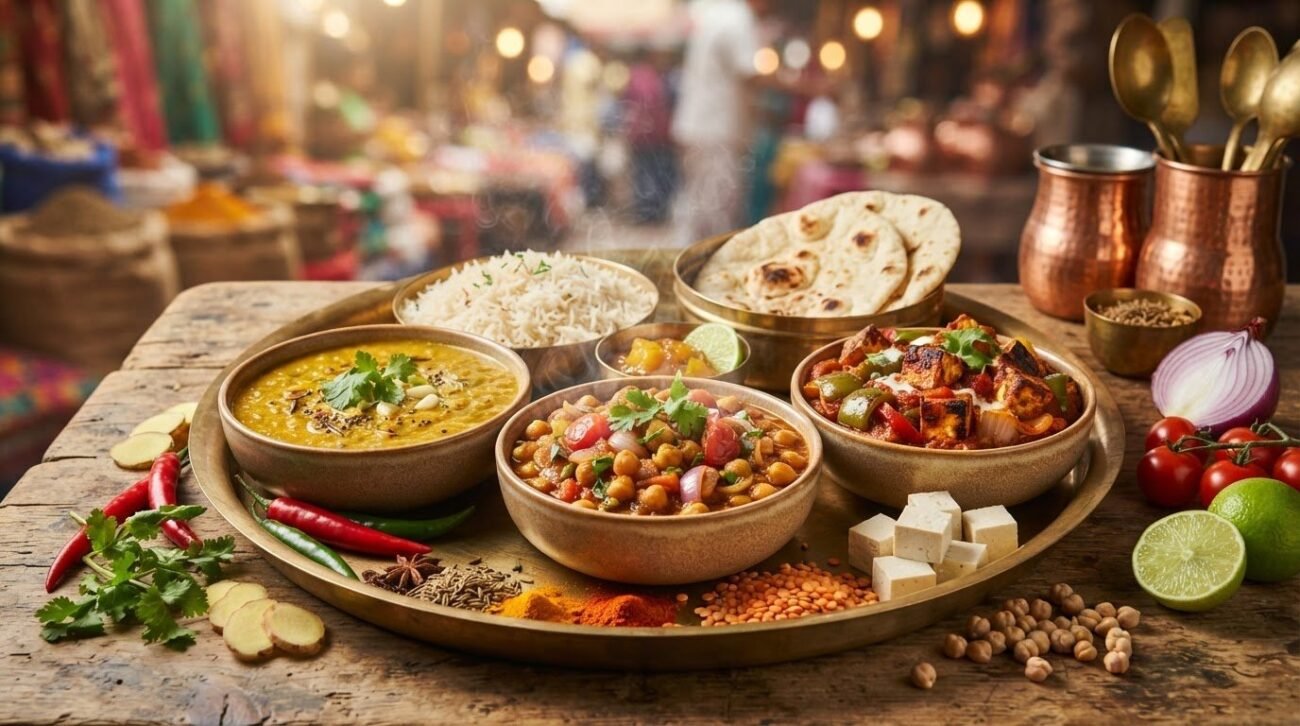
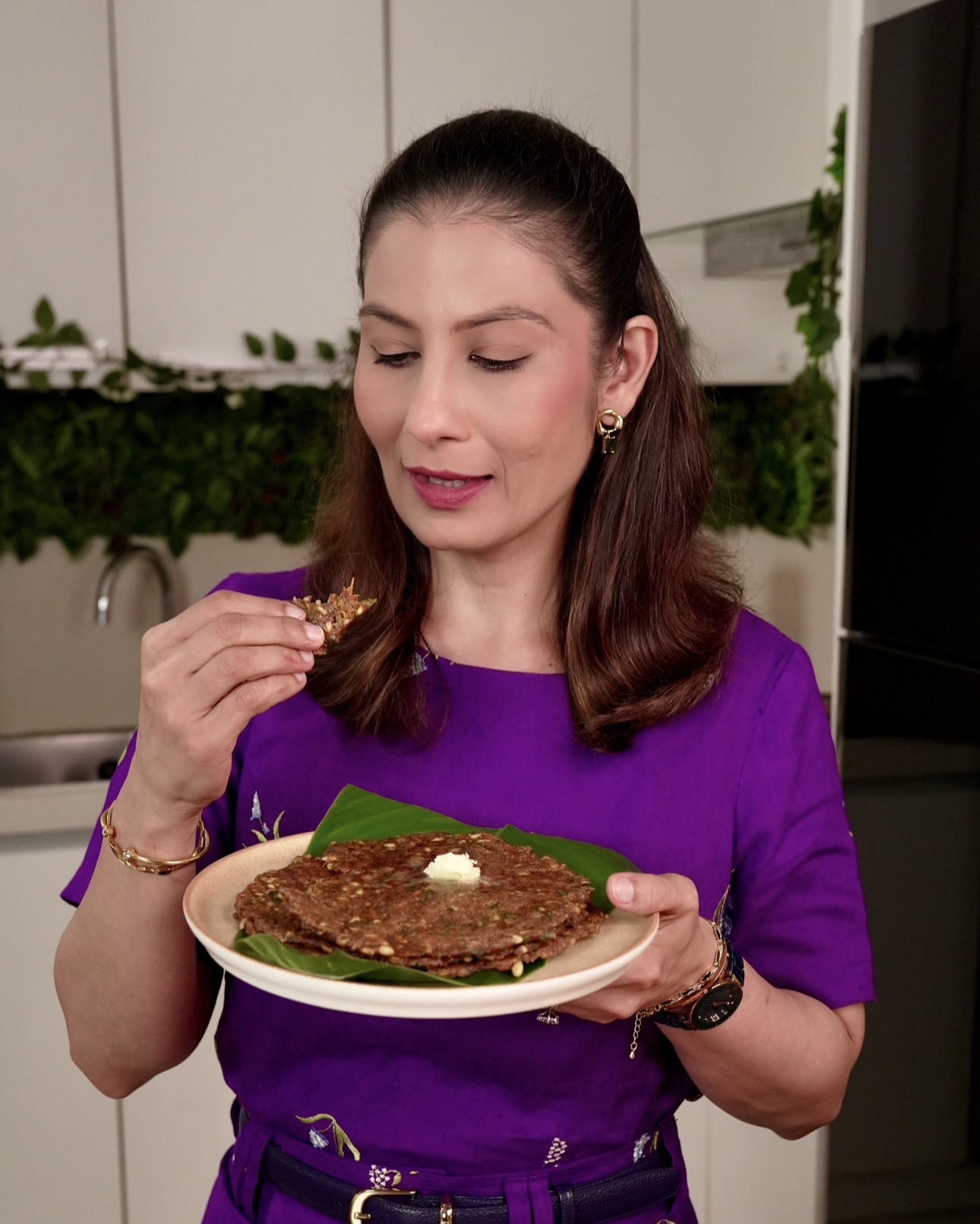
What if a satisfying vegan Indian meal didn’t need one star ingredient to carry all the protein? The best high protein vegan indian recipes build flavor and substance through variety: think hearty chickpeas, comforting lentils, and tofu enriched with fragrant spices. If you’ve wondered which plant foods can anchor a meal, or worried that skipping paneer and yogurt means losing richness, you’re in the right place.
Indian cooking offers plenty of familiar ways to make plant-based meals feel generous. The key is choosing ingredients for their different textures and using techniques such as browning spices and simmering pulses to bring depth to every spoonful. Dairy-free doesn’t have to mean less satisfying.
Here, you’ll learn how to choose useful vegan protein ingredients and combine them without relying on a single food as the whole solution. Then, measured recipes for chana masala, dal, and tofu tikka masala will turn those ideas into practical meals you can make at home. Expect bold seasoning, approachable steps, and plenty of inspiration for bringing more variety to your table.
Key Takeaways
- Use the ingredient comparison to match lentils, beans, and soy foods to the texture and cooking method you want.
- Make high protein vegan indian recipes easier to plan by choosing a plant-protein anchor, vegetables, seasonings, and a cooking method for each meal.
- See how tofu, legumes, and soy chunks can bring different textures and satisfying character to dishes traditionally made with paneer.
- Follow three practical recipe cards with measured ingredients and cooking cues to bring flavorful vegan Indian meals to your table.
- Build variety across meals by rotating protein anchors instead of relying on one ingredient or dish.
What Makes an Indian Meal High-Protein and Vegan?
A high-protein vegan Indian meal is a meal made entirely with plant-based ingredients and built around a protein-rich food such as lentils, beans, or soy. Vegan recipes exclude dairy and eggs, so a vegetarian dish made with paneer, ghee, curd, or cream isn’t automatically vegan. Veganism and plant-based protein sources offers a broader overview of the dietary approach, but the kitchen-level idea is simple: choose plant ingredients, then build a balanced, flavorful plate around them. That’s the foundation of high protein vegan indian recipes.
“High-protein” shouldn’t mean that every bite has to be a protein ingredient. A satisfying meal also depends on the portion you serve, the seasoning, and a mix of textures. A bowl of dal can be comforting, while vegetables, rice or roti, and a bright chutney help make it feel like a complete meal rather than a single-purpose dish.
Which Indian pantry foods can anchor a vegan meal?
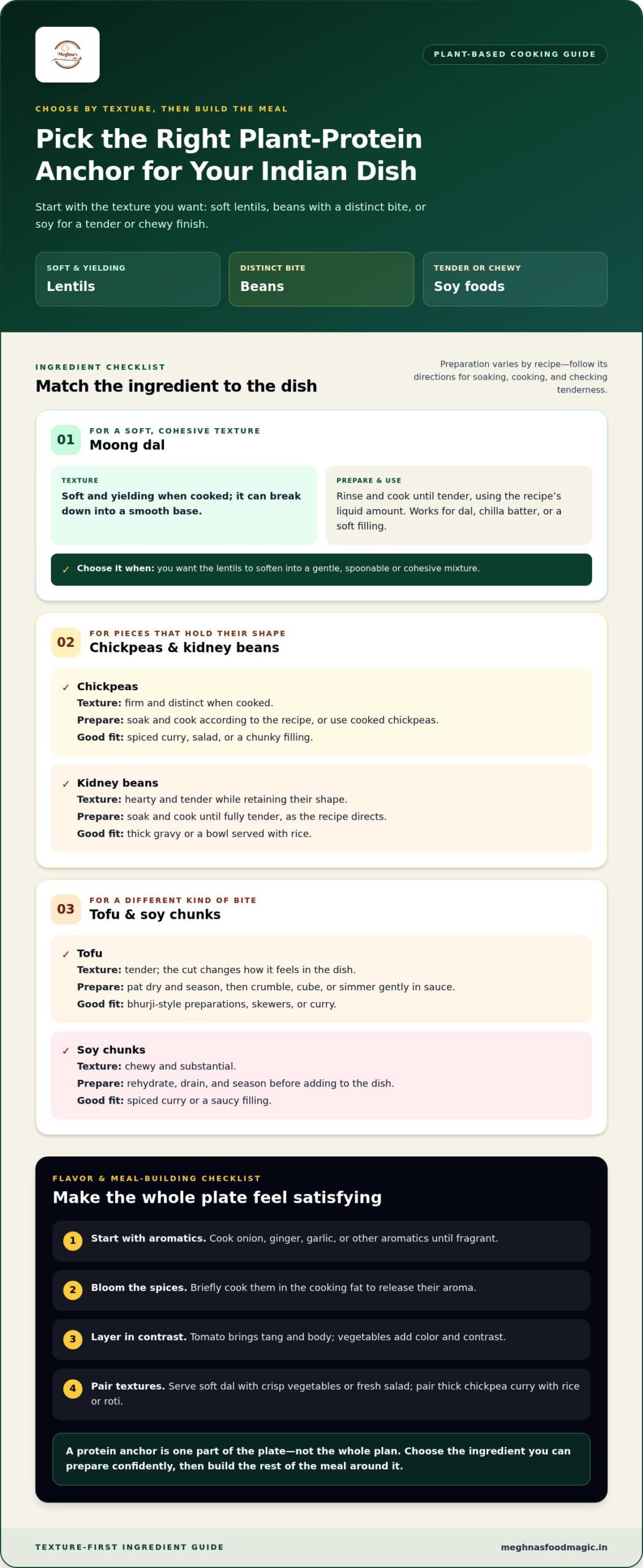
Start with ingredients that suit your cooking routine and the texture you enjoy. Moong dal softens into a gentle, spoonable base; chickpeas hold their shape in curries and salads; kidney beans make a hearty gravy; and soy foods such as tofu or soy chunks bring a different, firmer bite. Each can anchor a dish, but none dictates the entire meal.
- Moong dal: Cook it into a smooth or lightly textured dal, adjusting the consistency with water as it simmers.
- Chickpeas: Fold cooked chickpeas into a spiced tomato gravy, or keep them intact for a more substantial bite.
- Kidney beans: Simmer them until tender in a well-seasoned gravy so their texture works with the sauce.
- Soy foods: Use tofu in cubes when you want it to keep its shape, or add prepared soy chunks to a curry for a chewier texture.
Availability varies from one kitchen to another, as do preferences for soft, creamy, or firm textures. Choose the ingredient you can prepare confidently, then build the rest of the meal around it.
How can vegan Indian recipes stay satisfying?
Flavor begins before the main ingredient goes into the pan. Cook onion, ginger, garlic, or other aromatics until fragrant, then let spices bloom briefly in the cooking fat to release their aroma. Tomato can bring tang and body; vegetables add color and contrast. These small choices make a dish taste layered, not merely filling.
Texture matters, too. Pair a soft dal with crisp vegetables or a fresh salad, or serve a thick chickpea curry with rice or roti. A protein anchor is one part of the plate, not the whole plan. And there’s no rule that every vegan dish needs a paneer or curd substitute: a thoughtfully seasoned bean curry can stand beautifully on its own, with familiar accompaniments completing the meal.
How to Choose Plant-Protein Ingredients for Indian Cooking
Choose your protein anchor by thinking first about the dish’s finished texture, then about how much preparation you want to do. Lentils and beans are whole pulses that soften or hold their shape as they cook; soy foods offer different options, from tofu’s tender bite to the chewy texture of soy chunks. For a broader overview of vegetarian ingredients used in Indian meals, see High-protein vegetarian foods in Indian cuisine.
Choose soft lentils for dishes that should cook down smoothly, beans for a distinct bite, and soy foods when you want a tender or chewy texture that holds its own in the dish. That simple texture test helps narrow the choices for high protein vegan indian recipes without treating any single ingredient as the automatic best option.
Ingredient | Texture | Preparation | Suitable dish
- Moong dal: Soft and yielding when cooked; rinse and cook until tender, using the recipe’s liquid amount; dal, chilla batter, or a soft filling.
- Chickpeas: Firm and distinct when cooked; soak and cook according to the recipe, or use cooked chickpeas; curry, salad, or a chunky filling.
- Kidney beans: Hearty and tender while retaining their shape; soak and cook until fully tender as the recipe directs; thick gravy or a bowl served with rice.
- Tofu: Tender, with a shape that depends on how it’s cut or crumbled; pat dry and season, then crumble, cube, or simmer in sauce; bhurji-style preparations, skewers, or curry.
- Soy chunks: Chewy and substantial; rehydrate, drain, and season before adding to the dish; spiced curry or a saucy filling.
When should you choose dal, chickpeas, or kidney beans?
Reach for softer lentils when you want them to break down into a cohesive mixture, such as dal, chilla batter, or a filling that needs to bind. Chickpeas and kidney beans are better when distinct pieces bring welcome bite to a gravy or bowl. Preparation isn’t one-size-fits-all: follow each recipe’s instructions for soaking, cooking, and checking tenderness. Those directions account for the dish and method, helping the pulses cook evenly without guessing.
Where do tofu and soy chunks fit in vegan Indian recipes?
Tofu is flexible because its cut changes how it feels in the finished dish. Crumble it for a bhurji-style preparation, cube it when you want pieces to remain visible, or simmer it gently in sauce so it takes on the seasoning. Soy chunks suit recipes where a chewy texture is welcome; rehydrating and draining them before seasoning helps them take up the curry’s flavor. Don’t swap tofu for chunks automatically: choose a substitute only when its texture and cooking method suit the recipe.
Nutrition comparisons also need care. A meaningful figure depends on verified nutrition data and a clearly stated serving size, as well as whether the ingredient is measured dry, cooked, or prepared. For everyday cooking, start with texture and preparation. For more visual guidance on ingredient handling and cooking methods, explore Meghna’s recipe videos.
Can Vegan Indian Meals Feel Satisfying Without Paneer?
Absolutely. A vegan Indian meal can be flavorful and filling without paneer. Instead of trying to make one ingredient imitate paneer in every recipe, match the replacement to the dish’s texture and cooking method. Tofu can work in a preparation built around soft cubes; chickpeas or beans can make a curry hearty in their own way. The result won’t be identical, and it doesn’t need to be. Seasoning, a well-cooked sauce, and a satisfying combination of textures bring the meal together.
Pulses offer a familiar foundation for many Indian dishes, with lentils, chickpeas, and beans each lending a different texture. Nutritional benefits of pulses in vegan diets provides more background on pulses as a food group. For the cook, the practical question is where each ingredient fits best.
What can replace paneer in different kinds of dishes?
Think about the role paneer plays before choosing an alternative. If the dish needs soft cubes or a crumbled element, tofu may fit the method. If you’re making a curry that can be rebuilt around a distinct, tender bite, chickpeas or beans are good options. Lentils suit dishes where a softer, more integrated texture works. These are adaptations, not exact copies: each choice changes how the dish feels and cooks.
| Ingredient | Best suited to | Strength | Trade-off |
|---|---|---|---|
| Tofu | Crumbled dishes, cubes in curry, or sauced preparations | Can be cut or crumbled to suit the dish | Its texture and flavor differ from paneer |
| Chickpeas or beans | Gravies and dishes designed around whole pulses | Bring a distinct, hearty bite | They change the character of a paneer-based recipe |
| Lentils | Dal, thick sauces, or soft fillings | Cook down and blend into the dish | Not a direct substitute where firm cubes are needed |
| Soy chunks | Spiced curries and saucy fillings | Offer a chewy texture that takes on seasoning | Need rehydrating and work best where chewiness suits the recipe |
How can spices and cooking technique bring the meal together?
Build flavor in layers. If the recipe calls for browning tofu, give the pieces room in the pan so they can develop color instead of steaming; add them to the sauce afterward if you want them to keep their shape. For beans or chickpeas, simmering in the seasoned gravy gives the sauce time to cling and the flavors time to mingle. Lentils usually need a gentler approach so they cook through without scorching.
Tempering spices in hot oil can release their aroma before liquid is added. Follow the recipe’s sequence: cumin may go in early, while ginger, garlic, and ground spices need enough heat to become fragrant without burning. Add salt and chilli gradually, then taste as the dish cooks. This lets you adjust seasoning as the sauce reduces, keeping the finished plate balanced. That flexible approach is at the heart of high protein vegan indian recipes: choose an ingredient for its role, then cook it so its own texture shines.
Three High-Protein Vegan Indian Recipes to Make at Home
These three everyday dishes use different textures and cooking methods, from crisp-edged chilla to a gently simmered curry and a quick tofu bhurji. Each recipe makes a practical starting point for high protein vegan indian recipes. Adjust chilli to taste, but keep the measured ingredients and cooking cues as your guide.
Moong Dal Chilla
Yield: 6 chillas
Ingredients: 1 cup split yellow moong dal; ¾ cup water, plus 1-2 tablespoons if needed; ¼ cup finely chopped onion; 1 small green chilli, finely chopped; 1 tablespoon chopped coriander; ½ teaspoon grated ginger; ½ teaspoon cumin seeds; ½ teaspoon salt; 2 teaspoons oil for cooking.
- Rinse the dal and soak it in plenty of water for 4 hours. Drain, then blend with ¾ cup fresh water until smooth.
- Stir in onion, chilli, coriander, ginger, cumin, and salt. The batter should pour easily but coat a spoon. Add the extra water gradually only if it feels too thick.
- Heat a non-stick pan over medium heat and lightly oil it. Pour in about ¼ cup batter and spread it into a thin round.
- Cook until the surface looks set and the underside is golden, about 2 minutes. Flip, cook the other side until lightly browned, then repeat with the remaining batter.
Chickpea Curry
Yield: 4 servings
Ingredients: 1 cup dried chickpeas; 1 tablespoon oil; 1 teaspoon cumin seeds; 1 medium onion, finely chopped; 1 tablespoon grated ginger; 2 garlic cloves, minced; 2 medium tomatoes, chopped; 1 teaspoon ground coriander; ½ teaspoon turmeric; ½ teaspoon chilli powder; ¾ teaspoon salt; 1½ cups water; 1 tablespoon chopped coriander.
- Soak chickpeas overnight, drain, then cook in fresh water until completely tender. Drain and set aside.
- Heat oil in a pan. Add cumin seeds; when fragrant, stir in onion and cook until soft and lightly golden.
- Add ginger and garlic; stir for 30 seconds. Add tomatoes, coriander, turmeric, chilli powder, and salt. Cook until tomatoes soften and the mixture thickens.
- Add chickpeas and water. Simmer uncovered for 15 minutes, stirring occasionally. Taste, adjust salt or chilli, and finish with coriander.
Tofu Bhurji
Yield: 3 servings
Ingredients: 300 g firm tofu, drained and crumbled; 1 tablespoon oil; ½ teaspoon cumin seeds; 1 small onion, finely chopped; 1 small tomato, chopped; ½ green capsicum, diced; ½ teaspoon turmeric; ½ teaspoon ground coriander; ¼ teaspoon chilli powder; ½ teaspoon salt; 2 tablespoons water; 1 tablespoon chopped coriander.
- Heat oil in a pan. Add cumin seeds, then onion; cook until the onion is soft.
- Add tomato and capsicum; cook for 3 minutes. Stir in turmeric, ground coriander, chilli powder, and salt.
- Add crumbled tofu and water. Cook for 5-7 minutes, stirring gently until hot and the mixture is no longer watery. Finish with coriander.
Chef Meghna’s Notes
For chilla, batter that’s too thick spreads poorly and may stay doughy in the centre; thin it a tablespoon at a time. Chickpeas should be tender before they go into the curry; if still firm, continue cooking them in fresh water before adding. If the curry tastes flat, simmer it longer and adjust salt gradually. For watery tofu, drain it well and cook off excess moisture before serving. Firm tofu gives bhurji more distinct crumbles; softer tofu makes it looser.
Serve chilla with chutney, curry with rice or roti, and bhurji with warm roti plus sliced cucumber. For more breakfast chilla demonstrations, explore Meghna’s Breakfast Chila playlist.
Build a Repeatable Vegan Indian Protein Routine with Meghna
A steady cooking rhythm doesn’t need a strict menu or the same protein at every meal. Rotate between pulses and soy foods, and let the dish’s texture and your available time guide the choice. One day might call for a soft dal; another might suit a chickpea curry or a tofu-based meal. Variety comes from changing the anchor, seasonings, and cooking style, not from making every meal complicated.
Build each meal by choosing a plant-protein anchor, adding vegetables, matching seasonings to the dish, and picking a cooking method that suits your time and preferred texture. Keep that simple template in mind as you explore high protein vegan indian recipes and adapt them to your own kitchen.
Turn recipe inspiration into a practical cooking rhythm
Start with the time you have. A chilla or quick tofu preparation can suit a shorter cooking window, while dried chickpeas need advance soaking and cooking. Prep ahead only when it supports the recipe: rinse and soak pulses as directed, chop vegetables shortly before cooking, and measure spices before you start tempering them. These small steps reduce last-minute scrambling without compromising how the dish cooks.
For broader context on plant-protein meal ideas, look for Meghna’s High Protein Guide for Indian Vegetarians. Then use its inspiration flexibly: choose a recipe that fits your plans, and swap the protein anchor only when the replacement suits the method and texture. If you’re considering a wider range of everyday meal ideas, Meghna’s diet recipes can also offer ideas to adapt to your preferences.
Make the template your own
Use this quick planning check before you cook:
- Protein anchor: Pick a pulse or soy food that fits the meal and the texture you want.
- Vegetables: Choose vegetables that cook in roughly the same time, or add quicker-cooking ones later.
- Seasonings: Select aromatics and spices that complement the anchor, then taste and adjust as the dish cooks.
- Cooking method: Decide whether the ingredients call for soaking and simmering, pan-cooking, or a quick sauté.
Use the same framework whether you’re planning one meal or thinking ahead for a few days. You don’t need to prepare every component in advance; a little planning, such as soaking pulses when the recipe calls for it, is often enough to make cooking feel more manageable.
Explore more of Meghna’s recipe guidance
The Get Fit With Meghna playlist brings together fitness-oriented food content that can spark ideas for adapting meals to your routine. Treat videos as inspiration, not a rigid plan: choose a dish that appeals to you, then use the ingredient and cooking guidance to make it work in your kitchen. Explore the playlist or other recipe videos from Meghna whenever you’re ready for another flavorful idea.
Keep Your Next Plant-Based Meal Full of Possibility
Let your next meal be a small experiment, not a test you have to get perfect. Pick an ingredient you enjoy, then try it with a new seasoning or cooking method. Keeping a few ideas in mind can make it easier to build high protein vegan indian recipes into your regular cooking, while still leaving room for comfort-food favourites and changing tastes.
Meghna’s free digital recipe database brings together high-protein and fitness-oriented cooking inspiration for home cooks. Use it as a place to discover another idea when you feel ready, and let curiosity guide what comes next. A new dish can start with one spice, one ingredient, or simply the wish to cook something delicious.
Take it one meal at a time. Your kitchen can be a joyful place to explore, adapt, and make plant-based Indian cooking your own.
Frequently Asked Questions
How can I get enough protein from a vegan Indian diet?
Build meals and snacks around a range of plant foods, and eat them regularly rather than relying on one special dish. For example, you might have besan chilla at breakfast, a dal-based meal later, and roasted chana as a snack. These high protein vegan indian recipes can help you plan flavorful options, but individual protein needs vary. If you have specific dietary or health concerns, a registered dietitian can help tailor your choices.
Which Indian foods are suitable for high-protein vegan recipes?
Useful choices include besan, sprouts, peas, peanuts, chickpeas, lentils, kidney beans, tofu, and soy granules. Try besan in a vegetable-studded chilla, sprouts tossed into a warm salad, or soy granules folded into a spiced filling. Check that packaged ingredients such as masala blends or ready-made sauces suit your vegan preference, since recipes and products can include different ingredients.
Are all Indian vegetarian recipes vegan?
No. In India, vegetarian cooking often includes dairy, so a vegetarian recipe may call for paneer, ghee, butter, curd, or cream. For a vegan version, check the full ingredient list and replace animal-derived ingredients only when the alternative suits the recipe. For instance, use oil instead of ghee in a tempering, while a curry may work well without any dairy substitute at all.
Do I need to combine different plant proteins in every meal?
No, you don’t need to combine specific plant proteins at every meal. Focus on including a variety of plant foods across your usual eating pattern, rather than trying to make every plate follow a strict pairing rule. A simple meal can centre on one main ingredient, with vegetables and familiar accompaniments adding contrast and flavour. Rotating ingredients over time also keeps everyday cooking interesting.
Can I make Indian vegan recipes without soy?
Yes. Build dishes around lentils, chickpeas, kidney beans, moong, besan, or sprouts instead. For a quick meal, stir cooked kala chana into a salad with chopped cucumber, tomato, lemon, and coriander. Besan can become a savoury pancake, while lentils can be shaped into patties after cooking and draining well. Choose the ingredient based on the texture you want, not a need to include soy.
How do I keep vegan Indian meals flavorful without paneer or curd?
Use layers of flavour that complement the main ingredient. Add a squeeze of lemon or a little tamarind for brightness, finish with fresh coriander, or scatter roasted cumin over a finished dish for warmth. For a creamy feel without dairy, blend some of the cooked lentils into the sauce. Taste before serving and adjust salt, sourness, and chilli in small amounts so one flavour doesn’t overpower the rest.
Disclaimer
This is a recipe food blog page and not nutrition or doctor and hence do not claim to cure any illness. If you have specific health issues please consult a qualified doctor or certified nutritionist.
I do consult experts, research Internet and at times seek help from Gemini to collect relevant information to put together some of these blogs.

