
High-Iron Vegetarian Indian Recipes: 3 Flavorful Ideas and How to Enjoy Them
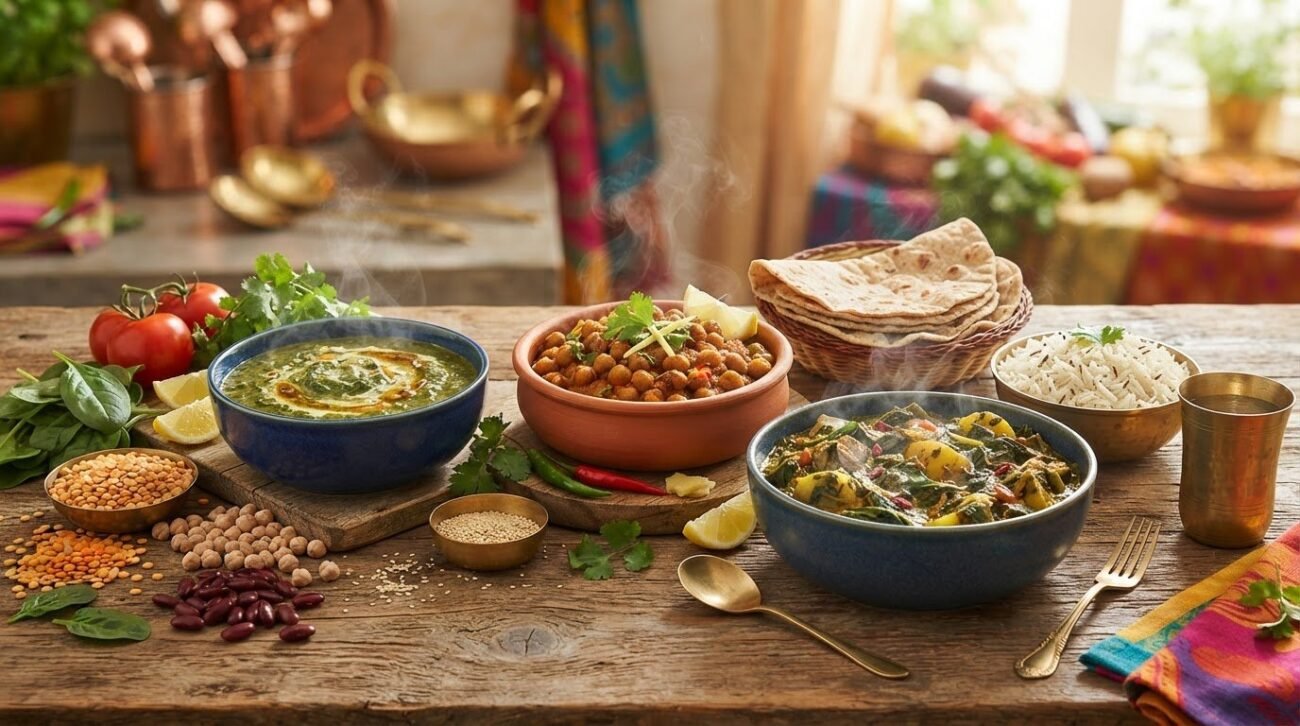
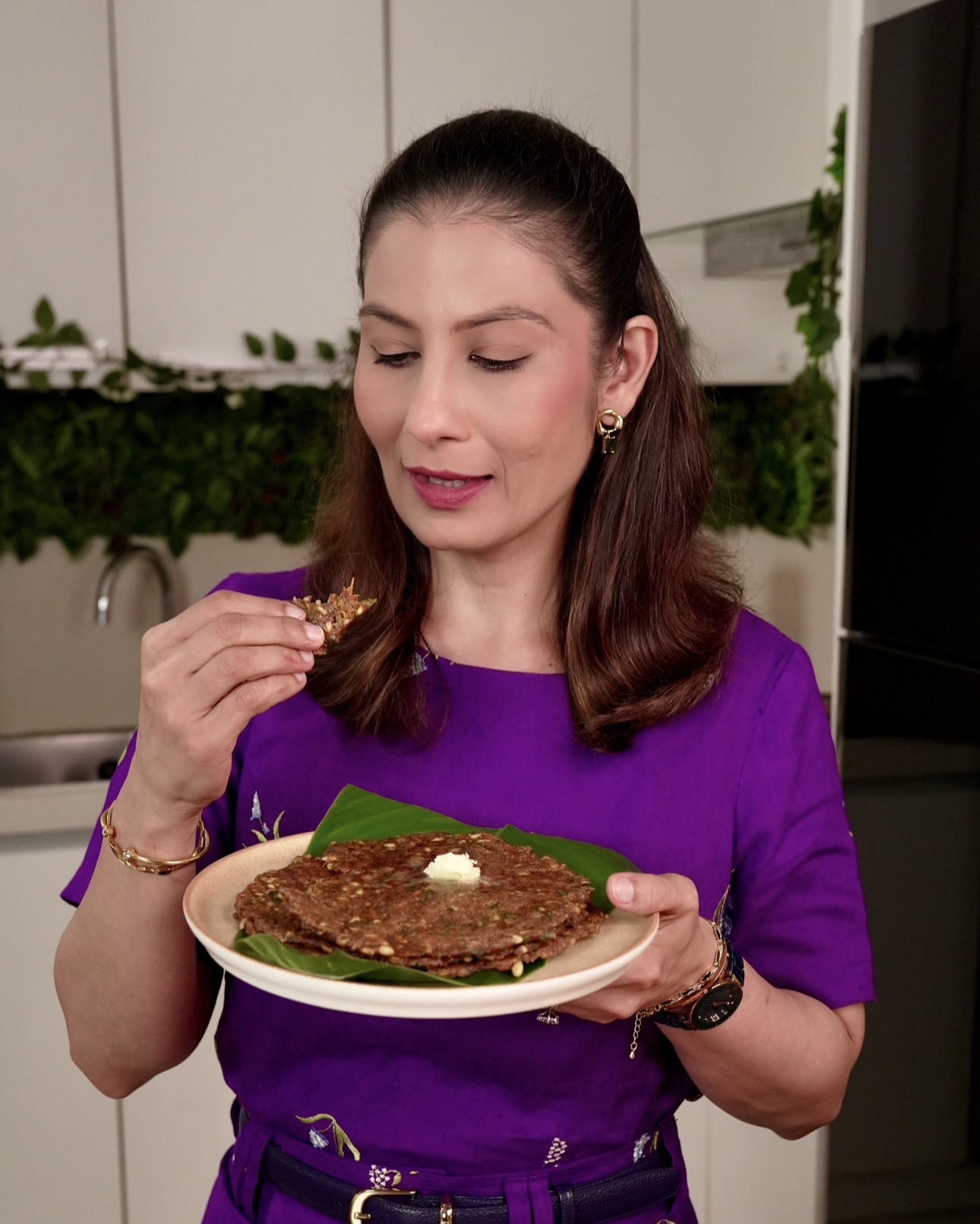
What if an iron-conscious meal could be built from familiar Indian ingredients, without turning dinner into a list of foods to remember? If you’ve wondered which vegetarian staples contain iron, or how to make them more useful in a meal, you’re not alone. These high iron vegetarian indian recipes bring the focus back to the joy of cooking: satisfying dishes with ingredients you can find in an everyday kitchen.
Plant foods provide non-heme iron, which the body absorbs differently from iron in animal foods. Thoughtful pairings, such as adding a vitamin C-rich ingredient, can help support absorption, while tea or coffee with a meal may get in the way. In this guide, you’ll find three approachable Indian vegetarian recipes, along with simple ways to enjoy iron-containing ingredients and make meals you’ll want to cook again. We’ll also separate everyday food choices from medical care: these recipes can be part of a varied diet, but they aren’t a treatment for iron deficiency.
Key Takeaways
- Explore three high iron vegetarian indian recipes, each designed to serve two with measured ingredients and clear cooking cues.
- See how familiar pulses and vegetables can become hearty, flavourful meals you’ll want to make again.
- Use Chef Meghna’s practical notes to adjust ingredients, troubleshoot texture, and build a simple cooking routine.
- Alternate chickpeas, lentils, and leafy vegetables to bring more variety to everyday meals.
- Try one recipe first, then tailor its seasoning and serving style to suit your household.
What Makes an Indian Vegetarian Meal Iron-Conscious?
An iron-conscious Indian vegetarian meal is one that includes plant foods containing iron and brings them to the table in a way that’s satisfying, familiar, and practical to cook. It isn’t a strict meal plan or a search for one magic ingredient. It’s a useful way to think about everyday variety: a bowl of dal, a chickpea curry, or a dish with leafy vegetables can all contribute different ingredients and textures to the week.
Indian kitchens already hold plenty of starting points, from masoor dal and kala chana to kidney beans and spinach. The goal is not to rank these foods or promise a particular result, but to make thoughtful choices across meals. Food can support a varied diet; it can’t diagnose or treat a deficiency.
Iron-containing foods can be part of nourishing meals, but they aren’t medical treatment for iron deficiency. If you’re concerned about your iron levels, recipes alone can’t determine what’s happening or what care you may need. This guide keeps its focus on cooking: you’ll find three measured recipes, not an exhaustive catalogue of every ingredient that contains iron.
Which everyday Indian vegetarian ingredients contain iron?
Think in ingredient groups rather than a ranked list. Lentils such as masoor dal, chickpeas such as kala chana, other beans, and leafy vegetables such as spinach are familiar options to work into home cooking. They bring different flavours and cooking needs, so rotate them in dals, curries, and vegetable dishes to keep meals varied and appealing.
That variety also makes planning easier. Choose a pulse you enjoy, then decide whether you want a soft, comforting dal or a firmer chickpea curry. Add greens for colour and a fresh, savoury contrast. Ingredients can be combined in many ways, so an iron-conscious plate doesn’t need to look or taste the same each day.
What plant-based iron means in a vegetarian meal
Iron in plant foods is called non-haem iron. In simple terms, the iron found in lentils, beans, and vegetables is handled differently by the body from iron in animal foods. The Iron in biology overview explains the distinction and the role of iron in the body; here, the practical takeaway is to build meals around variety rather than expecting one dish to do everything.
The amount of iron in a food can vary with the ingredient, portion, and preparation, so a recipe name alone can’t tell you exactly how much a serving provides. A home-cooked meal is also more than a nutrient tally: aroma, seasoning, texture, and the way a dish fits your routine matter. Choose recipes you’ll enjoy making and eating, and let different pulses and vegetables take turns on the menu.
That’s the spirit behind these high iron vegetarian indian recipes: familiar ingredients, clear measurements, and satisfying flavours, without a promise of a specific health outcome. The next section turns that idea into three approachable dishes you can cook at home.
How Plant-Based Iron Absorption Works With Indian Foods
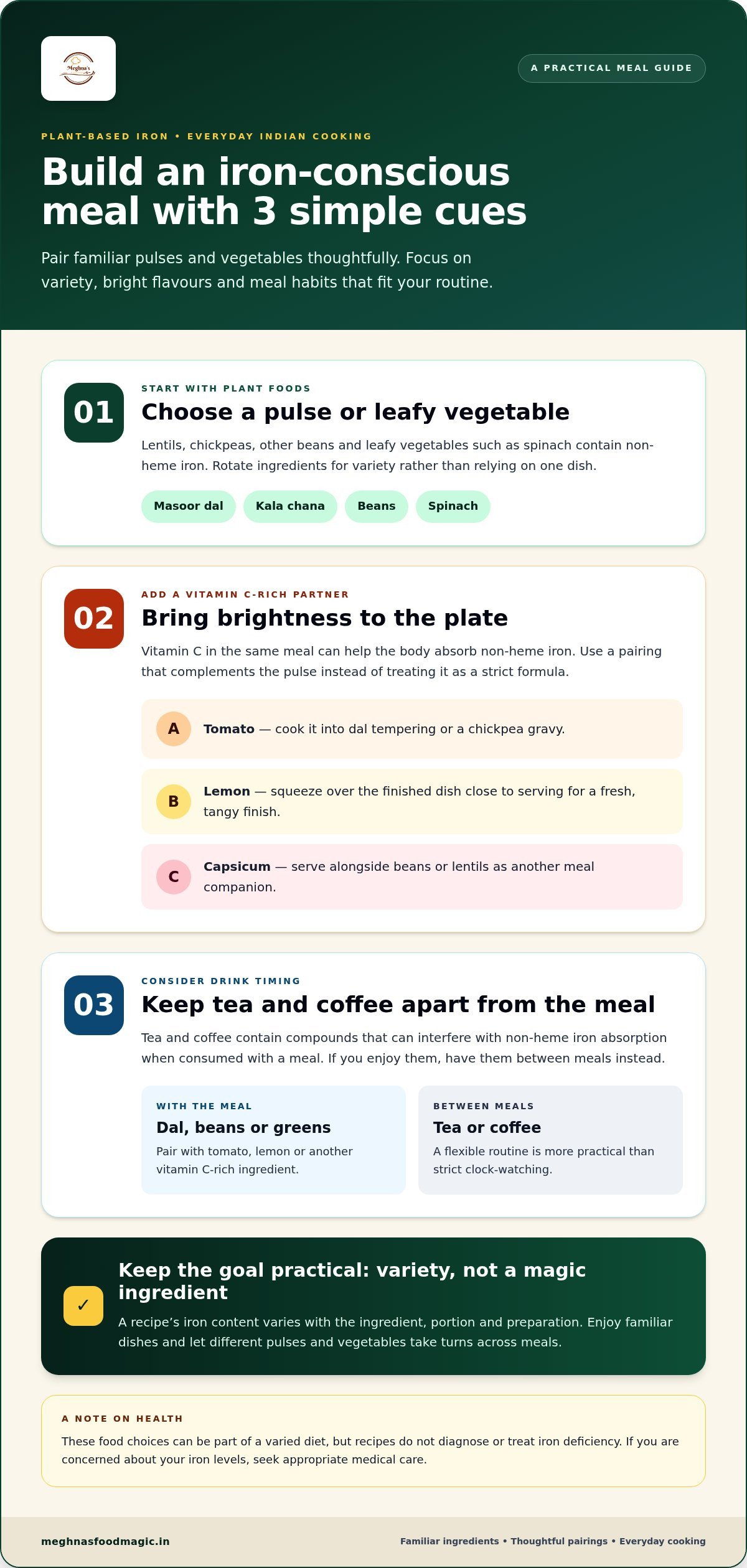
Choosing a pulse is a useful start; pairing it thoughtfully can add another layer to the meal. Plant foods contain non-haem iron, and vitamin C in the same meal can help the body absorb this type of iron. That’s a practical reason to bring bright, fresh ingredients to the table, not a guarantee that a particular dish will meet an individual need.
Tomato is an easy addition to a dal’s tempering or gravy, while lemon squeezed over a finished bowl brings a lively tang. Other vitamin C-containing produce, such as capsicum, can also sit naturally alongside beans or lentils. These small choices help balance flavour as well as the plate: a little acidity can lift earthy pulses and make a comforting dish taste fresher.
Pair a bowl of dal with tomato, or finish it with a squeeze of lemon for a bright meal that brings plant-based iron together with vitamin C. The cooking detail matters: add lemon close to serving so its fresh, citrusy flavour stays vivid. If the dish is already tangy from tomatoes, serve lemon at the table so everyone can adjust the taste to suit themselves.
Why pair lentils or beans with vitamin C-rich ingredients?
Think of a pairing as a simple plate-building habit, not a formula. Cook masoor dal with tomato, serve kala chana with a fresh tomato salad, or add lemon to a bean curry just before eating. Tomatoes soften into the masala as they cook; lemon offers a sharper, cleaner finish. Both can complement pulses, and neither needs to dominate the dish.
For more ideas around building meals with pulses, explore this Indian vegetarian recipe inspiration and adapt the combinations to your usual meals.
How tea, coffee, and meal timing fit into the picture
Tea and coffee contain compounds that can interfere with the absorption of non-haem iron when they’re consumed with a meal. If you enjoy either drink, a practical option is to have it between meals instead of alongside your dal or bean dish. There’s no need to turn this into a strict clock-watching rule; a flexible change that suits your routine is easier to keep.
These are general food choices, not individual medical advice. Needs and circumstances differ, and a recipe can’t assess iron status or replace care for a diagnosed deficiency. The aim of high iron vegetarian indian recipes is to offer enjoyable ways to include pulses and complementary produce in a varied eating pattern, without promising a treatment effect. Use the pairings for flavour and everyday variety, then make adjustments that feel natural in your kitchen.
Three High-Iron Vegetarian Indian Recipes to Make at Home
These high iron vegetarian indian recipes bring pulses and leafy vegetables into satisfying meals, with fresh finishing touches that lift their flavour. Each recipe serves two and uses familiar ingredients. They’re meal ideas for everyday enjoyment, not prescribed iron therapy.
Palak Chana Masala
Serves: 2
Ingredients:
- 1 cup cooked chickpeas
- 2 packed cups chopped spinach
- 1 medium tomato, chopped
- 1 small onion, finely chopped
- 1 tablespoon oil
- 1 teaspoon cumin seeds
- 1 teaspoon ground coriander
- ½ teaspoon turmeric
- ¼ teaspoon salt, or to taste
- 2 tablespoons water
- 1 tablespoon lemon juice, or to taste
Method:
- Warm the oil in a pan over medium heat. Add cumin seeds and let them sizzle, then add onion and cook, stirring, until soft and lightly golden.
- Stir in ground coriander and turmeric. Add the tomato and water; cook until the tomato softens and the mixture becomes saucy.
- Add spinach and salt. Stir until the leaves wilt, then fold in the chickpeas and cook until hot throughout. Finish with lemon juice. Serve with rice or roti.
Lemon-Tempered Kala Chana Sundal
Serves: 2
Ingredients:
- 1½ cups cooked kala chana, drained
- 1 teaspoon oil
- ½ teaspoon mustard seeds
- 8 curry leaves
- 1 green chilli, finely chopped
- 2 tablespoons grated coconut
- ¼ teaspoon salt, or to taste
- 1 tablespoon lemon juice
Method:
- Heat oil in a pan over medium heat. Add mustard seeds and cover briefly as they pop. Stir in curry leaves and green chilli.
- Add kala chana, coconut, and salt. Fold gently and cook for a few minutes, until the chickpeas are hot and coated with the fragrant tempering.
- Turn off the heat and mix in lemon juice. Its bright acidity balances the chickpeas’ earthy flavour. Serve warm as a light meal or alongside a fresh salad.
Masoor Dal with Methi and Tomato
Serves: 2
Ingredients:
- ¾ cup red lentils, rinsed
- 2 cups water
- 1 tomato, chopped
- 1 packed cup chopped methi leaves
- 1 tablespoon oil
- ½ teaspoon cumin seeds
- ¼ teaspoon turmeric
- ½ teaspoon salt, or to taste
- 1 tablespoon lemon juice, or to taste
Method:
- Combine lentils, water, and turmeric in a saucepan. Bring to a gentle simmer and cook, stirring occasionally, until the lentils are tender and beginning to break down.
- In a separate pan, warm oil and sizzle the cumin seeds. Add tomato and methi; cook until the tomato softens and the leaves wilt.
- Stir the tomato-methi mixture and salt into the lentils. Simmer until the dal is soft and spoonable, adding a splash of water if needed. Finish with lemon and serve with rice.
Pulses make a hearty base, while varied vegetables and a fresh finish bring colour, contrast, and lively flavour to the plate.
Make Iron-Conscious Recipes Easier: Cooking Tips and Chef Meghna’s Notes
A small cooking rhythm can make pulse-based meals feel easy to repeat. Start with a pulse that suits the dish, add vegetables for colour and texture, season in stages, then finish with a fresh ingredient such as lemon where it complements the flavours. This simple approach keeps the cooking flexible, whether you’re making a thick curry or a softer dal.
- Choose a pulse: Pick lentils, chickpeas, or beans to suit the texture and cooking time you want.
- Add vegetables: Use greens or other vegetables that cook well with the pulse and seasoning.
- Build flavour gradually: Cook aromatics and spices until fragrant, then taste as the dish comes together.
- Finish fresh: Add lemon or another fresh pairing near serving time for a lively final note.
Batch cooking can also make weeknight preparation smoother. If you’re already cooking chickpeas or lentils, prepare enough for the dishes you plan to make, then measure the amount each recipe needs. Soaking and cooking depend on the pulse and the recipe; follow the method suited to the ingredient rather than assuming every bean needs the same treatment. For more everyday meal inspiration, browse the general recipe collection.
Chef Meghna’s Notes
For the palak chana, spinach gives a soft, earthy base. If you’d like a change, try chopped amaranth leaves or finely chopped fenugreek, adjusting the cooking so the greens are tender without losing their character. These alternatives bring their own flavour, so taste before adding more salt or lemon.
If dal looks watery, simmer it uncovered until it reaches the consistency you like. Stir occasionally so the lentils don’t catch at the bottom. For even cooking, rinse lentils well and check that pulses are tender before combining them with the rest of the dish. Chickpeas should hold their shape; lentils can soften more, but shouldn’t be cooked past the texture the recipe calls for.
Season in small steps. Add some salt and spice as you cook, then taste again after the vegetables and pulses have had time to absorb the flavours. Finish with lemon a little at a time: it should brighten the dish, not overwhelm it. This gradual approach gives you more control than trying to correct the seasoning all at once.
Simple meal-planning and serving adjustments
Serve kala chana sundal with a crisp fresh side, such as sliced cucumber or tomato, or use a smaller portion as a snack-sized meal component. The methi masoor dal is lovely with rice, while roti makes an easy companion for the chickpea masala. Adjust the spice level to suit your household, and let everyone add lemon at the table if they prefer a sharper finish.
These high iron vegetarian indian recipes are flexible starting points, not strict rules. Try one, notice which texture and seasoning your family enjoys, then adapt the next dish. For more approachable cooking inspiration, explore Meghna’s recipe videos.
Bring More Iron-Conscious Indian Cooking Into Your Week
You don’t need to overhaul your menu to make room for more pulse-based meals. Start with one recipe, see how it fits your household’s tastes, then bring another into the rotation when you’re ready. Alternating chickpeas, lentils, and leafy vegetables adds variety in flavour and texture, so the week doesn’t depend on one dish or one ingredient.
How to choose your first recipe
For a comforting meal built around chickpeas and greens, try Palak Chana Masala with rice or roti. If you’re after something lighter and snack-style, Kala Chana Sundal is a bright, savoury choice. Masoor Dal with Methi and Tomato offers a soft, spoonable option for a simple meal. Each recipe has measured proportions to help you get a reliable result the first time.
Keep the main ingredient amounts steady as you learn the recipe, then make small adjustments to seasoning. Add chilli gradually for a gentler or livelier finish, and taste before adding more salt or lemon. Once you know how the dish behaves in your kitchen, you can make those flavour changes with confidence while keeping the pulse and liquid proportions clear.
A simple way to vary the week is to choose a different pulse or green for the next meal rather than repeating the same combination. If you enjoy planning meals around dals and beans, explore this collection of everyday vegetarian recipes for more ideas to adapt to your table.
When food inspiration is not enough
Recipes can bring variety to everyday meals, but they can’t identify the cause of low iron or replace clinical treatment. If you suspect a deficiency, have been diagnosed with one, or have ongoing concerns, seek advice from a qualified clinician. They can consider your individual circumstances and guide you on appropriate care. Food inspiration is useful, but it isn’t a substitute for that assessment.
Think of these high iron vegetarian indian recipes as a practical starting point for enjoyable home cooking, not a promise about how you’ll feel or a prescribed treatment. Choose the dish that sounds good, make it your own with thoughtful seasoning, and build variety at a pace that works for your household.
If you’d like more approachable cooking ideas to enjoy alongside these meals, explore Meghna’s vegetarian recipe videos for inspiration in the kitchen.
Make Your Next Meal a Fresh Starting Point
Let the next meal be a chance to discover what your household enjoys most. Choose a pulse-based dish, notice which flavours get everyone reaching for another bite, and let that guide your next variation. Over time, these small choices can turn high iron vegetarian indian recipes into a flexible part of home cooking, not a rigid set of rules.
For fresh ideas beyond this meal, Meghna’s Food Magic brings together a free digital recipe database and vegetarian, health-conscious cooking inspiration. Keep exploring at your own pace, and choose recipes that feel inviting enough to make again. If you have ongoing concerns about iron, food inspiration can sit alongside, but never replace, advice from a qualified clinician.
Start with a dish that sounds delicious, make it your own, and enjoy the pleasure of bringing something nourishing and full of flavour to the table.
Frequently Asked Questions
Can I use frozen spinach in Indian iron-conscious recipes?
Yes, frozen spinach can work well in cooked dishes such as dal or chana. Thaw it first and drain excess liquid if it seems watery, since extra moisture can thin a curry or dilute its seasoning. Stir it into the dish and cook until hot, then taste and adjust salt or spices. Fresh and frozen spinach can both add variety to cooking, but neither should be treated as a remedy for deficiency.
Does cooking spinach remove all of its iron?
No, you shouldn’t assume that cooking removes all the iron in spinach. Cooking changes the leaves’ texture and volume, so a cooked serving looks quite different from the same amount raw. For a fair comparison, use reliable nutrition data that specifies the ingredient’s preparation and serving size. In everyday cooking, include spinach as one of several vegetables rather than relying on it alone or drawing conclusions from how much it shrinks in the pan.
Can I cook these recipes in advance?
Yes, cooked dal and chickpea dishes can be convenient to prepare ahead. Transfer them to clean containers, refrigerate promptly, and reheat thoroughly before serving. Storage safety depends on handling and conditions, so consult reliable food-safety guidance for exact time limits rather than relying on a general rule. For the freshest flavour, add lemon after reheating, just before the meal, so its citrusy brightness comes through.
Are these recipes suitable for someone diagnosed with iron-deficiency anaemia?
They can offer meal inspiration, but these recipes aren’t treatment for iron-deficiency anaemia. The reason for low iron and each person’s needs can differ, so follow the guidance of your qualified clinician. Don’t replace prescribed care with recipe changes, even if a dish features pulses or greens. You can still discuss how meals fit into your routine with your clinician, and enjoy the recipes as food rather than as a treatment plan.
Is jaggery a dependable way to increase iron in a vegetarian diet?
No, jaggery shouldn’t be relied on as a dependable substitute for varied meal planning or clinical advice. Adding it to food or drinks doesn’t make sweetened recipes a treatment for deficiency. For everyday variety, include different pulses and vegetables in meals rather than depending on one ingredient. If you need an exact nutrient comparison, check a dependable nutrition source that identifies the specific ingredient and preparation being discussed.
Can I add lemon juice to dal after cooking?
Yes, lemon juice is an easy way to give cooked dal a fresh, tangy finish. Start with a small squeeze, stir, and taste before adding more, so the lemon lifts the flavour without overpowering the spices. Vitamin C-rich foods can support the absorption of non-haem iron from plant foods, but adding lemon doesn’t guarantee a particular health result. This simple finishing touch also works with chickpeas or cooked greens.
Should I take an iron supplement with these recipes?
Recipes can’t determine whether you need an iron supplement or what amount may be appropriate. Discuss testing, supplements, and possible causes of deficiency with a qualified healthcare professional, who can consider your individual situation. Don’t choose a dose or replace prescribed guidance based on a recipe. Meals can be part of your usual eating pattern, while decisions about supplements and care should be guided by a clinician.
Disclaimer
This is a recipe food blog page and not nutrition or doctor and hence do not claim to cure any illness. If you have specific health issues please consult a qualified doctor or certified nutritionist.
I do consult experts, research Internet and at times seek help from Gemini to collect relevant information to put together some of these blogs.

