
Healthy Indian Pregnancy Diet: Essential Foods & Recipes
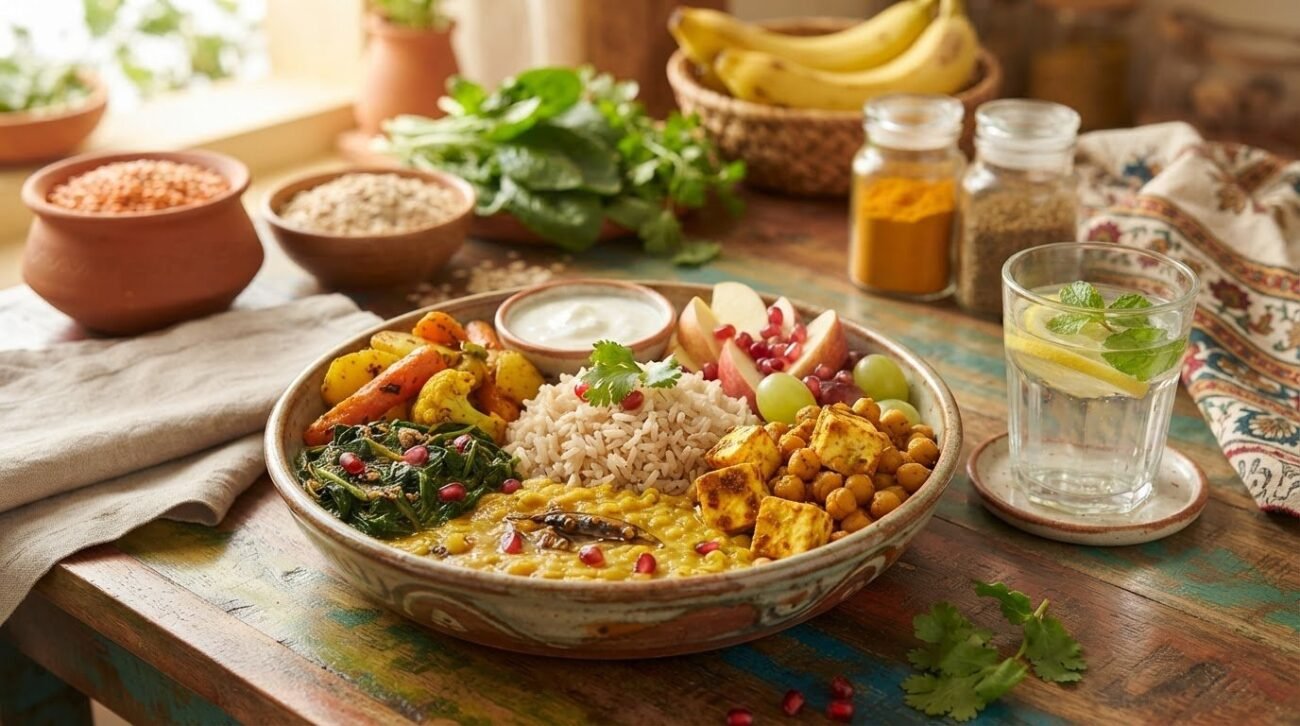
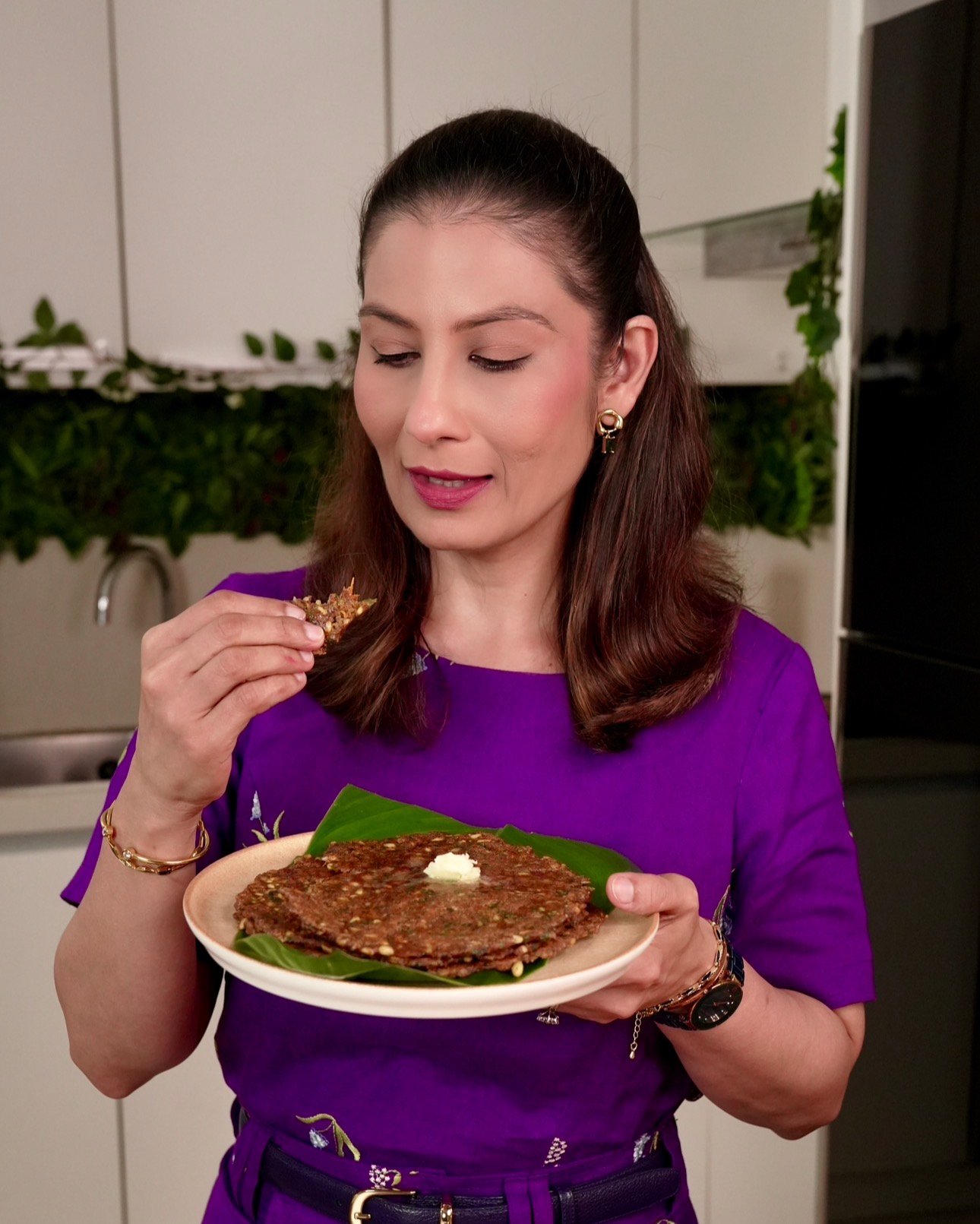
The first-trimester answer may be simpler than you expect: extra calories are typically not needed at this stage of pregnancy. Food and recipes for pregnant women should focus instead on nourishing ingredients, regular meals and options you enjoy. Appetite can change, so flexibility matters as much as planning.
It’s natural to want clear guidance on what to eat, what to avoid and whether everyday favourites can still fit. A balanced approach doesn’t have to mean bland meals or a long list of restrictions. Thoughtful choices can bring colour, comfort and satisfying flavour to your plate.
Here, you’ll find nutrients to pay attention to, practical ways to build meals with familiar ingredients, foods to handle with care and simple hydration ideas. You’ll also find recipe inspiration for pregnancy and breastfeeding, with the reasons behind each suggestion so you can adapt meals to your appetite and routine.
Key Takeaways
- Extra calories are typically not needed in the first trimester; focus on nutrient-rich meals that suit your appetite.
- Build meals around key nutrients, and use dairy foods such as milk, curd, and paneer as sources of protein and calcium.
- Learn practical ways to manage nausea and food aversions, alongside foods that need extra care during pregnancy.
- Stay hydrated throughout the day and keep caffeine within the recommended daily limit.
- Explore simple recipe ideas for pregnancy and breastfeeding, with safe preparation at the heart of every dish.
1. What are the most important nutrients in the first trimester?
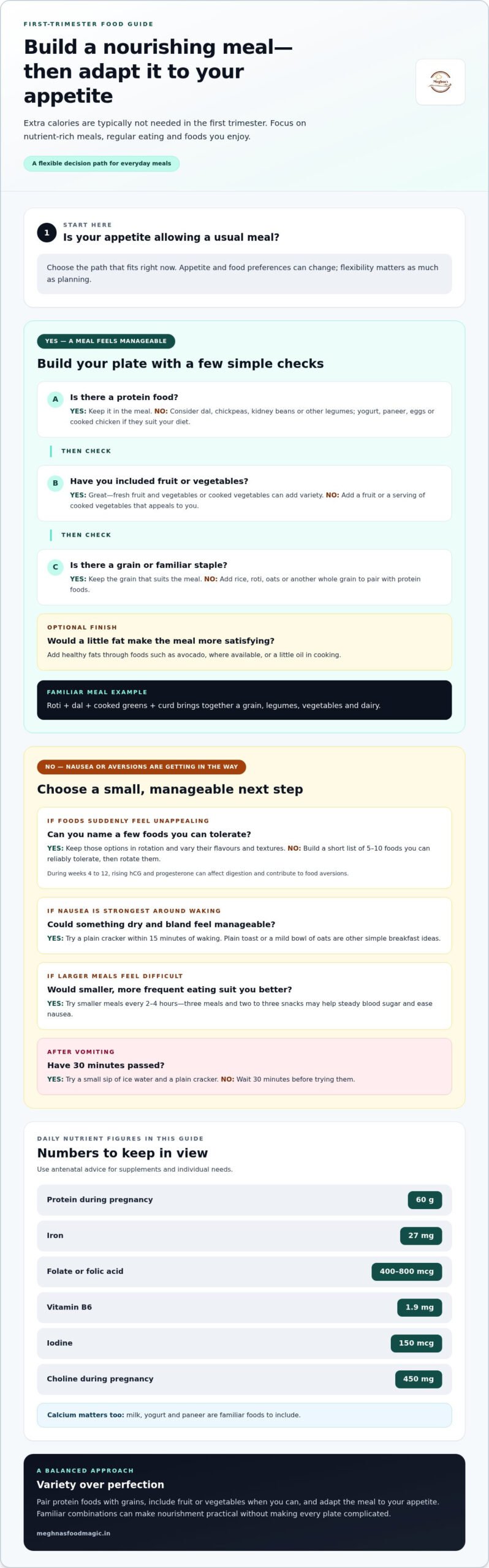
Choose varied meals with pulses, vegetables, fruit, whole grains, dairy, and thoroughly cooked protein foods. For example, pair dal and rice with cooked greens, or serve yogurt with fruit and oats. Add healthy fats through foods such as avocado, where available, or a little oil in cooking. These choices make nutrition practical while supporting the body’s needs during development.
In the first trimester, extra calories are typically not needed. Prioritize nutrient-rich meals rather than eating more simply because you’re pregnant. A balanced Indian pregnancy diet can include familiar staples, lentils or beans, seasonal produce, and milk or yogurt. As pregnancy progresses, keep this varied foundation and adapt meals to your appetite and changing needs.
Daily nutrient figures in this guide include 60 grams of protein during pregnancy, 27 mg of iron, 400 to 800 mcg of folate or folic acid, 1.9 mg of vitamin B6, and 150 mcg of iodine. The National Institutes of Health, Office of Dietary Supplements gives 450 mg as the choline amount for pregnancy. Calcium matters too; milk, yogurt, and paneer are familiar foods to include.
Include protein in meals instead of relying on one large serving. Combine dal, chickpeas, kidney beans or other legumes with grains; add yogurt or cooked chicken if they suit your diet. Legumes also make plant-based meals satisfying and easy to adapt. For example, stir cooked beans into a vegetable curry or add chickpeas to a rice bowl.
Dried fruit can add flavour and nutrients to porridge, yogurt or a snack mix. A smaller portion of dried fruit can provide nutrients comparable to fresh fruit, but it contains less water. Pair some with yogurt or nuts for a more substantial snack. Fresh fruit and vegetables also belong in everyday meals.
In India, make nutrition practical with local staples, pulses, cooked vegetables, fruit and dairy. Use ICMR and Ministry of Health guidance alongside antenatal advice, especially for supplements and individual needs. A meal of roti, dal, greens and curd shows how familiar foods can provide variety without making every plate complicated.
During breastfeeding, keep meals varied and include protein foods, dairy or suitable alternatives, vegetables, fruit and grains. The same home-cooked combinations can work well: moong dal with rice, yogurt with fruit, or cooked chicken with vegetables. Choose foods that suit your appetite and routine, and follow antenatal or postnatal guidance for personal nutrient needs.
2. Dairy as a source of protein and calcium
Milk, curd, yogurt and paneer can make everyday Indian meals more nourishing. They provide protein and calcium while adding creamy texture and satisfying flavour. Serve curd with dal and rice, or fold paneer into a cooked vegetable bowl. Dairy can complement pulses and grains rather than carrying the meal’s nutrition on its own.
Choose the form that fits the dish and your appetite. Plain yogurt works at breakfast with berries or chopped fruit; curd can cool a spiced lunch; paneer adds substance to a salad or warm bowl. Greek yogurt is thicker, so it makes a useful base for dips and dressings. For a snack, one recipe recommendation is to choose Greek yogurt with less than 10 grams of sugar.
A balanced meal brings protein, carbohydrates and fats together. Dal, beans, paneer, yogurt, eggs and chicken provide protein; rice, roti, oats and potatoes contribute carbohydrates. Nuts, seeds and cooking oils add fats. The combination matters: grains and legumes make a filling base, while yogurt or paneer adds a soft, savoury contrast.
Try a protein-rich bowl with cooked chickpeas, cucumber, tomato, rice and a spoonful of curd. Mix the curd with lemon juice and herbs for a quick dressing. For a salad, combine cooked lentils, chopped vegetables, paneer cubes and a little oil. Cooked ingredients make the dish hearty, while fresh vegetables bring crunch. Keep components separate until serving to preserve the contrast.
Breakfast is an easy place to include dairy without adding a complicated cooking step. Spoon plain yogurt over oats, then top with berries and a few chopped nuts. Or serve paneer bhurji with roti and fruit. If savoury food appeals more, try yogurt alongside a vegetable chilla. These combinations pair protein with grains or fruit and offer varied textures.
Supplements and food have different roles. A supplement can provide nutrients recommended for an individual pregnancy, while meals offer a broader mix of flavours and food groups. Don’t replace prescribed supplements with dairy or other foods. For everyday meals, rotate dairy with legumes, eggs and chicken so protein comes from varied sources rather than the same ingredient every time.
For a quick bowl, start with cooked rice or lentils, add vegetables, then finish with yogurt or paneer. Adjust the seasoning with lemon, herbs, or mild spices to suit your taste. If you’d like more practical cooking inspiration, explore high-protein recipe ideas that can help you vary breakfast, salads, and bowls.
3. What foods should I avoid in the first trimester?
Food aversions can make familiar meals suddenly unappealing. During weeks 4 to 12, rising hCG and progesterone can affect digestion and contribute to aversions. Rather than forcing a disliked food, keep a short list of 5-10 foods you can reliably tolerate, then rotate their flavours and textures.
For nausea-friendly eating, try something dry and bland within 15 minutes of waking, such as a plain cracker. Smaller meals every 2-4 hours, including three meals and two to three snacks, may help steady blood sugar and ease nausea. After vomiting, wait 30 minutes before trying a small sip of ice water and a plain cracker.
Breakfast can be simple: plain toast, crackers or a mild bowl of oats. If warm food smells trigger nausea, choose something cooler, such as yogurt with fruit. Keep flavours gentle and portions manageable; a small snack may be easier to face than a rich, strongly scented meal. Add variety again as your appetite allows.
Some foods need particular care. Heat deli meats until steaming before eating, and cook egg yolks fully to reduce the risk of Salmonella. Smoked seafood can carry a listeria risk during pregnancy. Salmon, sardines and anchovies are considered safe seafood choices, while certain other seafood types should be limited because of mercury and other contaminants. Choose tuna in line with pregnancy seafood guidance.
Make-ahead food can reduce cooking effort on difficult days. Prepare mild lentil soup, cooked rice or a vegetable dish, then portion it into clean, covered containers for refrigeration or freezing. Label each portion with its contents and date, and reheat it thoroughly before eating. Freeze single servings so you can defrost only what sounds appealing.
For a gentle dessert, try plain yogurt with fruit or a simple fruit purée. Choose flavours that appeal to you, rather than treating dessert as a meal replacement. During lactation, the same practical approach can help: keep easy portions ready and adapt ingredients to your appetite and dietary needs.
One study found that a cup of berries and dark, leafy greens, combined with exercise, was an effective management strategy for gestational diabetes. Low iron levels during early and mid-pregnancy may cause iron-deficiency anemia, so include iron-containing foods such as lentils and beans in meals.
For safer cooking, keep prepared foods covered and chilled or frozen, and reheat portions thoroughly. Cook eggs until the yolks are fully set, heat deli meats until steaming, and avoid smoked seafood because of its listeria risk.
4. Pregnancy hydration and recipe ideas
Keep water within easy reach, especially during warm Indian days or busy routines. During pregnancy, blood volume can increase by up to 48%, making regular fluid intake an important part of daily care. Sip throughout the day instead of waiting until thirst interrupts a meal or activity.
Try drinking fluids 30 minutes before or after a meal rather than taking large amounts with food. This can make meals more comfortable if a full stomach worsens nausea. A glass of water before breakfast, followed by small sips between meals, creates a simple hydration rhythm without turning drinking into another chore.
Water is the simplest everyday choice, while soups and water-rich foods add variety. Serve vegetable soup with lunch, or include cucumber, tomato and cooked vegetables alongside a meal. Increasing water intake during pregnancy may help relieve constipation and reduce the risk of urinary tract infections.
For a savoury option, stir plain yogurt into water with crushed cumin and chopped mint to make a light chaas. Prepare it fresh and adjust the seasoning to suit your appetite. Lemon water with a few mint leaves is another easy idea. These drinks add flavour without relying on sweetened beverages.
Caffeine deserves attention too. The National Institutes of Health, Office of Dietary Supplements says many guidelines suggest limiting caffeine to about 200 mg daily or less during pregnancy. Count coffee, tea, cola, and other caffeinated drinks across the day, rather than considering each cup separately.
Hydration can fit naturally into a meal plan. Pair a glass of water with breakfast, sip between lunch and dinner, and add soup when a warm, gentle dish sounds appealing. Vegetable soup with potato, carrot and peas offers a comforting way to include fluids and vegetables. Add a little cheese for richness, or use a small amount of butter for flavour.
Keep recipes flexible when nausea or appetite changes. Choose mild flavours, serve smaller portions, and make soup thin or thick depending on what appeals. If a meal feels too rich, leave out the cheese or butter. If plain water doesn’t appeal, try lemon or mint.
If you are unable to keep fluids down, contact a healthcare provider. This matters because repeated vomiting can make it difficult to maintain hydration. Keep water or another tolerated drink nearby, and take small sips when larger amounts feel uncomfortable.
A practical day might begin with water and breakfast, include soup or chaas with lunch, and finish with water between meals. Keep the routine adaptable: appetite, weather, activity and nausea can all affect what feels manageable. Small, regular choices are easier to sustain than trying to drink a large amount at once.
5. Recipes for pregnant and breastfeeding women
Food and recipes for pregnant women work best when they’re enjoyable, adaptable, and practical to prepare. These two measured recipes offer different textures and flavours, so you can choose what suits your appetite. They can also fit into a breastfeeding routine, with portions adjusted to hunger and preference.
Apple-cinnamon overnight oats: Combine 2/3 cup rolled oats, 1/2 cup milk, 1/2 cup grated apple, and 1/4 teaspoon cinnamon in a covered container. Stir well so the oats are evenly moistened, then refrigerate until soft. Stir again before serving. If the mixture feels too thick, loosen it with a splash of milk.
Blueberry yogurt smoothie: Blend 3/4 cup frozen blueberries, 1 cup pasteurized Greek yogurt, 1/4 cup milk, and 1/2 banana until smooth. Add a little more milk if you prefer a thinner drink. Blending the frozen fruit with yogurt creates a creamy texture without needing extra sweetener. Serve freshly made.
For a savoury meal, make a chicken wrap with cooked chicken, roti, and vegetables. The U.S. Department of Agriculture, Food Safety and Inspection Service says the chicken tenders recipe instructs cooks to bake the chicken until it reaches 165 degrees Fahrenheit. Serve the cooked chicken with roasted potato or vegetables for a warm, filling plate.
Chef Meghna’s Notes
For the oats, use mashed banana instead of grated apple for a softer texture. If the smoothie is too tart, add banana rather than extra sweetener. Blend in short bursts if frozen berries strain your blender. For the wrap, slice chicken evenly so it cooks consistently, and keep the filling modest so the roti folds without tearing.
Food and recipes for pregnant women can also inspire easy meals after birth. Keep the measured ingredients together for the oats, or freeze ripe banana pieces for quick smoothie blending. Small preparation choices make it easier to put together a meal when cooking time or appetite changes.
Meghna’s Food Magic: Free Digital Recipe Database
Meghna’s Food Magic offers a free recipe database for home cooks looking for fresh ideas after learning pregnancy nutrition basics. Explore it to vary everyday meals, find high-protein recipes or try a millet dish alongside familiar Indian staples.
For millet dishes, choose the grain to suit the texture you want: foxtail millet works well in a fluffy, rice-like pilaf, while little millet softens into a porridge-like bowl. Follow the recipe’s cooking method, since grain size and texture affect how it absorbs liquid.
Browse the database for inspiration that fits your kitchen and preferences, then adapt recipes to your appetite and routine. Visit Meghna’s Food Magic to explore the collection.
Make your next meal your own
Your food routine can shift as pregnancy and breastfeeding bring new appetites, preferences and schedules. Instead of aiming for a perfect plate every time, choose one practical step for your next meal: prepare a simple breakfast ahead, add a familiar protein to lunch, or keep a gentle snack ready for a busy moment. Small choices can make cooking more manageable and enjoyable.
Use food and recipes for pregnant women that suit your tastes as inspiration, not a rigid script. Swap ingredients to match what you enjoy, and let familiar Indian dishes evolve with your needs. A comforting bowl, fresh fruit snack or well-cooked homemade meal can be a welcome place to begin.
Explore more recipe inspiration for your kitchen and keep discovering ideas that feel right for you.
Keep cooking with curiosity, and let each meal be one more caring choice for you and your family.
Frequently Asked Questions
How many extra calories do I need in the first trimester?
Extra calories are typically not needed during the first trimester. Focus on meal quality and variety rather than automatically increasing portions. For example, make a regular meal more nourishing with dal, cooked vegetables and curd. Appetite can fluctuate, so let hunger and comfort guide portion size. If a clinician has given you a specific nutrition plan, follow that guidance for your circumstances.
Is it okay if I can only eat crackers and fruit?
Crackers and fruit can be manageable short-term choices, but aim to add other tolerated foods when you can. Try pairing crackers with yogurt, or add a spoonful of nut butter if it appeals. Keep a personal list of foods that stay down and offer different textures or temperatures. If you can’t keep down most foods or fluids for more than 24 hours, contact a healthcare provider.
What are the most important nutrients in the first trimester?
Prioritize protein, iron, folate or folic acid, iodine, vitamin B6, and choline. Pregnancy guidance in this article gives daily amounts of 60 grams of protein, 27 mg of iron, 400 to 800 mcg of folate or folic acid, 150 mcg of iodine, and 1.9 mg of vitamin B6. The National Institutes of Health, Office of Dietary Supplements gives 450 mg as the choline amount for pregnancy.
What foods should I avoid in the first trimester?
Take care with smoked seafood, deli meats and eggs that aren’t fully cooked. Heat deli meats until steaming, and cook egg yolks fully. Smoked seafood can carry a listeria risk during pregnancy. Salmon, sardines and anchovies are identified as safe seafood choices; certain other seafood types should be limited because of mercury and other contaminants. These recommendations focus on preparation and seafood type, not eliminating every favourite food.
What should I eat if I have morning sickness?
Choose small, mild foods that feel manageable, such as toast, plain rice, oats, or a simple potato dish. A dry cracker soon after waking may suit some mornings; cooler foods can be easier if cooking smells bother you. Keep portions modest and try a different texture or temperature if one option becomes unappealing. If fluids won’t stay down for more than 12 hours, contact a healthcare provider.
What are easy, healthy Indian recipes for pregnancy?
Try moong dal khichdi with soft-cooked vegetables, vegetable poha or curd rice made with pasteurized yogurt. Adjust familiar dishes to your appetite: make khichdi softer with extra water, or keep poha lightly seasoned. Add cooked vegetables for colour and texture. For a protein-rich variation, serve dal alongside the meal. Keep portions flexible, especially when appetite or food preferences change.
Which foods should pregnant women avoid in India, including raw, unpasteurized, or high-mercury foods?
Cook eggs until the yolks are fully set, heat deli meats until steaming, and avoid smoked seafood. Choose pasteurized yogurt for recipes, and favour salmon, sardines or anchovies among seafood options. Limit certain other seafood types because of mercury and other contaminants. Apply the same care to Indian dishes such as egg curry: cook the egg through rather than leaving a soft yolk.
Is it safe to eat papaya, pineapple, sesame seeds, and spicy food during pregnancy?
These foods don’t all follow one blanket rule, so consider how each is prepared and whether it suits your appetite. Wash fruit and serve it fresh, use sesame in a familiar dish, and adjust chilli if it worsens nausea or discomfort. If you have specific dietary instructions for your pregnancy, follow them when choosing ingredients and portions.
Disclaimer
This is a recipe food blog page and not nutrition or doctor and hence do not claim to cure any illness. If you have specific health issues please consult a qualified doctor or certified nutritionist.
I do consult experts, research Internet and at times seek help from Gemini to collect relevant information to put together some of these blogs.

