
Common Diwali Sweet Mistakes and How to Fix Them
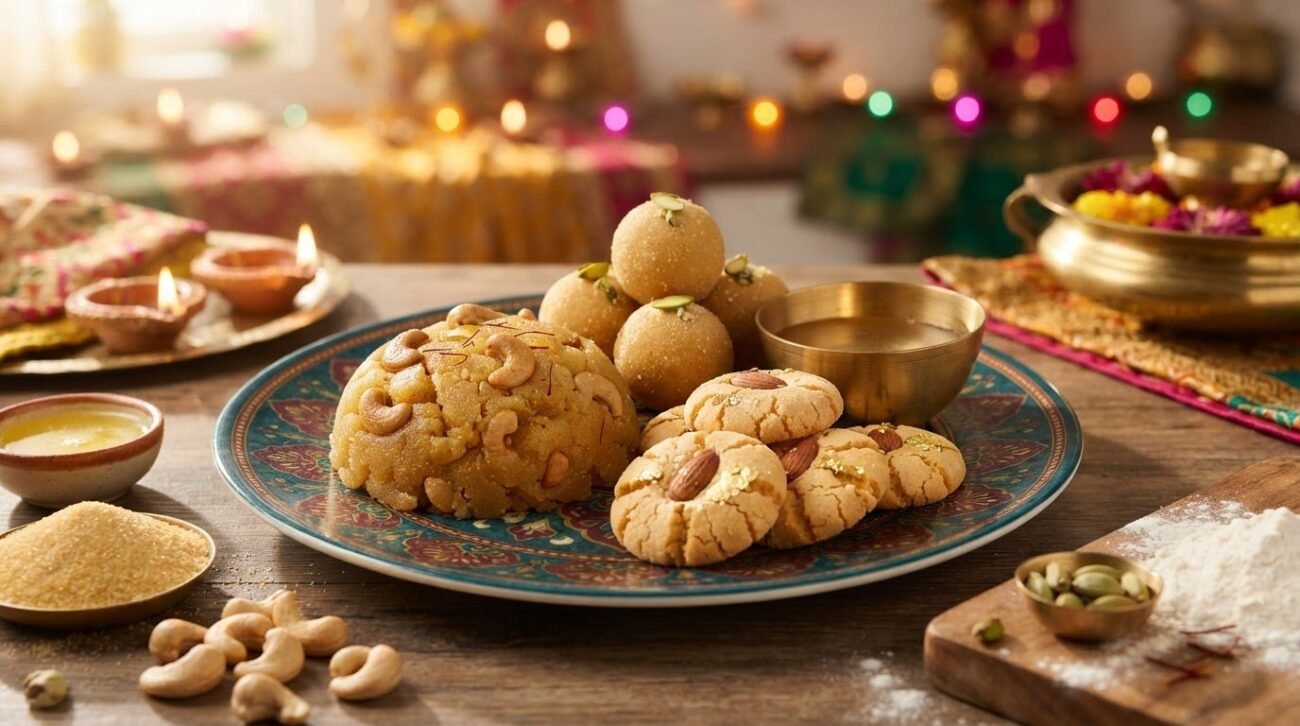
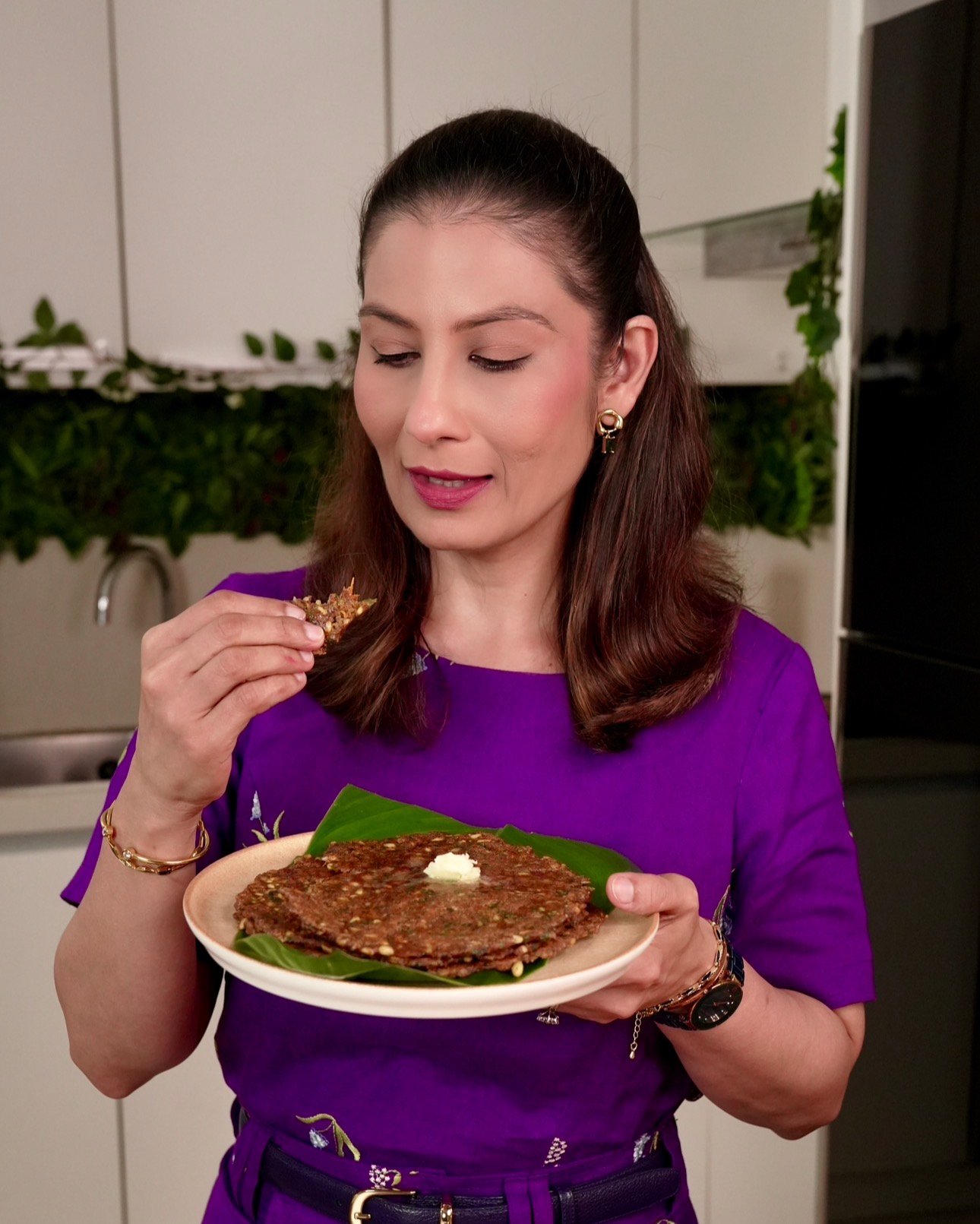
A soft chakli after two days is a reminder that festive texture can change quickly when moisture gets in. For Diwali sweets, the common mistakes in making them often start earlier: adding too much ghee, rushing the roast or misjudging sugar syrup. The good news? These problems are usually easier to fix when you know what caused them.
A crumbly ladoo mixture, grainy or overly firm sweets, and uneven cooking can take the joy out of festive preparations. Learn how to bring ladoo mixture together, add ghee gradually, roast flour without scorching it and judge syrup by its behaviour, not just boiling time. Proper storage helps homemade sweets keep their texture, too. A few small adjustments can make Diwali cooking calmer and more confident.
Key Takeaways
- Add hot liquid to roasted suji gradually, stirring as you pour to help the halwa cook evenly and avoid lumps.
- If ladoo mixture won’t hold its shape, adjust the binding carefully and let roasted ingredients cool before mixing in powdered sugar.
- Roast flour slowly in a heavy-bottomed pan, stirring continuously so it develops a nutty aroma without scorching.
- Add ghee to nankhatai dough a little at a time, stopping once the dough comes together instead of overworking it.
- Use texture cues to judge sugar syrup: the right consistency helps sweets bind or soak without becoming too firm or too soft.
1. Adding hot liquid gradually to suji halwa
For smooth suji halwa, roast the semolina first, then pour in hot liquid slowly while stirring. Adding it all at once can cool the pan unevenly and leave lumps, while constant movement helps each grain absorb liquid. Keep the liquid hot in a separate pan, and use a steady stream rather than tipping it in quickly. The mixture will thicken as it cooks, so stir across the bottom and edges of the kadai.
Use a heavy-bottomed pan and roast suji over low to medium heat, stirring until it smells toasted. Pale grains can leave the halwa tasting raw; if they darken too quickly, lower the heat. When the ghee-coated semolina smells aromatic, add the hot liquid in stages, stirring between pours so the grains absorb moisture evenly. Add sugar after the semolina has absorbed the liquid, then cook until the halwa loosens from the pan.
Poppy-seed halwa needs a different preparation because the seeds are dense and small. Soak khus khus in hot water for 4 hours, drain it, then grind into a fine paste. Cook the paste patiently in a pan, stirring so it doesn’t catch on the base. Add hot liquid carefully as the mixture thickens. A coarse grind can create a gritty texture, so check the paste before cooking; if you can still feel many whole seeds, grind again.
Gulab jamuns show how temperature and handling affect another Indian sweet. Dough that’s overworked can turn dense, while dry or cracked dough may split during frying. Mix only until combined, rest it for 15 minutes, and shape smooth balls without cracks. Fry on a low flame until evenly cooked and soft, not crisp. Transfer them into hot syrup and leave them to soak for an hour.
Why do gulab jamuns crack, turn hard or stay raw inside? Cracks often come from uneven shaping or dry dough, while overworked dough or frying too quickly can make jamuns hard. Fry over low, steady heat so the centre cooks before the outside darkens.
For electric-coil or induction stovetops, the recommended frying temperature for Indian sweets is around 350°F / 175°C. Use a thermometer if available, or test with a small piece of dough: it should rise steadily rather than brown immediately.
For homemade sweets, cool them before storing in clean, dry, airtight containers; most sweets can keep for up to 8-10 days, depending on type and ingredients. Milk- or khoya-based sweets may need refrigeration, so store them carefully to help preserve their quality. Store syrup-soaked sweets separately from dry ones to protect texture.
2. Adjusting ladoo mixture if it will not hold its shape
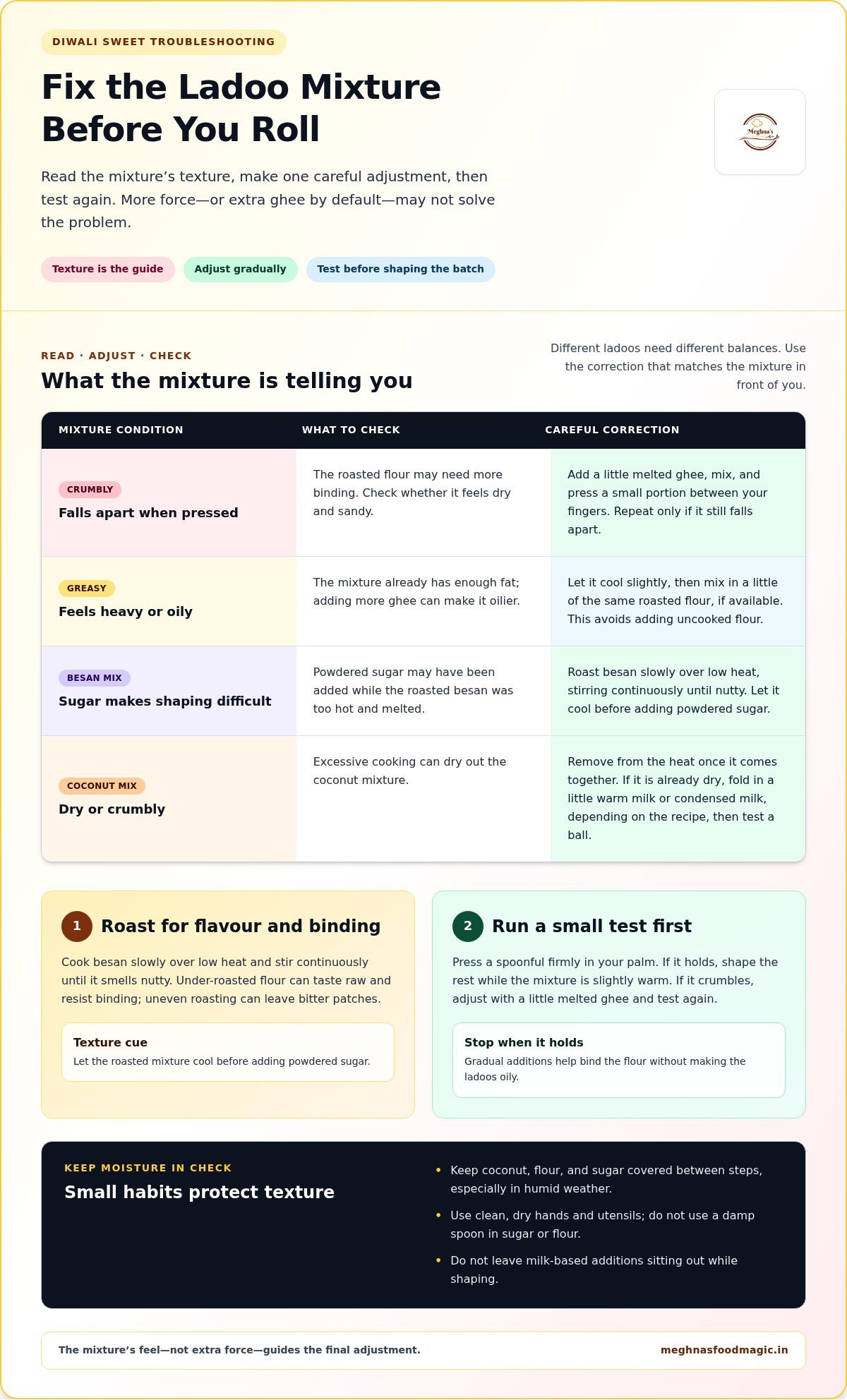
A crumbly ladoo mixture usually needs more binding, not more force. Check whether the roasted flour feels dry and sandy or greasy and heavy. For wheat flour ladoos, add a little melted ghee, mix, then press a small portion between your fingers. Repeat only if it still falls apart. Gradual additions help the flour bind without making the finished ladoos oily.
Roasting besan affects both flavour and texture. Cook it slowly over low heat, stirring continuously until it smells nutty. Under-roasted flour can taste raw and resist binding, while uneven roasting can leave bitter patches. Let the mixture cool before adding powdered sugar. A common mistake when making Diwali sweets is mixing sugar into besan while it is too hot, which can melt the sugar and make shaping difficult.
Test the mixture before rolling the whole batch. Press a spoonful firmly in your palm; if it holds, shape the rest while it is slightly warm. If it crumbles, add melted ghee a little at a time and test again. If it feels greasy, don’t add more ghee. Let it cool slightly, then mix in a little of the same roasted flour, if available. This avoids the raw taste of uncooked flour.
Coconut ladoos need a lighter touch. Excessive cooking dries the coconut and can leave the mixture crumbly, so remove the pan from the heat once it comes together. If it’s already dry, fold in a little warm milk or condensed milk, depending on the recipe, then shape a test ball. Because this adds moisture, prepare only what you can store appropriately.
Humid weather can soften dry ingredients and change how much ghee a mixture needs. Keep coconut, flour and sugar covered between steps, and measure carefully. Add ghee gradually, judging by the mixture’s feel instead of adding more to compensate for looseness. A common mistake when making Diwali sweets is treating besan, atta and coconut ladoos as if they need the same ingredient balance.
Keep preparation clean: wash and dry your hands, use clean utensils and cover ingredients. Don’t use a damp spoon in sugar or flour, and don’t leave milk-based additions sitting out while shaping. These habits help limit unwanted moisture and protect the flavour of homemade sweets.
For more ladoo recipes, explore festive cooking videos and compare each recipe’s method with the texture cues here. Ingredient proportions offer a starting point; the roasted flour’s warmth and the mixture’s feel guide the final adjustment.
3. Roasting flour and cashews without burning them
A heavy-bottomed kadai distributes heat more evenly across flour and nuts, reducing hot spots that can scorch them. Keep the burner low and scrape the pan’s base with each stir, especially around the edges. Work in manageable batches so the flour cooks evenly. If one patch darkens faster, briefly move the pan off the heat while stirring, then return it once the temperature settles.
When roasting gram flour, watch its colour and smell instead of relying on a timer. Besan continues to cook briefly after the pan leaves the burner, so transfer it promptly once it reaches the roasted stage required by the recipe. Don’t try to disguise a burnt smell with sugar or cardamom; the bitterness will remain. Use a fresh, unburnt batch for delicate festive sweets.
Moong dal for halwa is ready for the next stage when its raw aroma fades and the grains turn golden. Stir and scrape the kadai so the grains at the bottom don’t brown ahead of the rest. Once the colour is even, add the recipe’s liquid carefully and keep stirring as the dal cooks. Uneven roasting can leave some bites tasting raw and others overly dark.
Cashews need a close watch because their small size lets them colour quickly. Dry-roast them in a single layer, moving them around the kadai for an even toast. After dry-roasting, avoid keeping the cashews in the hot kadai longer than needed. Let them cool before grinding for kaju katli; warm nuts can release oil and turn fine powder into a paste. Pulse briefly and inspect the texture between bursts.
Mohanthal develops its flavour as besan cooks in ghee, while sugar syrup binds the mixture. Add ghee as the recipe directs, and watch the besan mixture become cohesive and aromatic. Prepare the syrup separately so it is ready when the flour mixture reaches that stage. Combine them thoroughly, then spread the mixture evenly to help the sweet set with a consistent texture.
Before heating the kadai, arrange the ingredients and tools for any flour-based sweet. Don’t leave a roasting pan unattended to prepare syrup or chop cashews. If flour catches on the base, reduce the heat and scrape gently; avoid mixing burnt particles into the rest. These simple pan-management habits protect the flavour of moong dal halwa, kaju katli and Mohanthal, helping each develop a warm roasted note for Diwali.
4. Adding ghee gradually to nankhatai dough
Nankhatai dough relies on a careful balance between flour and ghee. Pouring in all the ghee at once can make the dough greasy before you notice. Add it gradually, mixing after each addition, and stop when the dough comes together. The dough should feel soft and hold when pressed, not shine with excess fat. This gradual method gives you control over texture before shaping festive biscuits for guests.
Combine the measured dry ingredients in a bowl, then add ghee in small pours. Rub or fold it through the flour until the mixture resembles coarse crumbs. Press a little between your fingers. If it clumps and holds, pause before adding more. If it remains powdery, add another small amount and mix again. The goal is cohesive dough, not a stretchy texture.
Once the dough forms, don’t knead it like bread. Overworking can make nankhatai dense rather than tender, so bring the dough together gently and stop. Shape one test biscuit and check its edges; smooth cracks with light pressure. If the dough feels oily or spreads easily, don’t add flour by guesswork. Let it rest briefly in a cool place, then shape another test piece.
Oven heat also affects the texture. Leave space between nankhatai so heat can circulate, and look for lightly coloured bases rather than deeply browned tops. A biscuit may feel soft straight from the oven, then firm as it cools. Cool each batch completely before moving or packing it. Warm biscuits are delicate, and sealing them warm can trap moisture.
Use the same texture-first approach with other Indian sweets, but don’t transfer one recipe’s proportions to another. Kaju katli, for example, uses a cashew mixture that becomes dough; its softness is adjusted differently from nankhatai’s flour-and-ghee structure. In both cases, add ingredients in stages and judge the mixture by touch. This keeps festive cooking responsive without turning a precise recipe into guesswork.
If nankhatai dough has already become greasy, chill it briefly, then test a small portion before shaping the full batch. If it crumbles, work in a little more ghee, mixing gently until it holds. Make one adjustment at a time, since adding ghee and flour together hides which change helped. For more visual guidance on festive treats, browse these festive cooking videos alongside your recipe.
Add ingredients gradually, giving the mixture time to come together before adding more. Stop once the dough holds; overmixing can spoil its texture.
5. Getting the right sugar-syrup consistency
Sugar syrup must suit the sweet it binds or soaks. Thin syrup can leave kaju katli soft, while overcooked syrup may make it firm or grainy. A common mistake when making Diwali sweets is judging syrup by boiling time alone. Watch how it behaves as it thickens and follow the visual or touch cue in the recipe. Cardamom adds fragrance, but it won’t fix syrup that is too thin or too thick.
For kaju katli, heat the syrup until it reaches one-string consistency. Let a small drop cool enough to touch, then press it between your fingers and draw them apart. A single thread should form. Add cashew powder and mix for 4-5 minutes, until it becomes a thick mass. Spread the mixture only once it gathers evenly; moving too soon can make the finished katli difficult to shape.
Gulab jamun syrup uses a different cue. Combine equal amounts of sugar and water, then boil for 5-7 minutes after the sugar dissolves. Add a few drops of lime juice to help retain its consistency. Keep the syrup warm for soaking, rather than letting it reduce until sticky. It should coat the jamuns and soak in without leaving a heavy layer around them.
How can you stop barfi becoming grainy or failing to set? Stir smoothly and avoid splashing sugar crystals onto the sides of the pan, where they can trigger more crystallisation. If the barfi remains soft, keep cooking until the mixture thickens and gathers into a mass before spreading it in the tray.
Common mistakes when making Diwali sweets also include using the same syrup texture for every dessert. If kaju katli mixture still flows across the pan, keep stirring until it gathers. If it stiffens before shaping, knead it while warm and check whether it softens. For syrup-soaked sweets, taste a cooled drop; it should feel smooth, without crystals. These cues help match the syrup to the sweet’s intended texture.
Prepare your tray and shaping tools before heating syrup, since mixtures can firm as they cool. For kaju katli, place baking paper on the work surface and roll the warm mass evenly. For gulab jamun, keep the syrup warm while the sweets soak. Matching the syrup’s texture and warmth to each recipe helps the cooked sweets remain tender and properly set. Find more Indian sweet recipe ideas to practise these techniques with different preparations.
Meghna’s Food Magic: Free Digital Recipe Database
Meghna’s Food Magic’s free digital recipe database offers ideas for festive treats and everyday cooking. Choose a recipe, measure the ingredients before you begin, and follow its method closely.
Chef Meghna’s Notes
For coconut ladoos, mix 2 cups desiccated coconut, ¾ cup condensed milk and ¼ teaspoon cardamom. Cook gently, stirring until the mixture gathers, then cool slightly and shape.
For dates and nut balls, pulse 1 cup pitted dates with ½ cup chopped almonds and ¼ cup cashews. Shape the mixture into balls; if it feels crumbly, pulse again until it holds. These are useful no-cook options when you want a break from syrup-based sweets.
Explore more ideas in the recipe database, including High Protein Recipes, Millets Recipes and Weight Loss Fitness Recipes.
Make Your Next Festive Batch Your Best Yet
Let each cooking attempt teach you something useful. Choose one sweet to practise before the celebrations, follow its method closely, and note how the mixture looks and feels at each stage. This turns common mistakes in making Diwali sweets into practical lessons for your next recipe.
Make adjustments thoughtfully rather than changing several ingredients at once. A calm, observant approach makes festive cooking more enjoyable, whether you’re preparing a familiar family favourite or trying a new treat. Good results come from following a reliable recipe and paying attention to the ingredients in your kitchen.
Approach your next batch with curiosity, care and confidence. Every sweet you make is another chance to create something delicious to share.
Frequently Asked Questions
Why did my chakli go soft after two days?
Chakli usually loses its crunch when moisture reaches it after frying. Let each batch cool completely before packing, as trapped steam softens the spirals inside the container. Use a clean, dry, airtight tin, keep it away from steam near the stove and avoid handling it with damp fingers. In humid weather, open the tin only to serve, then close it promptly to limit exposure to moist air.
What are common mistakes when making Diwali sweets at home?
Common trouble spots include inaccurate measuring, rushing the roast, adding ghee or liquid too quickly, and judging syrup by cooking time alone. Each sweet responds differently, so follow its own ingredient balance and texture cues. A crumbly atta ladoo, for example, needs a different adjustment from sticky kaju katli. Measure ingredients before heating the pan, then make one small correction at a time.
How can you prevent ladoo mixture from becoming too dry or too sticky?
Check the mixture’s texture before shaping the full batch. If it feels dry, add melted ghee a little at a time and press a test portion between your fingers. If it feels sticky, let it cool slightly before deciding whether it needs more roasted flour. Besan mixtures can feel loose while warm, so test again as they cool. Avoid uncooked flour, which can leave a raw taste.
What is the correct sugar syrup consistency for Indian sweets like jalebi and gulab jamun?
Use the consistency suited to the sweet rather than one syrup rule for every recipe. Gulab jamun syrup uses equal amounts of sugar and water, boiled for 5-7 minutes after the sugar dissolves, with a few drops of lime juice. Keep it warm for soaking. Jalebi is dipped in warm syrup after frying; it should coat the coils without becoming so thick that it sits heavily on them.
How do you avoid burning besan while making besan ladoo or Mysore Pak?
Use a heavy-bottomed pan and keep besan moving across the base as it cooks. Low heat lets the flour lose its raw aroma and develop a nutty smell without darkening in patches. For Mysore Pak, add ghee gradually rather than all at once, and stay close to the pan as the mixture cooks. If it starts sticking, reduce the heat and stir thoroughly before continuing.
Disclaimer
This is a recipe food blog page and not nutrition or doctor and hence do not claim to cure any illness. If you have specific health issues please consult a qualified doctor or certified nutritionist.
I do consult experts, research Internet and at times seek help from Gemini to collect relevant information to put together some of these blogs.

