
10 Quick and Healthy Ways to Use Leftover Rice
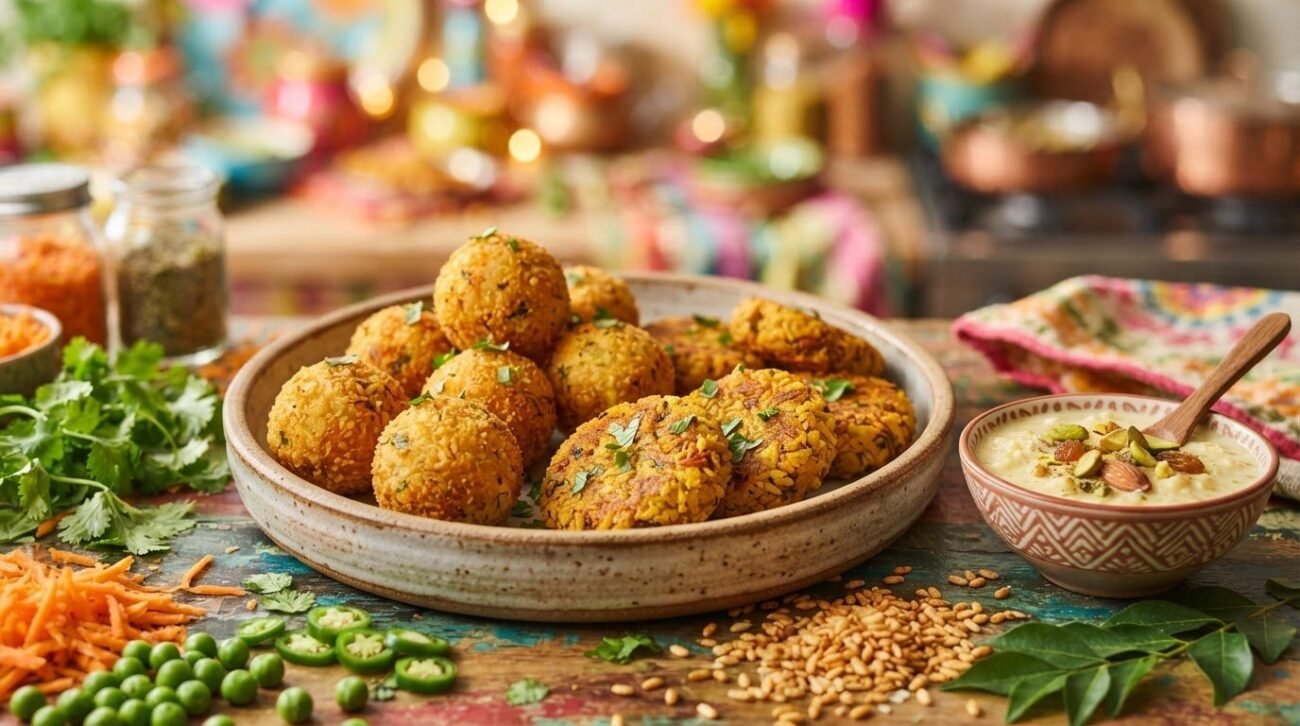
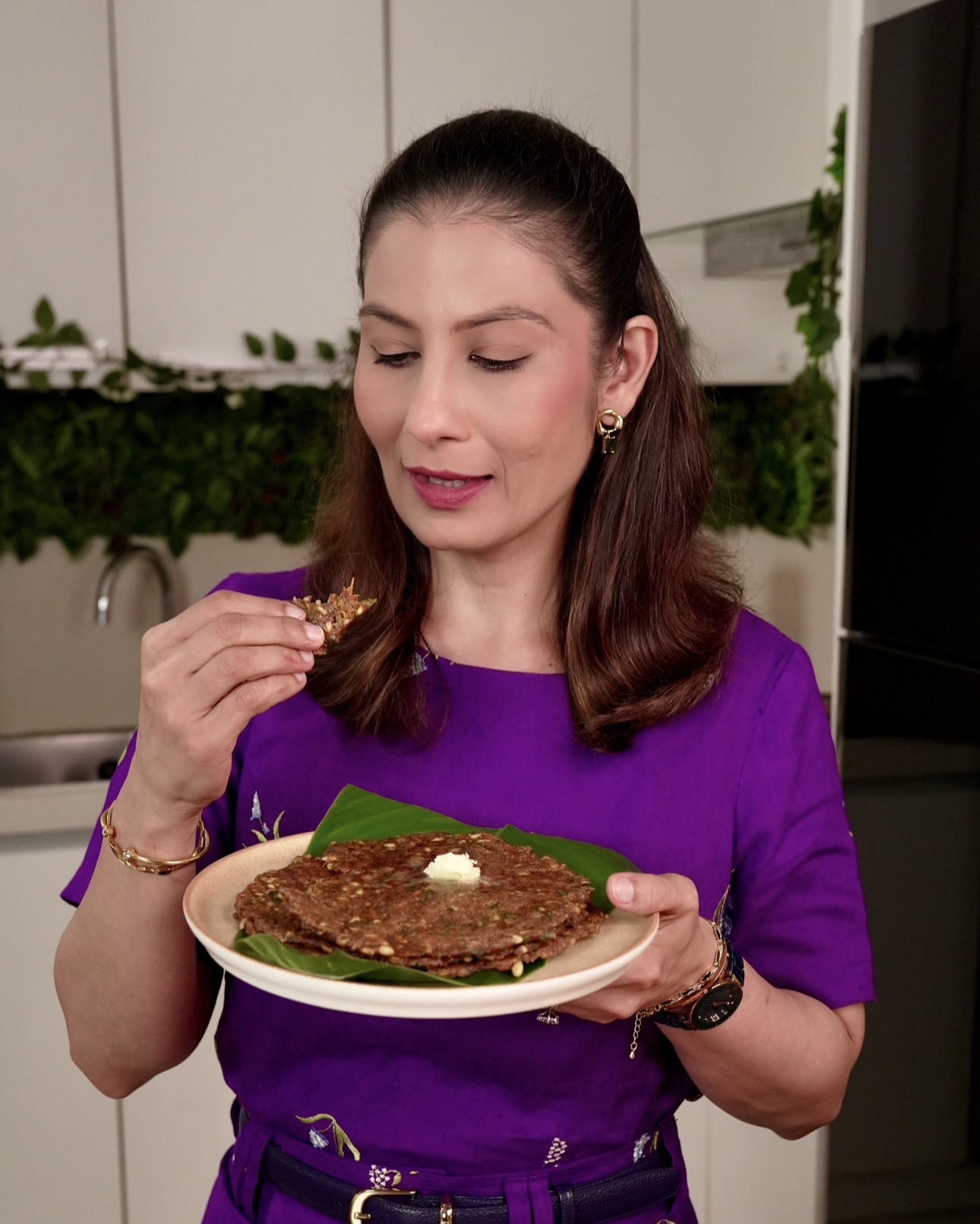
Leftover rice can become crisp rice balls, a crunchy salad topping, comforting rice pudding, and plenty more. If you’re wondering what to make with leftover rice, these ten ideas turn cooked white rice into easy snacks, meals, and dessert. Rice pudding is a creamy option that comes together faster than when you start with raw rice, because the cooked grains can simmer in milk or coconut milk until thick.
It’s easy to see yesterday’s rice as just a reheated side, especially when you want something fresh without starting from scratch. But a few simple additions and a change in cooking method can give it new textures and flavours.
Here are ways to use cooked white rice, from baked or air-fried rice snacks and crisp salad toppings to quick pudding and Indian-inspired dishes. Day-old rice is particularly useful for frying because its drier surface helps the grains stay separate. You can adapt each idea with vegetables, spices, and ingredients you have on hand.
Key Takeaways
- Turn cooked rice into baked or air-fried rice balls for a crisp snack without deep-frying.
- Dry-fry rice until crunchy, then add it to salad for a lively contrast of textures.
- Simmer leftover rice with milk or coconut milk for a creamy pudding that thickens faster than one made with uncooked rice.
- Use day-old rice for fried dishes; its drier surface helps the grains stay separate instead of turning mushy.
- Try an Indian-style rice rotti to give plain cooked rice a fresh, savoury second life.
1. Baked or air-fried rice balls
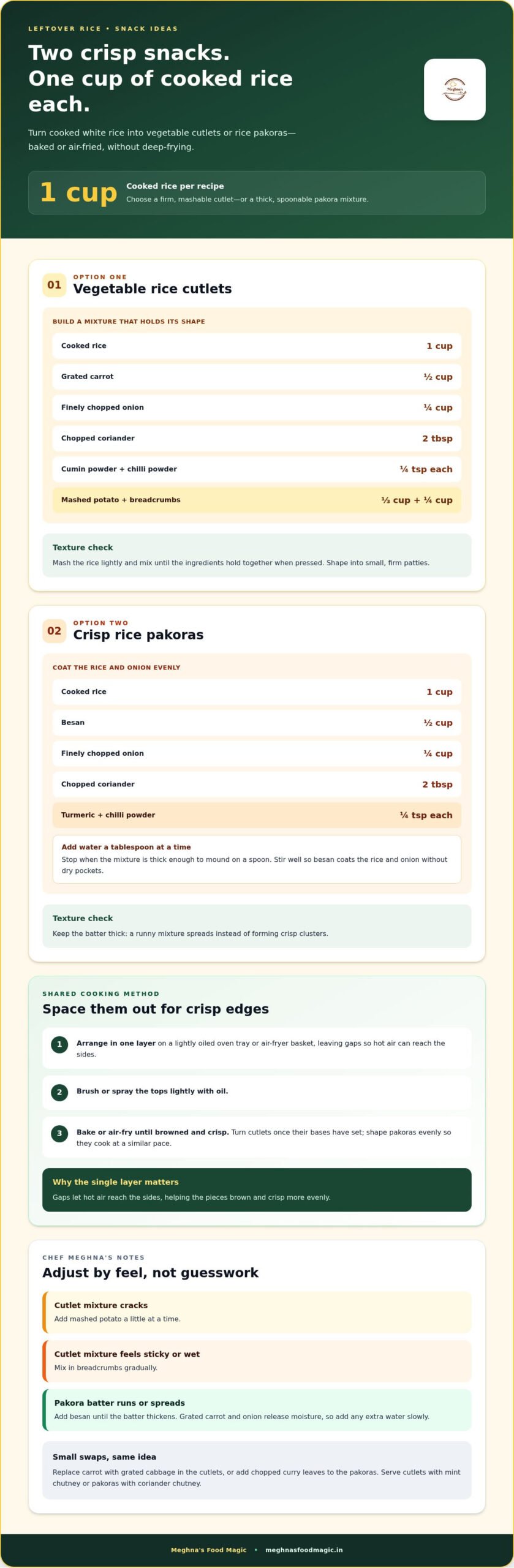
Turn cooked rice into two savoury snacks: vegetable rice cutlets or crisp rice pakoras. Both use familiar Indian ingredients, and baking or air-frying cooks them without deep-frying. The key is controlling moisture. Grated vegetables and rice can make a loose mixture, so a measured binder helps each piece hold its shape and brown evenly.
For vegetable rice cutlets, combine 1 cup cooked rice, 1/2 cup grated carrot, 1/4 cup finely chopped onion, 2 tablespoons chopped coriander, 1/4 teaspoon cumin powder, and 1/4 teaspoon chilli powder. Add 1/3 cup mashed potato and 1/4 cup breadcrumbs. Mash the rice lightly, then mix until the ingredients hold together when pressed. Shape into small, firm patties.
For rice pakoras, mix 1 cup cooked rice, 1/2 cup besan, 1/4 cup finely chopped onion, 2 tablespoons chopped coriander, 1/4 teaspoon turmeric, and 1/4 teaspoon chilli powder. Add water a tablespoon at a time until the mixture is thick enough to mound on a spoon. Stir thoroughly so the besan coats the rice and onion rather than collecting in dry pockets.
Arrange the cutlets or pakoras in a single layer on a lightly oiled oven tray or air-fryer basket, leaving gaps so hot air can reach the sides. Brush or spray the tops lightly with oil, then bake or air-fry until browned and crisp. Turn the cutlets once their bases have set. Shape the pakoras evenly so they cook at a similar pace.
Let the mixture’s texture guide your adjustments. If cutlet mixture cracks, add mashed potato a little at a time. If it feels sticky or wet, mix in breadcrumbs gradually. A runny pakora batter spreads instead of forming crisp clusters, so add besan until it thickens. Grated carrot and onion release moisture, so add any extra water slowly.
Serve the cutlets with mint chutney or the pakoras with coriander chutney. For a flavour change, replace carrot with grated cabbage in the cutlets, or add chopped curry leaves to the pakora mixture. Keep the pieces similar in size and thickness so the centres heat through as the surfaces crisp. These snacks suit tea time or make a light savoury addition to a meal.
Rice also connects these snack ideas to other food traditions. Dominican chofan, a version of Chinese fried rice, was brought into Dominican culture by Chinese immigrants in the first half of the last century. The preparations differ, but both make rice the centre of a savoury dish. That broader context can inspire a simple serving choice: present the crisp pieces as one part of a meal, rather than treating cooked rice as useful only for one style of cooking.
Offer chutney alongside the hot pieces so diners can choose how much accompaniment they want. If making both versions, keep their shapes distinct and serve them separately; their different binders and textures help distinguish a firm cutlet from a loose, crisp-edged pakora. This keeps the focus on the rice while letting each seasoning and shape remain recognizable. The same approach makes the snacks easy to share at tea time or as part of a larger meal.
2. Crispy rice salad topping
Give a fresh salad a lively crunch by turning cooked rice into savoury clusters. The idea echoes nam khao, a Thai and Lao dish that combines fried leftover rice with herbs, lime juice, and fermented sausage. For a simple topping, fry the rice until crisp, crumble it, then scatter it over salad just before serving. Crunchy grains contrast with cool vegetables, fragrant herbs, and bright citrus.
Break up clumps of cooked white rice with clean fingers or a fork. Spread the grains in a thin layer in a pan with a little oil. Let the underside crisp before stirring, giving the rice time to make contact with the pan. Then keep the grains moving and break up any larger pieces as they toast. Once crisp, transfer the rice to a plate to cool. Cooling helps it stay crunchy until you add it to the salad.
Build the salad while the rice cools. Cucumber, shredded cabbage, carrots, spring onion, and coriander bring freshness and varied textures. Add chopped mint for a cooling note, then dress the vegetables with lime juice. Toss in the crisp rice at the last moment: dressing softens it, so serving it on top preserves more crunch.
- For a bright Indian-inspired bowl: Pair crisp rice with cabbage, carrot, cucumber, coriander, and lime.
- For a herby version: Add mint, spring onion, and chopped coriander, then finish with lime juice.
- For a nam khao-inspired take: Use herbs, lime, and fermented sausage if it suits your meal; leave it out for a vegetarian salad.
Season the rice lightly before frying with black pepper, chilli powder, or cumin. Choose one main seasoning so it complements rather than competes with the lime and herbs. If using salty sausage or a strongly flavoured dressing, keep the rice seasoning gentle. Toasted peanuts add another crisp element, while roasted chickpeas make the salad more substantial.
Serve the crunchy rice as a finishing touch for a lunch bowl, a vegetable side, or a shared salad at a family meal. Keep the toasted grains separate until serving, then add them over the dressed vegetables. That small final step protects their texture and lets each bite bring together cool greens, sharp lime, and crisp rice. For more practical cooking inspiration, explore home cooking recipe ideas.
3. Rice pudding made with leftover rice
Simmer cooked rice with milk or coconut milk for a creamy dessert. The grains are already cooked, so they soften and thicken the liquid faster than raw rice. This makes rice pudding or a quicker arroz con leche-style dessert an inviting way to use leftover rice.
For a basic batch, measure 3 cups of cooked rice and 1 teaspoon of salt. Add the rice to a saucepan with enough milk or coconut milk to just cover it. Bring the mixture to a gentle simmer, stirring regularly and scraping the bottom of the pan. The rice releases starch as it warms, which helps create a creamy consistency. Preparation time is 15 minutes.
Keep the heat low and steady rather than letting the milk boil vigorously. Stir to stop grains catching on the base, and let the mixture simmer gently so they absorb liquid. If the pudding gets thicker than you like, add a splash of milk and stir until smooth. Dairy milk gives a mellow flavour; coconut milk adds a richer coconut note.
For a sweet dessert, stir in sugar or another preferred sweetener to taste, then serve with optional cardamom, cinnamon, raisins, or chopped nuts. Add flavourings gradually and taste as you go, since their strength varies. For an arroz con leche-inspired variation, simmer cinnamon with the rice and milk, then remove it before serving.
Check the rice before cooking. Visible mould, an unusual smell, or a slimy texture means you should discard it, not use it for pudding. Choose rice that looks and smells normal. Use a clean saucepan, and keep savoury ingredients such as chilli or fried onions away from this dessert.
The pudding’s texture changes as it rests. Serve it warm for a softer, looser bowl, or chill it for a thicker, spoonable dessert. Rice continues absorbing liquid, so stop cooking while the mixture is slightly looser than you want it to be. If chilled pudding gets too thick, stir in milk before serving.
Finish each bowl with chopped nuts or raisins, or serve the pudding plain and let the gentle flavour of milk or coconut milk shine. The cooked grains provide body, while a gentle simmer brings them together into a comforting dessert without starting with uncooked rice.
Leftover rice can go beyond snacks and dessert. Peruvian tacu tacu is made by pan-frying leftover rice and beans into a crisp patty. Rice salad is another option for family get-togethers, potlucks, and summer parrilladas, bringing cooked rice to a shared table.
For a more substantial meal, stuffed cubanelle peppers with leftover rice can make almost a whole dinner by themselves. Biko takes rice in a sweet direction: coat it in coconut milk and dark brown sugar caramel, then bake until glossy, bubbling, and deeply golden. Both dishes show how rice can be the starting point for different meals and occasions.
4. Using cooked white rice leftovers
To decide what to make with leftover rice, start with its texture and the flavours you want. Day-old cooked white rice has less surface moisture, which helps it fry without becoming mushy. Break up clumps, stir-fry vegetables and aromatics, then add the rice and toss until heated through. Peas, spring onion, egg, or soy sauce can add flavour.
For lemon rice, warm mustard seeds, curry leaves, turmeric, and green chilli in oil. Fold in cooked rice until coated and hot, then finish with lemon juice and roasted peanuts. Adding lemon after cooking keeps its flavour bright. Adjust the seasoning to suit the rice and your taste.
For cooling curd rice, mash some cooked rice with plain yoghurt, then fold in the remaining grains. If the mixture is too thick, loosen it with milk. A tempering of mustard seeds, curry leaves, and green chilli adds savoury aroma. Cucumber or pomegranate brings freshness and a contrasting texture.
Leftover rice can be added to dosa or uttapam batter, but it cannot replace a complete fermented batter. Pulse cooked rice in a mixer for a few seconds without adding water, then blend it into batter made with soaked grains or flour. For uttapam, fold chopped onion, tomato, and coriander into the batter before cooking.
In India, how long cooked rice stays suitable for refrigeration depends on how quickly it cools, how cold the refrigerator stays, and how it is handled. Cool and refrigerate it promptly in a covered container. Avoid leaving cooked rice at room temperature for extended periods, and assess its condition before using it.
To reheat rice, add a little water, cover the pan, and heat gently, stirring so it warms evenly throughout. Reheat only the portion you plan to serve. This avoids repeatedly warming the whole batch and leaves the rest ready for another dish.
Cooked rice can be frozen in a sealed container or freezer-safe bag. Cool it promptly, divide it into portions for future meals, and thaw it in the refrigerator or reheat it directly from frozen in a pan with a splash of water. Break apart clumps as the grains warm.
Other useful ideas include rice porridge, soup, and crisp rice cakes. Simmer rice with water or broth until it breaks down into thick porridge, or stir it into soup near the end to absorb broth and add body. For rice cakes, press rice into an even layer in an oiled pan, chill until firm, cut into squares, and sear until crisp outside. Plain cooked white rice suits these dishes because strong seasonings from another meal can clash with new flavours. Let the ingredients and desired texture guide what to make with leftover rice.
5. What are easy Indian recipes to make with leftover rice?
Rice rotti is a practical Indian-style way to turn cooked rice into a savoury meal. This recipe takes 30 minutes in total and yields 5-6 rottis. Grated carrot, green chilli, ginger, and curry leaves bring colour and flavour, while rice flour helps bind the mixture.
For the dough, combine 3 cups of cooked rice with 3/4 cup of idiyappam rice flour. Add 1/2 cup of finely chopped onion, 2 grated carrots, and 4 finely chopped green chillies. Mix in 3 finely chopped curry leaves, 1/4 cup of finely chopped coriander leaves, 1 inch of finely chopped ginger, and 1/2 teaspoon of cumin seeds. Add salt to taste.
Mash the rice lightly as you mix, leaving some grains whole for texture. Work the ingredients into a soft, even dough. If it feels too loose to shape, add rice flour gradually. If it feels dry or cracks while pressing, knead it with damp hands. These small adjustments help the dough hold together without making the rotti tough.
Divide the dough into portions and shape each into a rotti measuring 6-7 inches across. Press each portion evenly on a clean, lightly oiled surface or banana leaf. An even thickness helps the centre cook as the edges brown. Carefully transfer one rotti to a heated pan, keeping its shape intact.
Cover the pan and cook the rotti for a couple of minutes before flipping it. Cook the second side for one more minute. The cover traps heat to help the centre cook through; flipping lets the other side brown. Repeat with the remaining dough, adding a little oil to the pan if needed.
Serve warm rottis with plain yoghurt, coconut chutney, or a simple vegetable curry. For a gentler flavour, reduce the green chilli and add extra coriander. For more bite, keep the grated carrot slightly coarse. If the dough sticks while shaping, lightly oil your hands instead of adding too much flour. This keeps the rotti tender and easier to handle.
Rice rotti is one satisfying option; cooked rice can also become quick lemon rice or curd rice, depending on the tempering and ingredients you have ready. Match the seasoning to the dish: curry leaves and cumin work well in rotti, while lemon gives a brighter finish to a separate rice preparation. A little chutney or yoghurt rounds out the meal.
Meghna’s Food Magic: Free Digital Recipe Database
Meghna’s Food Magic offers a free digital recipe database for home cooks looking for fresh ideas beyond the rice dishes in this guide. Browse its recipes and food-related articles when you want to plan a meal, add variety to your cooking, or find ideas suited to your preferences.
Explore High protein Recipes for meal inspiration, Get Fit Recipes for health-conscious cooking ideas, or Beneficial Bajra Recipes when you want to try a different grain. These collections can spark ideas for everyday cooking, from a quick meal to a fresh take on your regular menu.
Visit meghnasfoodmagic.in to explore more recipe inspiration.
Make your next rice dish your own
Let the next meal follow your appetite, not a strict recipe. A little attention to texture, seasoning, and what’s already in your kitchen can turn leftover rice into a dish that feels deliberately made. Choose a new flavour or ingredient to explore, then adjust it to suit your table.
If you’re ready to broaden your everyday cooking, Meghna’s Food Magic also features High Protein Recipes and Millets Recipes. These collections offer fresh inspiration when you want to bring different ingredients and ideas into your home cooking.
Keep experimenting, one enjoyable meal at a time. Some of the best kitchen discoveries begin with ingredients you already have.
Pick an idea that appeals to you and enjoy making it your own.
Disclaimer
This is a recipe food blog page and not nutrition or doctor and hence do not claim to cure any illness. If you have specific health issues please consult a qualified doctor or certified nutritionist.
I do consult experts, research Internet and at times seek help from Gemini to collect relevant information to put together some of these blogs.

