
Millet Recipes for Kids Tiffin: Crackers to Cutlets
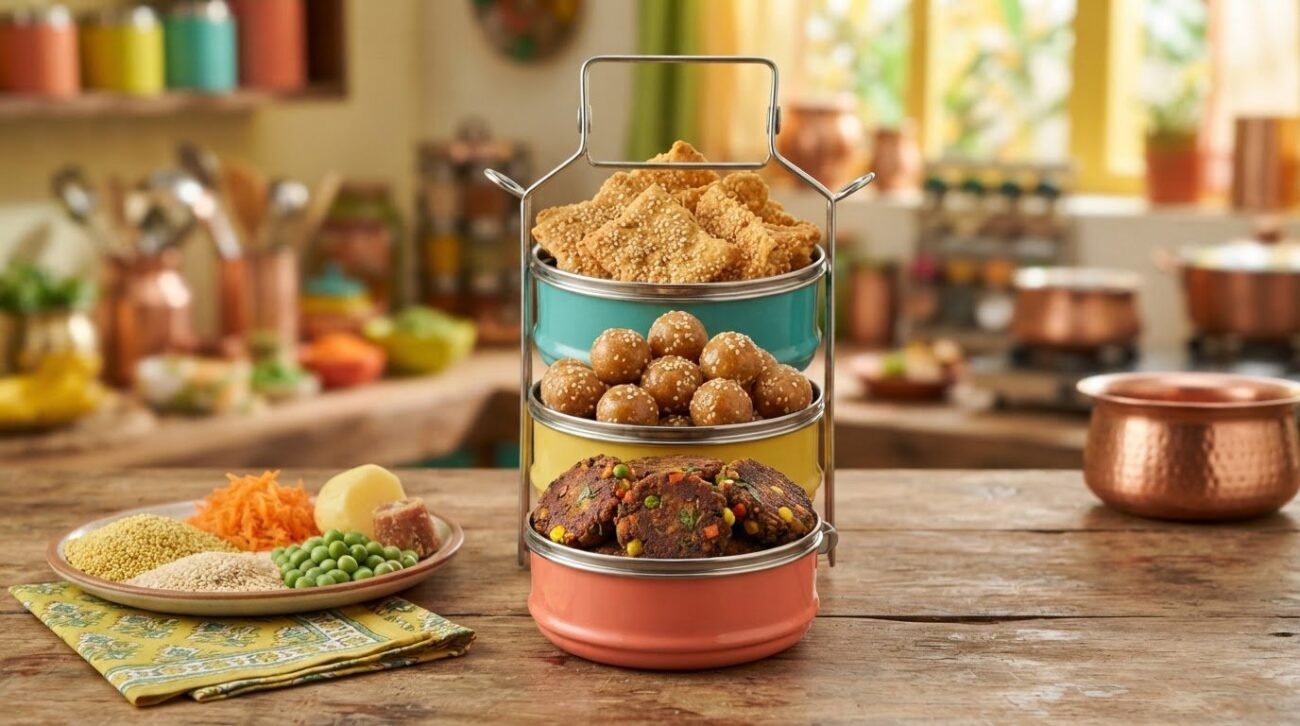
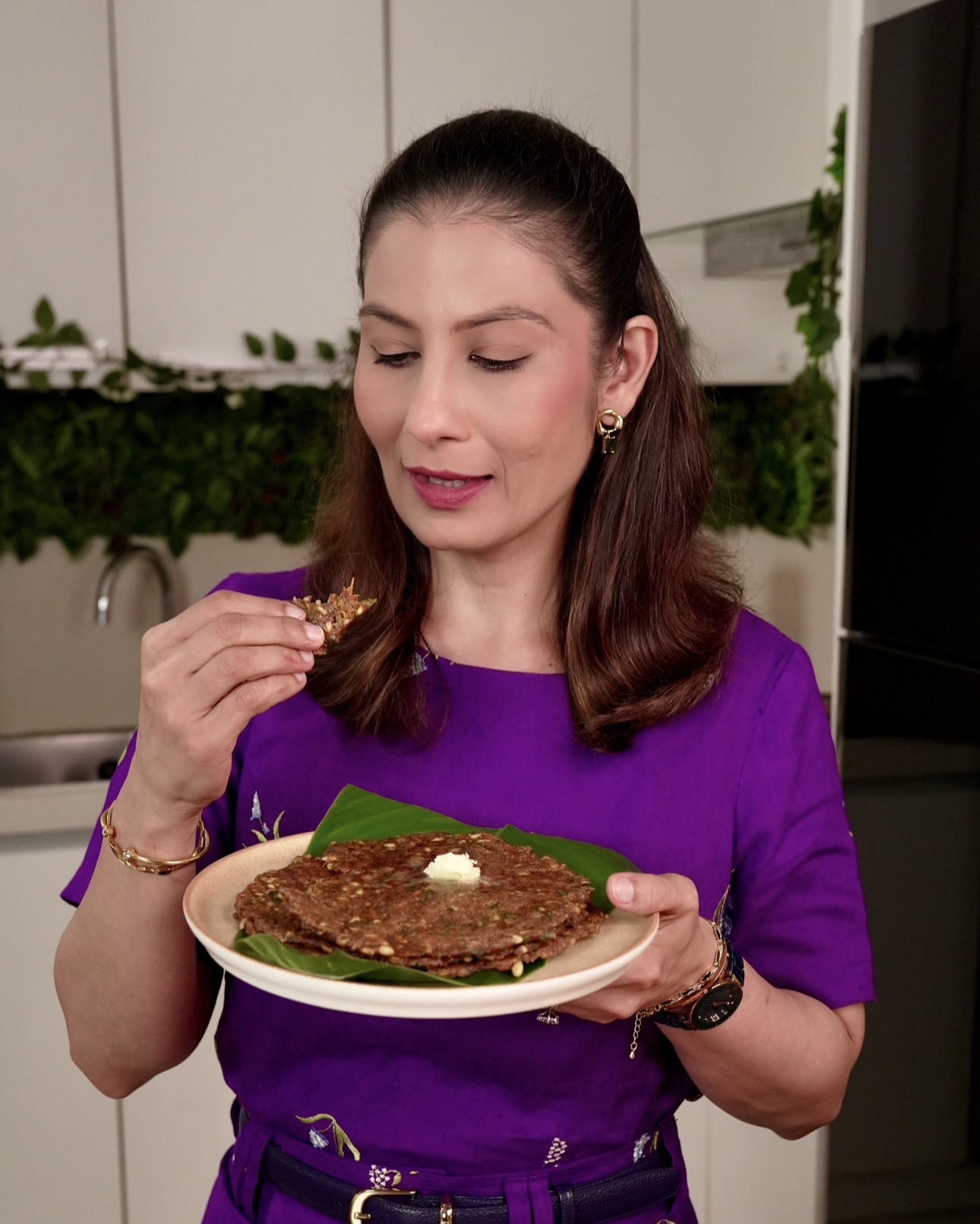
A satisfying kids’ tiffin doesn’t have to rely on the same snacks every day. These millet recipes for a kids’ tiffin include baked crackers that make 15-20 pieces and bake at 170°C for 12-15 minutes, little-millet laddus that make 10-12, and mini ragi cutlets that yield 8-10. Each brings a different texture and flavour to the lunchbox.
It’s understandable to want snacks that are both appealing to children and practical to pack. This guide shows you how to prepare each recipe, adjust the textures for little eaters, and choose snacks that travel well. You’ll also find ideas for lunchbox-friendly millet bites and ready-to-eat options, so tiffin planning feels more creative and less repetitive.
Key Takeaways
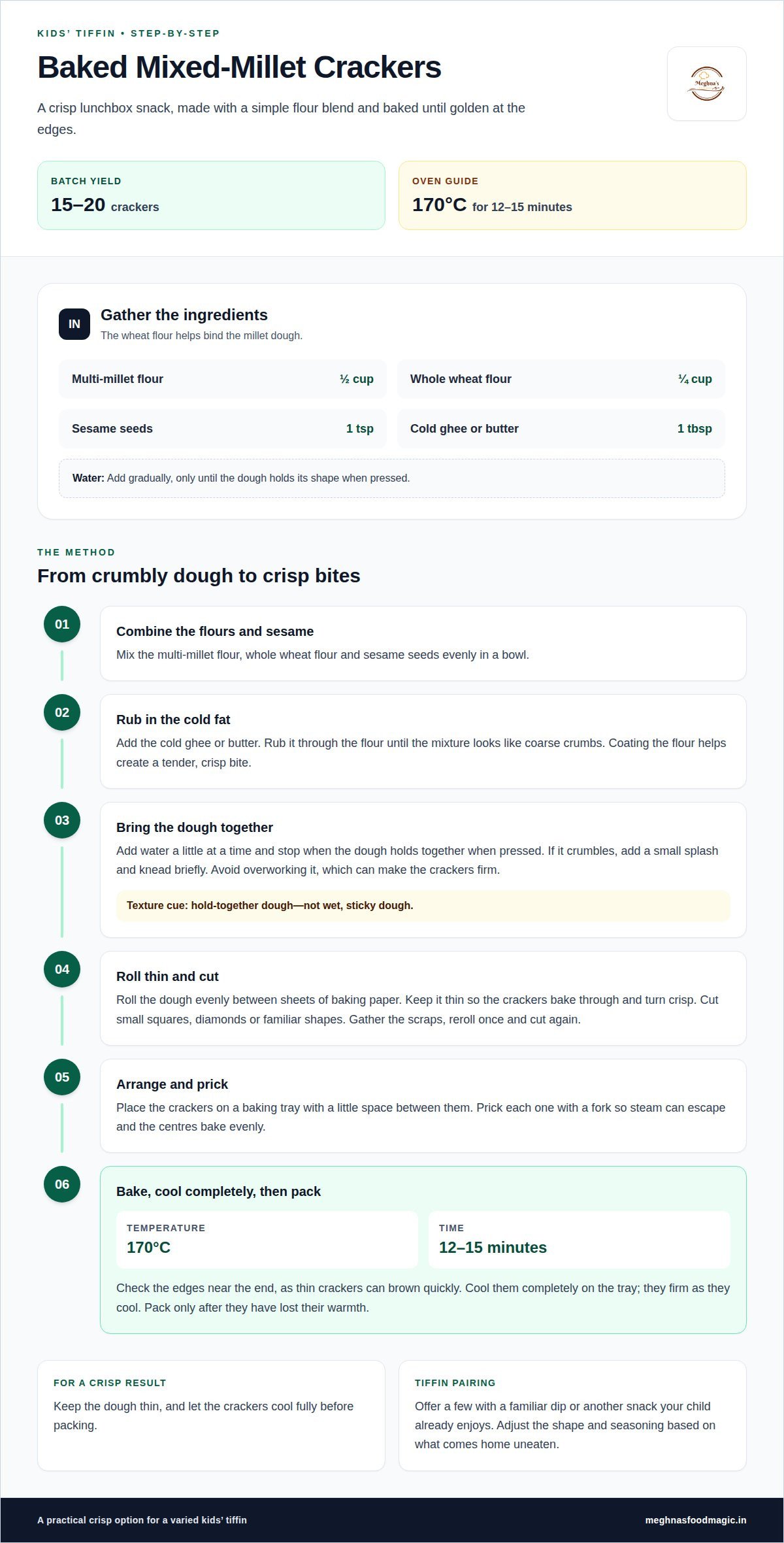
- Make crisp mixed-millet crackers with a blend of flours, sesame seeds and cold ghee or butter; bake at 170°C for 12-15 minutes.
- Shape little millet flour, powdered jaggery and ghee into laddus for a sweet lunchbox bite.
- Use ragi flour, boiled potato and vegetables to bring mini cutlets together, then adjust the mixture until it holds its shape.
- Choose snacks by how well their texture and packing style suit your child’s lunchbox, and keep ready-to-eat options in the rotation.
- Explore millet choices by the texture you want, from crisp crackers to soft, satisfying cutlets.
Baked mixed-millet crackers
- For tiffin, these crackers offer a crisp alternative to soft foods. The batch makes 15-20 crackers. Mix ½ cup multi-millet flour with ¼ cup whole wheat flour. The wheat helps bind the millet dough, while the millet gives it a distinct, hearty flavour.
- Add 1 teaspoon sesame seeds and 1 tablespoon cold ghee or butter. Rub the fat through the flours until the mixture looks like coarse crumbs. This coats flour particles and helps create a tender, crisp bite after baking.
- Bring the dough together by adding water gradually. Stop when it holds its shape when pressed; wet dough is harder to roll thinly. If it crumbles, add a small splash of water and knead briefly. Avoid overworking it, which can make the crackers firm.
- Roll the dough evenly between sheets of baking paper. Keep it thin so the crackers bake through and turn crisp. Cut small squares, diamonds or familiar shapes with a knife or cutter. Gather the scraps, reroll once and cut the remaining dough.
- Arrange the shapes on a baking tray with a little space between them, then prick each cracker with a fork. The holes let steam escape, helping the centres bake evenly instead of puffing into soft pockets.
- Bake at 170°C for 12-15 minutes. Check the edges near the end; thin crackers can brown quickly. Let them cool completely on the tray, because their texture firms as they cool. Pack only after they have lost their warmth.
- How do you make millet dosa or idli for kids’ tiffin? Use a millet-and-rice batter recipe: soak the grains as directed, grind them smoothly, then cook dosa on a hot pan or steam idli in moulds. This cracker dough is too firm for either dish.
- Are millets suitable for children, and what are their nutritional benefits? Millets can be included in children’s meals as part of a varied diet. Their nutritional profile differs by grain, so choose familiar ingredients and serve them alongside other foods rather than relying on one millet recipe alone.
- How do you cook millet so it’s soft and appealing to picky eaters? For whole grains, soak before cooking and use enough liquid to soften them, following the recipe for your chosen grain. For flour-based crackers, roll the dough thinly and bake until crisp, then offer familiar shapes and mild seasoning.
- For a lunchbox, let the crackers cool completely before packing. Pair a few with a familiar dip or another snack your child already enjoys. Adjust the shape and seasoning next time based on what comes home uneaten, and keep the dough thin for a crisp result.
The recipe includes ¼ cup of whole wheat flour alongside the millet flour. Combine the dry ingredients evenly before rubbing in the cold fat, then add only enough water for the dough to hold together. Judge by how the dough feels rather than adding extra flour automatically, and keep the sheet thin as you shape the crackers.
Bake the cut pieces evenly, then let them cool completely before packing.
Little millet and jaggery laddus
- Quick sweet millet snacks for kids’ tiffin include these little millet laddus. The batch makes 10-12 pieces. Measure 1 cup roasted little millet flour, ½ cup powdered jaggery and 2 tablespoons ghee before starting.
- Warm a heavy pan over low heat. Add the roasted little millet flour and stir gently to release its aroma and warm it for mixing. Keep it moving, since flour left against the pan can toast unevenly.
- Tip the warm flour into a bowl. Add the ghee and mix until evenly coated. Ghee helps the mixture bind when pressed, so distribute it through the flour before adding jaggery. This helps the laddus hold together.
- Add the powdered jaggery gradually, mixing after each addition. Break up any lumps with your fingers. Fine jaggery blends readily through the flour, giving each bite more even sweetness than large pieces.
- Press a little mixture between your fingers to test the binding. It should clump when squeezed. If it feels loose, keep mixing while it’s warm and press firmly. Don’t add more ghee straight away; warmth and pressure can help the measured ingredients combine.
- Take a portion and roll it gently between your palms. Apply steady pressure and smooth out any cracks as they appear. Shape the remaining mixture the same way, keeping each laddu compact enough to hold its shape during packing.
- If a laddu crumbles, return that portion to the bowl. Press and knead it again while the mixture is warm. If the bowl has cooled, place it briefly over residual pan warmth. Don’t heat jaggery directly for long.
- Set the shaped laddus aside until firm. Once cooled, transfer them to a clean, dry container. Keep them separate from moist foods in the lunchbox, as moisture can soften their surface and change their pleasant, crumbly texture.
- Offer one alongside a familiar savoury item. The roasted flour has a mellow, earthy taste, while jaggery adds sweetness. If your child prefers smaller bites, shape smaller portions from the same mixture without changing the ingredient balance.
- For more child-friendly recipe inspiration, explore Meghna’s recipe ideas and choose flavours your child already enjoys. Keep the little millet, jaggery and ghee proportions steady, then introduce any new flavour gently in a future batch.
Lunchbox-friendly millet snacks
Choose snacks based on texture, moisture and how your child likes to eat. A crisp cracker, soft millet rice and compact bhel each need different packing.
-
Choosing Millets for Lunchbox Recipes
Choose the millet to suit the texture you want. Jowar and bajra work well in savoury doughs, while little millet suits soft grain dishes. Ragi flour helps bind vegetable cutlets. Consider whether your child prefers crisp, soft or chewy bites. Start with familiar flavours, such as lemon or mild cumin, rather than strong seasoning or an unfamiliar texture.
- Cook millet lemon rice or pulao until the grains are tender, not wet. Let excess steam escape before mixing in lemon, vegetables or mild spices. This keeps the grains distinct and the flavour lively in the lunchbox.
- Prepare the portion with ingredients that suit your child. For a quick savoury option, millet boondi bhel uses ½ cup sorghum flour and serves 2-3 tiffins. Keep crisp boondi separate from moist ingredients, then combine close to serving so it stays crunchy.
- Pack cooked millet dishes with temperature in mind. How long food stays safe in a school lunchbox depends on whether it remains warm or cool, not simply on the grain. Use an insulated container for hot food or keep chilled food cold with an ice pack. Avoid leaving either at room temperature for extended periods.
-
Packing Millet Tiffin to Stay Fresh
Let hot dishes cool until the steam stops before closing the lunchbox. Trapped steam condenses and softens crackers, cutlets and bhel. Put crisp snacks in a dry, sealed compartment and chutney or lemon dressing in a separate leak-resistant container. Keep wet toppings apart until eating to protect texture and prevent flavours from blending too early.
- Pack soft dishes in a snug container that limits movement. For lemon millet rice, gently fold in the seasoning, then pack a dry vegetable side separately. Avoid excess liquid or watery vegetables, which can collect at the base and make the grains sticky during the journey to school.
- Offer a small, familiar combination before changing the whole tiffin. Pair a millet snack with a known favourite, such as cucumber sticks beside a cutlet. Notice which texture comes home uneaten, then adjust the next batch: make crackers thinner, season rice more mildly or keep bhel components separate.
Mini ragi vegetable cutlets
- Gather ½ cup finger millet flour, 1 boiled potato, ½ teaspoon ginger-garlic paste and ¼ teaspoon cumin powder. This mixture makes 8-10 mini cutlets and serves 3-4 kids. Keep the potato soft and mashable, since it helps bind the ragi flour.
- Mash the boiled potato until smooth, removing firm lumps. Large pieces can make the cutlets split as you shape them. Add the ginger-garlic paste and cumin powder, then mix thoroughly. These familiar savoury flavours season the base without overpowering ragi’s earthy taste.
- Gradually add the finger millet flour, mixing it into the potato. The flour absorbs moisture and helps the mixture hold its shape. Adding it bit by bit makes it easier to judge whether the mixture feels pliable or dry.
- Fold finely chopped vegetables into the mixture. Grated carrot or finely chopped beans add colour and texture. Keep the pieces small so they distribute evenly without weakening the cutlets. If the mixture feels loose, add a little more ragi flour.
- Knead briefly until the ingredients come together. The mixture should feel soft, not sticky or crumbly. If it sticks to your palms, dust them lightly with flour. If cracks appear, mash the mixture again so the potato binds the flour evenly.
- Divide the mixture into small portions and shape each into a flat round. Keep them evenly thick, since thick centres take longer to cook than thin edges. Press gently around each rim to help prevent cracks opening in the pan.
- Heat a lightly greased pan over medium heat. Place the cutlets with space between them and cook until the underside firms and browns. Turn carefully with a flat spatula. Steady heat cooks the ragi mixture through without scorching the surface.
- Cook the second side until set, then press one cutlet gently. It should hold together rather than feel wet in the centre. If it breaks, return it to the pan and cook it longer; the potato and flour need time to firm up.
- Cool the cutlets before packing. Let the steam escape first, or it can soften the browned surface. Place the cutlets in a separate lunchbox compartment from chutney or other moist foods to preserve their shape and texture.
- Serve a cutlet with a familiar dip, such as plain yoghurt, if your child enjoys it. For a milder flavour, reduce the ginger-garlic paste next time. For more colour, use finely grated carrot while keeping the mixture firm enough to shape.
The recipe uses ½ cup of finger millet flour, ½ tsp of ginger-garlic paste and ¼ tsp of cumin powder. Set these measured ingredients beside the mashed potato before you begin, so you can mix in the seasoning before adding the flour. Once the vegetables are folded through, check that they’re fine enough to blend into the mixture rather than forming bulky pockets.
Shape the rounds once the mixture feels cohesive, keeping them similar in thickness for even cooking. Let each side set before moving the cutlets, turning them carefully rather than shifting them repeatedly. After cooking, leave space around them as they cool, then pack them separately from moist accompaniments. These steps help preserve a browned outside and a centre that holds together.
Which millets are best for children’s lunchbox recipes in India?
- Start with the dish, then choose a suitable millet. For crisp crackers, use a flour blend that rolls thinly. For soft rice-style meals, choose a small grain such as little millet. For cutlets, ragi flour helps bind mashed potato and vegetables. Matching the form of the grain to the texture you want makes the recipe easier to manage.
- Choose jowar, also called sorghum, for dough-based snacks. Jowar flour suits crackers, flatbreads and savoury bites. Blend it with another flour if the dough feels fragile. A little wheat flour can help it roll and hold together, while sesame adds a gentle crunch.
- Try bajra in soft, savoury dishes if your child enjoys its distinctive flavour. Bajra flour can make dough feel dense, so combine it with moist ingredients such as mashed potato or cooked vegetables. Shape small portions and cook them evenly, avoiding thick centres that stay firm.
- Choose little millet for a grain-based tiffin. Rinse and soak the grains before cooking, then drain and cook until tender. Soaking helps soften whole grains and supports an even texture. Use enough cooking liquid for a soft result, then adjust the final texture to suit your child.
- Use ragi, or finger millet, when flour is more suitable than whole grains. Ragi flour blends into cutlet mixtures, dosa batter and soft pancakes. Pair its earthy taste with familiar ingredients such as potato, carrot or mild cumin. Finely grated vegetables distribute more evenly than large chunks.
- Try one grain in a familiar recipe first. For example, make a small batch of jowar crackers before changing the flour in every snack. Notice whether your child prefers the crisp edge or softer centre. Keep the shape, seasoning and dip familiar while introducing the new grain.
- Check the flour’s texture before mixing. Fine ragi flour works smoothly in cutlets, while coarse flour can feel grainy. Freshly opened jowar or bajra flour should smell clean and mild. Store flour in a dry, airtight container and use a clean spoon to keep moisture out.
- Create variety through different recipes rather than forcing every grain into one dish. Rotate little millet rice, bajra dough snacks, jowar crackers and ragi cutlets. Pair each with a familiar food, such as cucumber or plain yoghurt. This lets children explore different textures without changing the whole lunchbox.
- For a balanced tiffin, consider the finished dish’s softness, shape and flavour. Whole little millet suits spoonable meals; jowar flour works well for crisp bites; ragi flour suits compact cutlets. Choose a form your child can eat comfortably, and keep the seasoning mild until the grain becomes familiar.
Meghna’s Food Magic: Free Digital Recipe Database
Meghna’s Food Magic offers a Free Digital Recipe Database for home cooks looking beyond today’s lunchbox. Explore the millet recipe collection for fresh ways to use these grains, or browse the tiffin recipe collection when planning more lunchbox ideas. The database also includes High Protein Recipes and Weight Loss Fitness Recipes, offering more inspiration for home meals.
Visit Meghna’s Food Magic for ideas to suit your next meal.
Make Next Week’s Tiffin Your Own
Let your child’s preferences guide your next lunchbox experiment. Choose a texture they enjoy, then introduce a new millet flavour alongside something familiar. A small rotation of millet recipes for kids’ tiffin can help you see which combinations they finish and which need milder seasoning or a different shape. Keep those observations in mind as you plan future meals.
For more ideas, explore Millets Recipes and High Protein Recipes in Meghna’s Food Magic’s Free Digital Recipe Database. Browse the collection for fresh inspiration for family meals or a new tiffin idea to try at home.
Keep experimenting at your own pace. Each new flavour is a chance to make the everyday lunchbox more inviting.
Frequently Asked Questions
What are easy millet recipes for kids’ tiffin?
Easy options include a mild millet-and-pea pulao or a small millet flour chila with grated carrot. For pulao, fold cooked peas and a little lemon into tender millet, keeping the seasoning gentle. For chila, whisk millet flour with water into a pourable batter, add carrot and cook on a lightly greased pan. These millet recipes for kids’ tiffin use familiar flavours and are easy to adapt.
How to make millet vegetable cutlets or patties for a school lunchbox?
Mix cooked millet or millet flour with mashed potato, finely grated carrot and mild spices until the mixture holds together. Shape small, flat patties, then cook them on a lightly greased pan, turning gently once the first side firms. If the mixture feels sticky, work in a little more flour; if it cracks, add more mashed potato. Let the patties cool before packing to help preserve their texture.
Disclaimer
This is a recipe food blog page and not nutrition or doctor and hence do not claim to cure any illness. If you have specific health issues please consult a qualified doctor or certified nutritionist.
I do consult experts, research Internet and at times seek help from Gemini to collect relevant information to put together some of these blogs.

