
Hide Veggies in Kids’ Tiffin: 5 Genius Bisi Bele Bath Tips
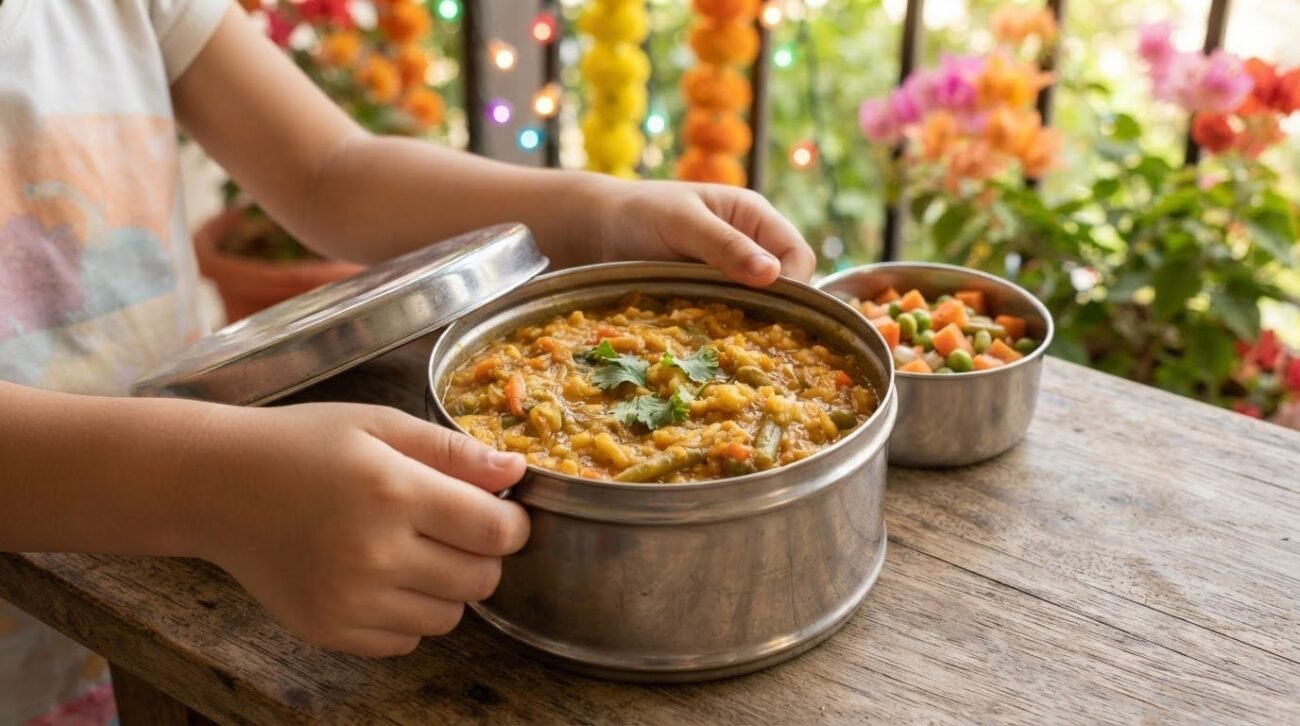
These 5 genius ways to hide vegetables in your child’s tiffin box, including Bisi Bele Bhat, start with familiar flavours and textures. Blend vegetables into rice, dal, khichdi, or other favourite foods, and begin with a small amount of purée so you can adjust the taste.
If getting little ones to try vegetables feels like a daily negotiation, you’re not alone. Familiar flavours and smooth or finely grated textures can make each bite more approachable, while colourful shapes add a little fun to lunchtime.
These five ways to hide vegetables in your child’s tiffin box include Bisi Bele Bhat ideas, playful bites, and soft parathas. You’ll also find practical ways to add vegetables to foods children already enjoy, making lunchbox preparation more creative and manageable.
Key Takeaways
- Blend or finely chop vegetables into familiar foods, starting with a small amount and adjusting the texture to suit your child.
- Pair vegetables with familiar colours and flavours, then try crumb-coated fingers or produce mixed into breakfast favourites.
- Make tiffin more inviting with playful shapes, soft fillings and veggie-rich bites that are easy to hold.
- Find ways to fold vegetables into rice, dal and khichdi while keeping each dish appealing and comfortable to eat.
- Use the three measured recipe ideas and Chef Meghna’s practical tips to make vegetable-packed tiffin easier to prepare.
1. How can I hide vegetables in my child’s meals?
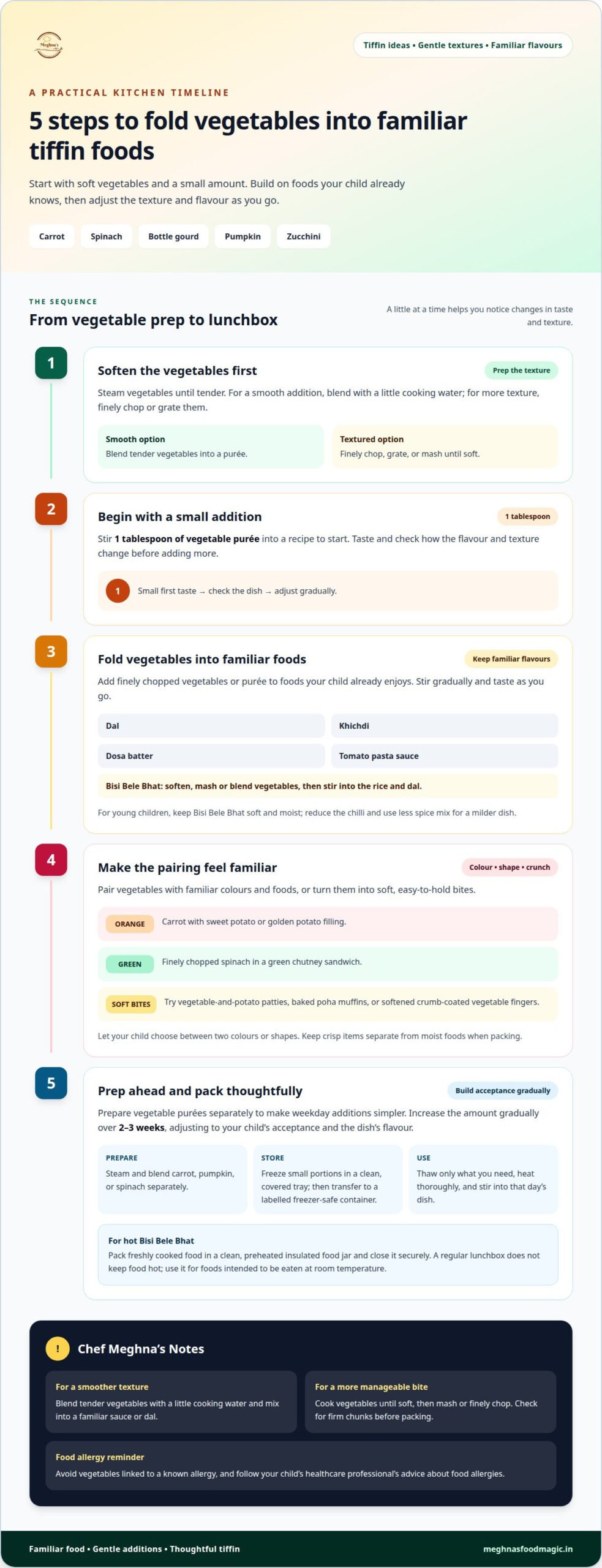
Finely chop carrot, spinach, or bottle gourd, then stir them into familiar foods. For a smoother texture, steam vegetables until tender and blend them with a little cooking water. Fold the purée into dal, khichdi, dosa batter, or tomato pasta sauce. Carrot adds gentle sweetness, while spinach blends easily into a seasoned sauce. Start with 1 tablespoon of vegetable purée in a recipe. This small addition lets you notice how the flavour and texture change.
For Bisi Bele Bhat, grate or cook vegetables until soft, then mash or blend them before stirring them into the rice and dal. Add the purée gradually and taste as you go, so the familiar lentil-and-spice flavour stays balanced. For young children, make the dish milder by reducing the chilli and using less spice mix. Keep the rice soft and moist, rather than serving it in dry, firm pieces.
Introduce one new vegetable at a time, such as carrot in dal, and offer a small taste at home. This makes it easier to notice whether your child tolerates that ingredient. Avoid vegetables linked to a known allergy, and follow your child’s healthcare professional’s advice about food allergies. For tiffin, cook vegetables until soft, then mash or finely chop them. Check for firm chunks that may be difficult for your child to manage.
Batch-preparing purée makes weekday cooking simpler. Steam and blend carrot, pumpkin, or spinach separately, then freeze small portions in a clean, covered tray. Once frozen, transfer portions to a labelled freezer-safe container. Thaw only what you need, heat it thoroughly, and stir it into that day’s sauce, dal, or khichdi. Increase the amount gradually over 2-3 weeks, adjusting to your child’s acceptance and the dish’s flavour.
2. Color-matching vegetables with familiar foods
Colour can make a new ingredient feel more familiar to hesitant eaters. Pair orange carrot with sweet potato or a golden potato filling. Add finely chopped green spinach to a green chutney sandwich, where it blends in with the herbs. Stir red tomato and finely diced capsicum into tomato poha or a mild savoury breakfast. These pairings keep the plate looking harmonious, rather than making one unfamiliar vegetable stand out.
For crisp tiffin finger food, coat carrot sticks, beans, or sweet potato batons in crumbs. First, soften firm vegetables until they’re easy to bite, then pat them dry. Dip them in a little flour slurry, followed by breadcrumbs. Air-fry or pan-toast until the coating is crisp and golden. Pack with a small container of ketchup or thick curd for dipping. The crunchy outside and tender centre offer a pleasing contrast, while manageable pieces are easy to pick up.
Breakfast is another easy opportunity to add produce. Blend spinach into a fruity smoothie with banana and mango; the fruit’s sweetness balances the leafy flavour. For a spoonable option, add finely grated zucchini to savoury upma near the end of cooking. Stir just until tender, so it blends into the soft grains without releasing excess water. A small, colourful side of fruit can make the meal feel bright and complete.
Let your child choose between two colours, such as green spinach in a sandwich or orange carrot alongside poha. That choice adds a little play to the routine without turning nutrition into a contest. If the colour itself is a hurdle, blend cooked vegetables into a smooth dip or sauce that complements the meal. Keep familiar flavours such as tomato, potato, or fruit in the foreground, and let each new pairing build comfort at the table.
3. Making food fun for children
A playful shape can make a familiar food feel new. Mash potato with cooked peas and grated carrot, then shape the mixture into small patties. Let your child choose between round patties and simple squares. Shallow-cook until lightly crisp outside and soft inside. The potato binds the vegetables, while the grated carrot is spread through each bite.
For hot Bisi Bele Bhat, pack the freshly cooked dish in a clean, preheated insulated food jar, then close it securely. A regular lunchbox won’t keep food hot, so use it only for foods intended to be eaten at room temperature.
Turn breakfast ingredients into tiffin-friendly muffins. Mix cooked poha with finely chopped spinach, grated carrot, capsicum, and curd. Spoon the mixture into greased muffin moulds and bake until set. The moulds make neat portions, while the soft texture keeps vegetables from feeling like separate pieces. Cool the muffins before packing, so trapped steam doesn’t soften their surfaces.
Pumpkin adds gentle sweetness and a smooth texture to familiar foods. Mash cooked pumpkin into potato cutlet mixture, or blend it into a thick dip for vegetable fingers. Add grated vegetables to savoury pancakes, mixing them evenly through the batter. This gives each piece a consistent bite and avoids a large surprise in the middle.
Invite your child to help with one simple choice, such as selecting a muffin shape or arranging patties beside a familiar dip. Keep the activity focused on colour, shape, and crunch rather than asking them to finish everything. Small kitchen roles make eating feel participatory. For tiffin, choose pieces that fit comfortably in your child’s hand, and pack moist foods separately from crisp items to preserve their texture.
Include fruit and vegetables in the playful choices, too. Offer your child a choice of which fruit to add beside a familiar snack, or invite them to arrange colourful pieces in a pattern. A simple role can make serving feel like an activity rather than a demand. Keep the options manageable, and let your child decide how to arrange or combine them. The aim is to make fruits and vegetables inviting through colour, shape, and hands-on participation.
You can also present familiar ingredients in different ways: cut fruit into easy-to-hold pieces, pair vegetable sticks with a dip, or arrange both on the plate in a playful design. Let children help with safe, simple tasks, such as choosing what goes together or placing pieces on a serving plate. These ideas keep the focus on enjoying food and taking part, without turning the meal into a test. Making food fun is one way to serve fruits and vegetables to children. Keep the experience relaxed and let curiosity guide the choices.
4. Vegetable-boosted lunchtime favourites
For a soft roti wrap, spread mashed potato mixed with peas, corn, and finely chopped carrot. Add paneer or a thin layer of hung curd, then roll and slice into pinwheels. The spread holds the filling together, while small vegetable pieces are distributed through each bite. If your child prefers smooth textures, cook carrot or pumpkin until tender, blend it, and mix a little into the spread. Keep the filling thick so the roti stays easy to hold.
To keep Bisi Bele Bhat moist and tasty until lunchtime, cook the rice and dal until soft, then make the mixture slightly looser than your preferred serving consistency. Stir in a splash of hot water before packing if it thickens as it rests. A tightly sealed food jar helps retain moisture and warmth.
Other Indian lunchbox favourites can also carry finely chopped or soft-cooked vegetables. Mix grated carrot and spinach into besan chilla batter, or fold soft-cooked vegetables into mini uthappams. For vegetable poha, add peas and finely diced capsicum near the end. This keeps the poha fluffy and prevents the vegetables from becoming mushy. Cut chilla into strips or uthappams into manageable wedges.
Texture matters as much as flavour. Cook firm vegetables, such as cauliflower or beans, until they yield easily when pressed with a fork. Finely chop them for paratha stuffing, or blend them into a smooth sauce for pasta. If a filling feels wet, briefly cook it in a pan to evaporate excess moisture before assembling the roti. Keep chutney or curd in a separate small container so the wrap doesn’t become soggy. These small adjustments help you adapt familiar favourites to your child’s preferred texture.
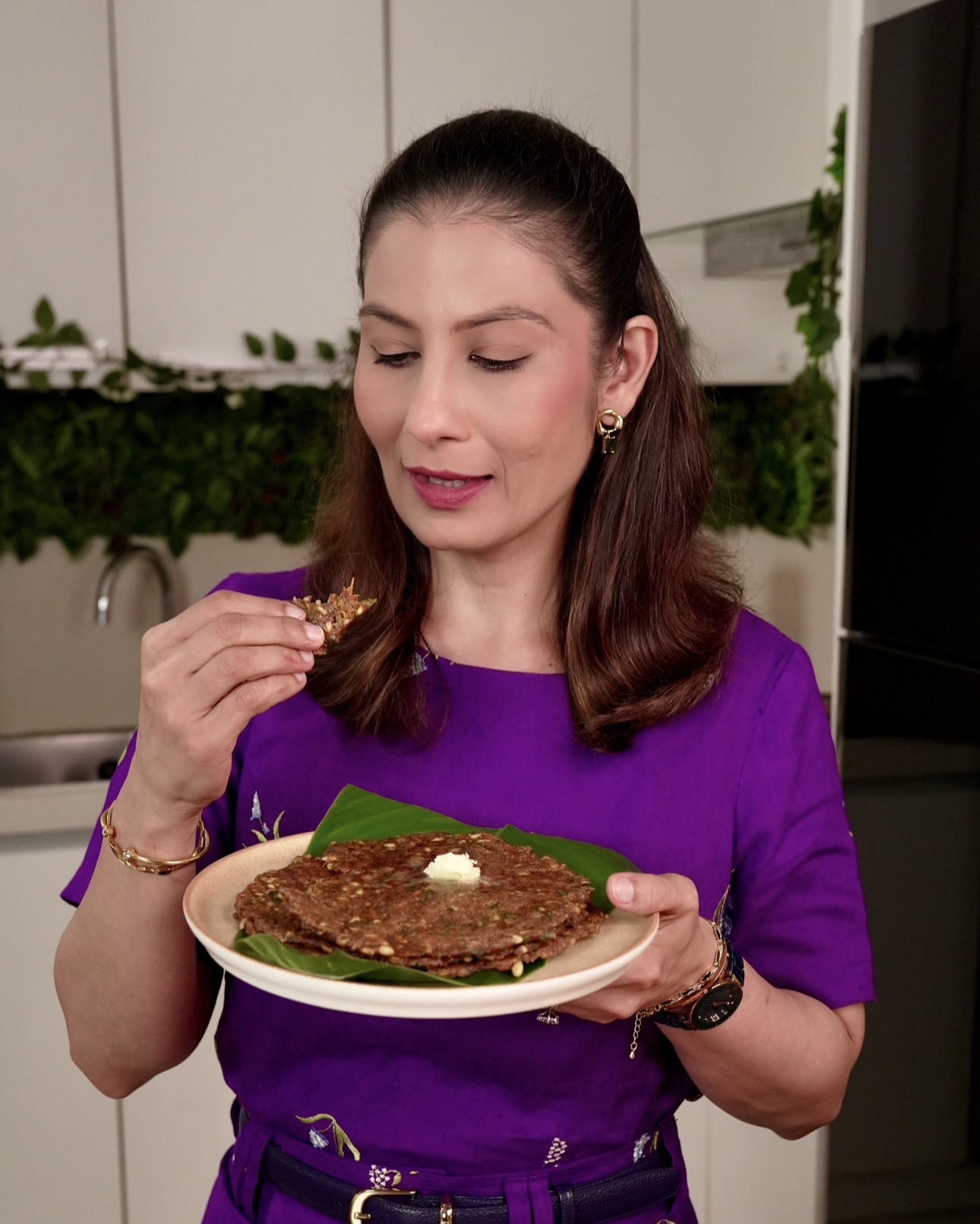
Parathas offer another familiar way to serve the same vegetable combination: fill them with mashed potato mixed with peas, corn, and carrots for your child’s tiffin. Once prepared, cut stuffed parathas into triangles or squares and wrap them in foil. The filling sits inside a well-known lunchbox favourite, while the cut shape makes portions easy to manage. Butternut squash can also bring a creamy texture to the meal and is a source of vitamin A. Its smooth texture works well alongside chopped vegetables when planning different textures across the week. Keep the ingredients familiar, and vary how they’re combined or presented to offer a little choice without changing the overall lunchbox routine.
For another compact option, make vegetable poha muffins with poha, finely chopped spinach, carrot, capsicum, and curd, then bake the mixture in muffin moulds. This brings several vegetables together in one dish rather than serving them as separate sides. Sweet potato cutlets are another possibility: combine mashed sweet potato with oats flour and grated carrot or zucchini, shape the mixture into patties, and shallow-fry them. Vegetable pancakes round out the options, served with a small container of curd or cheese dip. These alternatives put familiar ingredients in different forms, from a foil-wrapped paratha to a baked muffin or patty. Choose according to your child’s preferences, keeping the vegetables and accompaniments simple and recognisable.
5. Vegetables in rice, dal, and khichdi
Soft-cooked vegetables blend naturally into rice, dal, and khichdi. Steam cauliflower until tender, then mash it into the cooked rice and lentils. Grated sweet potato softens as khichdi simmers, adding gentle sweetness. For picky eaters, blend vegetables with a little cooking liquid before stirring them in. The smooth texture helps the vegetables feel like part of the dish, not separate pieces.
To make vegetable-rich Bisi Bele Bhat, cook rice, toor dal, and mild vegetables until soft. Carrot, pumpkin, and cauliflower pair well with its comforting, savoury flavours. Mash or blend some vegetables, then stir them through the rice and dal. Keep the spice level mild, and mix thoroughly so every spoonful has an even texture. A little grated cheese can soften the overall flavour, while a thin spread of curd can accompany a portion.
For a change from rice, cook broken wheat until tender, then combine it with vegetables and moong dal. To vary the lentils, use moong dal instead of toor dal, and cook until soft so it blends smoothly. These swaps create a porridge-like base that works well with mashed cauliflower or sweet potato. Keep the grains soft and moist for your child’s tiffin.
Choose vegetables with mild flavours and soft textures, such as carrot, pumpkin, cauliflower, and sweet potato. Cook them fully before mashing or blending, and add them gradually while tasting. If using cheese, stir a little into the warm dish so it melts evenly; a thin curd spread can add a cooling contrast. Pack the finished food in a snug container to help prevent spills and preserve its moist texture.
Three Vegetable-Packed Tiffin Recipes
These three recipes tuck vegetables into familiar Indian favourites. Each makes a compact tiffin portion, with soft textures and straightforward preparation.
1. Mild Vegetable Bisi Bele Bath
Ingredients: ½ cup rice, ¼ cup toor dal, ½ cup finely chopped carrot and cauliflower, 2 tablespoons peas, ½ teaspoon mild Bisi Bele Bath masala, 1 teaspoon ghee, and 2 cups water.
Method: Rinse rice and dal. Pressure-cook with vegetables and water until everything is soft. Mash a few cauliflower pieces into the rice-dal mixture for a smoother texture. Stir in masala and ghee, then cook until creamy. Cool before packing.
2. Spinach and Carrot Chilla
Ingredients: ½ cup besan, ¼ cup water, 2 tablespoons finely chopped spinach, 2 tablespoons grated carrot, and 1 teaspoon oil.
Method: Whisk besan and water into a smooth batter. Fold in spinach and carrot. Pour small rounds onto a lightly oiled, warm pan. Cook both sides until set. Cool, then cut into strips for tiffin.
3. Vegetable Poha Muffins
Ingredients: 1 cup poha, ¼ cup curd, 2 tablespoons grated carrot, 2 tablespoons finely chopped spinach, 2 tablespoons diced capsicum, and 1 teaspoon oil.
Method: Rinse poha briefly and drain. Mix with curd and vegetables, then leave until softened. Spoon into greased muffin moulds and bake until firm. Cool completely before packing so steam doesn’t soften the edges. For all three recipes, adjust the size of the vegetables to suit your child’s preferred texture.
Chef Meghna’s Notes
Texture starts with how you prepare each vegetable. Finely grate carrot for chilla or paratha filling, but briefly cook watery zucchini first. This releases moisture before it softens the batter. If a purée seems thin, simmer it in a small pan until thicker. A concentrated purée blends into rice or dal without making the dish soggy.
Substitutions work best when the replacement behaves similarly. Use pumpkin instead of sweet potato for a soft, gently sweet mash. Swap peas for finely chopped beans in a savoury filling, cooking them until tender. If spinach is unavailable, try cooked, finely chopped amaranth leaves. Add replacements gradually, tasting as you go, because their moisture and flavour can change the final result.
For Bisi Bele Bhat, add vegetables according to how long they take to cook. Add firm carrot or cauliflower early, and stir in tender spinach near the end. If the dish becomes too thick, loosen it with a splash of hot water and mix thoroughly. If it tastes bland after adding vegetables, adjust the seasoning gradually rather than adding extra spice all at once.
For tiffin, match the container to the food. Pack soft rice dishes in a snug, leak-resistant container, and keep wet chutney or curd dip separate. Let crisp vegetable fingers cool before closing their box to help prevent trapped steam from softening the coating. Cut rolls into easy-to-hold pieces, and press filling away from the edges before wrapping. Cool muffins or chilla before packing so their surfaces stay pleasant. A small trial portion at home helps you adjust seasoning, softness, and portion size to your child’s preferences.
Meghna’s Food Magic: Recipes with lots of vegetables
Meghna’s Food Magic helps turn these ideas into a practical tiffin routine with vegetable-rich recipes and kids’ tiffin recipe ideas. Its free digital recipe database gives home cooks a place to explore dishes for everyday meals, including familiar ways to work vegetables into food children already enjoy. Choose ideas that suit your child’s preferred flavours and textures, then adapt the vegetables to match what’s available in your kitchen.
For lunchbox inspiration, browse vegetable-rich recipe ideas and look for dishes that travel well, such as chillas, soft rolls, or rice-based meals. The tiffin recipe collection offers more ideas for planning familiar lunchbox favourites. Select a recipe that fits your schedule, then note which texture your child enjoys. That makes it easier to vary ingredients without changing the whole meal.
If you’re planning meals with protein as well as vegetables, the recipe database includes high-protein recipes. Explore combinations with ingredients such as dal, paneer, or besan. Keep the lunchbox centred on foods your child accepts, and make a new vegetable part of a familiar recipe rather than the only feature on the plate.
Explore the recipe collection for fresh weekday tiffin ideas or a different way to serve vegetables. Start with a recipe that suits your available ingredients, then adjust the vegetable cut or consistency to your family’s preferences. Small, repeatable changes can make planning more manageable without turning lunch into a separate cooking project.
Contact Meghna’s Food Magic to get in touch.
Frequently Asked Questions
How can I hide vegetables in my child’s meals?
Choose a food your child already enjoys, then match the vegetable’s flavour and texture to it. For example, mix mashed pumpkin into a mild potato filling, or blend cooked carrot into a smooth soup served with familiar toast. Keep the portion modest and the seasoning familiar. You can also offer a small visible piece alongside the dish, so your child encounters the vegetable in more than one way.
Why Hide Veggies?
Adding vegetables to familiar dishes can make them easier to include in meals when a child avoids their usual texture or appearance. It can also help you vary everyday favourites, such as rice, dal, or sandwich fillings, instead of relying on a separate vegetable side. Hiding vegetables doesn’t need to replace offering them openly. Both approaches can fit naturally into family meals and give children opportunities to get comfortable with different foods.
Disclaimer
This is a recipe food blog page and not nutrition or doctor and hence do not claim to cure any illness. If you have specific health issues please consult a qualified doctor or certified nutritionist.
I do consult experts, research Internet and at times seek help from Gemini to collect relevant information to put together some of these blogs.

