
Nutritious On-the-Go Shift Meals: Quick, Healthy Ideas
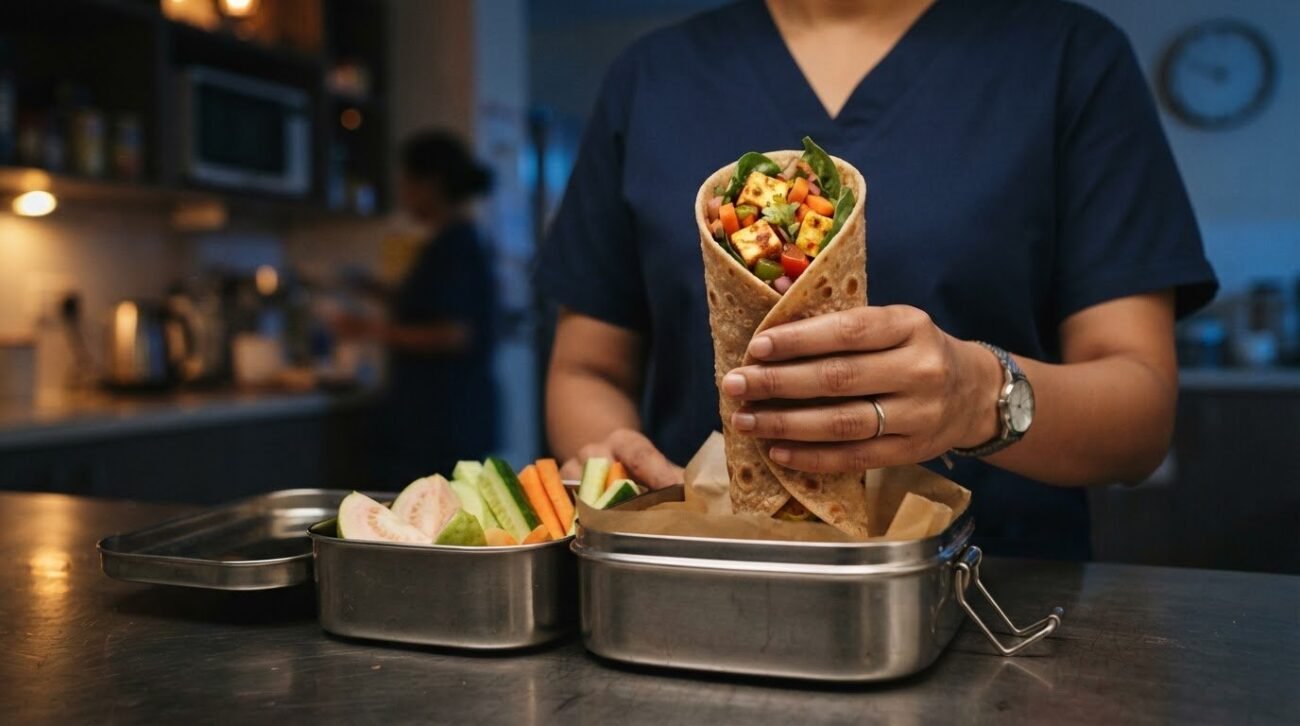
A nourishing night-shift meal doesn’t need a microwave or a long break. For nutritious options they can eat on the go between shifts, build around protein, fibre-rich foods and complex carbohydrates, with portable fruit or prepared vegetables for quick bites. A balanced, filling meal one to two hours before work can help set you up for the shift.
It’s easier to feel prepared when food is satisfying, simple to pack and full of flavour. This guide covers what to eat during a night shift, how to plan meals and snacks, and ways to manage cravings without relying on sugary or fried food. You’ll also find quick ways to prepare fruit and vegetables, so a busy schedule doesn’t put fresh, colourful choices out of reach.
Key Takeaways
- Build satisfying shift meals by pairing protein with nourishing carbohydrates and fats, and prepare portions ahead for easier breaks.
- Use a flexible night-shift eating schedule to plan meals and snacks around work and sleep.
- Make cravings easier to manage with portable snacks that combine fruit or vegetables with filling ingredients.
- Prepare produce in convenient, packable ways so fresh choices are ready when time is short.
- Explore vegetarian recipes and practical chef tips for packing meals that stay enjoyable between shifts.
Ask a Nutritionist: What Should I Eat on My Night Shift?
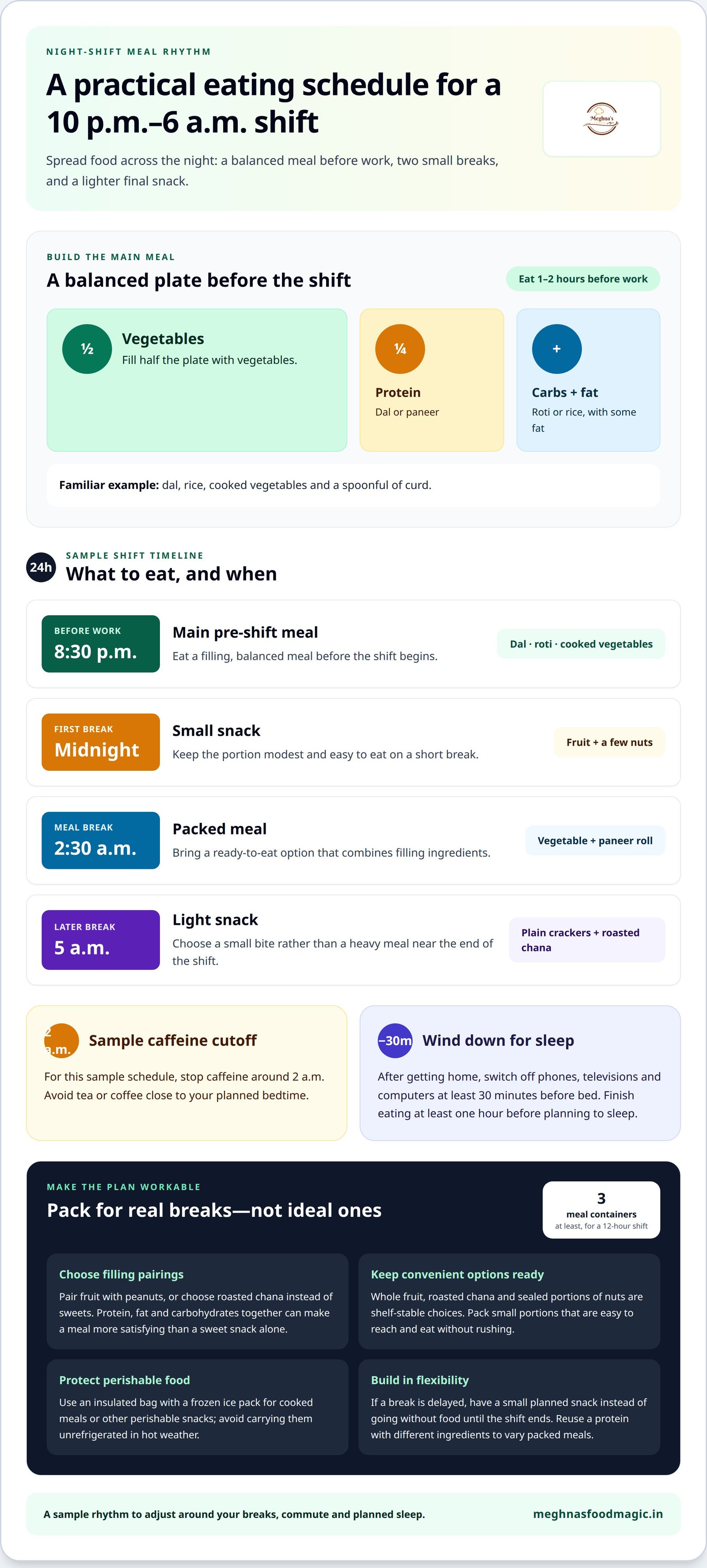
Plan meals around your shift, not conventional breakfast and dinner hours. Eat a balanced, filling meal one to two hours before work, then pack smaller portions for breaks. A practical plate has ½ vegetables and ¼ protein, with carbohydrates and some fat completing the meal. Dal, rice, cooked vegetables and a spoonful of curd make a familiar example.
Protein, fat and carbohydrates each bring something useful: dal or paneer adds protein, nuts or seeds provide fat, and roti or rice supplies carbohydrates. Combining them makes a meal more satisfying than eating a sweet snack alone. For a 12-hour shift, prepare at least 3 meal containers ahead, varying vegetables or grains while reusing a protein such as chana.
Portable Indian high-protein choices include roasted chana, peanuts and dry-roasted soy snacks. These ready-to-eat options, along with whole fruit, are widely available. Costs vary by brand, pack size and local market, so compare the price per serving. For a more filling snack without excess sugar, pair an apple or banana with peanuts, or choose roasted chana instead of sweets.
Without a fridge or microwave, choose shelf-stable foods such as whole fruit, roasted chana and sealed portions of nuts. For cooked meals or other perishable snacks, use an insulated bag with a frozen ice pack; avoid carrying them unrefrigerated in hot weather. Wash produce before packing, keep it separate from raw ingredients, and use clean, sealed containers. Water and low-sugar drinks are practical companions throughout the shift.
The dietitian recommends three balanced meals in each 24-hour period, or two lighter meals with healthy snacks between them. For meal prep, the balanced-plate guide assigns ½ of the plate to vegetables and ¼ to lean protein.
Finish eating at least one hour before planning to sleep after a shift. Reuse the same protein with different ingredients to add variety to packed meals without making preparation complicated.
Example Meal Schedule for a Night Shift
For a 10 p.m. to 6 a.m. shift, use this sample rhythm as a starting point. It spreads eating across the night instead of relying on one large meal during work. Adjust the clock times to fit your commute, break access and planned sleep.
- 8:30 p.m.: Eat your main pre-shift meal, such as dal, roti and cooked vegetables.
- Midnight: Have a small snack, such as fruit with a few nuts.
- 2:30 a.m.: Eat a packed meal, such as a vegetable and paneer roll.
- 5 a.m.: Choose a light snack, such as plain crackers with roasted chana.
Keep late-night portions modest. A small snack can ease hunger and sleepiness, while a heavy meal may feel uncomfortable during work. If your breaks are unpredictable, pack nutritious options to eat on the go between shifts in small portions that are easy to reach and eat without rushing.
Protect your sleep after the shift with a repeatable routine. For the sample schedule, stop caffeine around 2 a.m.; avoid tea or coffee close to your planned bedtime. After getting home, dim the room and switch off phones, televisions and computers at least 30 minutes before bed. A cool, dark, quiet bedroom can support rest, while keeping a consistent sleep and wake schedule helps create a steadier routine.
Cravings can feel sharper when a break is delayed, so pack a planned snack before leaving home. Choose nutritious options to eat on the go between shifts, such as fruit with nuts or crackers alongside a filling, protein-rich bite. Sip water during the shift and keep your next snack accessible in your bag. If hunger returns, have a small portion instead of going without food until the shift ends.
Avoiding Sugary, Fried, and Processed Foods
At a night-shift break, crisps, sweet biscuits and fried samosas are easy to grab. Keep a more satisfying alternative ready: roasted chana with a small portion of dried fruit, or plain crackers with peanut butter. Pairing a carbohydrate-rich snack with protein or fat can make it more filling than a sugary snack alone. Pack portions before leaving home, so a rushed break doesn’t decide the menu.
Make simple swaps rather than banning favourite foods. Replace a fizzy sweet drink with water or an unsweetened drink; trade a cream-filled biscuit for a banana and a few nuts. For something crunchy, choose roasted makhana or roasted chana instead of deep-fried namkeen. A small container of cucumber and carrot sticks with hummus adds crunch and makes vegetables easy to reach during a short break.
Read packaged-food labels while shopping. Compare similar snacks and choose one with less added sugar and a shorter ingredient list when that suits your needs. Keep sweets to a separate, occasional portion rather than carrying a large packet. For a quick homemade option, mix peanuts, roasted chana and a few raisins. The nuts and chana balance the dried fruit’s sweetness.
Timing matters, too. After a night shift, choose a simple breakfast such as vegetable poha with peanuts, or curd with fruit and oats, instead of fried, spicy or heavily processed foods. If oily food feels uncomfortable near bedtime, keep your last meal lighter and less rich. Small changes to what you pack, such as swapping one packet snack for fruit and nuts, can make your shift bag more nourishing without elaborate cooking.
Managing Appetite and Cravings
Before packing, distinguish physical hunger from a craving for a particular taste. If you’re hungry, choose a filling snack; if you want something sweet, pair fruit with a little nut butter. For example, spread peanut butter on ½ a banana. Protein and fat alongside the fruit can make this more satisfying than eating a sweet on its own.
Pack choices with different textures and flavours. Try overnight oats for a creamy, cool snack, or vegetable sticks with hummus and wholemeal pitta for crunch. A small container with ½ an avocado, salt and pepper offers a savoury option. Having snacks ready means a delayed break doesn’t leave you choosing only whatever is easiest to buy.
Plan for cravings before your shift: pack one sweet-tasting snack, one savoury snack and water. Try apple slices with nut butter when you want something sweet, or a measured mix of nuts and dried fruit for a chewy, crunchy combination. If you reach for a high-carbohydrate snack, pair it with protein or fat, such as crackers with hummus, rather than eating it alone.
Make each snack easy to eat during a short break. Portion oats into a sealed container, pack pitta separately from hummus to preserve its texture, and carry an avocado whole if you can cut it at work. If a craving returns soon after eating, pause for water and consider whether your next planned meal is close. Don’t let cravings become a reason to skip that meal; a balanced routine can include enjoyable foods without making them the only choice.
Quick-Prep Fruits and Vegetables
Get produce ready for your shift with a short kitchen routine. Rinse apples, guavas, grapes and cucumbers under clean running water, then dry them before packing. Keep apples and guavas whole when possible; they travel neatly and need no cutting. For a quick savoury bite, slice cucumber and carrot into sticks and pack them in a sealed container.
Cut vegetables evenly so they’re easy to eat between tasks. Pair carrot or cucumber sticks with a small container of hummus, or add sliced capsicum to a wholemeal roll. Keep dips separate until you eat to preserve the vegetables’ crisp texture. For a fruit snack, pack orange segments or a whole banana, then add a small portion of peanuts or seeds. These nutritious options are easy to eat on the go between shifts, with little preparation needed during a break.
Healthy vegetarian and vegan options on the go in India include whole bananas, guavas and oranges, as well as carrot sticks, roasted chana and peanuts. For a vegetarian snack, pack curd with fruit; for a vegan alternative, choose hummus with vegetable sticks.
Use one preparation session to make several combinations. Wash and dry produce, cut firm vegetables, then portion them into clean, sealed containers. Leave soft fruit such as bananas whole, since cut surfaces can bruise in a bag. Add lemon juice to cut apples if you want to slow browning, and store the slices in a tightly closed container. Preparing these nutritious options for eating on the go between shifts makes healthy choices simpler when breaks are brief.
Keep cut produce away from raw ingredients and pack it in a clean lunch bag. In hot weather, avoid leaving cut fruit, curd or hummus unrefrigerated for a long time. Choose whole fruit or roasted chana when cooling isn’t available. This gives you fresh choices for breaks and sturdier snacks for the commute.
Nutritious Night-Shift Recipes to Pack
These three vegetarian recipes bring variety to a shift bag: a soft chilla, a hearty wrap and a crunchy snack. Each makes one portable serving. Pack cooked foods in a clean, sealed container and keep perishable ingredients chilled until you leave.
Moong Chilla Roll
Ingredients: 50 g split yellow moong dal, soaked; 30 ml water; ¼ teaspoon cumin; ⅛ teaspoon salt; 1 teaspoon oil; 30 g grated carrot; 15 g coriander chutney.
Method: Blend drained dal, water, cumin and salt into a smooth batter. Stir in carrot. Cook as a thin pancake in an oiled pan until golden on both sides. Spread with chutney, roll tightly and wrap for easy eating.
Paneer Vegetable Roti Wrap
Ingredients: 1 whole-wheat roti; 75 g crumbled paneer; 30 g sliced capsicum; 20 g grated carrot; 1 teaspoon oil; ¼ teaspoon cumin; ⅛ teaspoon salt.
Method: Heat oil and cumin in a pan. Add capsicum and carrot; cook until just tender. Stir in paneer and salt, then warm through. Spoon onto the roti, fold in the sides and roll firmly. Let it cool before wrapping to limit trapped steam.
Roasted Chana and Peanut Mix
Ingredients: 30 g roasted chana; 15 g roasted peanuts; 10 g raisins; ¼ teaspoon roasted cumin powder; a pinch of salt.
Method: Toss everything together and portion into a dry, airtight container. The crunchy mix travels well and needs no reheating.
For a different flavour, swap coriander chutney for mint chutney, or add finely chopped spinach to the chilla batter. Keep wet chutneys separate if the wrap will be packed for a while, so the roti stays firm rather than turning soggy.
Chef Meghna’s Notes
A packed meal needs to retain its flavour and texture during travel, not just have balanced ingredients. Keep juicy fillings and sauces separate until your break. For the paneer roti wrap, cook capsicum until its moisture has evaporated, then let the filling cool before rolling. A dry filling helps the roti stay supple instead of turning soggy.
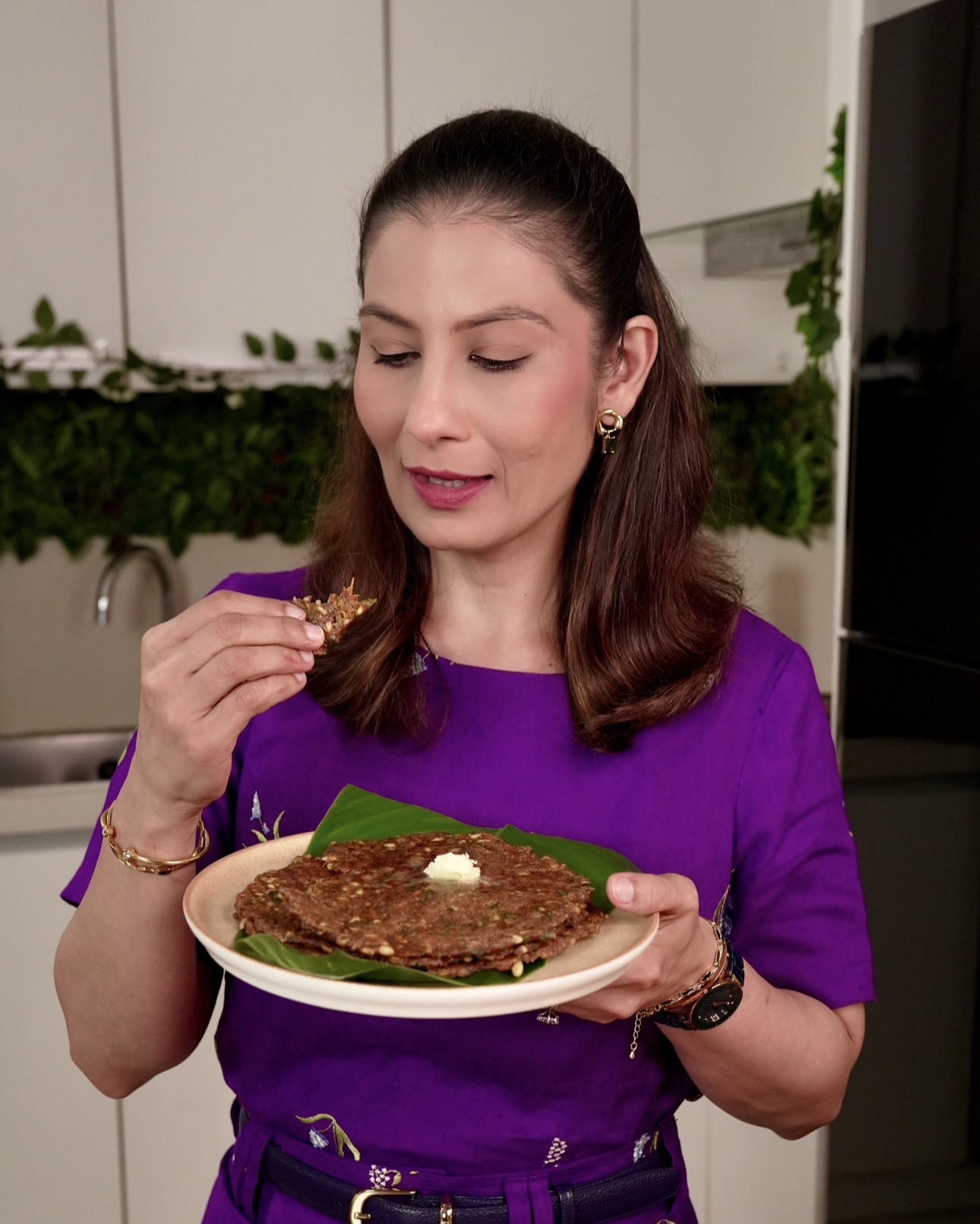
If moong chilla batter spreads unevenly, gradually add water until it pours but still coats a spoon. Batter that’s too thin can tear; blend in a little besan to thicken it. Cook the chilla until its surface looks set before turning, since flipping too early can break the soft pancake. A lightly oiled pan helps it release cleanly.
Make easy swaps with what’s in your kitchen. Replace paneer with firm tofu, or use mashed cooked chickpeas for a different vegetarian filling. If coriander chutney tastes too sharp, stir in plain yoghurt for a milder spread; choose a plant-based alternative for a vegan wrap. Grated cabbage or finely chopped spinach can replace capsicum, but cook watery vegetables until tender and dry.
For the roasted chana mix, keep raisins separate if you want the crunch to stand out. If the chana tastes flat, add roasted cumin or a pinch of black pepper, then toss while the ingredients are dry. Avoid adding fresh lemon juice to a snack mix, as moisture softens its crisp texture. Use lemon in a wrap or chilla instead, where its brightness can lift the cooked filling.
Pack each meal for the way you’ll eat it. Wrap a chilla tightly in parchment, put chutney in a small sealed container, and keep crunchy snacks in a dry pouch. These small adjustments preserve texture and make a homemade shift meal easier to enjoy during a short break.
Meghna’s Food Magic
Meghna’s Food Magic can help you turn shift-meal ideas into a varied home-cooking routine. Its Free Digital Recipe Database brings together recipes to explore for inspiration for packed meals, quick snacks and fresh produce. Choose dishes that suit your break schedule, kitchen time and preferred flavours, then adapt ingredients to what you have available.
For more filling vegetarian choices, explore the High Protein Recipes and Vegetarian High Protein Recipes. Ideas featuring paneer can add variety to a meal rotation, while ingredients such as moong, beans and lentils offer other ways to build satisfying dishes. Pair recipes with roti, rice or vegetables, and keep sauces separate when you want wraps to hold their texture. Browse paneer recipe ideas for more inspiration.
The Millets Recipes collection can add variety when you want to explore grains beyond your usual roti or rice. Choose a grain to suit the dish: a softer texture may work well in one preparation, while a firmer grain can suit a salad or savoury snack. The Weight Loss Fitness Recipes collection offers another source of meal inspiration, without suggesting that one dish suits every shift or appetite.
Use these collections as a starting point, not a rigid timetable. A recipe that works for one shift might need a different portion, filling or side on another. Keep useful elements, such as a make-ahead component or an easy vegetable combination, and adjust flavours to suit your preferences. This flexibility can help you build a rotation of home-prepared food rather than relying on the same snack every night.
If you have a question about the recipes, contact Meghna’s Food Magic.
Frequently Asked Questions
Still looking for snack ideas?
Try a small snack with contrasting textures, such as a pear with a few almonds or cucumber rounds with a compact portion of hummus. For a savoury craving, season roasted makhana with pepper and a little turmeric. Keep a backup snack in a separate pouch, so a missed break doesn’t leave you without a practical choice. Rotate flavours, such as lemon-pepper one day and cumin the next, to keep familiar ingredients appealing.
What are nutritious portable snacks for eating between work shifts?
Portable choices include whole fruit, roasted chana, peanuts, and a homemade mix of nuts with a few pieces of dried fruit. For a more substantial option, carry a besan chilla or a firm vegetable sandwich wrapped securely. Choose snacks that are easy to eat without cutlery, especially if your break is brief. Combining fruit or a grain-based bite with nuts, chana or another protein-rich ingredient adds variety and can make a snack more satisfying.
What filling, balanced meals can shift workers pack without refrigeration?
For food that must travel without cooling, build a meal from shelf-stable components and whole fruit. Pack wholegrain khakhra with a sealed portion of roasted chana, plus a banana or orange. These provide carbohydrates, protein and fibre without relying on a perishable filling. Avoid carrying cooked rice, paneer, curd or cut produce unrefrigerated for a prolonged period, particularly in hot weather. Keep food dry and containers clean and tightly closed.
How much protein, fiber, and calories should a between-shift snack provide?
There isn’t one snack target that suits every worker. Appetite, the time between meals, activity during the shift and the size of the main meal all affect what feels satisfying. Rather than chasing a calorie figure, combine a protein source such as roasted chana with a fibre-rich choice like fruit. For a snack that may keep you satisfied longer, add a small portion of nuts and notice whether it carries you comfortably to your next meal.
What are quick meal-prep steps for portable shift-work meals?
Start with a meal that holds its shape, such as chilla, a dry vegetable filling or a grain-based salad. Cook the components, let steam escape, and portion them into clean containers. Pack dips and juicy ingredients separately to preserve texture. Add a whole fruit and a dry snack, such as roasted chana, as backups. Refrigerate perishable food until departure, and use an insulated bag with a cold pack when available.
Disclaimer
This is a recipe food blog page and not nutrition or doctor and hence do not claim to cure any illness. If you have specific health issues please consult a qualified doctor or certified nutritionist.
I do consult experts, research Internet and at times seek help from Gemini to collect relevant information to put together some of these blogs.

