
Useful Kitchen Tips for Beginners: Easy Cooking Guide
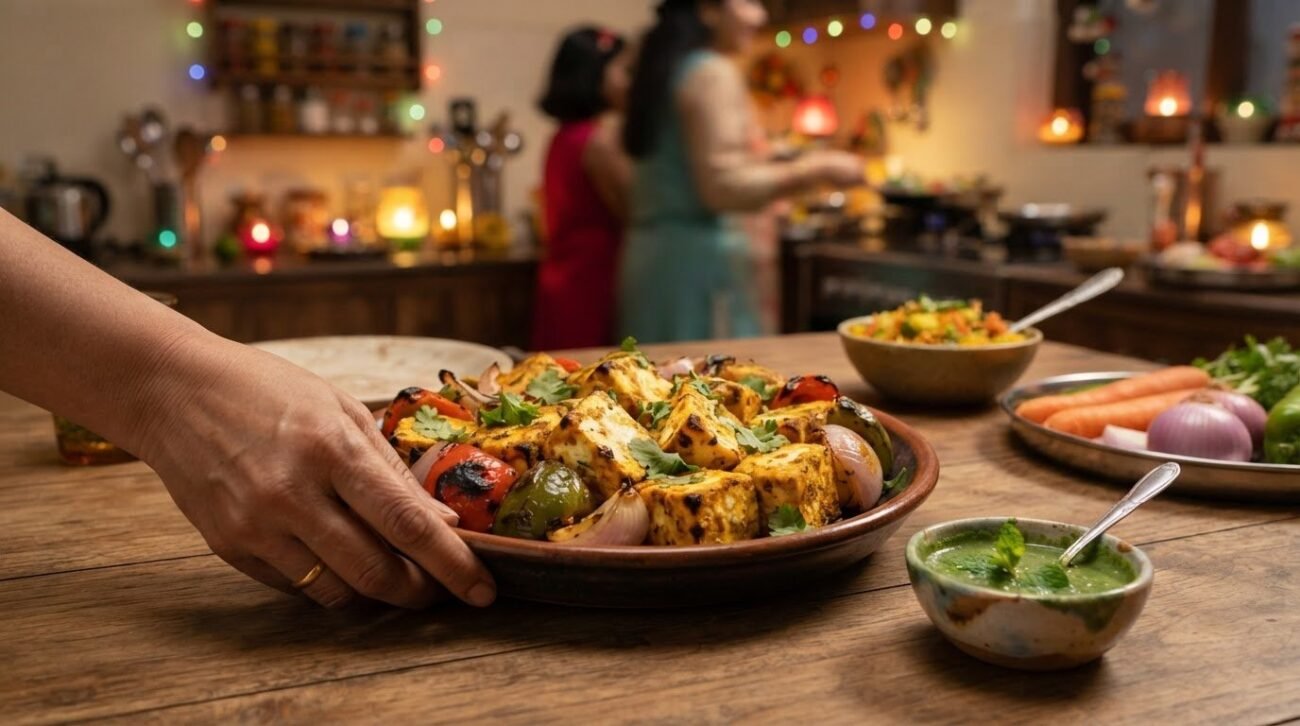
A memorable meal for guests doesn’t need a brand-new recipe. Useful kitchen tips for new cooks start with a simple strategy: practise the dishes you plan to serve and make the cooking manageable before anyone arrives.
It’s natural to want to impress guests with something special, but unfamiliar recipes can bring surprises with timing and texture. Familiar favourites leave you more time to enjoy your company, while a small change in seasoning or presentation can still make the meal feel celebratory.
This guide shares practical tips for planning meals, preparing ingredients safely, keeping produce fresh and cooking with confidence. Reading a recipe all the way through, setting out ingredients before you start and tasting as you cook can make a real difference.
Whether you’re making an everyday meal or hosting guests, the aim is simple: less last-minute stress, more flavour and the confidence to try something new when you’re ready.
Key Takeaways
- Choose stirring and flipping tools that suit the pan, and keep frequently used utensils within easy reach.
- Cool baking sheets on a wire rack and place a damp cloth beneath a chopping board to help keep it steady.
- Make thoughtful ingredient substitutions by considering how each ingredient affects flavour, moisture and texture.
- Prep salad ingredients ahead, but keep the dressing separate until serving; simple garlic-peeling techniques can speed up prep.
- Build confidence with guest-friendly vegetarian recipes and use Chef Meghna’s practical tips to troubleshoot common cooking snags.
1. What are some tips for meal prep and planning?
Useful kitchen tips for new cooks start with a plan. Read each recipe from beginning to end, then group ingredients by dish. Use produce already in your kitchen first and note what needs using soon. Wash and cut vegetables for the next meal, but store them separately to preserve their textures. Freeze prepared ingredients in airtight containers and label them clearly. Keep a brief note of changes to ingredient amounts or cooking times so you can repeat a dish you enjoyed.
Set out utensils before heating the pan: use a wooden spoon to stir sauces, a flat spatula to turn vegetables, and tongs to lift or rotate hot food. Choose tools suited to your pan so you can stir without scratching its surface. Heat the pan before adding oil to help prevent sticking. For paneer, a pinch of cornflour in the marinade can help the pieces release more easily. Let food develop colour before turning it; moving it too soon can tear the surface.
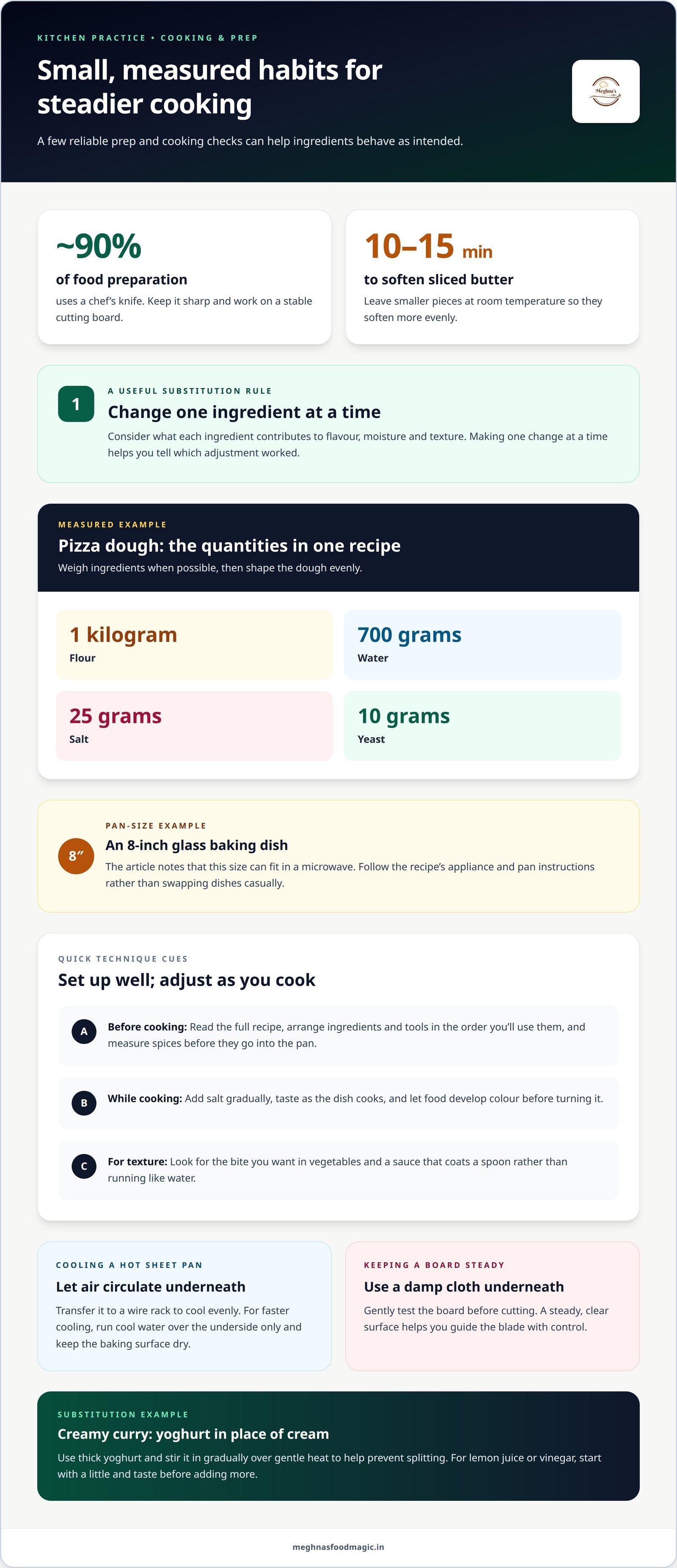
A chef’s knife is used for about 90% of food preparation, so keep it sharp and use a stable cutting board. Place a damp cloth beneath the board to reduce slipping, and keep fingertips curled while cutting. Clean the sink, counter and utensils before prep; use separate boards for different ingredients and wash them between tasks. Cool hot food in a shallow dish to help it cool more evenly.
One of the most useful kitchen tips for new cooks is to use moderate heat for delicate foods and stay near the stove to stir sauces regularly. Avoid oversalting by adding salt gradually, tasting as the dish cooks and adjusting before serving. Texture is another helpful cue: vegetables should have the bite you want, while a sauce should coat a spoon rather than run like water. These simple checks help protect flavour and make cooking more predictable.
2. Cooling baking sheets and stabilising chopping boards
After baking cookies or roasting vegetables, transfer the hot sheet pan to a wire rack. Air circulating underneath helps it cool evenly; setting it on a flat counter can trap heat. To cool it faster, run cool water over the underside only, keeping the baking surface dry. A wet top can affect the next batch’s texture or make parchment stick. Let the pan cool before adding fresh dough, or the butter may soften before baking begins.
For safer cutting, place a damp cloth beneath the cutting board to keep it steady as you chop. Gently test the board before using a sharp knife. A shifting board makes slicing vegetables or cheese awkward, while a stable surface lets you guide the blade with control. Keep the board flat and clear, then transfer chopped ingredients to separate dishes before preparing the next part of dinner.
Measure baking ingredients carefully because small differences can change moisture, rise and texture. A kitchen scale lets you weigh flour directly into a bowl, avoiding uneven amounts from scooping. If a recipe gives cup measures, follow its method for filling and levelling the cup. Baking is less forgiving than seasoning soup, so don’t add flour just because dough feels sticky. First check whether the recipe calls for resting or chilling.
Use the pan size named in the recipe, since a deeper dish changes how heat reaches the centre. An 8-inch glass baking dish can fit in a microwave, while a sheet pan gives dough or vegetables more exposed surface for browning. Follow the recipe’s appliance and pan instructions rather than swapping dishes casually. For pizza dough, weigh ingredients when possible: one example uses 1 kilogram of flour, 700 grams of water, 25 grams of salt and 10 grams of yeast. Shape it evenly for a balanced crust.
3. What are kitchen hacks for cooking?
Useful kitchen tips for new cooks begin before the stove is on. Read the full recipe and ingredient list, then note what needs chopping, draining or softening. Arrange ingredients and tools in the order you’ll use them; this prevents rushed searching while a pan heats. Measure spices into a small bowl before adding them, since spices can scorch and turn bitter. Store pantry staples in clean, airtight containers away from direct sunlight to help preserve their flavour.
When substituting ingredients, consider the role each one plays. In a creamy curry, thick yoghurt can replace cream, but stir it in gradually over gentle heat to help prevent splitting. Lemon juice or vinegar can add acidity; start with a little and taste before adding more. Flour swaps need extra care because different flours absorb liquid differently and change dough texture. Change one ingredient at a time so you can tell which adjustment worked.
For easy, low-cost Indian meals, try poha with onions and peas, vegetable upma, or moong dal khichdi. These familiar dishes can use seasonal vegetables and pantry staples, making them practical options for everyday cooking.
Store dry grains and spices in clean, airtight containers, and cover cooked food before refrigerating it. Keep raw ingredients separate from ready-to-eat food, and use clean containers for leftovers. For softened butter, cut it into slices and leave it at room temperature for 10-15 minutes; smaller pieces soften more evenly. If a recipe needs chilled butter, keep it cold because softness changes how dough mixes and bakes. These useful kitchen tips for new cooks help ingredients behave as intended, making simple meals delicious without unnecessary adjustments.
4. Fresh produce preparation and storage
Inspect tomatoes, cucumbers and greens before washing, and set bruised pieces aside to cook soon. Rinse produce under clean running water, then dry leafy vegetables well so excess moisture doesn’t soften them in storage. Keep produce whole until needed where possible, as cut surfaces dry out faster. Prep only the seasonal vegetables you can use soon, or freeze suitable portions for later meals.
For garlic, cut off the tips and microwave the cloves for 20-30 seconds to loosen their skins. Let them cool enough to handle, then peel and mince with a sharp knife. If you’re preparing vegetables for a curry, cut them into similar-sized pieces so they cook at a similar pace. Soak sliced potatoes in water for 1 hour before baking fries or chips; drain and dry them before cooking for crispier edges.
You can prepare salad ahead without losing its fresh bite. Wash and dry lettuce, slice firm vegetables, then store the components separately in covered containers. Keep dressing in its own container and add it just before serving, since dressing leaves and crisp vegetables early can make them soft. Add delicate herbs near serving time to preserve their aroma and colour.
To freeze vegetables, cut them into pieces no larger than 1 inch and blanch green vegetables first. Blanching briefly heats them before freezing, helping preserve their quality. Divide produce into practical portions, remove excess air from freezer-safe packaging, and label each container with its contents. Frozen vegetables can last 8 to 12 months. Coriander and mint also freeze neatly in ice cube trays with water or oil, ready to add to dals, curries or chutneys. These small prep tricks make fresh ingredients easier to use throughout the season.
5. Trying new dishes and cooking familiar meals for guests
A guest meal is not the time to discover that a recipe needs extra time or a different pan. Choose dishes you’ve made several times so you can focus on serving and conversation. A familiar vegetable curry, pulao or dal can still feel festive with fresh herbs, toasted nuts or an attractive serving bowl. Familiar food isn’t boring; it gives you more control over timing and flavour.
If you’re excited to try a new recipe, test it before the gathering. Notice how long preparation takes, whether the vegetables soften as expected and what you can do ahead. Write down any changes to seasoning or texture, then keep the version that works. To add something new to the menu, try one small side dish rather than making every course unfamiliar.
Plan the cooking order around what keeps well. A vegetable pie can be made a day or two ahead and reheated before serving. Prepare ingredients for dishes that need last-minute cooking, but leave delicate garnishes until the table is ready. For chilled appetisers, placing the serving dish over ice can help keep them cool for hours.
Make the kitchen easy to reset, too. Clear a counter for plating, set out serving spoons and leave space for hot dishes. After preparing vegetables, wash reusable tools and put suitable plastic cutting boards in the dishwasher. Keep the recipe nearby, but don’t cook from a phone beside splashing oil or steam. Keep the plan simple: rely on proven favourites, practise any new element beforehand and leave time to enjoy the meal with your guests.
Three Vegetarian Recipes for Welcoming Guests
These three colourful dishes make a welcoming vegetarian spread without complicated techniques. Each recipe serves a small gathering, and the measured ingredients make preparation easier to follow. Set out the ingredients first, then cook the rice and dessert while the paneer marinates.
1. Paneer Tikka
Ingredients: 250 g paneer, cubed; ½ cup thick yoghurt; 1 tablespoon oil; 1 teaspoon ginger-garlic paste; 1 teaspoon Kashmiri chilli powder; ½ teaspoon garam masala; ½ teaspoon salt; 1 small capsicum and 1 small onion, cut into chunks; 1 teaspoon lemon juice.
Method: Mix yoghurt, oil, ginger-garlic paste, spices, salt and lemon juice. Coat paneer and vegetables, then rest for 20 minutes. Thread onto skewers and cook in a hot pan, turning until lightly browned. Serve warm with lemon wedges.
2. Vegetable Pulao
Ingredients: 1 cup basmati rice; 1¾ cups water; 1 tablespoon oil or ghee; ½ teaspoon cumin seeds; 1 small onion, sliced; ½ cup diced carrots; ½ cup peas; ¼ teaspoon turmeric; ½ teaspoon salt; 1 tablespoon chopped coriander.
Method: Rinse and drain the rice. Heat oil, add cumin and onion, then cook until softened. Add vegetables, turmeric and salt. Stir in rice and water, cover and simmer until the grains are tender. Rest briefly with the lid on, then fluff with a fork and garnish with coriander.
3. Cardamom Fruit Yoghurt
Ingredients: 1½ cups thick plain yoghurt; 1 tablespoon honey; ¼ teaspoon ground cardamom; 1 cup diced seasonal fruit; 1 tablespoon chopped pistachios.
Method: Stir yoghurt with honey and cardamom. Spoon into serving glasses, add fruit and finish with pistachios. Chill before serving for a cool, gently spiced finish.
Chef Meghna’s Notes
Think of a recipe as a balance of flavour, moisture and texture. In a curry, thick yoghurt can replace cream, but stir it in over gentle heat to help prevent curdling. For baking, avoid casual flour substitutions: different flours absorb liquid differently and change the crumb. If you adapt a dish, change one ingredient at a time and note the result. That way, you’ll know which adjustment improved the final plate.
Build seasoning gradually. If doubling a recipe, begin with half the extra herbs and spices, then taste and adjust; spice strength varies, and you can always add more. For a quick vinaigrette, whisk 3 parts oil with 1 part vinegar. A whisk helps the mixture combine smoothly. In a soup that tastes too salty, simmer raw apple or potato wedges for 10 minutes, then discard them. Taste again before adding anything else.
Small technique changes can solve frustrating texture problems. If a sauce has lumps, whisk steadily until they break up. For cheese sauce, cook flour and fat together into a roux before adding liquid; this gives the sauce a more stable base. When blending, pour liquid ingredients into the jar first so the blades can draw in the other ingredients more evenly. Reserve a cup of pasta water before draining; its starch can help loosen and bind the sauce.
Use your senses as you cook. Taste a dish as it develops, but never taste mixtures containing raw ingredients that shouldn’t be eaten uncooked. If dough feels sticky, check the recipe’s resting instructions before adding flour, since extra flour can make baked results dry. Keep brief notes on substitutions, heat and texture. A few observations can turn a first attempt into a repeatable, delicious dish.
Meghna’s Food Magic
Meghna’s Food Magic helps beginner cooks move from kitchen basics to everyday meals with recipes to explore and practise. Its free digital recipe collection offers ideas when you need meal inspiration or want to try a different ingredient. Use it alongside the planning, preparation and cooking techniques in this guide, choosing dishes that suit your confidence and available time.
For more meal ideas featuring protein, explore the High Protein Recipes collection. It can broaden your options beyond familiar dishes, with ideas for meals built around ingredients such as pulses, dairy and vegetables. If you already cook dal, for example, use it as a familiar starting point for exploring other protein-focused recipes without taking on an entirely new cooking style at once.
Millets Recipes offer another way to explore grains and introduce variety to home cooking. Choose a recipe based on the texture and preparation you want, and follow its method so the grain cooks as intended. Readers seeking fitness-oriented meal inspiration can also explore Weight Loss Fitness Recipes. These collections offer different directions for planning meals, whether you’re after protein-rich ideas, grain-based dishes or recipes that fit a fitness-focused routine.
Use the recipe instructions as a practical guide: read them through, prepare ingredients before cooking, and take notes on adjustments that work for your kitchen. If you’re still building confidence, begin with a familiar dish and choose one new recipe to practise next. Contact Meghna’s Food Magic with your cooking questions.
Frequently Asked Questions
What are kitchen hacks for cooking?
Kitchen tips are small techniques that solve everyday cooking problems. For example, cool toasted spices on a wide plate before grinding them; this helps prevent residual heat from making them taste burnt. Add a little cooking water to thick chutney to adjust its consistency gradually. These practical adjustments help you respond to the food rather than follow steps mechanically.
What are some tips for meal prep and planning?
Choose a few meals that share ingredients but have different flavours, such as using tomatoes in both a curry and a fresh side. Keep a short list of planned meals somewhere visible and note which ingredients need using first. If plans change, adapt a dish around what’s already prepared. This flexible approach helps you use ingredients before they’re forgotten and keeps meals varied.
What basic kitchen tools should a beginner cook in India buy?
Useful starter tools include a lidded saucepan, a frying pan, tongs, a slotted spoon, a peeler and a grater. A colander makes it easier to drain rice or rinse pulses, while a ladle helps serve liquid dishes neatly. Choose pans that fit your usual burner and storage space. Add specialised tools only when a recipe you enjoy regularly calls for them.
What essential pantry ingredients should new cooks keep at home in India?
Build a pantry around foods you already enjoy cooking: rice or atta, a few dals, oil, salt, turmeric, cumin and one or two favourite spice blends. Add besan, suji or poha if they feature in meals you make. Keep ingredients dry and sealed, and use older packets before opening newer ones. A focused pantry is easier to organise and helps prevent forgotten staples.
What are the basic cooking techniques every beginner should learn?
Learn to sauté aromatics, simmer lentils, steam vegetables, roast ingredients and temper spices. Each technique affects flavour differently: gentle simmering softens pulses, while roasting brings out deeper, toasted notes. Practise cooking onions until translucent before adding them to a sauce, and notice how spices smell as they heat. These visual and sensory cues help you adjust confidently across different recipes.
How can beginners safely use knives and kitchen appliances?
Use a knife on a firm, uncluttered surface, and move chopped food away from the blade before reaching for more ingredients. Keep knife handles dry for a secure grip. For appliances, read the manufacturer’s operating instructions, keep hands away from moving parts and switch the appliance off before removing food or attachments. Let hot equipment cool before cleaning, and keep electrical cords away from water and heated surfaces.
How long should common Indian foods like rice and dal be cooked?
Cooking times for rice and dal vary with the grain or pulse, soaking, water quantity and cooking method. Check rice by tasting a grain for tenderness, and test dal by gently pressing a lentil with a spoon. If either is still firm, continue cooking and add water as needed. When cooking a new variety, follow a recipe written for that ingredient and note how your stove and cookware affect the result.
How can beginners measure ingredients without a kitchen scale?
Use standard measuring cups and spoons, and keep to the same set each time. Spoon flour into a dry cup and level it without pressing; compressed flour can make dough heavier and drier. Measure liquids in a clear jug on a level counter. For recipes that need precision, use the listed unit consistently rather than switching between cups, spoons and approximate handfuls halfway through preparation.
Disclaimer
This is a recipe food blog page and not nutrition or doctor and hence do not claim to cure any illness. If you have specific health issues please consult a qualified doctor or certified nutritionist.
I do consult experts, research Internet and at times seek help from Gemini to collect relevant information to put together some of these blogs.

