
Avoid Festival Weight Gain: Pro Tips for Healthy Binging
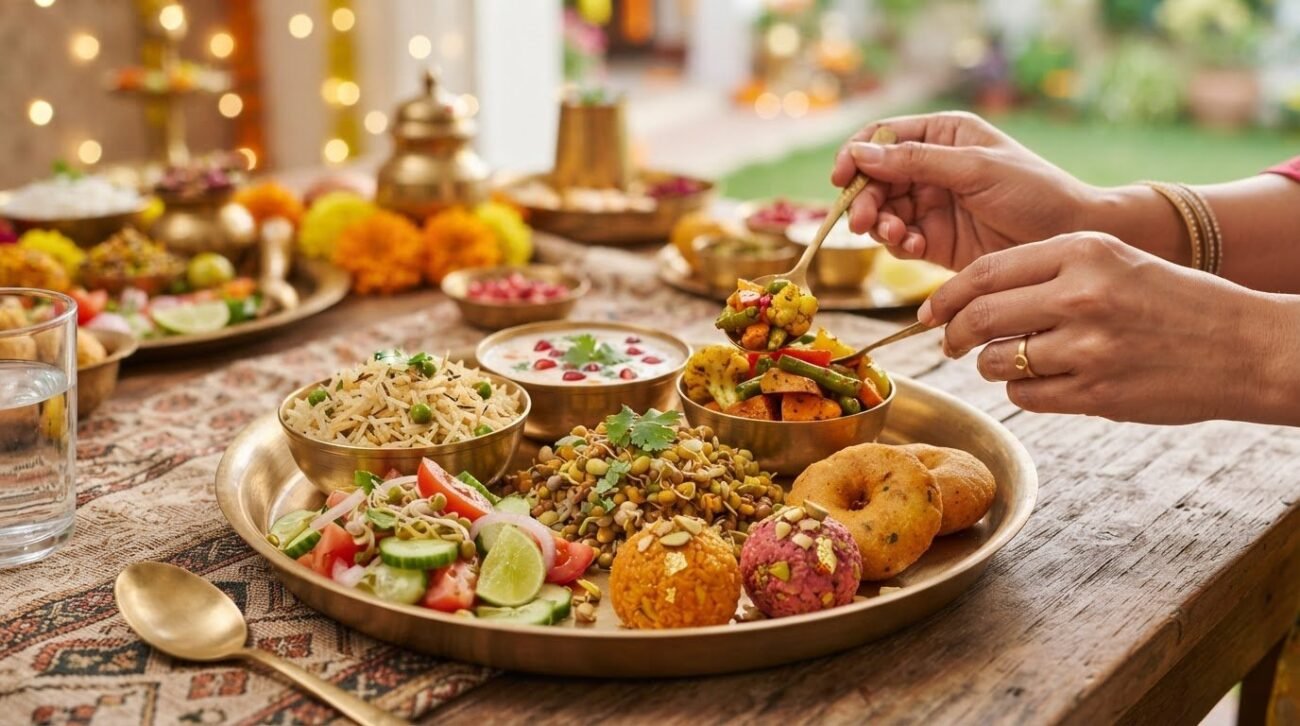
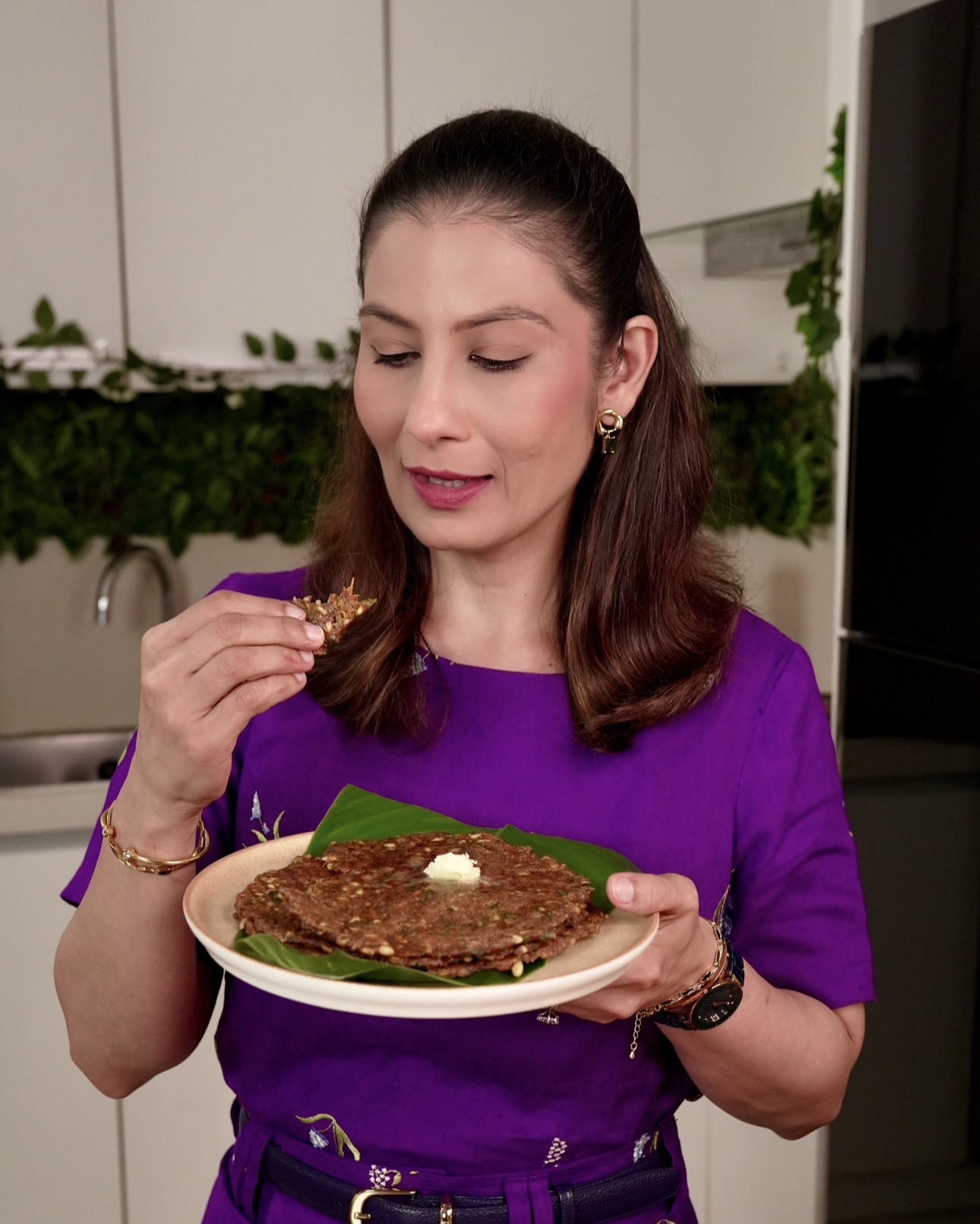
What if enjoying festive food could be part of looking after yourself, not a detour from it? If “festival binging how to watch weight” feels like a tricky balance, you’re not alone. Laddoos, crunchy farsan and generous second servings are part of the celebration, and turning them down can feel awkward.
You don’t need to skip meals before a gathering or punish yourself afterwards. A short-term scale change after salty, carbohydrate-rich festive foods can reflect water retention, not necessarily lasting weight gain. One celebration doesn’t undo your progress.
Here, you’ll find practical ways to build a satisfying plate, enjoy favourite treats mindfully and handle social pressure with confidence. We’ll also explore simple, flavourful recipe ideas and how to ease back into your usual meals and movement after a festive day. The aim isn’t perfect portions or strict rules. It’s making room for celebration while caring for yourself, one enjoyable choice at a time.
Key Takeaways
- Build a satisfying festive plate that makes room for foods you love alongside nourishing everyday options.
- Use hunger, enjoyment and satisfaction as cues to guide your choices, especially when another serving is offered.
- Get practical festival binging how to watch weight tips, including how to approach a scale reading without overreacting.
- Follow a flexible festival-day rhythm and return to familiar meals gently, without trying to compensate for what you ate.
- Explore three measured recipe ideas and Chef Meghna’s notes for simple substitutions and helpful kitchen fixes.
Festival eating and weight: why celebration does not need strict rules
At a festival, food is more than what’s on the plate. The aroma of a favourite mithai, a crisp savoury snack passed around or a family meal made from recipes shared across generations can hold memories and meaning. That pleasure and connection belong in any conversation about eating well. You don’t need to treat traditional foods as problems to solve or celebrations as occasions that require strict rules.
Why food is central to Indian festivals
Laddoo, mithai and savoury snacks often appear alongside everyday dishes, offered as a gesture of welcome or enjoyed together around the table. Accepting a serving can feel like joining in; declining one may feel awkward, even when you’re comfortably full. Hosts, too, often express care through food. A warm, simple response such as “That was lovely, I’m satisfied for now” shows appreciation while letting you choose what feels right.
There’s room for both tradition and personal preference. You might choose the sweet you look forward to most, enjoy a taste of another or pass on a dish that doesn’t appeal to you. The goal isn’t to rank festival foods as good or bad. A practical answer to festival binging how to watch weight begins with taking part in the celebration without turning one meal into a test of willpower.
What mindful festival eating means in practice
Mindful eating means paying attention to the experience: how hungry you feel, which foods you genuinely want, how they taste and when you feel comfortably satisfied. It doesn’t require perfect control or a silent, formal meal. You can share stories, enjoy the food and still pause long enough to notice your own cues.
- Before serving yourself, notice whether you feel hungry or are choosing food mainly because it’s nearby.
- Pick the favourites you most want, rather than eating something only because it’s offered.
- Eat at a comfortable pace, giving yourself time to enjoy each bite and check whether you want more.
One celebratory meal, or an especially generous serving, is different from a repeated pattern of feeling unable to stop eating and feeling distressed about it. This distinction isn’t a diagnosis, and there’s no need to label yourself based on one occasion. If eating feels persistently out of your control or causes ongoing distress, consider discussing it with a qualified healthcare professional.
This article offers general food guidance, not individual medical advice. Your needs and circumstances are personal, so use these ideas as gentle options rather than strict rules.
What happens to weight after a festive meal?
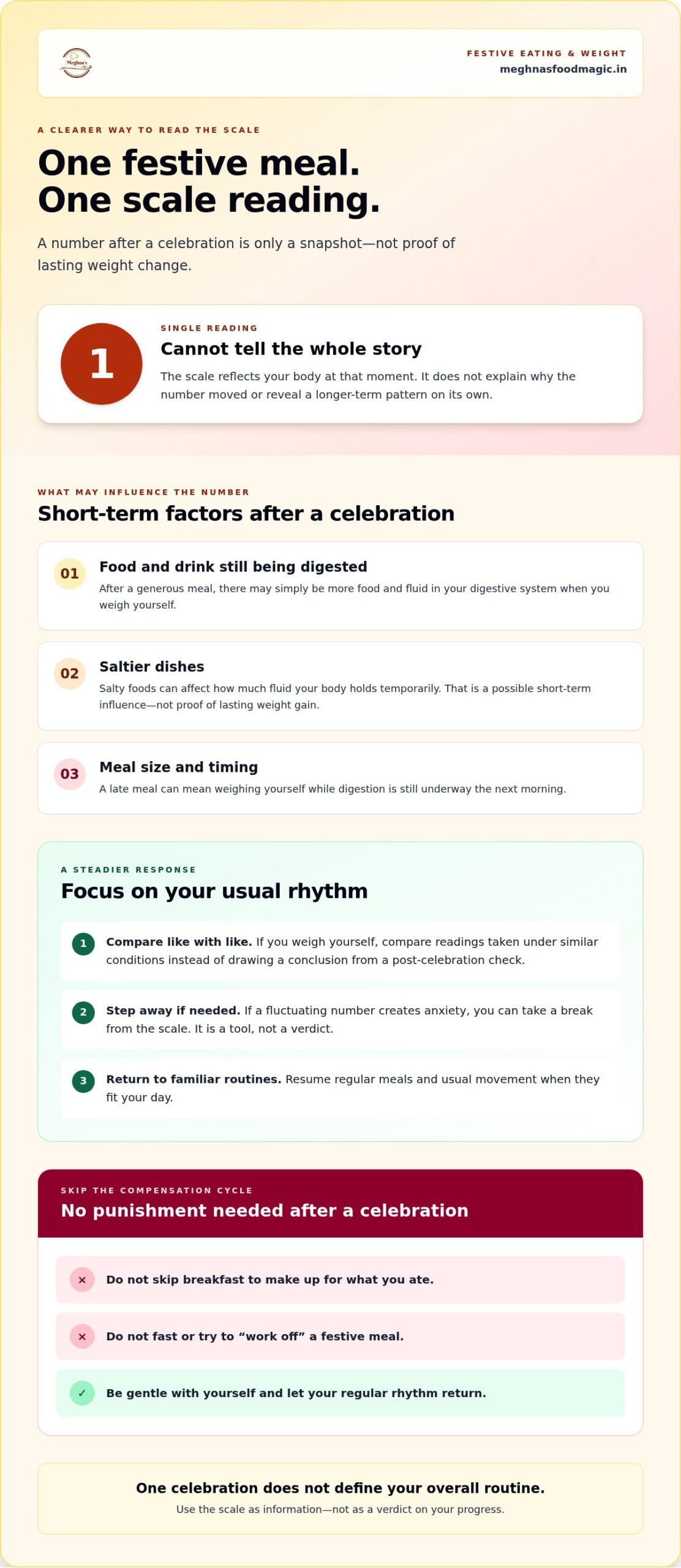
A number on the scale can feel unusually loud after a celebration, but one reading can’t tell you whether your body weight has changed in a lasting way. The scale reflects your body at that moment, including food and drink still being digested. It doesn’t explain why the number moved or reveal a longer-term pattern on its own.
Why the scale may fluctuate after celebrations
Meal size and timing matter. After a late, generous meal, there may simply be more food and fluid in your digestive system when you weigh yourself the next morning. Saltier dishes can also affect how much fluid your body holds temporarily. These are possible short-term influences, not proof of lasting weight gain. A single reading can’t distinguish them from an underlying trend.
For festival binging how to watch weight, shift the focus from one number to your usual habits over time. If you choose to weigh yourself, compare readings taken under similar conditions rather than drawing a conclusion from a post-celebration check. You can also step away from the scale if a fluctuating number tends to create anxiety. It’s a tool, not a verdict.
There’s no need to compensate by skipping breakfast, fasting or trying to “work off” what you ate. Resume your regular meals and usual movement when they fit your day. Returning to familiar routines is a steadier response than swinging between restriction and overeating.
When eating feels out of control or distressing
People sometimes use “binge” casually to describe eating more than they planned at a party. That experience isn’t automatically the same as a repeated pattern of feeling unable to stop, especially when it brings ongoing distress. The word alone can’t tell you what’s happening, and this article isn’t a way to diagnose yourself.
If thoughts about eating, weight or feeling out of control are causing persistent worry, you deserve support without judgement. Consider speaking with a qualified health professional who can understand your circumstances and offer individual guidance. You don’t have to wait until things feel severe to ask for help.
Be gentle with yourself the day after a celebration. Eat in response to your needs, drink according to thirst and let your regular rhythm return without punishment. For fresh ideas for flavourful home cooking, explore Chef Meghna’s recipe videos.
Festival favourites or lighter choices: how to balance both
Skipping every rich dish can make a celebration feel like a test, while grazing without pausing may leave you less satisfied than you hoped. A flexible approach makes room for the foods you look forward to and lets you shape a meal around what feels nourishing and enjoyable. Having a sweet doesn’t mean you’ve abandoned a weight goal; one choice doesn’t define your overall routine.
| Rigid avoidance | Flexible balance |
|---|---|
| Rules out favourite foods, which can make the meal feel restrictive. | Makes space for selected favourites alongside other foods you enjoy. |
| Can turn a celebration into a pass-or-fail test. | Lets you make choices based on appetite, preference and satisfaction. |
| May leave you focused on what you can’t have. | Encourages you to enjoy the meal without labelling foods as good or bad. |
How to choose what you genuinely want to eat
Before serving, scan what’s available. Which dish would you truly enjoy, and which are you considering only because they’re in front of you? Choose a comfortable portion of the favourites that appeal most. There’s no universal serving size that suits every person or occasion. Eating at a relaxed pace can help you notice the flavour and recognise when you feel satisfied.
If someone offers another helping and you’re content, a warm “Thank you, it was delicious. I’m satisfied for now” acknowledges their hospitality while leaving the choice with you. You can always accept more if you decide you want it.
How to make a festive meal feel satisfying
Think of the plate as a combination, not a set of strict rules. You might pair a favourite festive snack or sweet with familiar meal components such as dal, vegetables, roti or rice, depending on what’s being served and what you enjoy. A protein-rich dish or vegetables can be welcome options, not mandatory additions or a way to earn a treat. They bring different flavours and textures to the meal and can help it feel complete.
For example, enjoy a piece of mithai after a meal that includes dal and vegetables, or add a favourite savoury snack to a plate with paneer and salad. Keep the foods you genuinely want in the picture; there’s no need to replace every traditional dish with a lighter version. The festival binging how to watch weight approach is about making satisfying choices, not achieving a perfect plate.
For more ideas to include vegetarian protein in everyday meals, use the sibling guide, High Protein Guide for Indian Vegetarians, as inspiration. A protein-rich option can complement festive favourites, while the final plate still reflects your appetite, preferences and the celebration.
A practical festival-day plan, plus Chef Meghna’s Notes
A festive day doesn’t need a strict food timetable. Keep your usual meals rather than saving up your appetite, decide which celebration foods you’re most excited to enjoy, and give yourself time to savour them. After the gathering, return to your familiar routine instead of trying to compensate. That steady rhythm is a practical answer to festival binging how to watch weight without taking the joy out of the occasion.
Three measured ideas for a festive spread
These recipes are optional additions to a celebration, not prescribed weight-loss treatments. Adjust the seasoning to suit your table and taste.
- Roasted makhana: Measure 2 cups makhana, 1 teaspoon ghee, ¼ teaspoon turmeric and salt to taste. Warm the ghee in a pan over low to medium heat. Add the makhana and roast, stirring often, until crisp. Take the pan off the heat, then toss with turmeric and salt. Low, steady heat helps dry the makhana without scorching it.
- Moong chilla: Use ½ cup soaked moong, ¼ cup chopped spinach, ½ teaspoon cumin, 1 teaspoon oil and ¼ cup water. Blend the moong with the water until smooth, then mix in the spinach and cumin. Heat a lightly oiled pan, spread the batter into a thin round and cook over medium heat until set. Flip and cook the other side through.
- Date-nut bites: Measure 1 cup dates, ½ cup almonds and 1 tablespoon sesame seeds. Blend the dates and almonds until they form a sticky mixture, then shape into small bites and roll in sesame seeds. If the mixture feels crumbly, blend it longer so the dates bind the nuts.
Chef Meghna’s Notes: substitutions and troubleshooting
For crisp makhana: Stir frequently and keep the heat moderate. Let the snack cool before storing; trapped steam can soften it. If it loses its crunch, briefly warm it again in a dry pan, then cool before serving.
For evenly cooked chilla: Smooth batter spreads more easily, while a pan that’s too hot can brown the outside before the centre sets. Use medium heat and spread the batter thinly. If it tears, let it cook a little longer before flipping so the base has time to firm up. Add water a little at a time if the batter is too thick to spread.
For date-nut bites: If dates aren’t available, raisins can make the mixture less sticky and may change its sweetness. Swap almonds for another nut if preferred; the bites may be softer or firmer depending on the nut and how finely it’s blended. These small changes are for flavour and texture, not calorie fixes.
For more everyday cooking inspiration, the weight-loss recipe collection offers ideas to explore, while the Get Fit With Meghna collection adds variety to your browsing. Treat recipe inspiration as just that, inspiration, rather than a guaranteed result or a prescribed plan.
Enjoy festivals your way with Chef Meghna’s recipe inspiration
Enjoyable, sustainable eating leaves space for celebration and for the everyday meals you look forward to. No single festival meal has to define your habits, and there’s no need to follow strict food rules to make thoughtful choices. Aim for a flexible rhythm: enjoy the dishes that make the occasion special, then continue with meals you like as part of your usual routine.
Find festive recipes that suit your table
Festive Specials and other recipe collections can offer starting points for home cooking, whether you’re planning a shared spread or adding one new dish to a familiar menu. Let flavour lead. You might adapt a seasoning, change a side to suit your family or try a preparation that fits the time and ingredients you have. Healthy eating should never mean sacrificing flavour, and a recipe can be inspiration rather than a rulebook.
For broader meal ideas, the guide Diet Recipes: The Ultimate Guide to Nutritious and Flavorful Weight Loss offers another source of inspiration. Use recipes to explore combinations and cooking ideas that appeal to you, not as a prescribed diet plan or a promise of a particular result. The free recipes and food inspiration at Meghna’s Food Magic can help you discover ideas to make at home, while your own appetite, preferences and celebration shape what goes on the table.
That balance is at the heart of festival binging how to watch weight: enjoy the foods you value without expecting perfection from yourself. A recipe can be adjusted to suit your household, served alongside familiar favourites or saved for another day. There’s no need to make every dish lighter or turn a celebration into a nutrition project. Choose what feels useful and leave the rest.
Keep the next step simple
Start small. Pick one recipe idea that sounds delicious, then adapt it to your celebration: adjust the spice, use ingredients already in your kitchen or serve it as one part of a larger meal. Cooking at home gives you room to experiment, and an uncomplicated change can make a dish feel personal without taking away what you enjoy about it.
Free recipe content is there to spark ideas for home cooks. It isn’t an individual diet plan, and no recipe can guarantee weight loss or a health outcome. You can enjoy a festive dish, return to regular meals when the occasion passes and keep building habits that work for your life. That’s a kinder place to begin than chasing an all-or-nothing ideal.
Choose a recipe that suits your next celebration, and explore Chef Meghna’s recipe videos for more flavourful home-cooking inspiration.
Make room for joy at your next celebration
Your next festive meal doesn’t need a perfect plan. Choose one small thing that would make it more enjoyable, perhaps preparing a dish you love or sitting down to savour it without rushing. That’s a kinder, more lasting way to think about festival binging how to watch weight: make choices that fit your life, rather than letting one celebration dictate what you eat afterwards.
Chef Meghna’s friendly, flavour-first cooking guidance can help you find ideas for the table, from festive inspiration to high-protein and weight-loss recipe collections. The free recipes and food-related content are there to spark creativity, not prescribe a diet or promise a particular result. Keep what suits your home, adapt what doesn’t, and let flavour stay part of the experience.
Explore Chef Meghna’s recipe videos for more ideas for your festive table.
Celebrate with pleasure, return to your usual rhythm when it feels right, and trust that small, flexible choices can belong in a joyful life.
Frequently Asked Questions
Is it possible to enjoy festival food and still manage my weight?
Yes. One celebration doesn’t define your long-term habits, and enjoying favourite foods can fit alongside choices that support your wellbeing. If you’re thinking about festival binging how to watch weight, focus on a flexible approach rather than trying to control every bite. Eat your usual meals, choose comfortable portions at the celebration and return to your regular routine afterwards. No festive food needs to be earned or compensated for.
Can one festival meal cause lasting weight gain?
A single meal can’t tell you whether your body weight has changed in a lasting way. A scale reading soon after eating may reflect food and drink still being digested, as well as temporary shifts in fluid balance. Rather than reacting to one number with guilt, restriction or extra exercise, give more attention to your habits over time. If weighing feels upsetting, it’s okay to step away from the scale.
How can I avoid overeating at a festival without missing out?
Keep your regular meals instead of arriving very hungry, then take a moment to spot the dishes you most want to enjoy. Serve an amount that feels comfortable and eat at a pace that lets you notice the flavours. You can have more if you want it, or say, “Thank you, that was lovely, I’m satisfied for now.” The aim is to make choices that suit you, not follow strict rules.
What should I eat before going to a festival celebration?
Don’t deliberately skip a meal to save room for later. Choose a familiar meal or snack that suits your appetite and schedule, so you can arrive feeling comfortable rather than urgently hungry. For instance, if there’s a long gap before the gathering, a usual snack may work better for you than waiting until the celebration. There’s no single required food or exact timing; keep your own needs in mind.
What should I do after eating more than planned during a festival?
Take a calm, ordinary next step: return to your usual meals, drink according to thirst and carry on with your day. You don’t need to skip breakfast, restrict food or use exercise as punishment for one meal. If you notice repeated episodes of feeling unable to stop eating, or the experience brings ongoing distress, consider talking with a qualified health professional. Support can help you explore what’s happening without blame.
When should I seek help for binge eating during festivals?
One festive meal, even a larger one, doesn’t by itself establish an eating disorder. Consider seeking support if feeling unable to stop happens repeatedly, causes significant distress, leads you to hide your eating or disrupts daily life. A qualified health professional experienced in eating concerns can help you discuss what you’re experiencing without jumping to conclusions. You deserve compassionate support; this isn’t something you have to solve through willpower alone.
Disclaimer
This is a recipe food blog page and not nutrition or doctor and hence do not claim to cure any illness. If you have specific health issues please consult a qualified doctor or certified nutritionist.
I do consult experts, research Internet and at times seek help from Gemini to collect relevant information to put together some of these blogs.

