
Cake Therapy for Stress Relief: How Mindful Baking Heals the Soul
What is Cake Therapy for Stress Relief?
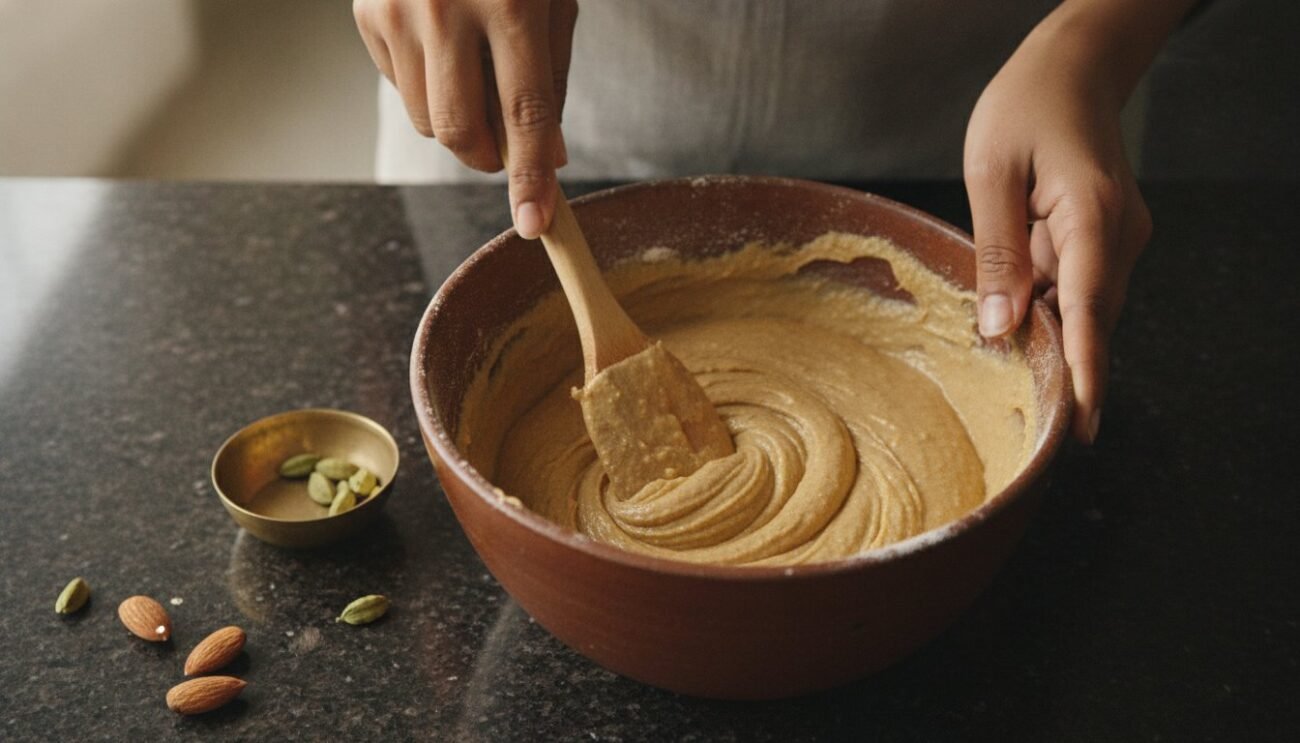
In a world that buzzes with constant notifications and endless to-do lists, finding a true sanctuary for the mind can feel like a quest. But what if that sanctuary wasn’t a distant retreat, but right in your own kitchen? Welcome to the world of cake therapy for stress relief, a practice that transforms the simple act of baking into a powerful form of sensory-focused mindfulness. This isn’t about stress-eating; it’s about stress-baking—a profound shift from consuming for comfort to creating for calm.
Cake therapy celebrates the entire journey, not just the delicious destination. It’s about the rhythmic whisking of batter, the magical scent of vanilla filling the air, and the quiet satisfaction of watching simple ingredients transform. The core philosophy is to embrace the process over the final product, allowing each step to ground you in the present moment. This is the heart of what we call ‘Food Magic’—the art of turning everyday ingredients not just into meals, but into moments of genuine emotional wellness and joy.
The Sensory Experience of Baking
Our minds are wired to respond to sensory input, and baking is a symphony for the senses. It pulls you away from anxious thoughts and anchors you firmly in the physical world. Consider the layers of this immersive experience:
- Tactile Feedback: The feeling of soft flour dusting your fingertips, the gentle resistance of kneading a soft dough, or the smooth, repetitive motion of whisking a batter. These physical sensations are grounding, creating a direct connection between your body and the task at hand.
- Olfactory Joy: Is there anything more comforting than the scent of a cake baking? The warm, sweet notes of vanilla, the rich aroma of chocolate, or the nutty fragrance of toasted grains can instantly trigger positive memories and a deep sense of well-being.
- Visual Satisfaction: Witnessing transformation is inherently rewarding. Watching a pale, liquid batter rise and turn a beautiful golden-brown in the oven is a small miracle. This visual journey from simple components to a finished creation provides a tangible sense of accomplishment and wonder.
Baking as a Digital Detox
In our hyper-connected lives, the greatest source of stress often comes from a screen. Cake therapy offers a powerful antidote. By putting down your phone and picking up a spatula, you consciously choose to disconnect from the digital chaos and reconnect with yourself. This simple act is a powerful brain reset.
- The ‘Flow State’: When you become completely absorbed in measuring, mixing, and creating, you can enter a ‘flow state.’ This is a well-documented psychological concept where you are so immersed in an activity that time seems to melt away, and your worries fade into the background.
- A Single, Manual Task: Our brains are often fragmented, jumping between emails, messages, and news alerts. Baking demands your full, undivided attention on a single, manual task, which helps quiet the mental chatter and restore a sense of focus and order.
- Creating a ‘No-Scroll Zone’: Designate your kitchen as a sanctuary—a ‘no-scroll zone’ where the only things you focus on are the ingredients, the recipe, and the joy of the process. This intentional boundary is a gift of peace you give to yourself.
The Science: Why Your Brain Loves Baking
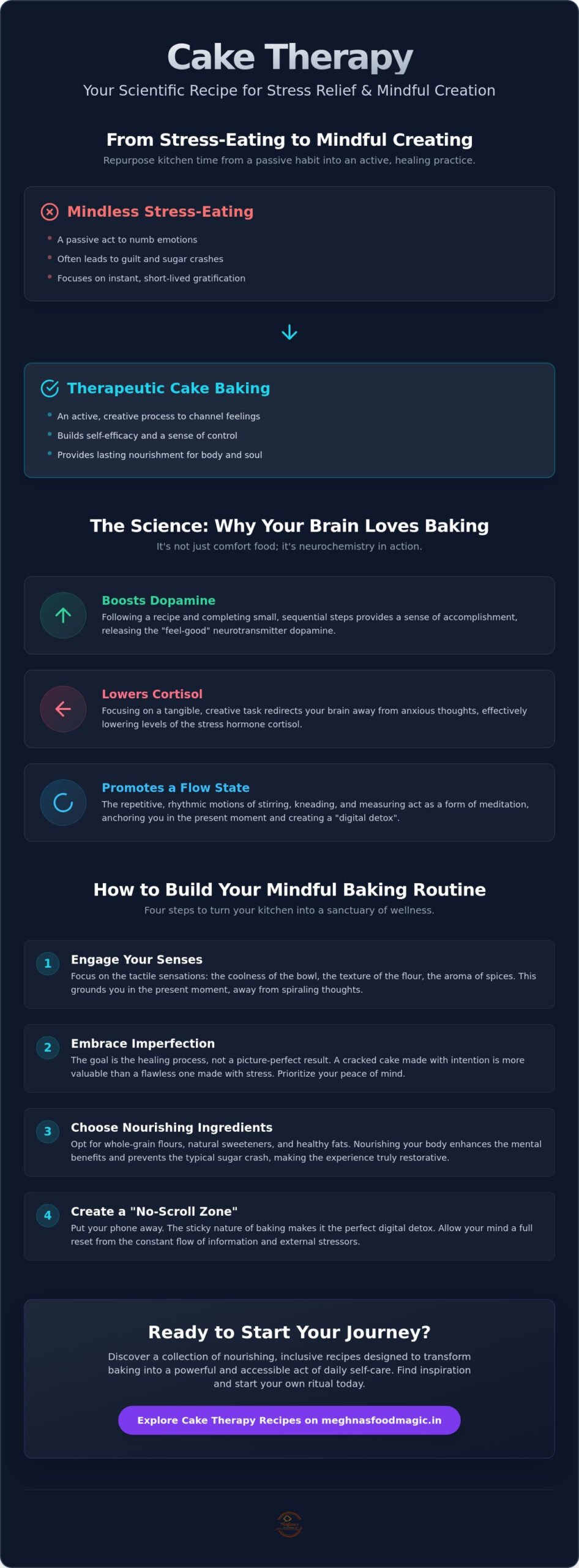
The calming effect of cake therapy isn’t just a feeling; it’s rooted in neuroscience. When you engage in a structured, creative activity like baking, your brain chemistry actively works to reduce stress and boost your mood. The repetitive motions of stirring, measuring, and kneading can mimic the soothing rhythm of meditative chanting or deep breathing, creating a naturally calming effect.
This focused engagement in a creative process helps lower cortisol levels by redirecting your mental energy from sources of anxiety to a productive, positive action. Furthermore, the link between creative expression and psychological well-being is well-established; baking provides a delicious and accessible outlet for this innate human need. It’s a simple yet profound way to nurture your mind while creating something beautiful.
Lowering Cortisol Through Creativity
Ever felt the urge to bake when you should be working on a deadline? This phenomenon, often called ‘procrastibaking,’ can actually be a healthy coping mechanism when done mindfully. Instead of being a distraction, it becomes a strategic pause that allows your brain to reset and de-stress.
- Art Therapy Principles: The principles of art therapy apply perfectly to cake therapy. Decorating a cake, choosing flavors, and arranging ingredients are all acts of creative expression. This process allows for non-verbal emotional release, helping to process feelings of stress and anxiety in a constructive way.
- Measurable Mental Health Impact: Studies have shown that engaging in creative hobbies has a measurable impact on long-term mental health. Regular practice can reduce symptoms of depression and anxiety, improve cognitive function, and foster a greater sense of purpose and a more positive outlook on life.
- Informed Wellness: Managing physical health conditions is a critical part of a low-stress lifestyle. For those seeking news on the latest health trends or medical information, More Than Medication provides helpful insights for the Australian community.
The Reward System and Self-Efficacy
Beyond the immediate calming effects, baking provides a powerful boost to your self-esteem and sense of accomplishment. It taps directly into your brain’s reward system, reinforcing positive behaviors and building mental resilience.
- Building Confidence: Successfully following a recipe from start to finish is a tangible achievement. Each completed step, from measuring the flour to pulling the finished cake from the oven, builds confidence and reinforces your ability to manage tasks and achieve goals.
- The ‘I Made This’ Effect: There is a unique and profound satisfaction that comes from creating something with your own hands. This ‘I made this’ effect provides a significant boost to self-esteem, offering concrete proof of your capability and creativity.
Healthy Baking: Stress Relief Without the Sugar Crash
A common misconception is that cake therapy must involve heaps of refined sugar and white flour, leading to a cycle of indulgence followed by guilt. But the true magic of this practice lies in mindful creation, and that includes choosing ingredients that nourish your body as well as your soul. Guilt-free baking is not about restriction; it’s about discovering the vibrant, wholesome ingredients that can elevate your experience and avoid post-indulgence anxiety.
Ingredients rich in fiber and complex carbohydrates, for instance, play a crucial role in stabilizing your mood, especially during times of stress. By making conscious choices, you ensure that your cake therapy journey supports your overall well-being. This philosophy of modern, healthy cooking is at the core of our approach, which you can explore further in our guide to redefining healthy Indian cooking for the modern home.
Substituting with Whole Grains and Millets
Swapping refined flour for whole grains and millets does more than just boost the nutritional value of your cake; it deepens the therapeutic experience itself. These wholesome ingredients offer a richer sensory profile that enhances the mindful process.
- A Grounding Experience: The denser, earthier texture of whole wheat or millet flour requires a more deliberate, mindful mixing process. This can feel more ‘grounding’ than working with lighter, refined flours.
- A Therapeutic Aroma: The nutty, comforting aroma of roasted grains like ragi or jowar adds another layer of sensory joy to the baking process, filling your kitchen with a scent that is both calming and wholesome.
- Benefits of Ragi and Jowar: Incorporating traditional Indian grains like Ragi (finger millet) and Jowar (sorghum) not only connects you to culinary heritage but also adds immense nutritional benefits, including fiber, calcium, and iron, making your therapeutic treat genuinely good for you.
Natural Sweeteners and Mindful Indulgence
The goal of cake therapy is to relieve stress, not create a new source of it through a sugar high and the inevitable crash. By embracing natural sweeteners, you can achieve delicious results that support stable energy levels and a calm mind.
- Avoid the Sugar Rollercoaster: Using natural sweeteners like dates, jaggery, mashed bananas, or applesauce provides a gentle, sustained sweetness without the sharp spike in blood sugar. This helps maintain a balanced mood throughout your day.
- Balancing Flavor and Health: Mindful indulgence is about savoring flavor without compromising your health goals. Experimenting with natural sweeteners allows you to create complex, satisfying flavors that feel both decadent and nourishing.
- Find Healthy Swaps: The journey to healthier baking is filled with exciting discoveries. For specific ideas and recipes that champion this philosophy, such as the incredible Eggless No-Sugar No-Flour Walnut Banana Cake, you can explore our collection of weight loss friendly recipes.
How to Build Your Personal Cake Therapy Routine
Starting your cake therapy journey should be an act of joy, not another stressful task on your list. The key is to approach it with a sense of curiosity and self-compassion. By creating a simple, intentional routine, you can transform your kitchen into a reliable haven of peace and creativity. Follow these steps to build a practice that works for you.
- Choose a ‘Low-Stakes’ Recipe: Begin with something simple and forgiving, like a one-bowl muffin or a simple tea cake. This removes performance anxiety and allows you to focus on the sensory experience rather than worrying about a complex outcome.
- Set the Mood: Create a calming atmosphere. Put on your favorite soothing music, listen to a podcast, or simply enjoy the quiet. The goal is to eliminate distractions and signal to your brain that this is a time for relaxation.
- Focus on ‘Mise en Place’: This is the French culinary term for preparing and organizing all your ingredients before you begin. The calming, methodical act of measuring flour, cracking eggs (or preparing a substitute), and arranging your tools brings a sense of order and tranquility to the process before you even start mixing.
- Engage All Five Senses: As you mix, pay attention to everything. Notice the sound of the whisk against the bowl, the changing texture of the batter, the scent of the ingredients, and the colors blending together. This is the heart of mindfulness.
- Practice Patience: The final step is a lesson in itself. As your cake bakes, resist the urge to rush. Sit with a cup of tea, enjoy the incredible aroma filling your home, and practice the art of patient anticipation. This quiet waiting is as much a part of the therapy as the active mixing.
Stress-Free Tools for Beginners
You don’t need a kitchen worthy of a professional pastry chef to practice cake therapy. The beauty of this practice is its accessibility. Keeping things simple is the best way to ensure the process remains relaxing and enjoyable.
- Minimal Equipment: All you truly need to start is a good mixing bowl, a whisk or spatula, and measuring cups. Don’t let the lack of a stand mixer or fancy gadgets stop you from beginning your journey.
- The Power of ‘No-Oven’ Baking: No oven? No problem! Many delicious cakes can be made in a pressure cooker, an air fryer, or even on the stovetop. This approach removes a significant barrier for many beginners. For inspiration, explore our complete guide to healthy cake recipes without an oven or check out our curated playlist of eggless cakes with and without an oven.
- The One-Bowl Method: To minimize stress and cleanup, seek out one-bowl cake recipes. This method simplifies the process, allowing you to focus more on the mindful act of mixing and less on the pile of dishes waiting for you.
Managing Expectations and ‘Mistakes’
The most important rule of cake therapy is that there are no failures. Every baking session is a success because the primary goal is the mental and emotional benefit you gain from the process, not a picture-perfect result.
- A ‘Sunken’ Cake is Still a Victory: If your cake doesn’t rise perfectly or comes out a little lopsided, celebrate it! You still dedicated time to a mindful, creative activity. You still disconnected from stress and made something with your own hands. That is the victory.
- Reframe Errors as Learning: Every kitchen ‘mistake’ is simply a learning moment. Perhaps you discovered that your oven runs hot or that a certain flour substitute needs more liquid. Approach these outcomes with curiosity, not criticism.
- Focus on the Journey of the Batter: The real magic happens long before the cake is sliced. It’s in the quiet moments of measuring, the rhythmic motion of stirring, and the patient act of waiting. Cherish the journey of the batter, and you’ll find that the final product is just a sweet bonus.
Start Your Journey with Meghna’s Cake Therapy Recipes
At Meghna’s Food Magic, we believe that baking is a profound act of self-care and a gateway to joy. My philosophy of ‘Cake Therapy’ is built on this foundation—that the process of creating something wholesome and delicious can heal the soul. Our recipes are designed not just to taste incredible, but to make the baking experience itself feel accessible, rewarding, and deeply therapeutic.
We place a special focus on eggless and whole-grain recipes, ensuring that everyone, regardless of dietary preferences or lifestyle, can experience the benefits of mindful baking. We invite you to begin your journey with us and discover how your kitchen can become your favorite place to unwind. For daily inspiration and a peek into our creative process, join our vibrant community on Instagram and browse the curated wellness collections on the Meghna’s Food Magic website.
Eggless and Wholesome: Baking for Everyone
For many, especially in Indian homes, eggless baking is more than a preference—it’s a necessity. We believe this shouldn’t be a limitation, but an opportunity for creativity. Our recipes are crafted to be naturally egg-free, accessible, and stress-free.
- The Versatility of Substitutes: Discover the magic of simple ingredients like yogurt, applesauce, and flax-eggs. These wholesome substitutes not only work beautifully in cakes but often add extra moisture and nutritional benefits.
- Delicious and Nourishing Recipes: Dive into recipes specifically designed for wellness, like our beloved Whole Wheat Banana Bread or our fudgy and satisfying Millet Brownies. These treats prove that you never have to choose between health and flavor.
Join the Food Magic Community
Cake therapy is a personal journey, but it’s even more powerful when shared. We have built a warm, supportive community of home cooks who, like you, prioritize both health and joy. We would love for you to be a part of it.
- Share Your Creations: We love seeing what you bake! Share your ‘Cake Therapy’ results and connect with fellow bakers on our Facebook page.
- Find Video-Led Guidance: If you’re a visual learner, our YouTube channel is your perfect companion. Explore our extensive Cakes & Desserts playlist for step-by-step video guidance that makes baking feel effortless and fun.
- Connect and Grow: Join a community that celebrates every kitchen victory, shares helpful tips, and inspires you to continue your journey toward a more mindful and delicious life.
Frequently Asked Questions (FAQs)
Here are answers to some common questions about starting your cake therapy journey.
- Does baking actually reduce stress or is it just a distraction?
It’s much more than a distraction. Baking is a form of active meditation that engages your senses and requires focus, which helps quiet anxious thoughts. The structured, repetitive tasks and creative expression have been shown to lower cortisol (the stress hormone) and release mood-boosting neurotransmitters like dopamine. - I am a beginner; won’t the fear of failing a recipe cause more stress?
This is a common concern, which is why the core principle of cake therapy is to focus on the process, not the outcome. Start with simple, ‘low-stakes’ recipes. The goal isn’t perfection; it’s the 30 minutes of peace you get while mixing the batter. Every ‘mistake’ is just a part of the learning journey. - What are the best ‘Cake Therapy’ recipes for someone with a busy schedule?
One-bowl recipes, mug cakes, and simple muffins are perfect for a quick session. Look for recipes with minimal ingredients and steps. A 20-minute one-bowl banana bread or a 5-minute microwave mug cake can provide the same mental reset as a more complex project. - Can I practice cake therapy if I am on a weight loss diet?
Absolutely! This is where mindful, healthy baking truly shines. Cake therapy doesn’t have to involve sugar and refined flour. By using whole grains, millets, and natural sweeteners like fruits or dates, you can create delicious cakes that align with your health goals. Explore our dedicated collection of weight loss friendly recipes to find treats that nourish your body and soothe your mind. - Do I need an oven to start practicing cake therapy?
Not at all! Many wonderful cakes can be made in a pressure cooker, a pan on the stovetop, or an air fryer. This makes cake therapy accessible to everyone. We have a full YouTube playlist for cakes with and without an oven to get you started. - Why is it called ‘Cake Therapy’ specifically?
While any form of mindful cooking can be therapeutic, ‘cake’ evokes a sense of celebration, comfort, and creativity that is unique. It’s an accessible form of baking that feels special and indulgent, making the act of creation feel like a true treat for the soul. - How often should I bake for it to have a mental health benefit?
Consistency is more important than frequency. Even one short baking session a week can make a difference. The key is to treat it as a dedicated ritual—a time you carve out for yourself to disconnect and create. Find a rhythm that feels sustainable and joyful for you. - Is it better to bake alone or with family for stress relief?
This depends entirely on what you need at the moment. Baking alone can be a meditative, introspective experience. Baking with family or friends can be a wonderful way to connect, communicate, and create shared memories. Try both and see which one best serves your needs for stress relief on any given day.
Disclaimer
This is a recipe food blog page and not nutrition or doctor and hence do not claim to cure any illness. If you have specific health issues please consult a qualified doctor or certified nutritionist.

