
Easy Veg Tikki Recipe: Quick High-Protein Snack Guide
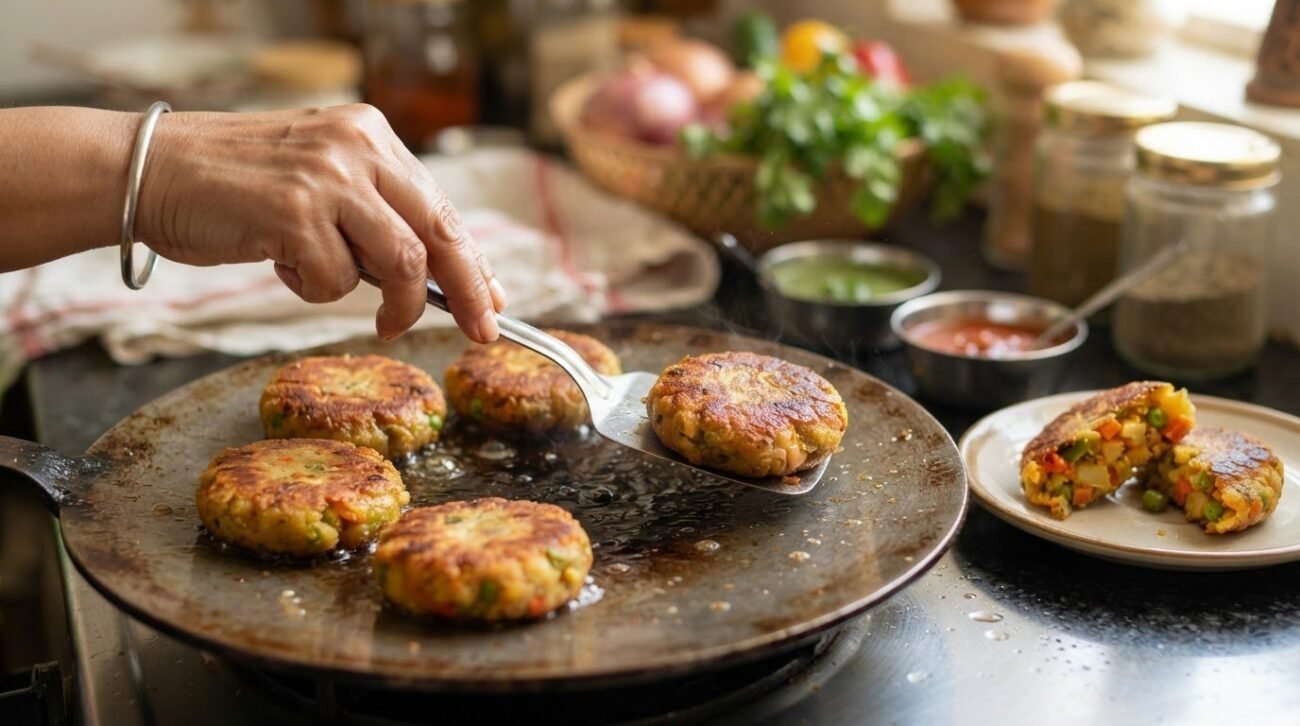
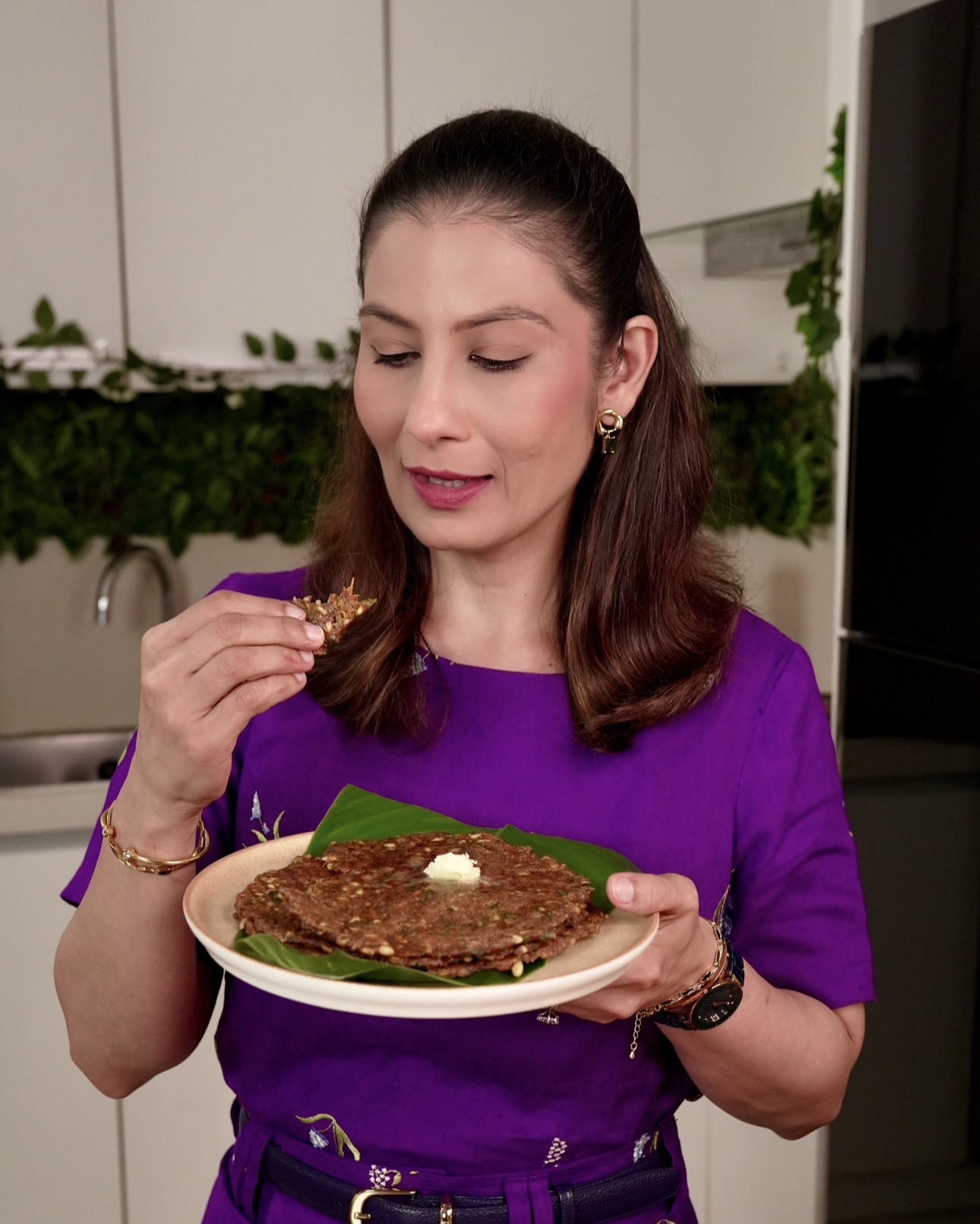
The crispest veg tikki starts with a mixture that holds together, not with the coating. A well-bound patty is easier to shape and turn, and develops a golden exterior while keeping its centre tender.
It’s frustrating when a cutlet crumbles as you shape it or breaks apart while frying. The fix is usually in the mixture: keep the vegetables tender but not soggy, mash the potatoes well, and add a binder gradually until the patties feel firm enough to handle. This recipe makes 12 cutlets and takes 55 minutes from preparation to cooking.
This guide explains how to balance moisture, shape even patties, choose a coating that clings, and shallow-fry until crisp. You’ll also find serving ideas with chutneys and dips, plus fixes for a mixture that feels too soft or sticky. The result is a satisfying, vegetable-filled snack you can make with confidence.
Key Takeaways
- Cook vegetables until tender, not soggy, and adjust the binder gradually so the mixture holds together without becoming dense.
- Shape patties with an even thickness and a firm surface to help them brown evenly and stay intact in the pan.
- Choose a coating that clings, then shallow-fry in small batches for a crisp, golden finish.
- Explore baking and air-frying as alternative cooking methods, each with its own texture and technique.
- Try three measured recipe variations, then use chutney, dips, and Chef Meghna’s troubleshooting tips to make the snack your own.
Adjusting the mixture for moisture and binding
For a vegetable tikki mixture, combine 2 cups mashed potatoes, ½ cup green peas, ½ cup chopped French beans, and 1 cup diced carrot. These quantities make a balanced base, while finely chopping the vegetables helps each patty hold together.
Cook the vegetables until fork-tender, then drain them thoroughly before mashing. Excess water can soften the mixture and cause patties to crack or collapse in the pan. Let steamed vegetables release their moisture before adding them to the potatoes.
Start binding with 2 tablespoons of powdered poha. Mix well, then assess the texture before adding more. The mixture should feel moist but firm enough to shape. If it still feels sticky, add 2 tablespoons of corn flour and combine evenly. Add binders gradually; too much can make the centre dense.
If the mixture binds poorly, mash the potatoes thoroughly and break down any large vegetable pieces. Press a small portion between your palms. If it holds together, shape the rest. If it crumbles, mix in a little more powdered poha. Chill the shaped patties briefly before coating to help firm their surfaces.
How many calories are in one tikki? The amount varies with patty size, coating, and absorbed frying oil, so the ingredients alone don’t provide a reliable calorie count. Is it healthy? Potatoes and vegetables contribute carbohydrates, fibre, and several nutrients; peas also provide some plant protein. Overall nutrition depends on portions and cooking method.
To store uncooked patties, refrigerate them for 1 to 2 days in a covered container. For cooked leftovers, refrigerate promptly and reheat until hot throughout, using a pan to refresh the crisp coating. Avoid leaving cooked patties at room temperature for extended periods.
The vegetable cutlet mixture uses ½ cup of soaked poha, another binding option to consider when adjusting moisture. The listed cooking time for this vegetable cutlet recipe is 30 minutes, and its listed total time is 40 minutes. For oven cooking, the pro tips recommend baking the cutlets for 20 minutes or until golden and crisp. For frying, the recipe recommends low- to medium-hot oil in small batches, offering a way to cook the cutlets in manageable portions.
Alternative shallow-frying method
For crisp patties, begin with a firm mixture and an even coating. Heat a non-stick pan over low to medium heat, then add 1 tablespoon of oil for a batch of 5 patties. Cook in small batches so they brown rather than steam. Flip each patty once its underside is golden and releases easily.
Shallow-frying gives the cutlets a crisp crust and tender centre. Keep the heat moderate: excessive heat can darken the coating before the middle warms through. If the pan looks dry, add a little oil around the patties. Avoid pressing them, as this can crack the crust and squeeze out moisture.
For baking, arrange the coated patties on a greased tray with space between them. Bake at 180 C for about 15 minutes on each side, or until golden and crisp. Turn them carefully with a spatula. This method uses less added oil, though the surface may be less evenly browned than pan-fried cutlets.
An air fryer also cooks the patties at 180 C, for 16 to 18 minutes. Arrange them in a single layer and turn them during cooking for even colour. Lightly brushing the coating with oil helps it brown. Avoid crowding the basket, because hot air needs room to circulate around each patty.
Deep-frying submerges patties in hot oil for an evenly crisp shell, but uses more oil than shallow-frying. Lower each patty gently and fry in small batches; overcrowding cools the oil and can leave the coating greasy. Drain cooked cutlets on a rack or absorbent paper. For a practical home method, shallow-frying balances crispness, control, and moderate oil use.
Whichever method you choose, cook the patties only after the coating has adhered. Letting them rest briefly after coating helps the crumbs stay in place as you turn them. Handle them carefully to keep the edges intact.

Serving with chutney, dips, or sauce
Serve the vegetable patties fresh, while their crumb coating is still crisp. Put green chutney on the side rather than spreading it over each tikki. This keeps the crust from softening before the first bite, and lets everyone choose how much heat and tang they want.
For a lively coriander-mint chutney, blend fresh coriander, mint leaves, green chilli, lemon juice, and a little water. Add the water gradually, stopping when the chutney is spoonable rather than runny. Lemon brightens the herbs, while chilli adds gentle heat. Serve it chilled or freshly blended alongside hot patties.
For a milder dip, stir mint chutney into plain yoghurt until smooth. Yoghurt softens the chilli’s bite and adds a cool, creamy contrast to the warm potato filling. Keep the dip thick so it clings instead of running across the plate. A pinch of roasted cumin adds savoury depth.
Tamarind chutney gives tikki a sweet-sour finish. Serve it in a separate bowl, or drizzle a little over each patty just before eating. For a familiar Indian street-food pairing, offer green and tamarind chutneys, then add finely chopped onion if you like extra crunch. Keep the garnishes light so the crisp coating stays noticeable.
Tomato sauce is an easy, mild option, especially for children who prefer familiar flavours. For a sharper pairing, serve lemon with sliced cucumber and onion. Arrange sauces separately and let everyone combine flavours at the table. Whether you choose herby chutney, yoghurt dip, or tamarind sauce, serve it alongside the patties to preserve their golden crust.
For a balanced plate, put the condiments in small, separate bowls and leave space around each patty. This makes it easy to try green chutney first, then add tamarind for a sweeter, tangier contrast. Guests can mix the two on their plates without soaking the coating before they eat. Place yoghurt dip apart from sharper sauces so its cool, creamy taste stays distinct. Bring the patties and accompaniments to the table as soon as the patties are cooked. This keeps serving flexible and makes the crisp crust the first thing diners notice.
The vegetable cutlet recipe uses ½ cup of green peas, adding gentle sweetness that contrasts with the chutneys. Its mixture is seasoned with ½ to ¾ teaspoon of garam masala, so strongly flavoured accompaniments can easily overwhelm the seasoning. The cutlets are coated with a slurry made from ½ cup maida and ½ cup corn flour. Since the coating creates the crisp exterior, serve sauces beside the cutlets rather than underneath them. Add a little sauce bite by bite, keeping the rest of each patty crisp. Keep the arrangement simple: warm cutlets together, dips within easy reach, and garnishes on the side. Everyone can then choose a mild, tangy, or herby bite without obscuring the cutlet’s flavour and texture.
Shaping vegetable patties
A veg tikki keeps its shape when the mixture is cohesive and evenly portioned. Begin with a firm, cooled mixture, not one that feels wet or warm. Divide it into 12 equal portions for consistent cooking. Even portions brown at a similar pace, while oversized patties can stay soft in the centre as their edges colour.
Shape each portion gently between clean palms. First press it into a compact ball, then flatten it into a round patty. Use steady pressure, not force: over-compressing can make the centre dense. Smooth any cracks along the edges with your fingertips, since split seams may widen as you turn the patties in the pan.
- Portion the mixture evenly, then roll each piece into a ball.
- Flatten the ball between your palms, keeping the centre and edges equally thick.
- Turn the patty in your hand and smooth any cracks before coating.
Keep the patties a consistent thickness. A very thin one may break during handling, while a thick one takes longer to heat through. If the mixture sticks to your palms, lightly dampen your hands and shape one portion at a time. Don’t add water directly to the mixture, as it can loosen the binding.
Set the formed patties on a clean plate without stacking them. If one feels fragile, set it aside and firm up its edges before coating. A short chill can help the surface hold, especially in a warm kitchen. Use a broad spatula to handle each patty during cooking, and turn it only after the base has browned.
The goal is an even thickness and smooth, sealed edges, not a perfect circle. Small differences in shape are fine. Consistent thickness helps the patties cook evenly and makes the batch easier to turn.
What is veg tikki made of?
A vegetable tikki starts with mashed potatoes, which give the mixture structure and a soft centre. For a balanced batch, combine 2 cups of potatoes with ½ cup green peas, ½ cup chopped French beans, and 1 cup diced carrot. These vegetables bring different textures, so chop them evenly and cook until tender.
Fresh flavour comes from chopped coriander, green chilli, and warm spices. Mix in 3 tablespoons of finely chopped coriander, 1 to 2 green chillies, and ½ to ¾ teaspoon garam masala. Skip the chillies for a milder batch. A pinch of salt seasons the vegetables and potatoes, while garam masala adds gentle warmth.
Binding ingredients help the mixture stay together during shaping and cooking. Start with 2 tablespoons of powdered poha, then mix thoroughly before adding more. If the mixture remains sticky, 2 tablespoons of corn flour can help firm it. Add binders gradually; too much can make the cutlets heavy instead of tender.
- Vegetable base: 2 cups potatoes, ½ cup peas, ½ cup French beans, and 1 cup carrot.
- Flavour: 3 tablespoons coriander, 1 to 2 green chillies, and ½ to ¾ teaspoon garam masala.
- Binding: Begin with 2 tablespoons powdered poha; use corn flour if needed.
Other additions create distinct variations. Finely chopped onion and garlic add savoury depth, while capsicum brings a fresh, slightly sweet note. Chop additions finely so they distribute through the potato base instead of creating weak spots. For a vegetable-forward tikki, use the listed peas, beans, and carrot; for a more aromatic flavour, add onion, garlic, or capsicum in moderation.
Once combined, the mixture should hold together when pressed into a patty. Drain cooked vegetables well before mixing, since excess moisture can weaken the potato base. This balance makes the coating easier to apply and gives each cutlet a soft, colourful centre.
Three Veg Tikki Recipes
Try these three measured variations for distinct flavours and textures. Shape each mixture into patties and cook until golden.
Classic mixed-vegetable tikki
Ingredients: 2 cups potatoes, ½ cup green peas, ½ cup chopped French beans, 1 cup diced carrot, 3 tablespoons chopped coriander, 1 green chilli, ½ teaspoon garam masala, 2 tablespoons powdered poha, and 1 tablespoon oil per batch of 5 patties.
Method: Steam the vegetables until fork-tender, then drain and mash with the potatoes. Mix in coriander, chilli, garam masala, and poha. Shape into 12 patties. Shallow-fry in batches, turning when the base is golden.
Garlic, onion, and capsicum tikki
Ingredients: 2 cups mashed potatoes, 1 finely chopped onion, 5 chopped garlic cloves, 1 finely chopped carrot, 3 tablespoons peas, ½ capsicum, 2 tablespoons chopped coriander, ½ cup soaked poha, and 2 tablespoons oil.
Method: Cook onion and garlic in oil until fragrant. Add carrot, peas, and capsicum, then cook until tender. Cool, then mix with potatoes, coriander, and poha. Shape into patties and pan-fry until browned on both sides.
Bread-bound vegetable cutlet
Ingredients: 3 boiled potatoes, 2 bread slices, ¼ cup milk, 2 tablespoons corn flour, ½ cup green peas, ½ cup chopped French beans, 1 cup diced carrot, 2 tablespoons besan, 3 tablespoons water, and 1 tablespoon oil per batch of 5 patties.
Method: Soften bread with milk. Mash potatoes and mix with peas, beans, carrot, and corn flour. Shape into patties, then dip them in besan whisked with water. Shallow-fry in measured batches until golden, turning gently to keep the coating intact.
Chef Meghna’s Notes
Before shaping the full batch, pan-fry a small test patty. This shows whether the seasoning needs adjusting and whether the mixture holds together when turned. If it cracks, press the mixture together again and smooth its edges. If it spreads, work in a little binder, then test another piece.
For a soft, savoury centre, keep the vegetables finely chopped but not puréed. Large chunks can create weak spots; a smooth purée can make the mixture pasty. Powdered poha adds structure while keeping the texture light. Start with 2 tablespoons, mix, and add more only if the mixture still feels loose.
If the mixture remains sticky, 2 tablespoons of corn flour can help firm it. For a coating batter, mix 2 tablespoons besan with 3 to 4 tablespoons water. Whisk until smooth, then dip each patty and coat it with crumbs. Rest coated patties for 5 to 10 minutes so the crumbs adhere before cooking.
- For a milder flavour: Skip green chilli, or use less garam masala.
- For a different coating: Use breadcrumbs for a distinct crunch, or a besan batter for a savoury crust.
- For delicate patties: Turn them with a broad spatula after the base has browned.
Keep the pan at low to medium heat. If it’s too hot, the coating can brown before the centre warms; if the pan is crowded, patties may steam instead of crisp. Cook in small batches, leaving room to turn each one. Use 1 tablespoon oil per batch of 5 patties, then adjust the next batch if the pan looks dry. These small checks make shaping, coating, and frying more controlled.
Meghna’s Food Magic
For fresh ideas for wholesome vegetarian cooking, explore Meghna’s Food Magic. After trying these patties, you can discover recipes that bring vegetables, flavour, and practical home cooking together. The goal is to make everyday meals varied and enjoyable, with approachable methods for home cooks.
The free digital recipe database offers inspiration beyond a single snack. Explore it for new ways to use familiar ingredients, plan a satisfying meal, or try a different cooking style. You can also browse high-protein recipes for vegetarian meal ideas built around protein-rich ingredients. Each recipe offers a starting point for dishes that suit your tastes and routine.
If you enjoyed experimenting with cooking methods, the air fryer recipe collection offers another source of kitchen inspiration. Meghna’s Food Magic also shares weight-loss and fitness recipes, giving health-conscious cooks more variety to explore. Choose ideas that fit your preferences, and let flavour remain part of the experience.
Return to the recipes whenever you want to explore new combinations or find inspiration for a vegetarian table. The techniques in this article can guide your cooking, from balancing texture to choosing a method that suits your meal. Keep what works in your kitchen and adapt the flavours to your household.
For questions about recipes and food inspiration, contact Meghna’s Food Magic.
Frequently Asked Questions
What are the most popular types of veg tikki in India?
Popular varieties include aloo tikki, mixed-vegetable tikki, hara bhara tikki, and paneer tikki. Hara bhara versions often feature spinach and peas, while paneer adds a creamy, savoury centre. Beetroot or sweet potato can bring colour and gentle sweetness. For a varied snack platter, serve different types of veg tikki together, balancing each seasoning so the vegetables’ distinct flavours come through.
What chutneys and accompaniments go well with vegetable patties?
Green coriander chutney and sweet tamarind chutney are classic partners. Plain yoghurt with roasted cumin makes a cooling dip. For a chaat-style serving, add chopped onion, sev, and lemon just before eating. If you’re preparing a platter ahead, keep wet toppings separate. Guests can choose their preferred combination, while the vegetable patties retain their texture until serving.
How can you make these cutlets without deep-frying?
Shallow-fry, bake, or air-fry the cutlets instead. For a baked veg tikki, cook at 180 C for about 15 minutes on each side, until golden and crisp. An air fryer takes 16 to 18 minutes at 180 C. Arrange patties in a single layer and turn them partway through. For another veg tikki option, use a lightly oiled pan and cook in batches, leaving space between patties for even browning.
Disclaimer
This is a recipe food blog page and not nutrition or doctor and hence do not claim to cure any illness. If you have specific health issues please consult a qualified doctor or certified nutritionist.
I do consult experts, research Internet and at times seek help from Gemini to collect relevant information to put together some of these blogs.

