
Guide to Choosing the Best Pan for Healthy Cooking
What if the secret to a perfectly soft Jowar roti isn’t just in the kneading, but in the specific material and heat distribution of the pan you choose? Most of us have felt that sinking feeling when a high-protein snack sticks stubbornly to the base or a heritage grain wrap turns dry and brittle despite our best efforts. You want to cook with less oil and more heart, yet the constant debate between cast iron durability and non-stick safety often makes healthy cooking feel more complicated than it needs to be.
We believe that a kitchen should be a place of joy and nourishment, not a struggle with maintenance. In this guide, you’ll master the art of selecting the perfect cookware to transform your millet-based meals into nutritious masterpieces that slide right onto the plate. We’ll dive into the science of heat retention for better digestion, share professional tips for sustainable kitchen management, and show you how the right tools can help you achieve your fitness goals without compromising on the textures you love.
Key Takeaways
- Learn why even heat distribution is vital for preserving the delicate nutritional profile of heritage grains like Ragi and Bajra.
- Discover how to select the right pan for every meal, from heavy cast iron for soft rotis to tri-ply stainless steel for high-protein snacks.
- Master the ‘Water-Sauté’ technique to significantly reduce oil consumption while maintaining the incredible flavor of your favorite Indian dishes.
- Implement zero-waste kitchen habits by using simple vegetable scraps to season and maintain your traditional cookware for a lifetime of sustainable use.
- Transform your fitness journey with practical recipes like Moong Dal Chilla that leverage professional searing techniques for maximum texture and taste.
Why Your Pan Choice Dictates the Health of Your Indian Meals
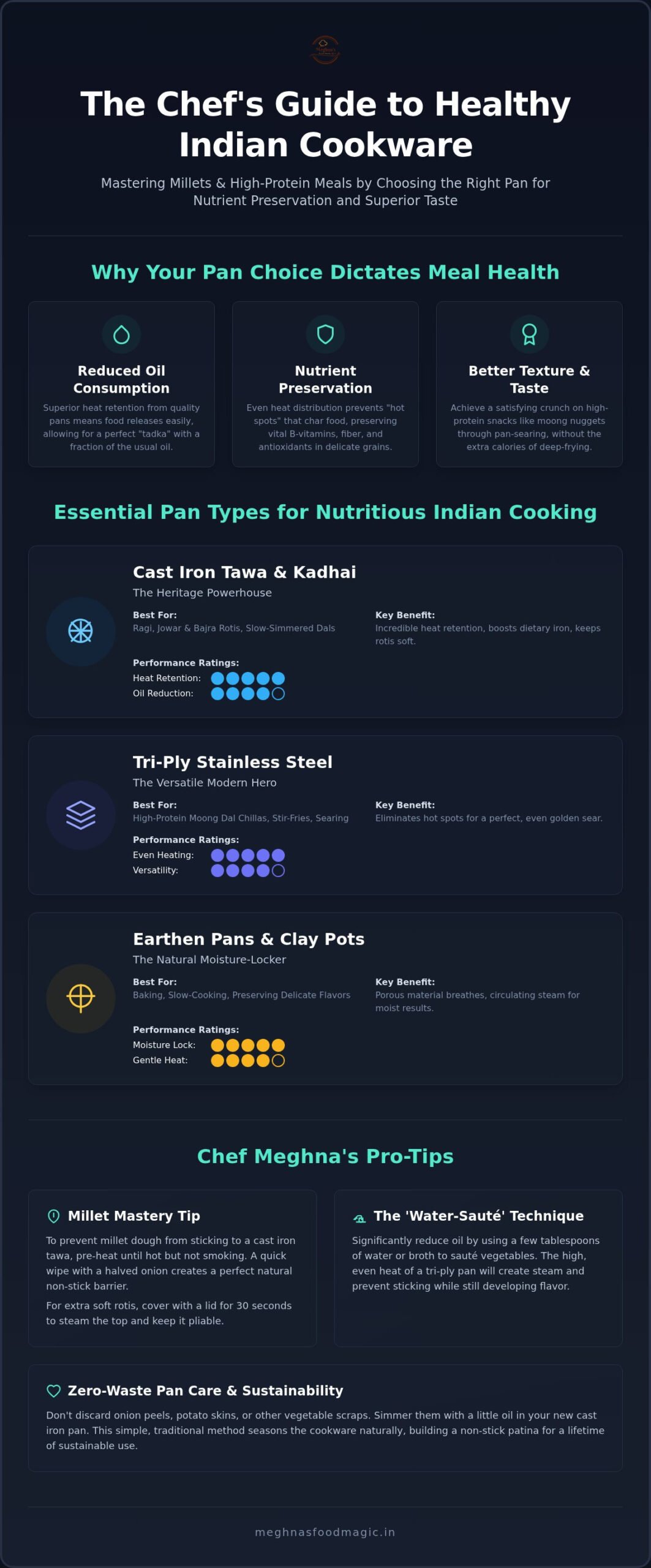
Every culinary masterpiece starts with a solid foundation. In my kitchen, we call this “Food Magic,” and it begins long before the first spice hits the oil. Choosing the right pan isn’t just about convenience; it’s a vital decision that affects the glycemic response and nutrient density of your food. When you use a high-quality surface, you’re not just cooking. You’re preserving the life force of your ingredients. Our “Pan-India” heritage shows us that every region has perfected this; from the heavy iron kadhais of the North to the clay pots of the South, the vessel is chosen to enhance the specific health benefits of the local diet. This philosophy extends to how we care for our tools, using zero-waste seasoning methods to keep our kitchen essentials in peak condition for years.
The science of heat distribution is where the magic really happens. Delicate heritage grains like millets require gentle, even heat to bloom. If your cookware has “hot spots,” those areas will char the grain, stripping away the B-vitamins and fiber we work so hard to include. A heavy-bottomed vessel ensures that every grain of Jowar or Bajra cooks through without reaching those nutrient-destroying temperatures.
The Connection Between Cookware and Weight Loss
If you’re following our Weight Loss Fitness Recipes, you know that managing fat intake is key. A well-seasoned or high-quality non-toxic surface allows you to perform a perfect “tadka” with just a fraction of the usual oil. Traditional Indian cooking often relies on deep-frying, but with the right thermal properties, you can achieve that same crispy texture through pan-searing. Here is why a heavy-bottomed pan is a weight-loss essential:
- Reduced Oil: Superior heat retention means food releases easily without needing a lake of grease.
- Nutrient Preservation: Even heat prevents the high-heat charring that strips away vital antioxidants.
- Better Texture: High-protein snacks like moong nuggets get a satisfying crunch without the extra calories of a deep fryer.
Millet Mastery: Why the Tawa is Your Best Friend
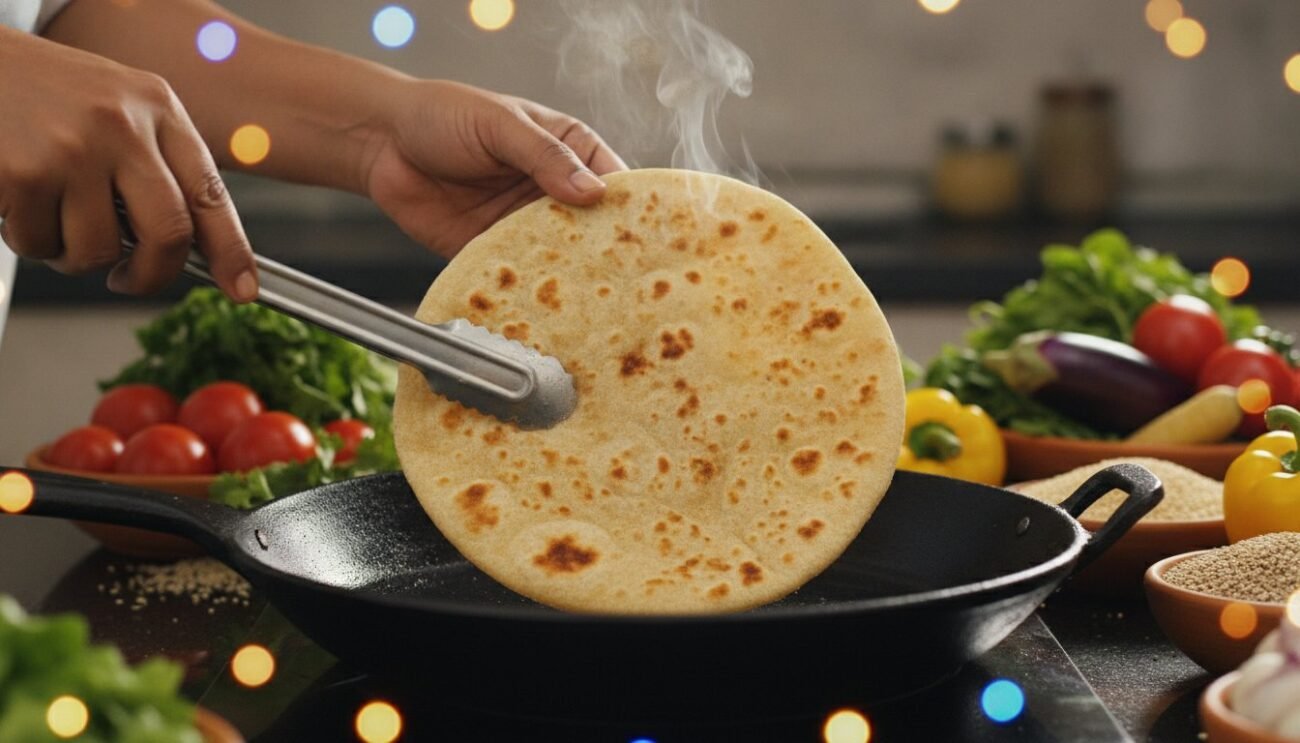
Millets are nutritional powerhouses, but they can be temperamental. For those struggling with dry or breaking Ragi rotis, the surface material is often the culprit. A traditional iron tawa is the gold standard here. Not only does it provide a natural boost of dietary iron, but its porous nature creates a micro-layer of steam that keeps the roti soft. Unlike thin, flimsy alternatives, a heavy iron tawa maintains a consistent temperature, which is essential for the slow-release carbohydrates in millets to hydrate properly during cooking.
Chef Meghna’s Notes
To prevent millet dough from sticking, always ensure the surface is pre-heated but not smoking. A quick wipe with a halved onion or a drop of oil spread with a kitchen towel creates a natural non-stick barrier. Remember, millets like Jowar need a little extra moisture. Try covering the roti with a lid for thirty seconds while it’s on the heat to steam the top. This ensures it stays pliable and delicious!
Essential Pan Types for Nutritious Indian Cooking
The soul of a nutritious meal often resides in the vessel that brings it to life. When we talk about heritage grains and high-protein vegetarian cooking, your choice of pan acts as a bridge between raw ingredients and a flavorful masterpiece. Cast iron remains the undisputed powerhouse for crafting Ragi and Bajra rotis. Its incredible heat retention allows these gluten-free flours to cook thoroughly without drying out, while a slow-simmered dal in a cast iron kadhai absorbs subtle minerals that a standard vessel simply can’t provide. It is about choosing a tool that works with the ingredients, not against them.
For your high-protein moong recipes, tri-ply stainless steel is the versatile hero. Unlike older, thin-bottomed steel, tri-ply layers aluminum between steel to eliminate hot spots. This is essential when making delicate moong dal pancakes or stir-fries where you want a golden sear without the risk of burning. If you are looking for that moist, melt-in-the-mouth texture in my “Cake Therapy” creations, earthen pans and clay pots are magical. They breathe, allowing steam to circulate naturally, which preserves the intrinsic moisture of the bakes without needing excessive fats.
Looking toward the future of health, the air fryer has truly become the essential oil-free “pan” of the modern kitchen. It mimics the results of deep-frying using rapid air technology, making it a staple for anyone following my step-by-step visual guides for oil-free snacks. It is the ultimate tool for achieving a satisfying crunch on millet-based cutlets while keeping your fat intake at a minimum.
Comparing Traditional vs. Modern Cookware
While non-stick surfaces offer convenience, they often lack the durability and high-heat safety of cast iron. Cast iron is a lifetime investment that only gets better with age. For tomato-based curries or any acidic recipe, stainless steel is your safest bet as it won’t react with the ingredients. Hard-anodized pans sit comfortably in the middle; they are tougher than standard non-stick and perfect for quick, high-protein stir-fries where you need a slick surface but want more heat resistance.
The Paniyaram Pan: A High-Protein Snack Secret
The Appe or Paniyaram vessel is a secret weapon for fitness enthusiasts. This multi-cavity tool allows you to create bite-sized moong dal chilla bites or millet snacks using almost zero oil. By using the round cavities, you maximize the surface area for browning, ensuring every bite is crispy on the outside and fluffy within. It is a fantastic way to pack protein into a small format that kids and fussy eaters absolutely love.
Chef Meghna’s Notes
If you find your snacks browning unevenly in a Paniyaram pan, the center cavities usually get hotter than the edges. I always start by filling the outer circles first and then the center. When flipping, move the outer snacks to the middle to ensure every single piece gets that perfect, uniform golden glow. If the batter sticks, a tiny drop of sesame oil in each hole before the first batch is all you need!
The Art of Pan-Frying: Making High-Protein Snacks Without the Grease
The transition from deep-frying to pan-searing is one of the most effective ways to accelerate your fitness journey without sacrificing the textures you crave. While deep-frying saturates your food with empty calories, a high-quality pan allows you to lock in moisture while creating a golden, crispy exterior. Consider the calorie difference: a single deep-fried moong dal vada can absorb significant amounts of oil, whereas a pan-seared version uses less than a teaspoon. This simple shift in technique helps you manage weight while keeping the protein quality of your meals intact. It’s about using heat to your advantage, rather than relying on a pool of grease.
One of my favorite secrets for a truly oil-free kitchen is the “Water-Sauté” technique. By using a heavy-bottomed vessel with excellent thermal properties, you can cook vegetables and proteins by adding small splashes of water or vegetable stock whenever the food starts to stick. This creates a micro-steam environment that cooks the food through while the high heat of the surface provides a beautiful sear. It’s a game-changer for anyone looking for Weight Loss Fitness Recipes that still feel celebratory and indulgent.
High-Protein Vegetarian Staples on the Pan
Achieving flavor in vegetarian cooking often comes down to the Maillard reaction, the browning that happens when proteins meet heat. When you sear paneer or soya chunks on a flat surface, you’re intensifying their natural savory notes. For vegetable-loaded cutlets, the goal is a non-greasy crunch. If you find yourself reaching for the oil bottle, try using your air fryer as a “dry-pan.” It provides 360-degree heat that crisps up high-protein snacks without the need for any added fats, making it a perfect tool for modern, health-conscious households.
Millet-Based Breakfasts: Jowar and Bajra on the Tawa
Millet rotis are notoriously delicate because they lack gluten, the “glue” that holds wheat dough together. Mastering Jowar or Bajra on the tawa requires precise temperature control. If the surface is too cold, the roti will stick; if it’s too hot, it will crack before it’s cooked through. The secret lies in the steam. By maintaining a consistent medium heat, you allow the moisture within the dough to turn into steam, which hydrates the heritage grains from the inside out. This is how you get a Ragi roti that’s soft enough to roll, rather than a brittle disc that breaks upon flipping.
Chef Meghna’s Notes
The first step to a perfect pan-fry is actually in the prep. Always soak your millets for at least 4 to 8 hours. This isn’t just for texture; it breaks down phytic acid, making the nutrients much easier for your body to absorb. If you’re struggling with dry rotis, try my “damp cloth” trick. After placing the roti on the tawa, gently pat the top with a damp muslin cloth. This adds a burst of moisture that prevents the surface from drying out too quickly, ensuring your heritage grain masterpieces stay soft and delicious for hours.
Chef Meghna’s Guide to Zero-Waste Pan Care and Sustainability
Sustainability in the kitchen is about more than just what you cook; it’s about the tools you use to bring those ingredients to life. When you invest in a high-quality pan, you’re making a commitment to both your health and the planet. A longevity mindset is essential here. One professional-grade vessel that lasts thirty years is far superior to ten cheap, disposable versions that end up in a landfill. This approach transforms your kitchen into a sanctuary of mindful creation, where every piece of equipment is treated with respect. By mastering zero-waste care, you ensure your cookware remains a non-toxic foundation for your family’s meals for decades.
One of my favorite ways to maintain cast iron is through zero-waste seasoning. Instead of wasting fresh oil for a deep season, use the skins of potatoes or the ends of onions. These scraps contain natural starches and sulfur compounds that help clean the surface while the residual oils build that beautiful, dark patina we all love. Similarly, never wash away those flavorful pan-drippings. Those caramelized bits, known as the fond, are concentrated flavor magic. Deglaze the surface with a splash of water or vegetable stock to create a quick, nutritious base for your next dal or gravy. It’s a simple habit that reduces waste while elevating the taste of your high-protein dishes.
How to Season Your Pan Like a Pro
Seasoning is the process of polymerizing oil onto a metal surface to create a natural, non-stick barrier. It’s a ritual that connects you to your tools. Follow these steps to keep your cookware in peak condition:
- Step 1: The Clean and Dry: Scrub your vessel with warm water and a gentle brush. Never leave it to air dry, as moisture is the enemy of iron. Place it on a medium flame for two minutes until every drop of water evaporates.
- Step 2: The Oil Coat: While the pan is still warm, apply a very thin layer of high-smoke point oil. Rice bran or mustard oil work beautifully. Use a soft cloth to buff the oil until the surface looks matte, not greasy.
- Step 3: The Heat Cycle: Heat the vessel until it just begins to smoke, then turn off the flame. This heat allows the oil to bond with the metal, creating that smooth, slippery finish that makes cooking millet rotis so effortless.
Zero-Waste Kitchen Management
Resourceful cooking is the hallmark of a professional kitchen. If you have leftover pan-roasted vegetables, don’t let them sit in the fridge. Mash them into a high-protein dough for your morning chilas or use them as a nutritious filling for kids tiffin recipe ideas. While you prep, keep a dedicated container for vegetable peels and herb stems. These “scraps” make the most incredible, nutrient-dense broth that beats any store-bought cube. It’s about seeing the potential in every ingredient and every tool.
Chef Meghna’s Notes
Don’t panic if you accidentally burn something! You can rescue a burnt surface without using harsh chemicals that strip your seasoning. Cover the burnt area with a thick layer of salt or baking soda and add just enough water to make a paste. Let it sit for an hour, then use a halved lemon to scrub the area. The acidity and abrasion will lift the char without ruining the metal. Rinse, dry thoroughly on the stove, and apply a quick coat of oil to restore the magic.
Unlock the Magic: High-Protein Pan Recipes for Fitness
Bringing your culinary journey to a close means putting all that knowledge about surface materials and heat distribution into practice. When you have the right pan, cooking becomes an effortless act of self-care rather than a chore. The Ultimate Moong Dal Chilla is our favorite BOFU-ready solution for busy mornings. It’s packed with bioavailable protein and, when cooked on a perfectly seasoned surface, achieves a lacy, crisp edge without needing a lake of oil. This recipe isn’t just about speed; it’s about starting your day with a stable blood sugar level and sustained energy.
For dinner, we often pivot to a Pan-Roasted Millet Khichdi. While most people reach for a pressure cooker, roasting your Jowar or Bajra in a dry pan before simmering creates a deeper, nuttier flavor profile. This process also helps neutralize phytic acid, ensuring the minerals are easier for your body to absorb. It’s a lightweight, comforting meal that promotes better sleep and easy digestion. Even our “Cake Therapy” sessions can happen right on the stovetop. By using a heavy-bottomed vessel with a tight-fitting lid, you can create whole wheat and jaggery delights that stay incredibly moist without the need for a traditional oven.
Quick Morning Wins for Busy Families
Stress-free mornings are possible with a bit of strategic planning. You can whip up a healthy tiffin in just 15 minutes using a single vessel. Vegetable-loaded millet pancakes are a fantastic way to sneak nutrients into the diets of picky eaters. The vibrant colors of grated carrots and spinach, seared quickly to retain their vitamins, make these pancakes visually appealing to kids while providing the complex carbohydrates they need for a day of school and play.
Chef Meghna’s Notes
My secret for stress-free Sundays? Prepare your millet and lentil batters the night before. Because heritage grains like Ragi and Jowar are gluten-free, the batter benefits from a few hours of resting, which allows the flour to hydrate fully. If the batter thickens too much in the fridge, just whisk in a tablespoon of buttermilk before it hits the heat. This ensures your chilas are always soft and pliable, never rubbery.
Post-Workout Fuel from the Pan
Muscle recovery requires a blend of high-quality protein and complex carbohydrates. A quick stir-fry of soya chunks and paneer, seared until golden, provides the essential amino acids your body craves after a session. Pair this with a bowl of Millet Upma. The slow-release energy from the grains helps replenish glycogen stores without the crash associated with refined semolina. To add even more variety to your fitness menu, you can explore our Air Fryer Recipes for Indian Food, which complement your pan-cooking techniques by offering oil-free ways to achieve that perfect crunch.
Transform Your Kitchen Into a Wellness Sanctuary
Mastering the right pan is the first step toward a kitchen that truly nourishes your body and soul. You’ve discovered how the science of heat distribution preserves the integrity of heritage grains and how mindful maintenance can turn a simple tool into a lifetime companion. By embracing zero-waste habits and choosing specialized materials for your high-protein meals, you’re not just following recipes; you’re adopting a sustainable lifestyle that honors both flavor and fitness.
Join thousands of home cooks who have already embarked on this journey with me on YouTube. With specialized millet collections and professional zero-waste tips at your fingertips, you have everything you need to reimagine Indian culinary traditions for a modern world. Let’s turn every meal into a nutritious masterpiece together.
Your journey to effortless wellness starts with the very next meal you prepare. I am so excited to see the magic you create in your own kitchen!
Frequently Asked Questions
Which is the best pan for making millet rotis like Jowar and Bajra?
A heavy iron tawa is the absolute best choice for heritage grains. It provides the consistent, high heat needed to cook Jowar or Bajra thoroughly without drying out the dough. The porous iron surface creates a micro-layer of steam that keeps these gluten-free rotis soft and pliable for hours.
Is it safe to use non-stick pans for high-protein Indian cooking?
High-quality, PFOA-free non-stick surfaces are safe for low to medium heat, but they aren’t ideal for high-heat searing. For high-protein recipes that require a hard sear, like paneer or soya chunks, tri-ply stainless steel or cast iron are much safer and more durable alternatives that won’t release fumes at high temperatures.
How do I season a cast iron pan for the first time?
Scrub the vessel with warm water and dry it completely on a stovetop flame to remove all moisture. Once dry, apply a very thin coat of high-smoke point oil like mustard or rice bran oil across the entire surface. Heat it until it lightly smokes, then let it cool completely to bond the oil to the metal for a natural finish.
Can I make Chef Meghna’s ‘Cake Therapy’ recipes in a regular frying pan?
Yes, you can definitely bake my ‘Cake Therapy’ delights in a heavy-bottomed frying pan with a tight-fitting lid. This method mimics a traditional oven by trapping steam and heat, keeping whole wheat cakes incredibly moist and fluffy. Just ensure you use a very low flame to prevent the bottom from charring while the center sets.
How do I prevent my Moong Dal Chilla from sticking to the pan?
Ensure your surface is pre-heated and lightly greased with a drop of oil spread using a halved onion. Sticking often happens if the batter is too watery or the surface isn’t hot enough. Let the chilla cook completely on one side until the edges lift naturally before you attempt to flip it for that perfect golden crunch.
What is the best way to clean a burnt stainless steel pan without chemicals?
Use a mixture of baking soda and water to create a thick paste over the burnt areas. Let it sit for at least thirty minutes, then scrub it with a halved lemon or a gentle brush. The natural acidity of the lemon works with the abrasive baking soda to lift stubborn char without damaging the beautiful steel finish.
Why should I choose a heavy-bottomed pan for weight loss recipes?
A heavy-bottomed pan distributes heat evenly, which allows you to cook with significantly less oil. Thin vessels create hot spots that burn food quickly, forcing you to add extra fats to prevent sticking. Even heating preserves nutrients and allows for the “Water-Sauté” technique, helping you manage calories effectively while keeping flavors intense.
How does pan-frying compare to air frying for healthy snacks?
Pan-frying is excellent for recipes that need a quick sear and moisture retention, while air frying is the ultimate tool for 360-degree oil-free crispness. Both are fantastic for a fitness journey. I recommend using the air fryer for snacks like millet cutlets and the stovetop for delicate items like moong dal pancakes or breakfast chilas.
Disclaimer
This is a recipe food blog page and not nutrition or doctor and hence do not claim to cure any illness. If you have specific health issues please consult a qualified doctor or certified nutritionist.
I do consult experts, research Internet and at times seek help from Gemini to collect relevant information to put together some of these blogs.

