
Healthy Indian Restaurant-Style Recipes for Curries and More
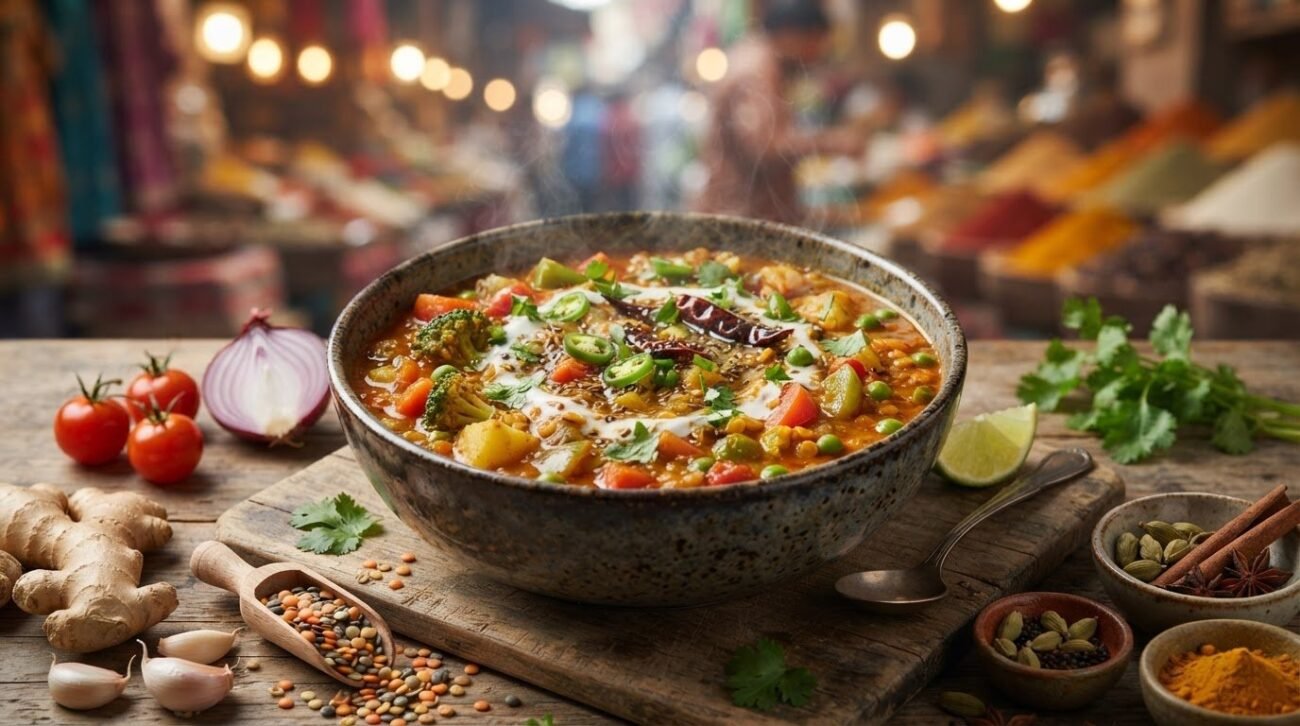
Restaurant-style flavour doesn’t have to rely on a heavy pour of oil or cream. Healthy Indian restaurant-style recipes build richness with an aromatic base of onion, tomato, chilli, garlic and ginger, layered spices and thoughtful swaps, such as yoghurt instead of cream. At home, you can adjust the ingredients and amount of oil to suit the meal.
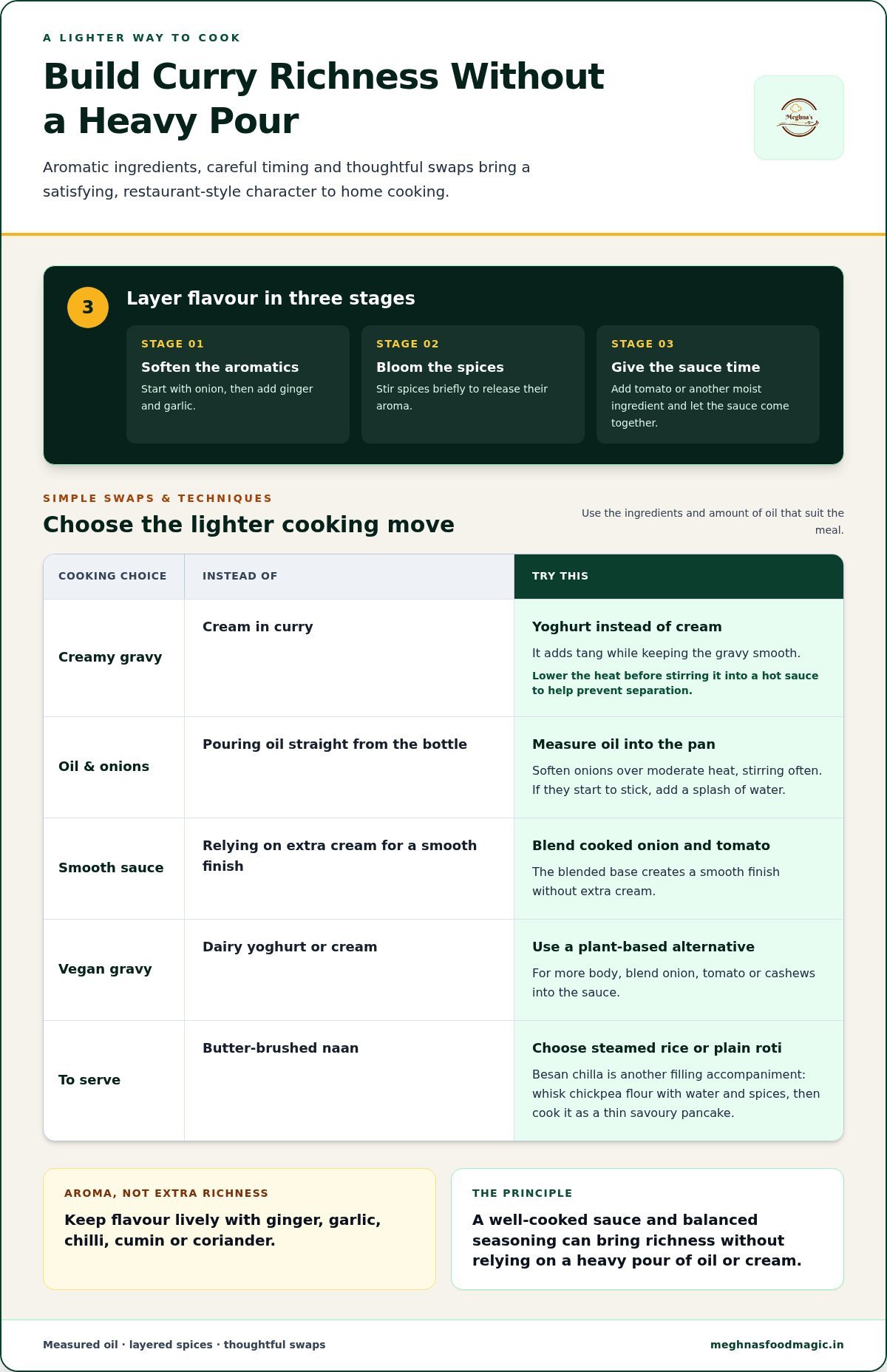
You can enjoy a satisfying curry without losing the fragrant, deeply spiced character you love. Build flavour in stages: soften the aromatics, bloom the spices, then give the sauce time to come together.
Explore ideas for lighter chicken and lamb curries, vegetarian favourites, lentils, khichdi and regional Indian curries, along with practical ways to adapt familiar cooking methods. Learn how to make lower-oil dal tadka and keep curries flavourful, so your next homemade Indian meal feels comforting and fresh.
Key Takeaways
- Build vegetarian curries around aromatic ingredients, and explore how double onions shape the character of Do Pyaza.
- Choose lentils and khichdi for comforting meals, and use texture as your guide when adjusting the consistency.
- Swap yoghurt for cream in curry recipes to create a lighter, tangy finish.
- Discover how regional techniques, including slowly cooking onions, deepen a curry’s colour and flavour.
- Make dal tadka with controlled oil by layering spices thoughtfully and letting the lentils provide a satisfying base.
Indian vegetarian recipes
Indian vegetarian recipes get their flavour from familiar ingredients and careful timing. Onion, tomato, chilli, garlic and ginger often form the curry base. Soften the onion first, add ginger and garlic, then stir in tomato and spices. This gives the sauce time to come together before you add vegetables.
Names and techniques give each dish its own character. Do Pyaza means “double onions” in this North Indian curry. Achaari Bangun and Aloo Bangun each take 50 minutes to prepare; Bombay Aloo takes 40 minutes. Preparation times vary by recipe, so check the individual instructions. Khumb Matar Malai combines button mushrooms with a cashew-based creamy gravy.
The nutritional content of restaurant-style dishes varies with their ingredients, preparation and serving choices. A vegetable curry with cashew gravy differs from a potato dish, so consider the ingredients in the specific recipe rather than assuming every curry has the same nutritional profile.
Jeera Aloo
Ingredients: 400 g potatoes, peeled and diced; 1 tsp cumin seeds; 1 tbsp oil; ¼ tsp turmeric; ½ tsp ground coriander; ¼ tsp chilli powder; 2 tbsp water; salt to taste; 1 tbsp chopped coriander.
Method: Boil the potatoes until just tender, then drain. Warm oil in a pan and add cumin seeds. Once fragrant, add turmeric, coriander and chilli powder. Stir in the potatoes and water, then cook until the potatoes are tender and coated. Finish with salt and fresh coriander. Warm oil releases the cumin’s aroma, while a splash of water helps the spices cling to the potatoes.
Cabbage Thoran
Ingredients: 300 g finely shredded cabbage; 1 tsp oil; ½ tsp mustard seeds; 6 curry leaves; 1 green chilli, finely sliced; ¼ tsp turmeric; 2 tbsp water; salt to taste; 2 tbsp grated coconut.
Method: Heat oil, add mustard seeds, then curry leaves and chilli. Stir in turmeric and cabbage. Add water, cover and cook until tender but not mushy. Season with salt and fold in grated coconut. Finely shredded cabbage cooks evenly, while adding coconut at the end preserves its texture and flavour.
For either dish, cut the vegetables evenly so they cook at a similar pace. Taste near the end, then adjust the salt or chilli gradually. Serve Jeera Aloo or Cabbage Thoran with rice and lentils, or include either as the vegetable component of a larger meal.
A thali is a platter of several dishes served together, bringing different flavours and textures into one meal.
Lentil recipes and khichdi
Lentils add body, earthy flavour and satisfying texture to Indian meals. Choose a variety to suit the finish you want: whole brown lentils stay distinct, while split dals soften into a smoother dish. Sort the lentils to remove debris, then rinse until the water runs clearer. This removes surface dust and helps them cook evenly.
Brown Lentil Dhal takes 30 minutes to prepare. Its earthy lentils make a hearty base for a spiced meal, while a final tempering can add fragrance and warmth. For a balanced texture, simmer until the lentils are tender, then stir and lightly mash some against the pot. The rest remain whole, creating a dhal that feels thick without needing cream.
For deeply flavoured dhal, cook chopped onion until soft before adding ginger, garlic and spices. Stir the spices briefly, then add rinsed lentils and water. Simmer until tender, stirring occasionally to stop the lentils catching on the bottom. Add salt towards the end and adjust the consistency with water. A thinner dhal pairs easily with rice; a thicker one works well with roti.
Khichdi combines rice and lentils in one soft, comforting dish. Rinse both ingredients, then cook them together with turmeric and enough water to reach your preferred texture. For soft, spoonable khichdi, let the grains cook until tender. For a more defined texture, use less water and stir gently. Moong dal is a familiar choice because split lentils soften readily, while vegetables add colour and flavour.
Build flavour without complicating the pot. Add cumin to warm oil, then ginger and turmeric before the lentils and rice. A pinch of salt brings the ingredients into focus; finish with chopped coriander or a squeeze of lemon. If the khichdi thickens as it stands, gradually stir in hot water. For dhal, add water in small pours, letting each addition blend before adjusting again.
Serve khichdi with a spoonful of yoghurt or a crisp vegetable side, and pair dhal with rice or roti. Keep toppings separate so each person can adjust the bowl’s tang, freshness or spice. These small choices make lentils flexible for different meals, from a simple solo supper to a shared family table. For more ideas on balanced home cooking, explore the Get Fit With Meghna playlist.
Lower-fat cooking substitutions
Restaurant-style richness can come from aromatic spices, a well-cooked sauce and balanced seasoning, not just cream. Yoghurt can replace cream in curry recipes, adding tang while keeping the gravy smooth. Lower the heat before stirring yoghurt into a hot sauce to help prevent it from separating. For vegan cooking, use a plant-based alternative or add body with blended onion, tomato or cashews.
Measure oil into the pan instead of pouring it straight from the bottle. Soften onions over moderate heat, stirring often; add a splash of water if they start to stick. Toast the spices briefly, then add tomato or another moist ingredient to bring the sauce together. Blending cooked onions and tomatoes creates a smooth finish without extra cream. Keep the flavour lively with ginger, garlic, chilli, cumin or coriander. These healthy Indian restaurant-style recipes stay satisfying when every ingredient has a clear purpose.
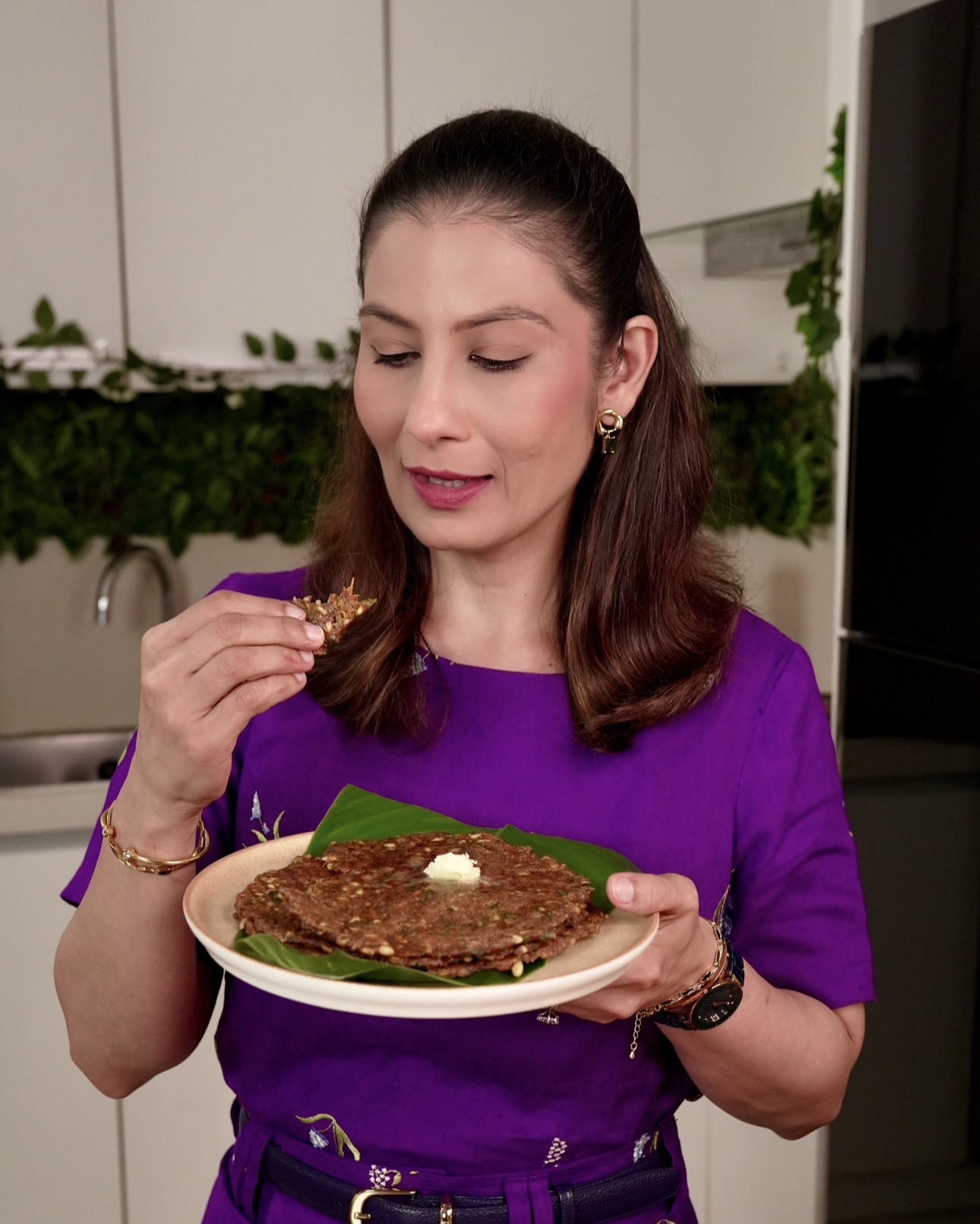
For a lighter alternative to naan, serve curry with steamed rice or plain roti instead of butter-brushed naan. Besan chilla is another filling accompaniment: whisk chickpea flour with water and spices, then cook it as a thin savoury pancake. For gluten-free meals, rice and besan-based dishes can replace wheat breads. Prepare them separately from wheat-based ingredients to suit your needs.
Make biryani with less added fat by using less oil or ghee, skipping fried toppings and adding vegetables alongside the protein. Turkey breast or tofu can replace other biryani proteins. Keep the rice fragrant with whole spices, browned onions and fresh herbs, then serve it with a vegetable side. Healthy Indian restaurant-style recipes can preserve their distinctive flavour through careful seasoning rather than extra richness.
For vegan meals, replace dairy yoghurt with a plant-based alternative, and choose tofu, lentils or vegetables instead of meat. For gluten-free cooking, build the plate around rice, lentils and vegetable curries, with besan chilla in place of wheat roti. Read ingredient labels and use separate utensils and preparation surfaces when avoiding particular ingredients.
Make one adjustment at a time so you can tell how it changes the dish. A yoghurt-based curry still needs its spices and aromatics; a lighter biryani still needs fragrant rice and herbs. Taste before serving, then adjust salt, chilli or acidity with lemon. For more cooking demonstrations, explore Indian recipe videos and adapt the techniques to your own kitchen.
Regional Indian curries
A curry’s regional character comes from how it builds aroma, texture and balance. Start with the dish’s defining ingredients, then adapt the cooking sequence to preserve their flavour. A slowly cooked onion base gives a different result from a quick spice tempering. Coconut, yoghurt, tomato and tamarind each add their own texture or tang, so choose a sauce that suits the curry.
Murgh do Pyaza shows how patient cooking builds depth. Slowly cooked onions give the curry a caramel colour and deep flavour. Let the onions soften gradually, stirring so they cook evenly and don’t catch on the pan. Add spices once they’re tender, then stir in the remaining ingredients. This lets the onion flavour anchor the sauce instead of tasting sharp or raw.
For a lighter version, build the sauce with the same care but moderate its richness. Cook onions until soft, then use tomato or yoghurt for body instead of relying only on cream. If the recipe includes yoghurt, lower the heat before stirring it into the sauce. Stir steadily so it blends smoothly. Finish with fresh coriander or lemon if the gravy needs a brighter edge.
Regional recipes also show why spice timing matters. Whole spices release their fragrance when added to warm oil. Ground spices need a brief stir before you add liquid, which helps prevent raw-tasting pockets in the gravy. Adjust the chilli to your taste, and give a sharp tomato sauce more time to cook. The goal is rounded flavour, not simply more heat.
Let the main ingredient guide your cooking method. Chicken pieces benefit from enough time in the sauce to absorb its seasoning, while delicate vegetables should be added later to retain their shape. For fish curry, gently add the fish after the gravy has developed, then avoid vigorous stirring. These adjustments help keep the main ingredient intact and the regional sauce at the heart of the dish.
Serve a regional curry as part of a thali, a platter of several dishes. Pair a richly flavoured gravy with plain rice, then add a dry vegetable preparation or lentils for contrast. If the curry tastes heavy, a crisp, tangy side can refresh the plate. Keep accompaniments simple so they complement, rather than compete with, the spices.
To adapt a regional recipe at home, change one element at a time. Keep the onion technique, then adjust the souring ingredient or final garnish. Taste after the sauce simmers, because spices and aromatics mellow as they cook. This pause helps you decide whether the curry needs more tang, freshness or heat while preserving the character of its method.
How do I make lower-oil restaurant-style dal tadka?
Dal tadka gets its signature aroma from the final tempering, so a modest amount of oil can still deliver plenty of flavour. Cook rinsed split lentils with turmeric and water until soft, stirring occasionally to prevent sticking. Add hot water if the dal thickens before the lentils are tender. Stir or lightly mash the cooked lentils for a creamy texture without adding cream.
Prepare the tadka in a small pan. Warm a little oil, add cumin seeds, then sliced garlic once the cumin is fragrant. Cook the garlic until lightly golden, then add dried or fresh green chilli. Briefly stir in chilli powder, if using, then pour the tempering over the dal. Moderate heat stops the garlic turning bitter and the ground spices scorching.
Briefly cover the pot after adding the tadka. The trapped aroma settles into the lentils, giving each spoonful a fragrant finish. Add chopped coriander for freshness or lemon juice for brightness, tasting first to decide which suits the dish. Serve the dal with rice or roti and pair it with a vegetable dish for varied textures.
Chef Meghna’s Notes
If your dal tastes flat, adjust the salt before adding more chilli or oil. Lemon can lift earthy lentils, while chopped coriander adds a fresher finish. If the texture feels grainy, simmer the dal longer and mash some lentils against the pot. If it becomes too thick, gradually loosen it with hot water, stirring after each addition.
For a different flavour, replace garlic with finely chopped ginger in the tempering, or use green chilli for fresher heat. Keep the tadka pan small so the spices stay together in the oil instead of spreading thinly over a large surface. Add the tempering just before serving, as prolonged simmering can soften its fresh aroma.
To keep the dal’s flavour balanced, taste the lentils and tempering together before serving. The Get Fit With Meghna playlist offers another place to explore fitness-focused cooking ideas alongside this comforting meal.
Home cooking lets you control the ingredients and amount of oil in your Indian meals. For this dal, measure the tempering and let garlic, cumin and chilli carry the aroma. Taste the finished dish before serving, then make a small adjustment, such as adding lemon or coriander to suit the meal.
Meghna’s Food Magic: Free Digital Recipe Database
Meghna’s Food Magic offers a Free Digital Recipe Database for home cooks looking for fresh ideas beyond the dishes covered here. Turn to it when you want to explore a different meal direction, from High Protein Recipes and Weight Loss Fitness Recipes to Millets Recipes. These collections can help you find recipes that suit your cooking interests while keeping flavour at the heart of the plate.
Use the recipe database for inspiration when planning everyday meals or trying a new ingredient. A protein-focused recipe can bring variety to your menu, while a millet recipe can introduce a different grain to your cooking.
Explore Meghna’s Food Magic recipes for ideas to try in your kitchen.
Make Your Next Meal a Fresh Start
Let healthy Indian restaurant-style recipes inspire your own kitchen routine. Choose a dish that suits your mood, then make a thoughtful adjustment to its ingredients or how you serve it. This helps you build meals around the flavours you enjoy without turning cooking into a set of strict rules.
As you cook, notice how each stage changes the dish. Aroma, colour and texture offer useful clues. Pause to taste, then decide what the meal needs next. Over time, these observations help you make a recipe your own and cook with greater confidence.
For more cooking inspiration, explore Meghna’s Food Magic on YouTube.
Choose a dish, gather what you need and enjoy making it yourself. Your next flavourful meal starts with a good idea.
Frequently Asked Questions
What makes Indian restaurant-style recipes healthy?
A balanced plate, thoughtful ingredients and considered cooking choices can make an Indian-style meal more nourishing. Include vegetables or lentils, choose a protein that suits your needs, and pair the curry with rice or bread in a portion that satisfies you. At home, you can also adjust the oil, cream, salt and added sugar. For example, add extra vegetables to a tomato-based curry instead of thickening the whole dish with cream.
How can I make healthy restaurant-style chicken tikka masala at home?
Marinate chicken in plain yoghurt, ginger, garlic, chilli and warming spices, then cook it until fully done. For the sauce, soften onion with spices, add tomatoes and simmer until the flavours come together. Stir in yoghurt off the heat for a creamy, tangy finish without relying on heavy cream. Add the cooked chicken and warm it through. Serve with rice and a vegetable side.
What is a healthy recipe for palak paneer with less cream?
Make palak paneer with spinach, paneer, onion, ginger, garlic and spices, using blended spinach to thicken the sauce naturally. Cook the spinach until tender, puree it, then stir it into the aromatic onion mixture. Add paneer and warm gently. For extra tang and a creamy feel, lower the heat before stirring in plain yoghurt. Serve the curry with rice or roti and a fresh salad.
What are healthy Indian restaurant-style vegetarian curry recipes?
Try a vegetable curry with cauliflower and peas, or make chana masala with chickpeas and tomato. For a lighter gravy, build flavour with onion, ginger, garlic and spices, then let the vegetables or legumes give the dish substance. Cook vegetables until tender, not collapsed. Serve the curry with rice, roti or lentils, and let the main ingredients shape the meal’s texture and flavour.
How much oil, cream, salt, and sugar do Indian restaurant recipes typically use?
There’s no single fixed amount of oil, salt or sugar across Indian restaurant recipes: ingredients and cooking methods vary by dish and kitchen. A rich gravy may include cream, while a tomato-based curry may not need it. Seasoning also depends on the other ingredients and the taste you want. At home, add oil and seasoning gradually, taste as the sauce cooks, and adjust before serving.
What cooking techniques make Indian curries healthier without losing flavor?
Toast whole spices in a modest amount of oil to release their aroma, then build the sauce with onion, tomato, ginger and garlic. If the ingredients stick, add a splash of water instead of more oil. Blend cooked vegetables to thicken the gravy, or stir in yoghurt off the heat for tang and creaminess. Finish with herbs or lemon to brighten the flavour without adding richness.
What are the nutrition facts for popular healthy Indian restaurant-style dishes?
Nutritional content varies with ingredients, preparation and serving choices. A vegetable curry with cashew gravy, for example, differs from a potato dish.
Disclaimer
This is a recipe food blog page and not nutrition or doctor and hence do not claim to cure any illness. If you have specific health issues please consult a qualified doctor or certified nutritionist.
I do consult experts, research Internet and at times seek help from Gemini to collect relevant information to put together some of these blogs.

