
Healthy Janmashtami Sweets: Guilt-Free Festive Recipes for 2026
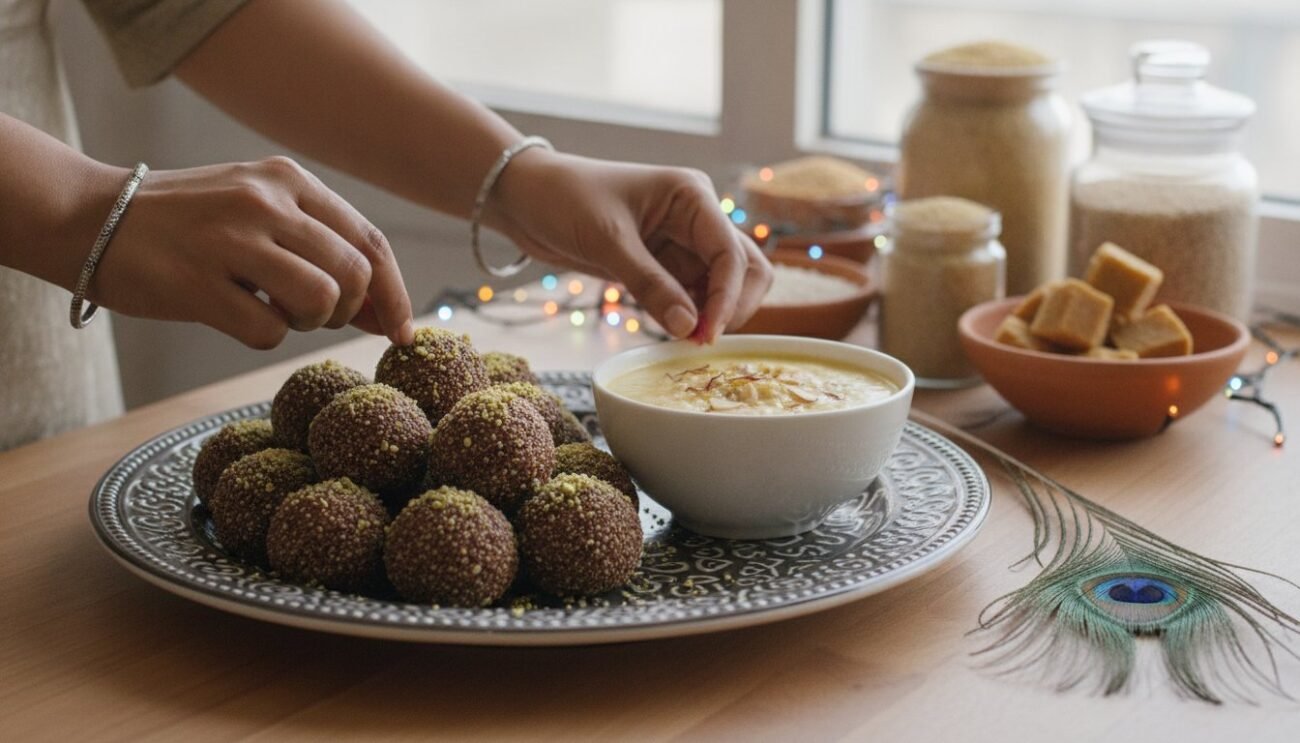
What if the most soul-satisfying way to welcome Lord Krishna this September 4, 2026, was also the best thing you’d do for your body all year? We’ve all been there; the festive lights are glowing and the bhajans are playing, but that third piece of traditional barfi often brings a nagging sense of sugar-crash dread. You want to honor tradition with authentic Healthy Janmashtami sweets, yet the thought of heavy syrups and refined flour feels like a step backward on your wellness journey. It’s a common struggle to balance the joy of the Gokulashtami feast with a genuine commitment to health.
I’m here to show you that indulgence can be an act of self-care. In this guide, you’ll discover how to craft festive treats using nutrient-dense millets and natural sweeteners like organic jaggery, which is currently averaging around ₹49.8 per kg. We’ll explore easy, vibrant recipes that promise authentic flavors without the festive weight gain guilt. From understanding the necessary soaking times for ancient grains to using crunchy almonds for texture, we’ll preview a modern, millet-based approach to celebration that makes your kitchen feel like a space for culinary therapy.
Key Takeaways
- Learn how to swap refined maida for fiber-rich grains like Ragi and Jowar to achieve traditional textures with enhanced nutritional density.
- Understand the essential technical steps, such as specific soaking times for millets, to ensure your festive treats are easy to digest and nutrient-dense.
- Master step-by-step recipes for Healthy Janmashtami sweets like high-protein Makhana Kheer and Ragi Ladoos that use natural sweeteners instead of refined sugar.
- Discover practical zero-waste tips for repurposing leftover festive fruits into smoothies and storing homemade sweets properly to maintain flavor without using preservatives.
- Explore how to integrate these “Get Fit With Meghna” principles into your daily routine using our extensive digital database of millet-based and high-protein recipes.
The Philosophy of Healthy Janmashtami Sweets: Celebrating with Vitality
Krishna Janmashtami is more than a date on the calendar; it’s a vibrant celebration of love, mischief, and divine wisdom. While the traditional ‘Bhog’ is central to the festivities, reimagining these offerings doesn’t mean we lose their spiritual essence. Instead, we elevate them by choosing ingredients that truly nourish. Transitioning toward Healthy Janmashtami sweets is about honoring Lord Krishna with the best nature provides, ensuring our bodies feel as celebratory as our spirits.
We’re moving away from the heavy, refined sugar crashes of the past. By using natural sweeteners like organic jaggery, which currently costs approximately ₹49.8 per kg, or fiber-rich dates, we create sweets that satisfy the palate without the guilt. These choices provide a steady release of energy, which is vital during long hours of prayer and fasting. Similarly, incorporating healthy fats like A2 ghee and premium nuts, such as almonds (priced around ₹1002.5 per kg), ensures you stay satiated and energized. This approach turns festive cooking into “Culinary Therapy,” a joyful process that busts stress rather than creating it. When you cook with intention and wholesome ingredients, the kitchen becomes a space for harmony and excitement.
Nourishing the Soul and the Body
Creating nutrient-dense festive offerings is an act of mindfulness. We don’t have to settle for empty calories when we can balance complex flavor profiles with wholesome ingredients. By pairing the earthiness of millets with the warmth of cardamom, we create a sensory experience that feels both indulgent and light. Even a small amount of high-quality cardamom, which has seen auction prices reach ₹3063.24 per kg recently, can transform a simple dish into something extraordinary.
The Rise of Ancient Grains in Modern Festivals
Ragi and Jowar are no longer just “poor man’s grains”; they’re the new stars of the Janmashtami thali. These indigenous superfoods help us connect with our roots while providing the fiber and minerals modern diets often lack. Embracing these grains isn’t just a health choice; it’s a celebration of our rich agricultural heritage. You can learn more about this journey in Food Magic: Redefining Healthy Indian Cooking. Using millets adds a unique texture and nutty flavor that elevates traditional recipes to a whole new level of sophistication.
The Secret Pantry: Smart Substitutions for Nutritious Bhog
Transforming your festive kitchen starts with a simple shift in your pantry essentials. We’re waving goodbye to refined flour (Maida) and welcoming the earthy, fiber-rich goodness of Ragi, Jowar, and Bajra. These ancient grains don’t just add nutrition; they bring a depth of flavor that Maida simply can’t match. Making Healthy cooking and baking substitutions is easier than you think when you understand the science of your ingredients. For those looking to veganize their Janmashtami feast, swapping dairy for creamy coconut milk and using almond flour in your kheer creates a rich, velvety texture that feels incredibly indulgent yet stays completely plant-based.
Millet Mastery: Soaking and Prep Times
Success with Healthy Janmashtami sweets depends heavily on how you treat your grains before they hit the pan. Millets contain phytic acid, which can block mineral absorption and make them harder to digest. Soaking is the magic key that neutralizes this acid. For a smooth Barnyard millet (Sanwa) kheer, you must soak the grains for at least 4 to 6 hours. Kodo millet often requires a longer soak of 6 to 8 hours to achieve that perfect, soft consistency. This patience ensures your body actually absorbs the magnesium and iron these superfoods offer.
Sweetening Without the Spike
Natural sweeteners are your best friends for maintaining energy during the midnight celebrations. Date paste is a fantastic innovator’s tool; it adds a caramel-like richness to Ladoos that jaggery alone can’t achieve. If you’re using jaggery, keep in mind that its current market price is around ₹49.8 per kg, making it an affordable way to add iron to your diet. Jaggery provides a significantly lower glycemic index and essential minerals compared to white sugar, which causes rapid insulin spikes and inevitable crashes.
When working with jaggery in milk-based festive pots, there’s a professional trick to prevent curdling. Always turn off the heat and let the milk cool slightly before stirring in your jaggery powder or syrup. This small pause keeps your kheer smooth and creamy every single time. I’ve shared more of these troubleshooting tips in my festive recipe videos to help you cook with total confidence. Whether you choose jaggery, date puree, or a touch of stevia for a zero-calorie option, the goal is always a celebration that tastes as good as it feels.
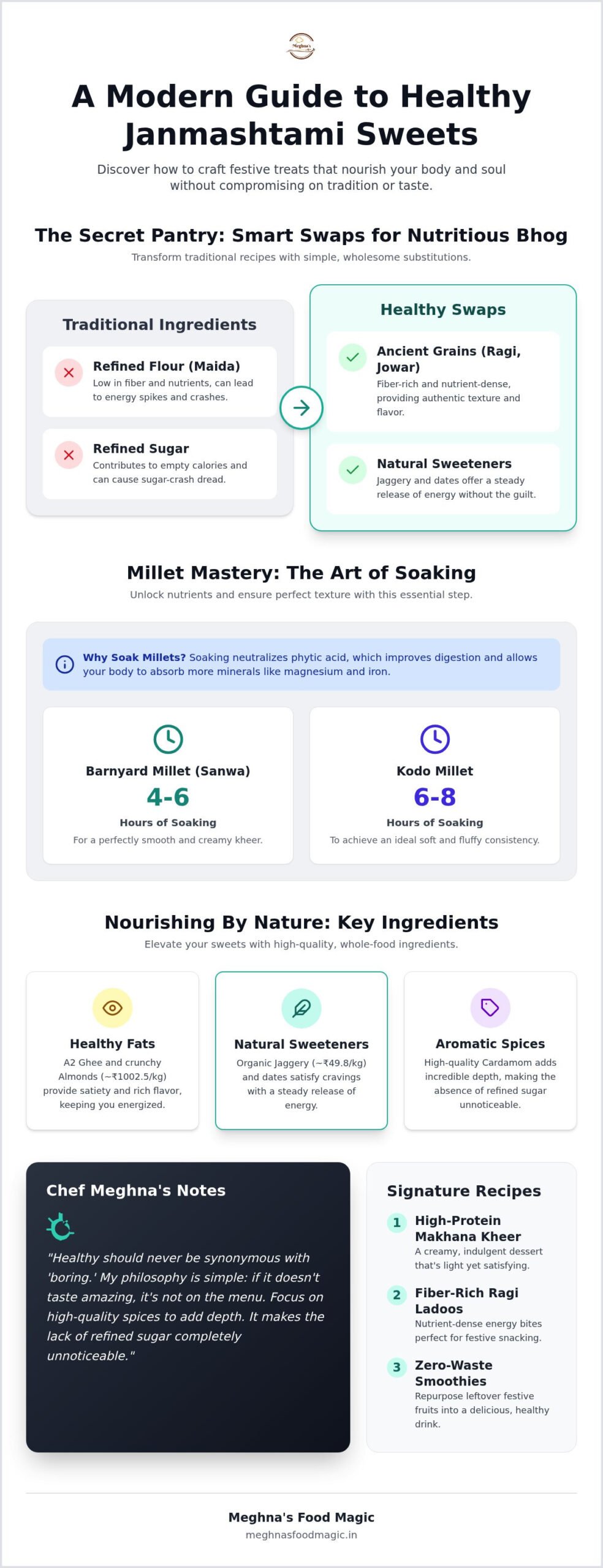
Chef Meghna’s Signature Healthy Janmashtami Recipes
It’s time to bring our philosophy to life in your kitchen. We’re using “Cake Therapy” principles-precision, balance, and a focus on texture-to create eggless, wholesome versions of Krishna’s favorites. These Healthy Janmashtami sweets prove you don’t need buckets of ghee or refined sugar to find that soul-stirring flavor. By applying smart techniques like dry-roasting and emulsifying natural fats, we achieve a gourmet finish that honors tradition with a modern, health-conscious twist.
Makhana and Nut Kheer: The Protein Powerhouse
Makhana, or fox nuts, are the ultimate festive superfood for those seeking a high-protein treat. First, dry roast your makhana until they’re crunchy enough to shatter easily between your fingers. This step is crucial; it allows some of the makhana to be crushed into a coarse powder, which naturally thickens the milk without needing hours of reduction. If you’re avoiding dairy, soy or almond milk works beautifully here. Just remember that almond milk shouldn’t be boiled too vigorously to prevent separation and maintain its delicate flavor.
Air Fryer Dhaniya Panjiri: Crispy and Light
Panjiri is a Janmashtami staple, but it’s often swimming in heavy fats. By using an air fryer, you can roast coriander seeds and nuts using 70% less ghee than the traditional kadhai method. This modern appliance circulates hot air to crisp each seed perfectly, avoiding the heaviness that comes with deep-frying. Set your air fryer to 160°C and roast the mixture for 5 to 7 minutes, shaking the basket halfway through for a uniform, golden crunch. You can find more innovative techniques in my guide to Air Fryer Recipes for Indian Food.
Don’t forget the Ragi Coconut Ladoos to round out your platter. Mix your soaked and ground Ragi with fresh grated coconut and organic jaggery. Use a pinch of high-quality cardamom-remember, even with auction prices peaking at ₹4434.00 per kg for the best lots, a tiny bit goes a long way in creating that divine aroma. These ladoos are the perfect bite-sized Healthy Janmashtami sweets for the whole family. The combination of slow-releasing carbs from Ragi and the healthy fats in coconut keeps your energy stable throughout the midnight festivities, ensuring you feel light and vibrant.
Festive Zero-Waste and Kitchen Management Tips
A successful festival isn’t just about the food; it’s about the harmony you create in your kitchen while preparing it. By adopting a zero-waste mindset, you ensure that your Healthy Janmashtami sweets respect both your health and the environment. Since premium cardamom can reach auction prices of ₹4434.00 per kg, don’t toss those aromatic peels; steep them in your morning tea instead for a fragrant boost. Similarly, if you’ve made nut milk for a vegan kheer, the leftover pulp is a fiber goldmine for your next batch of breakfast chillas. Meal prepping the ‘Bhog’ thali by roasting nuts and makhana two days early saves you from last-minute kitchen stress, allowing you to focus on the spiritual joy of the occasion.
Repurposing Festive Leftovers
Don’t let a single spoonful of your hard work go to waste. Leftover makhana kheer can be blended into a high-protein pancake batter for a post-festive breakfast that feels like a gourmet treat. If you have dry fruit scraps or extra chopped almonds, which currently average around ₹1002.5 per kg, toss them into your morning muesli bowl for an added nutritional punch. These small acts of repurposing keep the festive spirit alive while helping you stay on track with your fitness goals.
Storage and Freshness Secrets
Ghee-based sweets like Panjiri are best stored in glass containers rather than plastic to maintain their pure aroma and prevent any chemical leaching. Millet-based desserts require a bit more care; because they’re minimally processed and free from preservatives, they can spoil faster in humid conditions. Keep your ragi and barnyard millet sweets in the coldest part of the fridge to maintain their texture. For long-term snacking, you can freeze ladoos for up to three months, making Healthy Janmashtami sweets a convenient, guilt-free option for busy mid-week cravings.
Explore my Leftover Food Recipes playlist
Elevate Your Festive Kitchen with Meghna’s Food Magic
Your journey into the world of mindful celebration doesn’t have to end when the Janmashtami lights fade. While we’ve focused on creating Healthy Janmashtami sweets for this specific festival, the principles of using indigenous grains and natural sweeteners are part of a much larger, vibrant lifestyle. I believe that wellness and enjoyment are two sides of the same coin. By reimagining traditional flavors through a modern, health-oriented lens, we transform our daily cooking into a nurturing act of joy and self-care. It’s about making the “specialness” of festive cooking a part of your everyday routine.
Mastering the Millet Revolution
If you’ve enjoyed the earthy textures of Ragi and Jowar in your festive bhog, you’ll love exploring my “30+ Millet Recipes” playlist. This resource is designed to help you navigate the nuances of Bajra, Nachni, and Jowar for year-round vitality. From savory breakfast chilas to high-protein snacks, these recipes ensure that your pantry remains a powerhouse of nutrition. For parents, my specialized “Kids Tiffin” collection offers creative ways to sneak vegetables and ancient grains into school meals, making sure your little ones stay energized without the sugar crashes.
Stay Connected for More Magic
Wellness is a community effort, and I’d love for you to be a part of ours. By joining the “Get Fit With Meghna” community, you gain access to a holistic ecosystem where we balance festive indulgence with high-protein meals and travel adventures. It’s a space for “culinary therapy,” where we share discoveries over the kitchen counter and inspire each other to live more vibrantly. Whether you’re looking for weight-loss-friendly Indian meals or just a new way to use leftover jaggery, our community is here to guide you.
Follow my journey on Instagram for behind-the-scenes festive tips and daily kitchen inspiration. You can also explore my extensive, free digital recipe database at meghnasfoodmagic.in to find everything from air fryer snacks to high-protein vegetarian meals. Remember, you have the power to make every festival and every meal a healthy one. Let’s continue to celebrate Lord Krishna’s birth and our own health with the same enthusiasm and passion. Your kitchen is now a space for transformation, so let’s keep the magic alive together.
Bring Wholesome Magic to Your Gokulashtami Celebration
Lord Krishna’s birth is a time for boundless joy, and your kitchen is the heart of that celebration. We’ve explored how to swap refined flours for ancient grains, mastered the technical prep of soaking millets for perfect digestion, and used air fryers to reinvent classic Panjiri. These mindful shifts ensure you can honor tradition without the heavy sugar crashes or weight-gain guilt. By choosing to prepare Healthy Janmashtami sweets, you’re transforming a festive ritual into a vibrant act of self-care that nourishes both the soul and the body.
You now have the professional ‘why’ behind every soak and roast, from achieving that creamy texture with roasted makhana to repurposing every bit of aromatic cardamom peel. Join thousands of home cooks in the ‘Get Fit With Meghna’ journey and embrace our expert-led ‘Cake Therapy’ for a lifetime of healthy baking. With our free database of 30+ Millet Recipes, you’re fully equipped to make wellness a delicious, everyday reality.
Go ahead and light the lamps, play the bhajans, and cook with a heart full of passion. You’ve got the magic; now it’s time to share it with your loved ones!
Frequently Asked Questions
Can I use millets like Jowar or Bajra for Janmashtami sweets if I am a beginner?
Yes, beginners can easily use Jowar or Ragi because their neutral profiles blend seamlessly into traditional recipes. Start by substituting only 25% of the flour in your usual recipe to get a feel for the texture. As you grow more confident, you can move to 100% millet-based Healthy Janmashtami sweets. This gradual shift ensures your family enjoys the new flavors while benefiting from the massive boost in fiber and minerals.
How long should I soak millets before using them in a Kheer or Ladoo recipe?
You should soak millets for 4 to 8 hours depending on the variety to ensure they’re easy to digest. Barnyard millet, common in Janmashtami kheer, needs at least 4 hours, while Kodo millet benefits from a full 8-hour soak. This process is vital because it neutralizes phytic acid, which otherwise blocks your body from absorbing essential minerals. Proper hydration also ensures a smooth, non-grainy texture in your final festive dessert.
What are the best sugar substitutes for traditional Indian festive sweets?
Organic jaggery and date paste are the best natural substitutes for refined sugar in Indian celebrations. Jaggery, currently priced around ₹49.8 per kg, provides iron and a lower glycemic index, while dates offer a rich, caramel-like sweetness. For those watching calories strictly, stevia is a great plant-based option. These alternatives help you create Healthy Janmashtami sweets that satisfy your cravings without the subsequent energy crashes often caused by white sugar.
Is it possible to make Dhaniya Panjiri without using a lot of ghee?
Yes, you can make a delicious Dhaniya Panjiri with 70% less ghee by using an air fryer. Instead of deep-frying the coriander seeds and nuts in a heavy kadhai, simply toss them with a teaspoon of A2 ghee and air fry at 160°C for 5 minutes. This technique keeps the panjiri light and crispy while significantly reducing the fat content. It’s a perfect modern twist that preserves the authentic taste of the traditional prasad.
How can I make Janmashtami sweets kid-friendly for children who dislike vegetables?
Hide nutrient-dense ingredients in familiar forms like chocolate-flavored Ragi ladoos or fruit-sweetened puddings. If your kids are fussy eaters, use the “Cake Therapy” approach by blending millets into fine flours so the texture remains soft and cake-like. You can also incorporate fruit purees for natural color and sweetness. This makes the treats visually appealing and tasty, ensuring they get their vitamins without even realizing they’re eating something healthy.
What is the shelf life of homemade millet-based sweets?
Homemade millet-based sweets generally last for 3 to 5 days at room temperature and up to two weeks in the refrigerator. Since these treats don’t contain artificial preservatives, they’re best kept in airtight glass containers to maintain freshness. If you want to keep them longer, most millet ladoos can be frozen for up to three months. Just thaw them at room temperature for an hour before serving to regain their original soft texture.
Can I prepare these healthy sweets in an air fryer to save time?
An air fryer is a fantastic time-saver for roasting nuts, seeds, and even making dry sweets like granola-style panjiri. It cuts down roasting time by nearly half compared to a traditional stovetop and ensures every grain is evenly cooked. You can roast your makhana or almonds, priced around ₹1002.5 per kg, in bulk, making your festive prep much faster. This efficiency allows you more time to enjoy the puja and celebrations with your family.
What should I do with leftover fruits and nuts after the Janmashtami Puja?
Repurpose leftover fruits and nuts into high-protein morning smoothies or “Get Fit” muesli bowls. You can also blend leftover kheer into a pancake batter for a nutritious breakfast the next day. If you have extra nuts, chop them up and store them in the fridge to use as tiffin toppings or salad garnishes. These zero-waste strategies ensure that every bit of your blessed offerings continues to nourish your body well after the festival ends.
Disclaimer
This is a recipe food blog page and not nutrition or doctor and hence do not claim to cure any illness. If you have specific health issues please consult a qualified doctor or certified nutritionist.
I do consult experts, research Internet and at times seek help from Gemini to collect relevant information to put together some of these blogs.

