
Healthy Navratri Fasting Guide: Essential Rules & Recipes
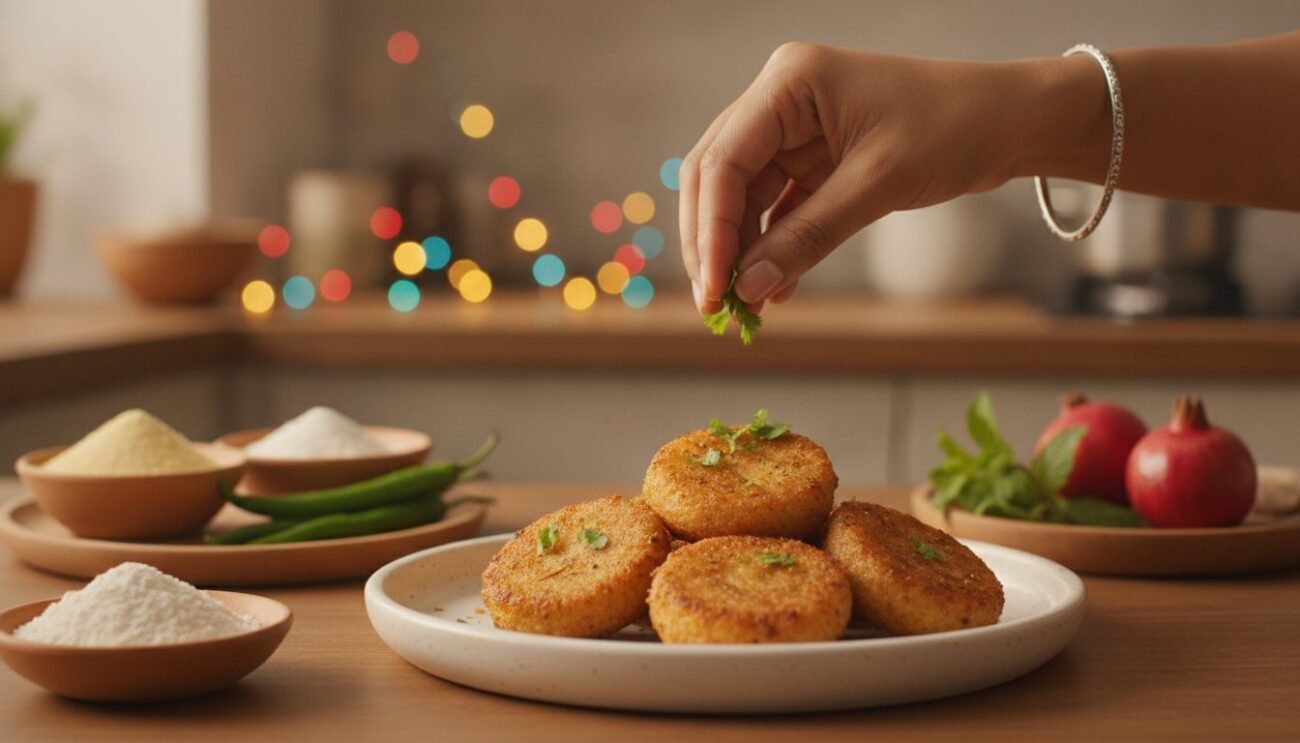
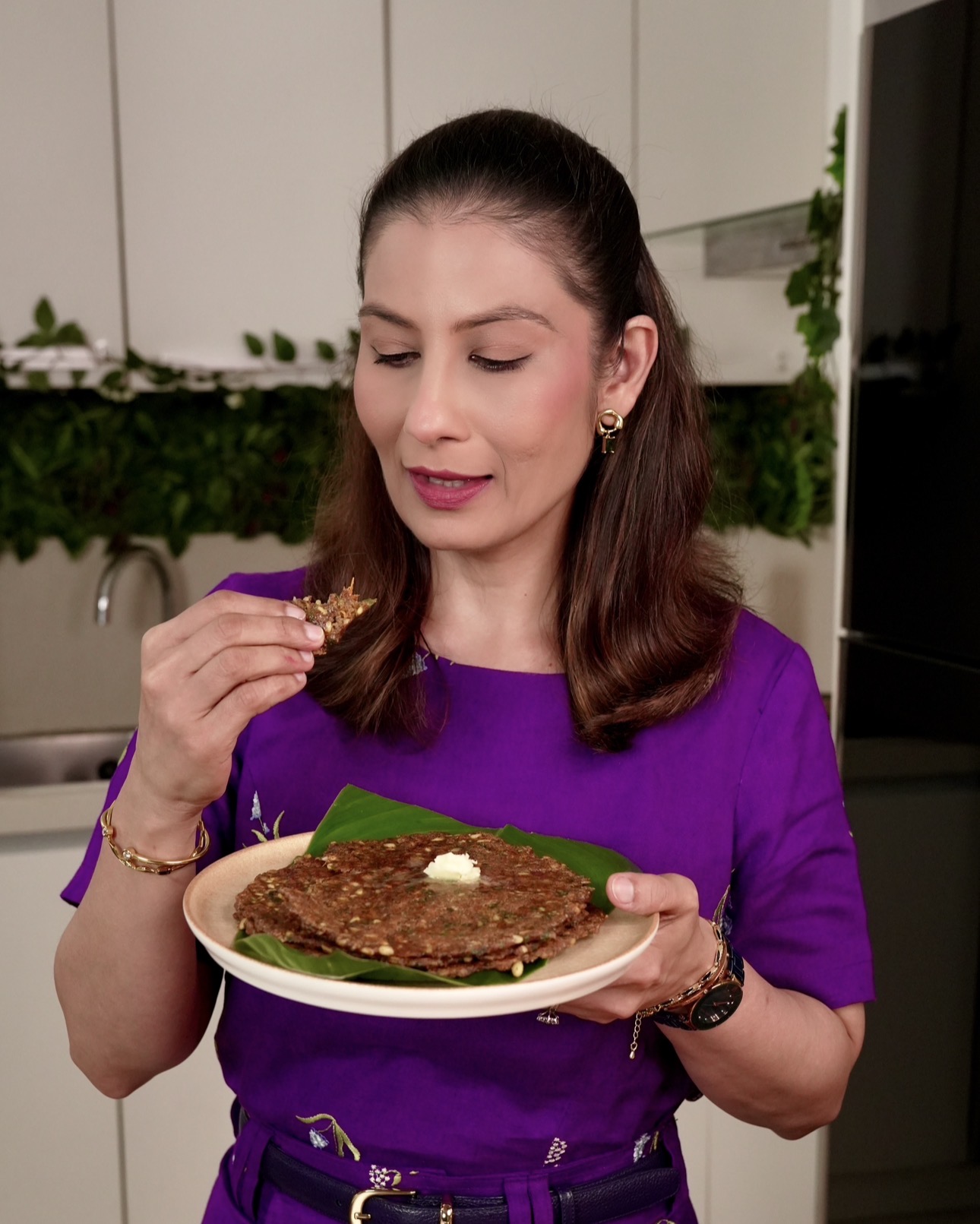
What if your nine days of Navratri fasting left you feeling more energized and lighter than your usual routine, rather than drained and bloated? Most of us look forward to the spiritual connection of the festival, but the reality often involves heavy, oil-soaked snacks that lead to digestive sluggishness and a frustrating energy crash by mid-afternoon. It’s a common struggle to balance devotion with the desire to stay fit, especially when you’re bored of the same few traditional recipes.
I’m here to show you that wellness and celebration can go hand in hand. In this guide, you’ll discover how to transform your vrat into a period of culinary therapy through high-protein, low-oil recipes that keep your metabolism firing. We will explore essential fasting rules, modern air-fryer hacks for your favorite snacks, and specific, nutrient-dense recipes designed to keep you powered from morning prayers to evening Garba. Let’s reimagine your fasting journey as a vibrant, healthy celebration of self-care that nourishes your body and soul.
Key Takeaways
- Understand the Ayurvedic concept of Ritu Sandhi and how Navratri fasting functions as a vital seasonal reset for your digestive fire and immunity.
- Identify the “super-vrat” pantry staples like Rajgira and Singhara that provide sustained energy without the heavy calorie load of traditional fried foods.
- Learn the professional “Chef’s Routine” for meal prepping and air-frying traditional snacks to maintain a fit lifestyle during the nine days of celebration.
- Explore three specific, high-protein recipes with precise measurements that prove you don’t have to sacrifice flavor for your health goals.
The Science and Spirit of Navratri Fasting in 2026
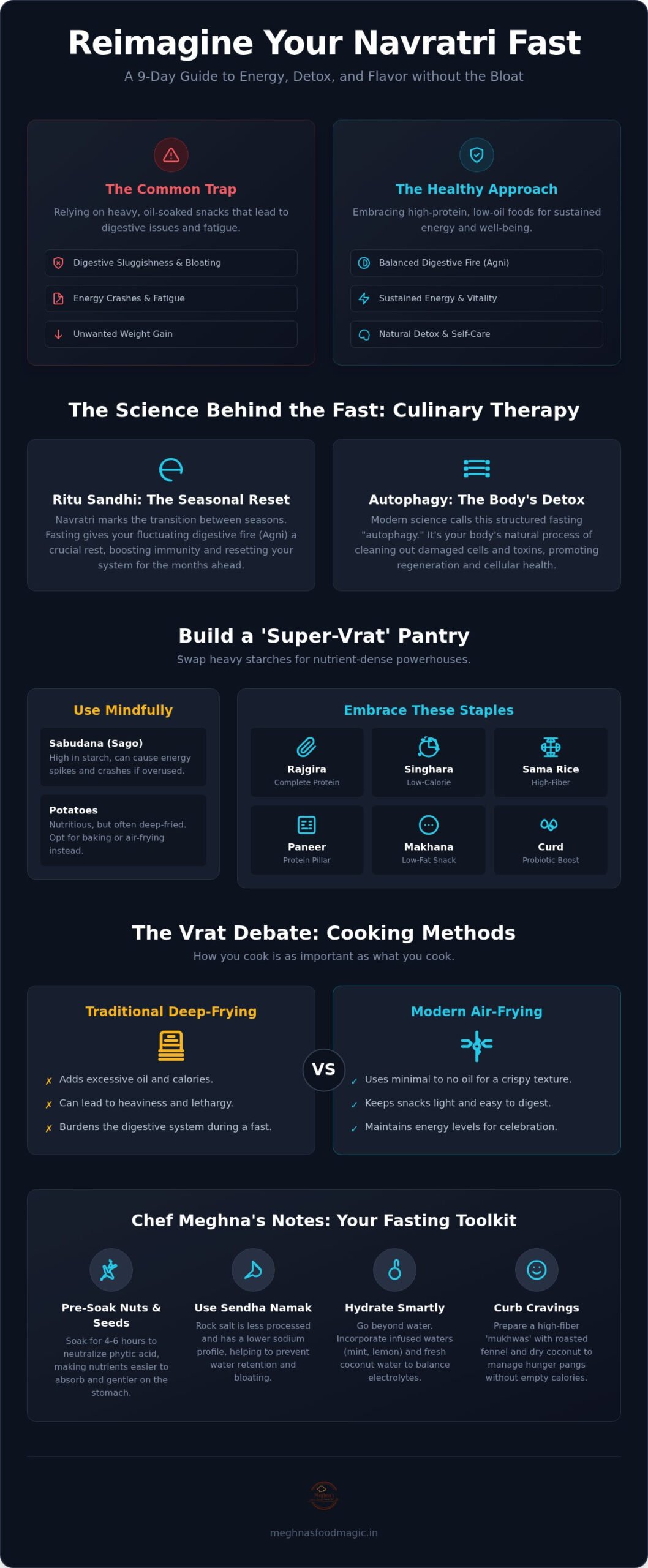
Navratri isn’t just a period of spiritual devotion; it’s a profound biological reset. In 2026, Sharad Navratri begins on October 11, marking a period of “Ritu Sandhi,” or the junction between two seasons. During this transition, our internal “Agni” (digestive fire) often fluctuates as the body adapts to changing weather patterns. By practicing Navratri fasting, we provide our digestive system with a deliberate rest, which modern science now recognizes as a way to trigger autophagy-the body’s natural cellular detoxification process.
I like to think of these nine days as a form of “Culinary Therapy.” It’s a chance to step away from processed routines and treat cooking as a nurturing act of self-care. However, a common mistake many make is replacing regular meals with heavy, oil-laden snacks like deep-fried sabudana vadas or sugary potato chips. This often leads to weight gain and digestive sluggishness rather than the intended detox. Your 2026 intention should be about high-protein balance. By choosing nutrient-dense ingredients, you can honor tradition while staying firmly on track with your fitness goals.
Understanding the Fasting Window
‘Vrat’ is a metabolic reset for the gut. To get the most out of it, you must structure your meals to avoid the blood sugar spikes that lead to late-afternoon crashes. Instead of eating one massive meal at night, try to include small, protein-rich portions throughout your eating window. Hydration is your best friend here. Don’t just rely on plain water; incorporate infused waters with mint or fresh coconut water to keep your electrolytes balanced and your energy levels steady for the full nine days.
Chef Meghna’s Notes: Mindful Preparation
Tip: Always pre-soak your almonds, walnuts, and seeds for at least 4 to 6 hours before consuming. This simple step neutralizes phytic acid, making the nutrients much easier for your body to absorb and ensuring the nuts are gentle on your stomach during a fast.
Substitutions: Use Sendha Namak (rock salt) instead of regular table salt. It’s less processed and has a lower sodium profile, which helps prevent that puffy, bloated feeling often caused by water retention during Navratri fasting.
Troubleshooting: If you struggle with mid-day hunger pangs, prepare a high-fiber ‘mukhwas’ using roasted fennel seeds and dry coconut. It naturally aids digestion and provides a satisfying crunch that keeps cravings at bay without adding empty calories. You can find more healthy inspiration on my recipe database.
Navratri Pantry Essentials: Beyond Sabudana and Potatoes
Most people associate Navratri fasting with a heavy reliance on potatoes and sabudana, but over-indexing on these starches often leads to energy crashes and unwanted weight gain. If you want to feel light and vibrant, you need to diversify your pantry with nutrient-dense alternatives. Shifting your focus toward pseudo-cereals and high-protein seeds transforms your fast from a period of restriction into a celebration of health. These ingredients don’t just fill you up; they provide the sustained stamina required for long prayer sessions and energetic festive nights.
Rajgira, or Amaranth, is the undisputed protein powerhouse of the fasting world. Unlike many other grains, it’s a complete protein containing all essential amino acids, making it vital for muscle maintenance. For those looking for a lighter touch, Singhara (Water Chestnut) flour is an excellent low-calorie, cooling alternative that’s particularly beneficial during the warmer months of the festival. If you miss the texture of grains, Sama Rice (Barnyard Millet) is your best friend. It’s technically a seed from wild grass, meaning it’s gluten-free and has a much higher fiber content than polished white rice, ensuring a slow release of energy that prevents blood sugar spikes.
The Protein Pillars of Vrat
Vegetarians often struggle to find enough protein during Navratri fasting, but the solution lies in smart dairy and seed choices. Instead of deep-frying paneer for pakoras, try tawa-grilling it with a sprinkle of black pepper and rock salt to keep the calories low while hitting your protein targets. Makhana (Fox Nuts) are another essential; they’re incredibly low in saturated fats and high in magnesium. For a gut-friendly boost, integrate thick curd or Greek yogurt into your meals. The probiotics in curd are essential for maintaining digestive harmony when you’re switching up your usual eating patterns. You can find plenty of creative ways to prep these staples in the visual guides on my YouTube channel.
Chef Meghna’s Notes: Grain Selection
Grain Quality: Fasting flours like Singhara and Rajgira have a high oil content and can turn rancid quickly in Indian humidity. Always smell your flour before use; if it has a slightly bitter or metallic scent, it’s old and will ruin the flavor of your rotis. Store these flours in airtight containers in the refrigerator to keep them fresh for longer.
Texture Hack: The secret to making soft Rajgira rotis that don’t break is using a binder. Since these flours are gluten-free, they lack elasticity. Mix in a small amount of boiled, mashed potato or arbi (taro root) into the dough; it acts as a natural glue, giving you perfectly pliable rotis every time.
The Vrat Debate: Traditional Deep-Frying vs. Modern Air-Frying
Why do we crave that specific, loud crunch when we’re Navratri fasting? It isn’t just about satisfying hunger; it’s deeply rooted in the psychology of satiety. The sensory experience of a crispy snack sends immediate signals to our brain that we’re full and satisfied. For generations, this meant deep-frying everything from potato chips to sabudana vadas. However, submerging healthy ingredients like Singhara or Kuttu in boiling refined oils triggers systemic inflammation. This heavy fat load completely sabotages the detoxifying spirit of the fast, leaving you feeling heavy rather than holy.
Let’s look at the metabolic impact. A single deep-fried Sabudana Vada can pack nearly 150 to 200 calories, with a huge chunk of that coming from absorbed oil. In contrast, an air-fried version using a light brush of ghee drops that calorie count by nearly 60%. By switching to air-frying, you preserve the delicate, nutty flavor profiles of fasting flours without that greasy aftertaste that leads to a mid-afternoon energy slump. It’s the ultimate way to enjoy your favorite festive treats while keeping your fitness goals intact.
Mastering the Air-Fryer for Navratri
To get that perfect texture, you need to treat your air-fryer like a precision tool. For perfectly crispy Makhana, a quick 5-minute session at 160°C is all you need. If you’re making sweet potato fries, crank the heat to 180°C for about 12 to 15 minutes. While many people try to go completely oil-free, I always suggest a tiny brush of Ghee. It has a high smoke point and adds that essential “soul” to the dish that hot air alone simply cannot replicate. For more visual inspiration on these techniques, Check out my Air Fryer Recipe Collection.
Chef Meghna’s Notes: Texture Secrets
The Golden Look: Air fryers can sometimes leave food looking pale. My secret hack is to lightly brush your tikkis or vadas with a very thin layer of whisked yogurt before air-frying. The natural sugars in the yogurt caramelize beautifully, giving you that professional golden-brown finish.
Burst Prevention: Sabudana vadas often burst in the air fryer if there’s trapped air or excess moisture. Ensure your sabudana is drained thoroughly and mashed well with the potatoes to create a dense, uniform patty. This ensures they hold their shape under high heat.
Basket Rules: Never overcrowd the air-fryer basket. Air must circulate freely around every single piece of food to create a crisp exterior. If you pile them up, the steam from the food will make them soggy, and you’ll lose that satisfying crunch we all love during the festive season.
3 Signature Navratri Recipes for Energy and Weight Loss
Finding the right balance between tradition and nutrition during Navratri fasting doesn’t have to be a struggle. Most people default to simple carbs, but I want to empower you with meals that fuel your body while keeping your fitness goals in sight. These three recipes are designed as a complete day of “vrat” eating: a high-protein breakfast, a fiber-rich lunch, and a light, guilt-free dinner. By focusing on satiety rather than just restriction, you’ll find it much easier to stick to your health goals. For more ideas on staying nourished, check out my High Protein Guide for Indian Vegetarians and my comprehensive list of Diet Recipes for Weight Loss.
Recipe 1: Air-Fried Sabudana & Paneer Pops (High Protein)
This is the perfect morning energy booster. The paneer provides essential amino acids while the sabudana gives you the clean energy needed to start your day without the heaviness of deep-frying.
- Ingredients: 1 cup soaked Sabudana, 200g crumbled Paneer, 2 tbsp roasted peanut powder, 1 tsp ginger-chili paste, Sendha Namak to taste.
- Method: In a large bowl, mix all ingredients until they form a dough-like consistency. Shape them into small, bite-sized balls. Lightly brush each pop with a tiny amount of Ghee. Place them in the air-fryer and cook at 180°C for 15-18 minutes until they turn a beautiful golden brown and crispy.
Recipe 2: Rajgira (Amaranth) Vegetable Thalipeeth
Lunch should be about fiber to keep your digestion moving. This thalipeeth is hearty, cooling, and incredibly satisfying, making it a staple for anyone practicing Navratri fasting.
- Ingredients: 1.5 cups Rajgira flour, 1 grated cucumber (squeeze and reserve water), 1 boiled mashed potato (for binding), 1/4 cup chopped coriander, 1 tsp cumin seeds.
- Method: Combine ingredients into a soft dough. Pat a small portion onto a wet muslin cloth or parchment paper to form a flat disc. Transfer to a hot non-stick tawa and cook with minimal Ghee until both sides are speckled with brown spots and fully cooked.
Recipe 3: Guilt-Free Makhana Kheer with Jaggery
End your day on a sweet note without the sugar crash. Makhana is light on the stomach and perfect for a late-evening meal that won’t disrupt your sleep.
- Ingredients: 2 cups roasted Makhana (crush half for thickness), 500ml skimmed milk, 1/4 cup Jaggery powder, a pinch of cardamom and saffron.
- Method: Boil the skimmed milk in a heavy-bottomed pan until reduced by about a quarter. Add the roasted makhana and simmer on low heat for 10 minutes. Once the kheer thickens, turn off the heat and stir in the jaggery powder and spices.
Navratri Meal Planning: A Chef’s Routine for Vitality
Planning is the essential bridge between your spiritual intention and your physical execution. Without a clear routine, the busy nature of daily life often leads to the “starve then binge” cycle, where you skip meals only to overindulge in oily snacks late at night. For a working professional, a “Vibrant Vrat” day should focus on steady energy. Start your morning with a fresh fruit bowl and soaked nuts. For lunch, pack a Rajgira Thalipeeth with a side of cooling curd. Keep your afternoon slump at bay with a jar of roasted Makhana, and end your day with a light, vegetable-heavy Sama Rice khichdi. This structure ensures you’re never running on empty during the nine days of Navratri fasting.
Discipline during the festival doesn’t have to mean deprivation. My “Cake Therapy” philosophy is all about rewarding your commitment with healthy sweet treats. Using natural sweeteners like jaggery or dates allows you to enjoy a celebratory dessert that nourishes your soul without the refined sugar crash. When you treat your body with this level of care, the fast becomes a joyful experience rather than a taxing chore. It’s about celebrating the Devi within you by keeping your health and vitality at their peak.
Meal Prep Hacks for Busy Moms
Success in the kitchen during a busy festive week starts on Sunday. Batch-roasting is your absolute secret weapon. Spend just thirty minutes roasting peanuts and Makhana in bulk; store them in airtight containers for instant, high-protein snacking whenever hunger strikes. I also recommend pre-boiling a large batch of potatoes and sweet potatoes. Having these ready in the fridge means you can whip up a quick salad, a tawa-grilled tikki, or a mash in under five minutes. You can find more of these time-saving strategies on Meghna’s Food Magic YouTube Channel.
Chef Meghna’s Notes: Staying Consistent
Don’t Skip Meals: One of the biggest mistakes people make during Navratri fasting is going too long without food. This actually slows your metabolism and makes you more likely to reach for fried foods later. Small, frequent meals are the key to maintaining high energy levels.
Listen to Your Body: Fasting is a personal journey of devotion, but it should never come at the cost of your safety. If you feel dizzy, shaky, or unusually weak, listen to your body’s signals. It’s okay to break your fast with some coconut water or a piece of fruit if you feel unwell.
The Recovery Ritual: Make it a habit to end your day with a glass of warm milk seasoned with a pinch of turmeric and black pepper. This Ayurvedic staple helps soothe your digestive system and ensures you wake up feeling refreshed and ready for the next day’s prayers.
Embrace a Healthier Path to Devotion
You’ve seen how easy it’s to swap oily traditions for nutrient-dense, air-fried delights that respect both your faith and your fitness. By focusing on protein-rich staples like Rajgira and Paneer while mastering the art of meal prep, you can avoid the typical energy crashes and digestive heaviness. This season of Navratri fasting is your opportunity to reset your metabolism and celebrate with a body that feels as light as your spirit.
I’m so excited for you to try these recipes and feel the difference that mindful, celebratory cooking makes. Join over 1 million home cooks who are already transforming their kitchens into spaces of wellness and joy. You’ll get free access to 30+ specialized millet recipes and step-by-step visual guides for every dish, making healthy eating feel like a daily reward.
Go ahead and cook with passion, eat with purpose, and let these nine days be a beautiful journey of self-care and spiritual growth. You’ve got this!
Frequently Asked Questions
Can I eat Paneer during Navratri fasting?
Yes, paneer is absolutely allowed and serves as a primary protein source for vegetarians during the festival. Instead of deep-frying it into pakoras, try tawa-grilling cubes with a dash of Sendha Namak and black pepper. This method keeps the calorie count low while providing the satiety needed during Navratri fasting. It’s a versatile ingredient that pairs beautifully with Rajgira parathas or can be tossed into a fresh salad for a light, nutritious meal.
Is Sabudana good for weight loss during vrat?
Sabudana is pure starch and has a high glycemic index, so it isn’t the best choice for weight loss if consumed in large, fried quantities. To make it weight-loss friendly, avoid deep-fried vadas and opt for air-fried pops or a vegetable-loaded khichdi. Balancing it with protein-rich peanuts or paneer helps slow down sugar absorption; this prevents the energy crashes that often lead to overeating during your fast.
What are the best high-protein options for Navratri?
The best high-protein options include Paneer, Curd, Rajgira (Amaranth), and Makhana (Fox Nuts). Rajgira is particularly special because it’s a complete protein containing all essential amino acids. Peanuts and walnuts also provide healthy fats and protein. Incorporating these into every meal ensures that your Navratri fasting experience supports muscle maintenance and keeps your metabolism active, rather than just filling you up with empty starches and refined fats.
How can I make my Navratri food less oily?
You can significantly reduce oil by switching from deep-frying to modern techniques like air-frying or tawa-grilling. A light brush of Ghee is often enough to achieve a satisfying crunch without the health risks of refined oils. Steaming is another fantastic option for dishes like Sama rice idlis. These methods preserve the natural flavors of your ingredients and prevent the systemic inflammation often caused by consuming excessive fried foods during a detox.
Can I use Jaggery instead of Sugar in fasting recipes?
Yes, jaggery is a wonderful, less-processed alternative to refined white sugar. It provides a deeper flavor profile and contains trace minerals that sugar lacks. In my “Cake Therapy” recipes, I often use jaggery to create guilt-free treats. Just remember to add jaggery powder after turning off the heat when making milk-based desserts like kheer to prevent curdling. It’s a simple switch that makes your festive celebrations much more health-conscious.
Why do I feel weak while fasting and how to fix it?
Feeling weak usually stems from dehydration or blood sugar spikes caused by excessive starch intake. When you eat only potatoes and sabudana, your energy levels crash quickly. To fix this, prioritize hydration with coconut water or infused waters and ensure you’re eating enough protein. Using Sendha Namak helps maintain electrolyte balance. Small, frequent meals consisting of complex carbs like Sama rice will provide the steady fuel your body needs to stay vibrant.
What are the rules for using salt in Navratri fasting?
During these nine days, traditional table salt is replaced with Sendha Namak, also known as Himalayan rock salt. This salt is unprocessed and contains more minerals like potassium and magnesium compared to regular iodized salt. It’s considered “sattvic” and is gentler on the digestive system. Because it has a lower sodium profile, it also helps reduce water retention and bloating, which are common complaints during the festive fasting period.
Is Sama rice (Barnyard Millet) allowed every day during Navratri?
Sama rice, or Barnyard Millet, is perfectly fine to eat every day. Since it’s technically a seed from wild grass rather than a cereal grain, it fits the traditional rules of the fast. It’s highly digestible and rich in fiber, which helps you feel full for longer periods. You can use it to make khichdi, idlis, or even a light porridge; this provides a gluten-free base for your daily meals without causing heavy bloating.
Disclaimer
This is a recipe food blog page and not nutrition or doctor and hence do not claim to cure any illness. If you have specific health issues please consult a qualified doctor or certified nutritionist.
I do consult experts, research Internet and at times seek help from Gemini to collect relevant information to put together some of these blogs.

