
Healthy Sprouted Moong Salad: Protein-Packed Guide 2026
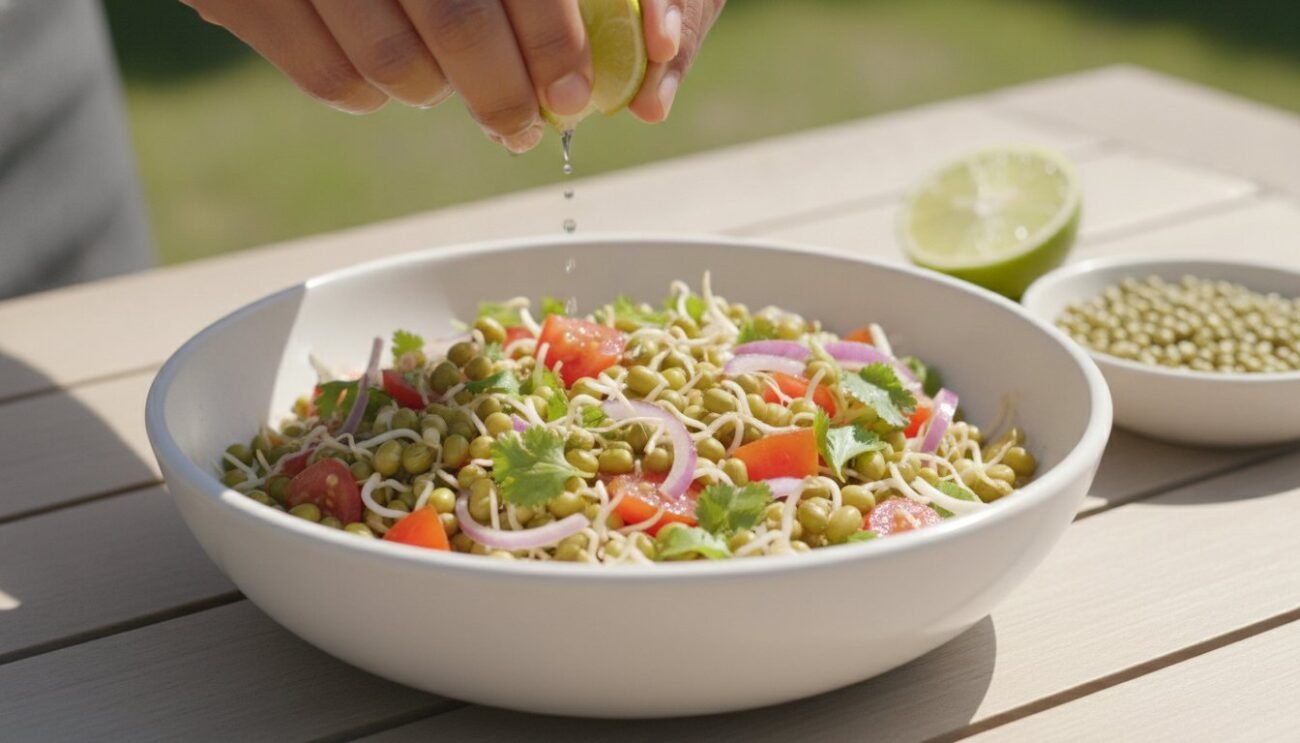
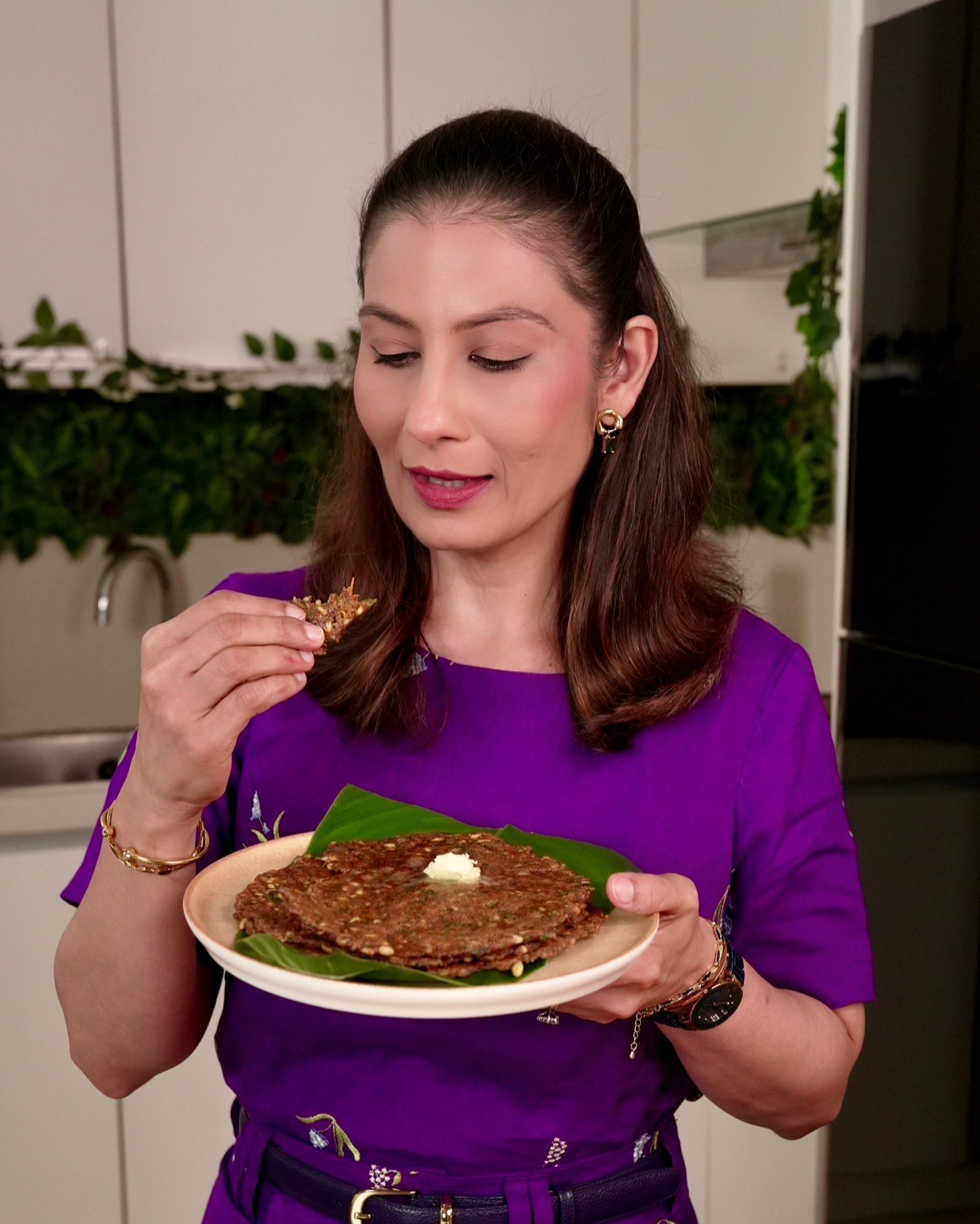
What if your weight loss journey didn’t have to taste like cardboard? With research showing that 95% of people are missing their daily fiber goals, it’s time to make our vegetables work harder. Most of us have been there; staring at a bowl of soggy sprouts because we know they’re “good for us,” only to deal with uncomfortable bloating later. If you’ve been searching for a healthy sprouted moong salad recipe that balances a satisfying crunch with a “swangy” kick, you are in the right place. We all want food that fuels our fitness goals without sacrificing the vibrant joy of a chef-quality meal.
I’m going to show you how to transform humble mung beans into a protein-packed masterpiece that even the pickiest kids will love. You’ll discover the “Food Magic” secrets to perfect sprouting, ensuring every bite is crisp and fresh rather than smelly or soft. We’ll dive into professional techniques for better digestion, including the specific soaking times required to unlock nutrients and prevent that heavy feeling. From a zesty dressing to versatile tiffin box ideas, this guide ensures your path to wellness is delicious, effortless, and absolutely celebratory.
Key Takeaways
- Discover why sprouting increases Vitamin C and bioavailable protein, turning your bowl into a metabolism-boosting weight loss essential.
- Master the science of this healthy sprouted moong salad recipe by following the 8-10 hour soaking rule to neutralize phytic acid and improve digestion.
- Ensure culinary success with Chef Meghna’s professional secrets for balancing flavors and keeping your salad crunchy rather than soggy.
- Learn how to pack the perfect tiffin box using the deconstructed salad approach, making healthy greens exciting and fresh for your kids.
The Moong Miracle: Why This Salad is Your Weight Loss Best Friend
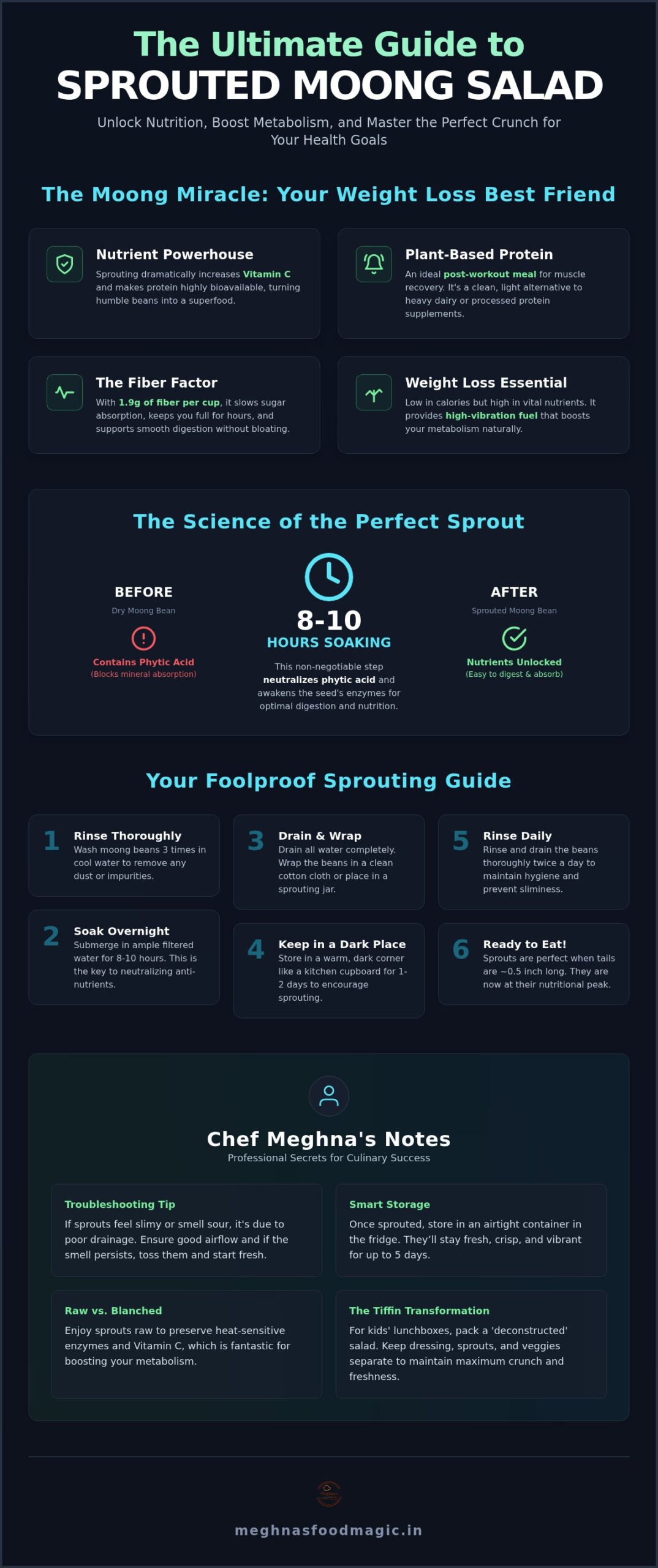
Welcome to the world of “Food Magic,” where we stop looking at food as just calories and start seeing it as a celebration of life. Eating for weight loss shouldn’t mean you’re stuck with bland, boiled meals that leave you feeling empty. A healthy sprouted moong salad recipe is the ultimate secret weapon because it transforms a simple legume into a nutrient powerhouse. When you sprout moong, you aren’t just changing its texture; you’re literally waking up the seed. This process significantly increases its Vitamin C content and makes the protein much easier for your body to use. Mung bean sprouts are naturally low in calories but exceptionally high in vital nutrients, making them perfect for anyone looking to stay fit without feeling restricted.
Protein Power for Vegetarians
Finding high-quality, plant-based protein can sometimes feel like a challenge in a typical Indian diet. While raw mung beans are already great, the sprouting process takes things to a whole new level by improving the nutrient profile. Bioavailability in the context of sprouted legumes means that the body can more efficiently absorb and use the proteins because the sprouting process breaks down complex compounds that usually block nutrient uptake. This makes this salad a fantastic post-workout essential for muscle recovery. Compared to heavy dairy or processed protein bars, these sprouts offer a clean, light, and natural alternative that fuels your muscles without that heavy, sluggish feeling. To explore more plant-based options that support your fitness goals, check out these high protein vegetarian recipes for weight loss that pair beautifully with your sprouted moong routine.
The Fiber Factor and Digestion
One of the biggest hurdles in any weight loss journey is the dreaded mid-day energy crash. This usually happens when your blood sugar spikes and then drops rapidly after a heavy meal. The high fiber content in moong sprouts acts like a steady anchor, slowing down sugar absorption and keeping you full for hours. A single cup of these sprouts provides about 1.9 grams of dietary fiber, supporting your gut health and ensuring smooth digestion. Because sprouting activates natural enzymes, your body doesn’t have to work as hard to process the beans, which helps prevent the bloating often associated with raw legumes. For more daily inspiration on how to keep your energy high and your plate vibrant, check out the Stay Fit with Meghna Instagram for quick tips and fitness motivation. Making this salad part of your routine isn’t just about a diet; it’s about giving your body the high-vibration fuel it deserves.
Mastering the Sprout: The Science of Texture and Nutrition
Creating the perfect sprout is like conducting a tiny, delicious experiment in your kitchen. If you’ve ever wondered why your healthy sprouted moong salad recipe didn’t turn out quite right, the answer usually lies in the timing. The 8-10 hour soaking rule is non-negotiable. This isn’t just about softening the beans; it’s about neutralizing phytic acid. Phytic acid is an “anti-nutrient” that can lead to bloating and prevent your body from fully absorbing minerals like iron and zinc. By soaking your moong in filtered water overnight, you signal the seed to begin its transformation, making those life-giving nutrients accessible for your body to enjoy.
Because sprouting requires a warm, humid environment, hygiene is paramount. To avoid food safety risks, always use clean containers and rinse your beans thoroughly twice a day. You’ll know your moong is at its nutritional peak when the tiny white tails are about half an inch long. At this stage, the enzymes are most active, and the crunch is at its most satisfying. Once they reach this point, move them to an airtight container in the fridge. They’ll stay fresh and vibrant for up to 5 days, making them a perfect meal-prep companion for busy weekdays.
Step-by-Step Sprouting Guide
Start by rinsing your moong three times to remove any dust or impurities. After the 8-10 hour soak, drain the water completely and place the beans in a clean cotton cloth or a specialized sprouting jar. The “Dark Corner” method works best; tuck them away in a kitchen cupboard where it’s warm and away from direct sunlight. If you notice your sprouts feeling slimy or smelling “off,” it’s usually due to poor drainage or stagnant water. Mastering this healthy sprouted moong salad recipe means being mindful of airflow; if they smell sour, toss them out and start fresh with better ventilation.
Raw vs. Blanched: Which is Better?
This is where the “Food Magic” happens. Raw sprouts preserve heat-sensitive enzymes and Vitamin C, which is fantastic for boosting your metabolism. However, blanching them in boiling water for just 2 minutes can enhance safety for kids or those with sensitive stomachs while maintaining that signature bite. My professional recommendation? Briefly steam or blanch them to hit that perfect middle ground. You get a softened exterior that’s easier on the gut, but with a firm, crunchy heart that keeps the salad exciting. For more visual guides on mastering these techniques, you can explore my YouTube recipe collection for step-by-step help.
3 Creative Ways to Prep Your Sprouted Moong Salad
Preparing a healthy sprouted moong salad recipe shouldn’t feel like a chore; it’s an opportunity for culinary therapy. Now that we’ve mastered the science of texture and nutrition, let’s focus on the fun part: assembly and flavor. A great salad lives or dies by its dressing. Instead of reaching for store-bought bottles filled with preservatives, create a “swangy” (sweet, tangy, and spicy) dressing at home. Use a splash of apple cider vinegar or lemon juice for tang, a pinch of pink salt, and a tiny bit of jaggery or date paste to balance the heat. This creates a vibrant coating that makes every sprout shine without a single gram of refined sugar. If you’re looking to expand your repertoire of nutritious and flavorful meals beyond this salad, our comprehensive collection of diet recipes for nutritious and flavorful weight loss will keep your journey exciting and sustainable.
The Classic Indian Street-Style Chaat
This variation is the soul of Indian snacking. Mix your fresh sprouts with finely chopped red onions, juicy tomatoes, and a few spicy green chilies. The secret lies in the spice blend: a generous sprinkle of Kala Namak (black salt), roasted cumin powder, and Amchur (dry mango powder). For a delightful burst of sweetness and a pop of color, toss in a handful of fresh pomegranate seeds. It’s crunchy, refreshing, and reminds you of your favorite roadside chaat but with a fitness-focused twist. You can find more inspiration for healthy munching in my Tea Time Snacks YouTube playlist.
Modern Fusion: Avocado and Moong
If you’re looking for something creamy and sophisticated, “Avocado Alchemy” is the answer. Healthy fats from avocado aren’t just delicious; they actually help your body absorb fat-soluble vitamins from the other vegetables in your bowl. Dice a ripe avocado and gently fold it into your moong sprouts with plenty of cilantro and a squeeze of lime. This fusion style is perfect for a light lunch that feels like a treat. If you miss that traditional fried crunch, don’t worry. Check out my guide on Air Fryer Recipes for Indian Food to learn how to make crispy, oil-free toppings like roasted makhana that add texture without the guilt.
For those days when you need even more satiety, try the “Protein Booster.” Simply add 50g of crumbled fresh Paneer or some lightly sautéed soya chunks to your bowl. This turns your healthy sprouted moong salad recipe into a complete, muscle-building meal. Whether you prefer the traditional zing of a kachumber or the buttery richness of avocado, these variations prove that “diet food” can be the highlight of your day. Experiment with these flavors to keep your palate excited and your fitness journey on track.
Chef Meghna’s Notes: Professional Secrets for Culinary Success
Let’s elevate your healthy sprouted moong salad recipe from a simple snack to a restaurant-style experience. The most common mistake home cooks make is a soggy salad. This happens because salt draws moisture out of vegetables through osmosis. To keep that crunch, always salt your salad at the very last second before it hits the table. If you’re prepping ahead for work, keep the dressing in a separate small container. This ensures your sprouts stay firm and your veggies remain crisp, even hours later.
Flavor balancing is where the real magic happens. If your dressing feels too sharp or acidic from the lemon, don’t just add more salt. Instead, use a tiny bit of grated jaggery or finely chopped dates. This subtle sweetness cuts through the tang and creates a rounded, professional flavor profile. And remember, never throw away the water used for soaking or rinsing your sprouts. This “moong water” is packed with leached nutrients; use it as a base for your next Dal or a clear vegetable soup to keep your kitchen zero-waste.
Texture Mastery
Achieving the perfect “bite” requires contrast between earthy sprouts and sharp, fresh vegetables. My favorite trick is the “Ice Water Bath.” Soak sliced onions and cucumbers in ice-cold water for 10 minutes before draining. This removes the harsh onion sting while making the cucumber extra crunchy. You can use these Chef Meghna’s Notes to rescue any bland salad by adjusting the three pillars of flavor: acidity, sweetness, and spice until the dish sings.
Herb and Spice Infusions
While fresh coriander is the classic choice, try Mint or Basil for a modern twist. The aromatics change the entire mood of the dish. Avoid store-bought spice powders if possible. Freshly roasting cumin seeds on a tawa for two minutes before crushing them provides an aroma that pre-packaged jars can’t match. Share your unique spice blends with our Food Magic community on Facebook where we celebrate every culinary win.
While this guide focuses on moong, the principles apply to many other legumes. In the cooler months, you might prefer the heartiness of sprouted chickpeas or Lobia (black-eyed peas). They require slightly longer soaking times, usually about 12 hours, but offer a nutty flavor that pairs beautifully with the same tangy dressings. This versatility ensures you never get bored with your fitness meals.
The Tiffin Transformation: Making Moong Salad Kid-Friendly
What if the school lunchbox came home empty every single day? For many parents, the tiffin is a daily battleground where nutrition often loses to “boring” greens. Transforming a healthy sprouted moong salad recipe into a kid-approved favorite requires a bit of “Food Magic” and a shift in presentation. Kids often reject salads because they become a soggy, unidentifiable mess by lunchtime. By using a deconstructed approach, you keep the sprouts, veggies, and dressing in separate compartments or small containers. This prevents the “mushiness” factor and allows children to assemble their own meal, making healthy eating feel like an interactive game rather than a chore.
Visual appeal is your strongest ally when hiding the “green.” Pair your moong sprouts with bright yellow sweet corn, orange carrot ribbons, or even chunks of sweet mango and apple. These colors distract from the legume base while adding natural sweetness. To make this a complete, energy-sustaining meal for a long school day, pair the salad with a soft Ragi Roti or a handful of roasted millet puffs. This combination provides the complex carbohydrates and protein needed for both classroom focus and playground energy. Given the intense Indian heat, always pack the tiffin in an insulated bag with a small ice pack to ensure the sprouts stay fresh and safe to eat.
Strategies for Fussy Eaters
If your child is sensitive to textures, try the “Crunch Challenge.” Adding a separate small pouch of roasted peanuts or crispy makhana (fox nuts) provides a satisfying sound and feel that kids love. You can also swap the spicy chaat masala for a milder honey-lemon dressing to appeal to younger palates. This subtle sweetness bridges the gap between a snack and a salad. For more creative ideas that have been tested in real kitchens, explore my Tiffin Recipes collection, where I share dozens of ways to make vegetables exciting for children.
Meal Prep Sunday: Scaling Up
Success in the kitchen starts with a plan. Batch-sprouting a large quantity of moong on Sunday gives you a head start for the entire week. Once sprouted, store them in glass containers rather than plastic; glass keeps the sprouts colder and prevents that “closed” smell that often develops in airtight plastic. You can use these sprouts for this healthy sprouted moong salad recipe on Monday, toss them into a chila batter on Tuesday, or add them to a vegetable pulao on Wednesday. This efficiency reduces morning stress and ensures your family always has access to high-vibration, nutritious food.
Your Path to Food Magic Starts Today
Embracing a vibrant lifestyle begins with the small, celebratory choices you make for your plate. We’ve explored how a healthy sprouted moong salad recipe can be your ultimate weight loss companion by maximizing nutrient bioavailability and fiber. From mastering the 8-hour soak to keeping your tiffin boxes fresh and crunchy, you now have the professional secrets to turn humble legumes into a gourmet experience. Whether you’re chasing fitness goals or trying to win over fussy eaters, these techniques ensure every bite is a celebration of health rather than a chore of restriction.
Join over 1M+ home cooks on Meghna’s Food Magic who are already transforming their lives through my 100% free digital recipe database. You can dive deeper into my expertly curated ‘Get Fit’ playlists to find more ways to make wellness feel like a joy. You have the science, the professional notes, and the inspiration to create something extraordinary right now.
It’s time to bring that enthusiastic energy into your kitchen and witness the magic for yourself. Happy cooking!
Frequently Asked Questions
Is it safe to eat raw sprouted moong salad every day?
It’s generally safe for most healthy adults to enjoy this healthy sprouted moong salad recipe daily as a nutrient-dense meal. However, the FDA recommends that children, pregnant women, and the elderly avoid raw sprouts due to the risk of foodborne illness. If you’re in a high-risk group or have a sensitive stomach, a quick two-minute steam ensures safety while keeping the vibrant “Food Magic” alive on your plate.
How long do moong sprouts take to grow at home in summer vs. winter?
Temperature is the secret driver behind the sprouting process. In the typical Indian summer, your moong will likely reach its nutritional peak in just 12 to 24 hours because the heat accelerates growth. During the colder winter months, the process slows down significantly, often requiring 36 to 48 hours. To speed things up when it’s chilly, keep your sprouting container in a warm, dark corner near your stove.
Can I make this salad ahead of time for office lunch?
Absolutely, this recipe is a meal-prep superstar for busy professionals. To ensure your lunch stays crisp and celebratory, store the sprouts and chopped vegetables in one container and your tangy dressing in a separate small jar. Only mix them right before you eat. This professional trick prevents the vegetables from releasing water and keeps your healthy sprouted moong salad recipe from becoming soggy by lunchtime.
What should I do if my moong sprouts taste bitter?
Bitterness usually happens if the sprouts are over-matured or haven’t been rinsed enough. Once the white tails grow longer than an inch, the flavor profile changes and can become sharp. Another culprit is poor drainage; ensure you’re rinsing them twice daily and draining all water completely. If they feel slimy or smell sour alongside the bitterness, it’s best to start a fresh batch with better airflow.
Which is better for weight loss: raw sprouts or boiled sprouts?
Both versions support your fitness goals, but they offer different benefits. Raw sprouts are higher in heat-sensitive enzymes and Vitamin C, which can give your metabolism a slight edge. Boiled or steamed sprouts, however, are much easier on the digestive system and still provide the high fiber content necessary for prolonged satiety. If you often feel bloated, lightly steaming them is the more effective choice for your weight loss journey.
Can I use frozen moong sprouts for this recipe?
You can use frozen sprouts, but be prepared for a change in texture. Freezing breaks down the cell walls, which means the sprouts will lose their signature crunch and become much softer once thawed. They work beautifully in a warm sauté or a dal, but for a fresh, vibrant salad, I always recommend using fresh sprouts. Freshness is key to achieving that chef-approved “bite” we’ve discussed.
How can I prevent bloating after eating moong sprouts?
The secret to better digestion lies in the prep work. Always follow the 8-10 hour soaking rule to neutralize phytic acid and rinse your beans thoroughly. Adding a pinch of Hing (asafoetida) or fresh ginger to your dressing can also work wonders for your gut. If you’re still experiencing discomfort, try blanching the sprouts for two minutes; this breaks down complex sugars while keeping the meal light and nutritious.
What are some good high-protein additions to this salad for vegetarians?
To turn your salad into a complete muscle-building meal, try adding 50g of fresh, cubed Paneer or lightly sautéed Tofu. For an extra layer of texture, toss in some roasted peanuts or almonds, which provide both protein and healthy fats. You can also mix in some boiled kala chana for a traditional desi twist. These additions increase satiety and ensure your high protein vegetarian recipes for weight loss keep you energized throughout the day.
Disclaimer
This is a recipe food blog page and not nutrition or doctor and hence do not claim to cure any illness. If you have specific health issues please consult a qualified doctor or certified nutritionist.
I do consult experts, research Internet and at times seek help from Gemini to collect relevant information to put together some of these blogs.

