
Healthy Sweets: Best Sugar Alternatives in Cooking
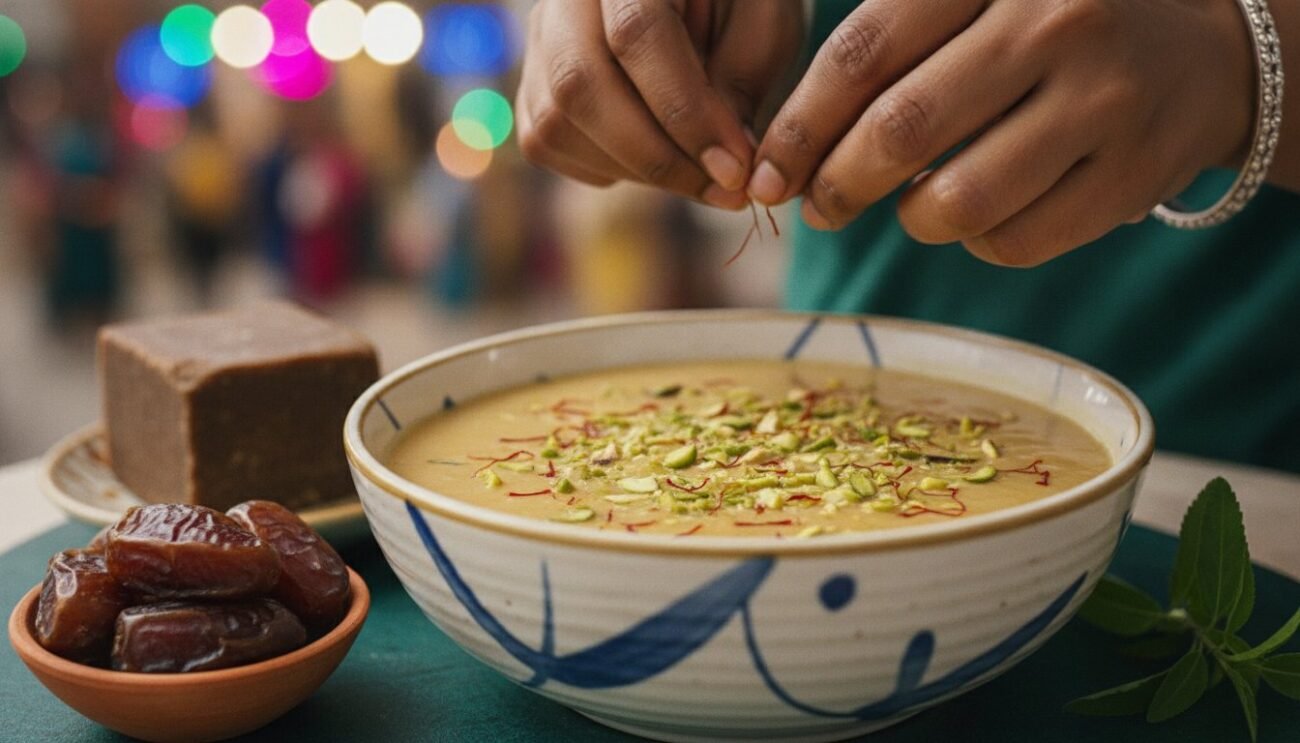
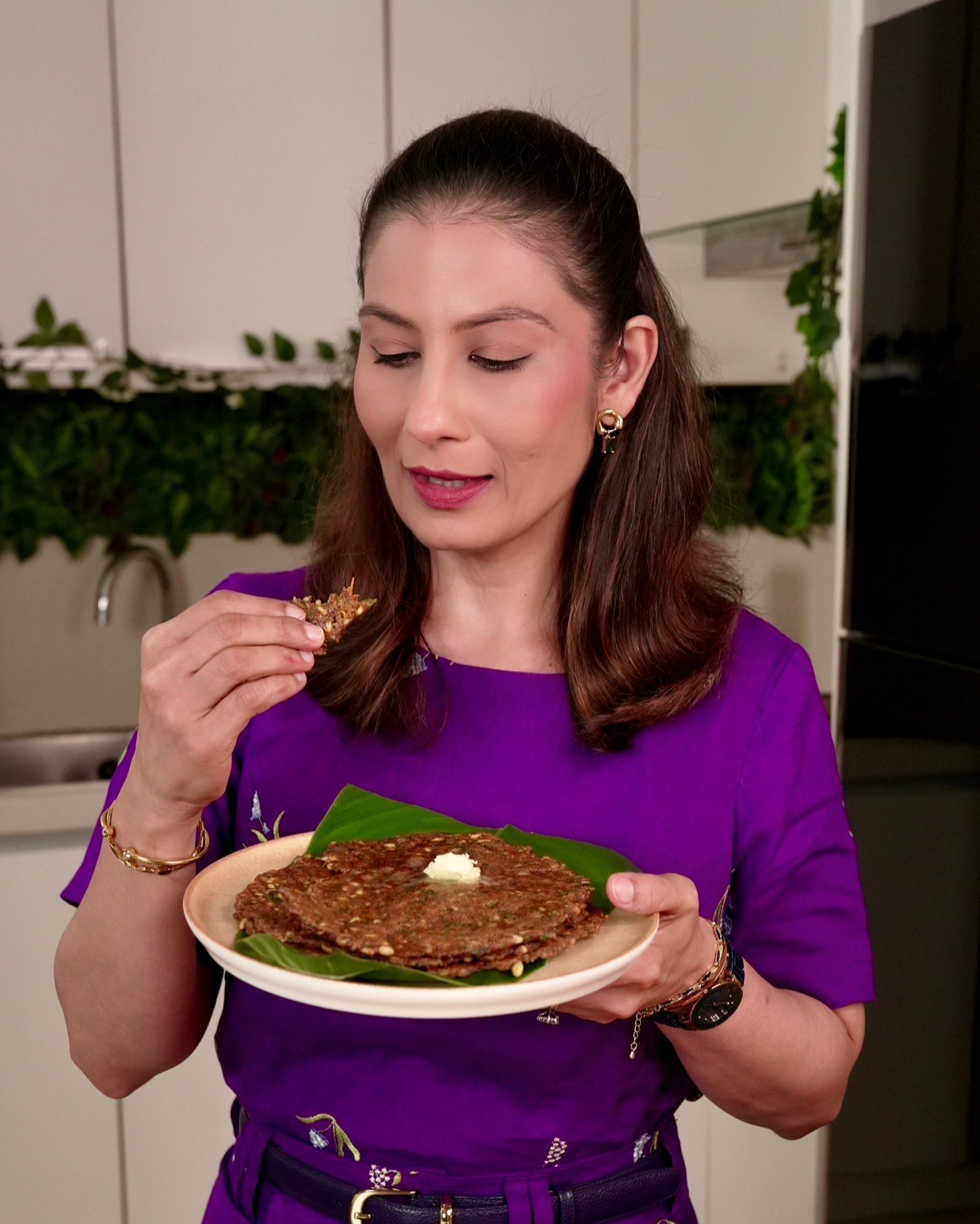
What if your favorite dessert wasn’t just a guilty pleasure but a vibrant act of self-care? Many of us share the fear of diabetes or weight gain, yet we find ourselves lost in a sea of confusing labels. It’s disheartening when a sugar-free baking attempt ruins the texture of a beloved family recipe. This guide helps you confidently embrace sugar alternatives in cooking without sacrificing the rich, celebratory flavors that make life sweet.
You’ll learn to navigate the 2026 environment where the FDA is refining sugar reduction strategies and safety findings for sugar alcohols like erythritol are making headlines. We’re moving beyond restriction and into a space of culinary therapy. I’ll show you exactly how to use jaggery, dates, and stevia to achieve perfect results every time. We’ll dive into the chemistry of why these swaps work and share specific, delicious recipes that prove health and indulgence can live together in every single bite. Check out my Sugar Free Desserts Recipe Video Playlist on YouTube.
Key Takeaways
- Discover why refined sugar often masks the true profile of your ingredients and how to unlock deeper flavor harmony in your kitchen.
- Master the specific techniques for using sugar alternatives in cooking to ensure your healthy desserts maintain a perfect, vibrant texture every time.
- Learn to use traditional powerhouses like iron-rich jaggery and coconut sugar for a deep caramel richness that enhances your favorite treats.
- Identify which modern, zero-calorie sweeteners are best suited for diabetic-friendly recipes without compromising on that natural, sweet taste.
- Access Chef Meghna’s professional tips on using acidity and salt to make natural sweetness truly stand out in your daily cooking.
The Sweet Revolution: Why Sugar Alternatives in Cooking Matter
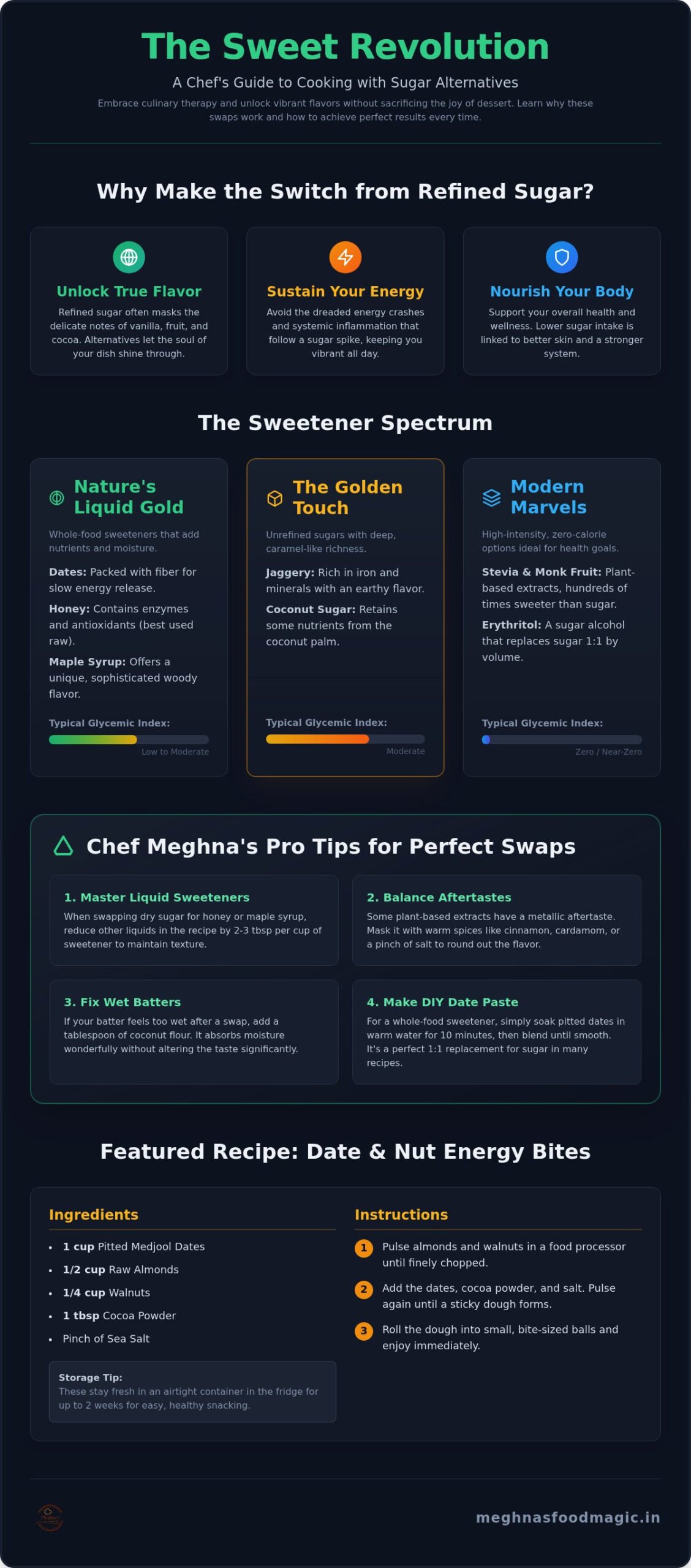
The way we think about sweetness is changing. It’s no longer about what we’re losing; it’s about what we’re gaining. When you explore sugar alternatives in cooking, you’re not just dodging calories. You’re entering a world of culinary therapy where every ingredient serves a purpose. Refined sugar is often so overwhelming that it creates a flavor gap, masking the delicate notes of vanilla, fruit, or cocoa. By choosing better options, you let the soul of your dish shine through in a celebratory, vibrant way.
To start, we need to understand the landscape. You can find a detailed overview of sugar substitutes that categorizes them into natural extracts, artificial options, and sugar alcohols. Beyond weight management, these swaps help reduce systemic inflammation and prevent the dreaded energy crashes that follow a sugar spike. Your skin will thank you too, as high sugar intake is often linked to glycation, which can dull your natural glow. It’s an act of joy to nourish your body while still enjoying the magic of a homemade treat. You can find plenty of inspiration for these balanced lifestyle choices at Meghna’s Food Magic.
The Chemistry of Sweetness
Sugar does more than just taste sweet. It’s a structural powerhouse. It helps with the Maillard reaction, that beautiful golden browning you see on a fresh cookie. It also holds onto moisture, keeping your cakes tender and soft. When substituting, you’ll encounter bulk sweeteners like erythritol that replace sugar cup for cup, and intense sweeteners like stevia that require only a tiny pinch. Glycemic index is a numerical scale that indicates how quickly a carbohydrate containing food raises blood glucose levels, making it a vital tool for choosing the right substitute for your specific health goals.
Chef Meghna’s Notes: The Why Behind the Swap
In my kitchen, I’ve found that the secret to a perfect healthy cake lies in the crumb. Traditional sugar creates a specific lattice; when you swap it for a liquid sweetener like honey, you might get a denser result. If you notice a metallic aftertaste from some plant-based extracts, don’t worry. You can easily mask those off-notes by pairing them with warm spices like cardamom or cinnamon. These spices don’t just add aroma; they work chemically to round out the sweetness profile. Always remember, if your batter feels too wet after a swap, a tablespoon of coconut flour can often save the texture without adding extra sugar. This is all about harmony and excitement in your daily life.
Nature’s Liquid Gold: Mastering Dates, Honey, and Maple
Nature provides us with liquid gold that does more than just satisfy a craving. It’s a vibrant act of creation to use whole-food sugar alternatives in cooking. Dates are the ultimate hero here. Unlike white crystals, dates come packed with fiber, which helps your body process sweetness more slowly. This means no sudden energy crashes. If you are looking for cost-effective ways to stock your pantry, check out my guide on Managing Sugar Price Hikes with these natural staples. It’s about being smart and healthy at the same time.
Honey and maple syrup bring their own unique magic to the table. Honey is a living ingredient. It contains enzymes and antioxidants that are sensitive to heat. Maple syrup, on the other hand, offers a sophisticated, woody profile that pairs beautifully with autumnal flavors. While these are natural, they differ from the extracts found in the FDA information on high-intensity sweeteners. They provide bulk and moisture, making them essential for a celebratory kitchen. Every drop is an invitation to explore deeper, richer tastes. If you’re ready to put these liquid sweeteners to work, browse these no sugar dessert recipes that showcase exactly how dates, honey, and natural ingredients can create decadent, guilt-free treats.
Recipe 1: Date and Nut Energy Bites (The Perfect Pre-Workout)
These bites are a staple in my home. They’re quick. They’re satisfying. They’re pure culinary therapy.
- Measurements: 1 cup pitted Medjool dates, 1/2 cup raw almonds, 1/4 cup walnuts, 1 tbsp cocoa powder, pinch of sea salt.
- Instruction: Pulse the almonds and walnuts in a food processor until they’re finely chopped. Add the dates, cocoa powder, and salt. Pulse until a sticky dough forms. Roll into small balls.
- Storage tip: These stay fresh in the fridge for up to 2 weeks for easy snacking.
Chef Meghna’s Notes: Handling Liquid Sweeteners
Working with liquid sweeteners requires a little bit of science. If you’re swapping dry sugar for honey or maple syrup, you must reduce the other liquids in your recipe. Usually, removing 2 to 3 tablespoons of milk or water for every cup of honey does the trick. I also love making a DIY date paste. Just soak dates in warm water for 10 minutes and blend until smooth. It creates a silky texture for sauces and spreads. One big warning: never boil honey for long periods. High heat destroys its delicate enzymes and health benefits. Add it at the end of the cooking process whenever possible. For more techniques, visit my YouTube channel for recipes and join our healthy community.
The Golden Touch: Traditional Jaggery and Coconut Sugar
There is something deeply nostalgic about the earthy aroma of jaggery melting into a warm pot. In many households, jaggery, or Gur, is considered the unrefined powerhouse of the kitchen. It isn’t just about sweetness; it’s about the minerals it brings to the table, specifically its high iron content. Integrating these traditional sugar alternatives in cooking brings a sense of heritage and wellness to your modern recipes. Check out my Jaggery Recipe Video Playlist on YouTube. While the FDA guide to sweeteners provides a broad look at various substitutes, these "brown" sugars offer a depth of flavor that white crystals simply can’t match.
Coconut sugar is another incredible ally in your healthy baking journey. It’s a low-glycemic alternative that doesn’t cause the same sharp insulin spikes as refined sugar, yet it provides a deep, toasted caramel flavor. These ingredients are especially superior when preparing traditional Indian "Vasana" or winter treats that require a slow, warming energy. If you’re looking to elevate your dessert game even further, check out our Healthy Chocolate Guide to see how beautifully jaggery pairs with raw cocoa for a rich, nutritious treat.
Cooking with Jaggery: From Puddings to Curries
Success with jaggery starts at the market. To find the best quality, look for darker shades. Bright yellow or very light jaggery often indicates the use of chemical bleaching agents, whereas a deep brown or blackish hue usually points to a more natural product. When you’re using coconut sugar, you’ll find it’s a perfect 1:1 replacement for brown sugar in Western baking, giving your cookies and cakes a lovely crumb and a hint of butterscotch.
One of the biggest challenges home cooks face is the "Curdling Crisis." If you’ve ever tried to make a healthy kheer and had the milk split, you know the frustration. This happens because of the natural acidity in jaggery. To prevent this, never add jaggery to boiling milk. Instead, turn off the heat, let the milk cool for a minute, and then stir in your jaggery or jaggery syrup. This simple shift in timing ensures a smooth, creamy texture every time.
Chef Meghna’s Notes: Mastering the Traditional
In my kitchen, I always treat jaggery with a bit of extra care to ensure the best results. First, always melt your jaggery with a little water and strain it through a fine sieve. This is a crucial step to remove any sand or impurities often found in traditional blocks. When it comes to substitutions, remember that liquid jaggery, or Nolen Gur, is much more potent and floral than the solid blocks; it’s best reserved for drizzling over desserts or mixing into cold preparations.
I also love using flavor pairings to boost the health benefits of these sweeteners. Jaggery and ginger are the ultimate immunity-boosting duo, especially during the colder months. The heat of the ginger cuts through the richness of the jaggery, creating a balanced and celebratory flavor profile. It’s these small, thoughtful choices that turn a simple meal into a restorative experience for your whole family. Cooking is a way to bring harmony and excitement into your daily life, and these traditional ingredients are the perfect tools for that journey.
Modern Marvels: Navigating Stevia, Monk Fruit, and Erythritol
The world of modern wellness has gifted us with some incredible extracts that feel like pure magic in the kitchen. If you’re looking for zero-calorie sugar alternatives in cooking, you’ve likely met Stevia. This plant-based hero is a staple for diabetic-friendly meals because it doesn’t touch your blood sugar levels. Then there’s Monk Fruit. It’s often hailed as the closest "natural" taste to white sugar without the bitter aftertaste some people find in other extracts. Erythritol, a sugar alcohol, brings a different sensation entirely. It provides the bulk that Stevia lacks; however, it does have a signature cooling effect on the palate, similar to the refreshing feel of mint. These tools are perfect for anyone focused on weight loss without giving up the joy of a sweet treat.
Understanding these modern marvels allows you to transform your kitchen into a sanctuary of health. They’re essential tools for anyone practicing "Cake Therapy," where we bake to heal and celebrate. For those of you looking to pair these sweeteners with a more active lifestyle, I highly recommend exploring my Get Fit With Meghna collection for more fitness tips and inspiration. It’s about finding that perfect balance between innovation and tradition.
Recipe 2: Stevia-Sweetened Lemon Almond Cake
This cake is light, zesty, and incredibly moist. It’s the perfect example of how healthy swaps don’t mean losing out on indulgence.
- Measurements: 1.5 cups almond flour, 3 eggs, 1/4 cup olive oil, 1 tsp liquid stevia (adjust to taste), zest of 2 lemons, 1 tsp baking powder.
- Instruction: Whisk the eggs, olive oil, and liquid stevia together in a large bowl. In a separate bowl, mix the almond flour, lemon zest, and baking powder. Fold the dry ingredients into the wet ones until just combined. Pour the batter into a lined tin and bake at 180C for 25-30 minutes.
- Note: This gluten-free and sugar-free cake is the heart of "Cake Therapy." It’s proof that you can have your cake and eat it too while keeping your health goals on track. If you’re baking for little ones and want a completely sugar-free celebration centerpiece, explore this healthy birthday cake recipe for 1 year old that uses the same wholesome principles for a safe and festive smash cake.
Chef Meghna’s Notes: The Science of High-Intensity Sweeteners
One common hurdle with high-intensity sweeteners is the "Bulk" issue. Since you’re using drops or tiny pinches instead of cups of sugar, your cake might lose its volume and structure. I always suggest adding a little applesauce or Greek yogurt to provide that missing mass and moisture. If you find Stevia too bitter or Erythritol too "cool," try using a blend of both. They actually work together to cancel out each other’s aftertastes, leaving you with a much cleaner sweetness. Finally, remember that Erythritol doesn’t dissolve as well in cold desserts; it can get a bit grainy. For no-bake treats, silkier puddings, or chilled spreads, stick to liquid stevia or monk fruit drops for a perfectly smooth finish.
Chef Meghna’s Guide to Flavor Harmony: Final Tips & Recipe
Mastering sugar alternatives in cooking is a journey of the senses. It starts with what I call the "Sweetness Scale." Your palate is incredibly adaptable. If you slowly reduce refined sugar and replace it with the natural options we’ve discussed, you’ll soon find that traditional store-bought desserts taste overwhelmingly sweet. It’s about training your taste buds to appreciate the subtle, earthy notes of nature. To make these natural sweeteners truly pop, you need balance. A tiny pinch of salt doesn’t make things salty; it suppresses bitterness and allows the sweetness to shine. Similarly, a squeeze of lemon or a dash of apple cider vinegar can brighten the deep, heavy profile of dates or maple syrup, creating a vibrant harmony in your mouth.
I invite you to explore the Meghna’s Food Magic database for more "guilt-free" treats that celebrate life without the sugar crash. Wellness isn’t a destination with strict rules; it’s a celebratory lifestyle. Every time you choose a whole-food alternative, you’re choosing energy, skin health, and joy. It’s about making the "specialness" of everyday activities feel even more extraordinary through mindful creation.
Recipe 3: Jaggery-Sweetened Whole Wheat Halwa
This halwa is pure comfort in a bowl. It’s rich, warming, and uses the iron-rich power of jaggery to create a dessert that feels like a hug.
- Measurements: 1 cup whole wheat flour (Atta), 3/4 cup ghee, 1 cup grated jaggery, 2 cups hot water, 1/2 tsp cardamom powder.
- Instruction: In a heavy-bottomed pan, roast the whole wheat flour in ghee on low heat. Stir constantly until it turns a beautiful golden brown and smells aromatic. In a separate pot, dissolve the jaggery in the hot water. Slowly pour this jaggery-water mixture into the roasted flour while stirring vigorously to avoid lumps. Add the cardamom powder and keep cooking until the halwa thickens and starts leaving the sides of the pan.
- Chef Tip: Add roasted melon seeds for a professional crunch that contrasts perfectly with the soft, velvety texture.
Chef Meghna’s Notes: The Finishing Touches
Storing sugar-free sweets can be a little tricky. Without the preservative qualities of refined sugar, these treats can sometimes become hard or grainy if left in the open. Always store your halwa or date-based sweets in airtight glass containers in the fridge. If they harden, a quick 10-second warm-up restores that melt-in-the-mouth feel. For garnishing, I love using dried rose petals and slivered nuts. This adds what I call "visual sweetness," making the dish look like a celebration before you even take a bite. Finally, remember the essence of "Culinary Therapy." Cook with love and a spirit of exploration. When you view your kitchen as a space for joy rather than restriction, the health benefits naturally follow. You’re creating harmony for your body and your soul.
Start Your Vibrant Sugar-Free Adventure Today
Embracing sugar alternatives in cooking is more than a dietary choice; it’s a vibrant shift toward a life filled with energy and joy. We’ve explored how whole-food heroes like dates and traditional jaggery can transform your kitchen into a space of culinary therapy. By mastering the balance of acidity and salt, you’ve unlocked the secret to making healthy flavors truly sing without the need for refined crystals.
This celebratory approach to wellness is why these methods are featured in "Cake Therapy" baking guides and trusted by thousands of fitness enthusiasts. You now have the tools to create treats that nourish both the body and the soul. My 100% free digital recipe database is always here to support your journey, ensuring that every meal feels like a special occasion. For parents who want to extend this wholesome philosophy to their baby’s first milestone, our healthy birthday cake recipe for 1 year old shows you how to create a nutrient-dense smash cake that’s as festive as it is safe for tiny tummies.
Explore Chef Meghna’s Full Collection of Sugar-Free Recipes!
Go ahead and start your next batch with confidence. Your kitchen is a place for harmony and excitement. Let’s keep cooking with love and making every bite count toward a healthier you.
Frequently Asked Questions
Is jaggery really better than white sugar for weight loss?
Jaggery is nutritionally superior because it’s unrefined and contains minerals like iron, but it’s not a magic bullet for weight loss. It has a similar calorie count to white sugar, so you must still watch your portions. However, it’s a much better choice for overall wellness because it provides a more sustained energy release. This helps you avoid the sharp insulin spikes that often lead to sugar cravings later in the day.
Can I substitute honey for sugar in every baking recipe?
You can’t simply swap honey for sugar in a 1:1 ratio because honey adds significant moisture and is much sweeter. When using sugar alternatives in cooking like honey, you should use about 3/4 cup for every cup of sugar and reduce other liquids by 1/4 cup. Honey also browns much faster; I recommend lowering your oven temperature by about 15 degrees Celsius to prevent your celebratory cakes from burning.
Which sugar alternative is best for diabetic patients?
For diabetic patients, stevia and monk fruit are the top choices because they have a zero glycemic index. These options don’t raise blood sugar levels, making them safe for long-term health management. I love using them in my "Cake Therapy" collection to create desserts that are both inclusive and delicious. Always ensure you’re buying pure versions without hidden additives like maltodextrin, which can unexpectedly affect your glucose readings during the day.
How much stevia equals one cup of regular sugar?
The conversion depends on whether you’re using pure extract or a baking blend. Generally, just 1 teaspoon of liquid stevia or 1/2 teaspoon of pure stevia powder equals the sweetness of one cup of sugar. Because it lacks the bulk of sugar, you’ll need to add a bulking agent like half a cup of unsweetened applesauce or Greek yogurt. This ensures your baking remains moist and celebratory without the extra calories.
Why does my sugar-free cake always turn out dense?
Sugar does more than sweeten; it actually creates a light, airy structure by trapping air during the creaming process. Many sugar alternatives don’t have this chemical property, leading to a denser crumb. To fix this, try sifting your flour multiple times or adding an extra half-teaspoon of baking powder. Using a blend of sweeteners can also help mimic the multi-dimensional texture of traditional cakes while keeping your treats healthy and vibrant.
Is it safe to cook with honey at high temperatures?
It’s perfectly safe to bake with honey, but high temperatures will destroy its delicate enzymes and unique health benefits. If you’re making a stir-fry or a warm sauce, I suggest drizzling the honey over the dish right at the end after turning off the heat. This simple technique preserves the nutritional integrity and the complex, floral aroma of the honey, making your everyday meals feel truly special and restorative.
What is the best sugar substitute for traditional Indian sweets?
Jaggery is the undisputed champion for traditional Indian sweets like kheer, halwa, or laddoos. Its deep, earthy flavor profile perfectly complements cardamom and saffron, which are staples in our festive cooking. Coconut sugar is another fantastic option if you’re looking for a low-glycemic swap that offers a similar caramel richness. These traditional sugar alternatives in cooking ensure your heritage recipes remain authentic in taste while becoming much kinder to your body.
How do I manage the metallic aftertaste of stevia in my tea?
That lingering metallic taste is often caused by low-quality stevia processing. To mask it, try adding a pinch of cinnamon or a crushed cardamom pod to your tea; these warm spices naturally round out the flavor profile. You can also try using a blend of stevia and a tiny bit of erythritol. This combination cancels out the aftertaste of both, leaving you with a clean sweetness that makes your tea time a rewarding ritual.
Disclaimer
This is a recipe food blog page and not nutrition or doctor and hence do not claim to cure any illness. If you have specific health issues please consult a qualified doctor or certified nutritionist.
I do consult experts, research Internet and at times seek help from Gemini to collect relevant information to put together some of these blogs.

