
How to Make Millet Porridge and Stew for Your Baby
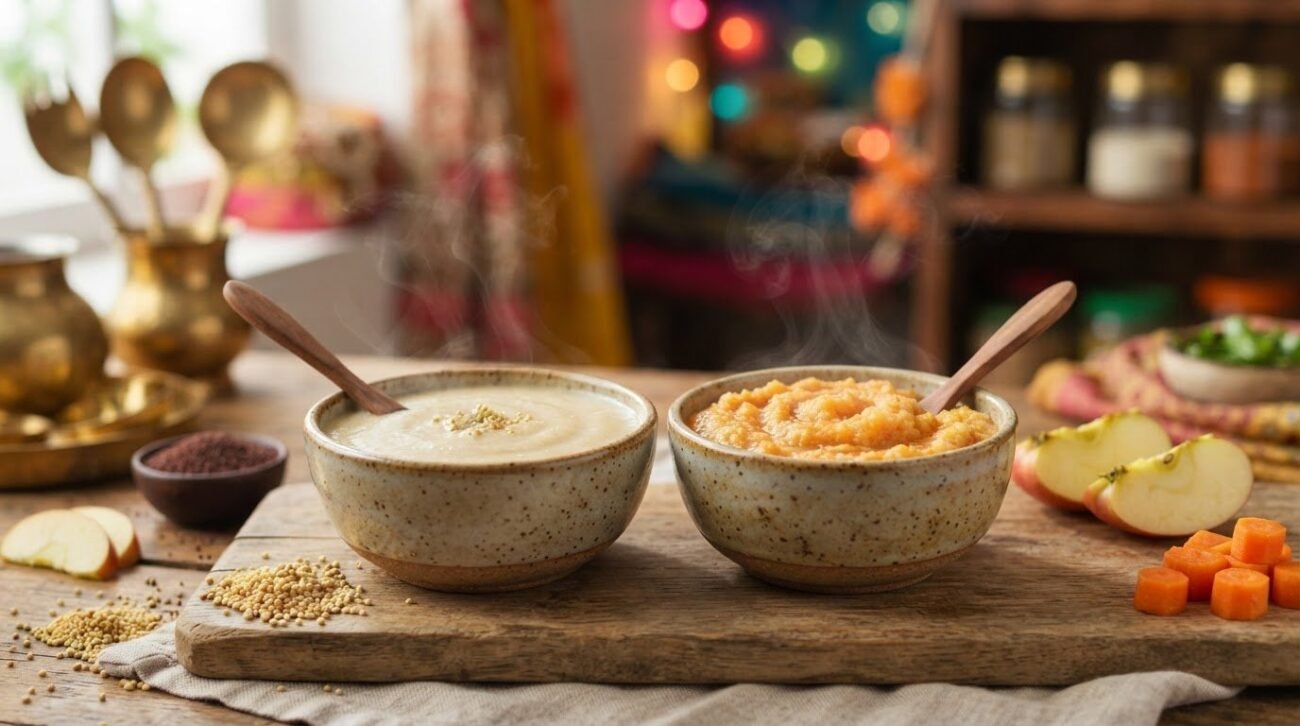
Millets are a family of small-seeded grains, and the best baby food recipes with millets match the grain and texture to your baby’s stage. Millet foods are generally introduced around 6-8 months, beginning with a smooth, well-cooked consistency and small portions. Ragi, foxtail millet, and little millet can each bring a different texture to the bowl.
Choosing a grain can feel tricky when you want a meal that’s nourishing, gentle, and easy for your baby to eat. The good news is that you don’t need a complicated recipe. Soak and cook the millet until soft to make a smooth porridge or a tender, spoonable stew.
Here, you’ll learn how common millet varieties differ and which ones work well in baby food, then try two approachable recipes: millet porridge and an apple-carrot millet stew. You’ll also find practical tips for adjusting texture and portions as your baby gets more comfortable with solids, so you can serve each dish in a way that suits their stage.
Key Takeaways
- Choose a millet variety with a texture that suits your baby’s stage, then cook it until soft and easy to mash.
- Soak and finely powder foxtail millet for a smooth porridge, adding breast milk after the porridge cools slightly.
- Make a gentle apple-and-carrot stew by simmering the ingredients until tender, then mash or blend to the texture your baby handles comfortably.
- Begin with a small taste and increase the portion gradually as your baby gets used to the food.
- Adjust consistency as your baby develops, moving from smooth purées toward thicker, mashed textures when appropriate.
Foxtail millet porridge with breast milk
Make this porridge with a measured amount of water, then adjust the consistency after cooking. These baby food recipes with millets use clear proportions to help you prepare a smooth cereal.
-
Prepare Foxtail Millet Porridge with Breast Milk
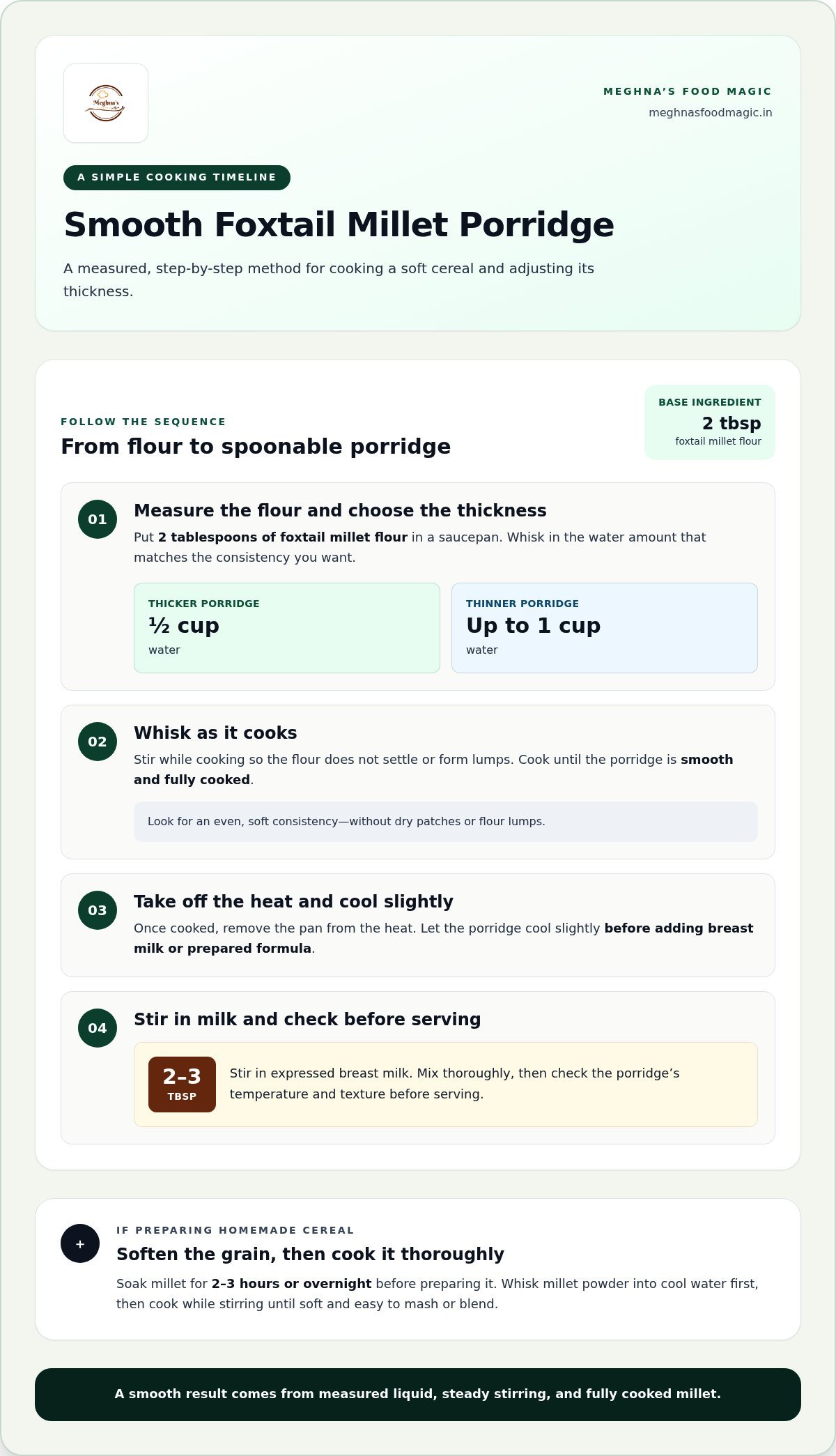
Measure 2 tablespoons of foxtail millet flour into a saucepan. Whisk in ½ cup water for a thicker porridge, or up to 1 cup for a thinner one. This follows the cereal ratio of ¼ cup millet powder to 1-2 cups water. Stir as it cooks, so the flour doesn’t settle or form lumps.
Cook until smooth and fully cooked, then remove the pan from the heat. Let the porridge cool slightly before stirring in 2-3 tablespoons of expressed breast milk. Breast milk or prepared formula can be combined with cooked millet cereal; add it after cooking. Stir thoroughly and check the temperature and texture before serving.
-
Choose a Millet Porridge Variation
For a measured pearl millet health-mix porridge, use 2 tablespoons of millet powder and ½-1 cup water, following the same cereal ratio. If starting with whole pearl millet, soak it for 30 minutes before preparing the grain. Cook it until soft, then grind or mash it for a smoother consistency. Add water gradually within the measured range to control thickness.
For banana millet porridge, cook 2 tablespoons of millet flour with ½-1 cup water. Mash ½ a ripe banana until lump-free, then stir it into the cooked porridge. A listed banana porridge variation includes 2 tablespoons of ghee; measure it if following that version. These baby food recipes with millets can also combine cooked cereal with fruits, vegetables, or pulses. Measure each ingredient and introduce additions separately.
For premade millet porridge mixes, follow the quantities on the packaging, as blends can differ. Measure the mix and liquid as directed, then cook and stir until smooth. Before serving, check for dry patches or hard grains.
-
Prepare Millet Flour or Cereal Safely
For homemade cereal, combine ¼ cup millet powder with 1-2 cups water. Whisk the powder into cool water first, then cook while stirring. Soak millet for 2-3 hours or overnight before preparing it. Cooking softened grains thoroughly helps make the final porridge easier to mash or blend.
Keep the flour in a clean, sealed container and measure it with a clean spoon. Check the cooked cereal for lumps and firm grains. Add breast milk or formula only after cooking and slight cooling. Measured liquid and careful stirring help these baby food recipes with millets reach a soft, even texture.
Millet stew with apples and carrots
Measure the millet, vegetables, fruit, and cooking liquid before you start. A clear grain-to-water ratio helps the stew cook evenly and makes its final texture easier to adjust.
-
Prepare Foxtail Millet with Apple Purée
Measure 1 cup whole foxtail millet and soak it for 1-2 hours, then drain. Combine it with 2 cups water in a saucepan; add more water during cooking if needed. Cook until the grains soften, stirring to stop them settling at the bottom.
Peel and core ½ an apple, then steam it until tender. Mash it smoothly and stir it into the cooked millet. Check the grains and fruit for firm pieces, then mash again for a smoother result. For apple and pear millet porridge, use 2 tablespoons millet with cooked, mashed fruit; cook the grains fully before mixing in the fruit.
-
Cook Millet, Carrot, and Apple Stew
For a measured stew, combine 1 cup whole millet, 3 cups diced carrots, ½ peeled and cored apple, and 2 cups water. The water follows the whole-grain ratio of 1 cup millet to 2-3 cups water. Add more from that range if the pan becomes dry before the carrots soften.
Bring the mixture to a gentle simmer, then stir frequently for approximately 20 minutes. Stirring matters because millet can settle while diced carrots need time to soften. Test both the grain and a carrot piece before removing the pan from heat. If either stays firm, continue cooking with a little water.
A separate carrot-and-foxtail version lists 100 grams millet and 600 grams carrots, simmered until soft for about 30 minutes. Keep that version’s quantities and cooking time together rather than combining them with the cup-measured stew. The different amounts change how much liquid the ingredients absorb and how quickly the vegetables soften.
After cooking, mash the stew with a fork or blend it until smooth. If it’s too thick, add a spoonful of cooking liquid. Check for firm grains or pieces before serving. The finished stew should be cohesive, not watery around undercooked ingredients.
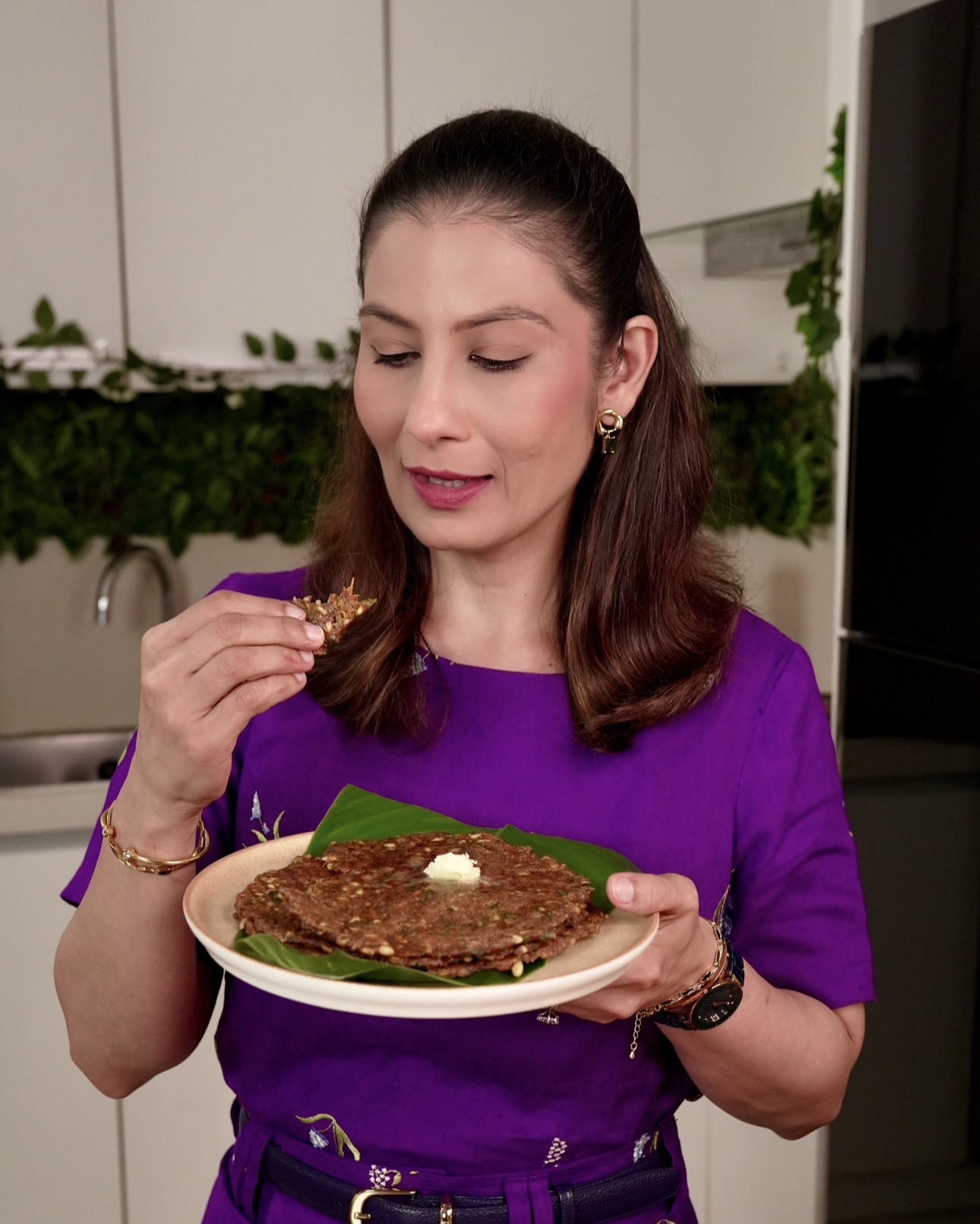
For more millet cooking inspiration, explore Meghna’s recipe videos.
For the foxtail millet and apple preparation, use ½ apple, peeled, cored, and steamed until tender. Prepare the apple separately from the millet, then mash it and stir it into the cooked grain. Keep this fruit quantity and method as written, rather than changing them to match the carrot-and-apple stew instructions.
Texture and age-based introduction of millet foods
Introduce millet as a complementary food in a texture your baby can manage. Choose the grain based on your baby’s stage and how it’s prepared, not on nutrition claims alone.
-
Choose When to Introduce Millet
Start millet complementary foods around 6-8 months, when your baby is beginning solids. Offer a smooth, well-cooked texture first, then adjust as eating skills develop. Ragi is listed from 6 months; little millet from 8 months, foxtail from 9 months, and barnyard from 10 months.
Begin with one millet at a time and observe your baby’s response. Soak millet for 2-3 hours or overnight before cooking, then cook until soft. Soaking and thorough cooking soften the grains; sprouting or fermenting isn’t necessary for these recipes.
-
Select Millets and Suitable Recipes
Choose ragi for its listed calcium comparison, or foxtail millet for a distinct grain option. The provided nutrition comparisons state that ragi has 10 times more calcium than wheat or rice, while foxtail millet has about 30 times more fiber than rice. These figures don’t replace variety across meals.
For babies aged 8-12 months, use soft millet porridge, mashed apple-and-millet, or a well-cooked millet stew. Older babies and toddlers can try soft, well-cooked finger foods when ready. Check every grain and vegetable for softness before serving.
- Common millets provide different nutrients: cooked millet contains 6.11 g protein and 1.09 mg iron per cup. It also contains 77 mg magnesium and 174 mg phosphorus per cup. Those figures describe cooked millet, not every variety equally.
- For Indian baby meals, keep the millet base plain. These recipes need no added salt, sugar, or honey. Texture matters: smooth porridge avoids hard grains, while fully softened stew ingredients should mash easily.
- Reduce choking risk by serving soft, mashed food and checking for firm grains. Babies may react to new ingredients, and a sudden increase in fibre may affect digestion. Introduce unfamiliar ingredients separately and watch for a response.
- Store cooked millet food covered in the refrigerator. Reheat it thoroughly and stir to remove hot spots. Check the temperature and texture before serving, and discard any food left in your baby’s bowl.
- Start with smooth porridge, then progress to mashed or soft-lump textures as your baby’s skills develop. Millet recipes can suit babies and toddlers when the grains are thoroughly cooked, the ingredients are soft, and each serving matches the child’s eating ability.
When adding pureed fruits and vegetables to homemade millet cereal, observe a wait of 4 days; some babies may need 8-10 tries before accepting a new food.
Starting portions and gradual increases
- Begin with 1-2 teaspoons of prepared millet food once a day. Measure the cooked porridge, not the dry flour, so the serving reflects what you’re offering. Keep the first taste plain and smooth, such as well-cooked ragi porridge. Breast milk remains part of feeding alongside complementary foods. A small starting portion lets you focus on your baby’s response before changing the amount.
- Offer a small portion calmly and notice how your baby manages each spoonful. If they accept it comfortably, gradually increase the serving over later meals. Don’t make finishing the bowl the goal; babies may show they’re full before it’s empty. Keep portions flexible rather than serving more simply because the previous meal was finished.
- Change one feature at a time: portion, texture, or an added ingredient. For example, keep the amount of foxtail porridge steady while making it slightly thicker. Another time, keep the familiar texture and mix in a little mashed apple. Changing one thing at a time makes it easier to notice what your baby accepts.
- As your baby becomes more comfortable between 6 and 7 months, gradually move from smooth purées toward thicker, mashed, or soft-lump foods. A thin millet porridge can become a thicker spoonful, then a soft mash with small, tender pieces. Cooked millet should be soft enough to mash easily; add water to loosen it when the consistency becomes too thick.
- Match each serving to the texture your baby is practising. For a smooth meal, blend the cooked millet thoroughly; for a mashed meal, press soft grains with a spoon. Avoid increasing the thickness and portion size at the same time. Progress gradually so you can see whether your baby manages a new texture, such as soft lumps, before offering more.
- Use the grain’s role in the meal as a guide, not as a reason to force a larger portion. Millet provides protein, but a millet porridge serving is only one part of complementary feeding. Keep breast milk alongside meals, and offer millet as one food in a varied routine. The listed guidance describes millet foods 2-3 times a day for infants aged 6-8 months alongside breast milk.
- Track changes simply: note the millet, texture, portion, and whether your baby accepted it. For example, record “ragi, smooth, 1 teaspoon” before trying a thicker version another day. These notes help distinguish a texture preference from a response to a new ingredient. Keep increasing gradually, and let your baby’s comfort with each step guide the next serving.
Baby-friendly millet varieties
Choose a millet based on the texture and preparation you want. Nutrition figures can help you vary the grains, but they don’t determine the right recipe on their own.
- Use ragi flour for a smooth porridge. Ragi has 10 times more calcium than wheat or rice. Whisk the flour into liquid before heating to prevent dry pockets, then stir as it cooks. Its fine form makes a different consistency from porridge made with whole grains.
- Choose foxtail millet for a recipe featuring cooked grains. It has about 30 times more fiber than rice. Grind it for porridge or cook and mash it for a thicker dish. Match the form to the recipe, and check the finished grains for firmness before serving.
- Consider bajra for its listed iron comparison: it has nearly 19 times more iron than rice. Use flour for a smoother preparation or cook the grain until it can be mashed easily. The grain and flour forms create different textures, so select according to the dish you’re making.
- Kodo millet offers another option, with around 11% protein. Cook it until tender, then mash it into a spoonable meal or combine it with soft vegetables. Treat the protein figure as information about the grain, not a measure of the complete meal.
- Barnyard millet contains up to 18 mg of iron per 100 g. Little millet contains 220 mg of phosphorus per cup. Those figures use different units, so they don’t provide a direct comparison between the grains.
- Proso millet provides 24% of daily phosphorus needs per cup. Jowar provides 8.45 mg of iron per cup and has 20-99 times more riboflavin and niacin than rice. Use these figures to explore variety, while choosing the grain that works for your planned dish.
- Match the grain to the recipe. Fine flour makes a smooth base, while cooked grains work well in mashed dishes. Add vegetables only when they’re tender enough to mash to the same consistency.
- Try one variety at a time before combining grains. A single-grain preparation makes it easier to notice differences in flavour and texture. Once you’ve found a consistency your baby manages comfortably, build on it with another suitable ingredient.
Chef Meghna’s Notes
If porridge turns lumpy, whisk it briskly while warm; press stubborn lumps through a fine sieve. If it thickens as it stands, stir in warm water a little at a time. Keep the grain’s own flavour in focus, and add a mild vegetable purée only when it suits the recipe’s texture.
Meghna’s Food Magic: Free Digital Recipe Database
Meghna’s Food Magic gives home cooks a Free Digital Recipe Database for finding fresh ideas after mastering these baby meals. Turn to its Millets Recipes when you want to explore other grains and preparations, or browse High Protein Recipes for more ways to build variety into family meals. The collection can help you move beyond porridge and stew while keeping your cooking inspiration close at hand. Choose recipes based on your household’s needs and adapt ingredients and textures appropriately for each family member. For more nutritious cooking ideas, visit Meghna’s Food Magic.
Keep Growing Your Baby’s Food Repertoire
Let each meal be a chance to learn what your baby enjoys. Notice whether they respond better to a familiar flavour, a new ingredient, or a different consistency. Use those observations to guide future meals rather than treating a recipe as fixed. A flexible approach makes it easier to offer variety while respecting your baby’s cues.
As your confidence grows, use baby food recipes with millets as a starting point for new combinations. Consider how a grain’s flavour works with fruits, vegetables, or other familiar foods, and make one change at a time. This makes each new dish more intentional and helps you decide what to prepare next based on your baby’s response.
For more inspiration as you keep experimenting in the kitchen, explore Meghna’s recipe videos.
Every thoughtful meal is practice. Keep cooking with curiosity, and enjoy discovering what works for your family.
Frequently Asked Questions
What are millets?
Millets are small-seeded cereal grains, including ragi, foxtail millet, bajra, jowar, and barnyard millet. They differ in flavour, grain size, and cooking qualities, so the best choice depends partly on whether you’re making smooth flour porridge or a soft grain dish. For baby meals, choose a form that cooks thoroughly and can be mashed to a suitable texture.
When to start?
Millet complementary foods are generally introduced around 6-8 months, alongside breast milk. Start with a small taste of a thoroughly cooked preparation, then pay attention to how your baby manages its texture. For example, a smooth ragi porridge offers a different starting texture from mashed cooked grains. Keep the first millet dish simple so you can observe your baby’s response to that food.
Which millets are suitable for babies at different ages in India?
Suggested introductions vary by millet: ragi is listed from 6 months, little millet from 8 months, foxtail millet from 9 months, and barnyard millet from 10 months. Treat these as variety-specific guidance, not a reason to serve a grain before your baby is ready for complementary foods. Prepare the chosen millet thoroughly, and match its texture to your baby’s eating skills.
What are easy millet porridge recipes for babies aged 6-8 months?
For a simple ragi porridge, combine 2 tablespoons of ragi flour with water, then cook while stirring until smooth and fully cooked. A listed variation includes 1 teaspoon of ghee and 1 mashed date. Add the date only after mashing it thoroughly into the porridge. Keep the first serving smooth, and avoid adding several unfamiliar ingredients together.
What is the correct millet-to-water ratio and cooking time for baby porridge?
For ground millet cereal, use about ¼ cup millet powder with 1-2 cups water, whisking the powder into cool water before heating. Whole-grain millet uses 1 cup grain to 2-3 cups water; soaked whole grains take about 20 minutes to cook like rice. Flour and whole grains need different methods, so cook until the texture is soft and even.
Disclaimer
This is a recipe food blog page and not nutrition or doctor and hence do not claim to cure any illness. If you have specific health issues please consult a qualified doctor or certified nutritionist.
I do consult experts, research Internet and at times seek help from Gemini to collect relevant information to put together some of these blogs.

