
Jain: Everything You Need to Know About Their Food Habits
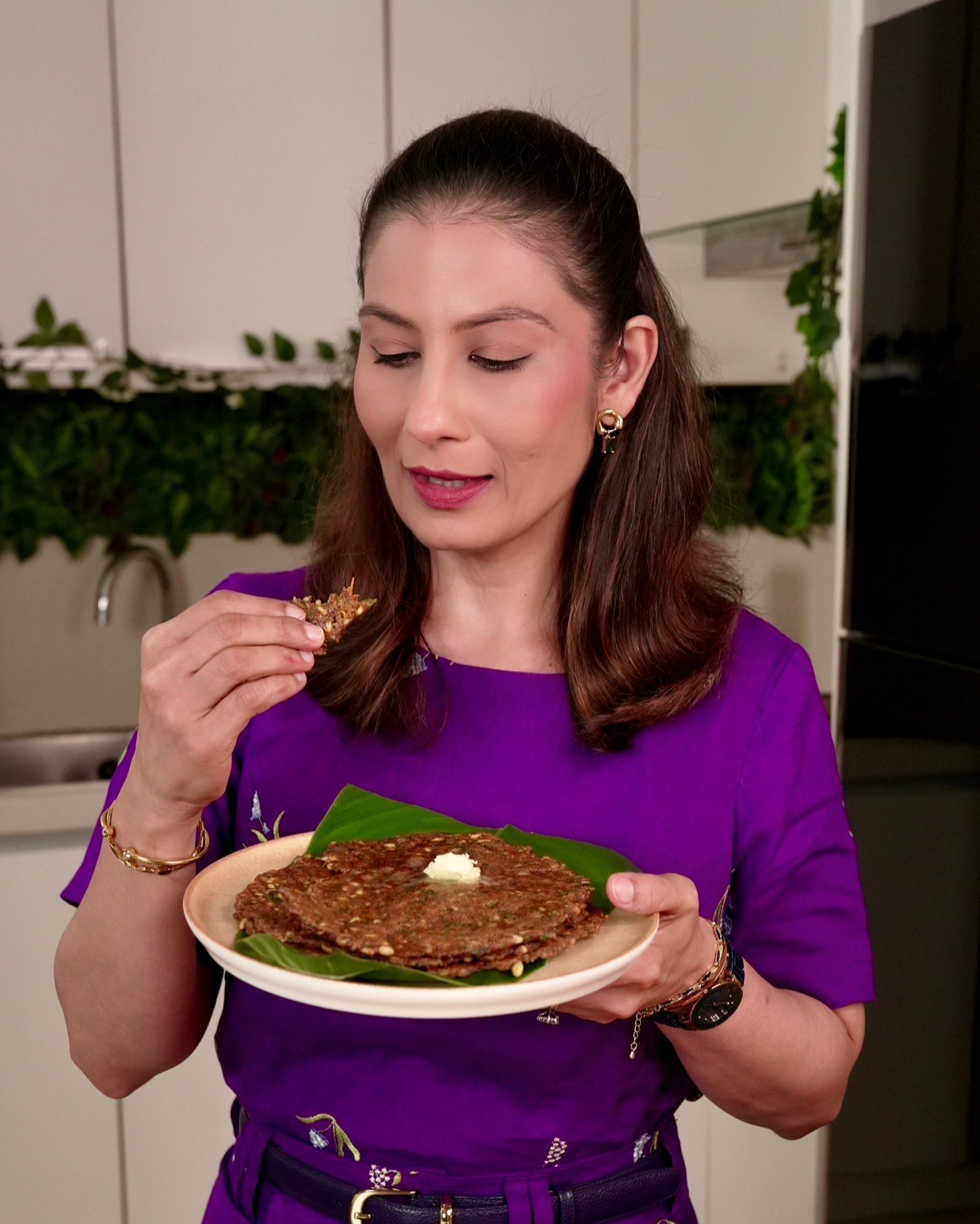
The most vibrant, soul-satisfying meals in your kitchen don’t need a single clove of garlic or a slice of onion to taste like a total celebration. If you’ve ever felt that following a Jain diet meant choosing between your traditions and your taste buds, you aren’t alone. It’s easy to feel restricted by the rules or bored by a repetitive cycle of the same three meals, especially when you’re trying to find high-protein vegetarian options that actually fit your fitness goals. It’s a common frustration to feel like your culinary world has shrunk because of what you’ve removed from your plate, but wellness and enjoyment are never mutually exclusive.
I’m here to tell you that these dietary boundaries are actually a secret gateway to incredible innovation. You’re about to discover how to master the art of Jain cooking with high-protein, healthy recipes that prove ‘no onion and no garlic’ can still mean absolute culinary magic. We’ll dive into the "why" behind building natural flavor profiles without root vegetables, explore how to use protein-rich ingredients for muscle-building power, and learn to create satisfying delights that hit every craving. Get ready to transform your kitchen into a space of joy, where maintaining a health-oriented lifestyle feels effortless and every bite is a celebratory act of self-care.
Key Takeaways
- Understand the core principles of Ahimsa and why root vegetables are excluded to protect living organisms in the soil.
- Master the use of professional secrets like Hing and melon seeds to create rich, restaurant-style gravies without onion or garlic.
- Identify the best high-protein sources in a Jain diet to maintain a fitness-oriented lifestyle and support your weight loss goals.
- Access three signature recipes with precise measurements that bring absolute culinary magic to your daily meal planning.
- Learn practical strategies for navigating social events and travel while staying true to your commitment to clean, non-violent eating.
Understanding the Jain Diet: More Than Just Restrictions
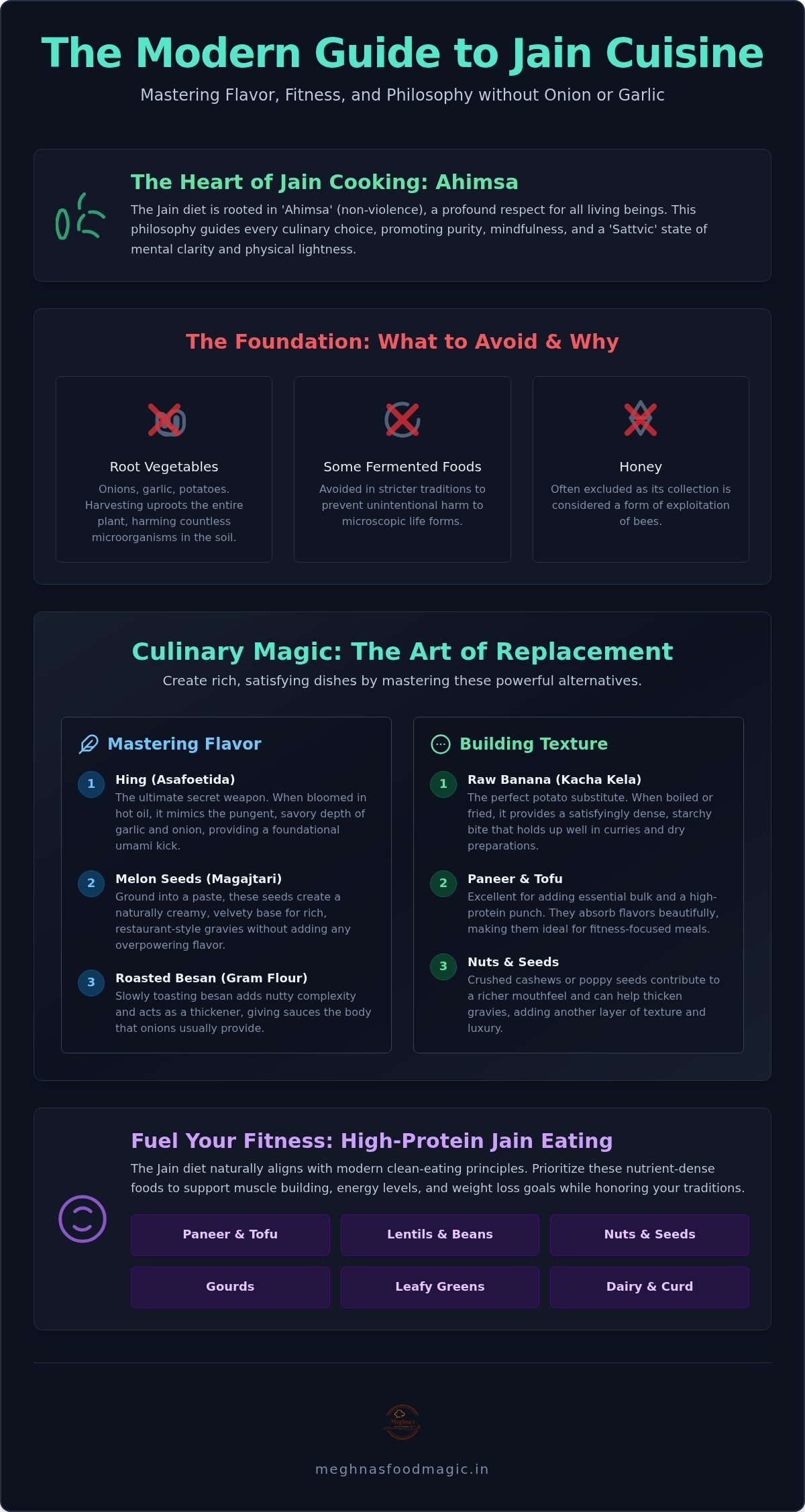
At the heart of every Jain kitchen lies a philosophy that is as beautiful as it is profound: Ahimsa, or non-violence. While many people view these dietary choices as a simple list of "don’ts," the reality is much more celebratory. It’s about a deep respect for all living beings, no matter how small. This translates into a culinary practice that prioritizes purity and mindfulness. By choosing ingredients that cause the least amount of harm, you’re not just cooking; you’re engaging in a form of spiritual and physical therapy that brings harmony to your body and mind.
A core part of this practice involves avoiding "Zameen-kand," or root vegetables. Devout followers of Jain vegetarianism exclude potatoes, onions, and garlic because harvesting them involves uprooting the entire plant, which inevitably harms the tiny microorganisms living in the soil. Instead of seeing this as a restriction, think of it as an invitation to explore the incredible variety of gourds, beans, and leafy greens that often get overshadowed. This approach fosters "Sattvic" energy, a state of mental clarity and calm that helps you feel lighter, more focused, and emotionally balanced throughout your day.
The No-Go List: What Really Defines Jain Food?
The exclusion of onions, garlic, and potatoes is the most famous aspect of this diet. In some traditions, fermented foods and honey are also avoided to prevent the consumption of microscopic life or to avoid the exploitation of bees. When you remove these pungent, heavy ingredients, something magical happens. The natural sweetness of a vine-ripened tomato or the delicate earthiness of a raw banana suddenly takes center stage. You start to appreciate the true essence of each vegetable, unmasked by the overpowering scent of garlic, allowing the natural vibrant flavors to shine through.
Modern Jainism: Health and Fitness Integration
There’s a common myth that traditional meals are always heavy on oil, sugar, and refined grains. I’m here to show you that the opposite is true. This lifestyle naturally aligns with modern clean-eating principles because it focuses on whole, unprocessed foods. Through my "Get Fit with Meghna" philosophy, we reimagine traditional flavors using techniques like air-frying and high-protein plant-based swaps. You don’t have to sacrifice your fitness goals to honor your heritage. By focusing on nutrient-dense ingredients, you can maintain a lean, energized body while enjoying delicious, healthy Jain meals that feel like a reward rather than a chore.
The Science of Flavor: How to Cook Without Onion and Garlic
Creating a culinary masterpiece without onion or garlic isn’t about settleing for less; it’s about mastering the chemistry of spices. Many home cooks feel lost when these aromatic bases are removed, but the secret lies in the humble Hing (Asafoetida). This powerful resin mimics the sulfurous, pungent notes of garlic and onion when bloomed in hot oil. It provides that foundational "umami" depth that makes a Jain dish feel complete. To get that rich, restaurant-style gravy, we lean on the natural creaminess of melon seeds (magajtari) and the tang of fresh curd or tomatoes. These ingredients don’t just add bulk; they create a velvety mouthfeel that rivals any traditional curry base.
One of my favorite professional secrets is using roasted gram flour, or besan. By slowly toasting besan until it turns a deep golden hue, you introduce a nutty complexity and a thickening power that mimics the body onions usually provide. This technique, combined with a vigorous tempering or Tadka, is where the magic happens. A Tadka of cumin, ginger, and green chilies releases essential oils that carry flavor through the entire dish. If you want to see these techniques in action, you can find step-by-step guidance on my Jain Recipes Playlist on YouTube where we turn these principles into reality.
Building Texture Without Potatoes
Texture is just as important as taste. Since potatoes are excluded, raw banana (Kacha Kela) becomes your best friend. When boiled or fried, it provides a similar starchiness and bite. For those focusing on fitness, swapping heavy starches for paneer or tofu adds essential bulk and protein. This is vital because research on the nutritional status of Jain women suggests that finding diverse protein and mineral sources is key to a balanced lifestyle. Adding a handful of crushed cashews or poppy seeds can also elevate a simple dish into a gourmet experience by providing a luxurious, creamy finish.
Chef Meghna’s Notes: Professional Jain Substitutions
- Substitution Tip: If you miss the crunch of onions in snacks or salads, finely chopped cabbage or bottle gourd (lauki) can provide a similar texture without the prohibited root.
- Flavor Tip: Always toast your dry spices in a pan before grinding or adding them to oil. This "wakes up" the volatile oils, which is crucial when you don’t have garlic to lean on for aroma.
- Troubleshooting: If your Jain gravy feels too thin or watery, whisk in a tablespoon of cashew paste or a little more roasted besan. It binds the liquids and fats together for a perfectly emulsified sauce.
High-Protein Jain Meal Planning for Weight Loss
Achieving your fitness goals while staying true to your values is a beautiful journey of balance. In a Jain household, protein isn’t a hurdle; it’s an opportunity to celebrate versatile ingredients like Moong, Paneer, and Soya. Moong Dal is the undisputed superfood of our kitchen. It’s incredibly light on the stomach, easy to digest, and packed with plant-based protein. When we focus on weight loss, the secret isn’t just eating less. It’s about eating smarter by balancing your macros.
The Jain commitment to non-violence extends to how we treat our own bodies. Nourishing yourself with high-quality nutrients is a profound act of self-care. Instead of filling up on several heavy rotis, try shifting your plate’s focus to protein-forward sides. Double the portion of your dal or paneer and reduce the grain portion. This simple swap keeps you fuller for longer and helps maintain steady energy levels throughout the day without that heavy, sluggish feeling. Using an air fryer also allows you to enjoy traditional flavors with a fraction of the oil, keeping your snacks ‘Get Fit’ friendly.
Traditional vs. Modern Healthy Jain Diet
Traditional snacks are often deep-fried, but we’ve reimagined them for a modern lifestyle. An air-fried version can significantly reduce calorie intake while keeping that satisfying crunch we all love. We’re also seeing a shift from simple white rice to protein-dense pulses. Even modern ingredients like Avocado can be integrated into our framework as a source of healthy fats that provide lasting satiety. It’s all about making the transition from calorie-dense traditions to nutrient-dense innovations.
Protein-Rich Jain Breakfast Ideas
Your breakfast sets the tone for your metabolism. Chillas are my absolute favorite for a fitness-focused start because they’re quick, customizable, and naturally high in protein. You can explore a variety of these in my Breakfast Chila Playlist. Sprouts are another fantastic option when selected carefully. They offer a concentrated burst of nutrients that fuel your morning and keep you energized throughout your workout.
Chef Meghna’s Notes
When preparing sprouts, ensure they are fresh and consumed within the proper time frame to maintain their quality. For the perfect Chila texture, soak your dal for at least 4 hours before grinding. This process breaks down complex starches, making the meal much easier on your digestive system and helping to prevent bloating after eating.
3 Signature Jain Recipes from Meghna’s Food Magic
Cooking is an act of pure joy, and these three recipes are designed to bring that celebratory energy into your daily routine. We’ve focused on ingredients you can find in any local market across India, ensuring that high-protein, healthy eating is accessible to everyone. By using precise measurements, you’ll achieve that perfect restaurant-style finish every single time. Let’s turn your kitchen into a space for culinary therapy with these Jain favorites that prove flavor doesn’t require restriction.
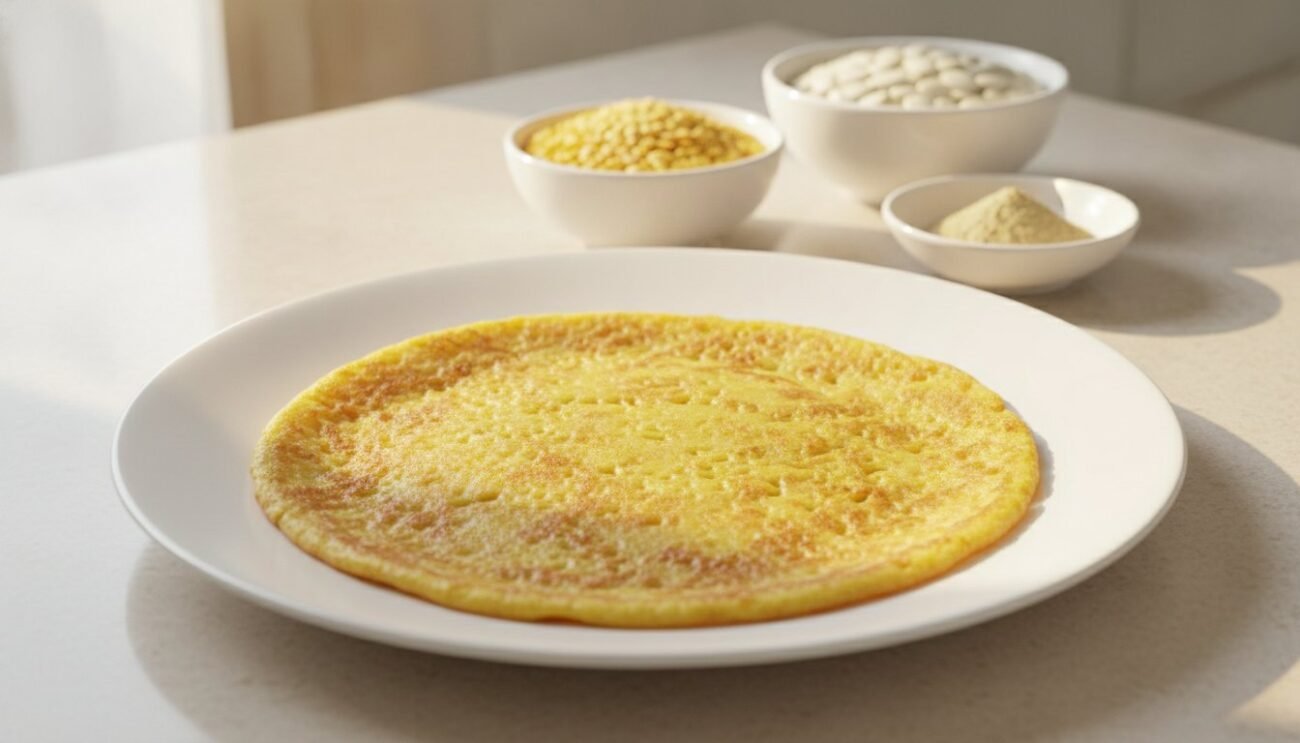
Recipe 1: Jain Moong Dal Chilla (High-Protein Breakfast)
This breakfast is a powerhouse of energy that keeps you light yet satisfied throughout your morning. It’s the perfect way to start your day with a protein-forward mindset.
- 1 cup yellow moong dal (soaked for 2 hours)
- 1 inch ginger
- 2 green chilies
- 1/4 tsp hing
- Salt to taste
Grind the soaked dal with ginger, chilies, hing, and salt into a smooth batter. Heat a non-stick tawa and spread a ladleful of batter in a circular motion. Top with 50g of grated paneer and fresh coriander. Cook until golden brown on both sides.
Chef Meghna’s Notes: Don’t over-soak the dal beyond two hours; otherwise, the batter absorbs too much water and becomes soggy. Keep the texture slightly coarse to give the chilla a delightful crunch that mimics a gourmet snack.
Recipe 2: Jain Paneer Makhani (Gourmet Main Course)
You don’t need onions to create a velvety, indulgent gravy that feels like a total celebration. This dish is a staple for any special dinner where you want to impress without the heavy base.
- 200g Paneer cubes
- 3 large tomatoes (pureed)
- 10 cashews (soaked)
- 1 tsp Kashmiri red chili powder
- 1/2 tsp garam masala
- 1 tbsp butter
Sauté the tomato puree with a fresh ginger-chili paste in butter until the raw smell disappears. Blend the soaked cashews into a fine paste and add it to the pan for that signature creaminess. Simmer the paneer cubes in this gravy for 5 minutes, then finish with a sprinkle of garam masala and kasuri methi.
Chef Meghna’s Notes: For a lighter and more cost-effective version, mix melon seeds (magajtari) with your cashews. You can find more inspiration in my collection of Paneer Recipes.
Recipe 3: Air-Fried Jain Corn Tikki (Healthy Snack)
This snack is the perfect example of how we use modern technology to keep our favorite traditions healthy and vibrant. It’s crunchy, satisfying, and completely guilt-free.
- 1.5 cups boiled sweet corn (coarsely crushed)
- 1/2 cup parboiled raw banana (mashed)
- 2 tbsp rice flour
- Fresh coriander and green chilies to taste
Combine the crushed corn, mashed banana, rice flour, and aromatics. Shape them into small tikkis and brush with a minimal amount of oil. Place them in your air fryer at 180°C for 12 to 15 minutes until they turn a beautiful golden brown.
Chef Meghna’s Notes: Raw banana is the ultimate substitute for potatoes in a Jain diet. It acts as a perfect binder while providing resistant starch, which is fantastic for your gut health. Check out our other Corn Recipes for more creative ideas.
Elevate Your Jain Cooking with Meghna’s Food Magic
Mastering the Jain culinary arts is a journey that transforms your relationship with food from one of restriction to one of pure, vibrant abundance. When you choose to cook without onion and garlic, you aren’t just following a set of rules; you’re choosing to let the natural, unmasked flavors of your ingredients take the lead. This approach requires a bit of curiosity and a lot of heart. Instead of relying on the pungent base of root vegetables, we lean into the complexity of spices like black salt, amchur (dried mango powder), and freshly roasted cumin to create layers of flavor that surprise and delight the palate.
Navigating social gatherings or travel doesn’t have to be a source of stress. The secret is clear communication and a bit of preparation. Most chefs and hosts are incredibly accommodating when they understand your commitment to clean, non-violent eating. Don’t be afraid to suggest simple swaps, like using raw banana instead of potato or asking for a fresh Tadka made without garlic. By being a confident ambassador for your lifestyle, you turn every meal into an opportunity to share the beauty of your traditions with others.
Beyond the Kitchen: A Holistic Jain Lifestyle
I truly believe that cooking is a form of "Culinary Therapy." It’s a mindful practice that brings harmony to your daily life and directly impacts your long-term wellness and energy levels. When you cook with intention and respect for all life, that energy translates into the food you serve your family. It’s about creating a nurturing space where health and happiness coexist. For daily doses of inspiration and a look at how I bring these principles into my own home, follow me on Instagram.
Start Your Food Magic Journey Today
Your path to a more energized and celebratory lifestyle starts with the very next meal you create. I invite you to explore my full free database of Diet Recipes to find more high-protein, plant-based options that align with your goals. If you’re looking for visual guidance to master these techniques, subscribe to Meghna’s YouTube Channel for step-by-step guides that make healthy cooking feel effortless. Let’s turn your kitchen into a sanctuary of health and pure culinary magic.
Chef Meghna’s Notes
When you’re eating out, I always recommend carrying a small "flavor kit" in your bag. A tiny container of high-quality Hing and some roasted cumin powder can instantly elevate a simple restaurant dal or vegetable stir-fry. If you’re worried about a gravy being too thin at a party, remember that a little bit of curd or a sprinkle of crushed nuts can add instant body and richness. Focus on the joy of the gathering, and remember that your dietary choices are a powerful statement of compassion and self-care.
Master the Art of Vibrant Jain Cooking
Embracing a Jain lifestyle is a beautiful commitment to non-violence that can actually fuel your modern fitness journey. We’ve explored how to build deep, restaurant-style flavors using clever substitutes like roasted gram flour and raw banana. You’ve also learned that maintaining a high-protein diet for weight loss is entirely possible when you prioritize superfoods like Moong Dal and Paneer. These techniques prove that wellness and celebratory eating are never mutually exclusive. It’s about shifting your mindset from what you’re removing to the incredible "Food Magic" you’re adding to every plate.
Explore the Full Paryushan-Friendly Jain Recipe Database on Meghna’s Food Magic
With over 30 specialized high-protein vegetarian collections and chef-led tutorials that have garnered millions of views, my mission is to help you achieve your fitness goals without ever sacrificing the Indian flavors you love. We focus on real-world weight loss strategies that respect your values and your body. Start your journey of culinary therapy today and turn your kitchen into a sanctuary of health and happiness. You have all the tools to make every meal a rewarding act of self-care and joy.
Frequently Asked Questions
What is the difference between Jain food and Sattvic food?
Sattvic food focuses on purity and mental clarity, avoiding heavy items like onion, garlic, and caffeine to maintain a calm state of mind. Jain food follows these rules but adds a deeper layer of non-violence. This means excluding all root vegetables to protect the tiny organisms in the soil and avoid killing the entire plant. While all these meals are Sattvic, not all Sattvic diets meet these strict non-violence standards.
Can I get enough protein on a strict Jain diet?
You can definitely reach your protein goals by prioritizing plant-based powerhouses like Moong, Paneer, and Soya. Moong Dal is a fantastic superfood that’s light on the stomach and very easy to digest. By doubling your pulse portions and incorporating fresh Paneer, you’ll meet your daily needs quite easily. My digital database offers many high-protein vegetarian recipes specifically crafted to support a healthy, fitness-oriented lifestyle without compromising your values.
What are the best substitutes for onion and garlic in Jain recipes?
Hing is the ultimate secret weapon for mimicking the pungent aroma of garlic and onion in your cooking. For creating thick, satisfying gravies, I recommend using a base of pureed tomatoes and curd thickened with melon seeds or roasted gram flour. If you want that signature crunch in your snacks, finely chopped cabbage or bottle gourd works beautifully. These simple swaps ensure your meals remain flavorful while adhering to the principles of non-violence.
Is Jain food suitable for weight loss?
It’s a wonderful choice for weight loss when you focus on whole, nutrient-dense ingredients. By using modern tools like an air fryer, you can enjoy traditional flavors with much less oil. The secret is balancing your macros by increasing protein-forward sides and reducing heavy rotis or rice. This clean-eating approach keeps you full and energized, making it much easier to stay on track with your fitness goals while enjoying every single bite.
Why do Jains avoid potatoes and other root vegetables?
Followers of the Jain faith avoid root vegetables, or Zameen-kand, to practice Ahimsa at the highest level. Harvesting these vegetables requires uprooting the entire plant, which kills it and harms countless microscopic organisms living in the soil. By choosing vegetables that grow above the ground, like beans and gourds, you ensure your diet causes the least amount of harm. This practice promotes a deep sense of respect for all living beings.
Can I make restaurant-style gravies without using onions?
You can achieve a rich, velvety texture by using pureed tomatoes and fresh curd as your base. To add the thickness and body that onions usually provide, whisk in some cashew paste or a little roasted besan. A vigorous tempering with cumin and ginger releases essential oils that carry the flavor throughout the dish. These professional techniques give you that gourmet finish in your home kitchen while keeping the ingredients pure and non-violent.
How do I make Jain food taste better for kids who are used to garlic?
Focus on using vibrant spices and different textures to keep things exciting for younger palates. A strong Tadka with fresh ginger and green chilies provides a flavor punch that children love. You can also use air-fried snacks and colorful vegetables to make the plate look more inviting. My "Fussy Eaters" playlist is a great resource for finding creative, healthy recipes that prove you don’t need root vegetables to make a meal truly delicious.
Is all vegetarian food considered Jain-friendly?
Not all vegetarian food meets these specific standards because standard vegetarian diets often include root vegetables like onions, potatoes, and garlic. A Jain-friendly meal must exclude these items to prevent harm to soil-dwelling organisms and the plant itself. Some traditions also avoid honey and fermented products to maintain the highest level of non-violence. It’s always best to check for these specific exclusions to ensure the food aligns with the core philosophy of Ahimsa.
Disclaimer
This is a recipe food blog page and not nutrition or doctor and hence do not claim to cure any illness. If you have specific health issues please consult a qualified doctor or certified nutritionist.
I do consult experts, research Internet and at times seek help from Gemini to collect relevant information to put together some of these blogs.

