
Jain Fasting Recipes: Nutritious & Flavorful Meals for a Soulful Journey
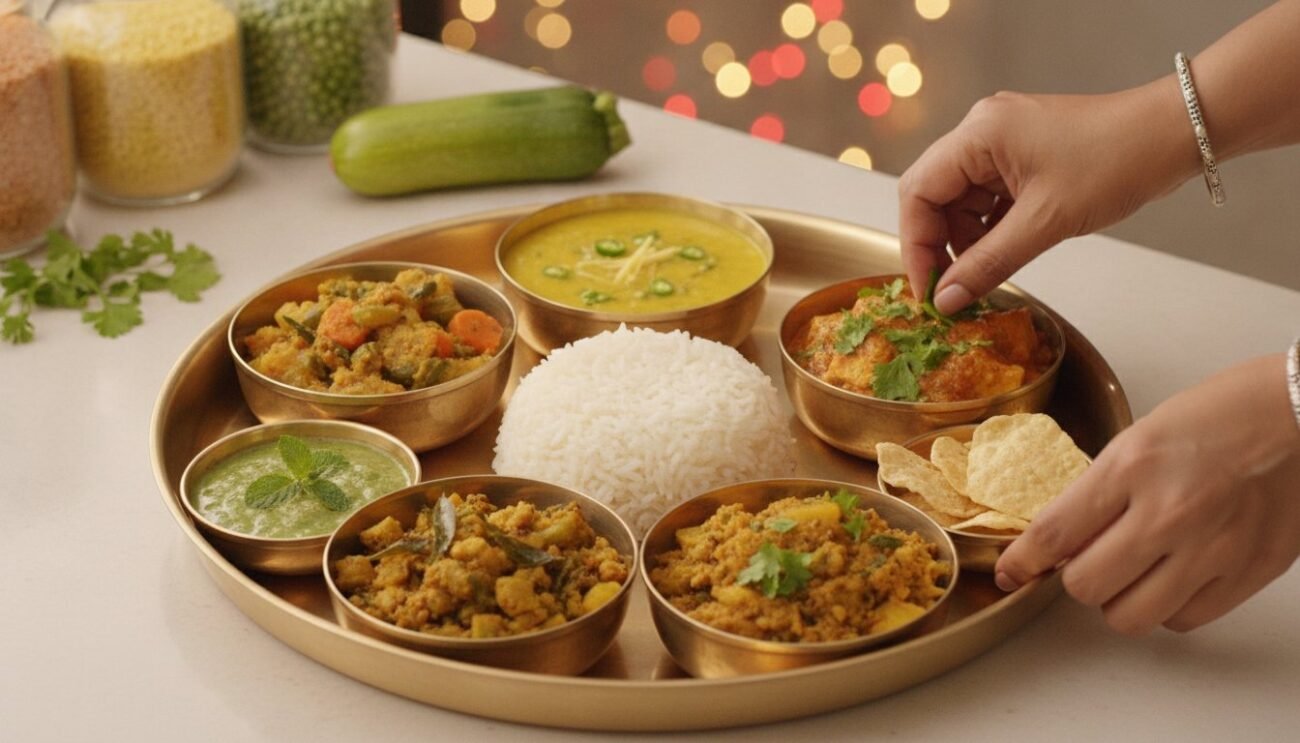
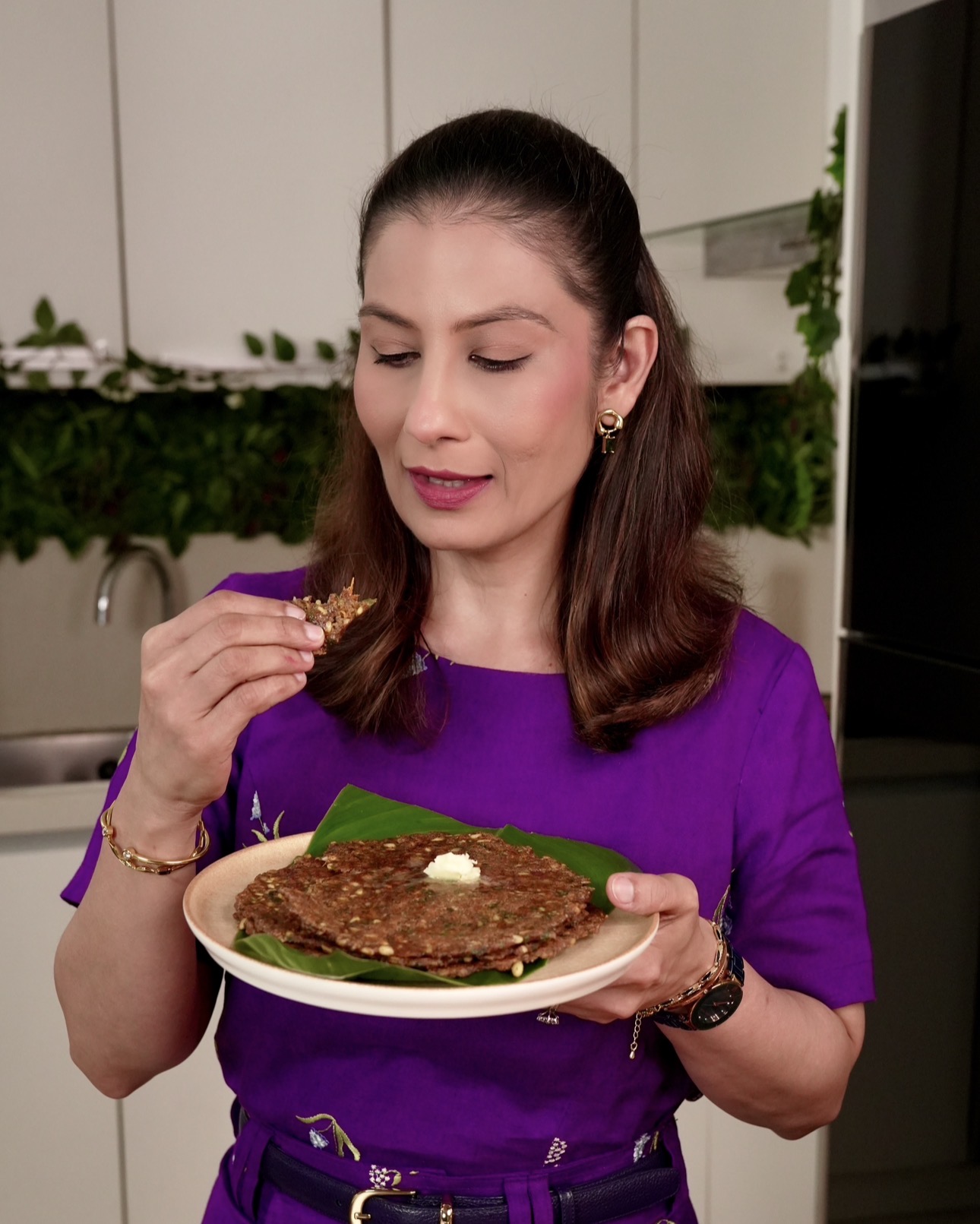
What if your period of spiritual reflection didn’t have to mean a month of bland, repetitive meals that leave you feeling drained? Most of us approach the holy days of Paryushan or Das Lakshan with a mix of devotion and a little bit of culinary dread. It’s tough to find the right balance when you’re cutting out root vegetables and certain spices while trying to keep your energy levels high for daily rituals. You want to honor your vows without sacrificing the joy of a vibrant, nourishing plate.
I’m here to show you that Jain fasting recipes can be a form of culinary therapy, where we use modern techniques to create high-protein, soulful meals that feel like a celebration rather than a restriction. By focusing on the pure essence of grains and pulses, you can maintain your fitness goals while staying deeply connected to your faith. We’ll explore why specific ingredients like Moong Dal provide the sustained energy needed for the 2026 fasting season. In this guide, we’ll discover clever substitutions for root vegetables, dive into protein-packed ingredients like Paneer, and master three specific recipes that will keep you fit and focused throughout your spiritual journey.
Key Takeaways
- Understand the spiritual logic behind avoiding root vegetables and how to embrace the Sattvik path with energy and joy.
- Discover high-protein Jain fasting recipes that leverage the power of Moong Dal and Chana Dal to fuel your fitness goals while you fast.
- Master creative kitchen hacks, like using raw bananas and dried ginger powder, to recreate the textures and flavors of your favorite comfort foods.
- Learn to prepare three signature, soul-satisfying meals with precise measurements to ensure culinary success every single time.
- Benefit from Chef Meghna’s Notes to troubleshoot common cooking challenges and make clever pantry substitutions for a stress-free kitchen experience.
The Essence of Jain Fasting: Understanding the Sattvik Path
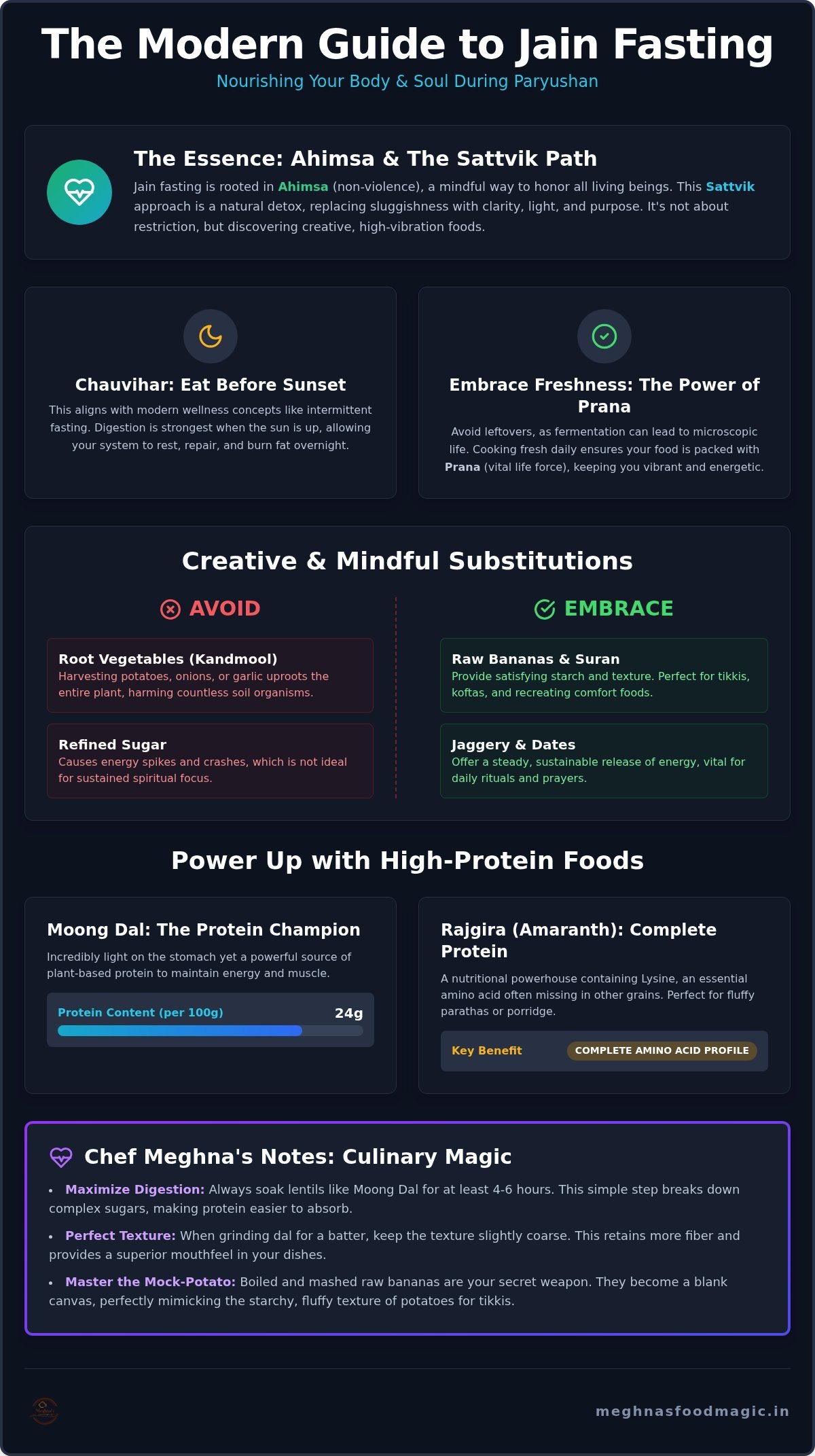
Jainism teaches us that every choice we make in the kitchen ripples out into the world. At its heart, the Essence of Jain Fasting is rooted in Ahimsa, or non-violence. This isn’t just a set of restrictive rules; it’s a beautiful, mindful way to live that honors every living being, even the tiny microorganisms we can’t see. When we prepare Jain fasting recipes, we aren’t just following a list of prohibitions. We’re choosing to fuel our bodies with the highest vibration of food possible. This Sattvik approach serves as a natural detox for the modern body, clearing out the sluggishness of processed diets and replacing it with clarity, light, and a renewed sense of purpose. It’s about moving from a mindset of “what I can’t eat” to discovering the creative abundance of what we can.
Prohibited Ingredients vs. Fasting Substitutes
You might wonder why root vegetables, known as Kandmool, are avoided. It’s because harvesting a potato, onion, or garlic involves uprooting the entire plant, which ends its life and disturbs the countless organisms living in the soil. Instead of feeling limited by this, let’s look at the incredible versatility of raw bananas. They provide that same satisfying starch and fluffiness without the violence. When boiled and mashed correctly, raw bananas become a blank canvas for flavor, perfect for tikkis or koftas. If your specific maryada allows, suran (elephant foot yam) is another fantastic, grounding alternative that offers a rich, earthy texture. For energy, I always suggest swapping refined sugar for natural jaggery or dates. These provide a steady, sustainable release of glucose, which is vital when you’re focusing on your prayers and daily rituals during the 2026 Paryushan season.
The Rule of Daylight and Freshness
Eating before sunset, known as Chauvihar, is a cornerstone of the Jain lifestyle that offers profound health benefits. From a modern wellness perspective, this aligns perfectly with intermittent fasting and our body’s natural circadian rhythm. Our digestion is strongest when the sun is up; as it sets, our metabolic fire cools down. By finishing our meals early, we give our systems ample time to rest, repair, and burn fat overnight. Freshness is equally critical in this journey. In the Jain tradition, we avoid leftovers because fermentation can quickly lead to the growth of microscopic life. Cooking fresh every day ensures your food is packed with Prana, the vital life force that keeps you feeling vibrant and energetic. You can find many fresh, high-protein ideas on meghnasfoodmagic.in to keep your kitchen exciting. If you’re looking for visual inspiration for these wholesome meals, my YouTube channel is full of vibrant ideas that make the transition to a Sattvik lifestyle feel like a celebration.
Powering Up: High-Protein Grains and Pulses for Fasting
Many people think fasting is about deprivation, but it’s actually an opportunity for nutritional renewal. While traditional meals might lean heavily on starches, modern Jain fasting recipes focus on building muscle and maintaining satiety. By choosing the right pulses and ancient grains, you can stay energized for your spiritual duties without the mid-day energy crash. Understanding the Sattvik Path means recognizing that what we consume should support both our physical health and our mental clarity. We want to feel light, not weak; vibrant, not exhausted.
Moong Dal: The Ultimate Protein Source
Yellow Moong Dal is the undisputed champion of the Jain kitchen. It’s incredibly light on the stomach yet packs a punch with 24g of protein per 100g. I always recommend soaking your lentils for at least 4 to 6 hours. This simple step breaks down complex sugars that cause gas, making the protein much easier for your body to absorb. If you’re grinding it for a batter, keep the texture slightly coarse to retain fiber and provide a better mouthfeel. For those who want to stay active during their fast, you can find more fitness-aligned ideas in my Get Fit With Meghna YouTube playlist.
Grains That Sustain: Rajgira and Beyond
Rajgira, or amaranth, is a nutritional powerhouse that belongs in every fasting pantry. Unlike many other grains, it’s a complete protein source containing the essential amino acid lysine, which is often missing in plant-based diets. It’s perfect for making fluffy parathas or a quick porridge. If you’re looking for a dinner that won’t leave you feeling bloated, Moraiya (barnyard millet) is your best friend. It’s exceptionally lightweight and easy to digest, making it ideal for the evening meal before sunset. While we focus on traditional staples, you can occasionally integrate specific Millet Recipes to keep your palate excited and your nutrition profile diverse.
Don’t forget the power of Chana Dal and Besan. These provide a sturdy base for savory snacks that keep you full for much longer than simple carbs. A handful of almonds or walnuts adds the healthy fats your brain needs for deep concentration during meditation. It’s all about balance and variety. If you’re looking for more ways to make your meals both healthy and delicious, check out my YouTube channel for daily inspiration that brings magic to your kitchen.
Creative Substitutions: Reimagining Prohibited Ingredients
Stepping into a Jain kitchen during fasting can feel like a puzzle, but it’s actually an invitation to innovate. When we remove onions, garlic, and potatoes, we aren’t just taking things away; we’re making room for a new palette of flavors. Creative Substitutions are the secret to keeping your meals exciting and nutritionally dense. By understanding the science of texture and aroma, you can transform simple ingredients into gourmet experiences that honor your spiritual journey. It’s about looking at your pantry with fresh eyes and discovering the hidden potential in every grain and vegetable.
The Raw Banana Masterclass
Most home cooks struggle with raw bananas because they end up with a gummy, sticky mess. The “why” behind this is simple: boiling raw bananas directly in water causes them to absorb excess moisture, which ruins the starch profile. I always recommend steaming them with the skin on until they’re just tender. This method keeps the interior dry and fluffy, perfectly mimicking the texture of a traditional potato. To add that missing earthy depth, season your mash with a pinch of black salt and roasted cumin powder. The ultimate Raw Banana Secret for achieving a shatteringly crispy cutlet is to chill your steamed mash for thirty minutes before shaping, which allows the natural starches to stabilize.
Flavor Enhancers Without Onion or Garlic
Building a flavor base without the usual suspects requires a bit of aromatic magic. High-quality Hing (asafoetida) is your best friend; it provides that savory, umami-rich depth that we often miss. When you bloom Hing in hot oil along with cumin seeds, you create a foundation that carries the entire dish. For those missing the sharp heat of fresh ginger, dried ginger powder (Sounth) is a brilliant alternative that offers a concentrated warmth. You can also use finely shredded cabbage or fresh peas to add volume and a satisfying crunch to your Jain fasting recipes. If your dietary rules allow for fresh curd, it’s a fantastic way to introduce a velvety tang and gut-friendly probiotics to your gravies. To elevate these meals even further, pair them with something from my Chutney/Pickle/Achar Playlist for that perfect finishing touch.
Don’t overlook the liquid gold left behind after boiling your lentils. This pulse water is packed with protein and water-soluble vitamins. Instead of discarding it, use it as a base for your soups or to thin out a thick gravy. This zero-waste approach not only honors the essence of the ingredients but also ensures that every drop of nutrition stays in your body. This is the heart of culinary therapy: treating every ingredient with respect and turning the act of cooking into a soulful, vibrant experience.
3 Signature Jain Fasting Recipes for Soulful Nourishment
Cooking during the holy season is an act of devotion, but it’s also an opportunity to treat your body with the respect it deserves. These Jain fasting recipes are designed to provide a perfect balance of high protein, healthy fats, and complex carbohydrates. By following these precise measurements, you’ll create meals that satisfy your palate while keeping your energy levels stable from sunrise to sunset. Let’s bring some modern culinary magic to your traditional kitchen.
Recipe 1: High-Protein Moong Dal Chilla
This chilla is the ultimate breakfast for anyone following a fitness routine during their fast. Yellow moong dal is a powerhouse of nutrition, offering roughly 24g of protein per 100g, which is essential for muscle maintenance. To prepare this, take 1 cup of yellow moong dal that has been soaked for at least 4 hours. Grind it into a smooth batter along with 1 inch of green chili, salt to taste, and 1/4 tsp of hing. The hing is vital here; it aids digestion and provides that savory depth we usually get from garlic. Heat a non-stick tawa, spread a thin ladleful of batter in a circular motion, and cook until golden brown on both sides. For more tips on maintaining your protein intake, check out my High Protein Guide.
Recipe 2: Crispy Raw Banana Cutlets
When you’re craving something crunchy during tea time, these cutlets are a lifesaver. Take 3 boiled raw bananas and grate them finely to ensure there are no lumps. Mix in 1/2 cup of crushed roasted peanuts for a boost of healthy fats and texture, 1 tsp of amchur for tanginess, and a generous handful of chopped fresh coriander. Peanuts are a fantastic source of energy, providing about 26g of protein per 100g. Shape the mixture into small patties. You can shallow fry them with minimal oil, or for a truly health-conscious twist, pop them into an air fryer until they’re shatteringly crisp. You can find more inspiration for this method in my Airfryer Recipes Playlist.
Recipe 3: Moraiya (Barnyard Millet) Kheer
Every soulful journey needs a sweet conclusion. Moraiya is a wonderful ancient grain that is light on the stomach and naturally gluten-free. For this kheer, take 1/2 cup of Moraiya and cook it in 1 liter of full-cream milk over a low flame. I recommend soaking the Moraiya for 30 minutes first; this softens the outer husk and significantly improves the final creamy texture. Once the grain is soft and the milk has thickened, add 1/2 cup of jaggery powder, a pinch of cardamom powder, and a few saffron strands. Always add the jaggery at the very end after turning off the heat to prevent the milk from curdling. This dessert provides a steady release of energy without the sugar crash of refined sweets.
Chef Meghna’s Notes: Mastering the Art of Jain Culinary Magic
Mastering the kitchen during a fast is about more than just following rules; it’s about understanding the soul of your ingredients. When we strip away the complex aromatics of onion and garlic, we’re left with the pure, vibrant flavors of the earth. My goal is to help you see these Jain fasting recipes not as a period of restriction, but as a celebratory act of self-care. With a few professional tricks, you can turn simple pantry staples into meals that feel both indulgent and deeply nourishing.
Substitutions and Pro-Tips
If you’re looking to boost the satiety of your meals, don’t forget the power of fresh, homemade cheese. Integrating Paneer into your tikkis or gravies adds a velvety texture and a significant protein punch that keeps you full for hours. When you feel your energy dipping mid-afternoon, reach for a glass of Kokum Sharbat. It’s naturally cooling, aids digestion, and provides a gentle glucose lift without the sugar crash of modern sodas. The true secret to making any dish “magic” is the delicate balance of flavors. I always use a 2:1 ratio of Amchur (sour) to Jaggery (sweet). This creates a sophisticated flavor profile that dances on the tongue, making you forget that the dish is missing traditional root vegetables.
Fasting and Fitness: A Balanced Approach
Staying active during the holy season is entirely possible if you align your movement with your eating window. Since Chauvihar requires us to finish our meals before sunset, I recommend scheduling your workouts in the late morning, about two hours after a high-protein breakfast like the Moong Dal Chilla we discussed earlier. This ensures your body has enough fuel to perform without feeling heavy. For more guidance on maintaining a healthy lifestyle, explore my Diet Recipes guide.
If you’re struggling with a raw banana dough that’s too sticky to shape, don’t panic. This usually happens if the bananas were over-boiled. Simply fold in a tablespoon of roasted besan (gram flour) or some poha powder; these act as natural moisture-absorbers and add a lovely nuttiness to the final dish. For those traveling during the fast, dry snacks like baked khakhra or roasted makhana are your best friends. They stay fresh for well over 24 hours and provide the crunch you crave on the road. Remember, cooking is a form of therapy. Treat each meal as a gift to your spiritual and physical self.
Follow Chef Meghna on Instagram for daily kitchen inspiration.
Embrace the Magic of Mindful Cooking
Your path toward spiritual reflection during the 2026 holy season should be as nourishing for your body as it is for your soul. We’ve explored how a mindful approach to Jain fasting recipes can transform your kitchen into a space of creative abundance. By focusing on high-protein staples like yellow moong dal and mastering the art of raw banana alchemy, you’ve learned that you don’t have to choose between your religious vows and your fitness goals.
Cooking with these Sattvik principles is a beautiful celebration of self-control and clarity. You’re now equipped with the professional tips and precise recipes needed to maintain your energy for every ritual and meditation. Whether you’re air-frying crispy cutlets or thickening a creamy Moraiya kheer, every dish is an act of culinary therapy. Join our vibrant community of over 5 million food lovers and gain free access to a database of more than 1000 recipes, including specialized collections for air fryers and millets.
You have the power to make every meal a soulful experience that brings harmony to your daily life. Keep experimenting, stay vibrant, and let your kitchen be a source of constant joy.
Frequently Asked Questions
Is honey allowed in Jain fasting recipes?
Honey is strictly avoided in Jain fasting recipes because its collection involves violence toward bees, violating the core principle of Ahimsa. Instead, focus on plant-based natural sweeteners that provide sustained energy. Jaggery powder or dates are excellent alternatives that add a rich, earthy sweetness to your desserts. These substitutes ensure your meals remain Sattvik while fueling your body for daily prayers and rituals throughout the holy season.
What can I use as a substitute for ginger in Jain cooking?
Dried ginger powder, known as Sounth, is the perfect substitute for fresh ginger in your kitchen. While fresh root ginger is avoided, the dried powder provides a concentrated warmth and zing that elevates savory dishes. You can also use a pinch of high-quality Hing to replicate that missing aromatic depth. Combining these with roasted cumin seeds creates a flavorful foundation for your meals without relying on prohibited root vegetables.
Can I eat fruits during a Jain fast?
Fresh fruits are a wonderful addition to most Jain fasts as they provide essential vitamins and natural hydration. However, it’s vital to consume them before sunset to align with the practice of Chauvihar. Focus on seasonal, vibrant fruits that offer a quick energy boost during the day. Always ensure they’re thoroughly washed and freshly cut to maintain the highest level of purity and Prana in your diet.
What are the best high-protein Jain fasting foods?
Yellow moong dal and peanuts are among the best high-protein sources for your fasting journey. Moong dal offers approximately 24g of protein per 100g, making it incredibly effective for muscle maintenance. If your specific dietary rules allow, paneer provides another 18g of protein per 100g and adds a satisfying, creamy texture to your meals. Incorporating these ingredients ensures you maintain your fitness goals while honoring traditional religious observances with strength and vitality.
Why are root vegetables avoided in Jainism?
Root vegetables, or Kandmool, are avoided to uphold the principle of Ahimsa, which is the cornerstone of Jain philosophy. Harvesting these vegetables requires uprooting the entire plant, which ends its life and harms the countless microorganisms living in the soil. By choosing vegetables that grow above ground, you’re making a conscious choice to minimize harm to all living beings. This practice fosters a deeper connection to the cycle of life and spiritual purity.
How can I make Jain food more flavorful without onion and garlic?
Creating vibrant flavor without onion and garlic is all about mastering the balance of spices. Use a combination of Hing for umami depth and Amchur for a bright, tangy finish. Adding a touch of jaggery helps to round out the flavors, creating a sophisticated profile that satisfies the palate. Fresh coriander, roasted cumin, and black salt also play a massive role in transforming simple grains into extraordinary, soul-satisfying meals.
What is the best way to cook raw banana for cutlets?
The secret to perfect raw banana cutlets is steaming the bananas with their skins on rather than boiling them directly in water. This method prevents the fruit from absorbing excess moisture, which often leads to a sticky or gummy texture. Once tender, peel and grate them while they’re still slightly warm to ensure a fluffy, potato-like consistency. Chilling the mash for about 30 minutes before shaping your patties will help the starches stabilize for a crispier finish.
Are all millets allowed during Jain fasting periods?
Ancient grains like Moraiya and Rajgira are staple ingredients in traditional fasting periods. Moraiya is particularly favored for its lightweight nature and ease of digestion, making it perfect for light evening meals. Rajgira is a nutritional powerhouse, providing a complete protein profile that includes essential amino acids like lysine. These grains offer a wonderful variety of textures and flavors, ensuring your fasting journey remains both nutritionally balanced and culinarily exciting.
Disclaimer
This is a recipe food blog page and not nutrition or doctor and hence do not claim to cure any illness. If you have specific health issues please consult a qualified doctor or certified nutritionist.
I do consult experts, research Internet and at times seek help from Gemini to collect relevant information to put together some of these blogs.

